
Some of the world’s most gigantic creatures can be found in the ocean. That’s because the buoyant water supports their weight so they can reach even more extreme sizes. Among the most famous animals in our seas are sharks - but many people don’t realise there are more than 500 different species. So, which are the largest?
- World's 11 deadliest sea creatures: Meet the most dangerous animals in the ocean
- What was the first ever shark? Meet the prehistoric predator that survived five mass extinctions
Well, it slightly depends on what you’re asking: the list differs if you’re talking about average size, maximum size or the biggest specimen ever recorded. Plus, are you including extinct species? And, of course, we only know about the individuals that have been measured by science – there may well be even bigger brutes gliding through deep waters far offshore that will never come across a human in their lifetime.
- "It's famous for its saw-like snout edged with sharp teeth, used for slashing through schools of fish." 12 weirdest, bizarrest sharks on the planet...
- How deadly are sharks to humans?
Based on current records, these are some of the largest sharks currently living on Earth.
9 biggest sharks
Whale shark (Rhincodon typus)
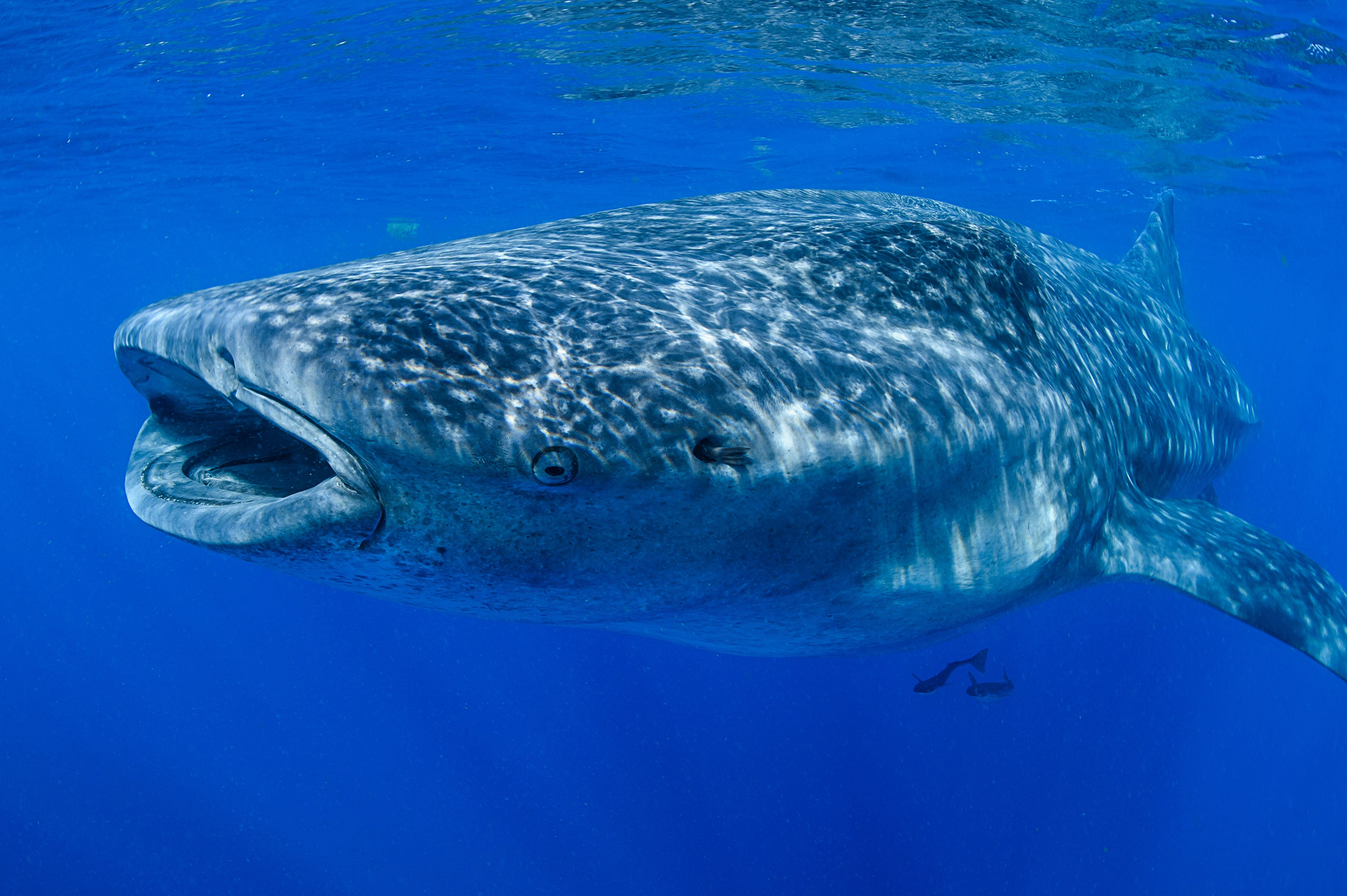
When tourists snorkel with whale sharks, they can find themselves swimming alongside gigantic fish around eight metres long – that’s bigger than a saltwater crocodile. And these aren’t even fully grown.
Often, the whale sharks that gather in shallow coastal areas (where tourists can visit) are juveniles. Adult males grow slightly larger (to around nine metres) but females can get to around 14 metres – longer than a shipping container. And one ‘mega momma’ found in 2001 was larger than a humpback whale, at an astonishing 18.8 metres.
Despite their size, these enormous fish are harmless to humans. Their diet of tiny plankton might even be the reason they grow to such epic proportions. “In the ocean, there is a clear correlation between large body size and plankton-feeding animals,” explains Marine Megafauna Foundation on its website. “As whale sharks filter feed on plankton, their size might have developed as an evolutionary advantage.”
Basking shark (Ceterhinus maximus)
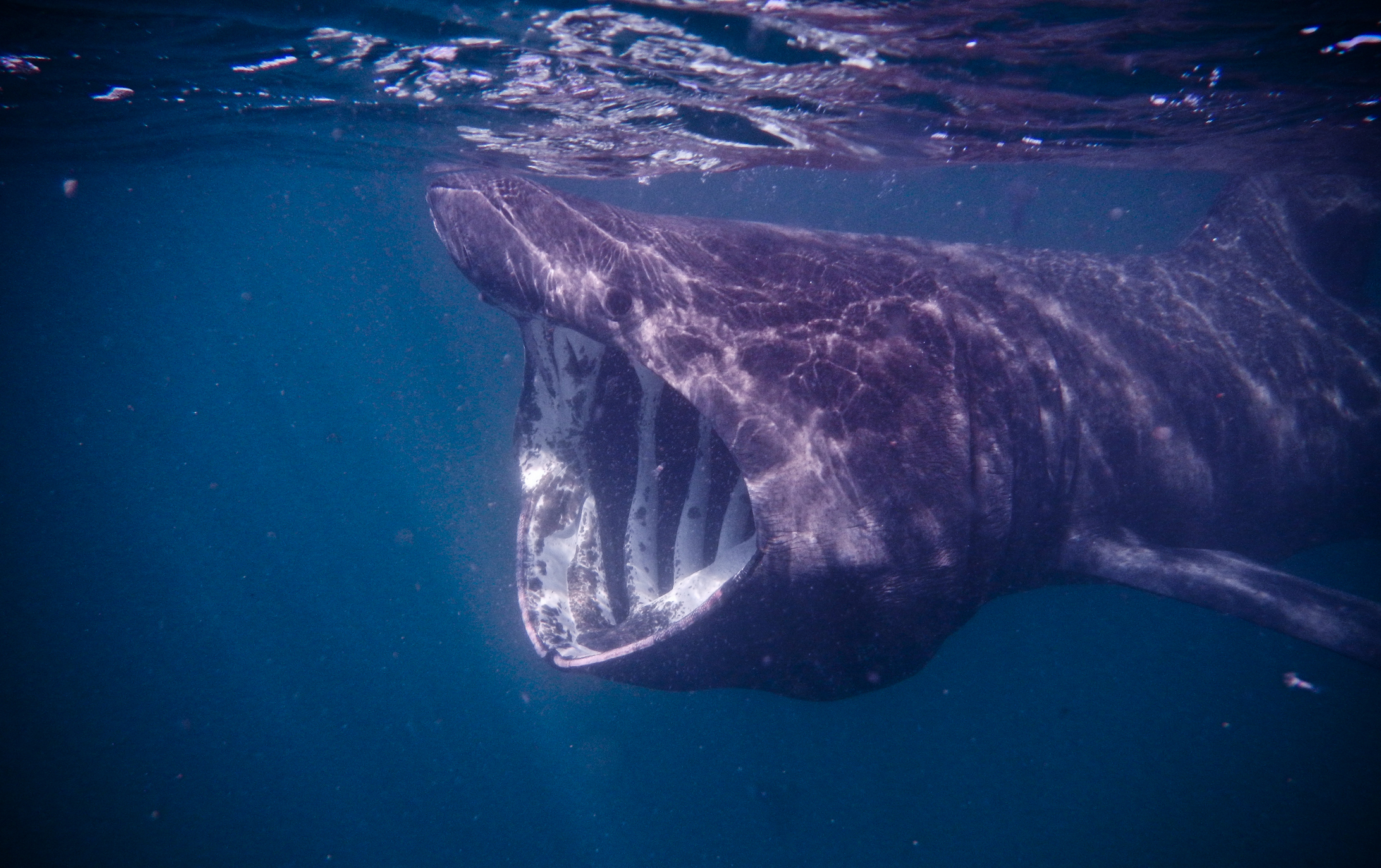
In second place is another plankton eater: the basking shark. Growing up to around 12 metres, these behemoths can be longer than a bus and their mouths alone can be one-metre wide. They swim along at the surface of the water – looking like they’re basking in the sun, hence their name – with their enormous mouths gaping wide to try to catch as many tiny plankton as possible.
- Amazing new footage shows basking sharks being sociable in Scottish waters
- "Its mouth is actually bigger than its body": Meet the biggest mouths in the animal kingdom, including one that's 5m long, 4m high and 2.4m wide
“The sharks spend much of the summer months at the sea's surface, moving slowly,” writes the Natural History Museum on its website. “You have the best chance of seeing one on a sunny day, when the shark's zooplankton food source will be most abundant at the surface.”
Great white shark (Carcharodon carcharias)
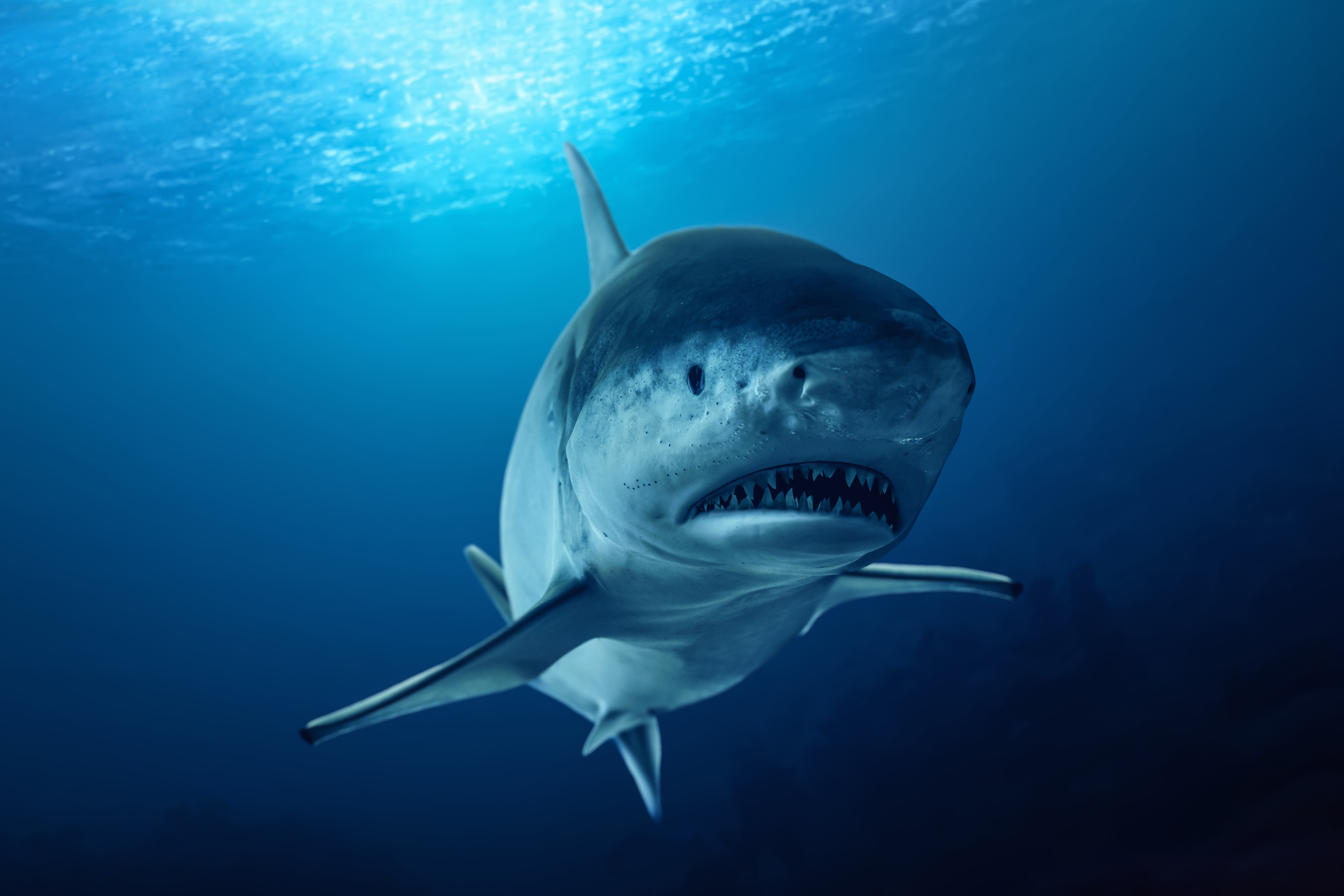
Of course, this roundup wouldn’t be complete without the iconic great white shark. Although not the largest of all shark species, these big brutes are definitely up there.
Adults typically grow to a little more than four metres but they can get even bigger. “There are many claims of huge specimens up to 10 m (33 ft) in length,” says Guinness World Records on its website. “Although few have been properly authenticated, there is plenty of circumstantial evidence to suggest that some great whites grow to more than 6 m (20 ft) in length.”
- Can any animals kill a great white shark?
- The mystery of the White Shark Café: why do great white sharks migrate to this remote stretch of ocean?
According to Guinness World Records, white sharks hold the crown for the largest carnivorous shark on the planet.
Tiger shark (Galeocerdo cuvier)
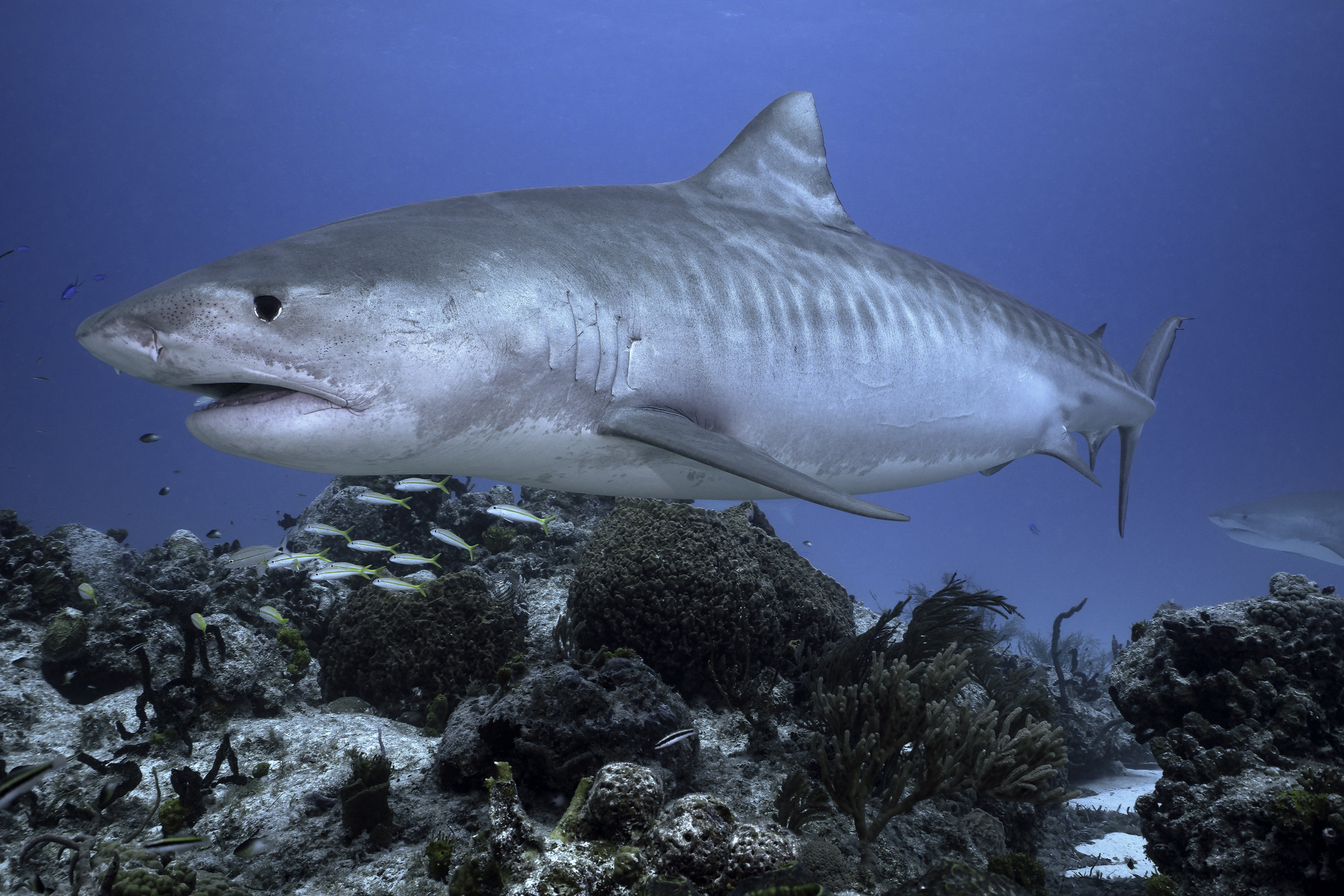
Another well-known predator is the voracious tiger shark. Usually growing three or four metres long (but some individuals measured at 5.5 metres), these predators aren’t fussy when it comes to what they eat. Known as the “trash can of the sea”, they’ll eat pretty much anything.
- Tiger shark vomits up spiny anteater, shocking Australian scientists
- When this tiger shark bumped into a ray, something truly shocking happened
Greenland shark (Somniosus microcephalus)
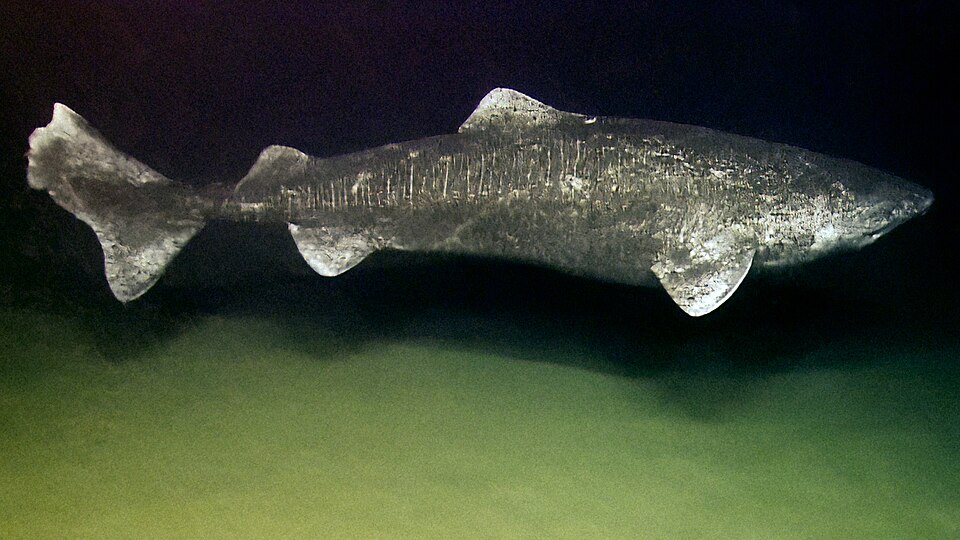
While some sharks are undeniably striking and elegant, others are… well, less so. The grizzled, cigar-shaped Greenland shark might not be as sleek as the mako shark or as beautiful as the blue shark.
But they’re obviously doing something right as they can live longer than any other vertebrate on Earth. Greenland sharks are thought to live for around 400 years.
These huge sharks, which may grow to more than six metres (but are more typically between two and 4.5 metres), live in the icy waters of the Arctic and North Atlantic.
- "It doesn't reach sexual maturity until 150 years old and can be pregnant for a humongous 18 years." Meet the 10 longest living animals on the planet
- “Seriously underestimated.” Shark experts looked into the eyes of this deep-sea giant and were stunned by what they saw
To survive in these cold waters, they have high levels of urea and a chemical called trimethylamine N-oxide (TMAO) in their tissues. These act like anti-freeze and stop ice crystals forming inside their bodies – but they also make their flesh toxic (which is why Icelandic communities dry and ferment Greenland shark meat before eating it).
Great hammerhead shark (Sphyrna mokarran)
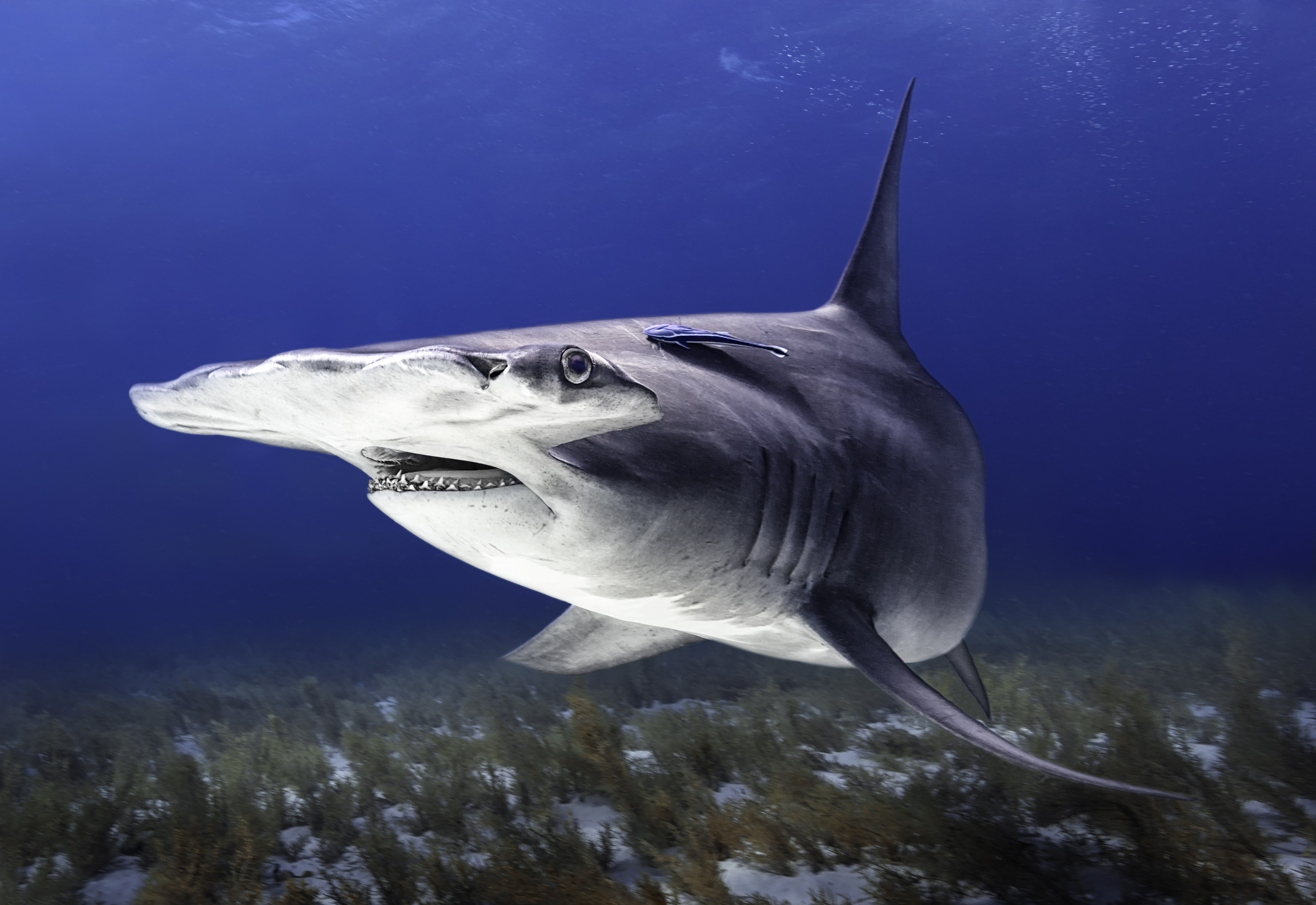
Another of the world’s most recognisable sharks is also among the largest: the great hammerhead. There are at least 10 different species of hammerhead, some of which are much smaller: for example, the diminutive bonnethead shark is only 1.5 metres long (and also feeds on seagrass!)
By comparison, the great hammerhead – which is usually four or five metres long but can reach around six meters – is a giant. As well as its funny-shaped face, the great hammer is known for its iconic dorsal fin, which can be more than one metre high (taller than a St. Bernard). It’s the tallest dorsal fin of any shark (relative to body size).
Thresher shark (Alopias vulpinus)
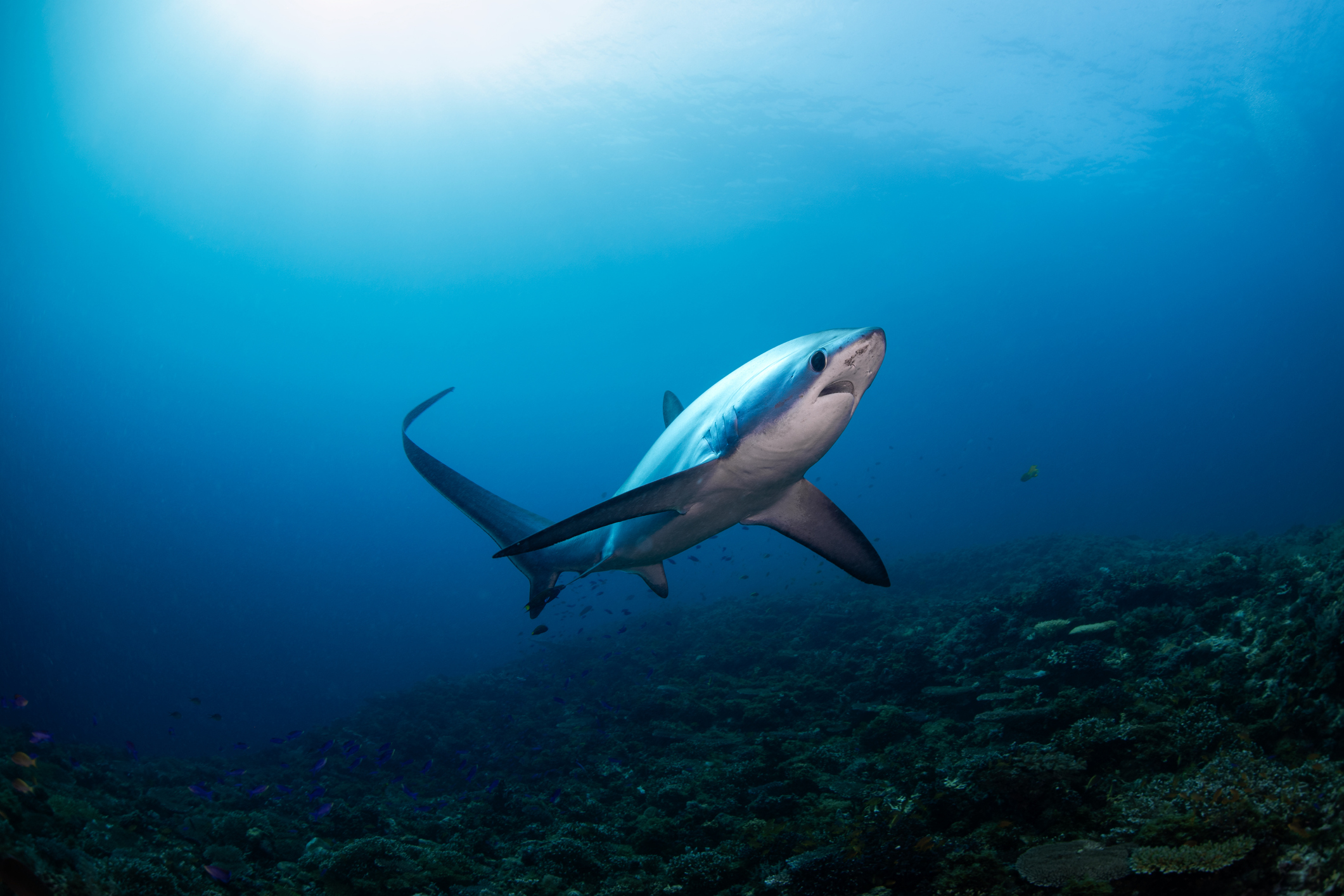
Thresher sharks owe much of their large size to their elongated tail, which can make up half the length of their entire body. These don’t just look cool (although they do as well) but play an important role in the sharks' survival. When hunting, thresher sharks use their tail like a whip to send shockwaves through the water and stun their prey, leaving them defenceless and ready to be gobbled up.
There are three species of thresher: the common (Alopias vulpinus), bigeye (Alopias superciliosus) and pelagic (Alopias pelagicus). The common thresher shark is the largest of the three, growing between three and six metres long.
Bluntnose sixgill shark (Hexanchus griseus)
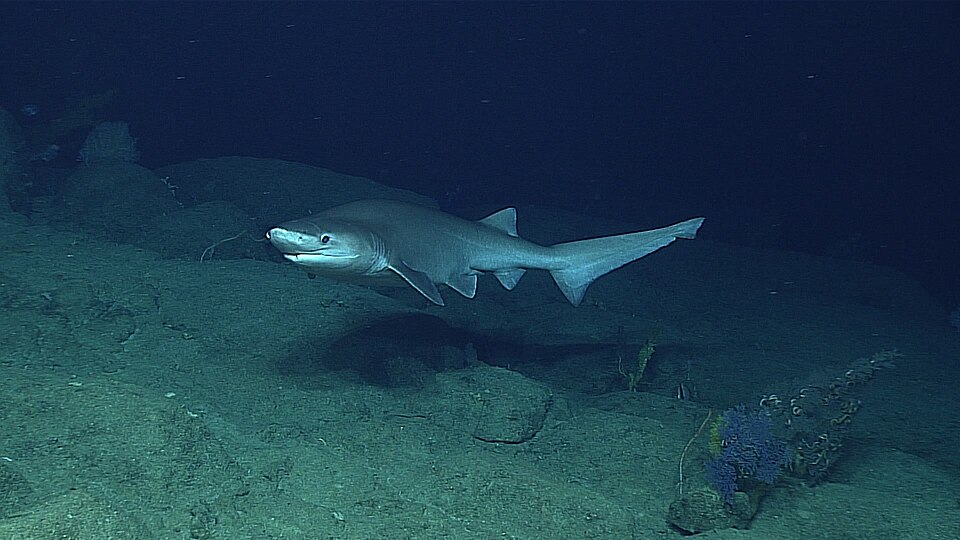
Not all massive sharks are as famous as the iconic white, tiger and hammerhead sharks. The bluntnose sixgill shark is a deep-sea beast that can also grow to huge sizes.
“Bluntnose sixgill sharks can grow to an impressive 5.5 metres in length,” Aaron Judah, a marine biologist at National Geographic Pristine Seas, told BBC Wildlife via email. “They are true apex predators of the deep, feeding on everything from squids and bony fish to marine mammals and sharks, and they act as important scavengers on dead animals fallen to the sea floor.”
Judah has come eye-to-eye with one of these incredible creatures in a deep-sea submarine, saying the inspiring moment was “one of the highlights and honours of [his] career”. But it’s also possible to see them in shallower seas, if you go to the right place. “You can even dive with them in colder locations such as British Columbia, Canada where they are known to come into shallow water,” he adds.
Judah’s encounter with a bluntnose sixgill shark will be imprinted on his memory. “These animals are likely quite long-lived, so seeing a large, presumably old adult in their natural habitat coming to check you out really feels like you have entered another world, one that belongs to them,” he says.
Pacific sleeper shark (Somniosus pacificus)
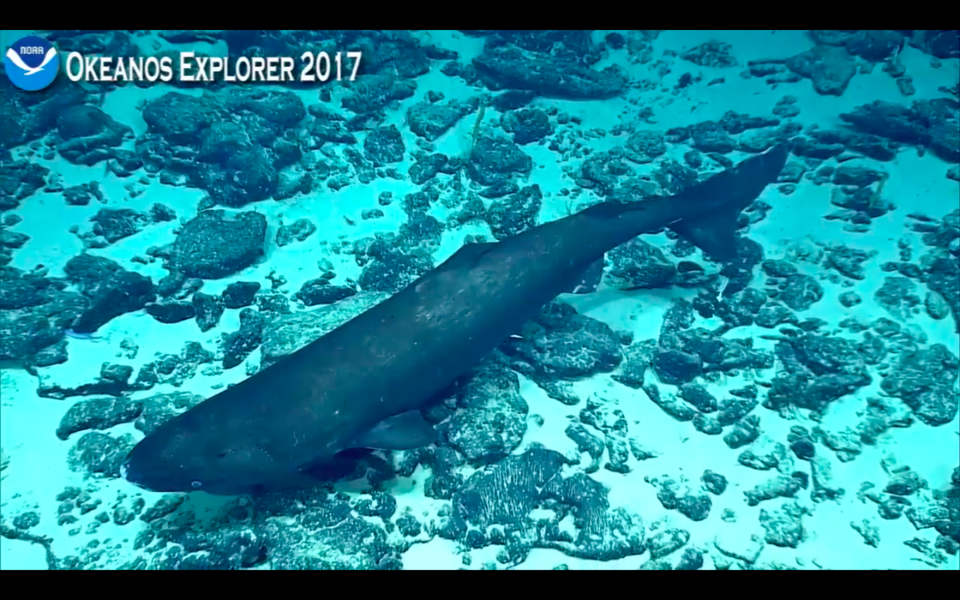
A large shark that many people may not have heard of is the Pacific sleeper shark. This species is known to grow over four metres long but there have been reports of individuals reaching as large as seven metres.
- Scientists sink cow 1,629m into South China Sea, then gigantic animal appears out of the gloom
- Something huge was just filmed at the bottom of a deep, dark trench in the Pacific Ocean
Their name is somewhat misleading. “Pacific sleeper sharks are actually not sleepy at all,” writes Alaska Department of Fish and Game on its website. Although these animals were long thought to be sluggish sharks that ambled slowly along the seabed, more recent discoveries have proved that this isn’t accurate. “They spend little time on the bottom. Instead, they move continuously in the water column and are voracious stealth predators of fast-moving prey.”
- 33-metre, 180-tonne monster tops 'biggest animals in the ocean' list – and makes the great white shark look tiny
- "Its mouth is actually bigger than its body": Meet the biggest mouths in the animal kingdom, including one that's 5m long, 4m high and 2.4m wide
Top image credit: FOTOKITA/Getty Images


