
The longest living human in recorded history was Jeanne Calment (1875-1997), who lived to 122 years and 164 days. 122 years seems like a long, long time – but it’s not that long for the animals on this list…
Here are the 10 longest living animals.
10 longest living animals
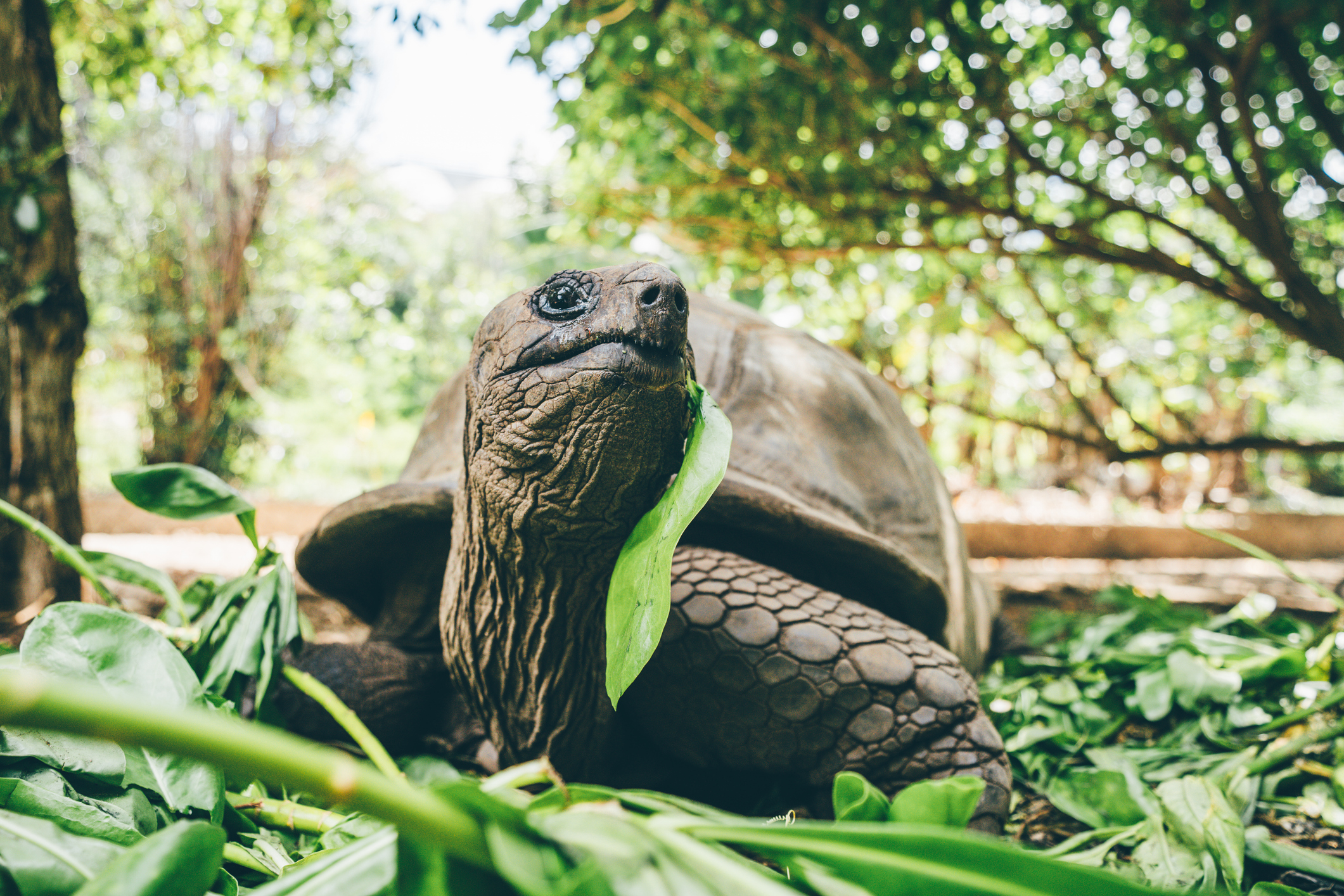
Seychelles giant tortoise (Aldabrachelys gigantea hololissa)
190+ years
The Seychelles giant tortoise inhabited the Seychelles islands until European settlers arrived, bringing non-native species with them. The tortoise population plummeted, but restoration efforts mean their numbers are growing once again.
Tortoises are some of the longest-living terrestrial animals in the world, with the Seychelles giant tortoise named Jonathan taking the cake (literally – to mark his supposed 190th birthday in 2022, local residents presented Jonathan with a cake made from his favourite foods.)
The tortoise lives on Saint Helena in the South Atlantic Ocean and is 193 as of 2026 – making him the oldest-known living land animal. Adwaita – an Aldabra giant tortoise that died in 2006 – is believed to have lived to be 255 years, but this information hasn’t been confirmed.
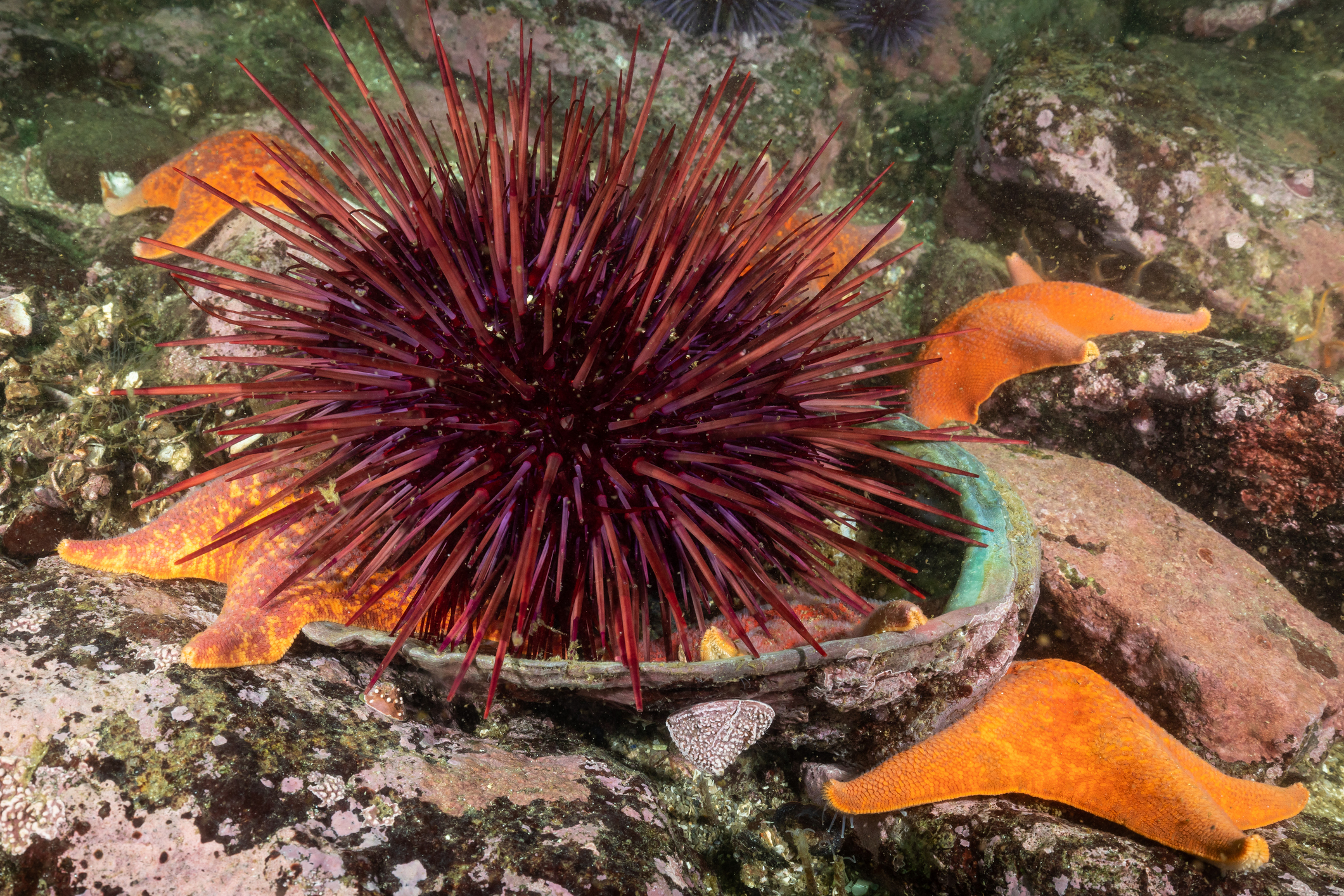
Red sea urchin, Strongylocentrotus franciscanus
Approximately 200+ years
The red sea urchin is found in the Pacific Ocean, from Alaska to Baja California. It lives in shallow waters and is typically found on rocky shores. A sea urchin’s body is covered by sharp spines – and it has the ability to regenerate damaged ones.
- "They're able to regenerate their bodies from tiny fragments..." Why some animals have abilities that rival the 'healing powers' of Deadpool or Wolverine
- Banana-sized deep-sea oddity glows red – and resembles an alien spaceship
The red sea urchin’s lifespan often exceeds 30 years, but the largest reported sea urchins, with body diameters over 19cm, found in British Columbia, Canada, are estimated to be around 200 years old.
The red sea urchin’s longevity may be connected to its indeterminate growth (when an organism continues to grow throughout its lifespan, rather than stopping at a certain size), life-long reproduction, and no increase in mortality rate with age.
Bowhead whale, Balaena mysticetus
Approximately 200+ years
The bowhead whale is a species of baleen whale, endemic to Arctic and subarctic waters. They are considered to be the longest-living mammals and can live for over 200 years. They reach sexual maturity at approximately 25 years old.
In 2007, a specimen caught off the Alaskan coast was discovered with the head of an explosive bomb lance, manufactured between 1879 and 1885, wedged in its body. The whale’s age at the time of death was estimated between 115 and 130 years.
- Which mammal lives the longest? And which has the shortest life expectancy? Meet the winners and losers in the game of life
- "Its mouth is the size of a garage" – Just why do bowhead whales have such large heads?
Scientists believe that the harsh Arctic environment and effective DNA repair processes could play a part in the bowhead whales’ longevity.
Rougheye rockfish, Sebastes aleutianus
200+ years
The rougheye rockfish is one of the longest-living fish and can live for over 200 years. It grows to a maximum of about 97cm (38in) in length and is typically found at depths between 150-450m (490-1,480ft) – larger fish tend to live in deeper water than smaller ones.
It is thought that their longevity is linked to altered physiological processes relative to parameters like low temperature, high pressures, low light and oxygen levels, and poor resources.
A 2021 study in the journal Science found that Pacific Ocean rockfishes (genus Sebastes) possess DNA repair pathways that may help prevent cancers.
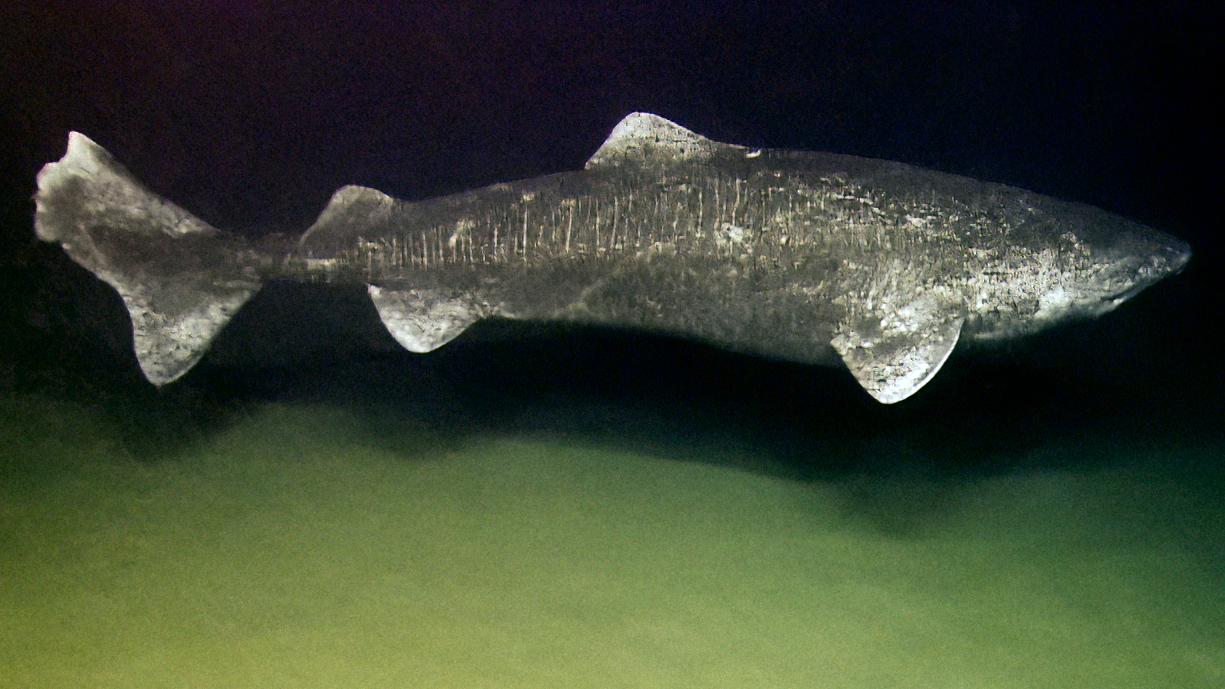
Greenland shark, Somniosus microcephalus
400-500 years
Greenland sharks are the longest-living vertebrates in the world – the oldest known individuals recorded by scientists were about 400 years old (with the possibility of approaching 500 years).
They do not age like many other animals, as their metabolism doesn’t diminish as they grow older. It’s unclear why this is, however.
- This prehistoric apex predator is older than trees, the Atlantic Ocean and even the North Star. A biologist explains why
- It's 7 metres long, can weigh almost a tonne and can live for 400 years or more – meaning some around today were born in 1625...
These sharks are not only extremely long-lived; but they’re also the only shark species capable of living in the Arctic all year. They’re one of the slowest swimming fish relative to their large size, swimming at an average of 0.34m (1ft 1in) per second.
Female Greenland sharks reach sexual maturity around 150 years of age, and their pups are born alive after a gestation period of 8 to 18 years.
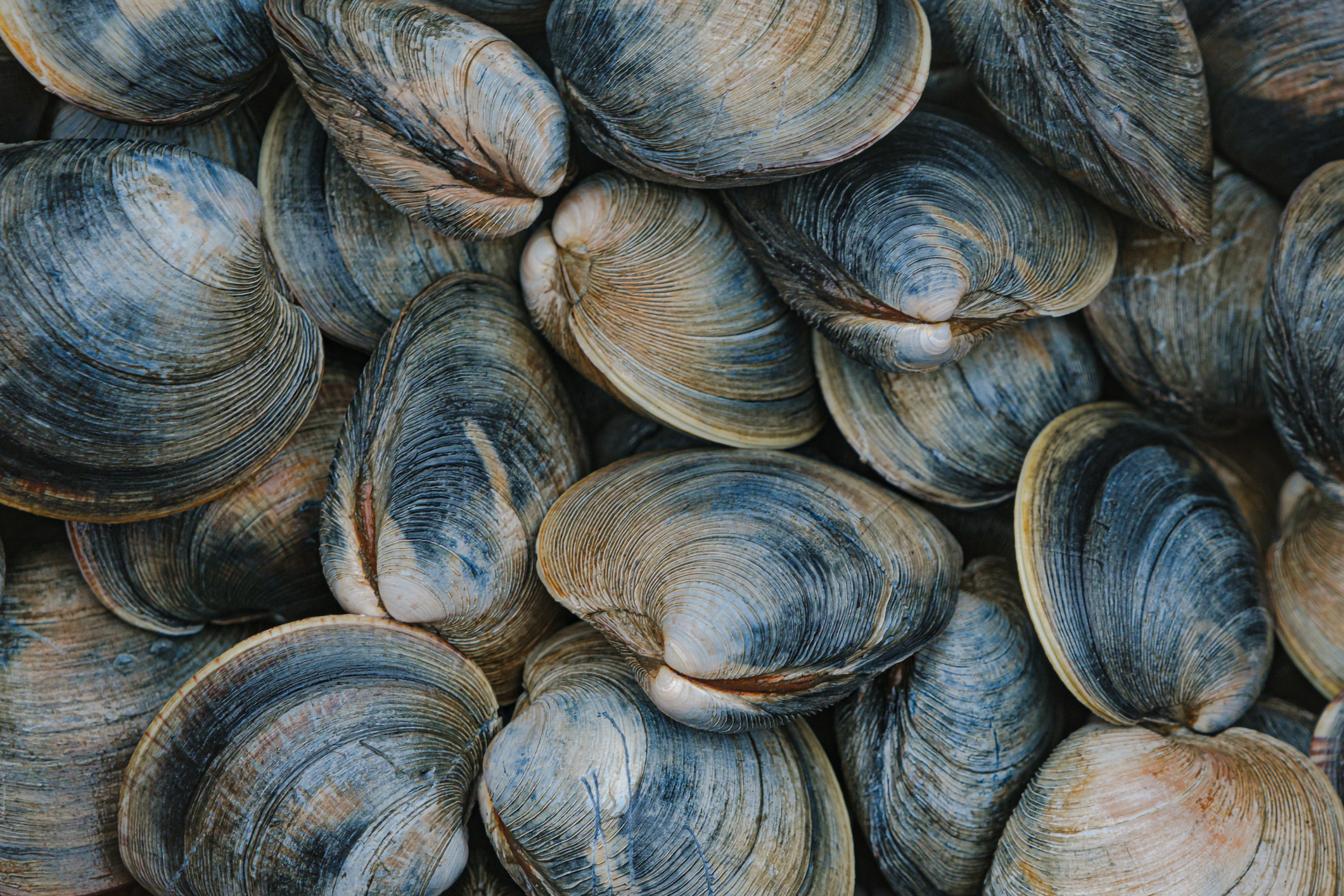
Ocean quahog clam, Arctica islandica
500+ years
The ocean quahog clam is a species of clam native to the North Atlantic Ocean. This clam shows slower growth rate than other species – it takes an average of 8 years to reach maturity. It’s thought that its extreme longevity stems from a low aging acceleration, further slowed in cold areas.
Ming, also known as Hafrun, was a clam dredged off the coast of Iceland in 2006, whose age was calculated by counting annual growth lines in the shell. It was said to be 507 years old, the oldest individual animal ever discovered whose age could be precisely determined.
- Oldest living animal ever found suggests Atlantic Ocean is close to tipping point, say scientists
- It’s the oldest individual living creature in the world, survives at 400m deep underwater and uses its ‘foot’ to move along the seafloor
Black coral, Antipatharians
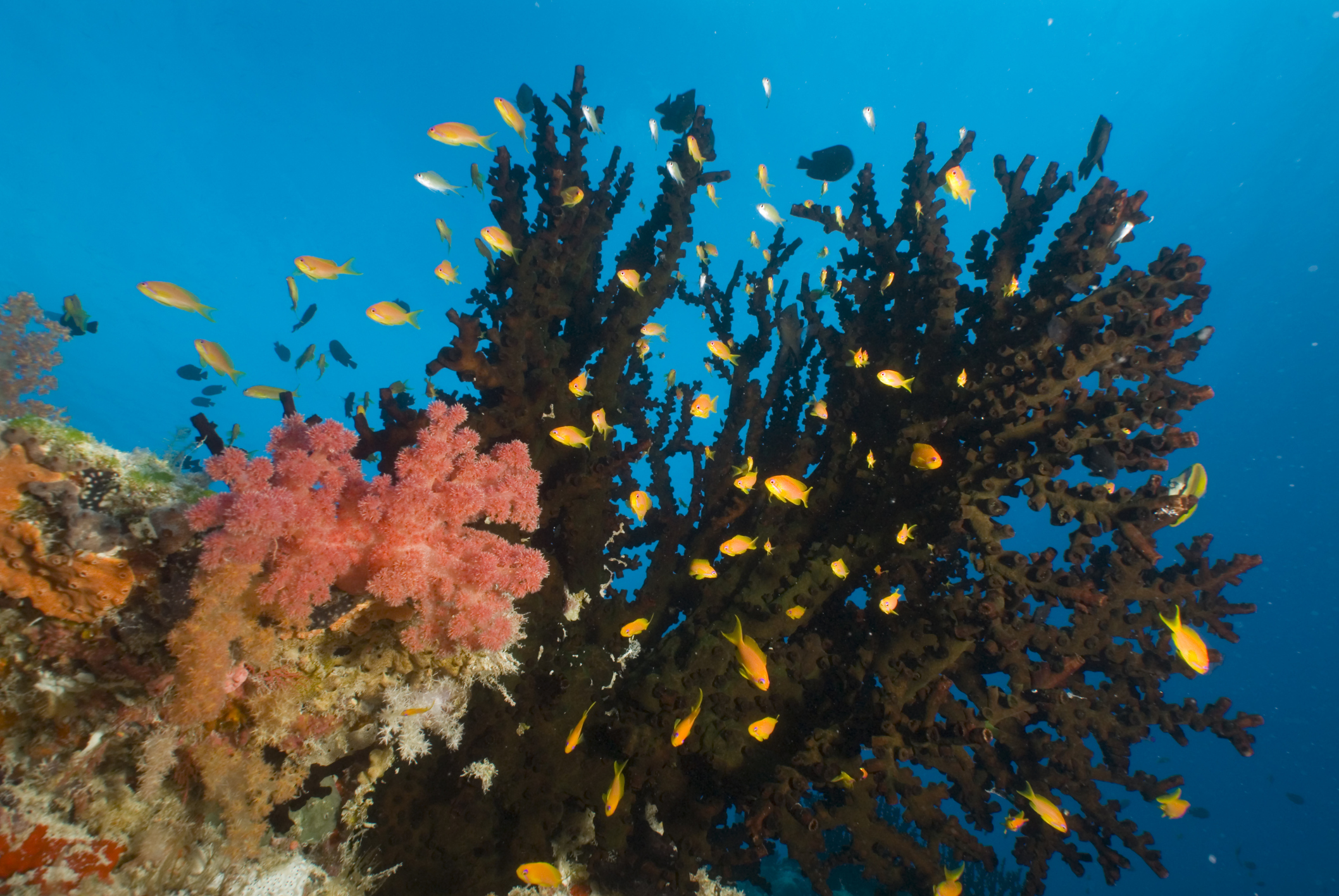
4,000 years
Corals are marine invertebrates that typically form colonies of many identical individual polyps. Each polyp builds an exoskeleton near its base. Over generations, the colony creates a coral reef that can measure up to several meters in size.
Although the estimated natural lifespan of a black coral colony is 70 years, specimens over 4,000 years old were found in 2009, at depths of nearly 300 to 3,000 m (984 to 9,840 ft).
Glass sponge, Hexactinellida
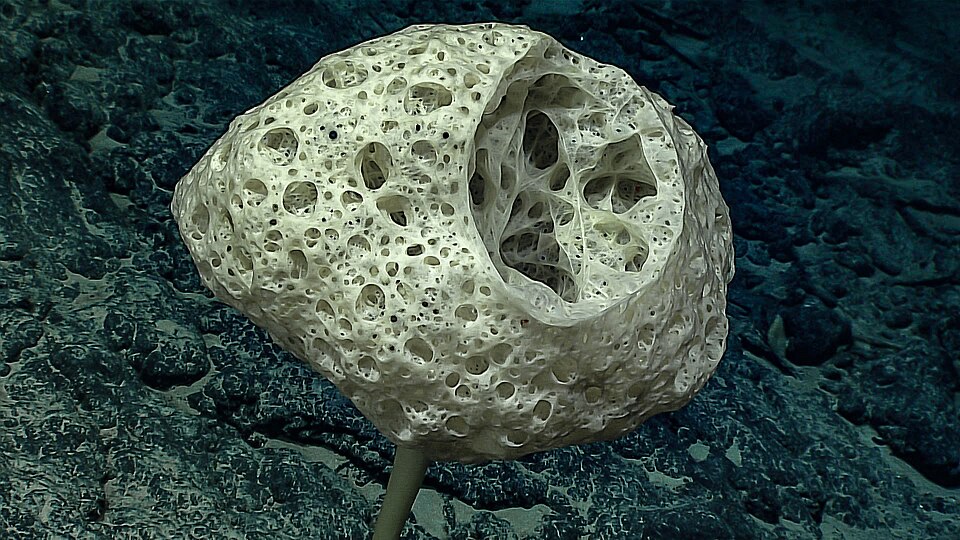
15,000 years
Glass sponges are considered the oldest animals on Earth, with some scientists estimating they can live for more than 10,000 years, possibly up to 15,000.
Despite their incredible longevity, glass sponges are not considered to be biologically immortal – they age normally, just really, really slowly.
- Underwater robot discovered record-breaking creature the size of a car that could be thousands of years old, one mile down in the Pacific Ocean
- “Jeez, talk about a Dr Seuss-like landscape." Underwater robot discovered bizarre ‘forest’ full of animals all facing in the same direction. Here’s why...
Immortal jellyfish, Turritopsis dohrnii

Potentially immortal
This jellyfish begins its life as tiny, free-swimming larvae (planulae) to then give rise to a colony of polyps attached to the sea floor. After that, jellyfish bud off these polyps and continue their life, eventually becoming sexually mature.
- It's bigger than a double bed, weighs the same as a scrambler motorbike – and has one deadly sting...
- "Death can come within five minutes": Discover the 10 deadliest, most venomous, jellyfish on the planet
This is where it gets interesting – if the jellyfish is exposed to threat, or is sick or old, it can revert to the polyp stage, forming a new colony. In perfect conditions, it can repeat this process indefinitely – effectively rendering it immortal.
Hydra, Hydridae
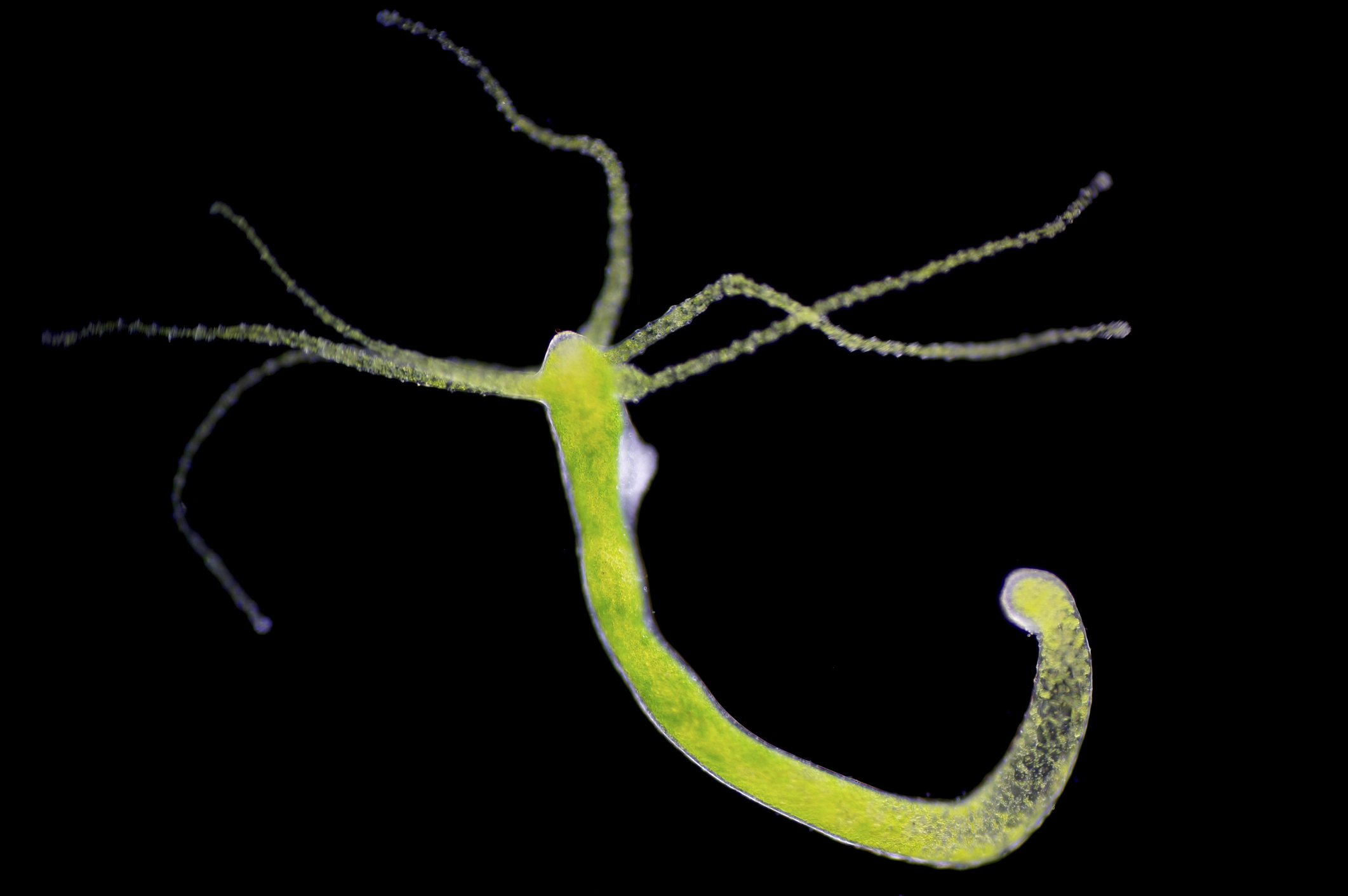
Potentially immortal
Hydras are part of the same group of animals as jellyfish and corals. They’re little more than a flexible tube with a mouth at one end, surrounded by a crown of tentacles. They have no heart, brain, eyes or gills. They are also, technically, immortal. Or biologically immortal, to be more specific.
Hydra stem cells have a capacity for indefinite self-renewal – similar to Greek mythology, you cut off one of its heads and another one will grow in its place.


