
Covering around 20% of the Earth’s surface, the Atlantic Ocean is the second largest ocean in the world, after the Pacific. Its waters are full of marine life - from sharks, whales and dolphins to fish, crustaceans and other critters.
Although marine animals are more threatened by humans than the other way around, here are some of the most potentially dangerous animals in the Atlantic Ocean.
- Robot sent deep into Atlantic Ocean. Its mission? To investigate the largest animal migration on Earth
- Oldest living animal ever found suggests Atlantic Ocean is close to tipping point, say scientists
- This prehistoric apex predator is older than trees, the Atlantic Ocean and even the North Star. A biologist explains why
The Atlantic Ocean’s deadliest animals
Great white shark
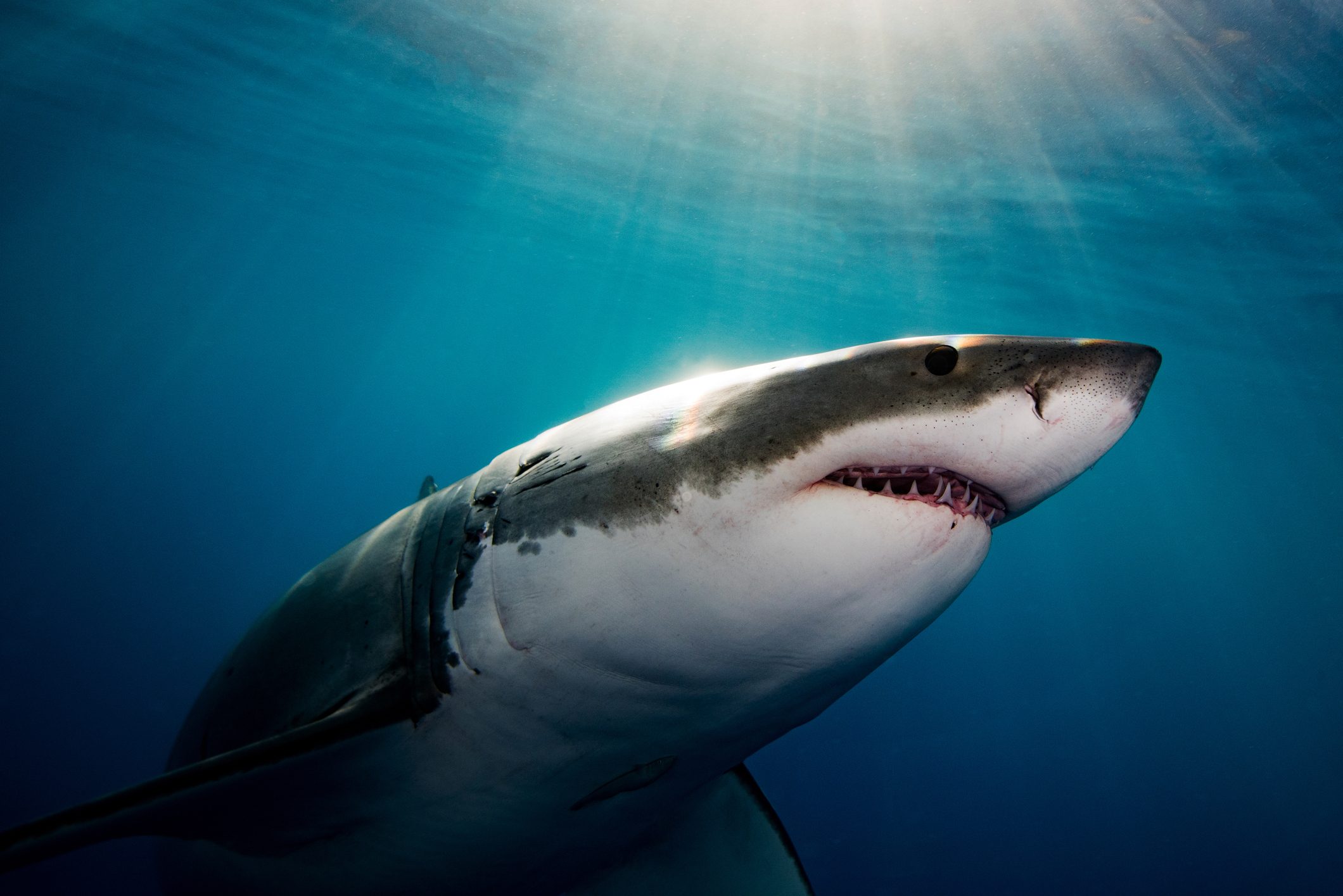
Great white sharks are found in the waters off North America’s Atlantic coast. Scientists from the Atlantic White Shark Conservancy have developed a database of more than 700 white sharks in these waters to better understand where they travel, ways to protect them, and how to minimise negative encounters between sharks and humans.
- They can have 30,000 teeth and some really do die if they stop swimming: 35 incredible, hard-to-believe, fascinating shark facts
- How many teeth does a great white shark have? A guide to its deadly, razor-sharp gnashers
Although people might be afraid of white sharks, these predators play an important role in keeping the marine ecosystem healthy. And the chances of being targeted by a great white (or any species of shark) is incredibly low. According to data from the International Shark Attack File, there were just 65 unprovoked bites globally in 2025.
You can minimise your chance of a negative shark encounter by never swimming in murky water or at dusk and dawn – when sharks are most active – and steer clear of bait fish which might bring in hungry sharks.
Tiger shark
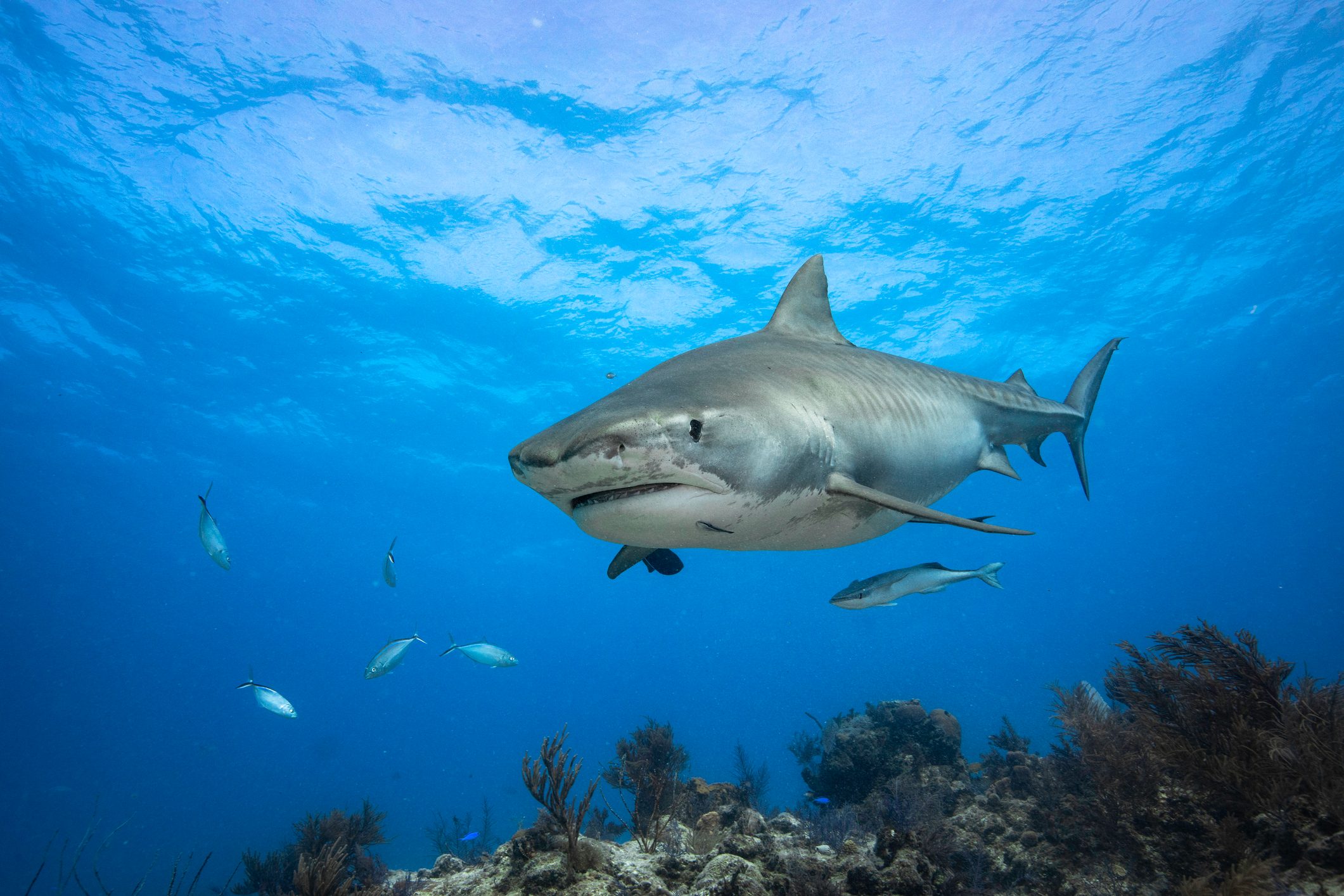
If great whites in the water aren’t enough, tiger sharks also call the Atlantic Ocean home. These migratory sharks can be found along the US coastline from Cape Cod to the Gulf of Mexico.
Tiger sharks are opportunistic predators that eat pretty much anything – from crunching through a turtle’s tough shell to guzzling down a whole echidna. This is why they’re sometimes called the ‘dustbins of the sea’.
- “I immediately knew it was the largest tiger shark I’ve ever seen in my life. This was like a truck.”
- This enormous shark was swallowed by an even bigger shark – and a lost tracking device reveals exactly what happened
Even so, humans aren’t typically on the menu. Of the 500+ species of shark, tigers (along with white sharks and bulls) are the most likely to bite humans, but there were fewer than 100 bites from all species of shark all around the world in 2025. Considering how many millions of people swim, surf and dive in the ocean, you’re very unlikely to have a negative encounter with a tiger shark.
Bull shark
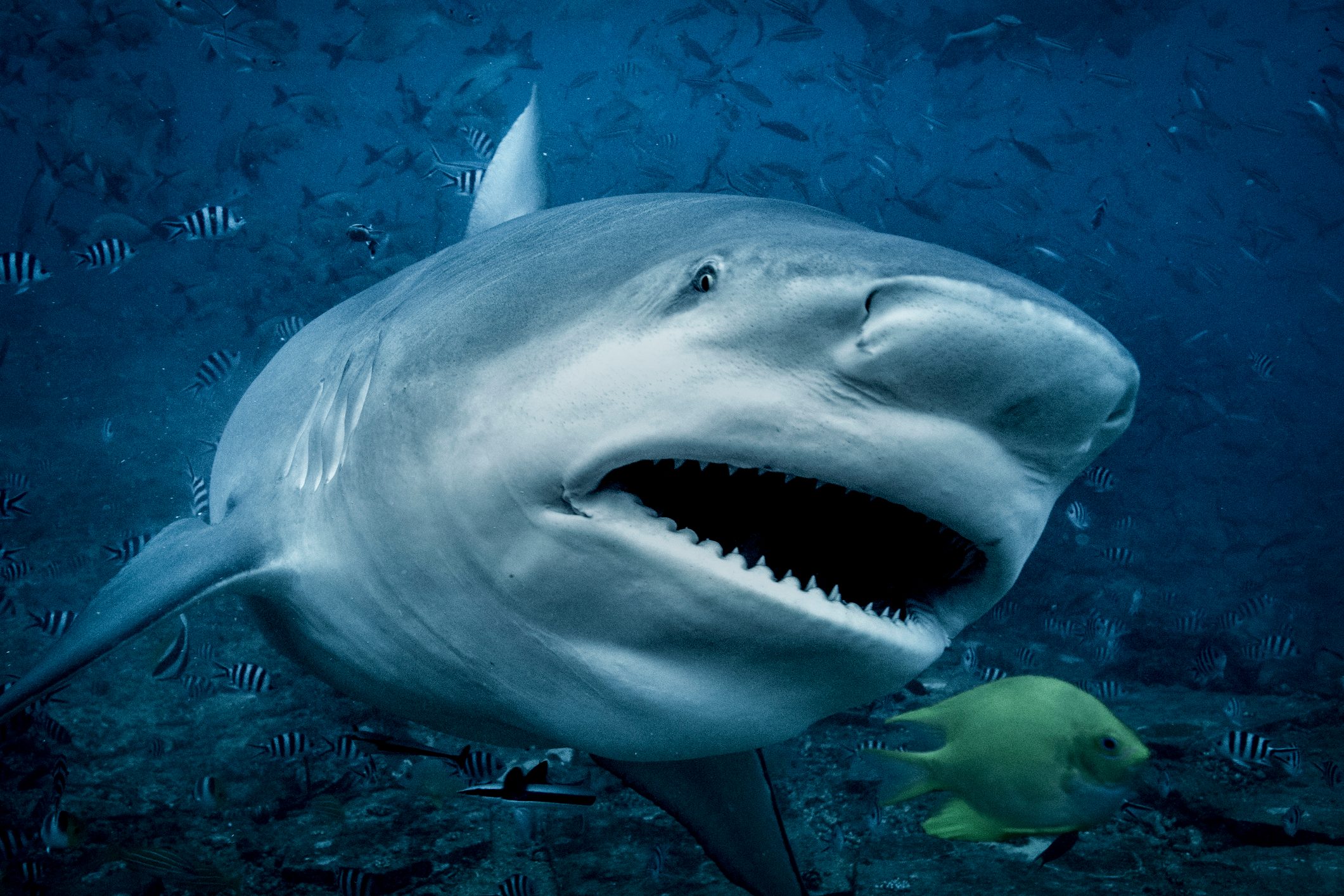
The third of the “big three” – the species believed to be the most dangerous to humans of all the 500+ types of shark – is the bull shark. These large predators are found in the Atlantic Ocean but can also survive in brackish and freshwater, meaning they can also swim in rivers and estuaries.
As their name suggests, these stocky animals have a broad, blunt stout and a tendency to be territorial and belligerent. Their preferred hunting strategy? The ‘bump and bite’. To check out and potentially stun their prey, they ram them before landing a bite.
- Is there really a shark that walks? Oh yes - meet the walking shark
- What is the largest shark of all time? Meet the ocean giant with a bite force ten times stronger than a great white
Although these cantankerous creatures sound scary, bites are very rare. But, like many other sharks, they are threatened by humans. Bull sharks are currently considered vulnerable to extinction.
Shortfin mako
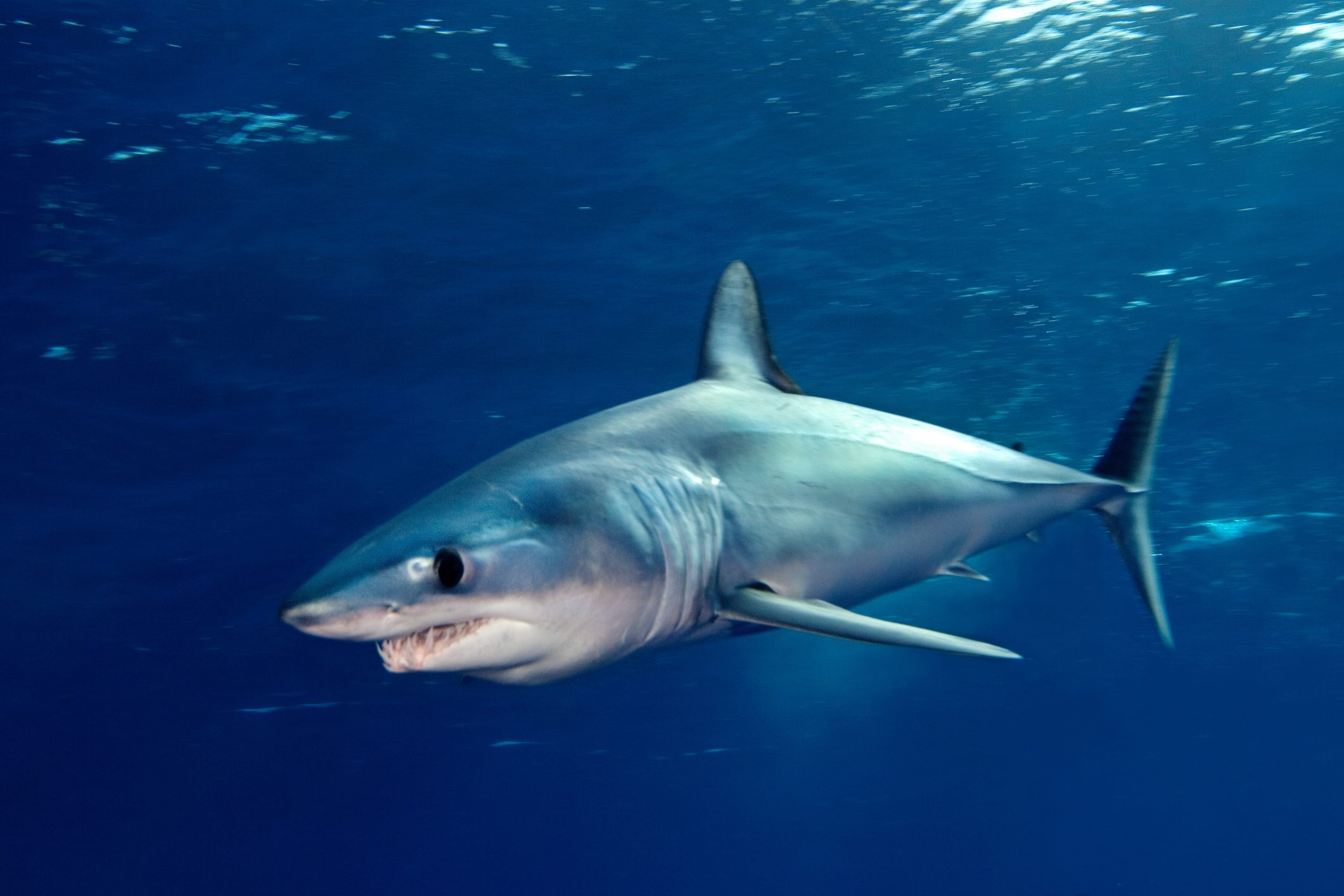
Shortfin makos – the fastest known shark in the world, reaching 43 miles an hour in short bursts – are known to swim through the Atlantic Ocean.
- A gobsmacking 106 metre square spider's web, a bee bigger than your thumb, a speedy shark that can swim at 70km/h – meet 20 amazing animal record breakers
- It's one of the most beautiful animals in the ocean – indigo blue, sleek, 4-metres long – and has weird freckles to help it hunt prey
Although makos’ prey – which includes fish, cephalopods, squid and sometimes even small dolphins – have good reason to be wary of these endangered predators, humans don’t need to be too concerned. These large predators don’t typically harm humans. There is only one fatality from makos on record globally.
Oceanic whitetip
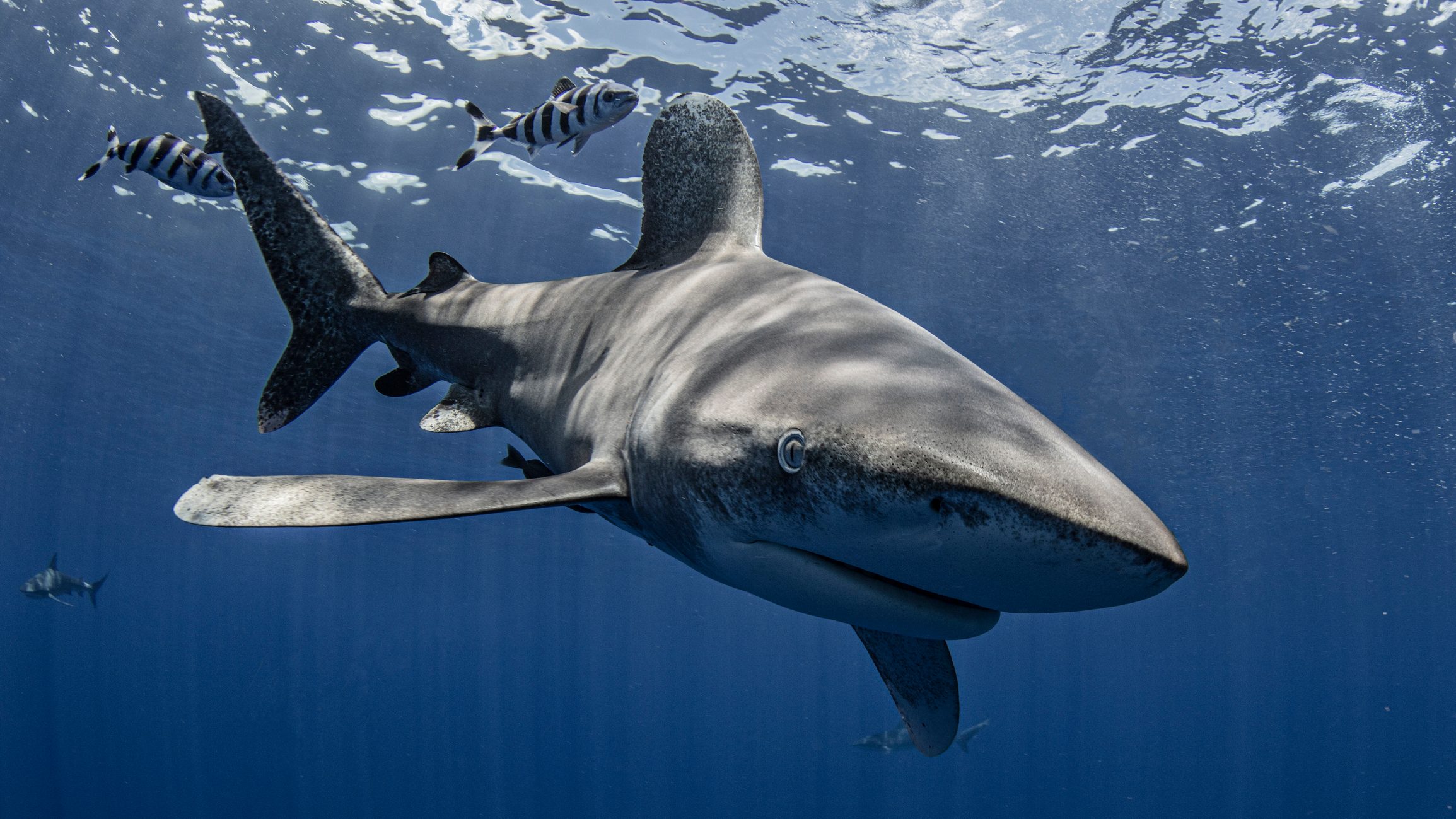
If you see a shark with large, rounded fins with tips that look like they’ve been dipped in white paint, you may have come across an oceanic whitetip. These opportunistic hunters are usually found in the open ocean and are believed to have attacked the survivors of several different plane and shipwrecks. They’re even the species believed to have gone after the survivors of the USS Indianapolis when it sank in 1945 – becoming known as the deadliest shark attack in history.
- When a divemaster in Mauritius saw a shark approaching, an even bigger animal appeared
- Something remarkable was just filmed at this decaying whale carcass in Hawai'i
These bold, bolshy predators aren’t afraid of humans and may swim up to check you out. So, while attacks are rare, if you do see a white tip, stay close to your group, maintain eye contact with the shark and put something between you and the shark (such as your fins) if you need to keep them at a distance.
Scorpionfish
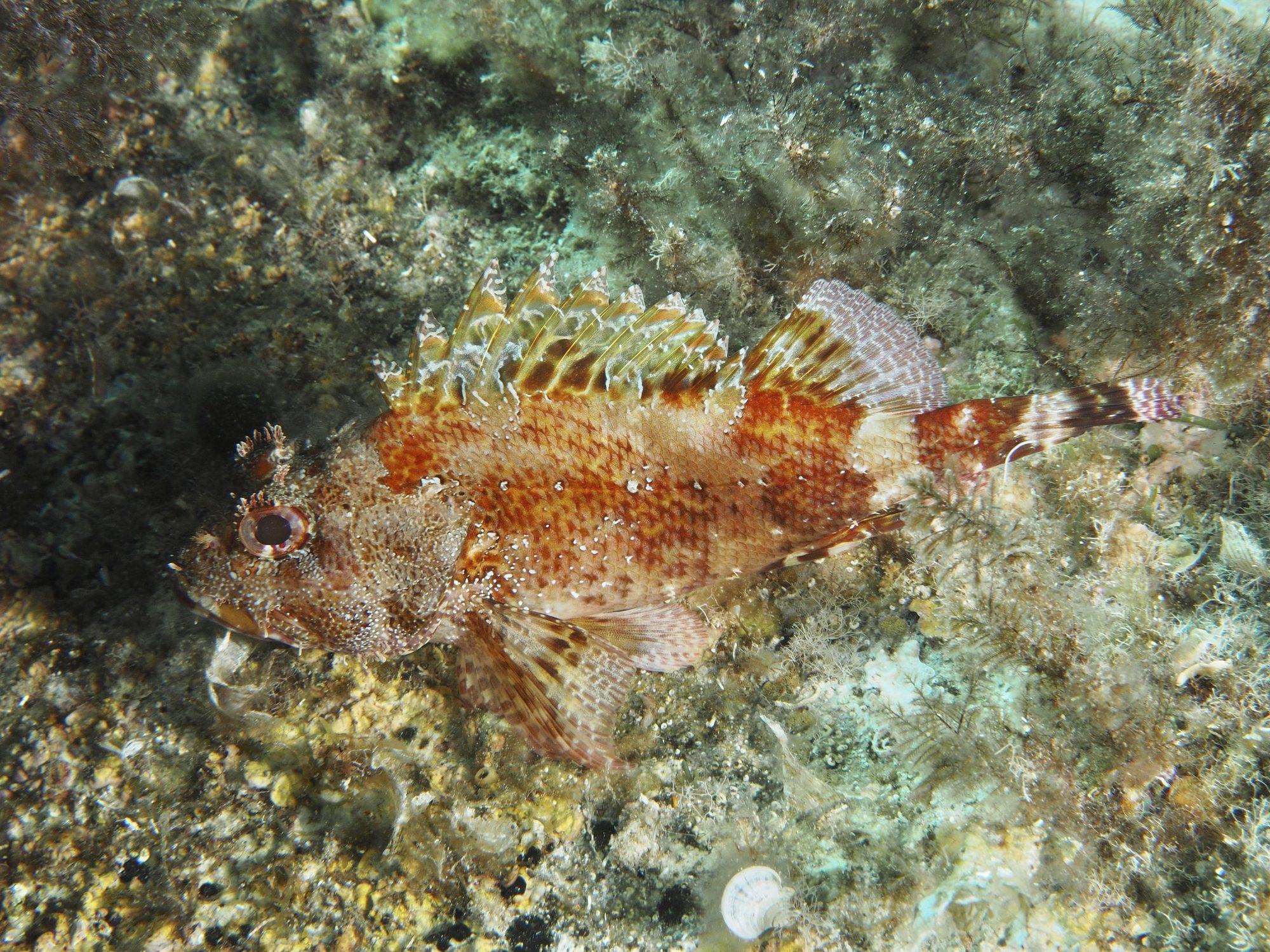
Scorpionfish are another bottom dwelling species that lurk motionless on the seafloor or reef waiting for their prey to pass by. When a tasty morsel comes close enough, they launch their ambush. Opening their large mouths wide, they gobble down the animal in one.
Thankfully, humans are much too large for a scorpionfish to see us as lunch. But be careful on Atlantic reefs – scorpionfish are very talented at camouflaging into their background so they can be very hard to see. And they’re members of a family of venomous fish called Scorpaenidae.
- 6 of the world's most venomous fish, from the deadly stonefish to the beautiful and dangerous lionfish
- "It can survive just about anything, including high doses of radiation and is virtually indestructible." 10 toughest animals on the planet
Accidentally touching venomous scorpionfish spines doesn’t just hurt. You might also experience headaches, nausea, vomiting, chest and abdominal pain, irregular heartbeat, and even fluid on the lungs. A good reason to keep your hands to yourself and be careful to avoid touching anything on coral reefs.
Stingrays
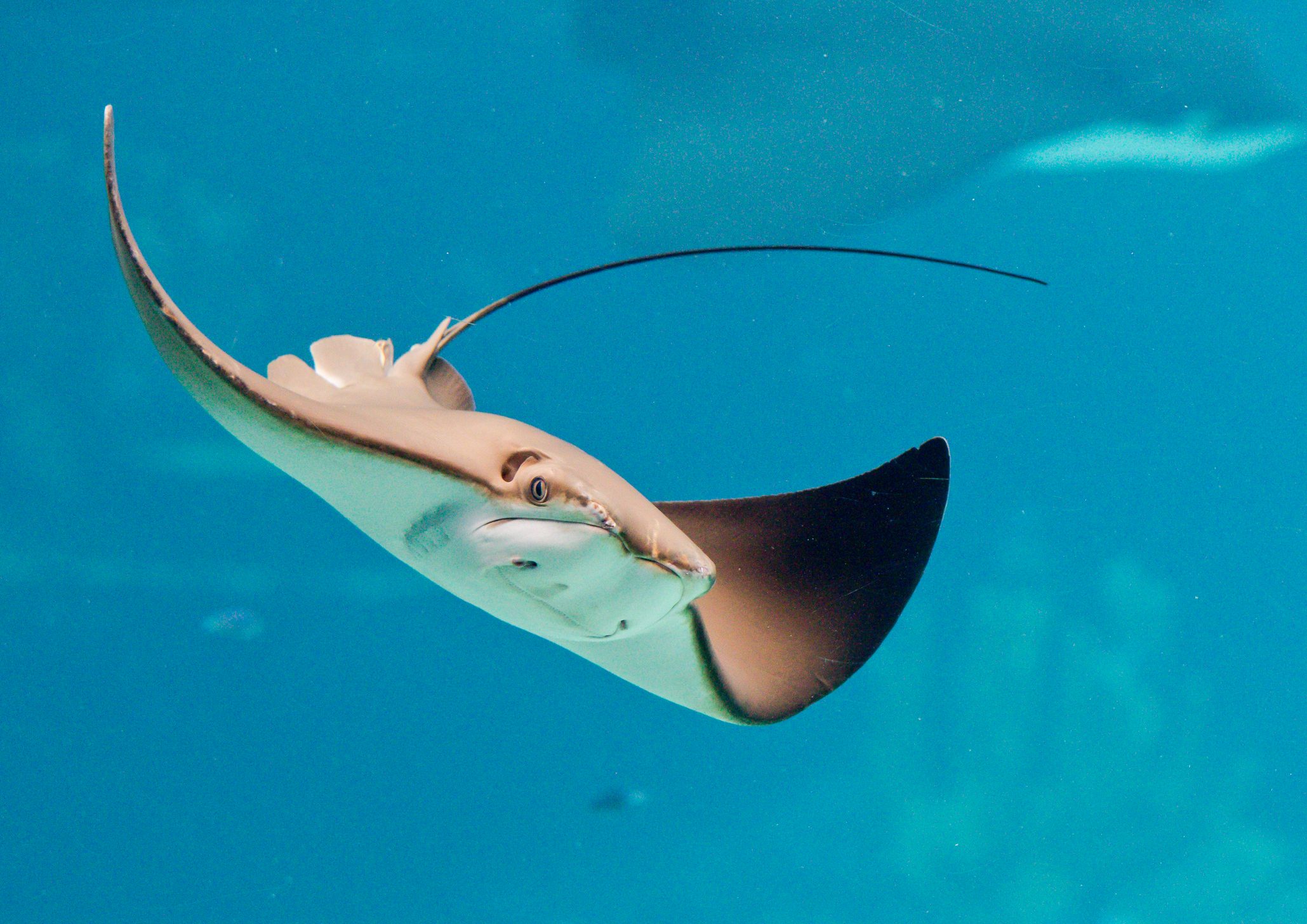
Stingrays aren’t typically aggressive towards humans but they do like to nestle themselves in the seabed in the shallows, covered in sand, making them very hard to see – and so very easy to step on.
If you stomp on a stingray, it’s – understandably – going to try to defend itself. It does this by thrashing its tail towards you and discharging its toxic venom. If you are stung, seek medical help immediately. Globally, there are believed to have been fewer than 20 stingray fatalities since 1945.
- This stingray is about to have a 'virgin birth'. Scientists explain how
- "Something wasn't right." Diver films giant stingray emerging from seabed with part of its body missing
To prevent getting on the wrong side of a stingray, when walking in shallow coastal waters shuffle your feet without picking them up as you move – known as the “stingray shuffle”. This makes it impossible for you to plonk your foot down on a stingray’s barb.
Box jellyfish
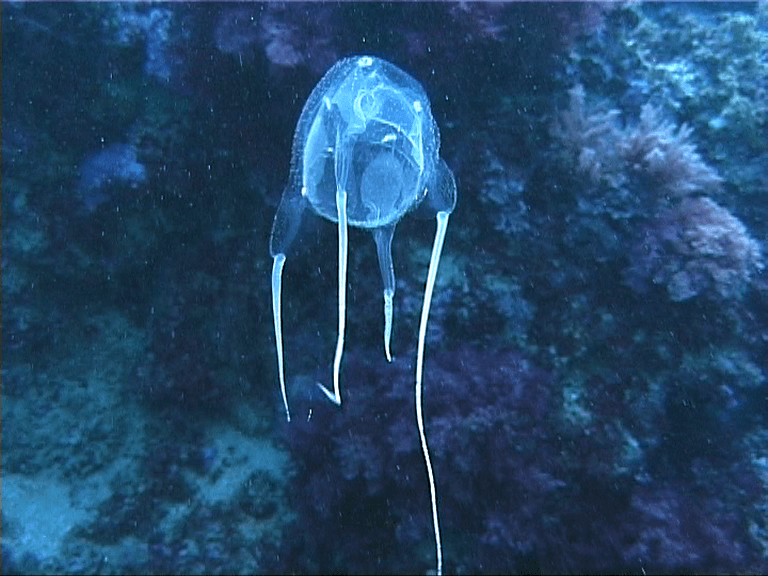
Swimmers in the Atlantic Ocean might be relieved to know that the world’s most deadly jellyfish – the Australian box jellyfish or sea wasp (Chironex fleckeri) – is not found in these waters. But there are other box jellies in the Atlantic.
- "Death can come within five minutes": Discover the 10 deadliest, most venomous, jellyfish on the planet
- Meet the tiny, virtually invisible creature that causes blinding pain and violent illness in humans, which can lead to life-threatening complications
Although the species found here aren’t as deadly, they can still deliver a painful venomous sting or worse. For example, four-handed box jellyfish (Chiropsalmus quadrumanus) aren’t likely to cause fatalities among adults but they have been known to kill children.
Orcas
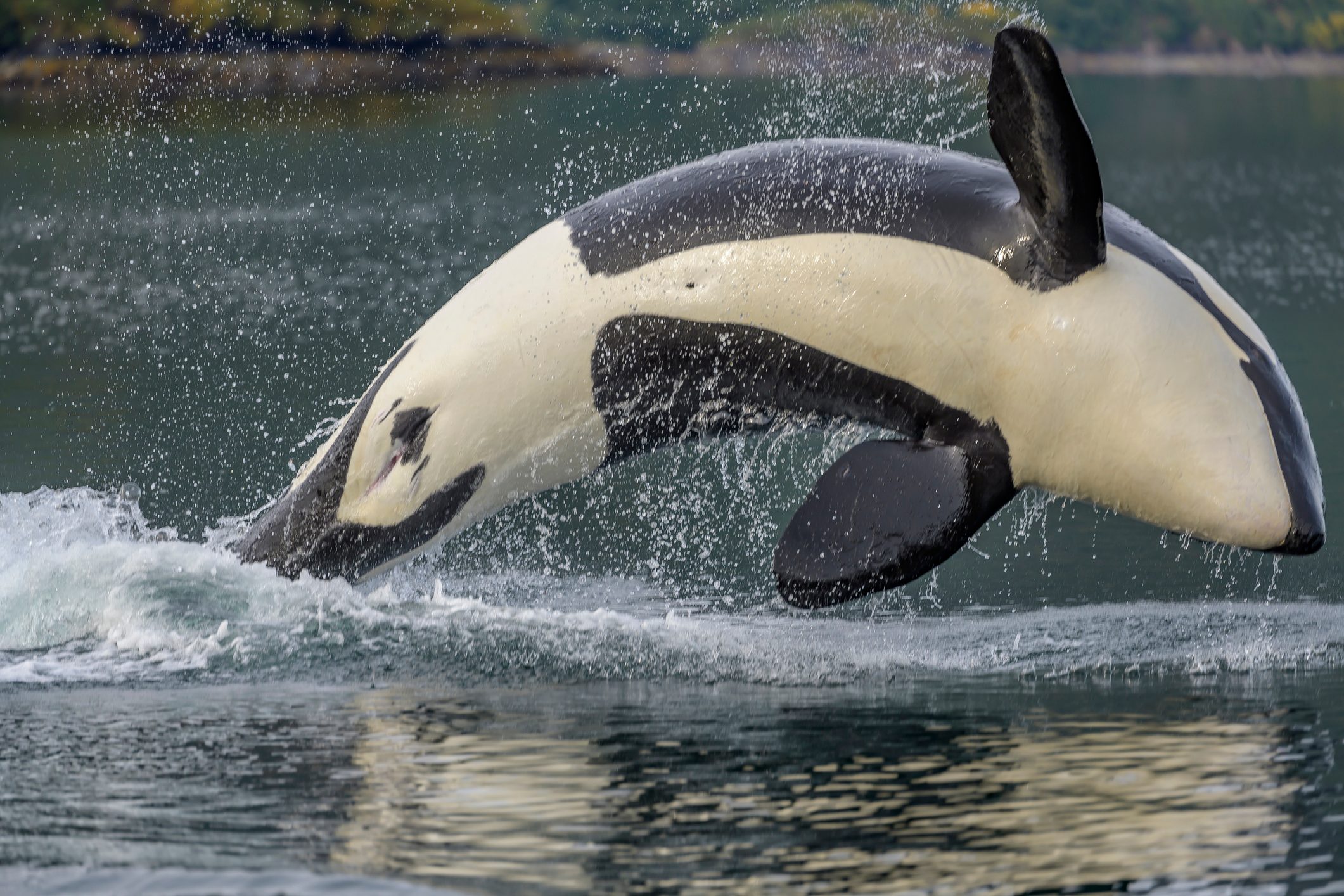
Also known as killer whales, orcas are one of the ocean’s most effective – and sometimes ruthless – predators. There are distinct types of orca, known as ecotypes, which each have different appearances, communication and diets.
In the Atlantic Ocean, Type 2 orcas are known for hunting other species of cetaceans (that is, whales, dolphins and porpoises.) If orcas can take down a minke whale, surely it would be easy for them to target a human?
- 11 jaw-dropping killer whale moments captured in photos and film that reveal the brutal hunting techniques of the ocean’s top predator
- Orcas filmed paralysing and eating great white sharks in the Gulf of California
Perhaps. Since 2020, a subpopulation of killer whales known as Iberian orcas have been recorded ramming yachts and biting their rudders – in some instances, even sinking them. So far, no humans have been hurt and experts believe the killer whales are just playing – even if it might seem scary to those onboard.
Although fatalities have occurred in captivity, orcas have never been recorded killing humans in the wild.
Leopard seals
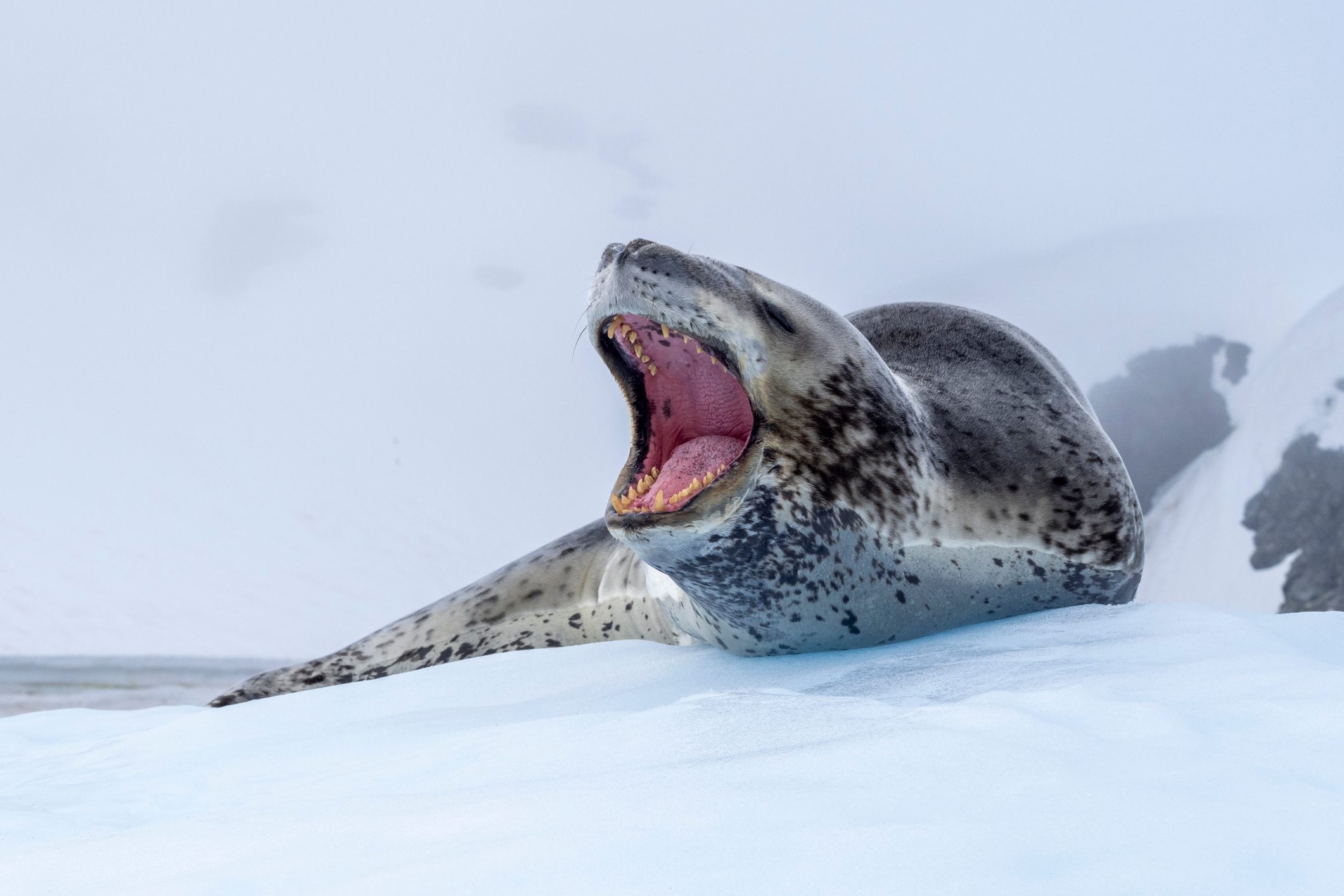
Although usually found in the Southern Ocean, leopard seals do (rarely) venture into Atlantic waters. Weighing up to 500kg and with sharp teeth designed for tearing prey apart, these seals can be very aggressive.
Leopard seals have killed humans and are most likely to attack if they come across a person at the edge of the ice. Although these impressive predators can be dangerous, they are typically curious towards humans.


