
A bull elephant in musth on a field encounter is hard to mistake. Dark fluid from his temporal glands stains the sides of his face, and other male elephants – as well as humans who know the telltale signs – often give him a wide berth. And for very good reason.
Musth (pronounced ‘must’) is a period of a mature bull’s reproductive cycle, driven by a huge surge in the hormone testosterone. It drives forward physical and behavioural changes that improve his chances of mating, and appears to have persisted for millennia.
Data from analysing testosterone preserved in tusks from woolly mammoths demonstrates that they too experienced periods of musth.
Our knowledge of musth remains rather limited in some areas, since studying it at close range can prove exceptionally risky for researchers. Most wild bulls start displaying musth when they’re more than 20 years of age – and we can infer from other mammals that an area towards the bottom of the brain, called the hypothalamus sets off these hormonal surges. The hypothalamus, together with the attached pituitary gland, has overarching control of many hormonal glands in the body – including the thyroid, adrenal glands and the testes, which produce testosterone.
- 10 animals that can kill an elephant: Which animals are able to take on this majestic giant?
- Trade in elephant 'trophies' soars during second Trump presidency
The arrival of musth is an asynchronous (or ‘out of beat’) phenomenon that can last for weeks, or sometimes months. Other signs include green staining of the penis and frequent dribbling of strong, odorous urine. These demonstrate sexual status through both visual and chemical signals to females – and warnings to any competitors.
The effects are widespread, enhancing sperm motility and semen quality. Even the microbial composition of their faeces can be altered.
These hormonal changes clearly alter brain networks that govern threat, motivation and control – leading males in musth to behave very differently. They display more sexual behaviour towards cows and more aggression towards rival bulls – and humans.
It was thought that bulls led rather solitary lives. However, it’s become apparent they actually engage in complex social interactions with fellow elephants. They compete to mate as many times as possible, and musth appears to drive home roving behaviours that make them travel considerably longer distances to find mates.
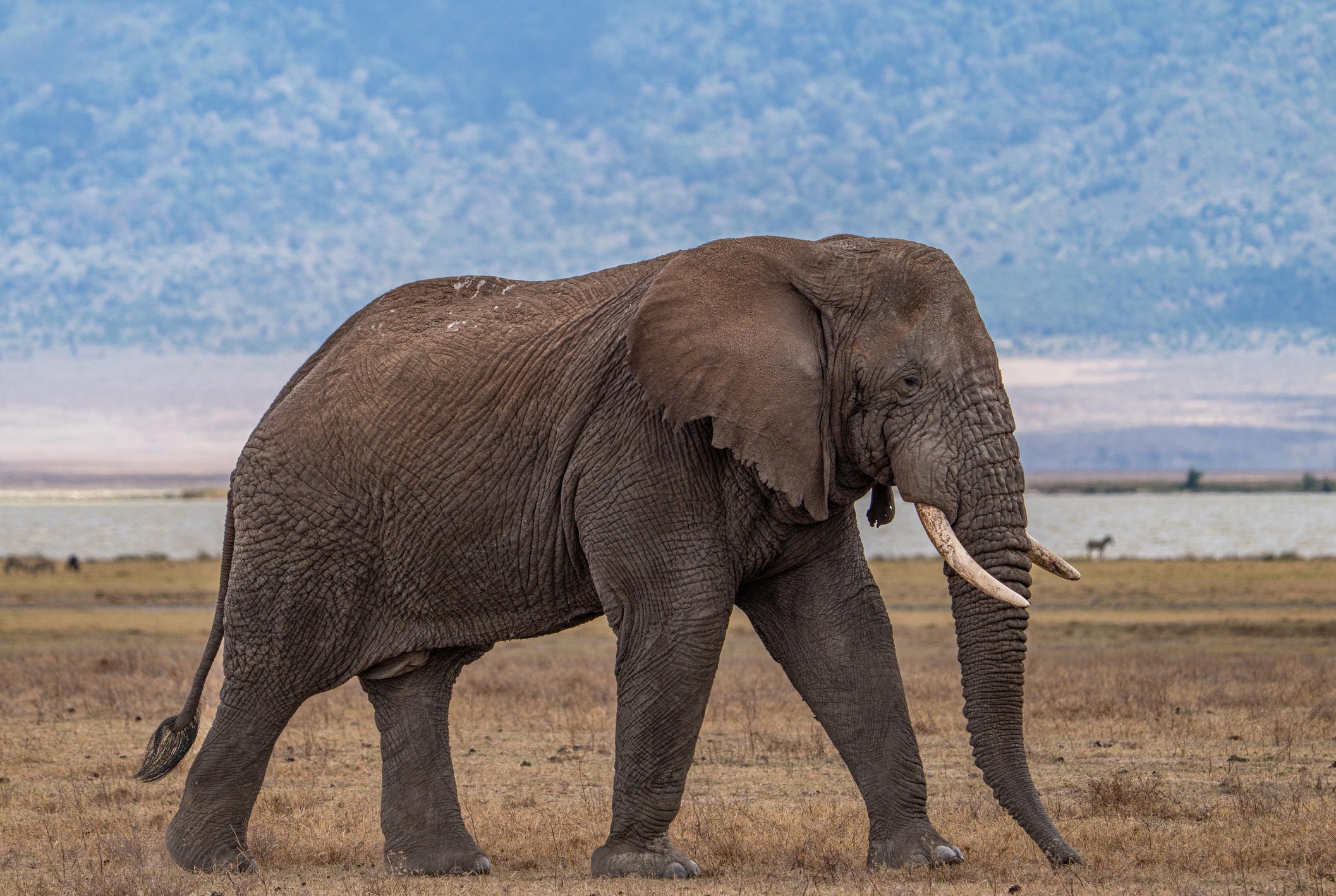
They also respond more intently to the oestrous calls of cows who are sexually receptive, and show a sophisticated social hierarchy. Musth varies according to the age and position of the bull. Dominant older bulls are more likely to be aggressive towards each other, while young males tend to retreat.
But there’s a downside to musth, since bulls typically feed less and expend more energy while in this state. This might impair their immune systems, making them more vulnerable to infectious disease. Travelling long distances, guarding females and challenging other males can become a costly and dangerous business – though it has also been suggested that musth states may help diffuse potential conflict between younger and older males as it signals clear, unquestionable dominance hierarchies.
Expanding agriculture, settlements and infrastructure are leading to habitat loss – bringing humans and elephants into ever closer contact. Recognising the warning signs of musth is important for guides, rangers, conservationists and communities. In India alone, government figures recorded more than 2,800 human deaths caused by elephants between 2019 and 2024.
Though this data doesn’t separate musth-related incidents from wider human–elephant conflict, it’s recognised as a risk factor in close encounters with bulls. So, musth is more than just testosterone and aggression. For bulls, it’s both an advantage and a gamble.
Discover more wildlife stories from around the world:
- Conservationists carry the eggs of the world’s rarest duck for 44km on foot. Here’s why
- It moves like a cat, climbs like a primate and spends much of its time high up in trees — meet the world's strangest dog
- “I almost didn’t dare to breathe. Then, a pointy nose peered from around the trunk and it waddled even closer“


