
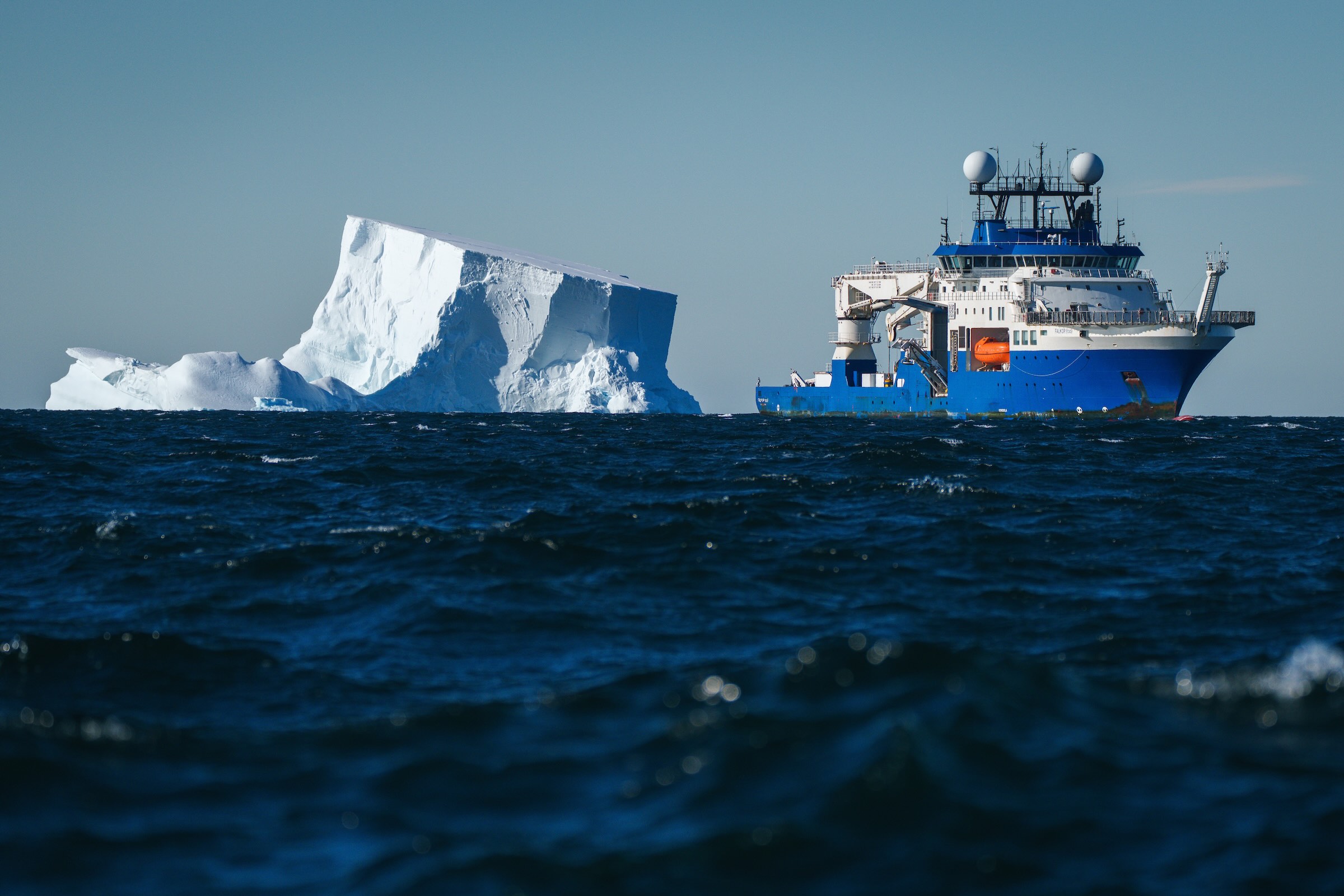
In March 2025, a team of international scientists aboard the Schmidt Ocean Institute’s research vessel, R/V Falkor (too) shared a remarkable set of images and videos from a section of Antarctic seafloor that had been concealed beneath ice for centuries.
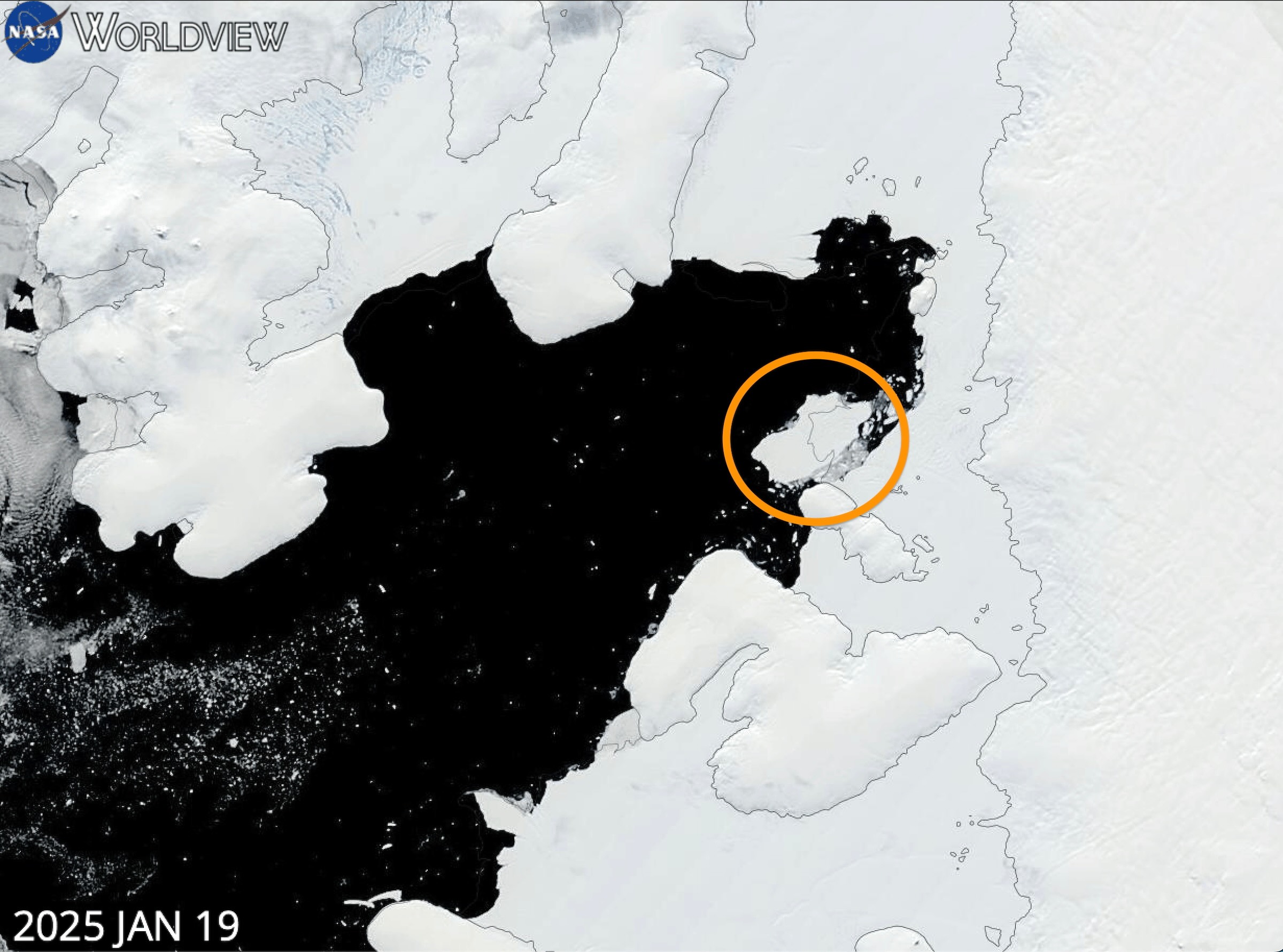
The shots were taken on a mission to explore the freshly exposed seabed left behind by the enormous A-84 iceberg, which dramatically broke away from the George VI Ice Shelf on 13 January 2025.
Measuring a staggering 510 square kilometres – roughly the size of Chicago – the iceberg’s sudden departure revealed a vast and previously inaccessible underwater world.
- Monstrous-looking deep-sea fish filmed in daylight for first time ever
- Scientists just spent 16 months exploring Earth's oceans – here's what they found
A thriving and unexpected ecosystem
Armed with cutting-edge technology, including the remotely operated vehicle (ROV) SuBastian, the scientists embarked on an eight-day, deep-sea survey, plunging to depths of up to 1,300 metres.
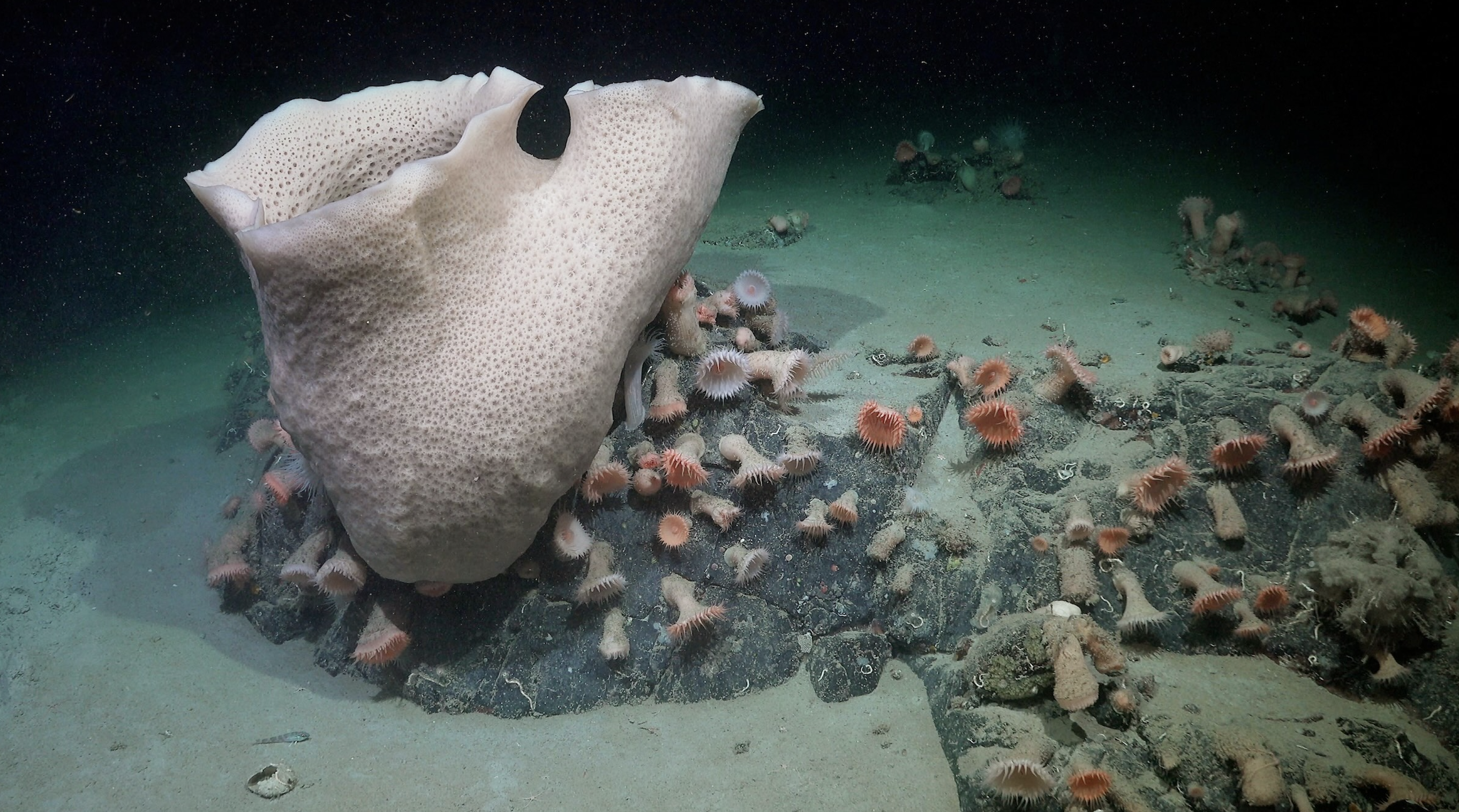
What they found was nothing short of astonishing – an abundant and vibrant ecosystem flourishing in total darkness beneath the ice.
“We seized upon the moment, changed our expedition plan, and went for it so we could look at what was happening in the depths below,” said expedition scientist Dr. Patricia Esquete.
"We didn’t expect to find such a beautiful, thriving ecosystem. Based on the size of the animals, the communities we observed have been there for decades, maybe even hundreds of years.”

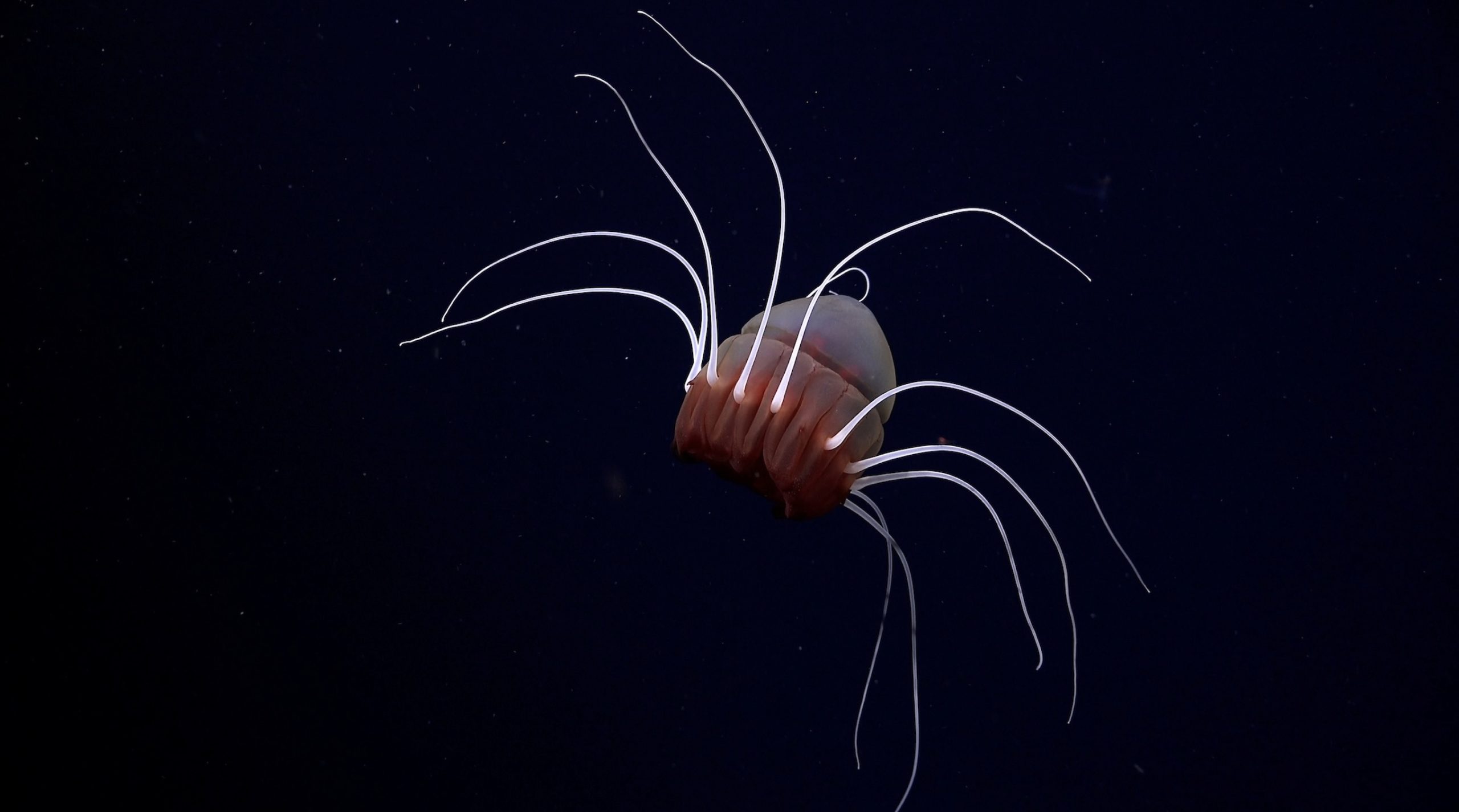
Corals and sponges played host to a variety of marine life, including icefish, huge sea spiders, octopuses and even a giant phantom jelly, a species of jellyfish that can grow up to a metre wide, while its four ribbon-like oral arms can measure more than 10 metres in length.
The team suspected they may have discovered several species new to science, offering a fresh perspective on life beneath Antarctica’s floating ice shelves.
Rethinking life beneath the ice
Until recently, little was known about the organisms residing beneath Antarctica’s vast ice shelves. The discovery of such a biodiverse ecosystem presents new mysteries – how do these creatures survive in a place completely cut off from sunlight and the usual food sources?
Deep-sea communities typically depend on organic material sinking from surface waters, yet this region had been entombed beneath 150-metre-thick ice for centuries, said the researchers.
The team hypothesises that ocean currents could be transporting essential nutrients, sustaining life in this hidden world.
Unlocking climate secrets
Beyond its biological wonders, the expedition yielded critical insights into Antarctica’s past and future. The team, who were investigating geological clues left by the retreating ice sheet, said that understanding these patterns is crucial for predicting future ice loss and its impact on rising sea levels worldwide
“The ice loss from the Antarctic Ice Sheet is a major contributor to sea level rise worldwide,” said expedition scientist Sasha Montelli.
"Our work is critical for providing longer-term context of these recent changes, improving our ability to make projections of future change – projections that can inform actionable policies.
"We will undoubtedly make new discoveries as we continue to analyse this vital data.”
The team deployed autonomous underwater gliders to measure how glacial meltwater is influencing the region’s chemistry and ocean currents. Preliminary findings suggested heightened biological productivity and a significant influx of meltwater from the retreating ice shelf.
This mission forms part of Challenger 150, a UNESCO-endorsed global initiative dedicated to deep-sea research. Schmidt Ocean Institute’s executive director, Dr Jyotika Virmani, said that "being right there when this iceberg calved from the ice shelf presented a rare scientific opportunity.
"Serendipitous moments are part of the excitement of research at sea – they offer the chance to be the first to witness the untouched beauty of our world.”
What else did they find?

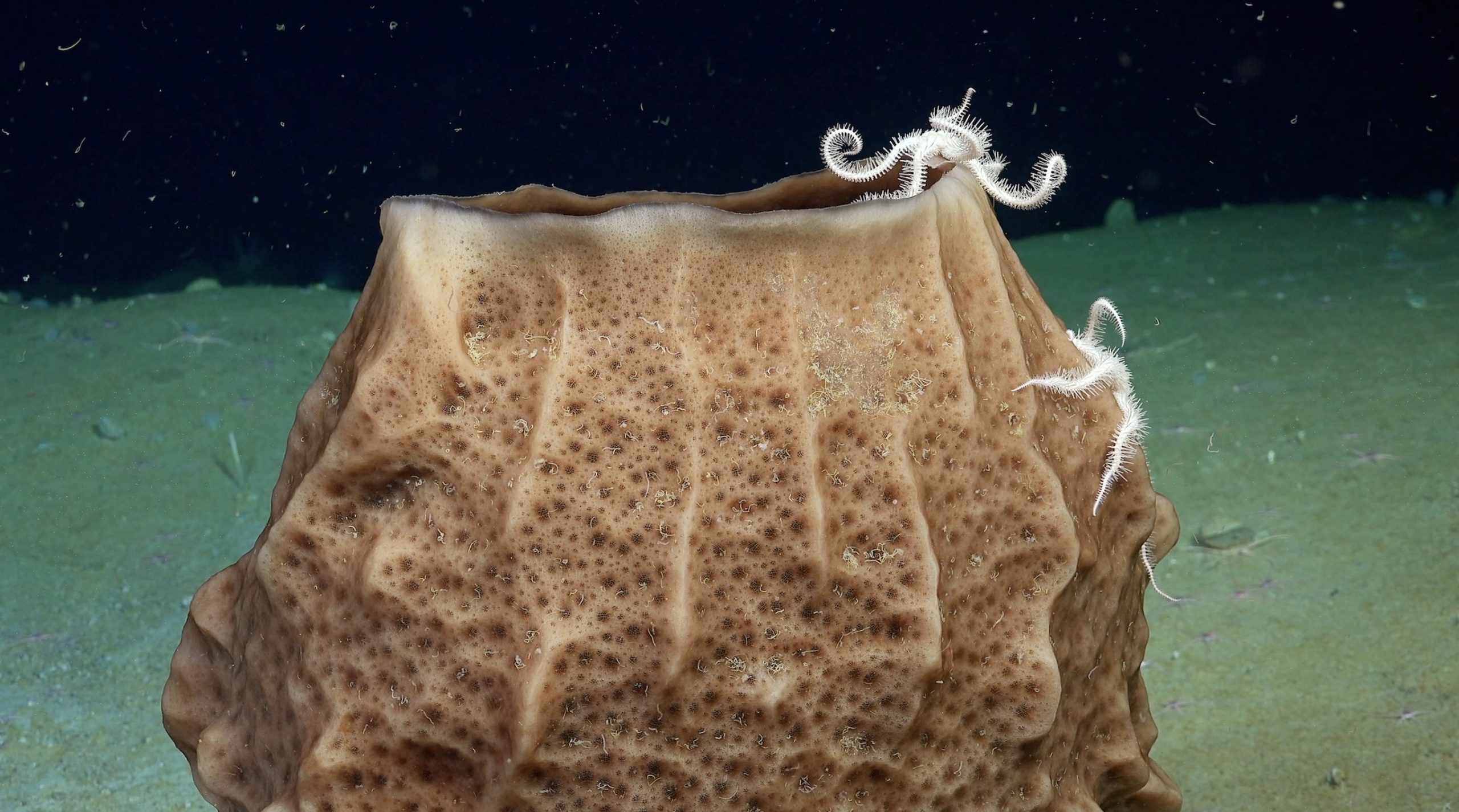
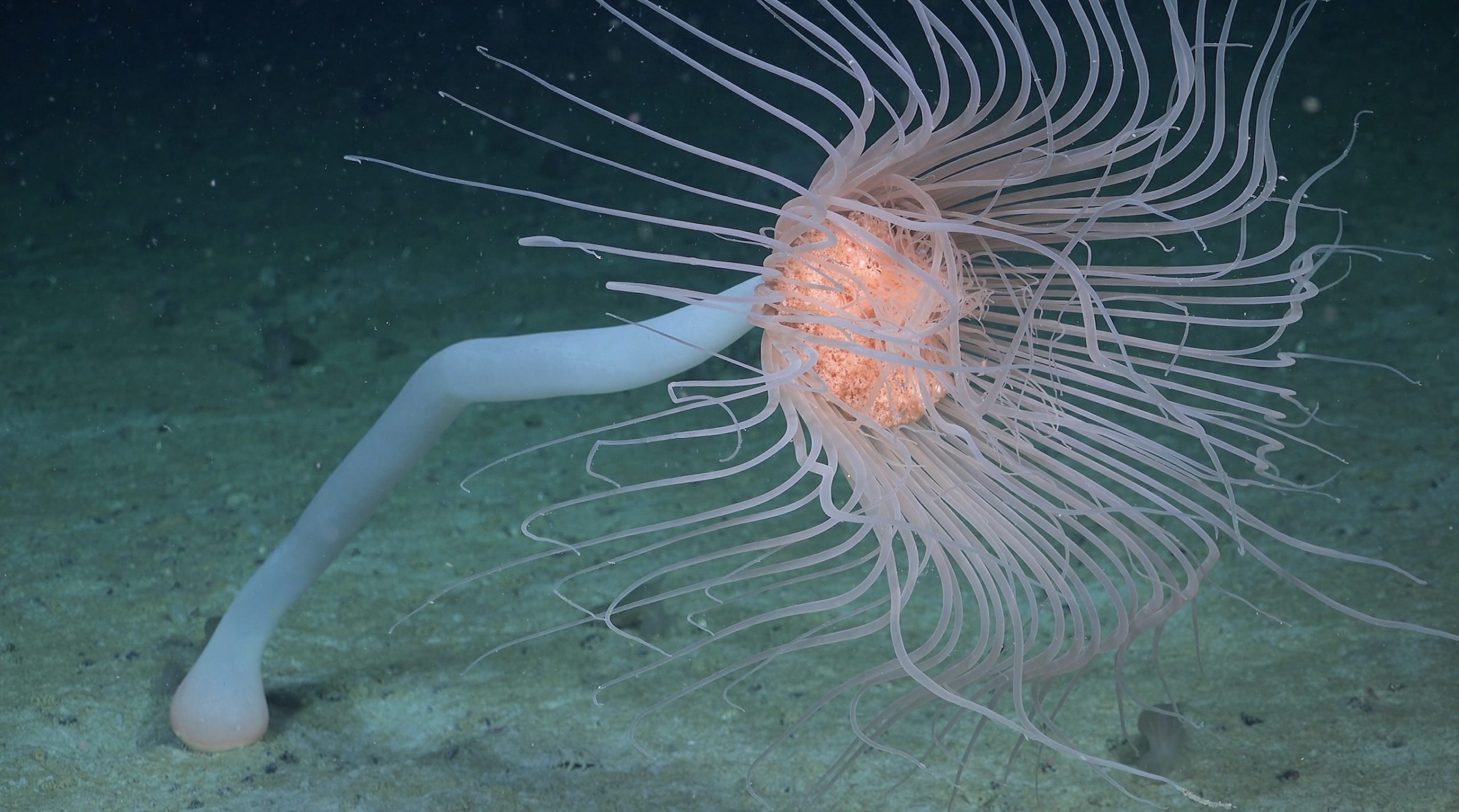
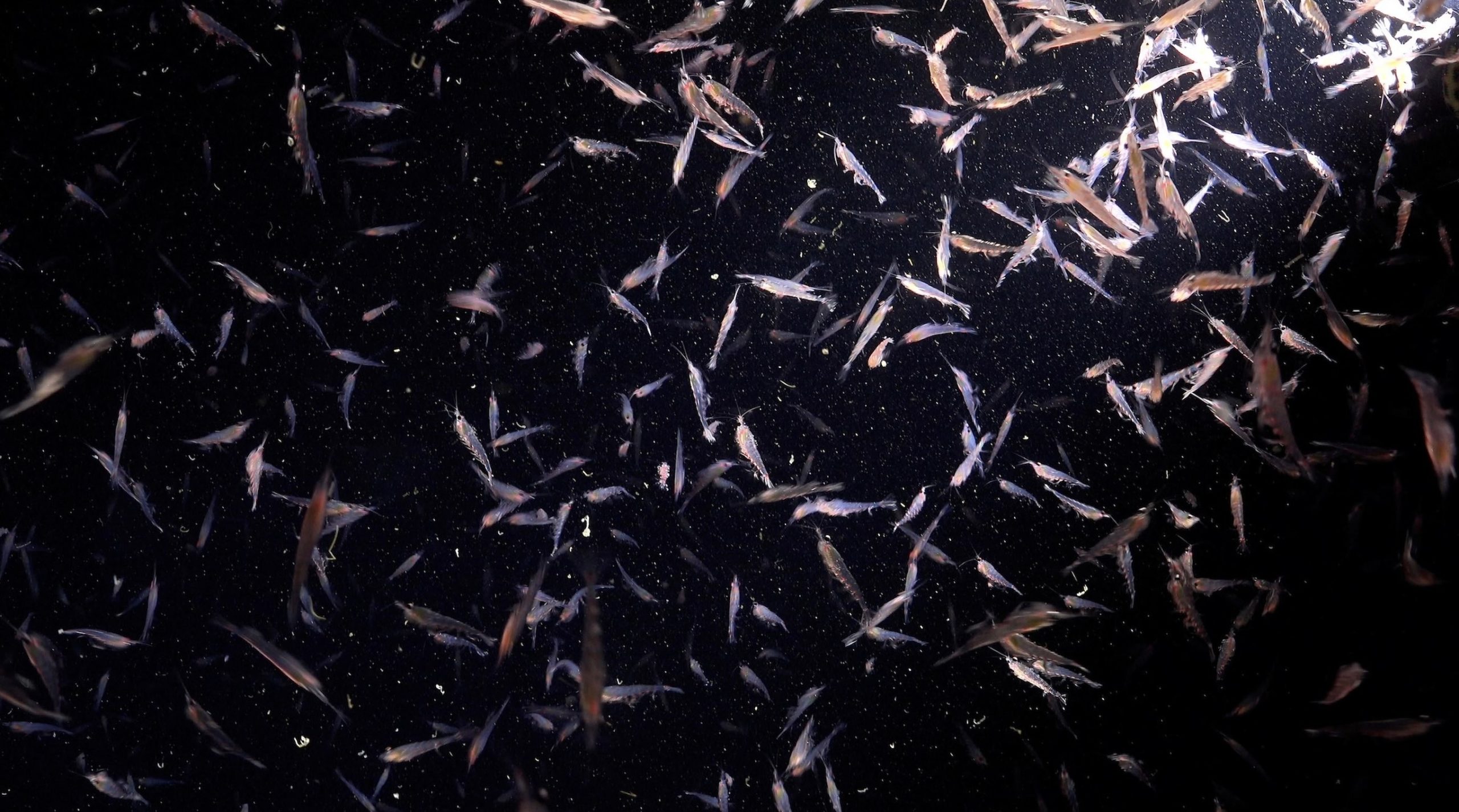

Main image: an octopus rests on the seafloor 1,150 metres deep, in the Bellingshausen Sea off Antarctica. Credit: ROV SuBastian, Schmidt Ocean Institute
More amazing wildlife stories from around the world
- “Unbelievable thing to see”: Drone captures never-seen-before footage of penguin chicks plunging 50 feet into Antarctic Ocean
- Gigantic iceberg breaks free in Antarctica, revealing ghostly mega-nest beneath
- 100km-wide "hidden giant" discovered beneath Antarctic ice sheet
- This Antarctic glacier looks like it’s gushing blood. Scientists have finally figured out what’s going on


