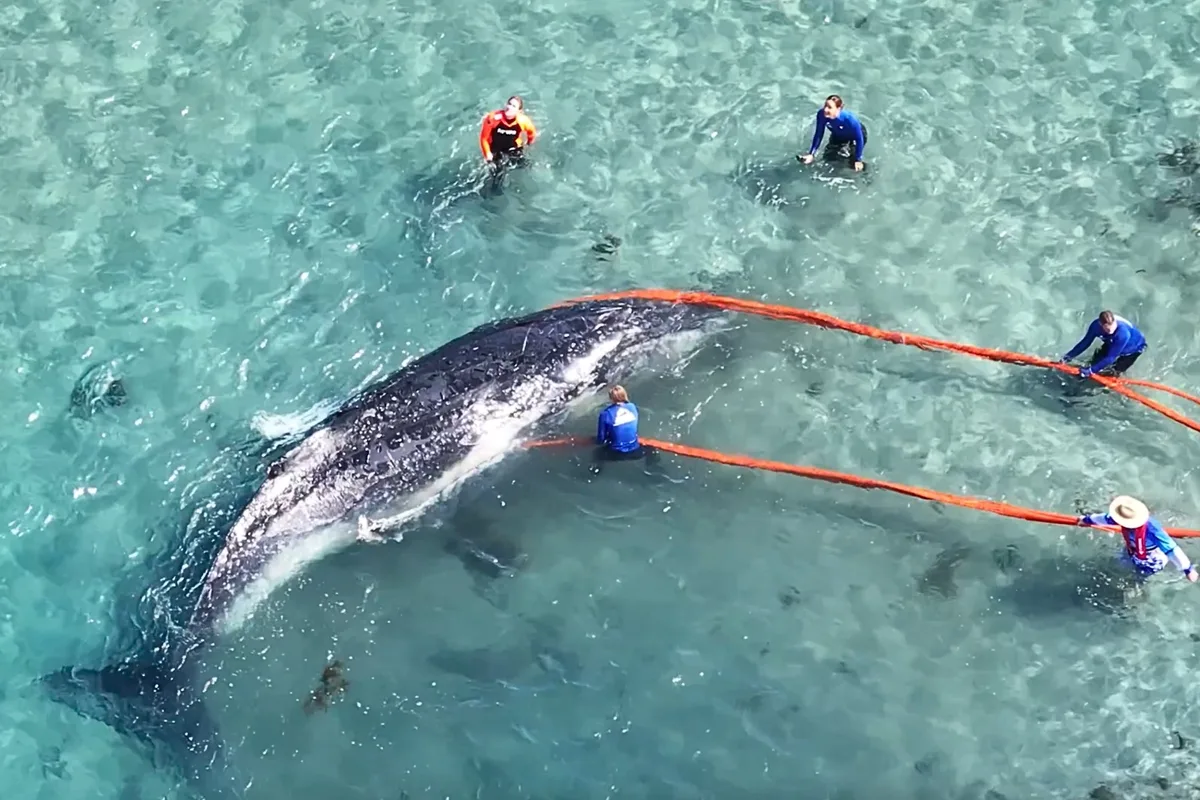
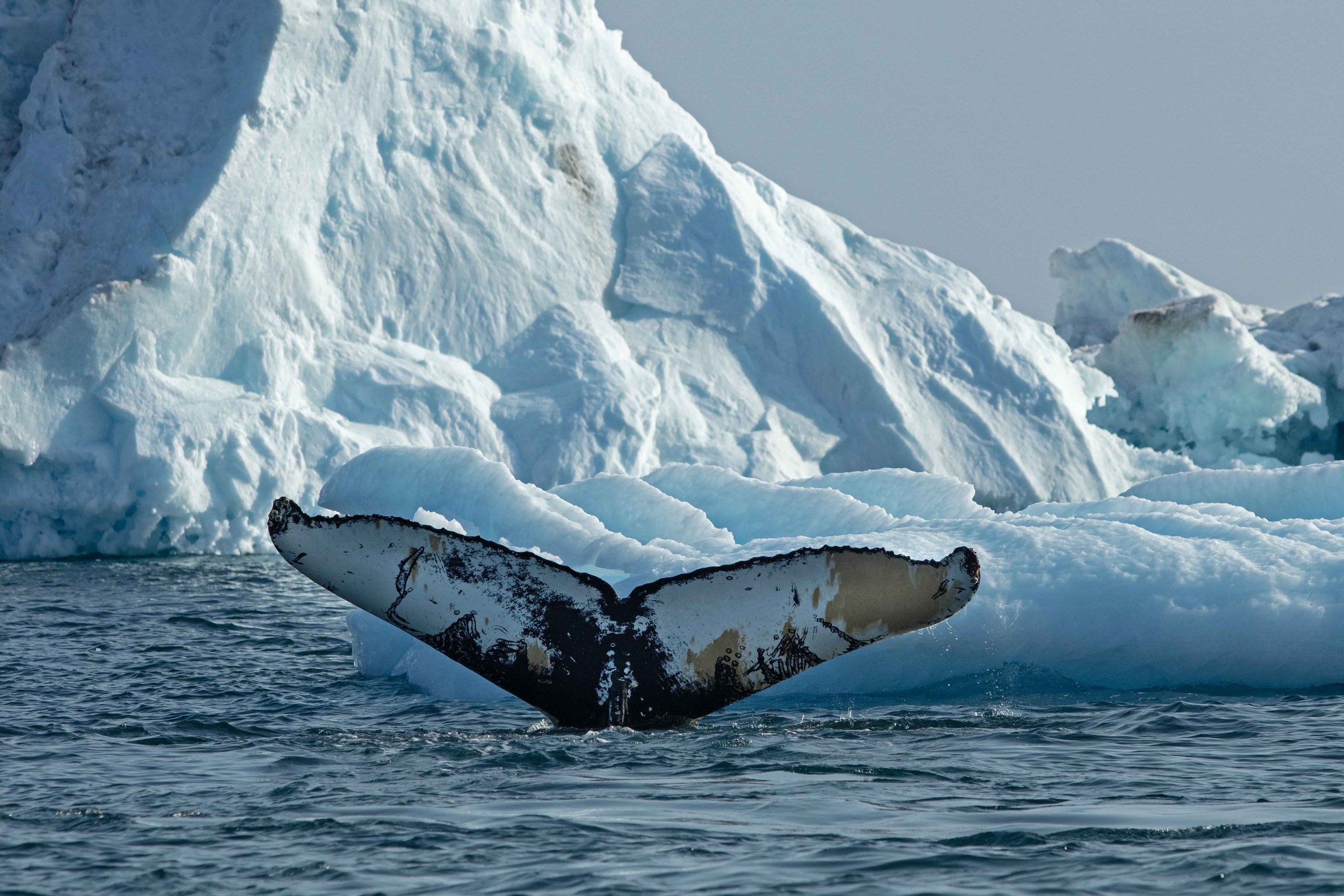
In a new study of large whales in East Greenland, researchers have documented a dramatic biodiversity shift: minke whales, fin whales and humpback whales, once rarely seen in these waters, have now become abundant.
The research, conducted by Mads Peter Heide-Jørgensen from the Greenland Institute of Natural Resources and colleagues in Greenland, Denmark and Iceland, presents a striking example of how biodiversity can change as sea temperatures increase and sea ice dwindles.
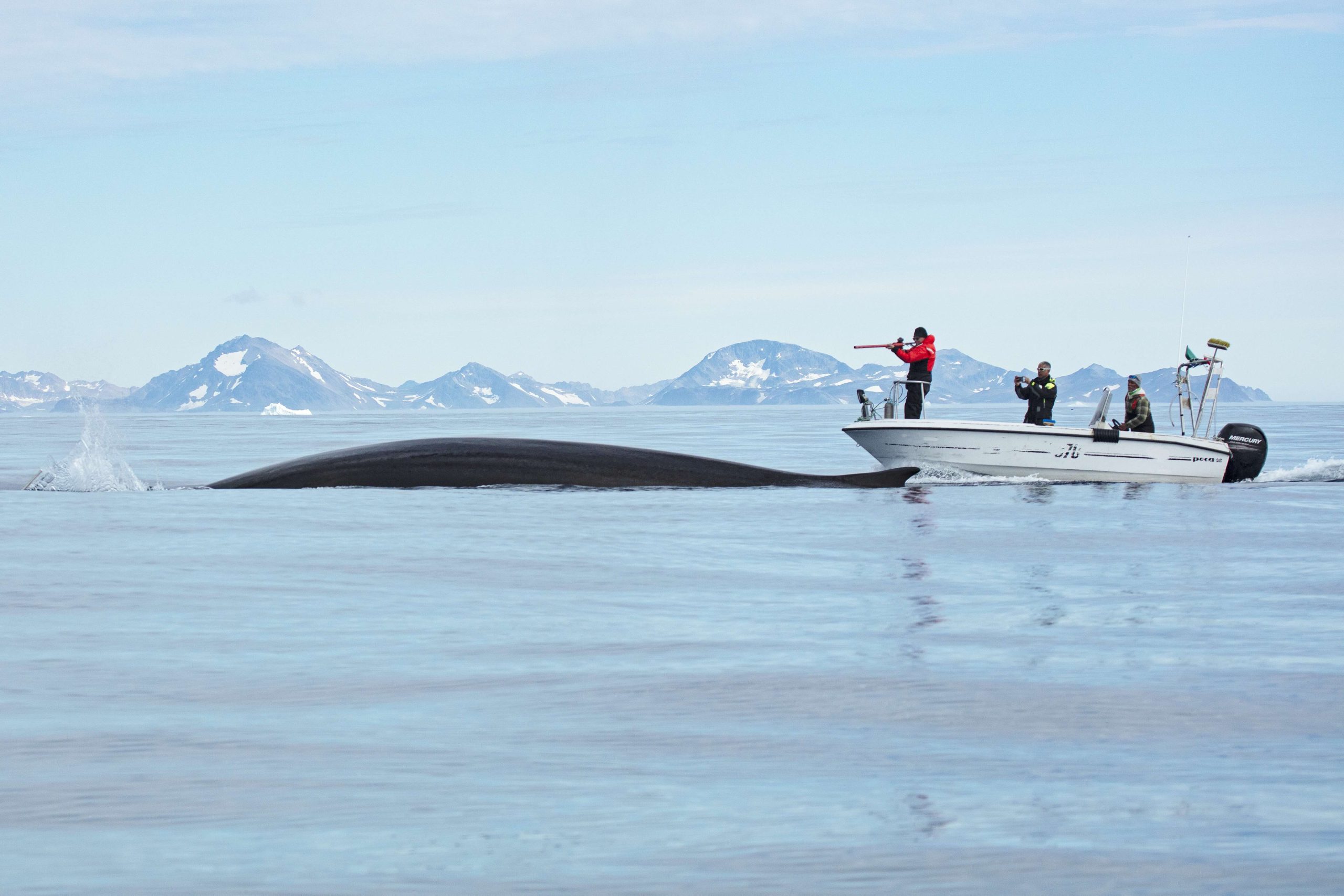
As part of the study, published in Frontiers in Marine Science, researchers compared numbers of whales from 1987 to 2025 using observations from sea and air, tagging data and information from Inuit hunters.
The team developed a mathematical model to find patterns in the data sets and highlighted exceptionally high densities of whales, including spectacular aggregations of between 20 and 50 humpbacks in 2025.
In 2024 alone, at least 4,000 humpback whales, 6,000 fin whales and 6,000 minke whales visited the Greenland Sea, reports the study.
The whales are thought to be following the climate-driven movement of capelin (their fish prey) from Icelandic waters into the waters of Greenland. “This has led to regular mixed ‘feeding frenzies’ of fin whales, humpback whales and common minke whales – species which historically were only rarely observed in coastal East Greenland,” says Heide-Jørgensen.
Sea surface temperatures off Greenland have risen by around 2°C since the 1990s, making it one of the most rapidly warming sea areas in the world. “East Greenland is undergoing a major ecological regime shift,” explains Heide-Jørgensen. “Ice-associated species such as narwhals are increasingly sharing their habitat with, or being displaced by, temperate baleen whales that generally avoid ice-covered waters.”
- "That’s the length of a double-decker bus!" 30ft titan tops biggest dolphins in the world list
- Colossal squid filmed alive in deep ocean for the first time ever
The study also highlights the need for fast-paced climate adaptation in marine management. Fisheries management needs to respond to shifting locations of fish populations, and national marine conservation measures, such as the designation or expansion of Marine Protected Areas and Important Marine Mammal Areas, may need to be considered for newly important biodiversity hotspots.
Whilst multispecies feeding frenzies and humpback whale aggregations may sound wonderful, they are another reminder of the impacts of climate change.
More amazing wildlife stories from around the world