
Toothy threats can come in all shapes and sizes. There is the colourful clown that inspired a best-selling film alongside a deep-sea bone-crusher that can sever fingers even when it is dead.
- "Capable of striking fear into the heart of divers everywhere, it's as dangerous as it is beautiful..." 10 deadliest, most dangerous fish on the planet
- 6 dangerous, deadly fish you'll never see – UNTIL it's too late... "Their danger predominantly lies in their ability to totally disguise themselves on the seabed"
Ranging in size from the 10cm long blennies that wield venom-loaded fangs, to eels that can weigh more than a fridge-freezer, here are 10 saltwater fish from around the world that carry plenty of bite…
10 saltwater fish that might bite back
Great barracuda (Sphyraena barracuda)
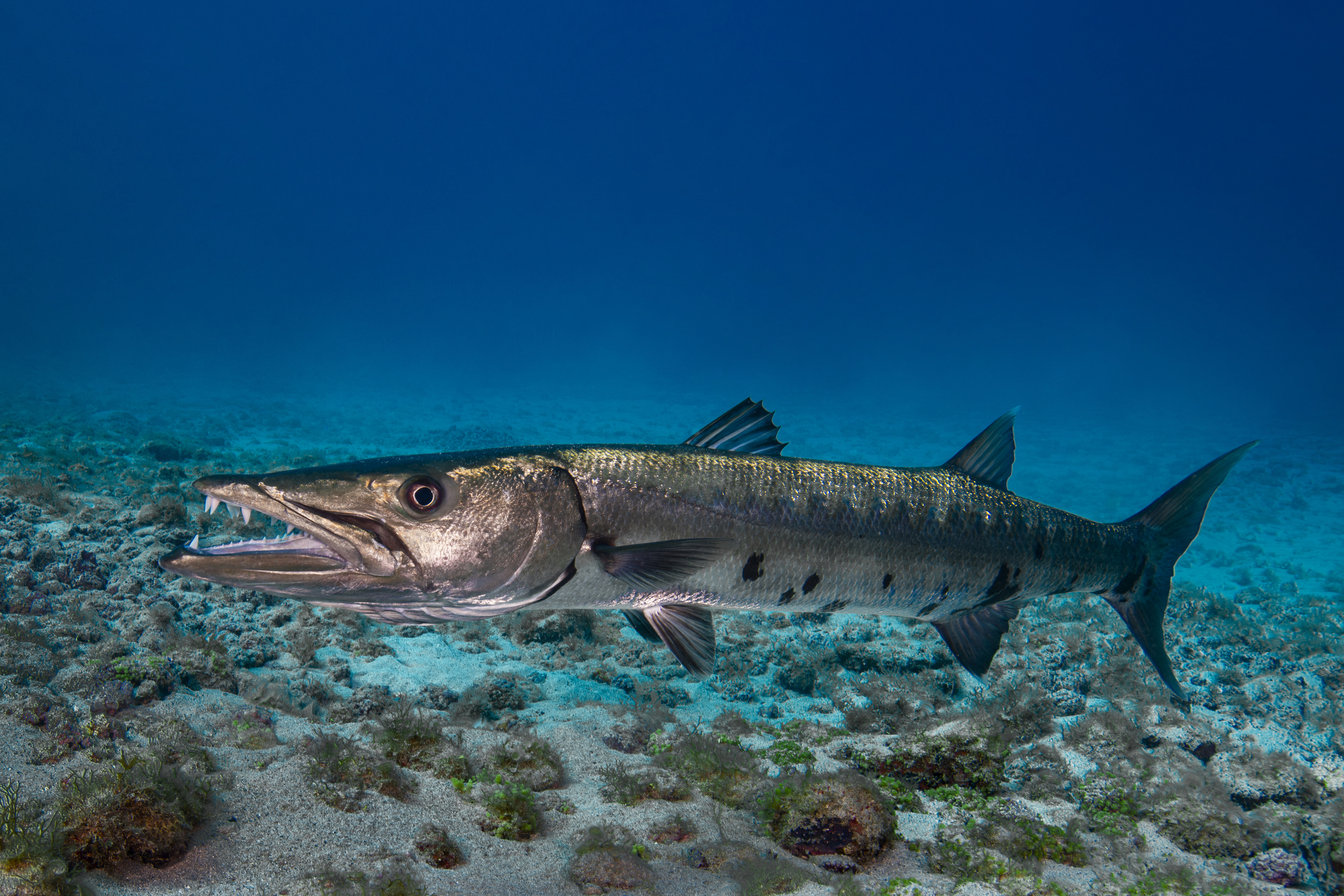
The very name barracuda carries a hint of menace, born from the fish’s reputation as a fearsome and aggressive hunter. The great barracuda is the largest of 26 species and swims in warm temperate and tropical waters through the Pacific, Indian and Atlantic Oceans.
- Swirling barracuda 'tornado' caught on camera off Indonesian island
- Underwater robot stalks barracuda for 10 minutes – and discovers this
The sleek form is perfect for ambush attacks, and the ‘cuda generates speed through its large tail and muscular body. The powerful jaws are equipped with irregularly shaped fang-like teeth, sharp enough to do serious damage to other fish and occasionally people. Attacks are usually instinctual, but that is little comfort if a 2 metre long ‘cuda is lunging your way.
European conger (Conger conger)
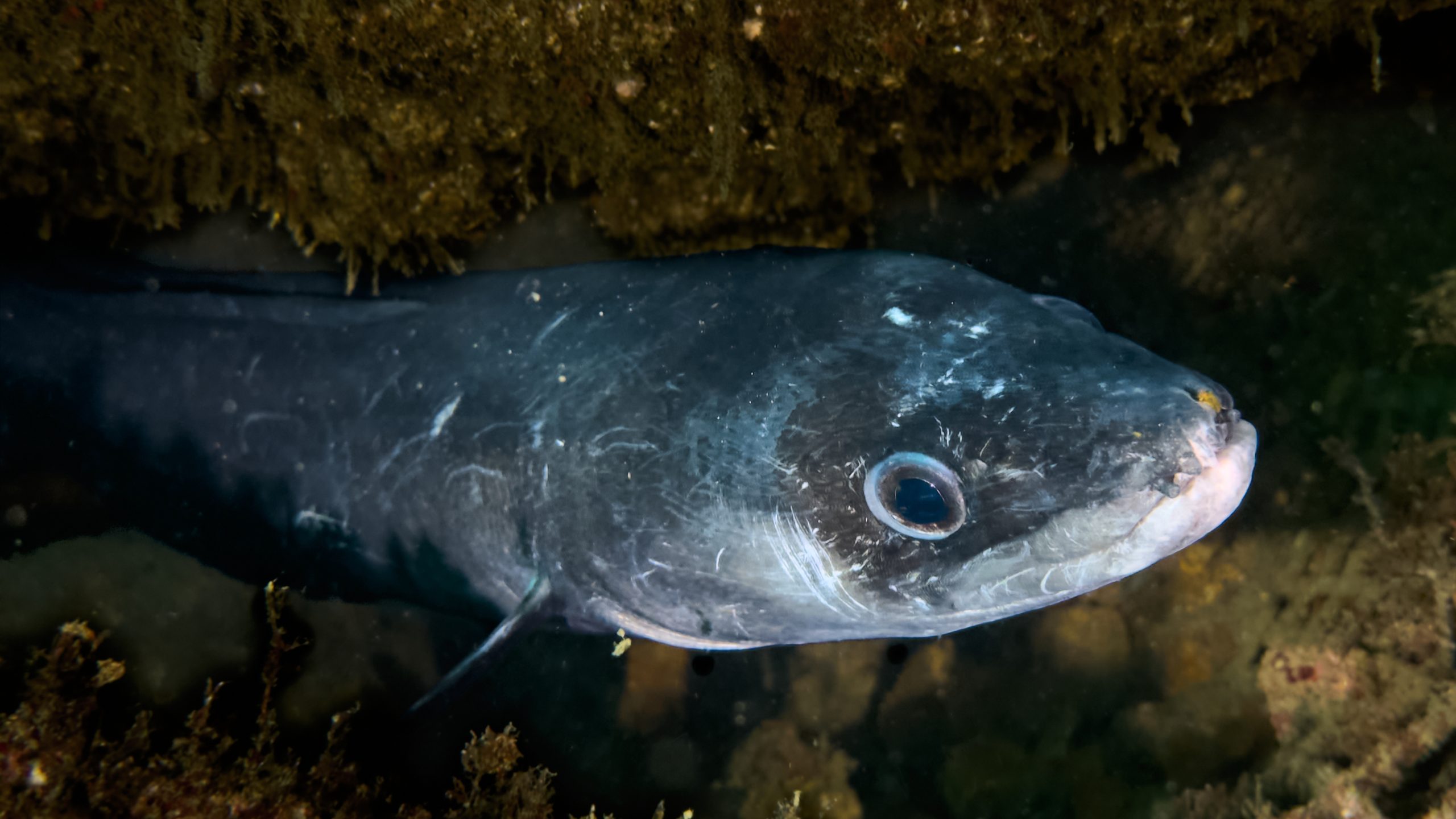
Lurking in reefs and shipwrecks in the north-eastern Atlantic Ocean and Mediterranean Sea, is the heaviest eel in the world. The conger can grow to 3 metres in length and weigh more than 120kg, and has a wide, gaping mouth lined with needle-sharp teeth.
Congers tuck into holes and crevices, slipping out to scavenge and hunt. The battleship grey bodies are scaleless with a singular fin running along the back and much of the belly.
Attacks on people are rare, but injuries can be severe. In 2013, a scuba diver in Galway, Ireland, required surgery after a conger bit a large chunk from his face.
Titan triggerfish (Balistoides viridescens)
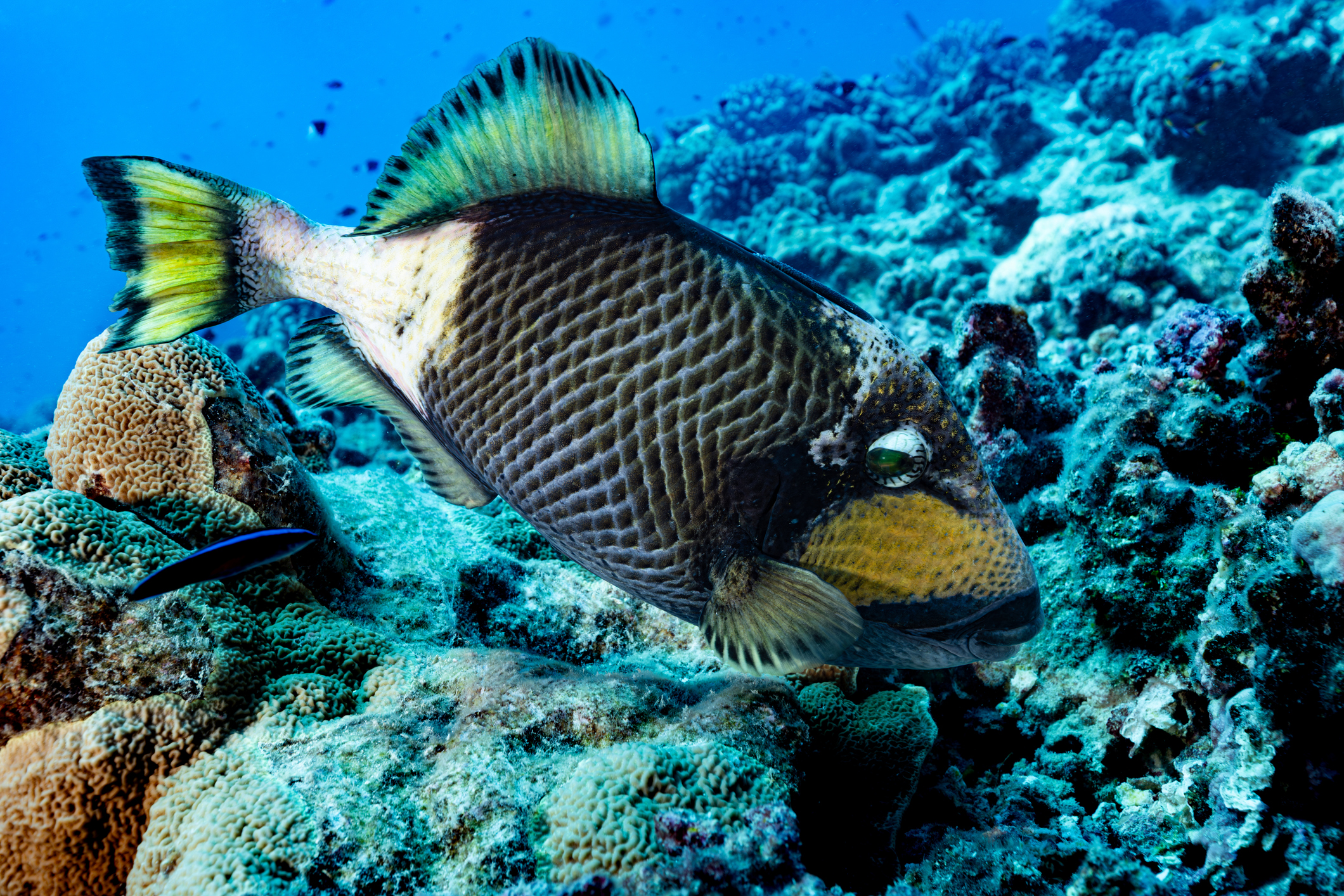
Present across much of the Indo-Pacific Ocean, the titan triggerfish is round-bodied, with bright yellow, grey and green scales, orange-edged fins and a white throat. Measuring up to 75cm long, the small, slightly beaked mouth, is marked with a dark moustache, adding to the fish’s striking appearance. The trigger-like dorsal fin has three, sharp spines, although the mouth is more of a threat to humans.
A female titan triggerfish will aggressively defend her nest, launching attacks on any potential intruder, including divers. Bites can be severe, delivered with sharp teeth designed to crack the shells of crustaceans, molluscs and even coral.
Silver-cheeked toadfish (Lagocephalus sceleratus)
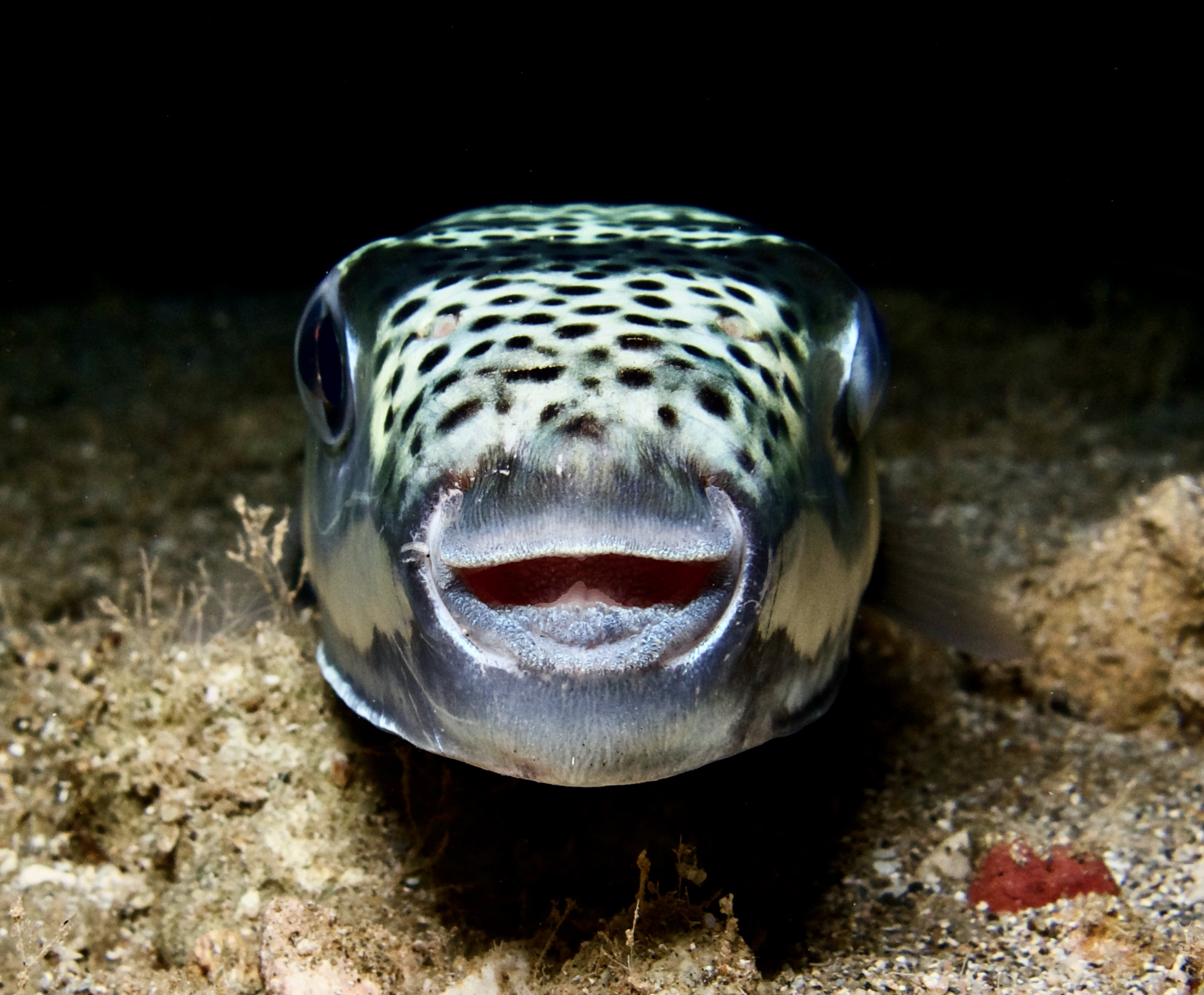
A member of the pufferfish family Tetraodontidae, the silver-cheeked toadfish might be among the smaller species on our list, at less than 40cm in length, but is arguably the most dangerous. The flesh is highly toxic, due to the presence of tetrodotoxin, and human fatalities have recently occurred in the Eastern Mediterranean where the species is has translocated from the Indian and Pacific Oceans via the Suez Canal.
The toadfish also has four fused front teeth, sharp enough to bite through wood and bone. Unprovoked attacks on swimmers have resulted in painful wounds and even severed fingers and toes.
Bluefish (Pomatomus saltatrix)
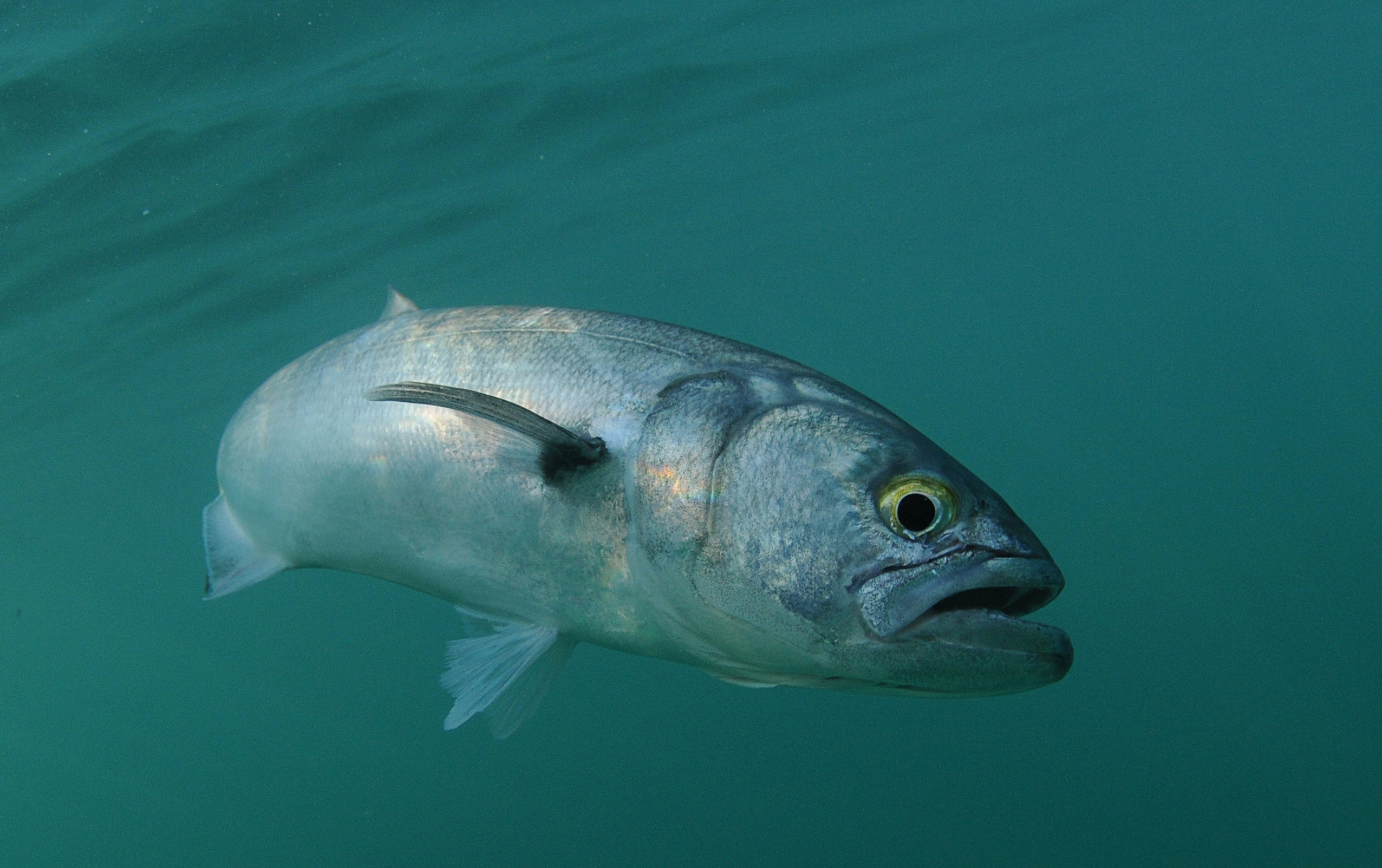
Found in temperate and subtropical waters throughout the world, the bluefish is the only member of the family Pomatomidae and grows to more than a metre long. It is grey-blue in colour and is popular among sport anglers and those fishing for food.
The upturned mouth is large and lined with small, pointed teeth. Aggressive predators, bluefish will target shoals of smaller fish, often become frenzied as they attack. Bluefish often enter shallow water when chasing food, snapping those knife-like teeth at anything resembling food, including, on occasion, beach goers. Incidents include a 7-year-old child being badly bitten on the Spanish coast in 2006.
The lyretail fang blenny (Meiacanthus atrodorsalis)
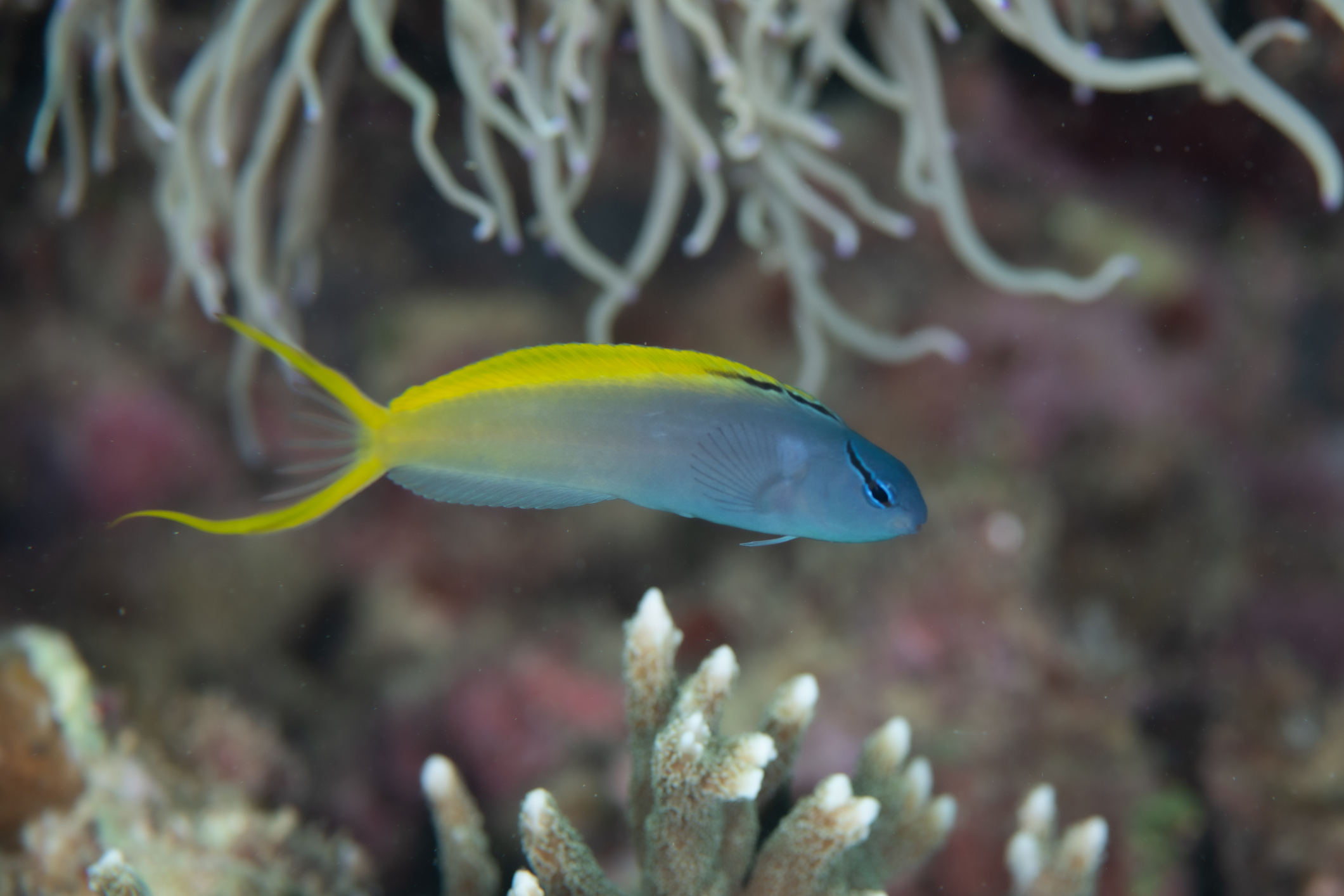
More than 900 species comprise the sub-order Blennioidei, and despite their size (most are less than 15cm long), they are significant predators in the shallow, inshore habitats where they are found.
One genus, Meiacanthus, back up their defensive bluster with a venom that is delivered through needle-like fangs in the lower jaw. Used if the blenny is swallowed by a larger fish, the neuropeptides within the venom lower the blood pressure of the predator prompting it to relax its jaw, allowing the blenny to escape.
Species such as Meiacanthus atrodorsalis are kept in aquariums and fish-keepers suggest the bite is similar in pain to a bee-sting.
Saddled sea bream (Oblada Melanura)
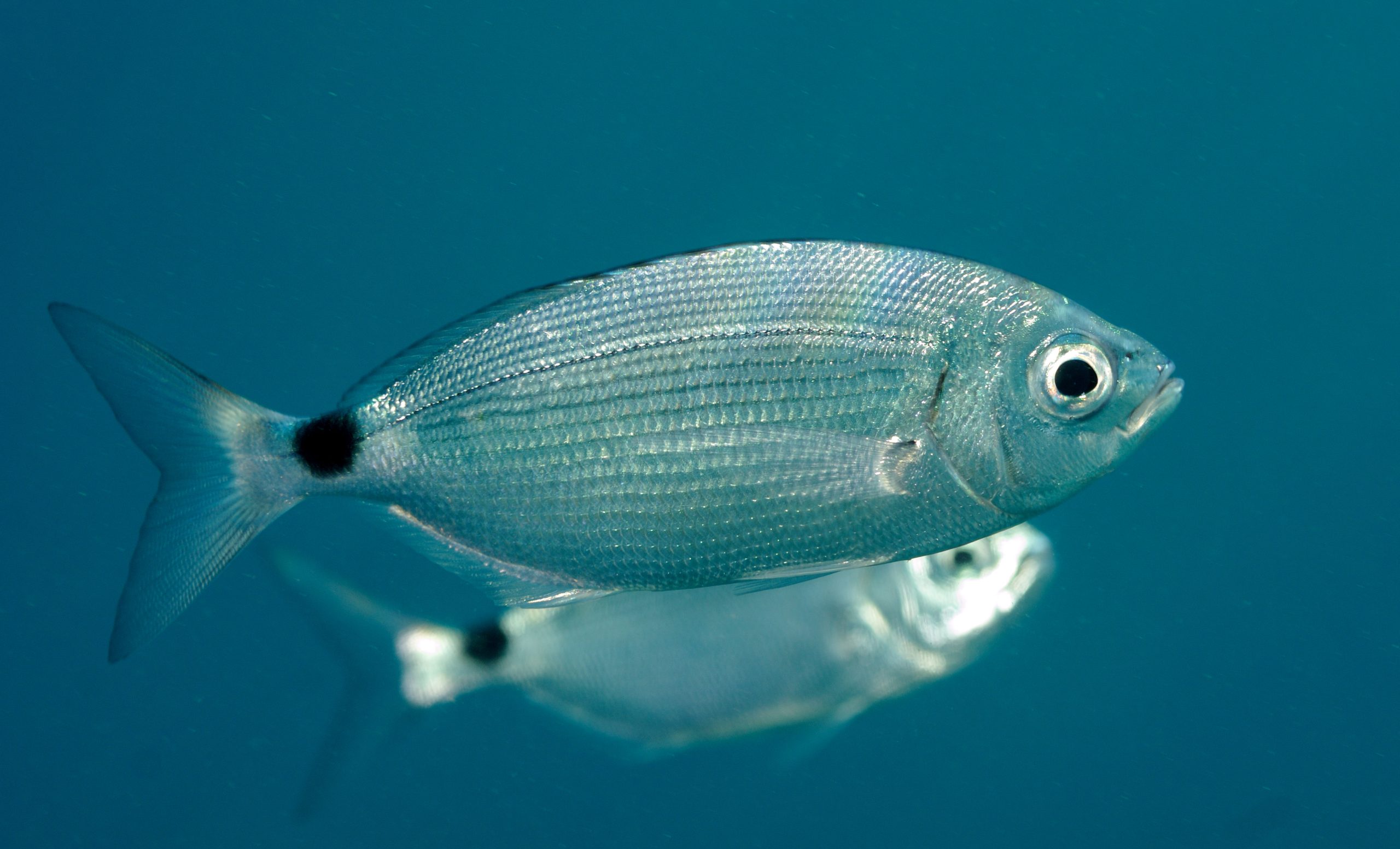
As sea temperatures in the western Mediterranean have steadily risen, so beachgoers have been confronted with an unexpected threat. Climate change is cited as a potential driver behind a change in behaviour of the saddled sea bream, a member of the family Sparidae that rarely exceeds more than 30cm in length. These fish, an important source of food across much of its range, has begun to bite back.
On a single day in 2023, 15 people required first aid on a beach near Alicante in Spain. All had been wading or swimming in shallow water where shoals of saddled sea bream had begun moving inshore.
Atlantic wolf-fish (Anarhichas lupus)
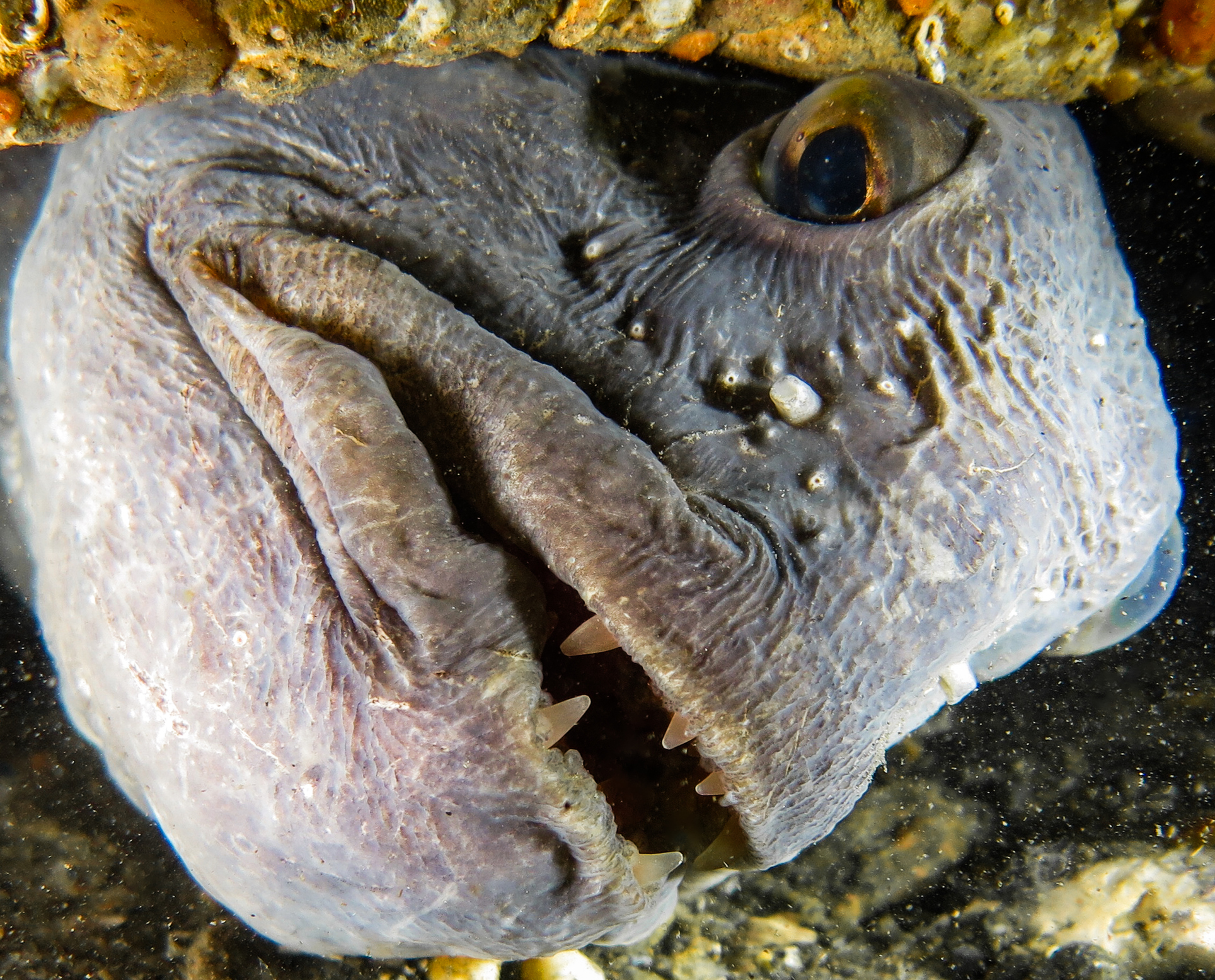
Also known as the sea-wolf, this bottom-dweller swims in the cool, deep waters of the North Atlantic and can grow to a length of 1.5 metres. They are similar in appearance to a giant blenny, and though they do not carry venom, their mouth is the thing of nightmares.
They are named from their canine-like teeth, which are supported by incredibly powerful jaws that are perfect for crushing the molluscs and crustaceans on which they feed. One or two unfortunate fishers will vouch for the severity of a wolf-fish bite, and the snapping, reflex response that can be triggered even when the fish is dead.
Ocellaris clownfish (Amphiprion ocellaris)
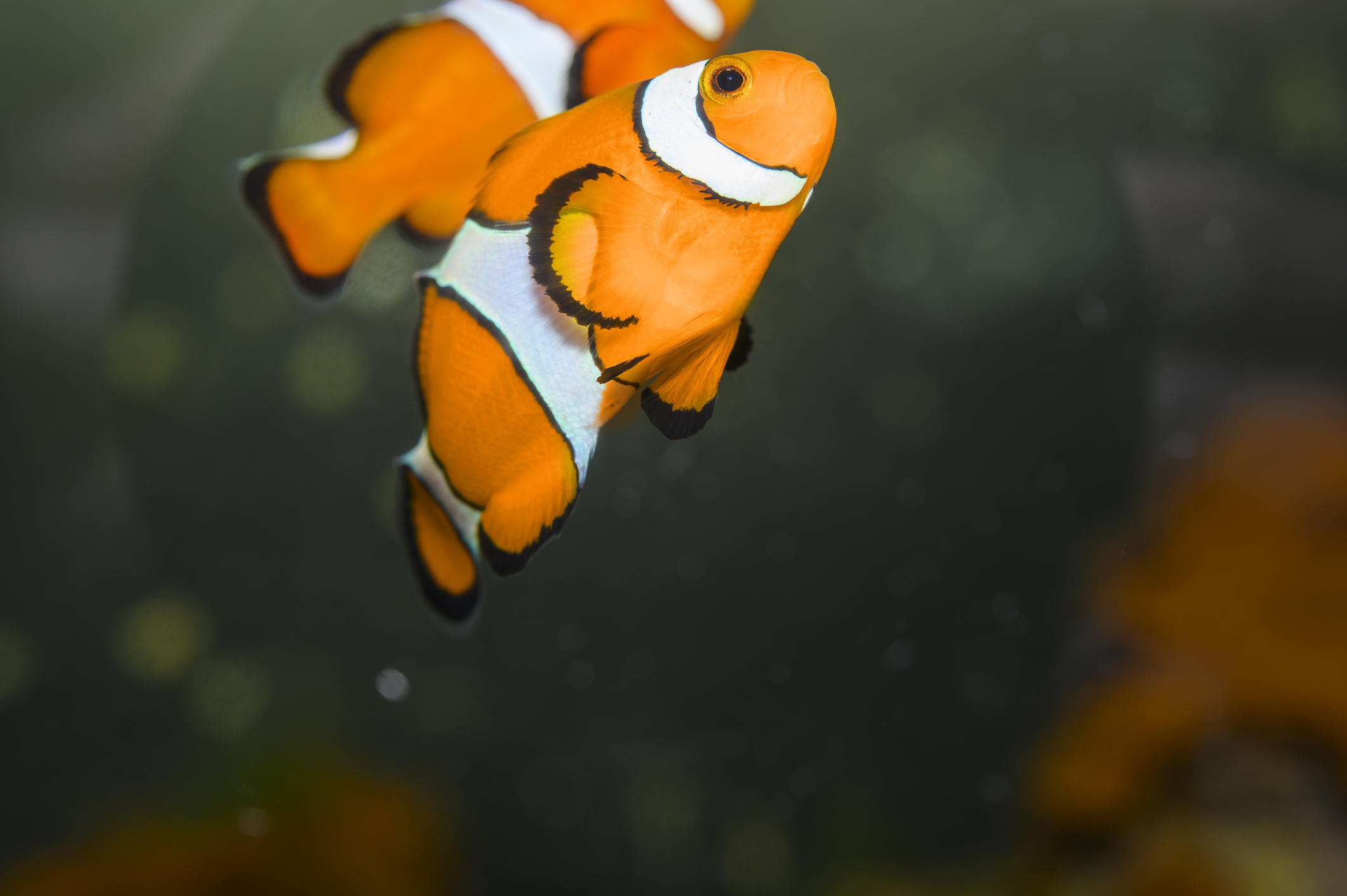
It may sound unlikely, but the colourful little character from Finding Nemo might not be too friendly should you encounter one in the sea.
The ocellaris clownfish is typically less than 10cm in length and their orange, white and black markings have made them popular aquarium additions.
Though less vociferous than some other members of the Amphiprion genus, ocellaris clownfish become highly defensive when breeding. Divers will often be aggressively confronted, and, though small, the clownfish has sharp teeth and a surprisingly strong bite. They target soft skin, such as finger webbing, and many a fish-keeper has bled having dipped an unwary hand into a tank.
Giant moray (Gymnothorax javanicus)
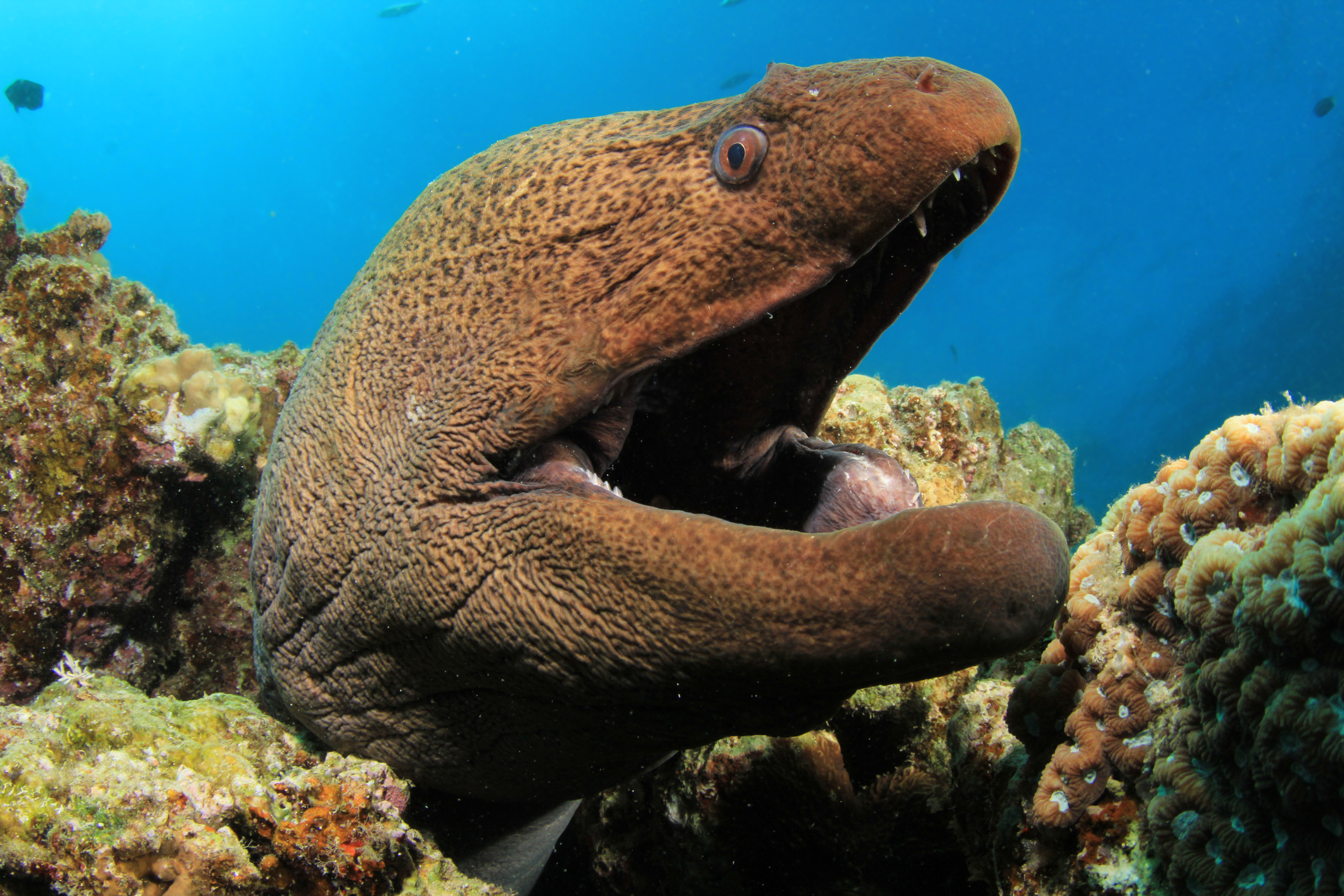
Unlike some of the fish on this list, the giant moray looks every inch an aggressor. With a leopard-skin patterned body that might be 3 metres in length, the giant moray is the largest of around 200 species in the family Muraenidae. It is typically found in shallow waters and reefs throughout the Indo-Pacific, where it shelters in cracks and crevices during the day before emerging to feed as light levels drop.
The head is large and reptilian in appearance, with powerful jaws that deliver a crushing bite. The teeth are coated in toxic mucus and even a minor bite should be medically treated.
Top image credit: richcarey/Getty Images

