
Humans have left a mark on almost every place on the planet, from the dark depths of the oceans to the highest mountain peaks. But researchers have discovered two places that remain a relative exception.
- They can start out as underwater volcanoes, take up to 30 million years to form – and are home to about 1 million people
- 10 sinking islands that could be lost forever…
Atolls are some of the most fragile landforms on Earth, most of them isolated in vast tropical or subtropical oceans. Despite this remoteness, they are home to around one million people residing across major atoll-based island nations and territories, such as the Maldives, Kiribati, Marshall Islands and Tuvalu.
But some of them remain almost untouched by human influence, giving scientists a rare opportunity to examine intact tropical marine ecosystems – an increasingly rare occurrence in the Anthropocene (the period of time defined by human impact).
New research, published in the journal Frontiers in Marine Science, has assessed two of those remote atolls, Bikar and Bokak, located in the Marshall Islands in the Pacific Ocean.
Thriving ecosystems
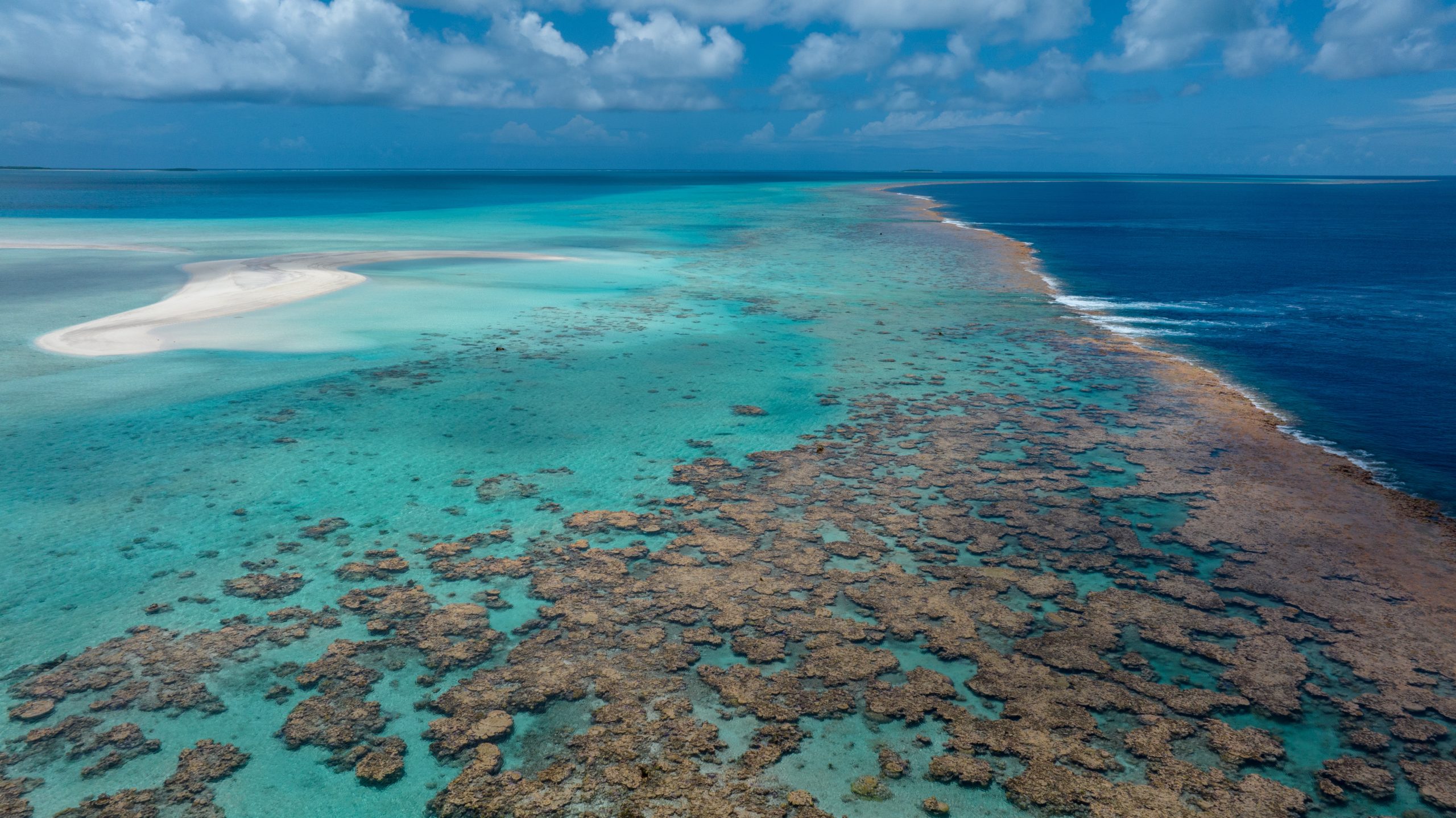
Bikar and Bokak are the northernmost atolls in the Marshall Islands, lying approximately 116 and 385 kilometres from the nearest inhabited atoll, respectively. They are both uninhabited and isolated from major population centres and industrial development.
When the expedition team from the Marshall Islands Marine Resources Authority and National Geographic Pristine Seas began their assessment in 2023, they found these atolls teeming with life in the sky, on land and under the sea.
“Teams were walking the islands surveying the birds, vegetation and turtle nesting, divers were working on the shallow reefs, baited cameras were sampling reef and pelagic fish, a submersible was exploring the twilight zone, and deep-sea cameras were going down to around 2,000 metres,” first author Alan Friedlander, a marine ecologist at the University of Hawai’i, who served as Pristine Seas’ chief scientists aboard the joint expedition, told BBC Wildlife magazine.
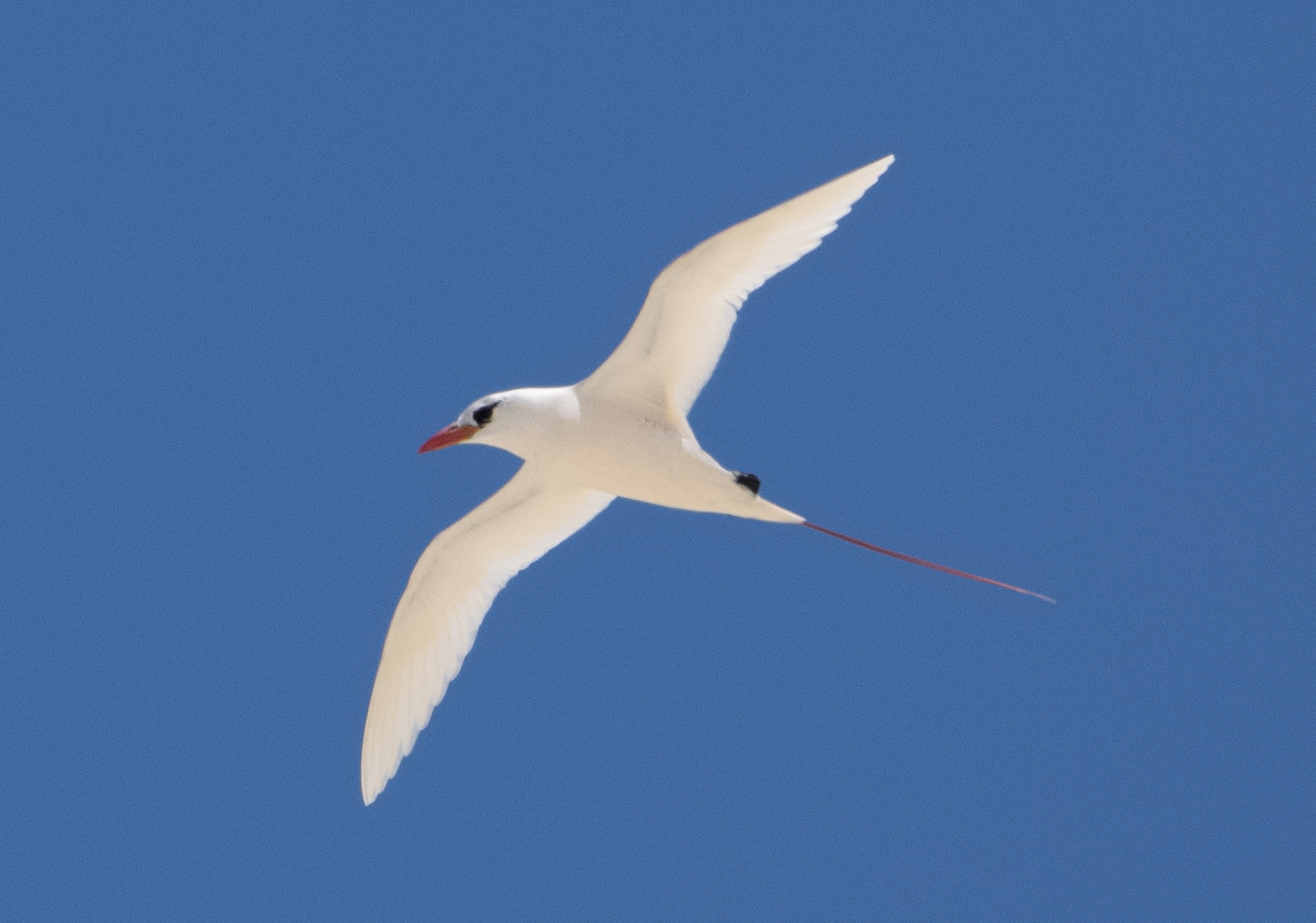
Across both atolls, the researchers found an extraordinarily rich variety of fauna and flora. Of the 17 recorded species of seabirds, 15 were confirmed (or likely) to be breeding. This included great frigatebirds (Fregata minor), white terns (Gygis alba), red-footed boobies (Sula sula) and black noddies (Anous minutus).
Shorebirds, though quite uncommon, were also found on both atolls – among them ruddy turnstones (Arenaria interpres) and pacific golden-plovers (Pluvialis fulva).
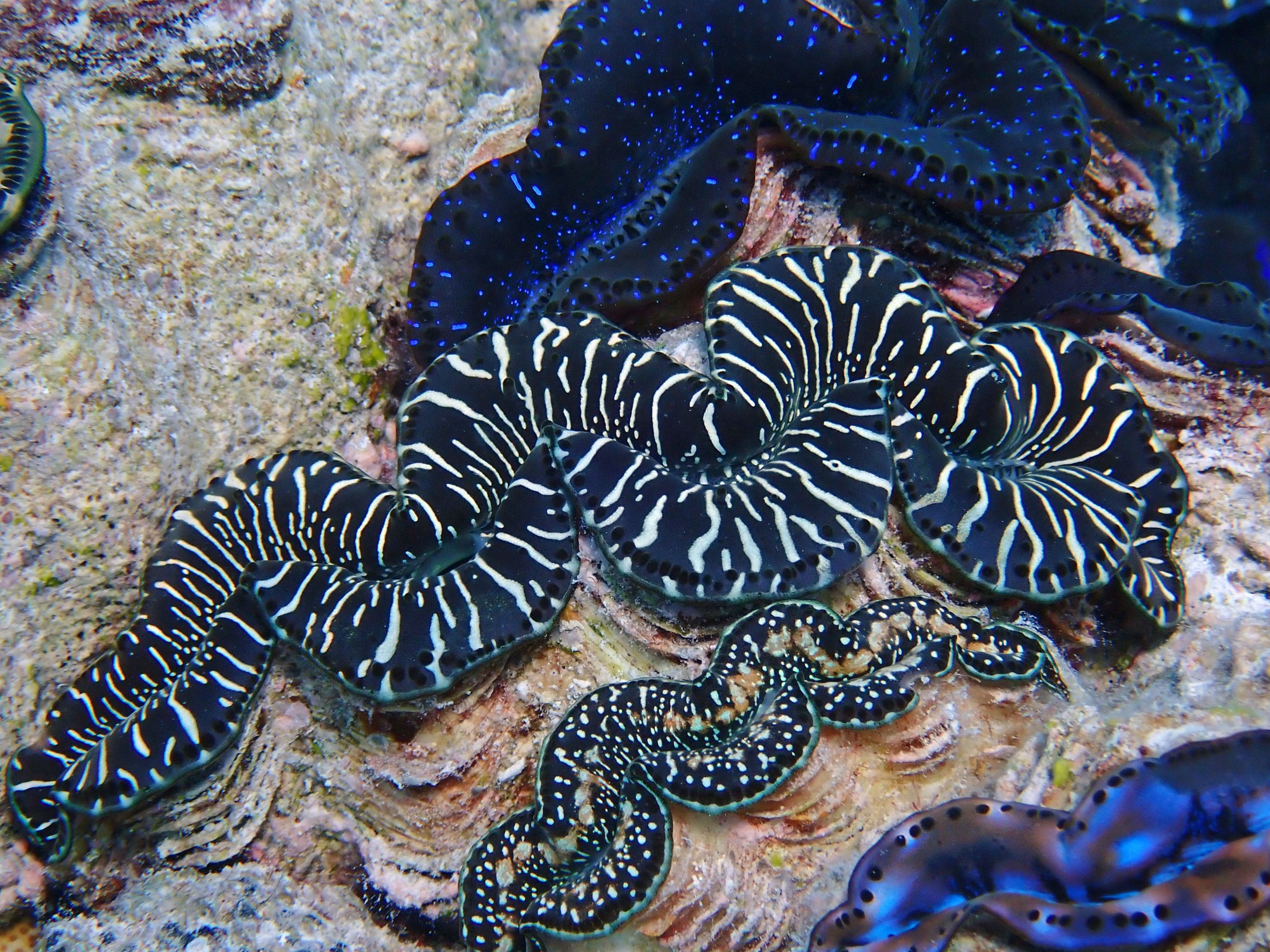
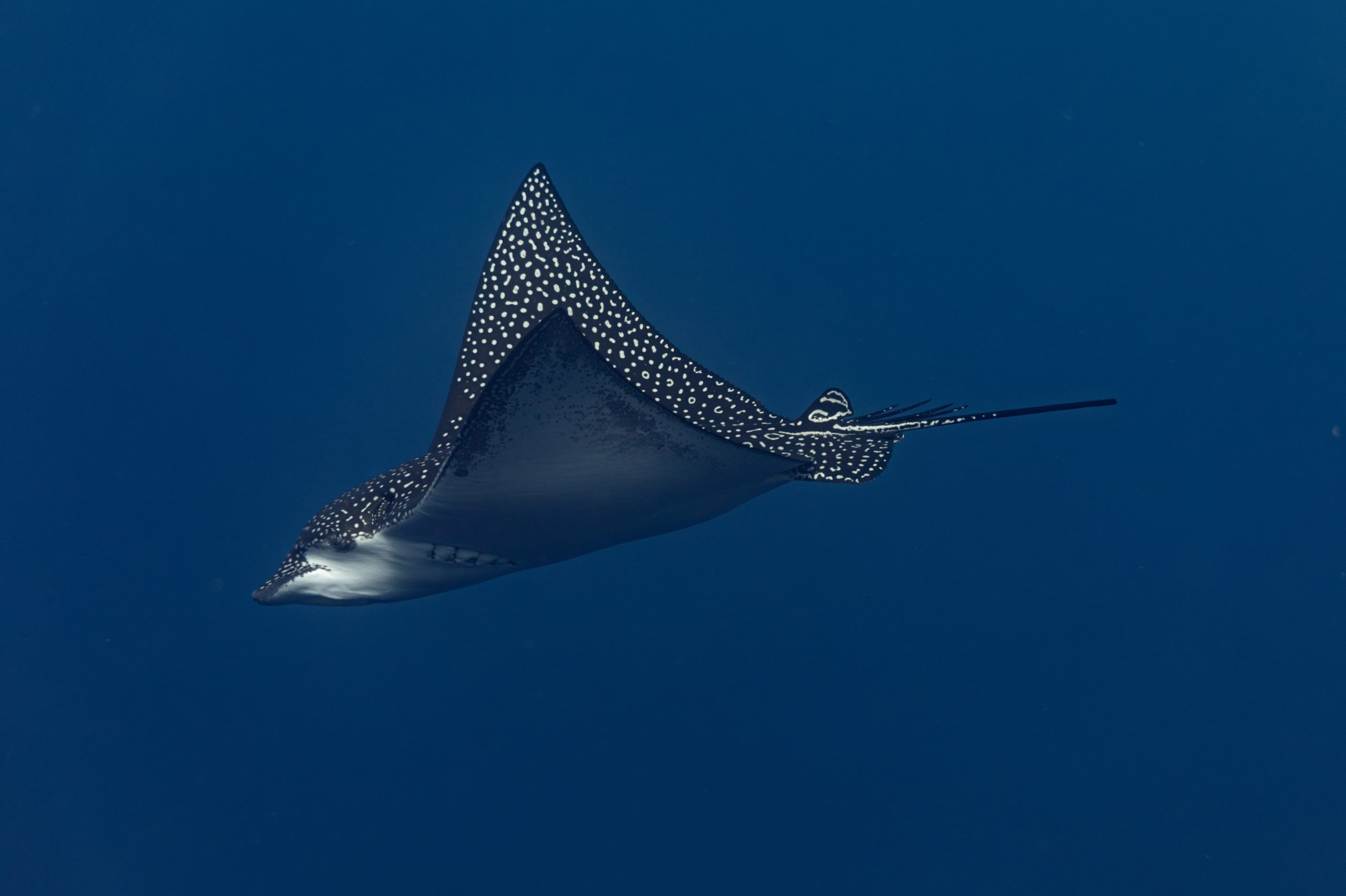
The researchers also recorded over 450 groups of fish, residing from the surface reefs to the deep-sea, and 15 groups of open-water predators such as sharks, jacks and wahoo. Grey reef sharks were the most frequently observed across both atolls.
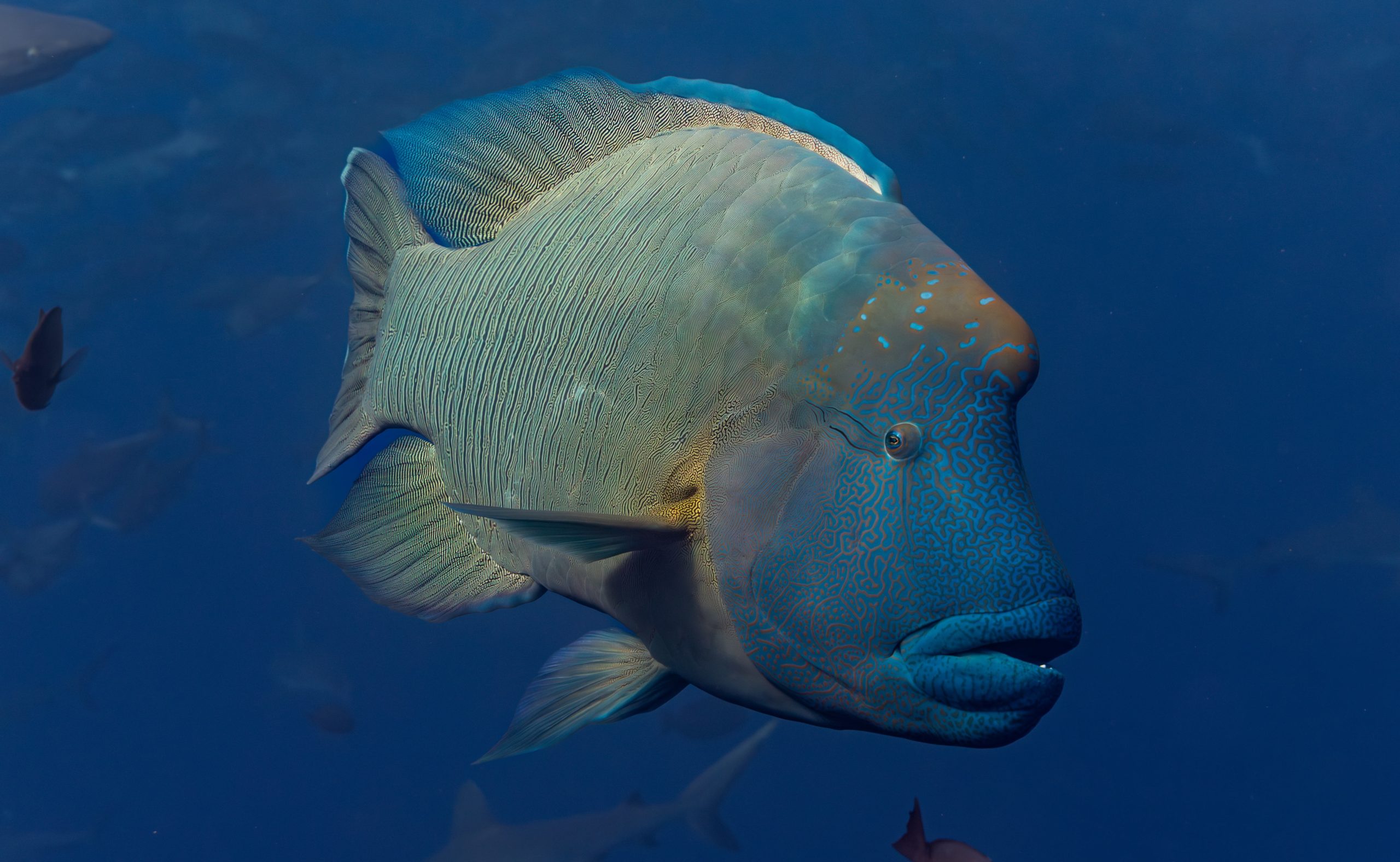
“We encountered healthy populations of endangered Napoleon wrasse, one of the largest reef fish in the world, reaching more than two metres in length,” recounts Friedlander.
“Another extraordinary moment was seeing a spawning aggregation of more than 75 large bumphead parrotfish, a species that has been heavily depleted across much of the Pacific.”
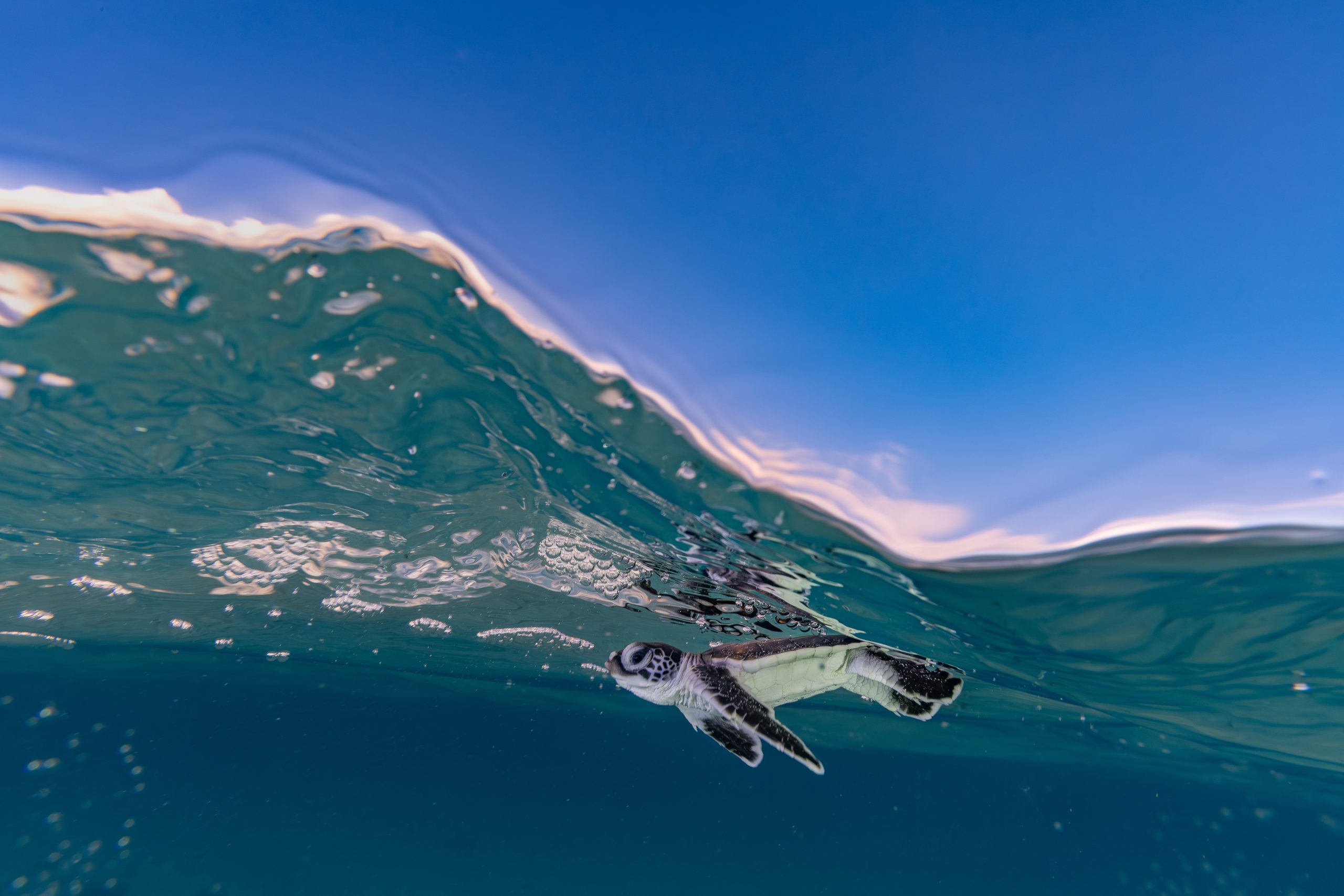
Despite sharing many of the characteristics and species, the atolls did differ from each other quite a bit. For example, sea turtle nesting was almost exclusively concentrated at Bikar, where the researchers recorded 132 green sea turtle nest pits.
“What surprised me the most was how different Bikar and Bokak were from one another. It was a powerful reminder than even in the relative absence of direct human impacts, nature does not produce identical ecosystems – each place has its own history and ecological trajectory,” says Friedlander.
- What’s the difference between fringing reefs, atolls and barrier reefs?
- 'Coral superhighway' spanning more than one million square kilometres found in Indian Ocean
A marine sanctuary
According to the International Union for Conservation of Nature (IUCN) Red List, a total of 777 animals have become extinct since the year 1500, and rates of extinction are reaching historic highs around the world, now sitting between 100 and 1,000 times higher than the pre-human average across millions of years.
Efforts to save species threatened by extinction are ongoing, but scientists agree that it’s difficult to protect something if we don’t know exactly what we’ve lost. Places like the Bikar and Bokak atolls offer conservationists a rare glimpse into how ecosystems function with only minimal human influence.
“They are among the best ecological reference systems we have to better understand what we have lost elsewhere and to provide fundamental insights needed for effective conservation and restoration efforts,” says Friedlander.
But even such remote ecosystems are not entirely safe from human impact. They can still be affected by climate-driven coral bleaching, ocean warming and sea-level rise. During the study, the researchers came across Polynesian rats, which aren’t native to the atolls and possibly travelled through the Pacific with people aboard voyaging canoes.
And although the observations were sparse and uneven, and the scientists aren’t sure exactly when or how the rats reached Bikar and Bokak, Friedlander says their presence is still a reminder that “even extremely remote ecosystems are not completely untouched by human history.”
In January 2025, following the assessment of the Bikar and Bokak atolls, the Marshall Islands announced their first national marine protected area. The National Marine Sanctuaries of Bikar and Bokak encompass some 48,000 square kilometres around the atolls.
“Bikar and Bokak are not just treasures for the Marshall Islands but for the entire planet, a gift from the community of Utirik Atoll, which has traditionally and vigilantly safeguarded these fragile ecosystems for decades,” says Friedlander.
Read the full findings here.
Wildlife at Bikar and Bokak atolls
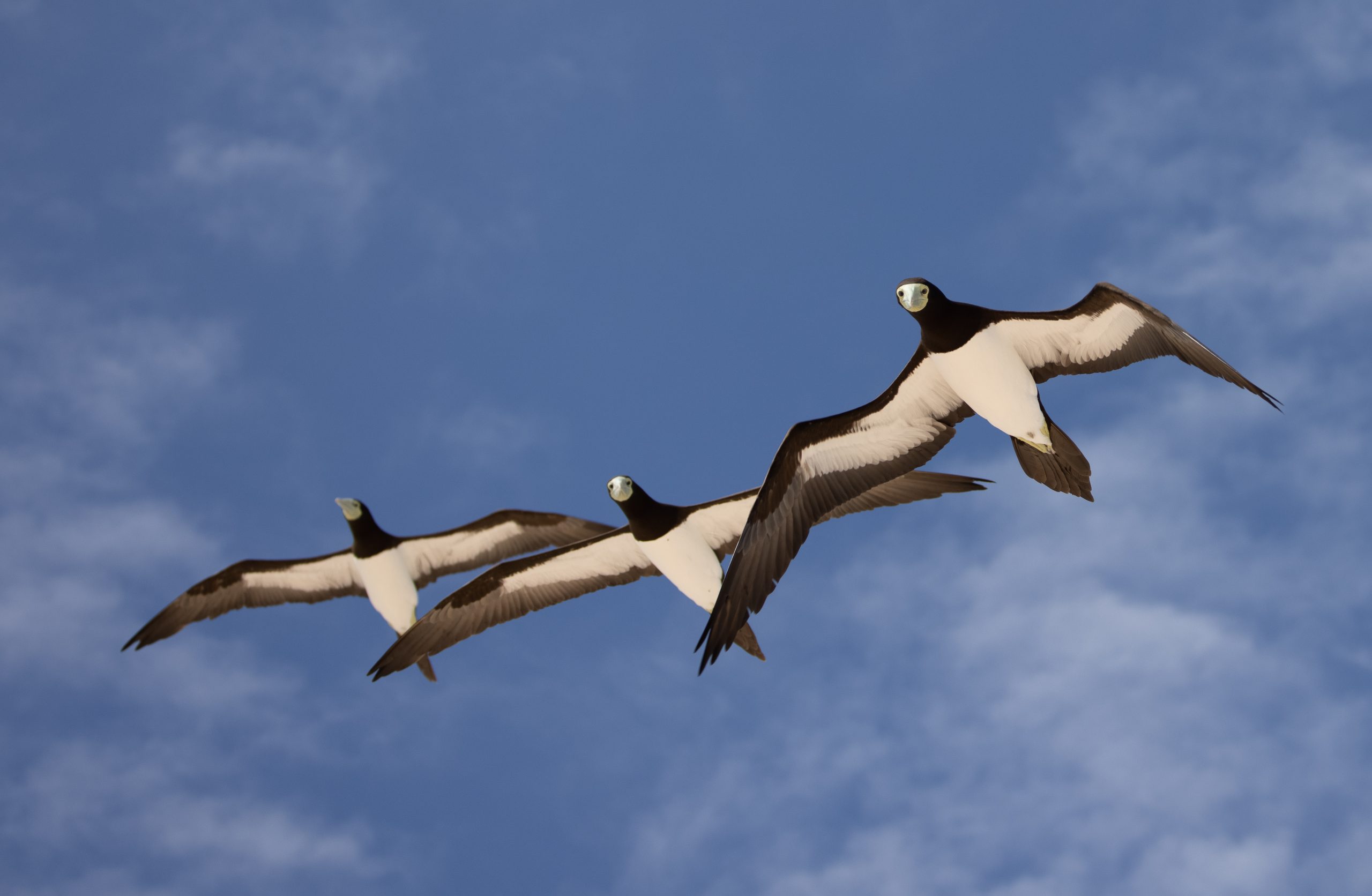
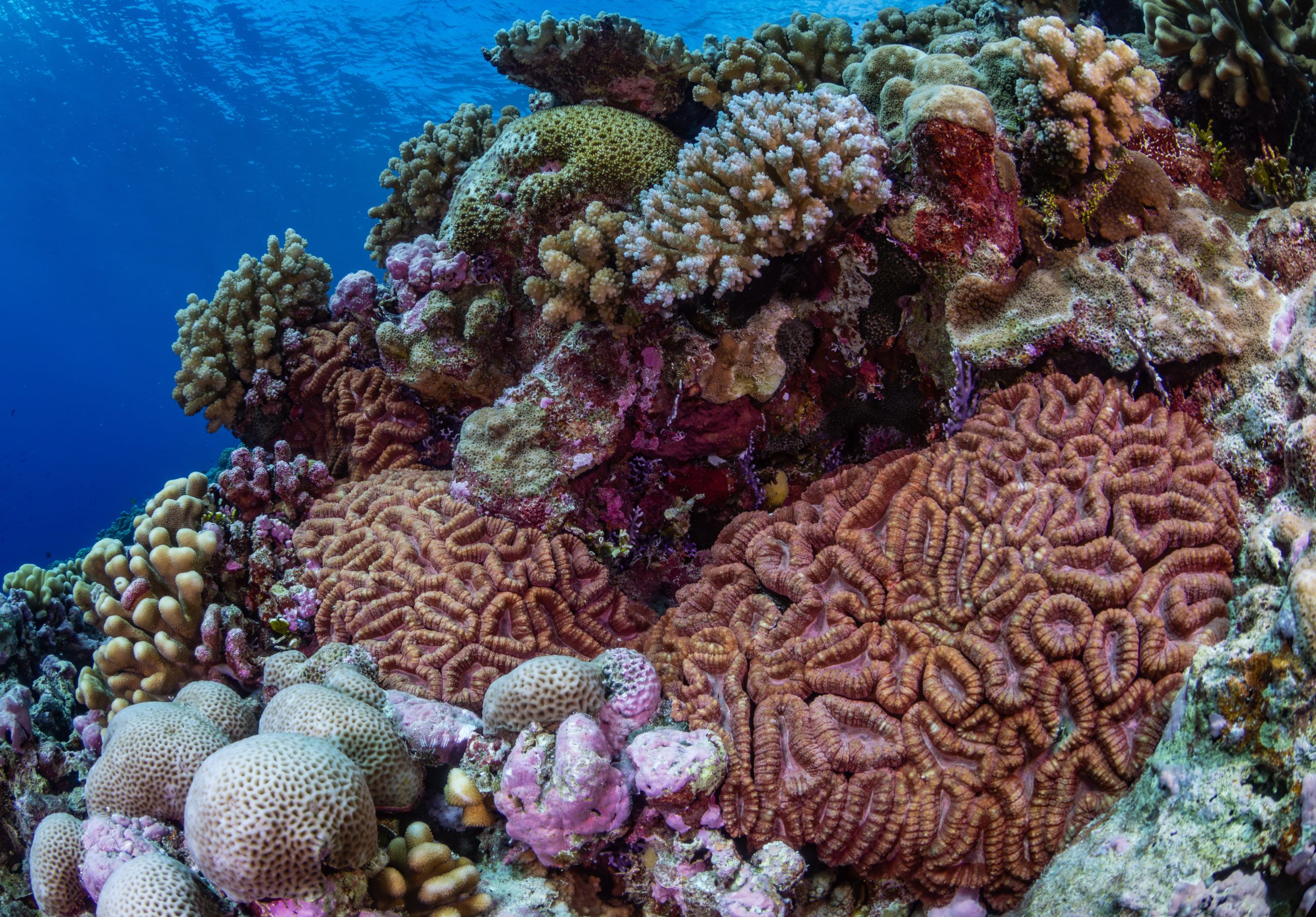
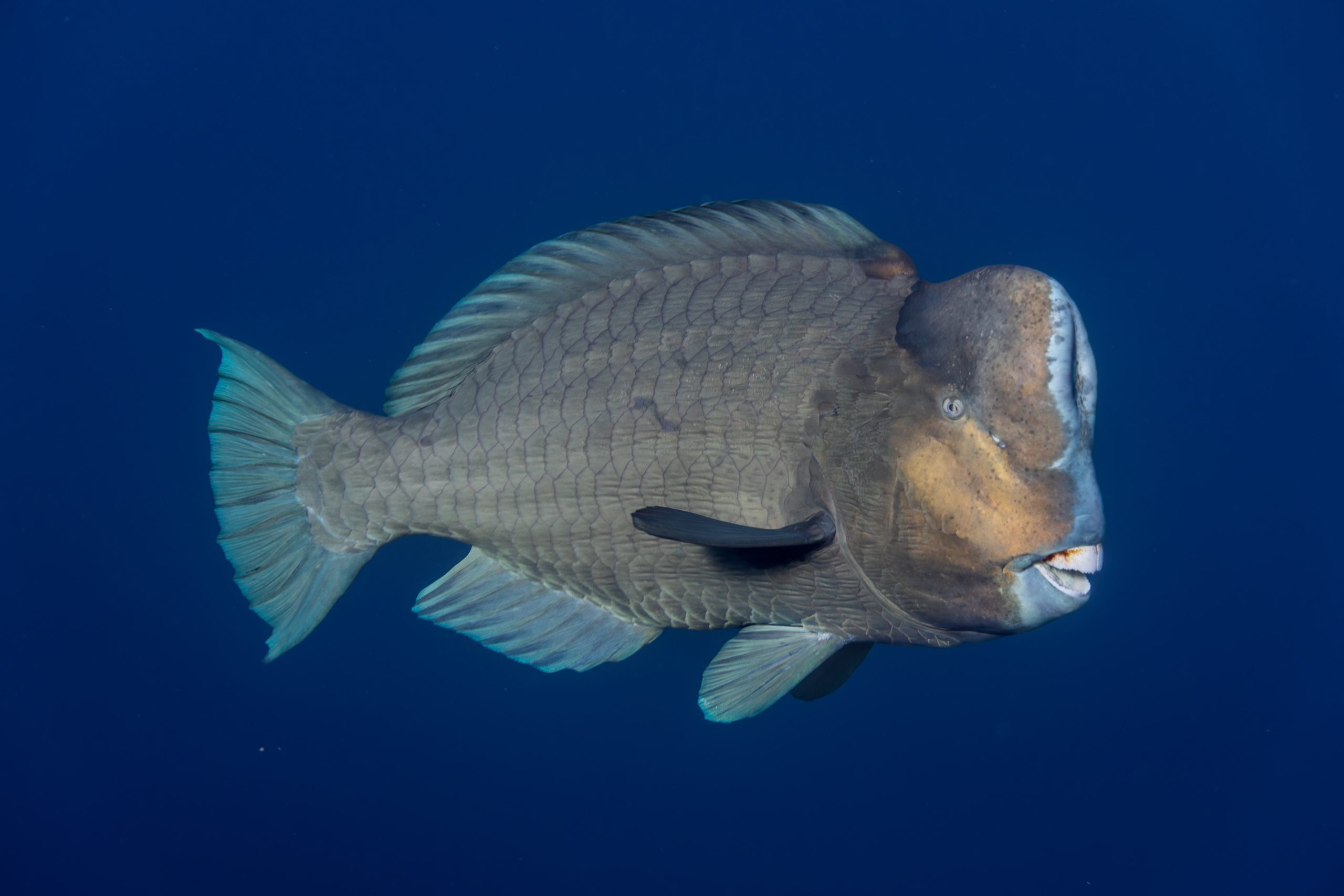
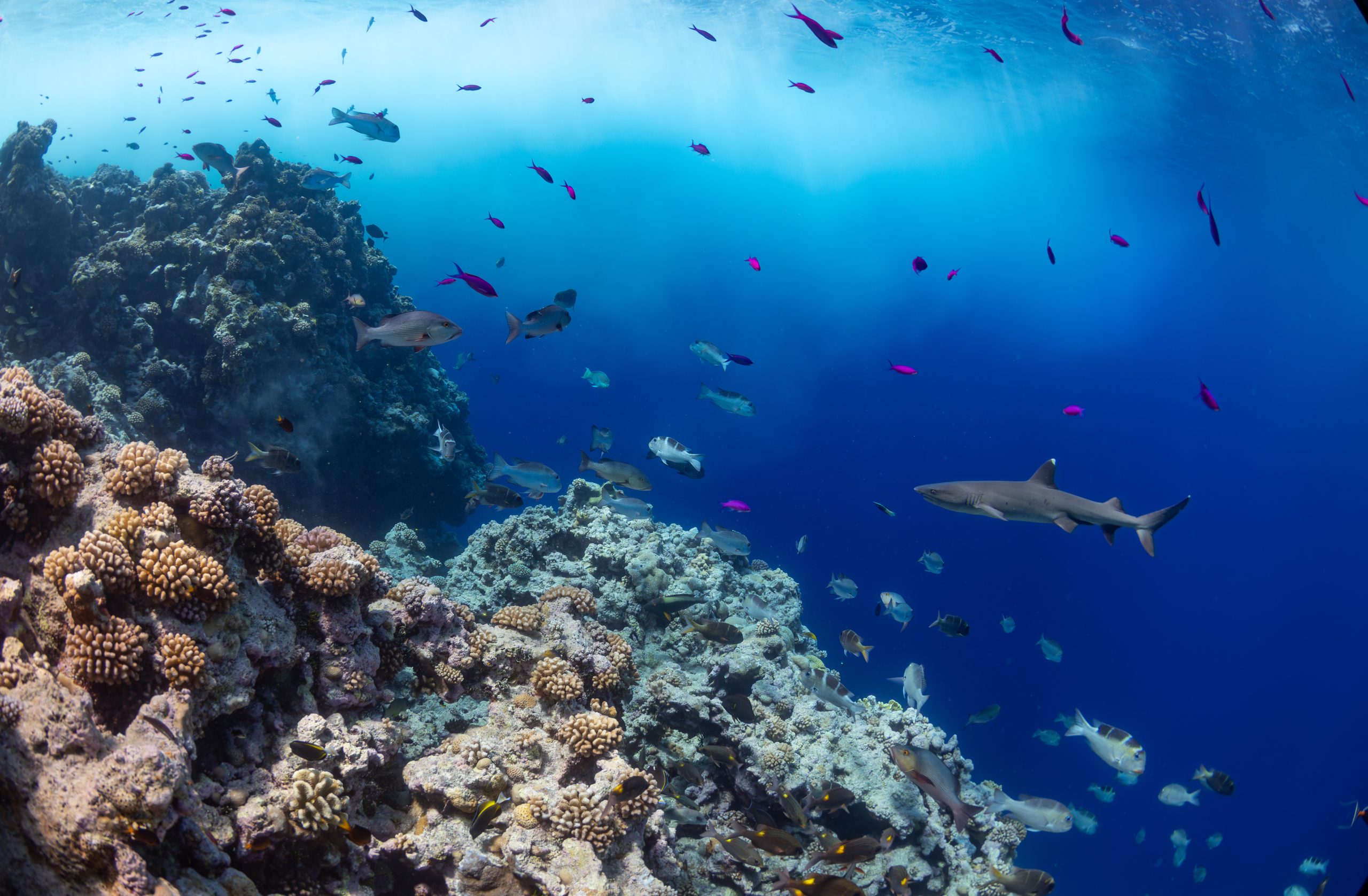
Top image: grey reef sharks and black jacks at Bokak atoll. Credit: Manu San Félix
