Over the past 130 years, an island has been appearing and disappearing in the North Pacific. Visible for a few weeks or months, it erodes quickly and seems to sink back into the sea. It last appeared in 2021 and was the result of the undersea eruption of the Fuktoku-Okanoba volcano, some 1200km south of Japan's capital Tokyo.
The 2021 explosion caused a massive tilt in the local seabed and even lifted 24 Second World War ships above the water so they littered the coast of the nearby island of Iwo Jima. It was poignant reminder of the brutal battle that took place there in March 1945 when US forces captured the strategically important island from Japanese defenders. The vessels largely comprised captured Japanese supply ships that the Americans then sank to create a temporary harbour.
- 10 sinking islands that could be lost forever…
- It ruptured the eardrums of sailors, was heard thousands of miles away and the pressure wave circled the Earth
Fukutoku-Okanoba is a very active volcano and considered part of the Volcano Islands, which are an element of the wider Ogasawara island chain (also known as the Bonin Islands). The Volcano Islands include Iwo Jima (Sulphur Island), Kito Iwo Jima (North Sulphur Island) and Minami Iwo Jima (South Sulphur Island) and all of these regularly witness volcanic activity.
Fukutoku-Okanoba is 5km north-east of Minami Iwo Jima and its summit is just 14-25m below the water's surface. When it erupts, it breaches the surface in what are know as Surtseyan eruptions. The name is taken from the Icelandic island of Surtsey, which suddenly appeared in 1963, created by undersea volcanic activity.
- One mile down, iron-rich waters, toxic fluids, and 81°C acidic vents made this volcano seem uninhabitable – yet scientists filmed something staggering
- It’s almost twice the size of Washington state and stretches 18 miles down into the Earth’s crust – and it’s underwater too
A Surtseyan eruption occurs when magma rises close to the surface of the water. As it comes into contact with the water, extreme heat turns the water to steam instantly. The sudden increase in volume of the steam causes an explosion, fragmenting the magma into small pieces, which are ejected into the air, forming a visible ash column. The explosion can also cause shock waves that are dangerous to shipping and damage coastal buildings.
Huge quantities of pumice are ejected – a very low density, lightweight rock that forms when molten igneous rock is violently ejected from the volcano under extreme pressure and cools and depressurises rapidly, creating a frothing, foam-like texture. Air is trapped and sealed within the rock and so it floats easily.
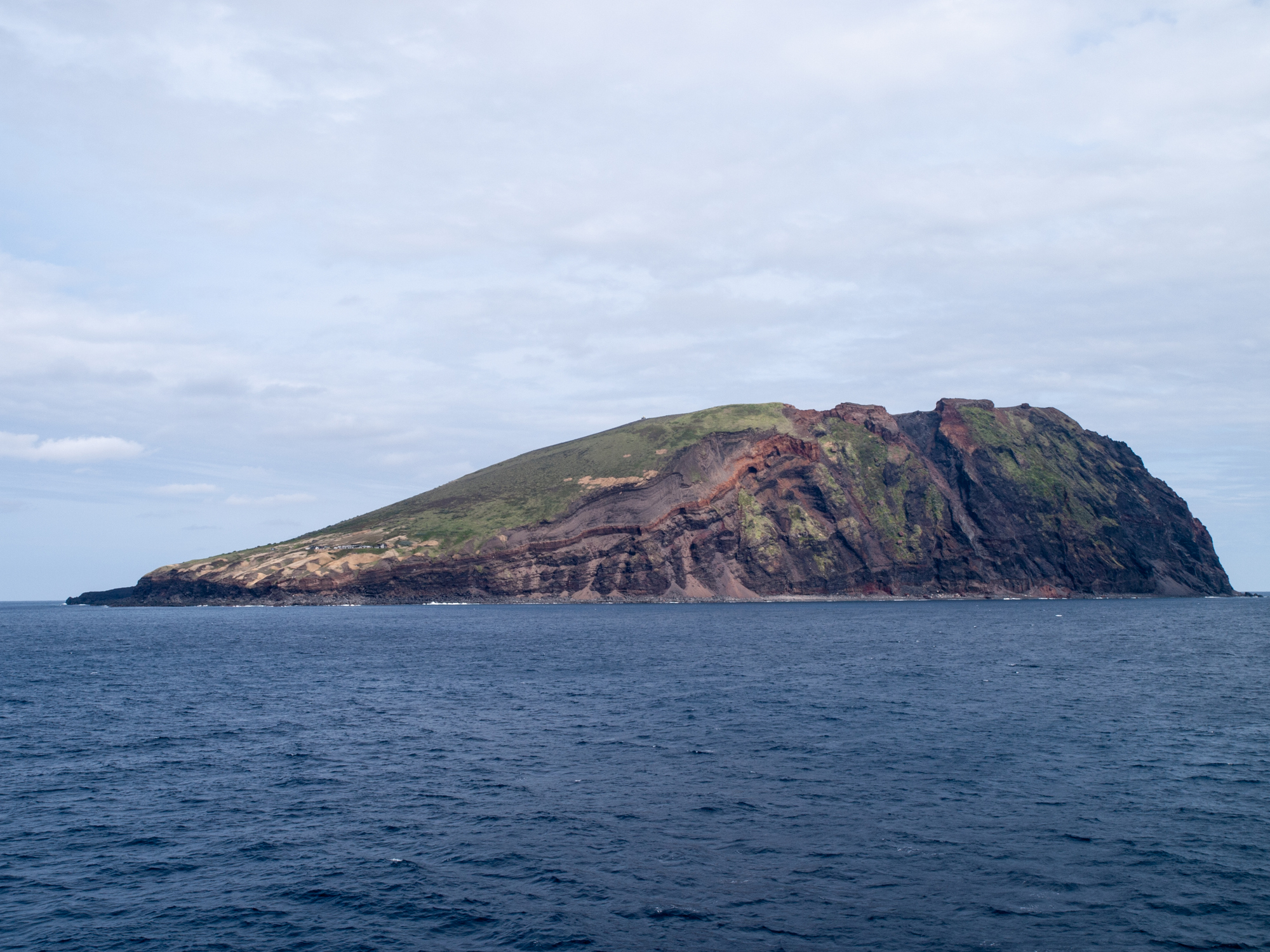
In the eruption of August 2021, so much material was ejected, it cooled to form a hoof-shaped islet about 1km in diameter with visible gas and steam emissions rising from its centre. By December it was much smaller and had divided into two smaller islets.
Wave action quickly erodes such volcanic islands and by summer 2022 the island had completely disappeared. This followed a similar pattern to eruptions in 1904, 1914 and 1986 among others. It is worth noting that the famous island of Surtsey, which has existed for 60 years and long enough for vegetation and wildlife to colonise it, is getting smaller every year due to the erosive action of waves.
Pumice rafts from the 2021 eruption carried material as far as Japan and the Philippines, and hazardous floating mats of grey-brown debris clogged ports and wildlife reserves, and disrupted fishing in parts of the region. It required an extensive and costly clean up operation to repair much of the harm. Pumice is also problematic as it can damage boat propellers and block water intakes used for cooling larger vessels and coastal power stations.
- It was born from volcanoes, is millions of years old – and it’s still growing today
- It was forged by fiery underwater explosions. Today, it’s a “natural laboratory” for researchers and tourists are banned
When it's not building ephemeral islands, Fukutoku-Okanoba grumbles restlessly underwater.
Satellites and the Japanese coastguard keep a close eye on its activity: regular slicks of brown or pale-green discoloured water and pumice, and plumes of smoke that rise several kilometres into the atmosphere above the Pacific Ocean. In time, the volcano will undoubtedly erupt to create another temporary island.
top image: Chichi-Jima Island, Ogasawara Island Group, Japan. Credit: Mauricio Handler/ Getty Images
Discover more wildlife stories from around the world:
- Bizarre fields of potato-like nodules line the Pacific seafloor. Scientists just set off on an expedition to study them
- It stretched a humongous 250km and blocked a mighty American river for 900 years. Then humans destroyed it, unleashing a disaster
- “Inside lay a grisly collection of bodies, hapless creatures that crawled in but never crawled out, encrusted with jewels of halite crystals”
- Tanks, helicopters and guns are sitting 24 metres beneath the Red Sea – Here’s why…