
There’s no denying that the ocean is a strange place. It’s home to the legendary giant squid, with eyeballs the size of dinner plates, and sharks that have lived for 400 years – not to mention solar-powered sea slugs and shapeshifters with a glow-in-the-dark tail.
But the weirdness isn’t confined to marine life – there are several strange phenomena found in the ocean. Here are just a few.
- This solar-powered sea slug slurps its lunch like a smoothie then does a headstand. The footage is beyond belief
- This deep-sea animal was discovered in 1882. Still to this day it's almost never seen alive
Brinicle
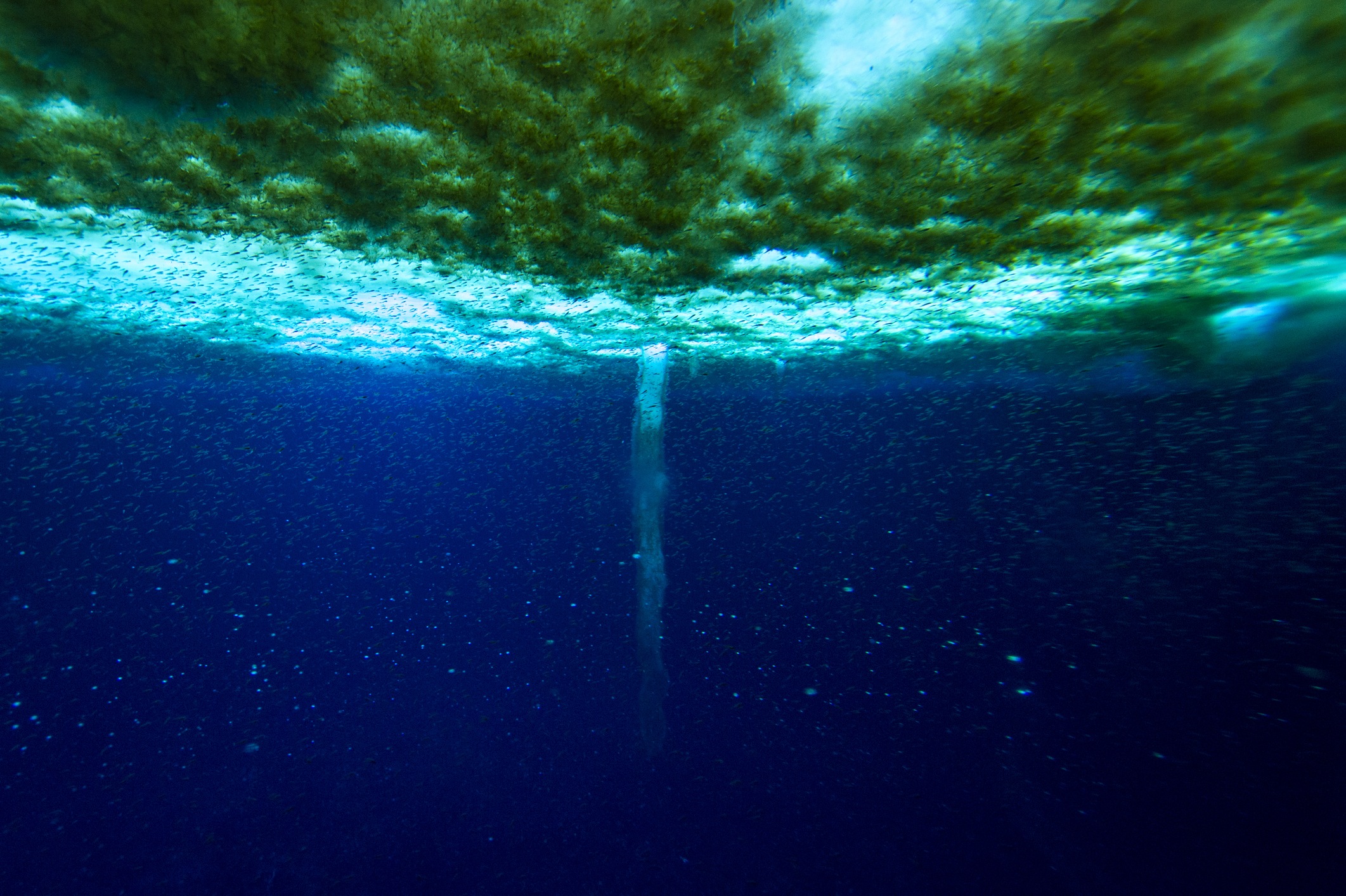
Known ominously as the ‘finger of death', brinicles were first caught on film in 2011. Found in polar waters, these tubes of ice form when freezing air (which can be as cold as -40°C in these regions) meets cold seawater (around 2°C) and causes the water to freeze.
The freezing process forces out salt particles, creating salty brine in the water around it. The name brinicle comes from ‘brine icicle’.
The brine is denser than seawater and so sinks slowly to the seabed, causing the seawater that touches it to freeze. As it sinks, it creates a hollow frozen tube filled with briny water that stretches down to the seafloor. Eventually, it touches the seabed and kills anything it grips in its icy grasp – hence its name, the ‘finger of death’.
Bioluminescence
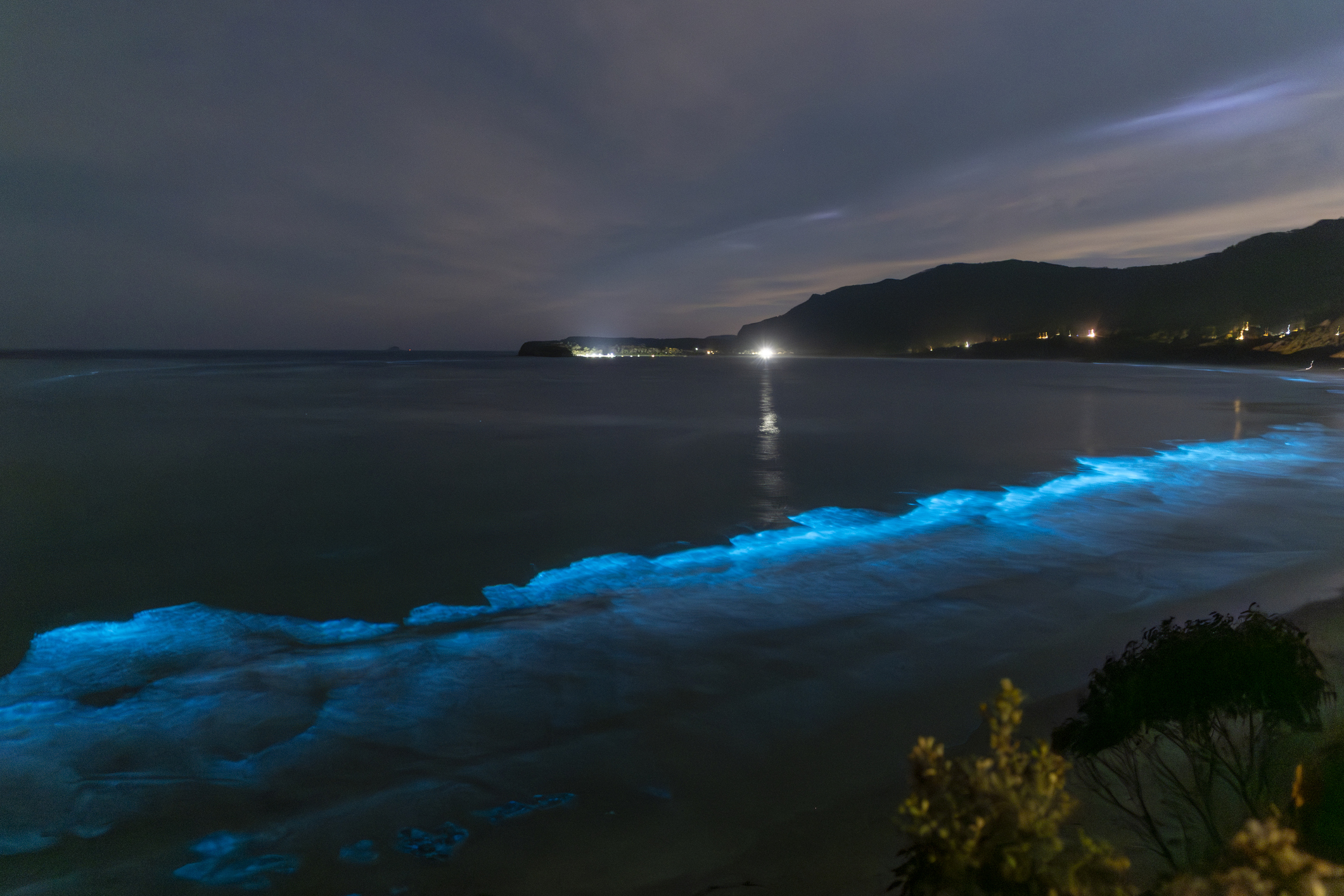
Arguably, one of the most magical sights in the world is when the water dazzles with luminous blue lights, like fairies are dancing across its surface.
But this ethereal experience can be explained by science. Bioluminescence is created when tiny plankton in the water create their own light like underwater fireflies.
Although many humans have never seen this wondrous sight, it’s thought that more than three quarters of marine life can create bioluminescence. Vampire squid, velvet belly lantern sharks and anglerfish are just a few ocean creatures that have this remarkable ability.
Milky seas
If bioluminescence alone isn’t spectacular enough, a rare and special form of this phenomenon – known as ‘milky seas’ – is even more breathtaking.
This type of bioluminescence can cause the entire ocean to glow for around 100,000 square kilometres and it can sometimes last for weeks, disappearing during the daytime or in moonlight and becoming visible again under dark skies. The waters also become curiously flat and calm – like sailing across a pond of milk – which may be to do with a mucus produced by the algae.
Although rare, sailors have recorded seeing this astonishing sight for hundreds of years. Yet, scientists are still trying to get to the bottom of exactly what causes these incredible milky seas.
Mysterious mass mortalities
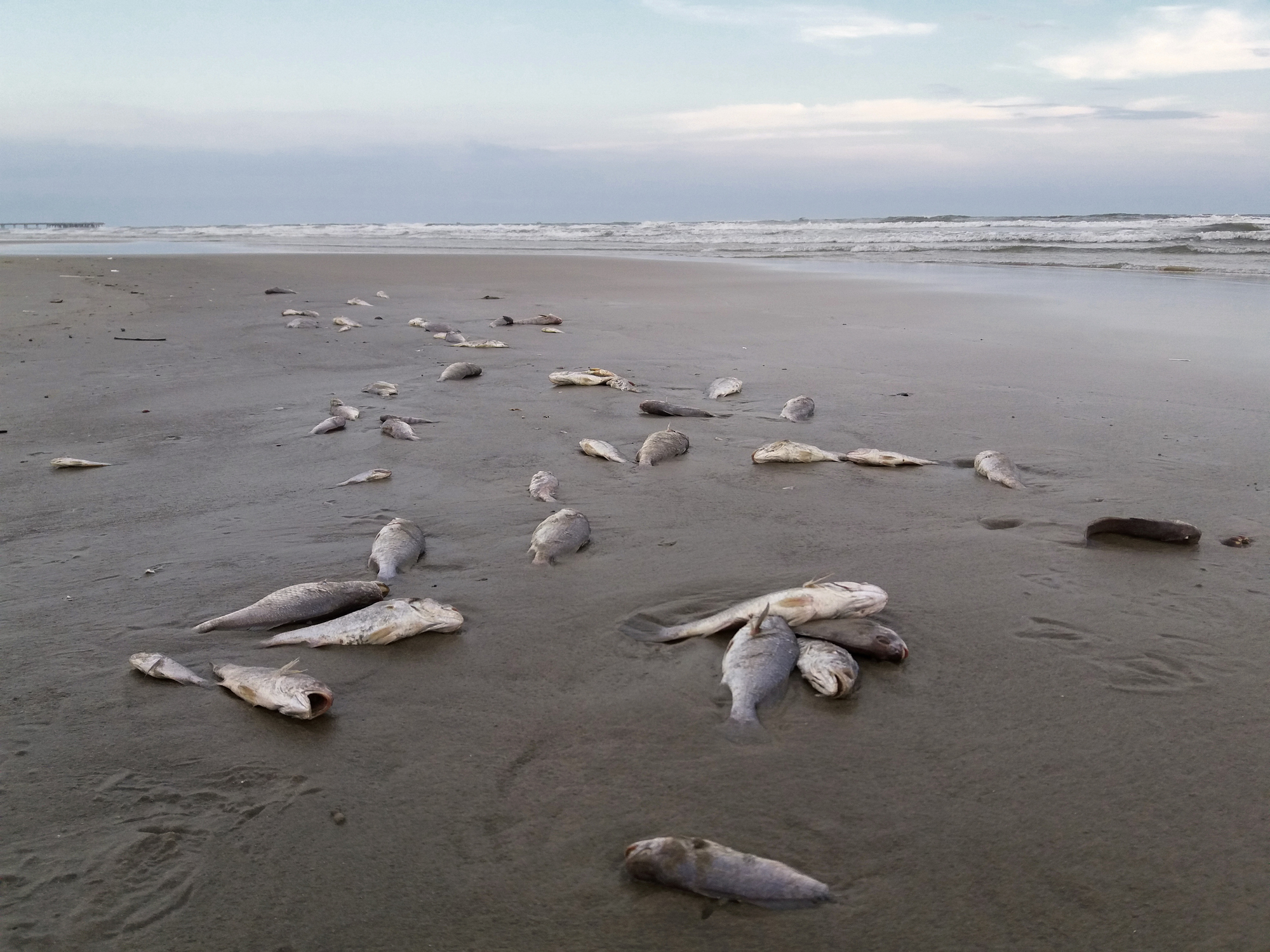
Imagine seeing huge numbers of marine animals washing up dead along the coastline, sometimes in their hundreds or more. This ghastly sight is made all the more terrifying when there is no seemingly obvious cause for the mysterious deaths.
But there is one culprit that can be responsible for these mass mortalities: algae.
Although algae is an important part of the ecosystem, its growth can be problematic when it gets out of control and blooms of certain types of algae can harbour dangerous toxins. These Harmful Algal Blooms (HABs) can devastate marine life, killing fish, seals, dolphins and even whales.
- The ocean's hidden, deadly killer: Why thriving seas can suddenly die and turn into mass underwater graveyards
- Whales vs dolphins: They might look similar, but how alike are these incredible marine mammals really? Here’s what sets them apart…
Mysterious noises in the deep
There are few things more baffling than hearing a strange sound with no idea what it is or where it comes from.
This has happened several times in the ocean: from the spaceship-like Biotwang (that turned out to be the vocalisation of a Bryde’s whale) and the Bloop (which sounds like a fart in a bath but was actually an iceberg breaking off a glacier) to the Ping, which is currently unsolved.
- Underwater ‘sirens’ and the loneliest whale in the world: 6 of the weirdest noises heard in the ocean (including an unsolved mystery)
- It’s longer than a double-decker bus, weighs the same as five elephants and found in every ocean – yet hardly anyone has ever seen them…
Yellow brick road
Some geological formations in the ocean are so astonishing that it’s hard to believe they’re natural. One such example is the bizarre brick-like rock formation found more than 1,000 metres deep by scientists from the Ocean Exploration Trust during an expedition to the Liliʻuokalani Ridge in Papahānaumokuakea Marine National Monument. With its regular pattern – almost like paving stones – it looks exactly like the yellow brick road from the Wizard of Oz.
Although it looks like someone had carefully laid the path on the bottom of the seabed, it was created by volcanic activity many years ago. Lava erupted into the ocean and cooled rapidly to form rock as soon as it hit the cold water, appearing to shatter. The area was likely heated and cooled several times over by repeated eruptions, which created its pavement-like structure.
Waterspout
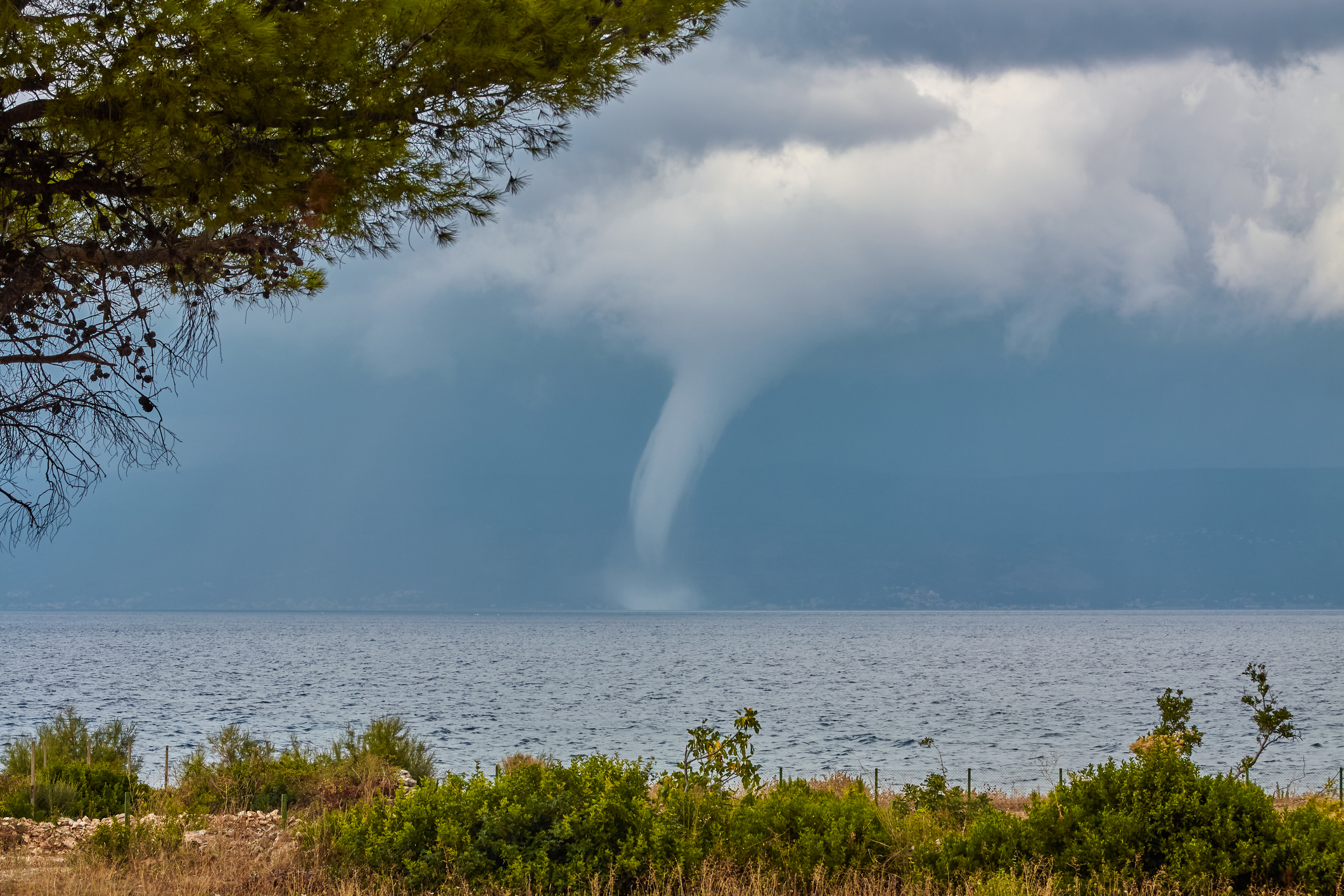
Many people don’t realise that tornados can also form over water. When they do, they’re known as a tornadic waterspout.
“A waterspout is a narrow column of rotating air below a thunderstorm that occurs over water,” according to a statement from Dr Peter Inness, a meteorologist at the University of Reading. “They are part of the same weather “family” as tornadoes.”
These rotating funnels of mist form when cold air meets warm water. “Waterspouts form beneath thunderstorm clouds, so need the same ingredients as a thunderstorm,” adds Innes. “Heat and humidity in the lower atmosphere are the two main requirements.” Meanwhile, winds coming in from different directions cause the air to twirl, forming the ‘spout’.
Although not all waterspouts are dangerous, they can have a significant impact. A superyacht that sank in Sicily in 2024 was believed to have met its fate after being struck by a waterspout, although authorities later held a gust of wind called a downburst responsible.
Underwater waterfalls
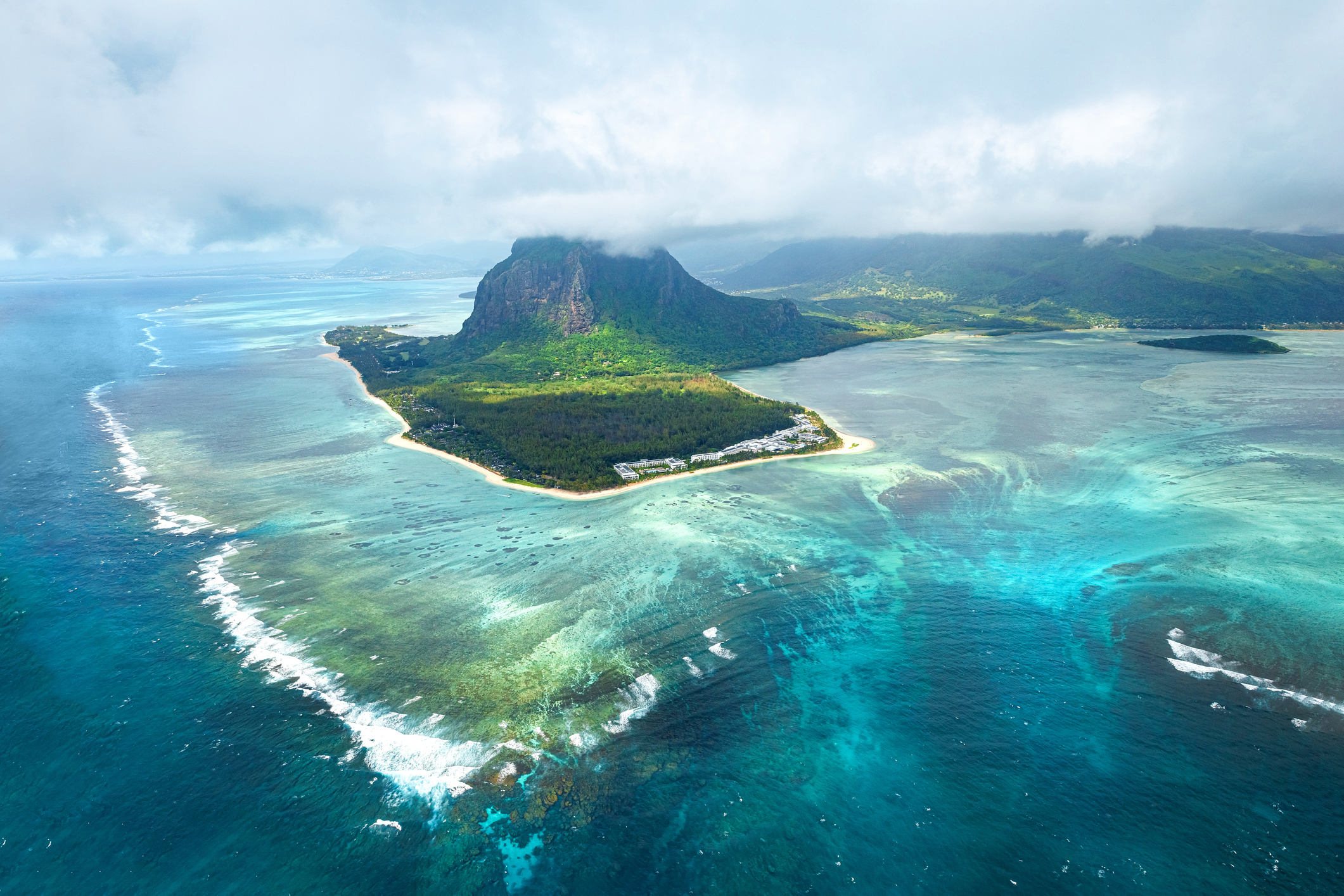
It’s not just tornadoes that are also found in the ocean. Bizarrely, waterfalls can occur underwater too. In fact, the world’s largest waterfall – the Denmark Strait Cataract – is hidden far below the surface of the ocean between Greenland and Iceland.
Underwater waterfalls form when cool water and warm water meet at an area of sea bed with a steep drop off. The colder water (which is denser) sinks under the warmer water and falls down over the abyss, just like it would do in a waterfall on land.
These may be happening far from our view, but they play an important part in driving currents and mixing the ocean water, which regulates our climate.
Green flash
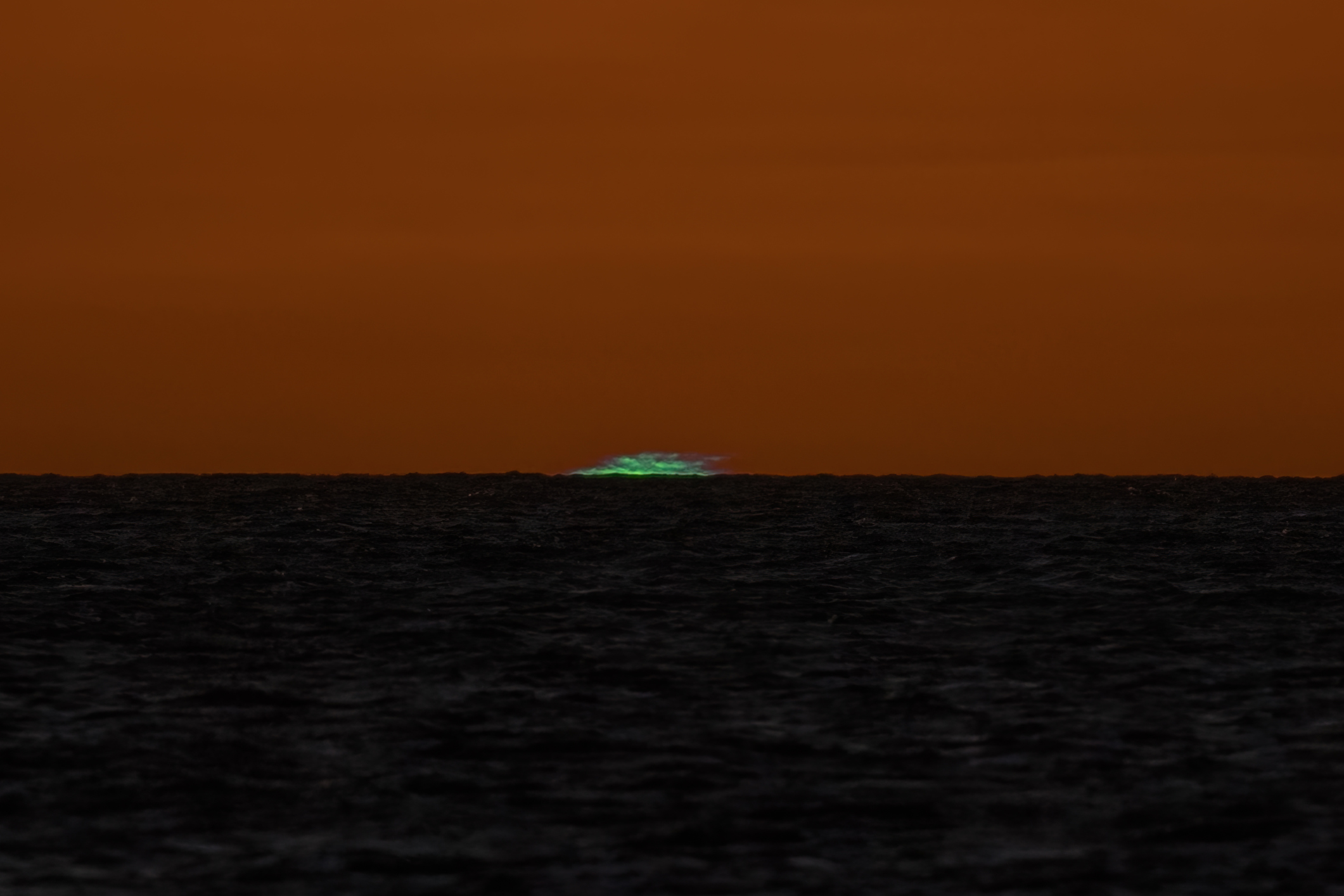
Have you ever watched a sunset over the ocean and, at the moment it dipped below the horizon, thought you saw a strange flash of light appear before your eyes for a second or two? If so, you weren’t imagining things – you may have experienced what is known as the green flash.
“The green flash is an unbelievable, almost supernatural, phenomenon that is most frequently seen near sunrise or sunset over water and can only be observed when the air is clear,” explains Oceana Canada on its website. “Just as the sun dips below the horizon over the ocean, the light is refracted, or bent, through several layers of the Earth’s atmosphere. This process occurs much in the same way that a prism refracts light to create rainbows.”
Maelstrom
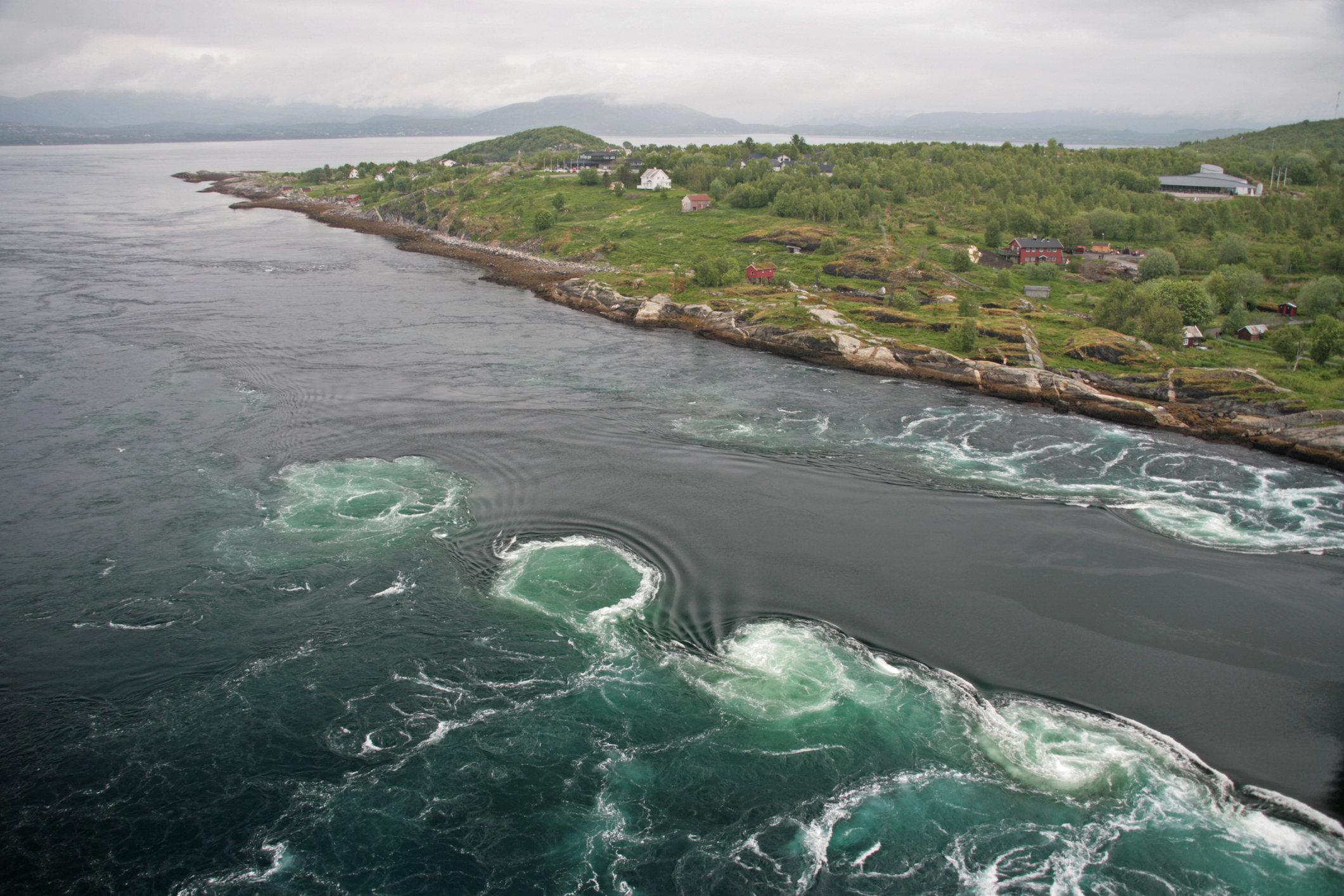
The thought of a gushing, gurgling vortex of water waiting to swallow a ship might sound like something from a sailor’s nightmare but they do exist.
The world’s strongest is the Maelstrom of Saltstraumen in Norway while the 76-metre Old Sow is named for the grunting noises it makes, which sound like hungry pigs.
These epic whirlpools are created by water moving around the underwater landscape and changing direction to form huge eddies and currents. The Old Sow is said to have killed around a dozen people but modern boats make it much safer to visits – and tourists often venture to see its whirling waters.
top image: Maelstrom—Small boat escape from the horrible whirlpool. Credit: fabiomax/Getty Images
Discover more bizarre wildlife stories from around the world:
- "They were bouncing off umbrellas and pavements and hopped off in their hundreds…” 10 times it rained animals
- An animal that can give birth through its back and a creature that can project its ribs through its skin to launch poison: 7 weirdest amphibians on the planet
- "It's not unknown for males to get stuck in the wrong position - back to front, or sideways on - or for groups to become hopelessly welded together…"
- It’s almost the size of the US, spans 11 countries and is home to a creature that looks like a sabre-toothed sausage


