You’ve heard of it raining cats and dogs. Thankfully, it’s just a figure of speech, but did you know that sometimes it really does rain animals?
From starfish and shrimp to fish and frogs, sometimes creatures really do fall from the sky. The episodes leave people running for cover and scratching their heads, prompting explanations that range from the magical to the meteorological. Here are ten of the most bizarre ‘anomalous precipitation’ events.
Ten times it rained animals
The seafood storm
When violent storms struck the coastal city of Qingdao in Shandong Province, China, in June 2018, residents were prepared for the rain. What they weren’t prepared for was the seafood salad that fell with it.
Photos posted to social media revealed molluscs and shellfish falling from the sky. Starfish were photographed next to car windscreen wipers, while shrimps were pictured splattered across cars.
It’s thought that strong offshore winds created spinning columns of air and mist, known as waterspouts, which sucked the marine life into the sky. Then, as the winds weakened over land, the animals fell to earth. Waterspouts are one of the most common and credible explanations for animal rain.
Muschelregen (Mussel Rain)
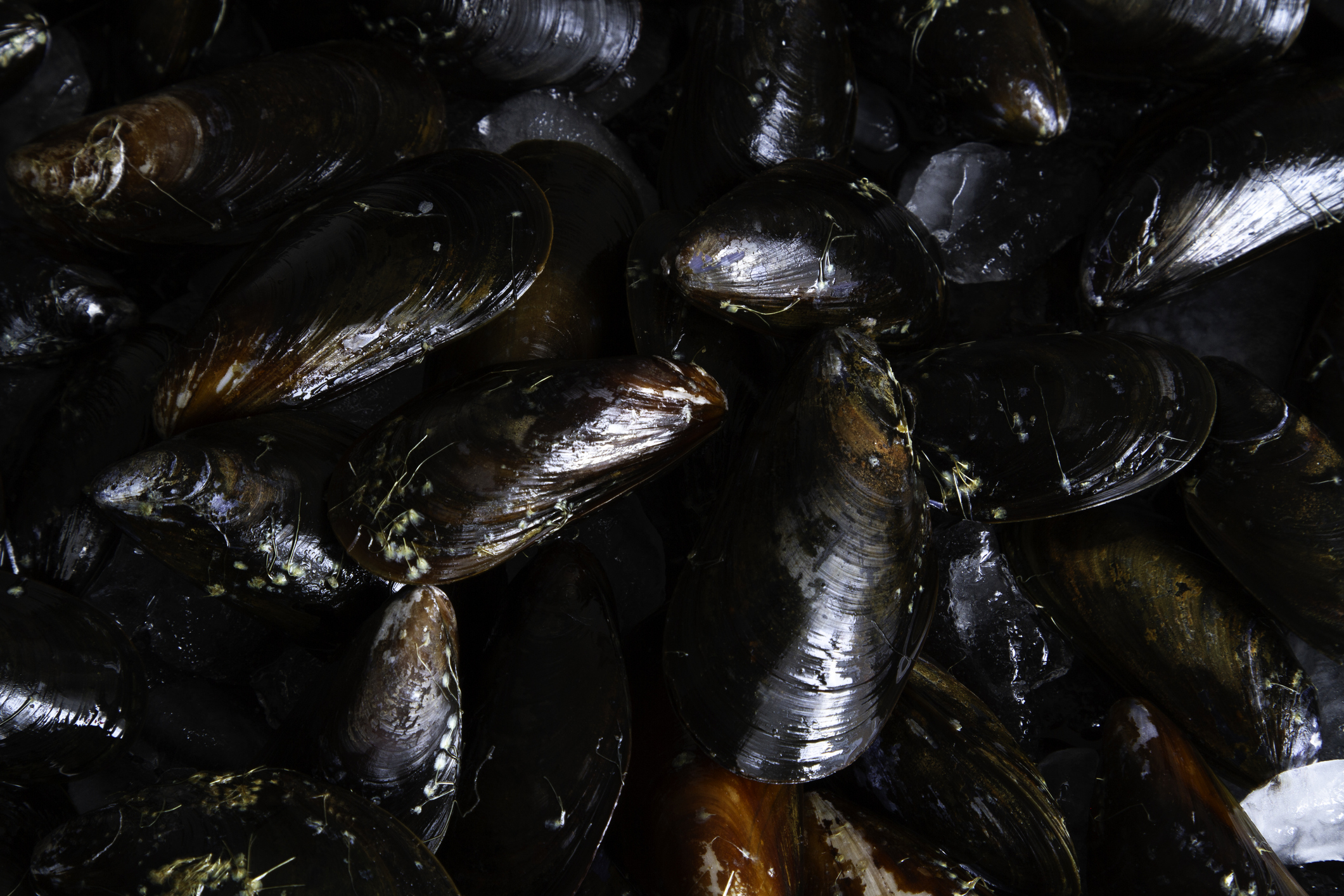
In August 1892, hundreds of mussels clattered down on the streets of Paderborn, Germany. A yellowish cloud swept towards the town before bursting into a torrential downpour, leaving the pavements littered with broken bivalves.
The spectacle was witnessed and documented by an affiliate of the Berlin Meteorological Office, and a specimen was sent to the Berlin Museum. The mussels were Anodonta anatina, a freshwater species known also as the duck mussel. Naturalists later traced them to a mussel-rich pool about 10 kilometres away, indicating that a waterspout may have plucked them from the water and then carried them through the air.
A flurry of frogs
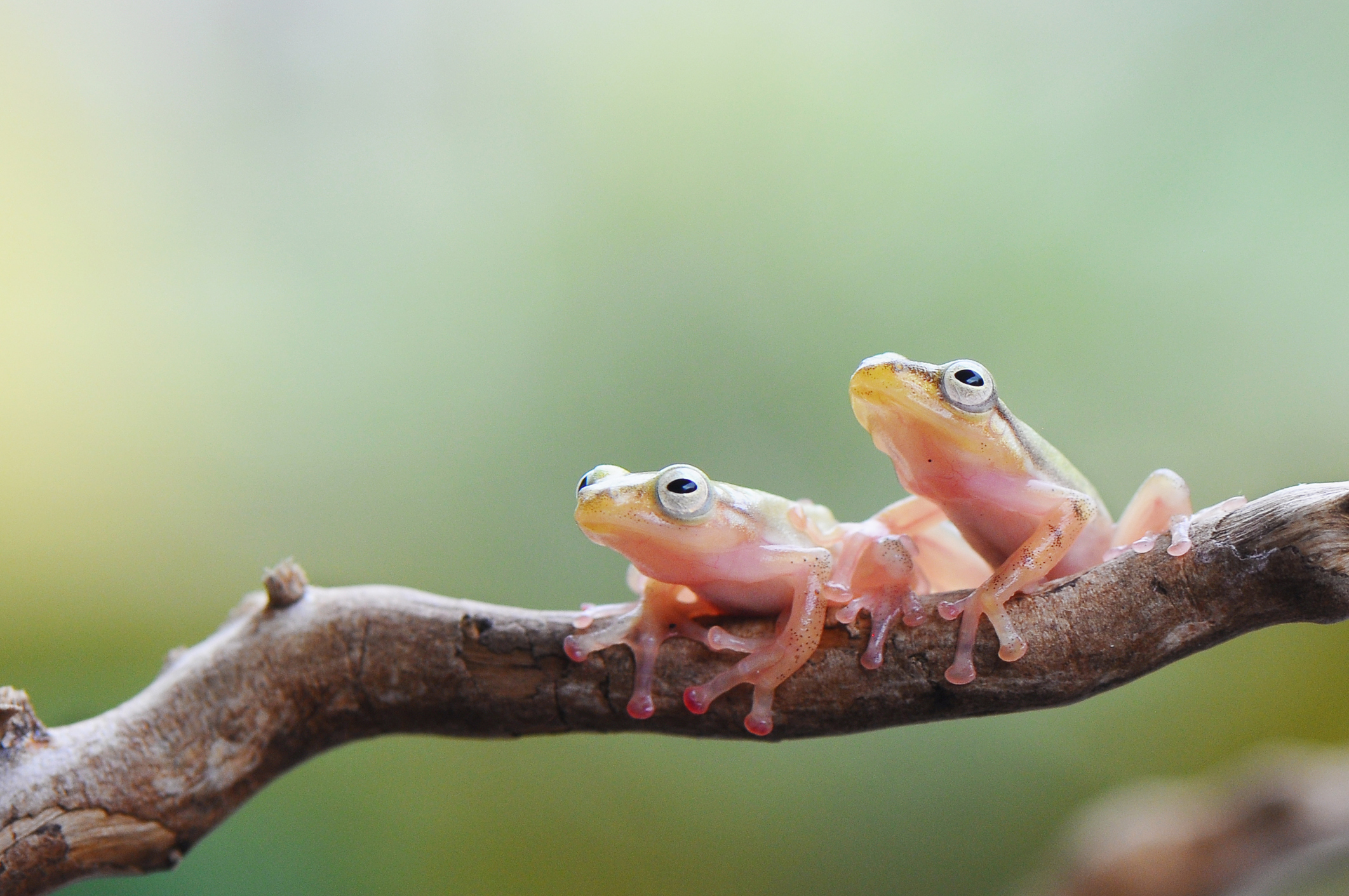
The Cotswolds is famous for its rolling hills, quaint villages and distinctive buildings made from honey-coloured stone. What the tourist brochures fail to mention, however, is that in 1987, the area suffered from several reports of anomalous precipitation involving frogs.
A local woman recalled how “tiny rose-coloured frogs" came down in torrential rain near the market town of Stroud. She told the Stroud News & Journal, they were “bouncing off umbrellas and pavements and hopped off in their hundreds to nearby streams and gardens.” A similar downpour was reported in nearby Cirencester.
- Colombian tree frog found in florist’s shop in Sheffield
- From a chocolate chip sea star to a tomato frog (yes really!) here are 10 animals named after food
Quite how the frogs got there remains a mystery. Some suggested that the little amphibians had been swept up in Saharan winds from Africa. Others proposed that the fertilised eggs of local species had been sucked into a waterspout, where they hatched, before falling to the ground as frogs. Or perhaps there was no frog rain at all: the frogs may simply have emerged after the hail to enjoy the damp conditions.
A sprinkle of spiders
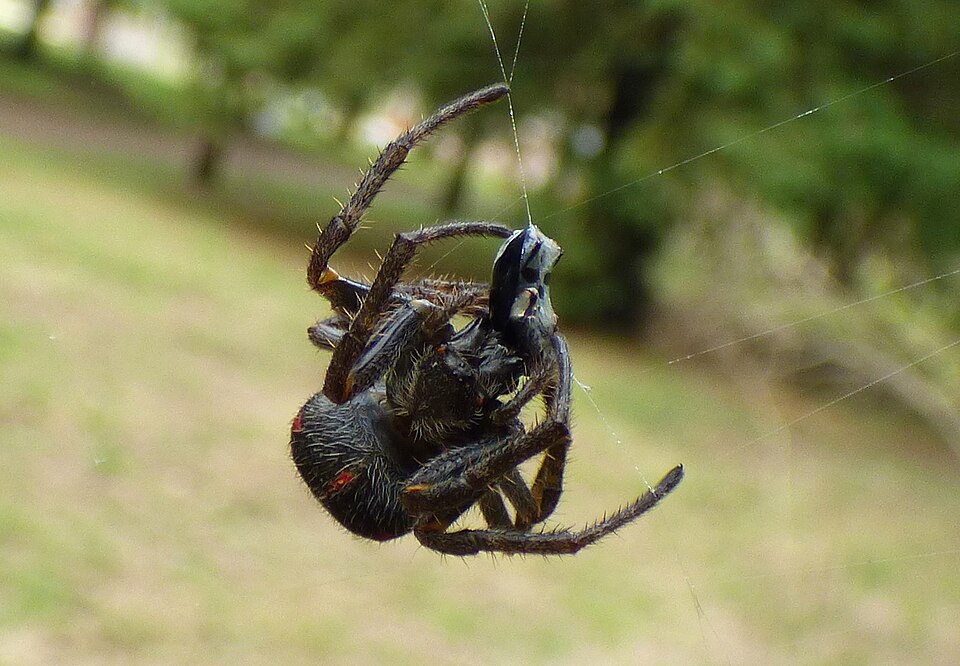
Not one for the arachnophobes. On 27 December 2024, hundreds of spiders appeared to descend gently from the sky above the quiet town of São Thomé das Letras, Brazil. Footage of the slow motion spectacle went viral on social media, but it wasn’t quite what it seemed.
The spiders were Parawixia bistriata, a social orb-weaver species that builds individual webs within a much larger communal structure. Suspended between trees and bushes, these webs can be enormous, but their delicate threads are almost invisible from the ground. The result is an optical illusion: rather than raining from the sky, the spiders were simply hanging in their web, waiting for prey to arrive.
- Do spiders talk to each other?
- Scared of spiders? Science says it can be cured – with wheels and long-legged chairs
A shower of shad
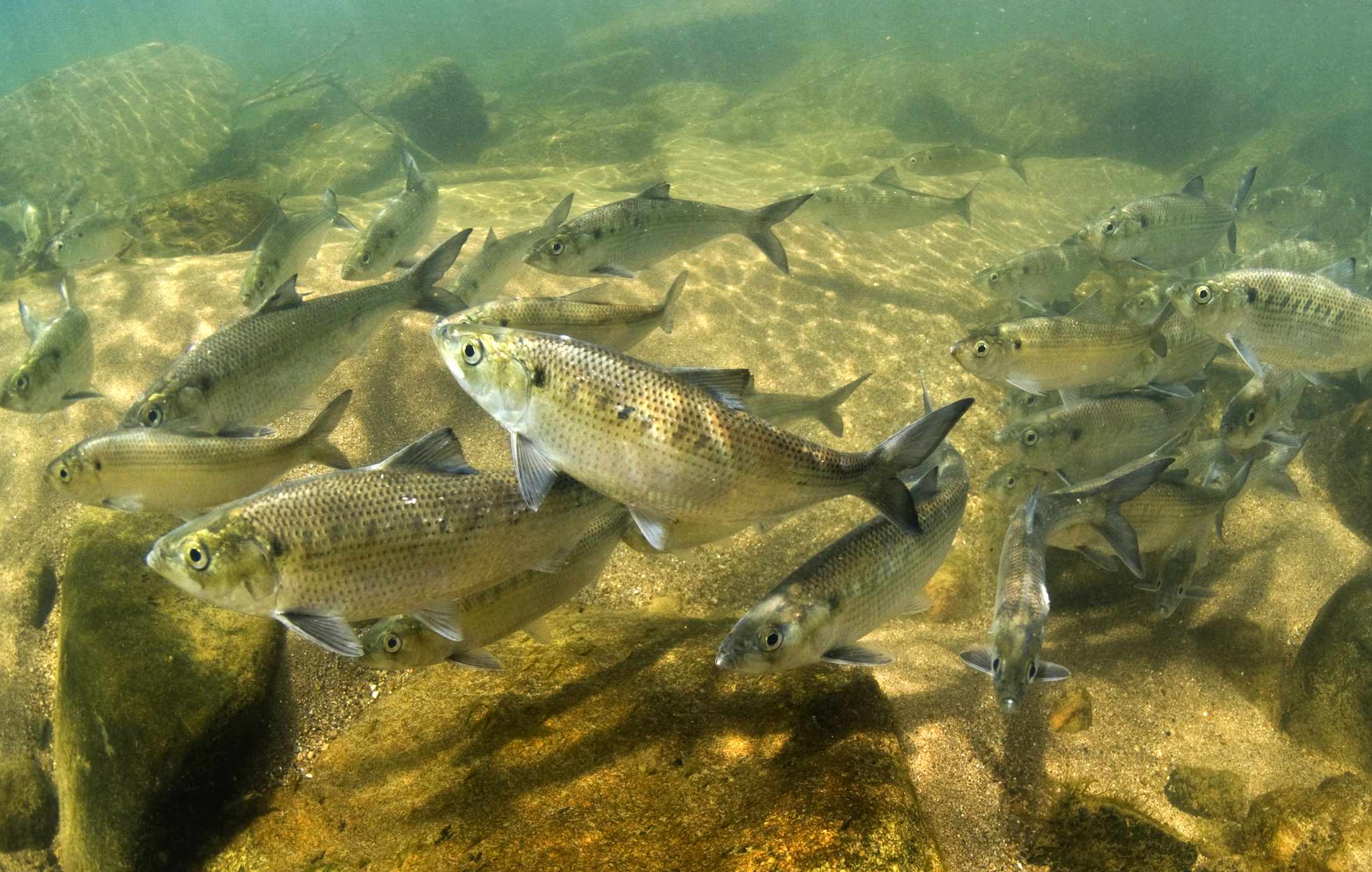
29 December 2021. The local cats were delighted. During afternoon thunderstorms, residents in Texarkana, Texas, witnessed hundreds of fish falling from the sky. They landed on roads, lawns, parking lots, rooftops and other surfaces, across an area of roughly nine square miles.
At first, the event was attributed to a waterspout, which might have sucked up the gizzard shad and ‘rained’ them back down. But then some of the fish were found to show signs of being partially digested. Large flocks of cormorants had been seen nearby, so the suggestion is that the birds had swallowed the shad and then regurgitated them when they got spooked by the storm. It's only a theory, not a proven solution — but if it's right, Texarkana's fish rain was actually bird vomit falling from the sky.
- How do 'flying fish' fly?
- Researchers put a big pair of eyeballs on the coast of Denmark and left them there for 46 days. Here's why
Teeming down with tadpoles
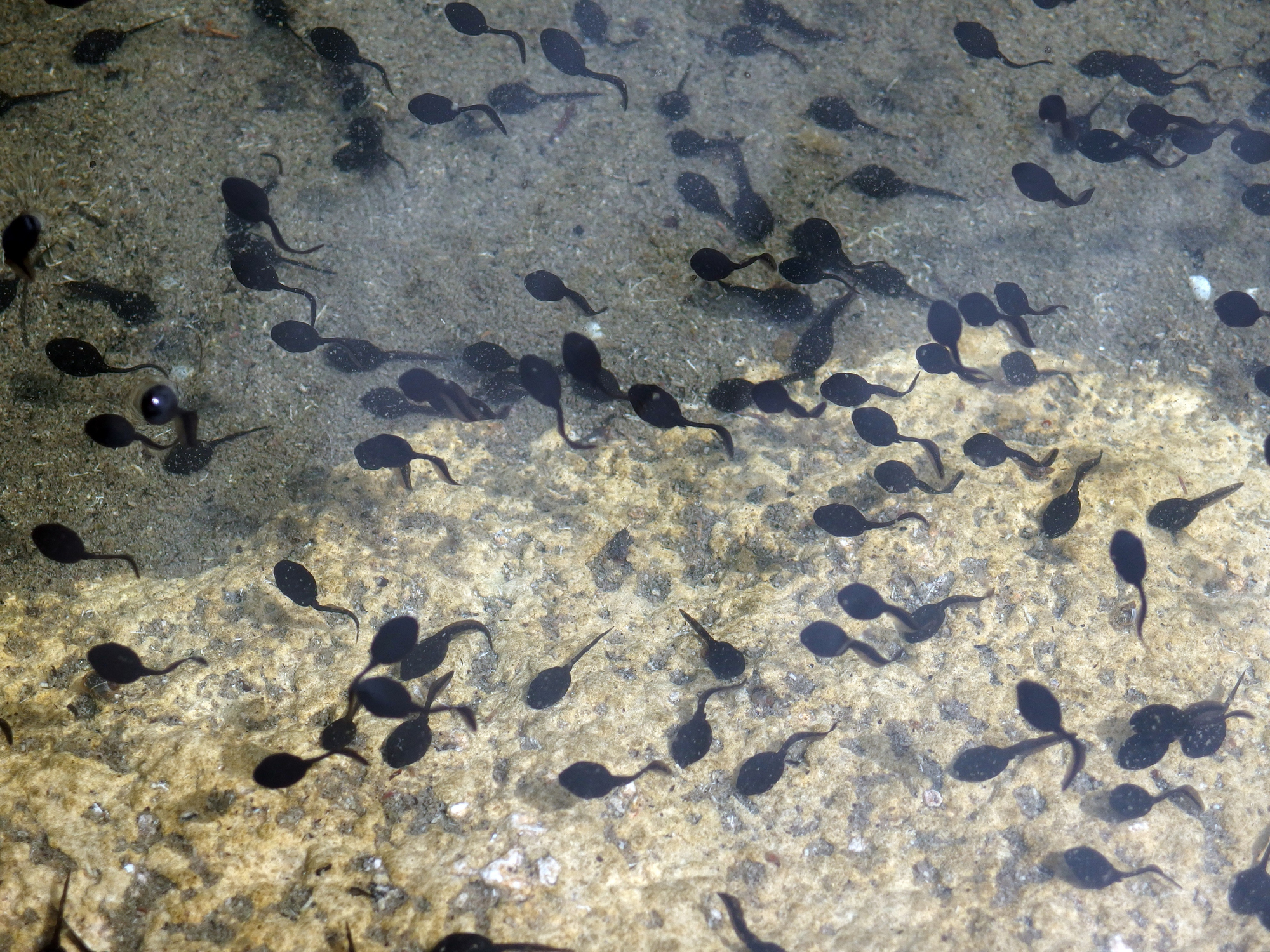
In June 2009, residents in the Ishikawa Prefecture of Japan reported tadpoles apparently falling from the sky. In the city of Nanao, a 55-year-old man was reportedly showered with the wrigglers, which covered an area of about ten square metres. Then two days later, officials in nearby Hakusan reported a similar incident.
This created a ripple effect. From Hiroshima in the south-west to Iwate in the north-east, people all over the country reported finding dead tadpoles in gardens and fields, and on car roofs and windscreens. There were no strong winds at the time, casting doubt on the waterspout theory. Birds could have regurgitated them, but in the absence of related evidence, the mystery remains as slippery as the tadpoles themselves.
Bucketing down with blackbirds
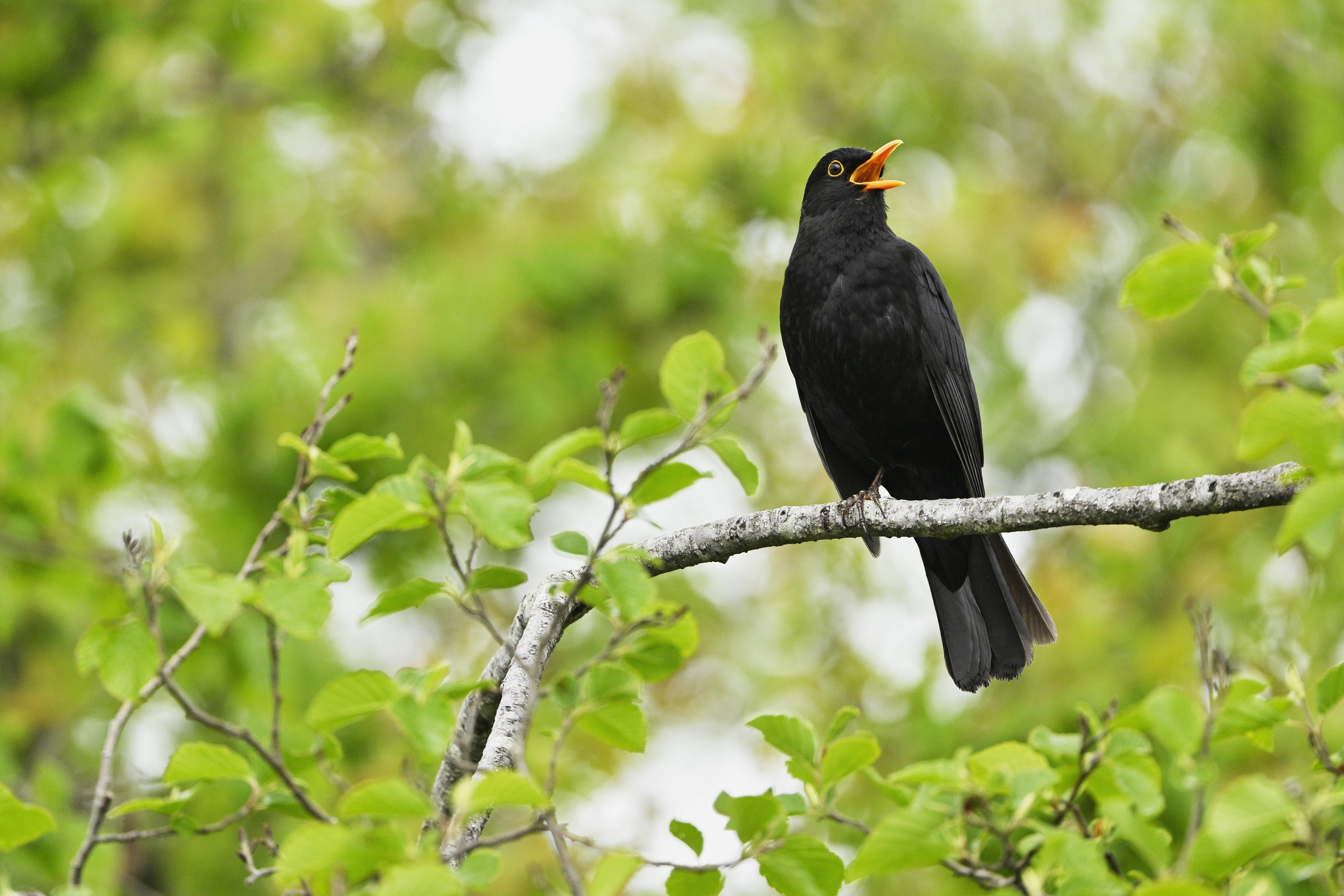
Shortly before midnight on New Year’s Eve, 2010, around 4,000 red-winged blackbirds fell from the sky in Beebe, Arkansas. They fell over an area of around a square mile, landing on streets, houses and fields. One bird hit a woman walking her dog. Another struck a police car.
Necropsies showed that the birds had died from blunt-force trauma, including broken bones and damaged organs. It’s thought that fireworks disrupted a huge flock of blackbirds from their nighttime roost. The birds took off but flew low to avoid the pyrotechnics. Big mistake. Blackbirds have poor night vision, and it wasn’t long before they started colliding with things. Then, a year later, the same thing happened again. Same time. Same place. So much for a Happy New Year.
Lluvia de peces

According to the locals, it regularly rains fish in Yoro, Honduras. Every year, between May and June, small sardine-like fish appear on the streets after heavy seasonal thunderstorms. The event is so predictable, it even has its own celebration. The ‘Festival de Lluvia de Peces’ (Festival of the Rain of Fish), involves a carnival, a parade and the ‘Señorita Lluvia de Peces’ (Miss Fish Rain) Pageant.
- This brutal “feeding frenzy” is more than 7km long and only lasts 20 minutes – and scientists aren’t sure why it happens
- Watch hungry gannets performing death-defying, perilous dives at breakneck speeds to catch food – where one small mistake can lead to death
Some say the fish are a miracle. According to local legend, in 1855 a Spanish priest spent three days and nights praying for the hungry inhabitants of Honduras. Then fish fell from the sky. Waterspouts provide another explanation, but the closest sea is more than 40 miles away.
A third theory is that the fish come from underground caverns or rivers, surfacing when heavy rain causes waterways to overflow. This could explain why the fish tend to be found on the ground, rather than on raised surfaces, such as rooftops or car bonnets. So perhaps ‘Lluvia de Peces’ would be better renamed ‘Peces que surgen de la tierra’ – fish that rise from the ground.
A slippery squall
This one makes Snakes on a Plane look like child’s play. One evening in May 1892, a dense, almost black cloud settled over the hamlet of Coalburg, near Birmingham, Alabama. It hung there for hours, until a light shower began. But the rain sounded strange.
When residents ventured outside to investigate, they found the ground covered in what seemed to be snakes. The biggest was almost a foot long, but most were finger-sized, writhing on the ground.
The incident was documented by the New York Sun, which reported that residents caught several of the creatures and identified them, not as snakes, but as eels. Exactly how they got there is less clear. A waterspout could have lifted them from a nearby waterway and carried them through the air before dumping them over Coalburg. Whatever the explanation, it was a distinctly slippery sort of weather.
Blood rain
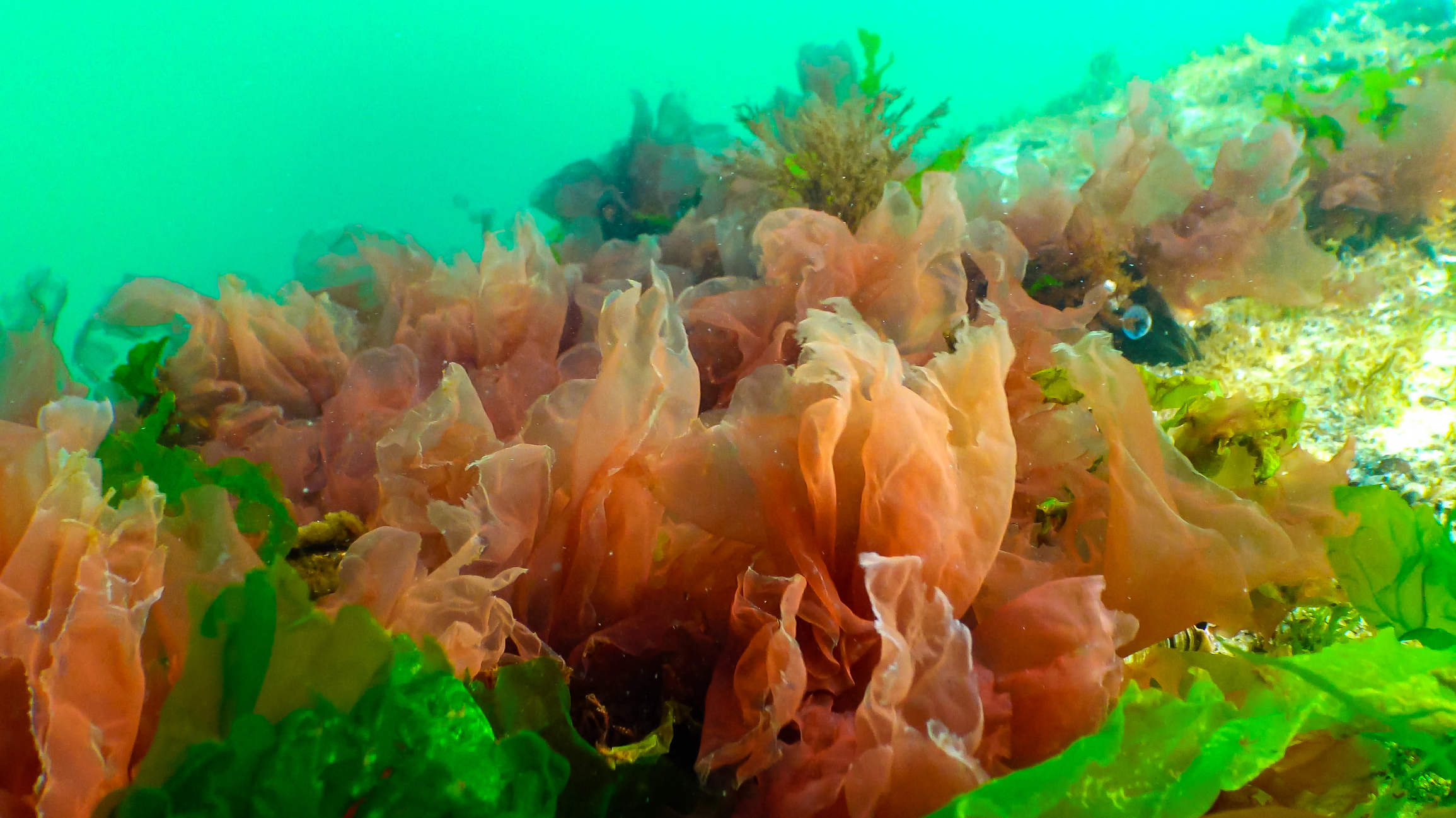
Blood rain has been viewed as a bad omen for centuries. In medieval Germany, a shower of blood reportedly foreshadowed the arrival of the Black Death. Centuries later, ‘blood rain’ fell in Kerala, India. In 2001, heavy downpours of vivid red rain fell intermittently across the state for almost two months, staining clothes pink.
At first, scientists wondered whether the colour came from dust, volcanic material or even a meteorite. But analysis of the rainwater revealed something more terrestrial: spores from a filamentous algae that contains orange-red pigments.
- The ocean's hidden, deadly killer: Why thriving seas can suddenly die and turn into mass underwater graveyards
- "Marine animals were mysteriously dropping dead: around 1 million were wiped out." Scientists now know the reason why – and it's terrifying
Trentepohlia annulata had not previously been recorded in India, but it can disperse its spores through the atmosphere. In a 2015 study of a subsequent red-rain episode in Kerala, researchers suggested that spores of this European species had travelled to India in clouds that drifted across the Arabian Sea, before being washed down by the monsoon. So, whilst this isn’t an example of animal rain, it’s a reminder that some truly weird things can fall from the sky.
More wildlife stories from around the world:
- It's as big as Egypt, home to 350 people and the world's deadliest bear. This is the biggest national park on the planet – and no, it's not what you think…
- Coyote finds vulture nest in Texas. What it does next has never been caught on camera before
- "At 8 times their body length, this flexible appendage is at risk of being snapped off." Which animal has the biggest penis? (It's probably not what you think)