Nature has a knack for producing days that sound like they belong in a fever dream. Toads swell up and explode, fish rain from the sky, and ants build mega rafts. These events can look completely inexplicable, but behind even the strangest spectacles there is usually a perfectly good explanation. Here are ten of the weirdest days and events in the natural world — and the science behind them.
Exploding toad day
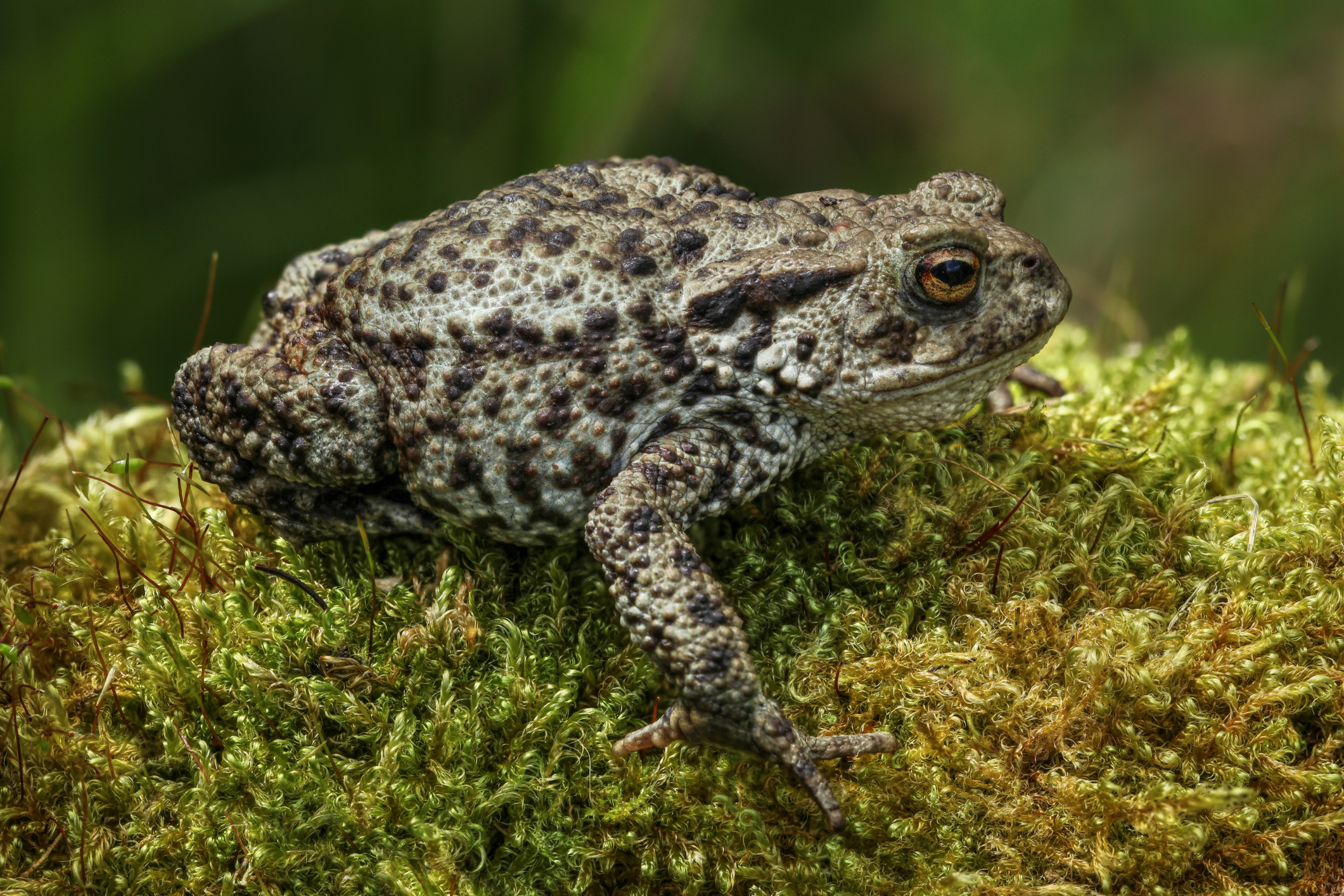
25 April 2005. Over the course of a few nights, thousands of common toads, living in a pond near Hamburg’s Altona district, swelled up to three times their size and then boom! They exploded! The amphibians’ entrails were catapulted up to a metre away.
Experts were baffled until they noticed two things: the toads were missing their livers, and each had a curious puncture wound. The culprit turned out to be the local crows. To avoid toxins in the toads’ skin, the birds had learned to peck a neat hole and then delicately extract the nutritious liver.
When attacked, the toads would have puffed themselves up defensively. Then after they died, the internal pressure would have continued to build until their bodies ruptured. They croaked, of course.
- Strange new toad with hypnotic eyes found on gruelling expedition through Vietnam's Hoàng Liên mountains
- It's called a chicken, sounds like a chicken, tastes like a chicken and raises its young like a chicken – but it definitely isn't a chicken…
- Scientists recreated the effects of dating apps on frogs. Here’s what happened next
Prime day
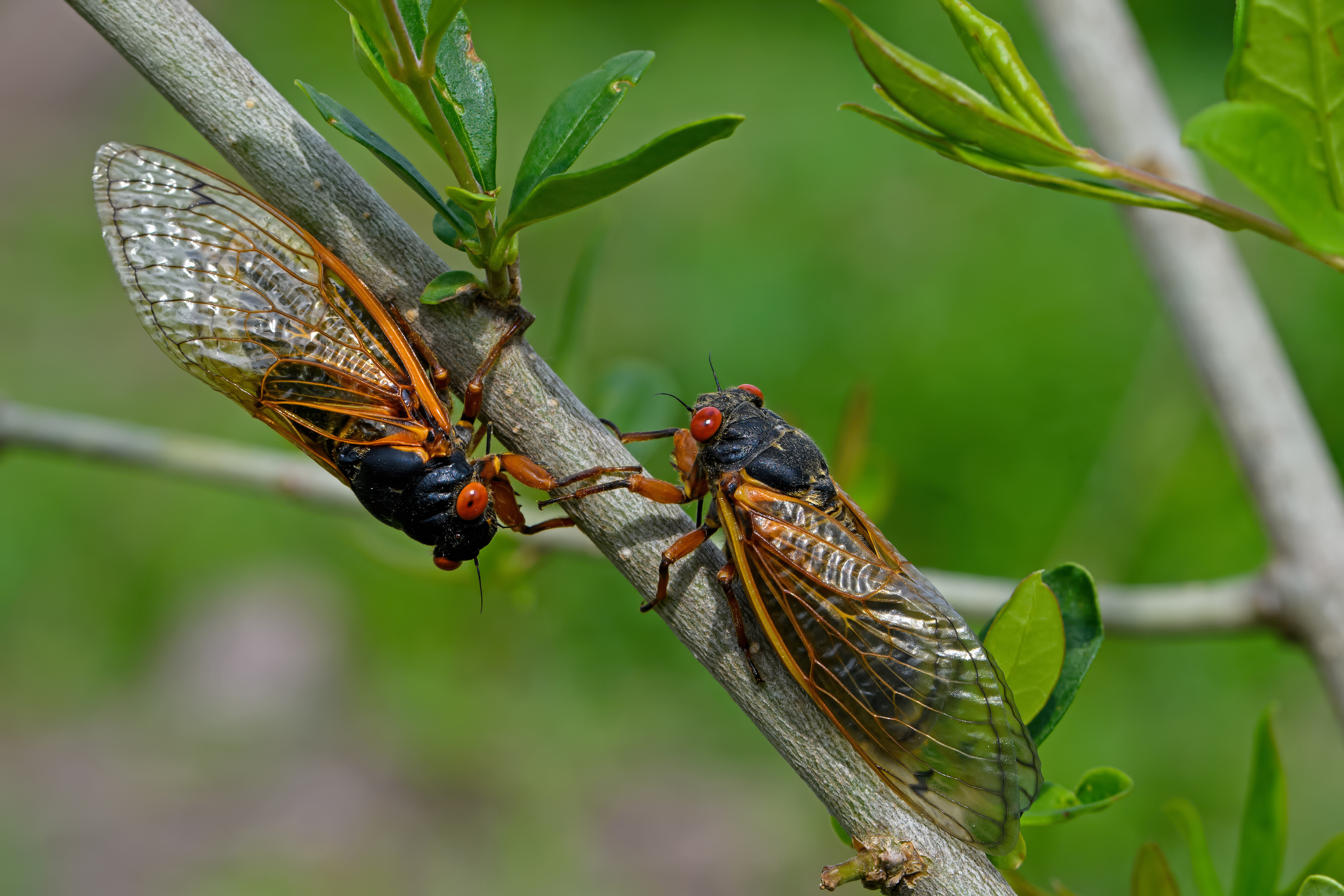
Forget Amazon’s Prime Day. This prime day happens when millions of periodical cicadas emerge from the ground, transforming themselves from subterranean nymphs into winged adults.
Prime numbers are numbers that can only be divided by themselves and one. North America is home to several species of periodical cicada, which spend either 13 or 17 years underground before emerging in synchrony. So, why the prime-numbered intervals?
One theory is that by running on 13- and 17-year cycles, the two different types will only overlap once every 221 years (13 x 17 = 221). This means less competition for resources. Another theory is that prime-numbered cycles help the cicadas evade predators. Suppose, for example, that the cicada had a 12-year life cycle, and there were predators with 2-, 3- or 4-year life cycles. They’d overlap often. A prime-numbered cycle makes it less likely that predator and cicadas will emerge simultaneously.
The day it snowed spiders
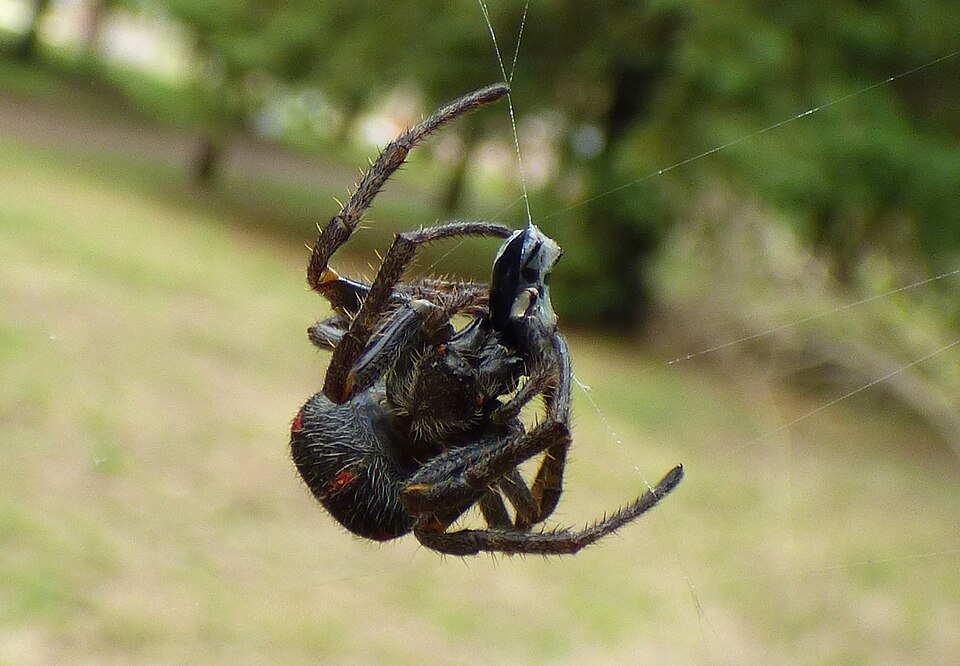
27 December 2024. In the quiet town of São Thomé das Letras in southeastern Brazil, hundreds of spiders appeared to slowly fall from the sky like giant, black snowflakes. Footage of the spectacle went viral on social media, but on closer inspection, the illusion was revealed. The spiders weren’t falling, but hanging from an enormous, almost invisible web.
- "Working together they can subdue prey a whopping 700 times their weight - even birds aren't safe..."
- It looks like it’s infected with a deadly zombie fungus – but the truth is far more sinister
Parawixia bistriata is a social orb-weaver found in South America. The spiders work together to build a vast network of silk between trees and other structures, from which they hang their individual webs. The silk is so fine it’s hard to see from a distance, leaving hundreds of spiders apparently suspended in mid-air. The giant web helps them catch prey.
The day it rained fish
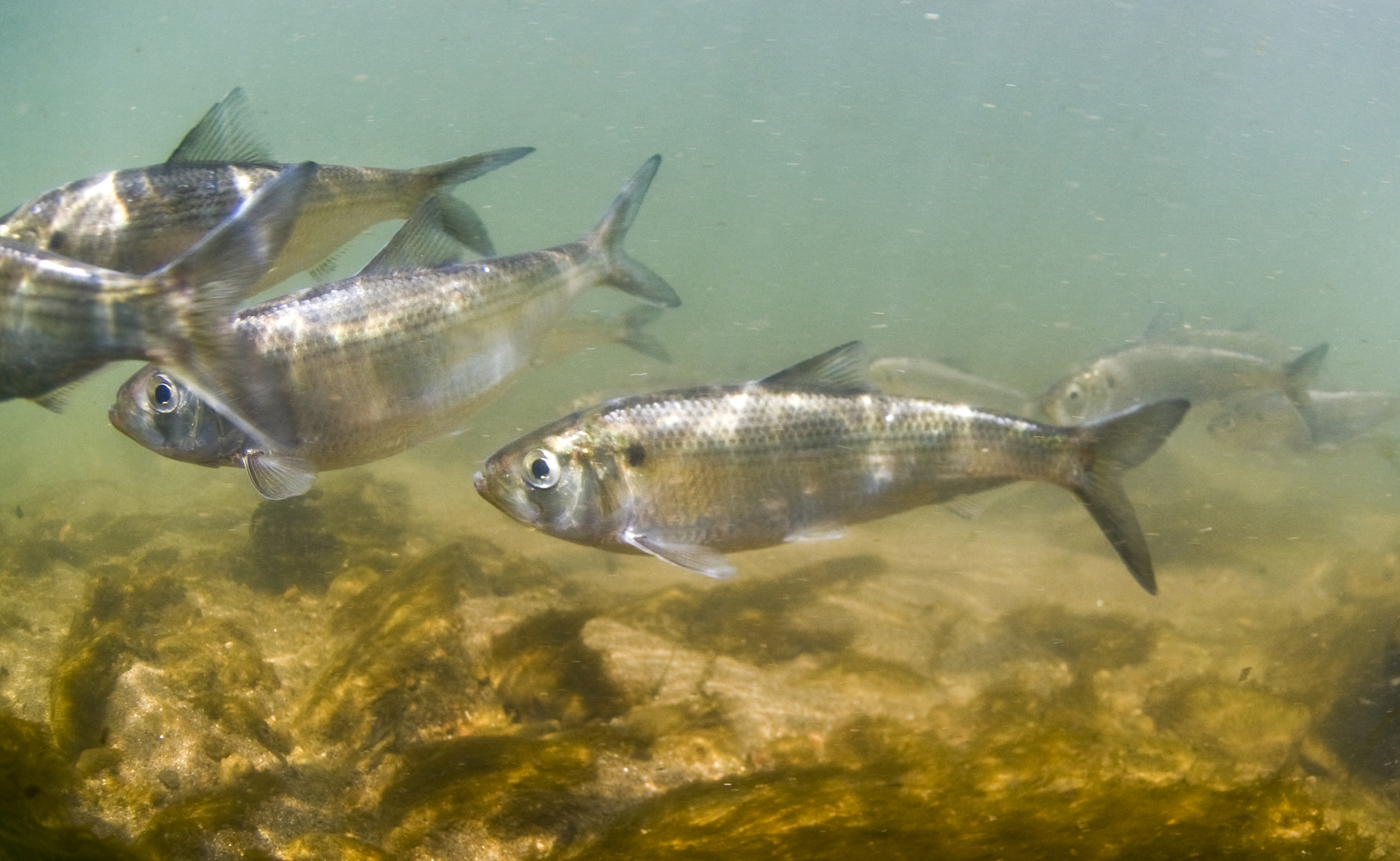
29 December 2021. The local cats were delighted. During afternoon thunderstorms, residents in Texarkana, Texas, witnessed hundreds of fish falling from the sky. They landed on roads, lawns, parking lots, across an area of roughly nine square miles.
- How long can a fish live out of water? Meet one weird fish that can survive two months on dry land...
- Does this 25kg fish deliberately go after a man’s testicles? The 'nut-crusher' that mimics the ferocious piranha
At first, experts thought that the little silver gizzard shad fish had been sucked up in a waterspout, and then ‘rained’ back down. But then they noticed that some of the fish were partially digested. Large flocks of cormorants had been seen nearby, so the suggestion is that the birds had swallowed the shad and then regurgitated them when spooked by the storm. It's only a theory, not a proven solution — but if it's right, Texarkana's fish rain was actually bird vomit falling from the sky.
The night of the sperm-y sea
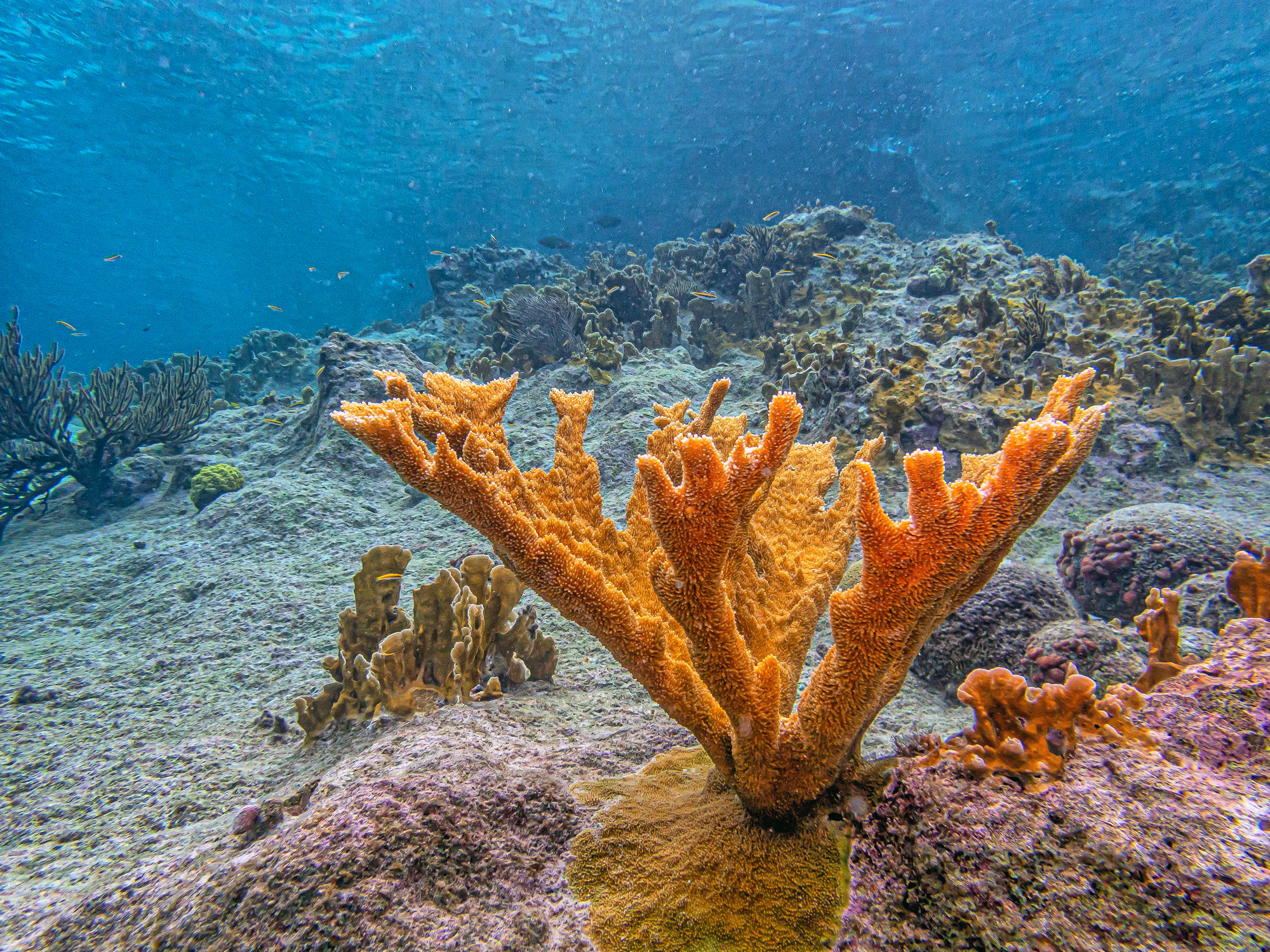
Coral are famously immobile animals. This makes it hard for them to mate sexually, but evolution has come up with a solution. Reef-building coral practice broadcast spawning. Over several nights, colonies release vast clouds of sperm and eggs into the water, which then slosh about until they meet. Fertilisation takes place in open water, producing tiny larvae called planulae, which then drift with the currents before settling down to form new colonies.
The exact timing of spawning varies between species and locations, and is tied to temperature, day length and the lunar cycle. In Singapore, spawning happens in April, five days after the full moon and begins at around 9.10pm. In Florida, it occurs in August, three to five days after the full moon, and starts around 10.45 pm. During this time, the water fills with millions of tiny eggs and sperm, turning the reef into an underwater snowstorm.
Flying ant day
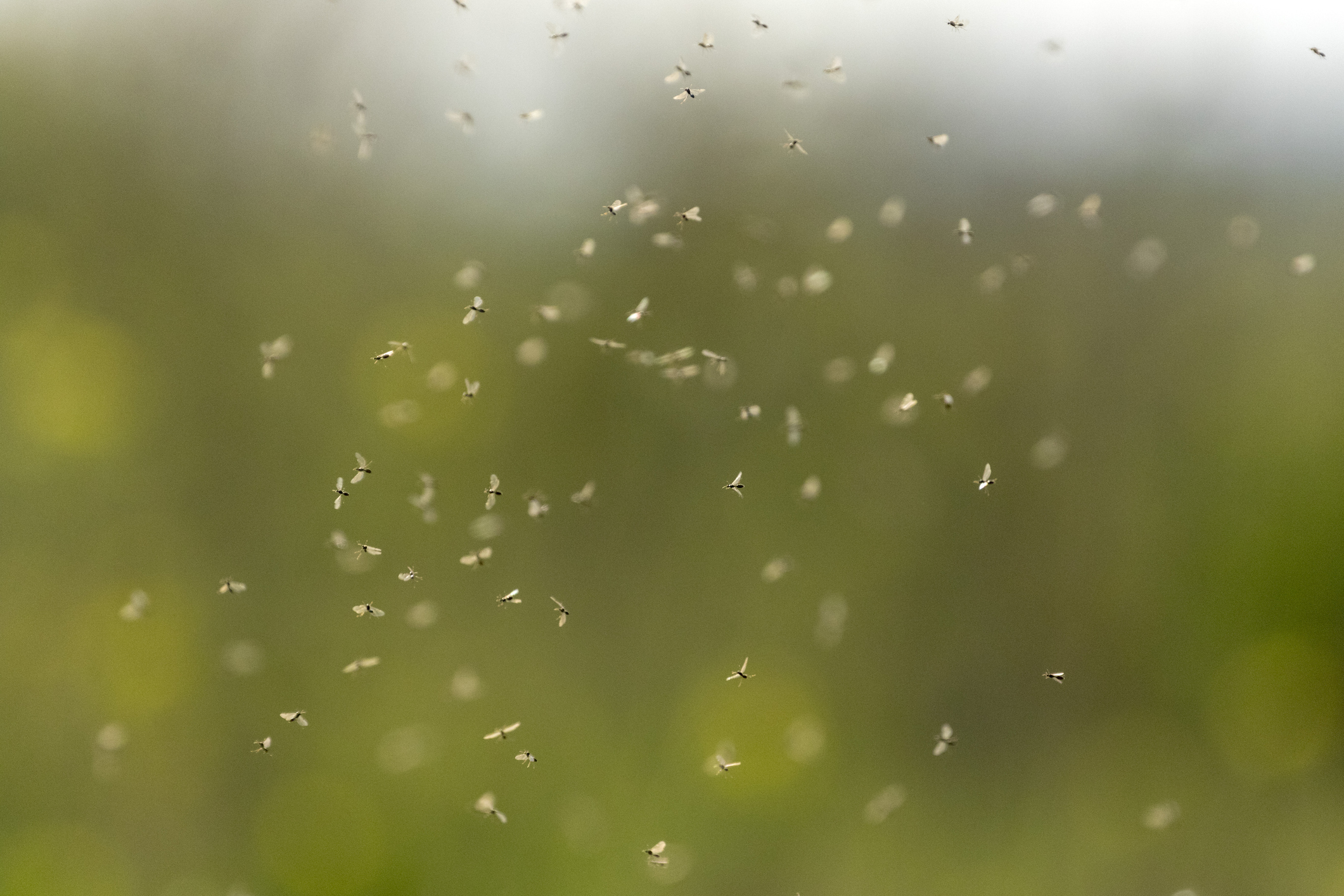
No list of this kind would be complete without Flying Ant Day, but the auspicious event isn’t a single day. It’s the period in summer when ant colonies release their winged males and female queens to mate and establish new colonies. Thousands can emerge from their nests at once, filling the skies in what is known as a nuptial flight.
In the UK, the action usually takes place in July and August. Warm, calm weather is the key trigger, with higher temperatures and low winds providing ideal conditions. On the biggest flying-ant days, the swarms can be so enormous that they show up on weather radar, where they appear as bands of rainfall.
The day birds dropped from the sky
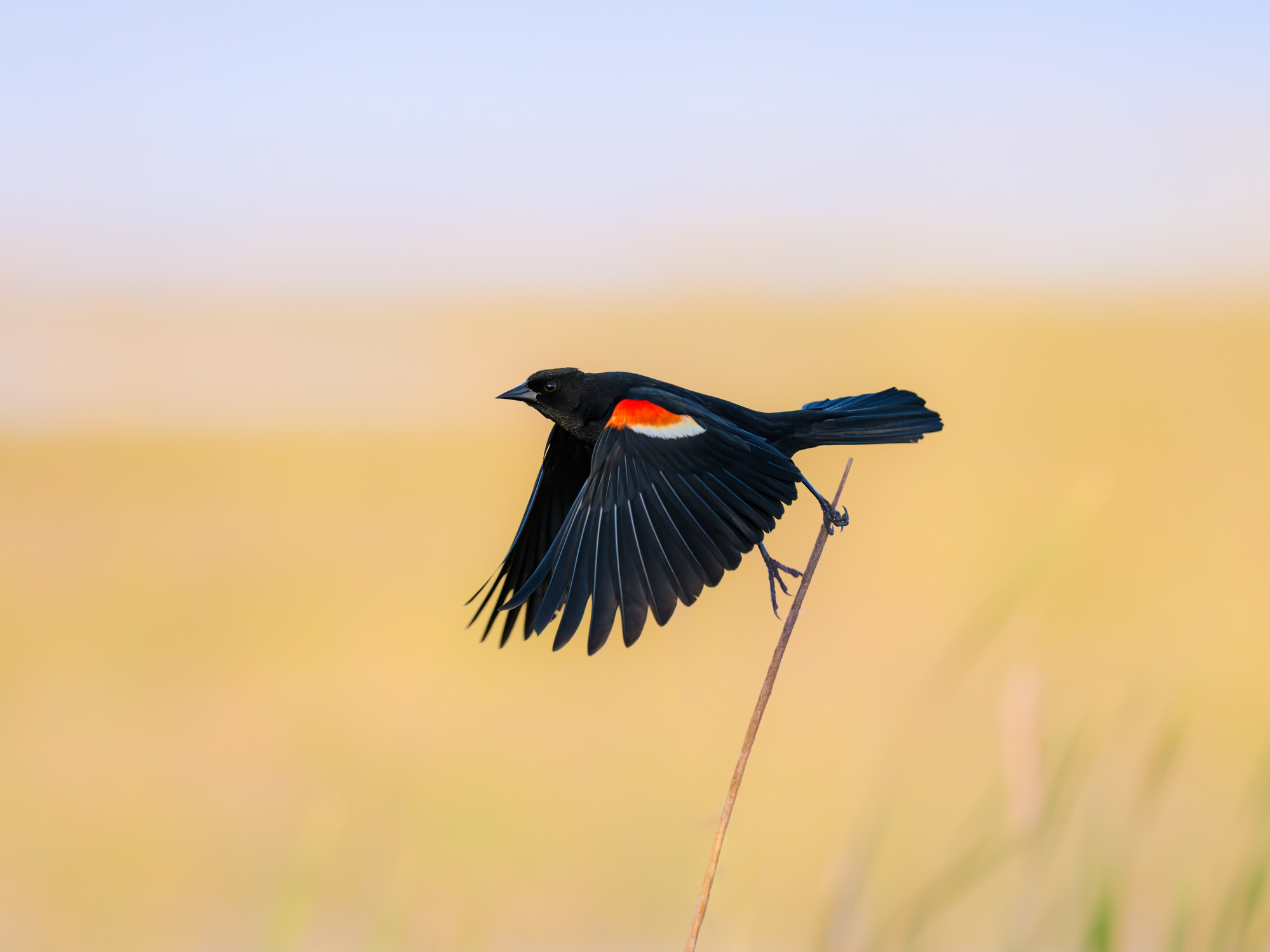
Shortly before midnight on New Year’s Even 2010, around 4,000 red-winged blackbirds fell from the sky in Beebe, Arkansas. They fell over an area of roughly one square mile, landing on streets, houses and fields. One bird hit a woman walking her dog. Another struck a police car.
Necropsies showed that the birds had died from blunt-force trauma, including broken bones and damaged organs. It’s thought that fireworks disrupted a huge flock of blackbirds from their nighttime roost. The birds took off but flew low to avoid the pyrotechnics. Big mistake. Blackbirds have poor night vision, and it wasn’t long before they started colliding with things. Then, a year later, the same thing happened again. Same time. Same place. So much for a Happy New Year.
- These birds have never seen rattlesnakes before. Here's what happened when the two of them met
- It weighed more than 2 tonnes and holds the record for the largest bird nest on the planet…
The day the crabs went marching in
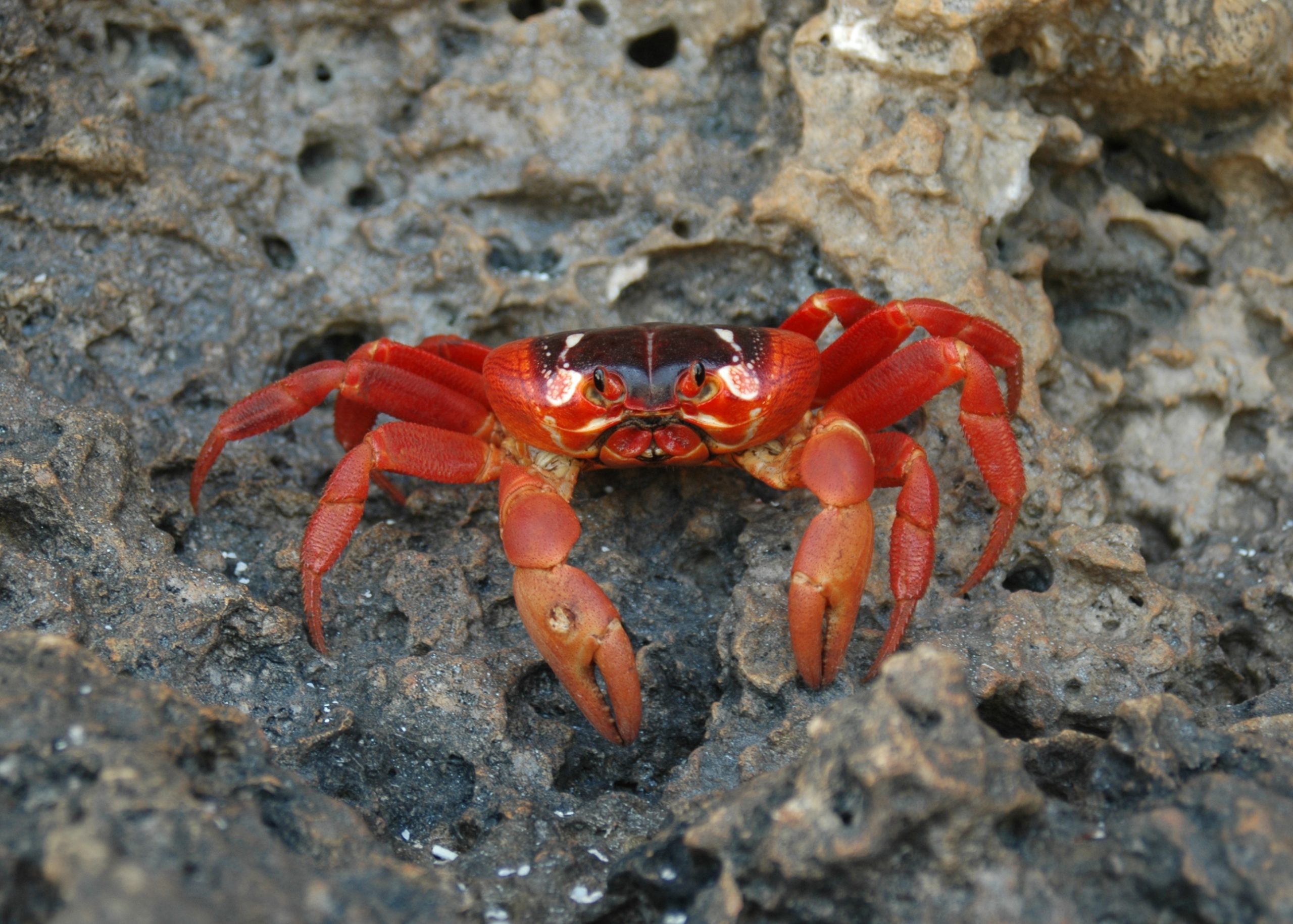
Every year, millions of Christmas Island red crabs emerge from the forest and march towards the ocean to mate and spawn. The mass migration is triggered by the first substantial rains of the wet season, usually in October or November. Sir David Attenborough described the spectacle as “like a great scarlet curtain moving down the cliffs and rocks towards the sea”.
Once at the coast, the crabs mate, and around two weeks later the females release their fertilised eggs into the sea, timing the event to coincide with the receding high tide. Each female can produce up to 100,000 eggs, and spawning may continue for five or six consecutive nights.
The day the ants built a raft
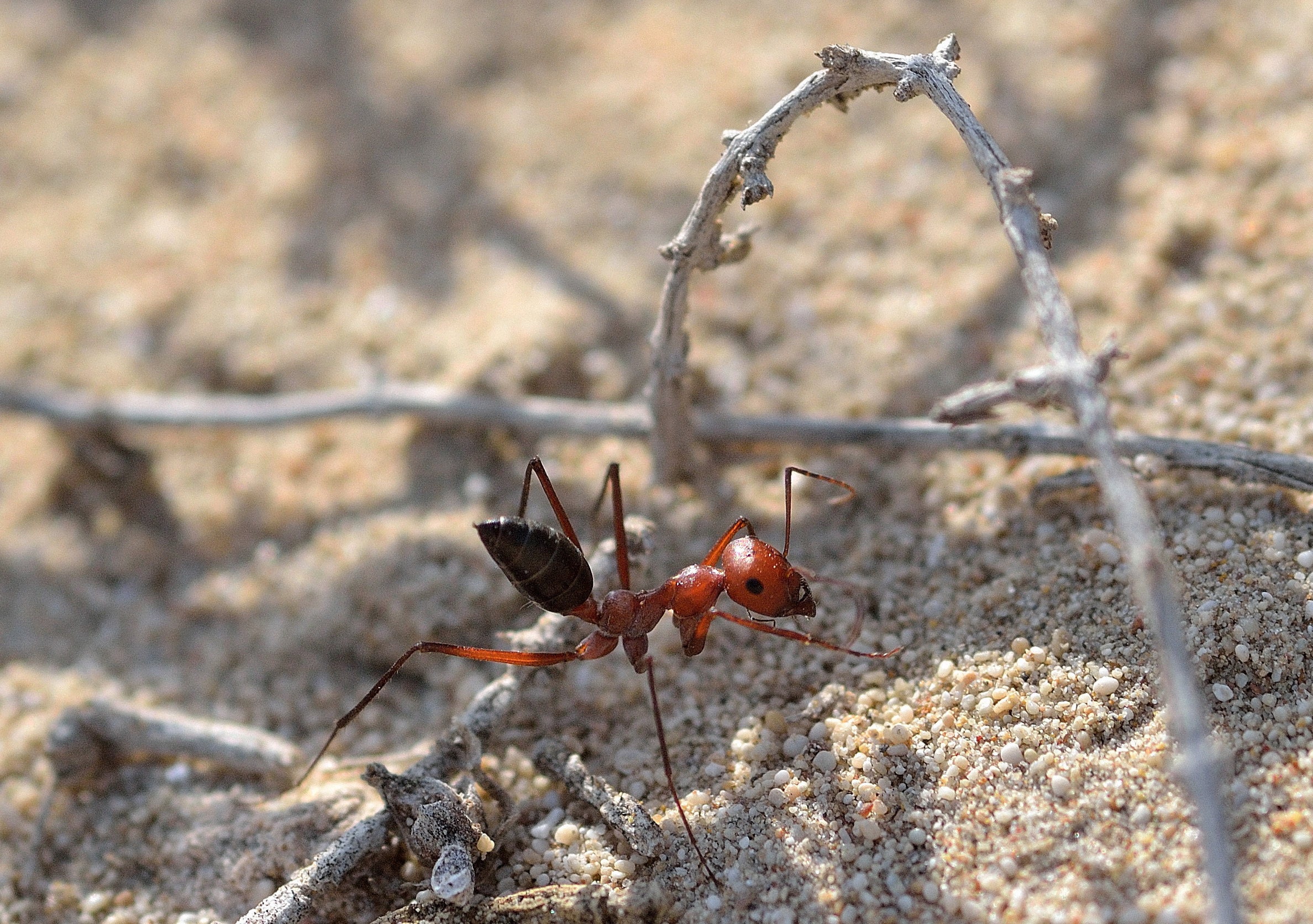
27th August 2017. As Hurricane Harvey flooded Houston, a bizarre raft was spotted floating through the floodwaters. It wasn’t made of wood or vegetation, but thousands of red imported fire ants clinging to one another.
This was no accidental pile-up. When floodwater threatens a colony, the ants link their legs and bodies together to form a waterproof, floating raft. Their water-repellent bodies trap air, helping the raft stay afloat, while the ants continually rearrange themselves to fill gaps and keep the structure intact. Rafts can contain tens of thousands of individuals and remain afloat for weeks.
And the raft has a precious cargo. As the floodwaters rise, the workers use it to carry their queen and young to safety. With no captain or rudder, the colony simply goes where the current takes it, until the raft reaches dry ground and the ants can climb ashore.
- "It delivers the most painful sting in the world, leaving victims in pain for 24 hours." World's 6 deadliest ants, including one that's killed people
- They look like ants, they act like ants – but these destructive, house-wrecking little terrors are no ants
The day the antelopes died
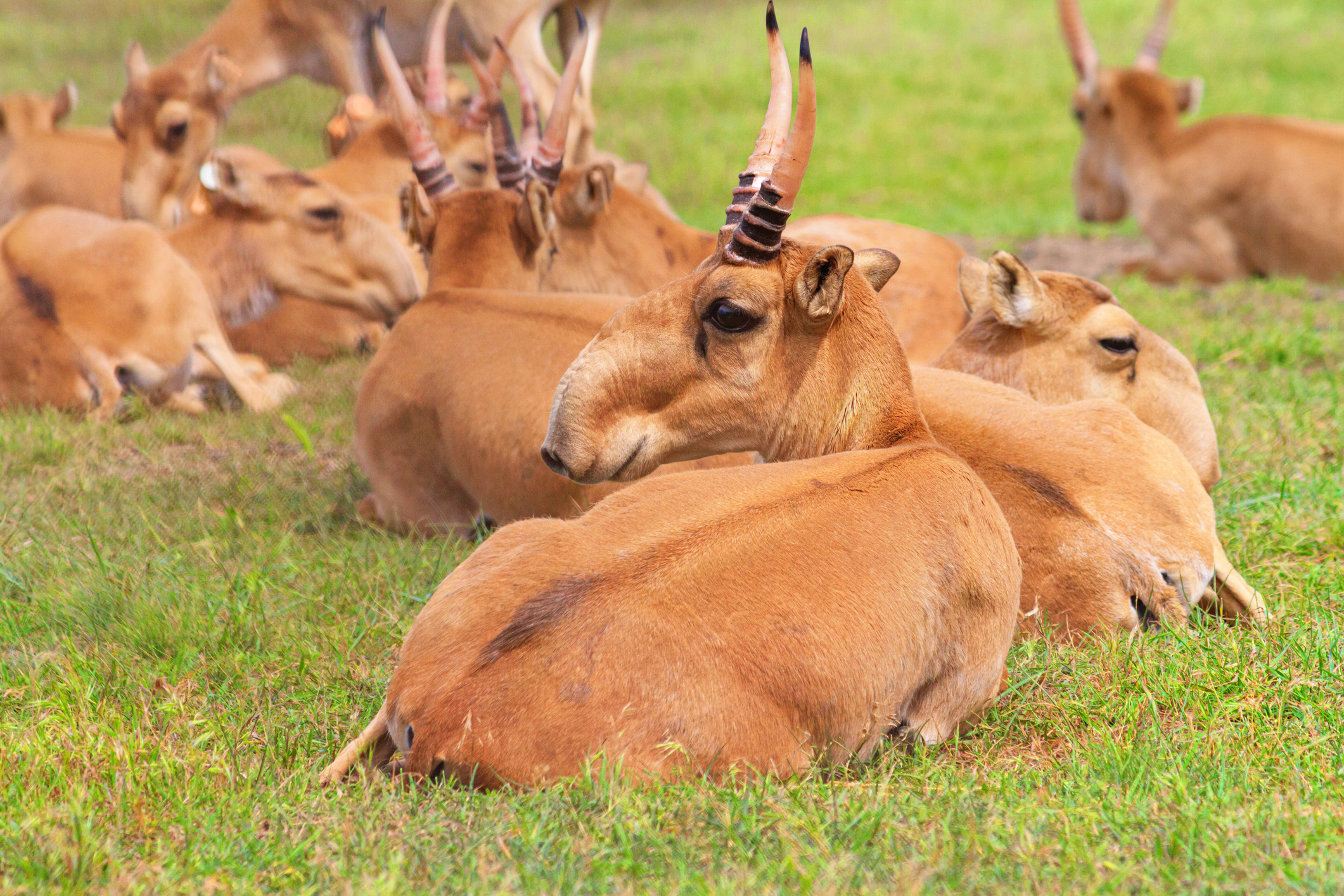
In May 2015, over the space of a few short weeks, more than 200,000 seemingly healthy saiga antelopes just dropped dead.
At first, nobody knew why. ‘The Mass Mortality Event’, which occurred in the Betpak-Dala region of Kazakhstan, wiped out more than 60 per cent of the species’ global population. Then scientists found the culprit: the animals had died from haemorrhagic septicaemia, a severe infection caused by the bacterium Pasteurella multocida. The microbe normally lives harmlessly in the saigas’ tonsils, but something had allowed it to turn deadly.
The answer was a perfect storm of weather and timing. The incident struck during the saigas’ calving season, when females were pregnant or had recently given birth. Then came unusually warm and humid weather. Together, these conditions appear to have allowed the normally harmless bacteria to proliferate and turn deadly.