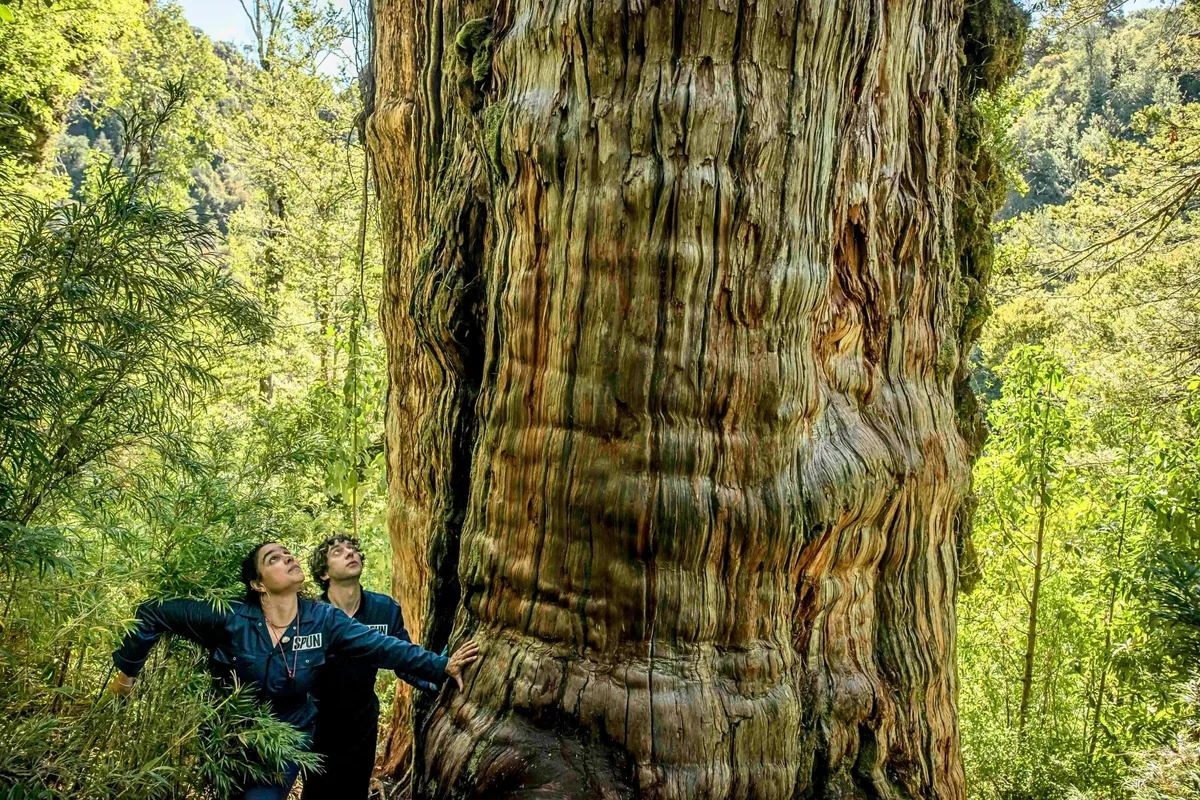
Framed against a backdrop of rugged mountain peaks, the Tuolumne Meadows of Yosemite National Park may look green and lush, but they’re severely degraded and hemorrhaging carbon. Now, a plan to restore the meadows is showing early signs of success.
The Tuolumne Meadows sit high in the Sierra Nevada, near the eastern edge of Yosemite. Once dominated by deep-rooted sedges, which helped to lock carbon and water in the soil, they were heavily grazed by thousands of sheep from the mid-19th century onwards.
Over time, the sedges were replaced by shallow-rooted plants. This left the soil drier, less able to hold carbon and more vulnerable to further deterioration. By the time Yosemite became a national park in 1890, the area was already in poor condition. Today, more than 20% of the meadow’s topsoil is exposed.
So, researchers decided to do something about it. Starting in 2016, they planted around 40,000 seedlings of Carex scopulorum in the meadows and monitored their progress. The results are reported in the Journal of Geophysical Research: Biogeosciences.
Three years later, around three-quarters of the newly planted sedges were still alive and starting to improve the health of the soil.
“We feel our approach of planting the species that was and should be the dominant vegetation is the path forwards,” says David Cooper from Colorado State University’s Department of Forest and Rangeland Stewardship.
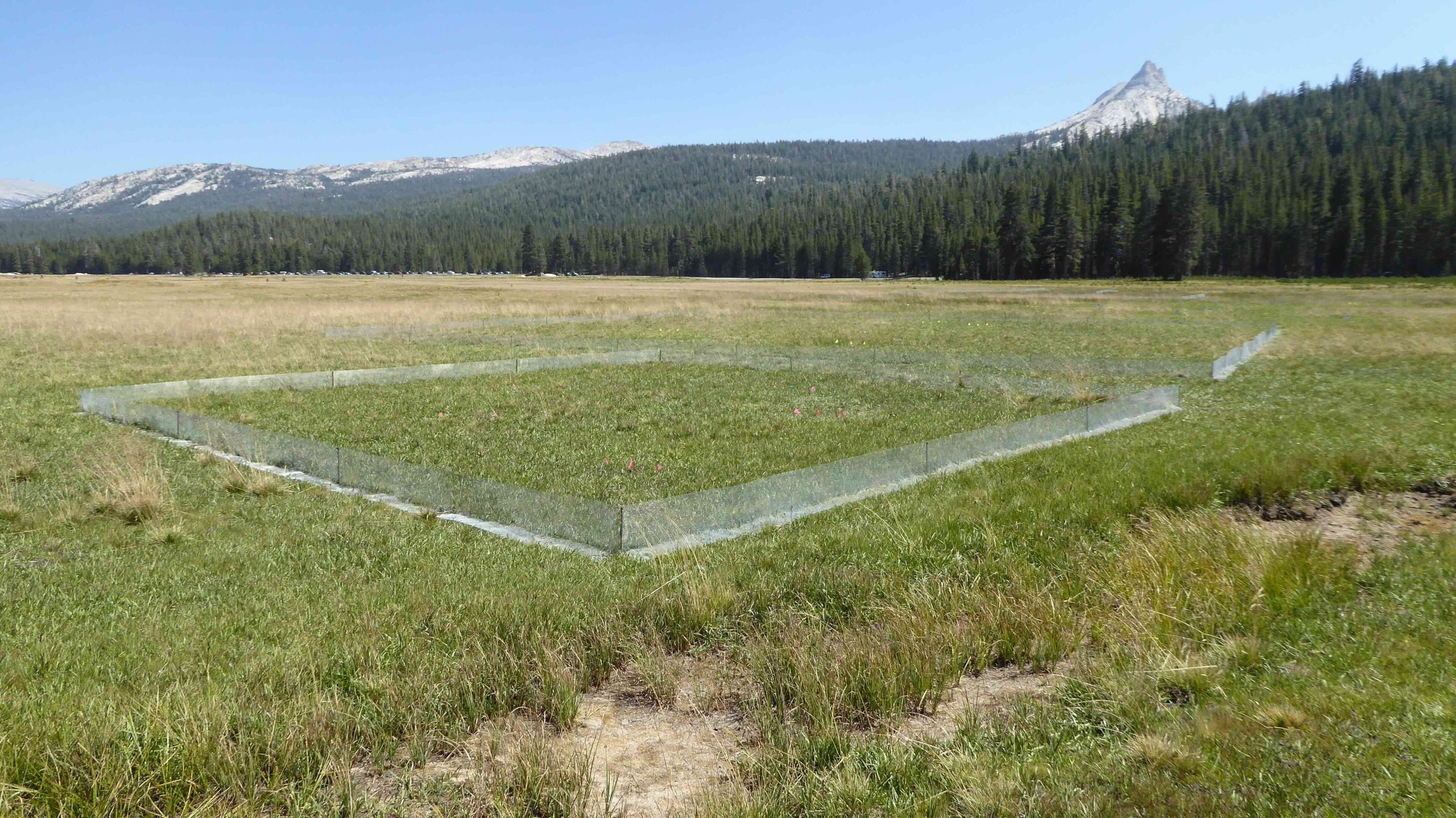
Overall, however, the meadow was still losing more carbon than it was storing, because the new plants weren’t yet big enough to take up enough carbon to offset what was being lost from the soil.
This suggests that restoring the meadow’s ability to start storing carbon will be a long-term project. Cooper estimates that it could take 25 to 50 years to repair the damage that has accumulated over the past 150 years.
Climate change could complicate matters further. As temperatures rise, microbes may start breaking down organic matter in the soil more quickly. This could release more of the soil’s stored carbon into the atmosphere as carbon dioxide, making it harder for the recovering meadow to become a net carbon sink.
“Many ecosystems do not naturally recover from severe disturbance, and while a place may look green, it may be severely degraded and in need of restoration,” says Cooper. “I think the meadow can be restored, but these things take time.”
- Yellowstone received a whopping 4,762,988 visits in 2025. But it wasn't the most-visited US national park
- What's the biggest national park in the world? And no, it isn't the one you think it is...
More wildlife stories from around the world
- Alaska's rivers are turning bright orange - and we know why
- Scientists just climbed 38 of the tallest trees in Borneo. What they found was staggering
- Scientists put tiny greenhouses over Antarctica’s only two flowering plants and left them there for 7 years. Here's why
- Manhattan-sized iceberg breaks free in Greenland. What caused the event has never been seen before
Top image: Tuolumne Meadows in Yosemite. Credit: Melissa Kopka/Getty Images