
Australia was once home to giant marsupials, relatives of today’s kangaroos and koalas. The largest amongst them was Diprotodon, a 1.8m-tall, wombat-like creature that was Australia’s answer to rhinos, elephants, and hippos. They lived during the Pleistocene and ultimately faced extinction 40,000 years ago, around 10,000 years after humans first set foot in Australia.
- Cyclops, pouākai, bunyips – 9 mythical, monstrous, monsters that may have been inspired by huge, real-life, prehistoric creatures
- Mega volcanoes, asteroid impacts and 'the great dying' – 5 deadly mass extinctions that changed life on Earth forever
The Bunyip, a semi-aquatic, dog-faced man-eater from Aboriginal Australian mythology, is thought to have been inspired by Diprotodon. Some suggest that aboriginal legends of this monster may have stemmed from finds of fossilised bones, or even cultural memories of the time when the first Australians lived alongside Diprotodon.
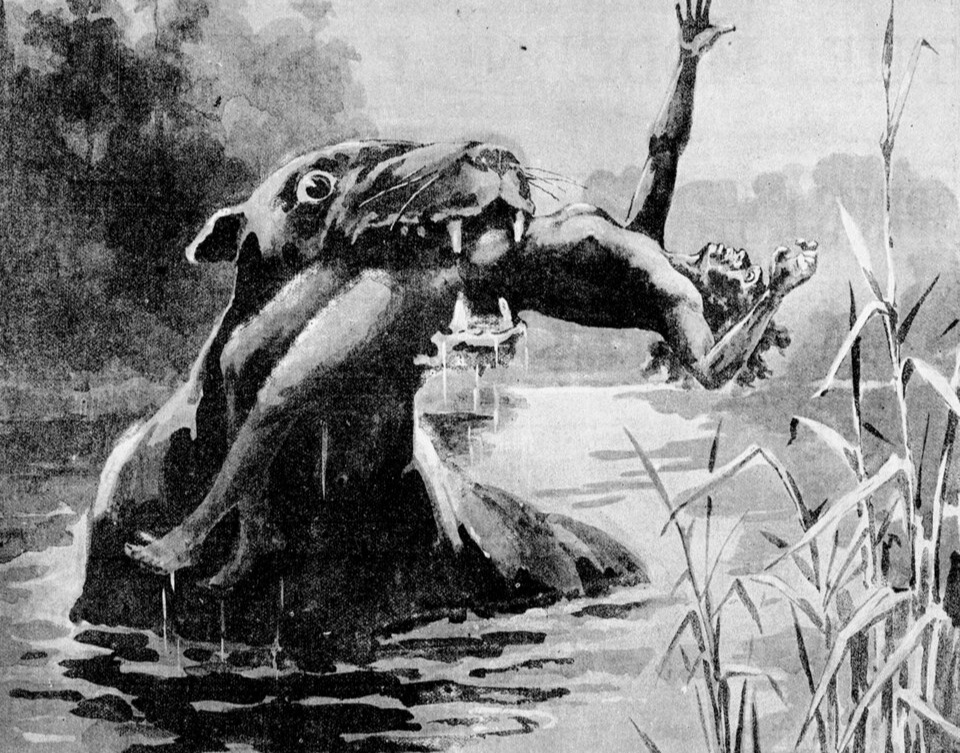
No matter how stories of the Bunyip originated, the animal it’s supposedly based on was no man-eater. Diprotodon was a strict vegetarian and gathered in large herds to protect itself from the actual predators of the time, marsupial lions known as Thylacoleo.
Top image credit: Macfarlane, J., Public domain, via Wikimedia Commons


