Discovered in 1924, the Taung Child is the two-million-year-old fossilised skull of an early human Australopithecus africanus. For years, scientists could not work out what had caused the puncture wounds in its skull they wondered if an eagle had been responsible, and it is now generally accepted that this ancient, but very young, hominid was attached by a large bird of prey.
10 of the most powerful eagles of the world.
Harpy eagle
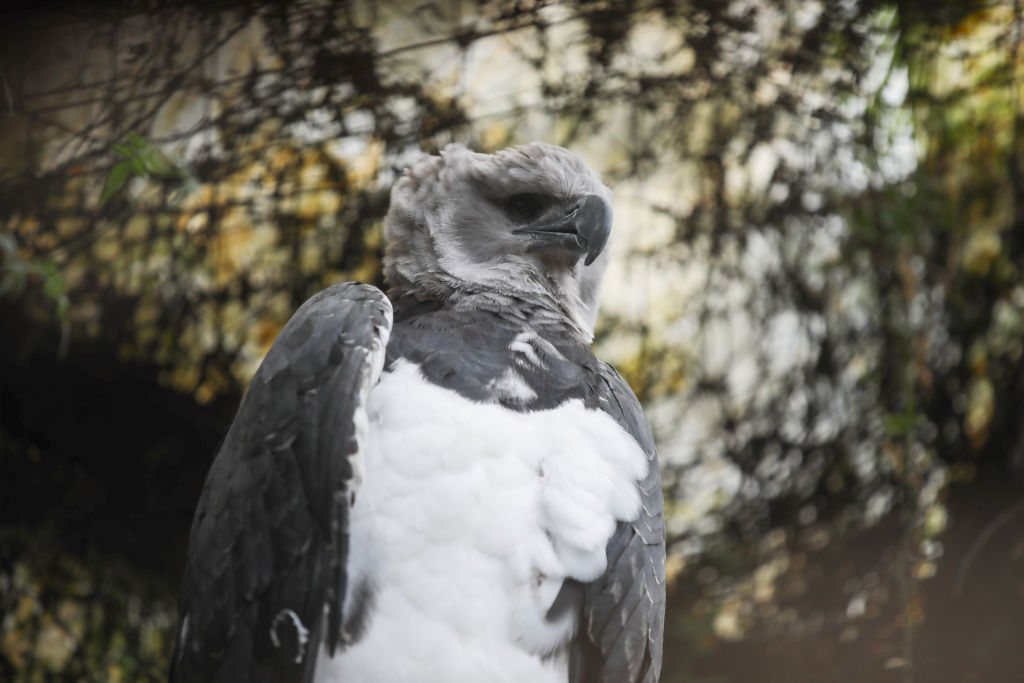
With talons as long as the claws of a grizzly bear and legs as thick as the wrists of a small child, the harpy eagle surely justifies a nomination as the world’s most powerful eagle.
Guinness World Records reports that its feet can exert a pressure of 42kg/cm2 which would easily be sufficient to pierce your arm or indeed the skin of an unfortunate sloth or howler monkey, two important prey items. A female harpy eagle can take down animals weighing as much as she does. The species inhabits lowland rainforests from Mexico to Brazil and Paraguay and typically lives at very low densities.
Golden eagle
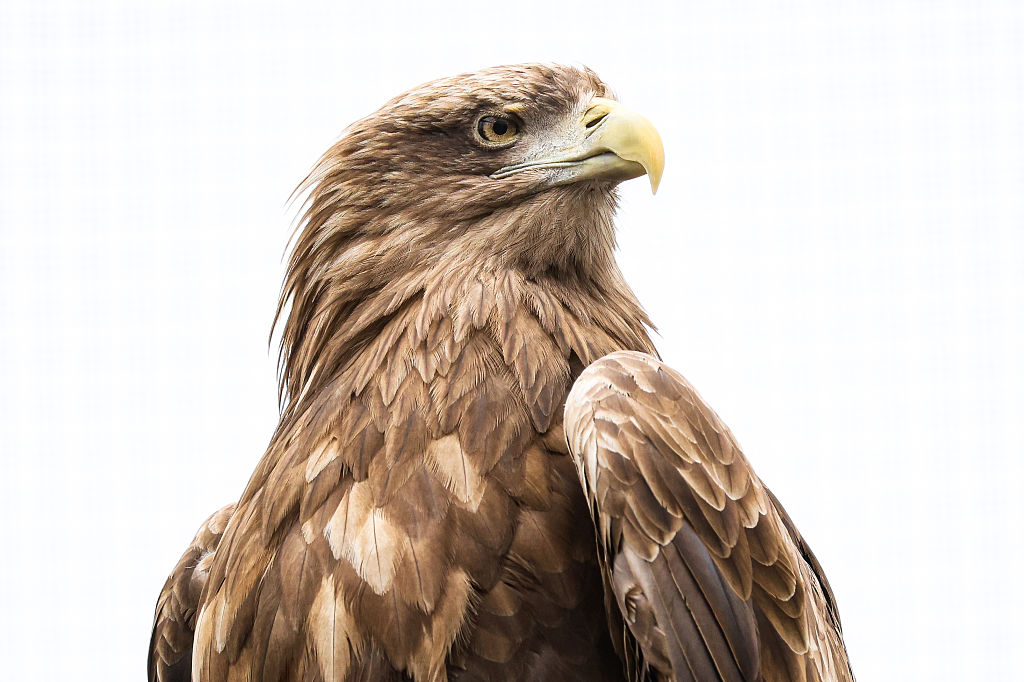
Though relatively small compared with many of the eagles in this list (while at the same being a massive bird weighing 3-6kg), the golden eagle has been recorded diving, or stooping, at the astonishing speed of 320kmh (200mph). In Alaska, the Fish and Game Department has reported they can prey on young Dall sheep and caribou. They even work in pairs, with one distracting a female Dall sheep while the other takes out the poor lamb.
They are one of the world’s most widespread eagles (and indeed birds of prey), found right across North America, much of the European and Asian land mass and even into North and Saharan Africa.
- Bald eagle vs golden eagle: what's the difference between these two gigantic raptors?
- Golden eagle guide: how to identify, where they're found, and what they eat
Crowned eagle
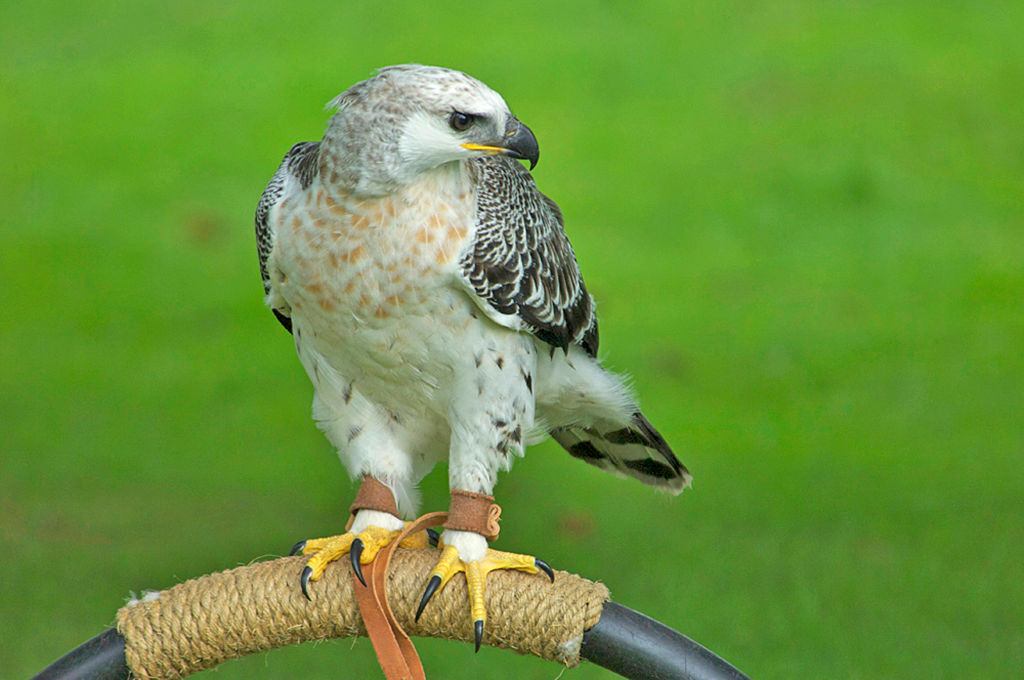
While specific tests on the relative power of modern eagles are hard to come by (and no doubt hard to carry out), we can get an idea of just where the crowned eagle may sit by the knowledge they can attack and kill humans – well, children anyway.
They are, in fact, specialist predators of monkeys, though species such as baboons won’t just sit back and be killed and will attempt to rescue a troop member that is being attacked. Crowned eagle are also strong enough, the raptor conservation group the Peregrine Fund reports, to kill antelopes six times their size. They live in sub-Saharan Africa from Senegal to South Africa.
Martial eagle
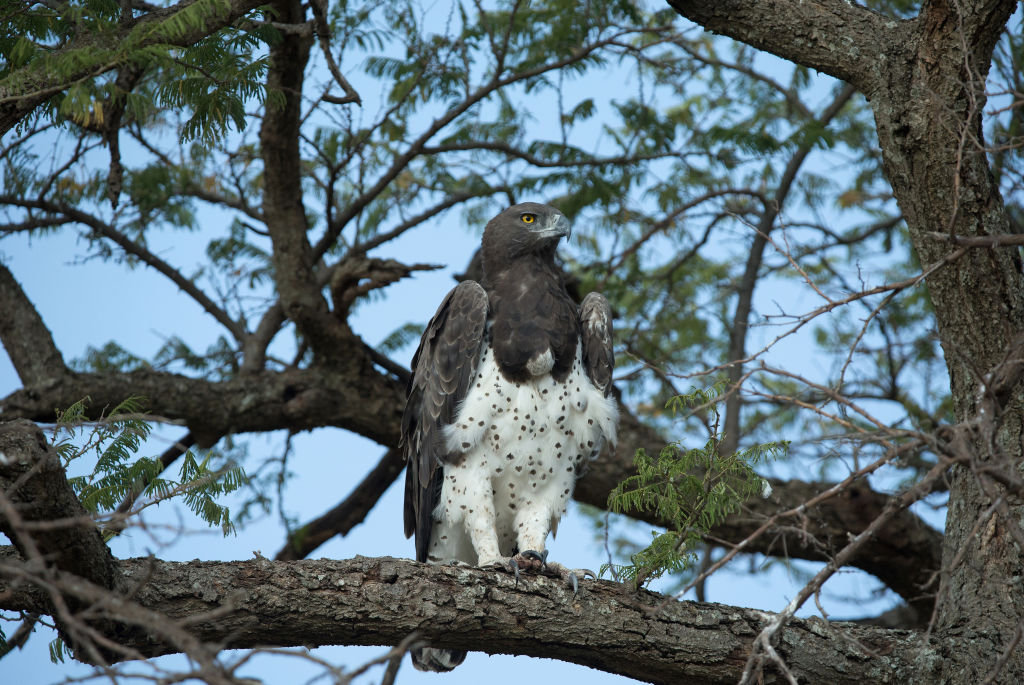
Combining speed and size, the martial eagle lives up to its name of “war-like eagle” (it’s species name is bellicosus to boot!), sometimes attacking and killing prey that can be more than six times its size – the list of victims includes species, such as a Thomson’s gazelles, baboons and jackals, up to a size of 35kg, though much smaller Cape hares were more typical in one study.
Martial eagles soar at a great height, according to the Animal Diversity website, before attacking in a “well-controlled dive at a slanted angle and striking prey with their long legs.” It’s found over a wide area of sub-Saharan Africa and is considered Endangered by the IUCN.
Philippine eagle
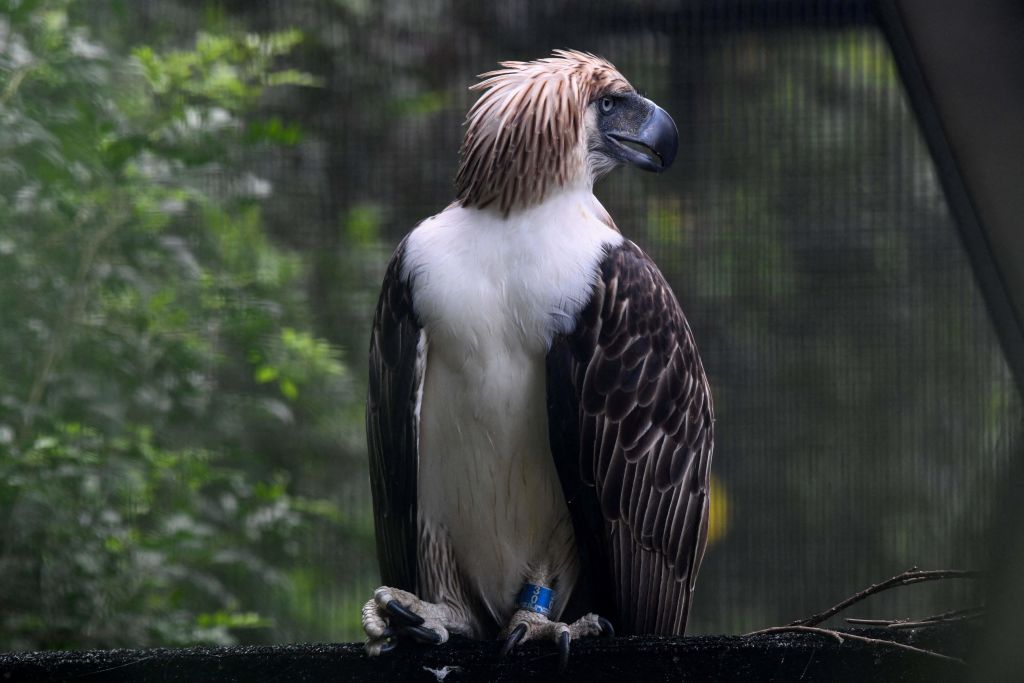
Regarded as the world’s largest eagles weighing up to 6.5kg, Philippine eagles are powerful predators of everything from flying lemurs, palm civets, small deer and monkeys – hence their former common name of monkey-eating eagle.
Sadly, this remarkable bird is classed as Critically Endangered by the IUCN, and due to loss and fragmentation of its rainforest habitat and persecution, there may be fewer than 500 pairs left in the wild.
Steller’s sea eagle
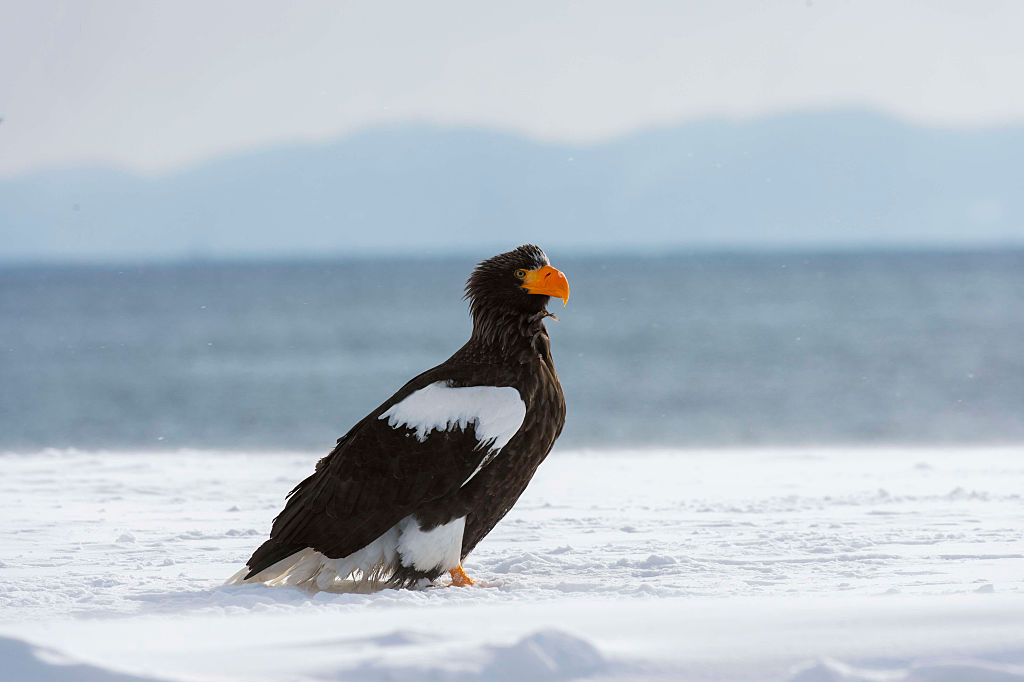
Specialist predators of salmon and other fish, Steller’s sea eagles can take individuals weighing 6-7kg – no mean feat for birds that weigh a maximum of 9kg (females only – like many raptor species, the females are always substantially larger than their other halves).
They are regarded as perhaps the heaviest eagle, though their talons are relatively short compared to the harpy eagle’s – still, one veterinarian examining a captive Steller’s sea eagle pierced his arm all the way from one side to the other. They are almost entirely confined to coastal areas around the Sea of Okhotsk and the Bering Sea in the Russian Far East and Japan.
Wedge-tailed eagle
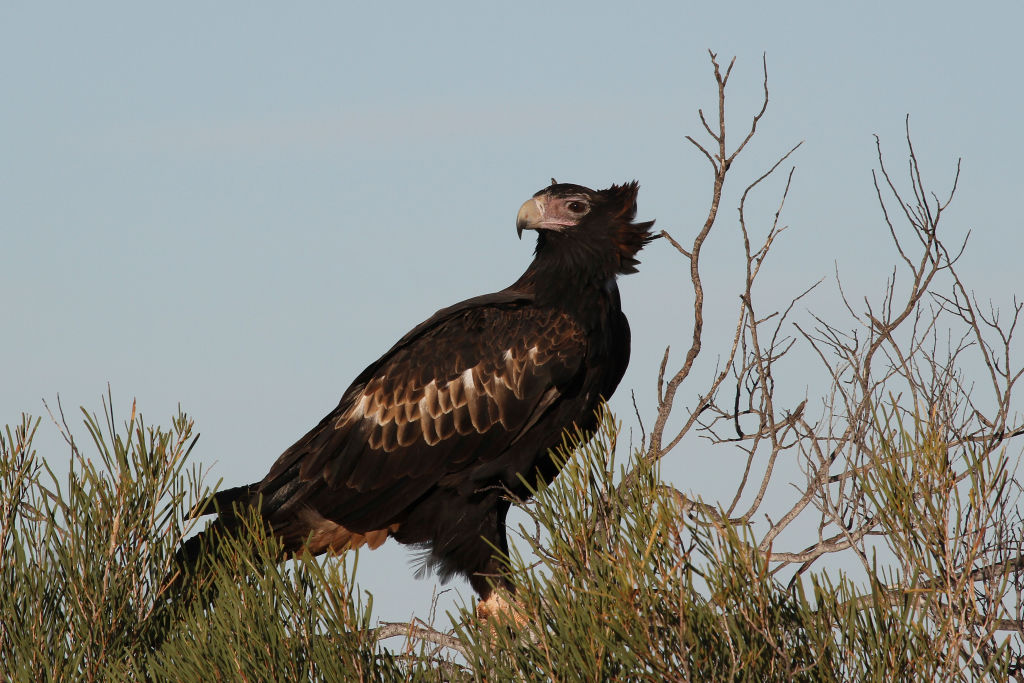
A captive wedge-tailed eagle made headlines around the world in 2016 when it attempted to grab a young boy by his head, causing him (unsurprisingly) to scream and drawing blood. “I don't know about trying to pick him up but he definitely grabbed him by the head and tried to take off,” the boy’s mother was reported to have said.
Widespread in Australia, wedge-tailed eagles will hunt alone, in pairs or in larger groups, and this enables them to tackle and kill prey as large as adult kangaroos, mammals many times their size. (Their scientific name, Aquila audax, means ‘bold eagle’.) But could they really drag off a young boy? Almost certainly not – they only weigh up to 4kg and can only lift something about half their size.
White-tailed eagle
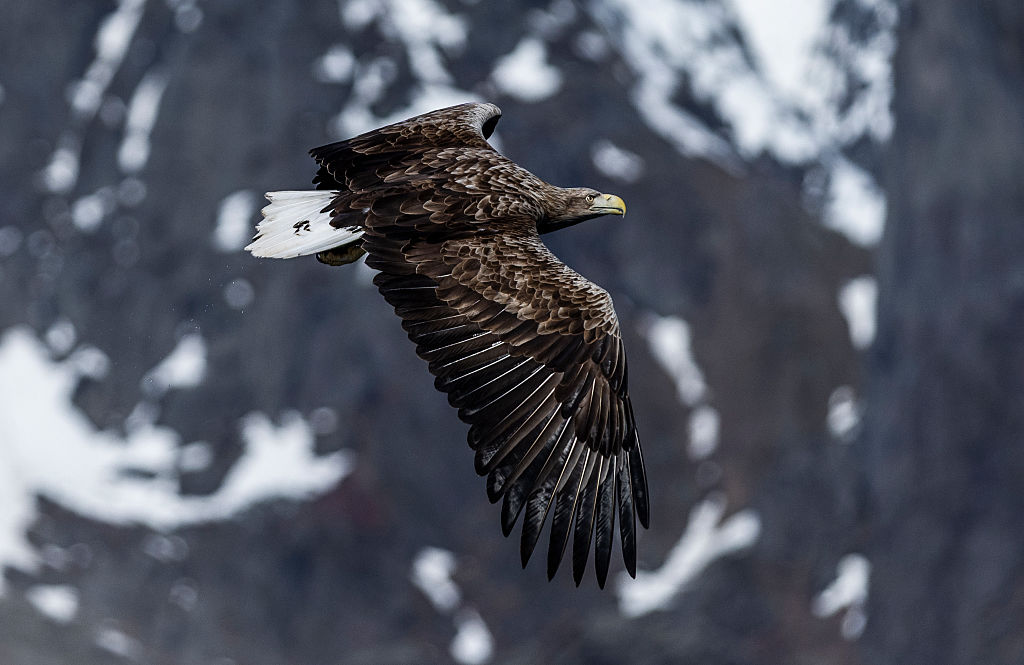
Though often regarded as ‘lazy’ eagles – they do a lot of scavenging and only hunt if they have to – white-tailed eagles are nevertheless large, impressive and powerful birds of prey. The heaviest individual tipped the scales at 7kg, and some reports suggest they can carry a load twice their weight. They have a catholic diet, and can take everything from fish to seabirds and mammals – herons and even mute swans are all on the menu. They are widespread in northern Europe and Asia, even down to Iran and Pakistan when on passage.
- White-tailed eagle vs osprey: what's the difference between these two majestic, powerful birds of prey?
- White-tailed eagle guide: what they eat, why they went extinct in the UK, and where they've been reintroduced
Bald eagle
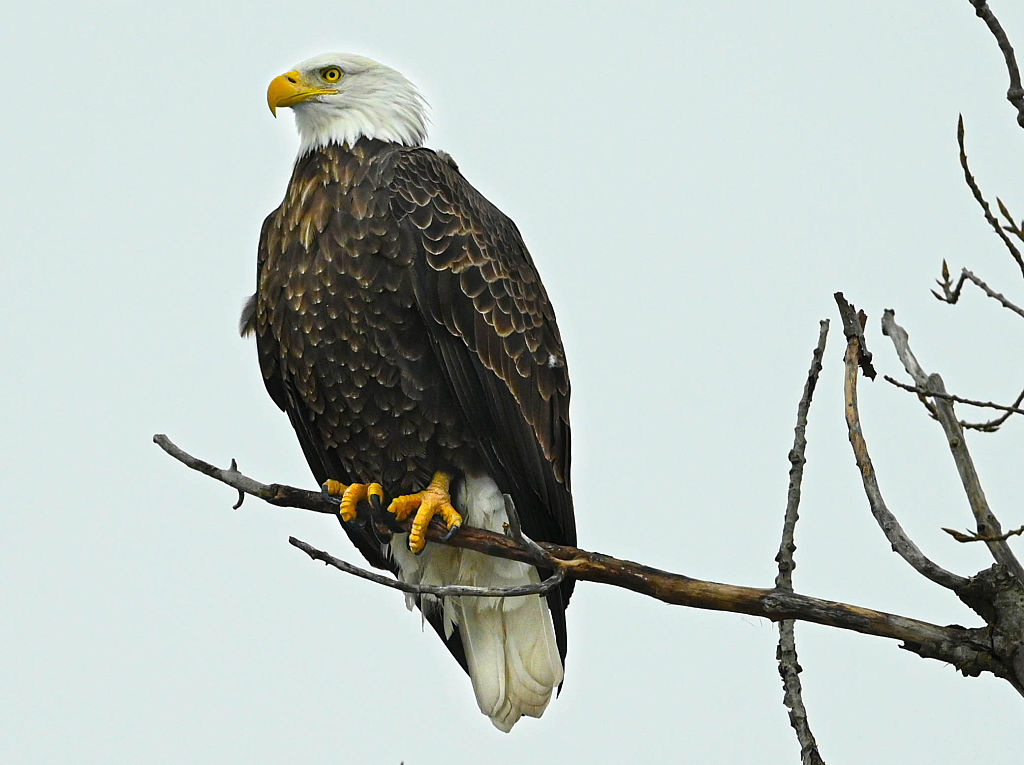
Closely related to the white-tailed eagle, and similar in size, bald eagles share a similar propensity for scavenging. Mainly fish-eaters, they vary greatly in size, depending on where they live – a female in Alaska might weigh more than 8kg, while in Florida they can be anything from 2.7-3.6kg. The American Eagle Foundation says some Alaskan bald eagles have been recored lifting up to 7kg, but also that they will sometimes misjudge the weight of their prey – in such instances, the eagle will swim to the shore with its catch rather than give up on a tasty meal.
- Power and majesty of bald eagles revealed in 16 staggering photos
- “If an eagle fell, I had to carry it back up without being torn apart” How one woman helped save the bald eagle
Verreaux’s eagle
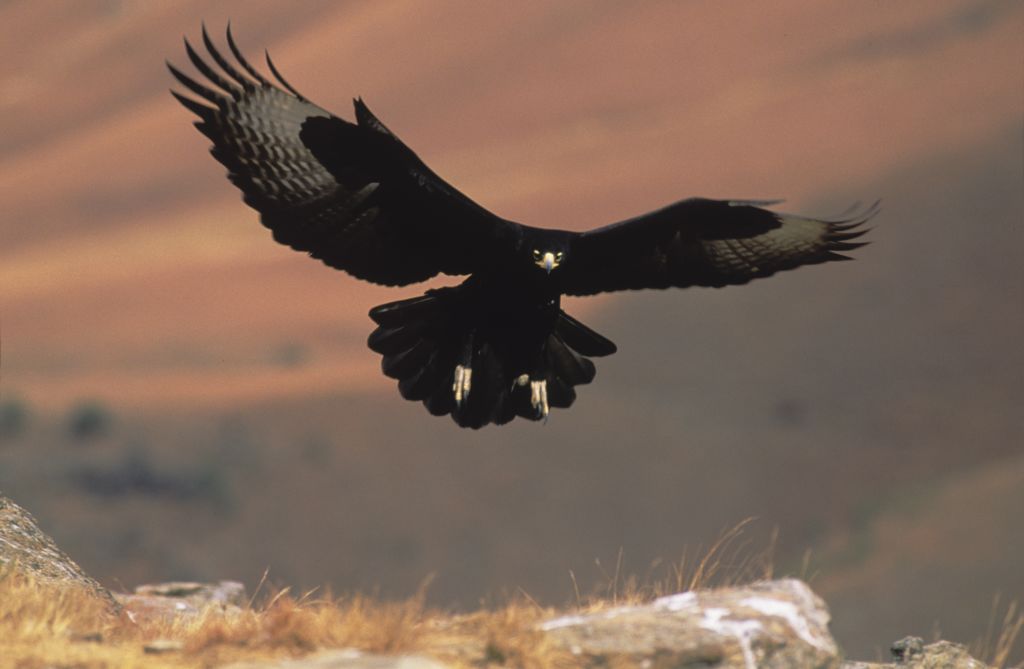
Weighing from 3-5kg, Verreaux’s eagle is a large black bird of prey found in mountainous areas of southern and eastern Africa (and some parts of Chad and the Middle-east), and is perhaps best-known for feeding mainly on rock hyraxes, mammals that can weigh up to 5kg themselves
. It’s not clear whether they can fly off with a prey item of the same size as them, but we do know that Verreaux’s eagles are clever enough to hunt in pairs, with one distracting their intended victim while the other takes it by surprise.
- 10 jaw-dropping eagle moments captured in photos and film that reveal the brutal hunting behaviour of this powerful bird of prey
- Fierce, majestic – and built to kill – The world's biggest and mightiest birds of prey
- They strike with clenched talons at 200mph, crush skulls, shred prey, and can inflict deep head wounds on humans – 10 deadliest birds of prey on the planet