
When researchers from the University of Oxford attached GPS trackers and audio recording devices to seabirds, they detected fishing vessels that were hidden from tracking data.
The findings, published in Science Advances, raise concerns around how much seabirds are encountering fishing boats, putting them at risk of entanglement.
“We know that seabirds regularly interact with fishing vessels at sea, but what surprised us was just how many of these interactions were missing from conventional tracking records,” says Dr Jonathan Rutter, a researchers at the University of Oxford's Department of Biology, and lead author of the new study
This is worrying because seabirds can be attracted by the boats’ catch and become entangled in the fishing gear. If more birds are interacting with fishing vessels than we thought, they could be at a higher risk of becoming bycatch (accidentally caught).
- Do all bird migrants fly twice a year?
- Seabirds can suffer jet lag that throws them off course, say experts
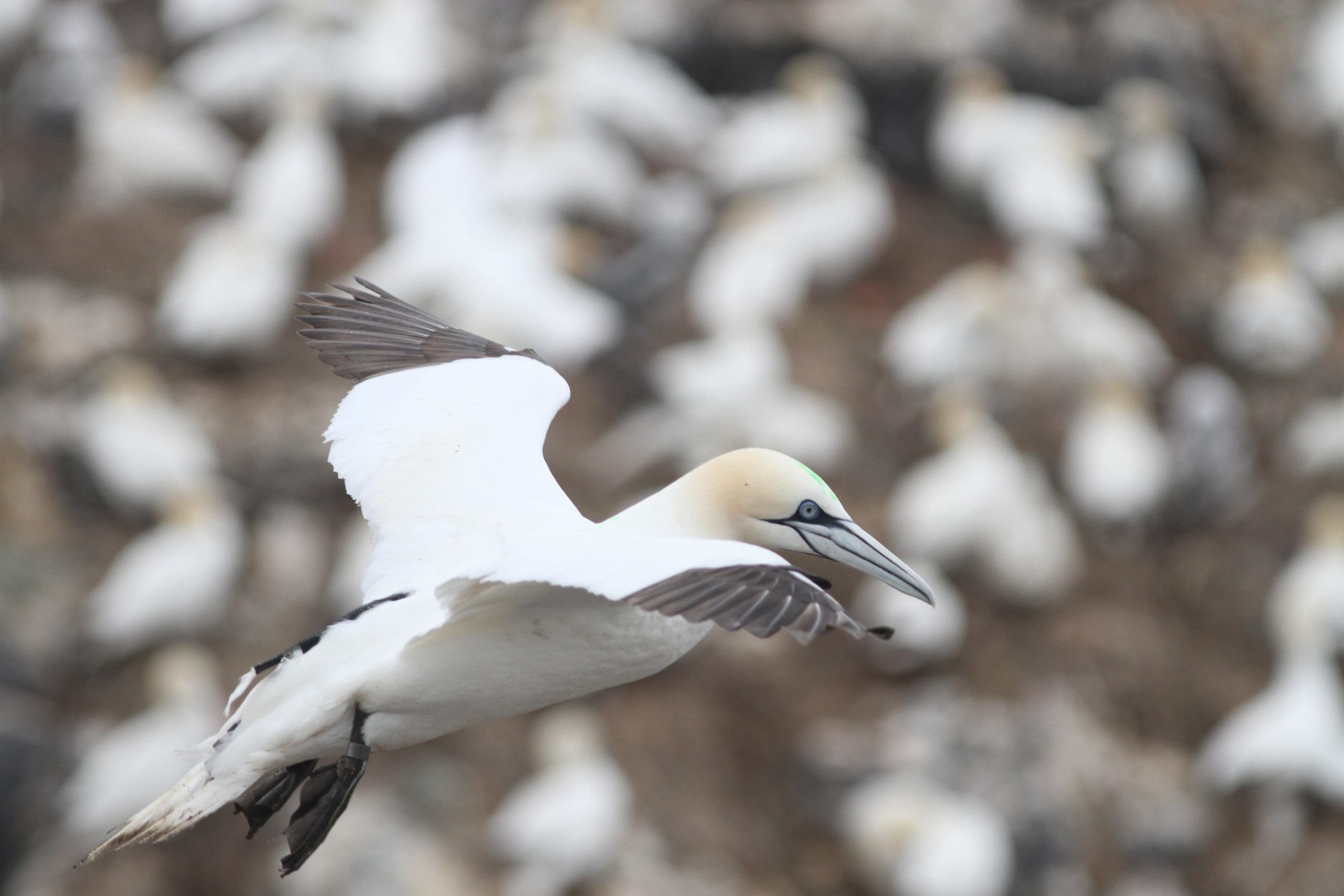
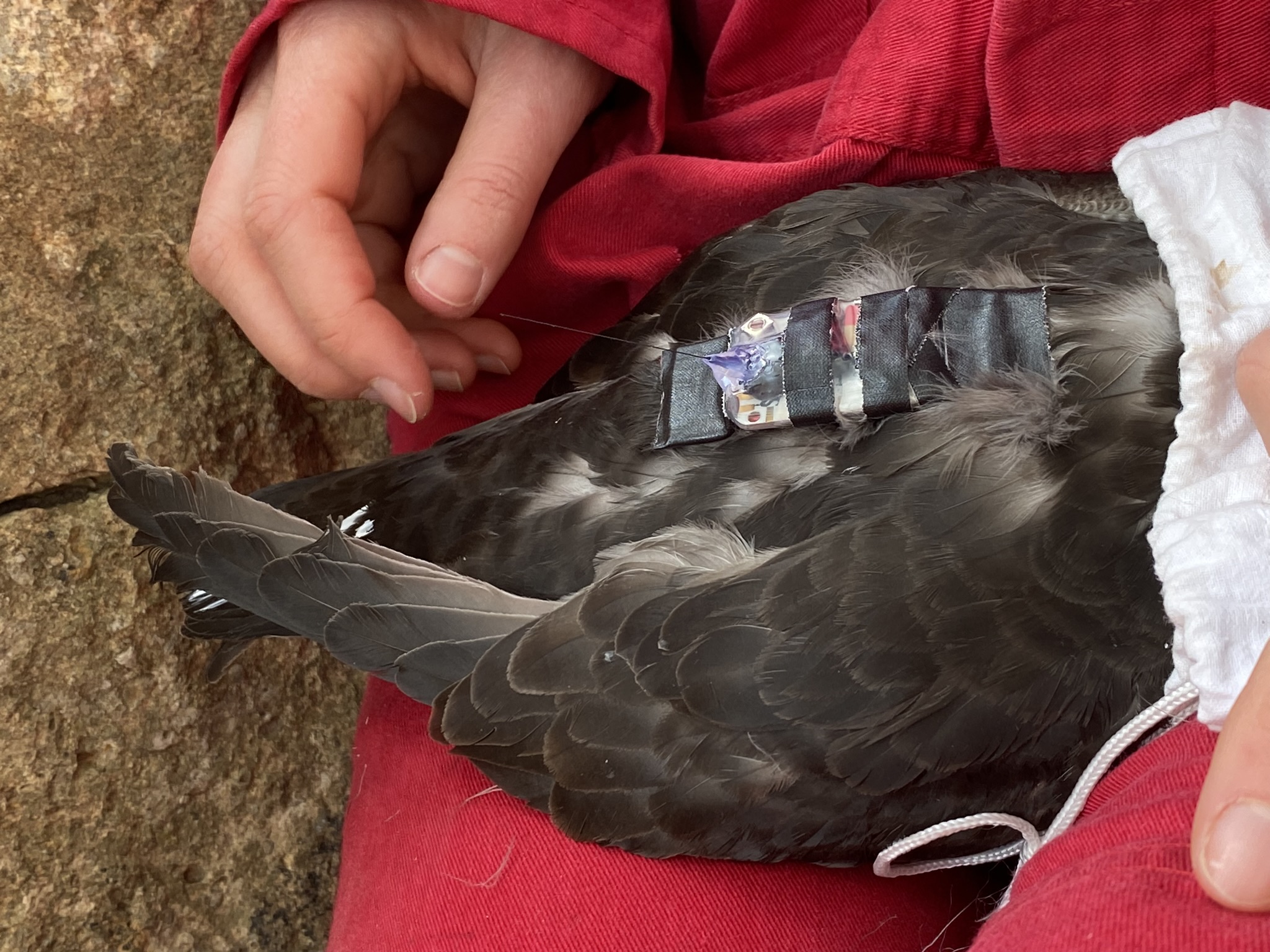
The study tracked northern gannets, Balearic shearwaters and Westland petrels. Among the sounds they recorded, researchers could hear the hum of boat engines. Using computer simulations, they worked out whether the sounds corresponded to the location of vessels that showed up on automatic identification systems (AIS).
Trackers on all three species detected vessels that didn’t match up with AIS tracking data, based on how close they would need to be to make the sound captured on the recording device.
More than 32% of vessels detected by northern gannets were hidden from tracking data. For Balearic shearwaters, the figure was more than 12%. “In reality, these proportions were considerable underestimates,” write the authors in the study. “We estimated that the proportions of unseen interactions were closer to 57% for gannets and 20% for shearwaters.”
- Forest eagle finds goose eggs in nest. What happens next is staggering
- Coyote finds vulture nest in Texas. What it does next has never been caught on camera before
Getting an accurate picture of how often birds come into contact with fishing vessels helps conservationists protect them from threats. This is particularly important for endangered species like Westland petrels or critically endangered animals like Balearic shearwaters.
“For threatened seabirds like the Balearic shearwater, understanding where they encounter fishing vessels is crucial to protecting them,” says Rutter. “If we only consider boats that appear on tracking systems, we risk overlooking areas where birds may be exposed to dangerous fishing activity.”
There are several reasons why fishing boats might not show up on tracking systems. “Some vessels go unseen due to technical issues such as poor satellite reception, while others deliberately disable their AIS transponders, often concealing illegal, unreported, or unregulated fishing activities,” write the authors in the study.
Although bycatch threatens seabirds around the world, some species benefit because they’ve learned to pinch extra food from the fishing vessels. Northern gannets are one of the species known to do this.
“For these birds, boats may be more of a dinner bell than a warning signal,” says co-author Professor Stephen Votier, a seabird ecologist at Heriot-Watt University. “Listening to the sounds around seabirds helps us to better understand these risks and benefits, and target conservation efforts where they are needed most.”
More wildlife stories from around the world
- Researchers tracked a bird named Phil. He just flew a whopping 6,800 miles
- "We nearly fell off our chairs!" Scientists stunned to find rare ocean bird that actually chases tropical cyclones
- Oregon’s biggest city was drowning in crow poop. Then a new predator came to town
- “I once saw one on the tail of an airplane.” Why is Boston airport such a popular layover for snowy owls?
Top image: Northern gannet at Grassholm Island in Wales, tagged with biologging devices on its back and tail. Credit: Steve Votier


