Mexico is home to over 10% of the world’s biodiversity, making it one of the most biologically rich countries on Earth. Its wild inhabitants generally keep their distance from humans, but occasionally the two worlds collide. From venomous snakes to creatures of legend, these are some of Mexico’s deadliest and most dangerous inhabitants.
- "Unreal" feeding frenzy caught on camera in Mexico
- A remarkable creature lurks in this flooded sinkhole in Mexico. Scientists went in to find it
10 deadliest animals in Mexico
Terciopelo
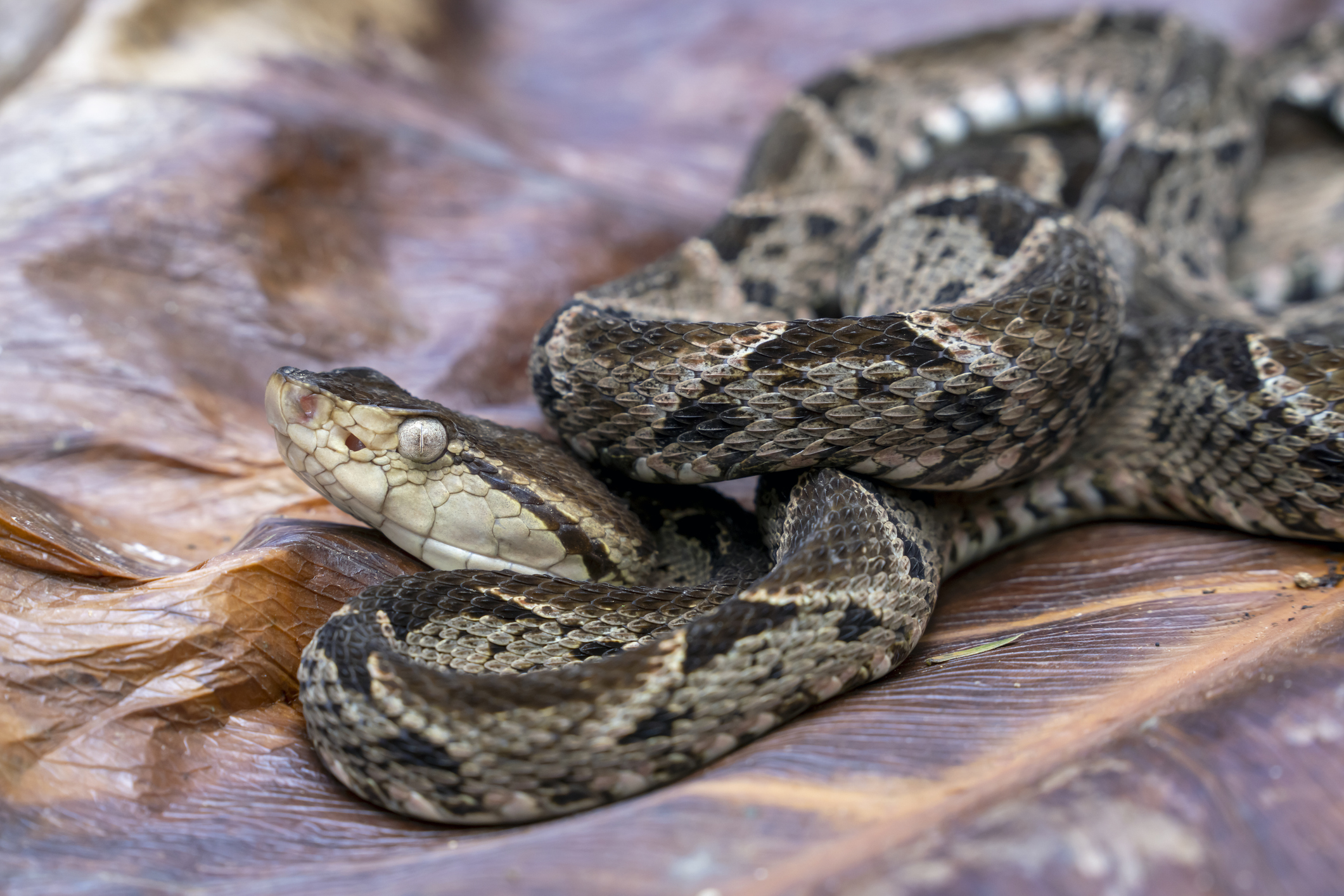
This infamous pit viper, found all the way from Mexico down to northern South America, has many names. Terciopelo, (“velvety”) is a nod to the soft appearance of its scales. Fer-de-lance (“iron spear point”) refers to its triangular head, while the Mexican moniker nauyaca (“four noses”) refers to the snakes two true nostrils and two heat-sensing pits nearby.
The snakes are feared for their irritability, speed, large size (up to 2.5 metres long), fangs and potent venom. Across its range, the terciopelo is responsible for around half of all snakebites. Bites can cause extreme pain, swelling, systemic bleeding and tissue death. Without prompt treatment, up to one in ten die.
Mexican coral snake
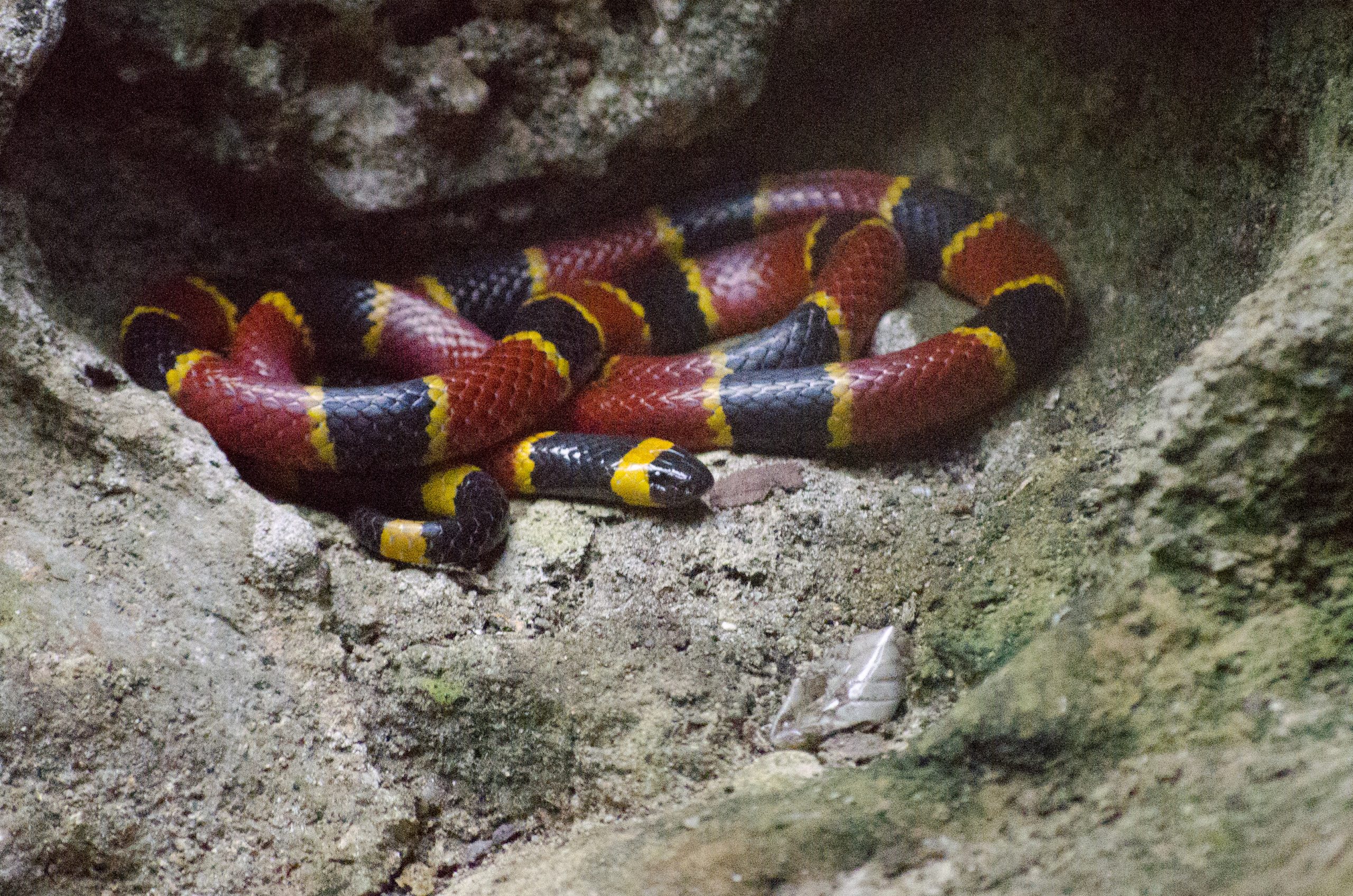
There’s an old rhyme about snakes. “Red touch yellow, kill a fellow, red touch black, friend of Jack.’ But it’s deeply flawed. Lots of red and yellow snakes aren’t venomous, but the Mexican coral snake is. Striped like a Hogwarts scarf, the reptile’s markings serve as a warning – don’t mess! When the typically reclusive reptiles are provoked, they will retaliate.
Bites are rare, but they pack a punch. The snake’s venom contains potent neurotoxins, which destroy nerve tissue, and myotoxins, which attack muscle. This can lead to paralysis and respiratory failure, and without antivenom, the fatality rate is around 10 per cent.
Bull sharks and tiger sharks
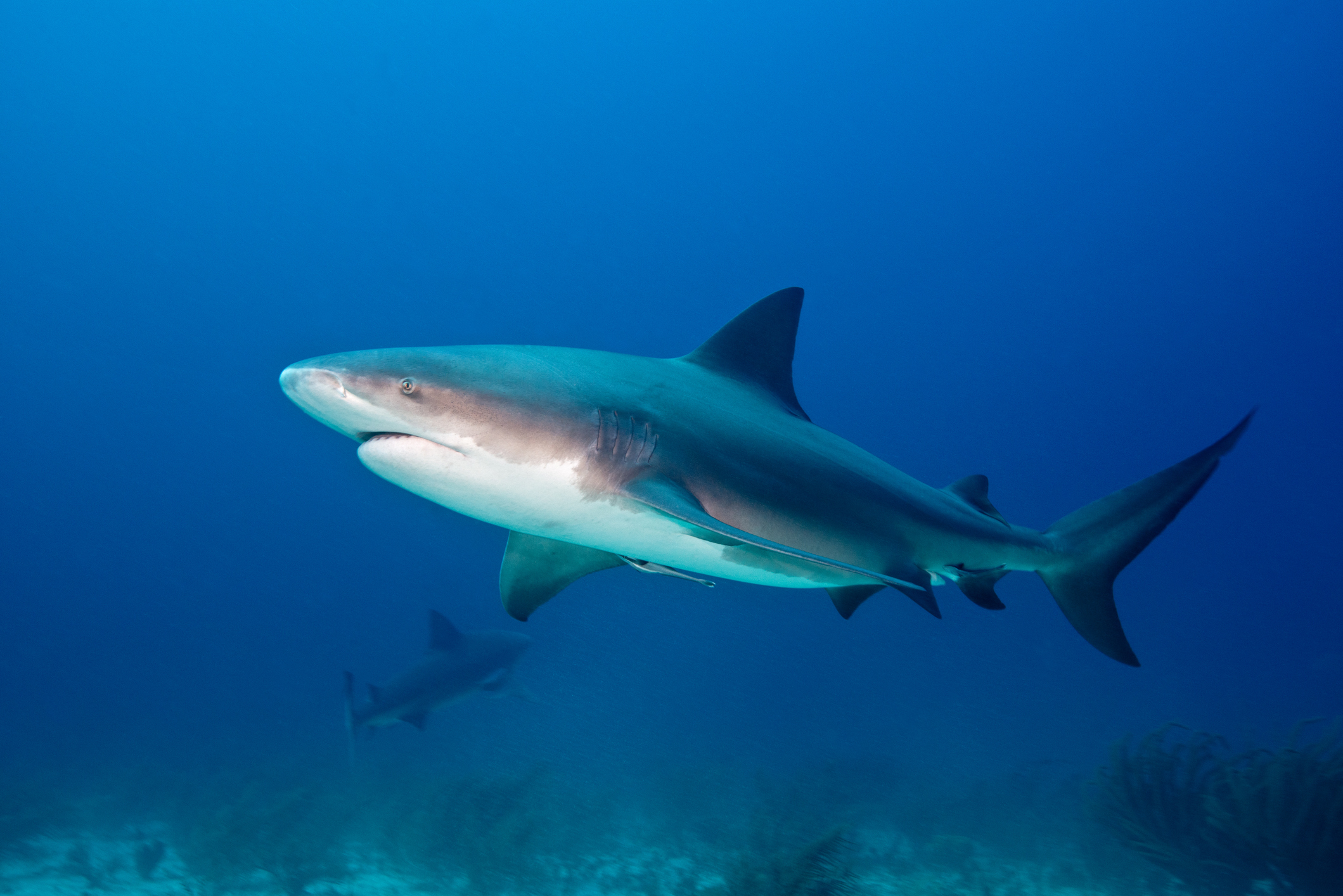
Both of these powerful apex predators swim in the warm, coastal waters surrounding Mexico. Attacks on humans here are rare, with just 107 recorded incidents over the last 500 years. But 50 of these were fatal, giving a fatality rate of 47 per cent. This figure may partly reflect the remote locations where attacks occur, where access to medical care can be difficult, as well as the sharks’ considerable size and power.
Both species have powerful jaws and specialised teeth adapted for tearing and slicing flesh. Bull sharks are also unusual among sharks because they can tolerate freshwater. This means they can venture up into estuaries and far up rivers, bringing them into closer proximity with people.
American crocodiles
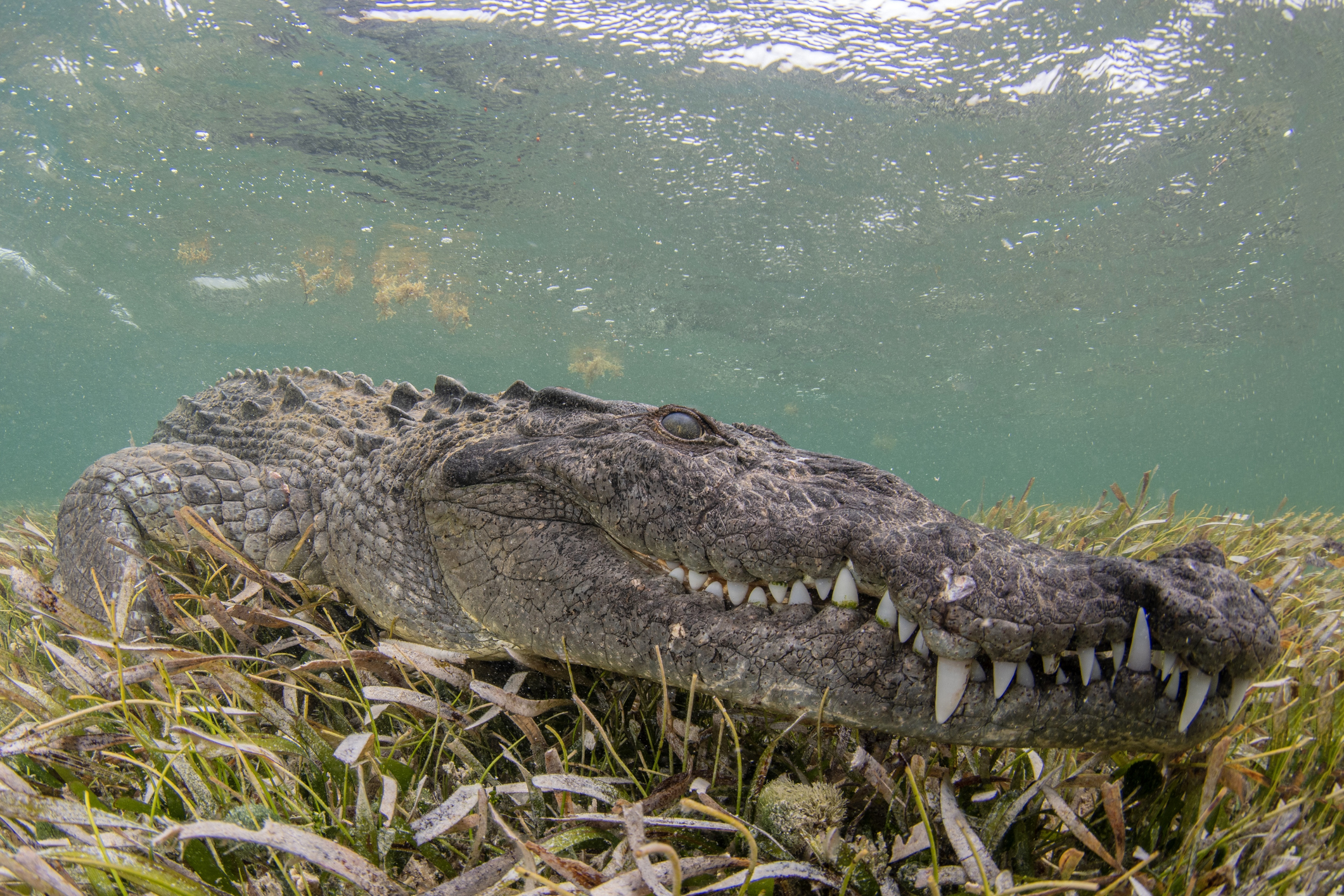
In June 2026, Irving Mauricio, a 28-year-old man from Mexico City, tragically lost his life when he was attacked by an American crocodile at a popular Mexican tourist resort. At first, witnesses thought he was trapped in a rip current, but then a kayaker saw a crocodile pull him under the water. Mauricio’s body was recovered the next day, 300 metres offshore from Marina Vallarta beach.
- Bizarre ‘witch croc’ that looks just like a dinosaur discovered in New Mexico
- There is only one place on Earth where crocodiles and alligators live together in the wild – and it's here
With around 300 crocodiles living in the area, encounters with people are possible – but fatal attacks remain rare. American crocodiles are wary of people and generally retreat rather than attack. Beachgoers are advised to heed warning signs and beach flags, and to steer clear of river mouths and the water during periods when visibility is poor.
Black widow spiders
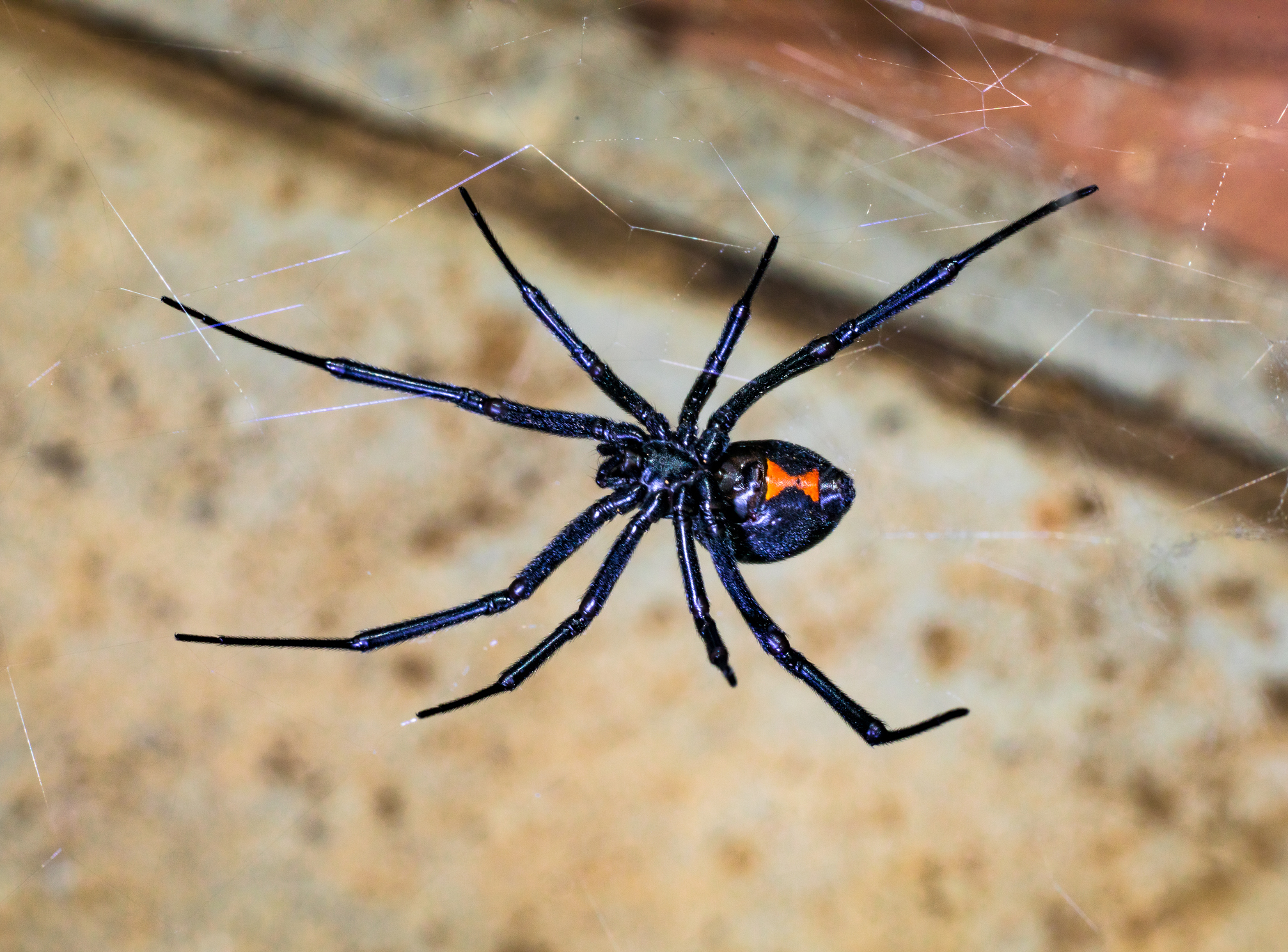
According to Rudyard Kipling’s 1911 poem, “the female of the species is more deadly than the male.” When it comes to Mexico’s black widow spiders, Kipling wasn’t wrong. The country is home to at least two medically significant species, the southern black widow and the western black widow.
Their venom contains powerful neurotoxins, known as latrotoxins, which can trigger intense pain, muscle cramps and spasms. Adult males have smaller venom glands and fangs, making adult females the greater threat to humans. Bites can require prompt medical care but are rarely fatal… unless you’re an insect or arachnid caught in its web. Then the outlook isn’t good.
Bark scorpion
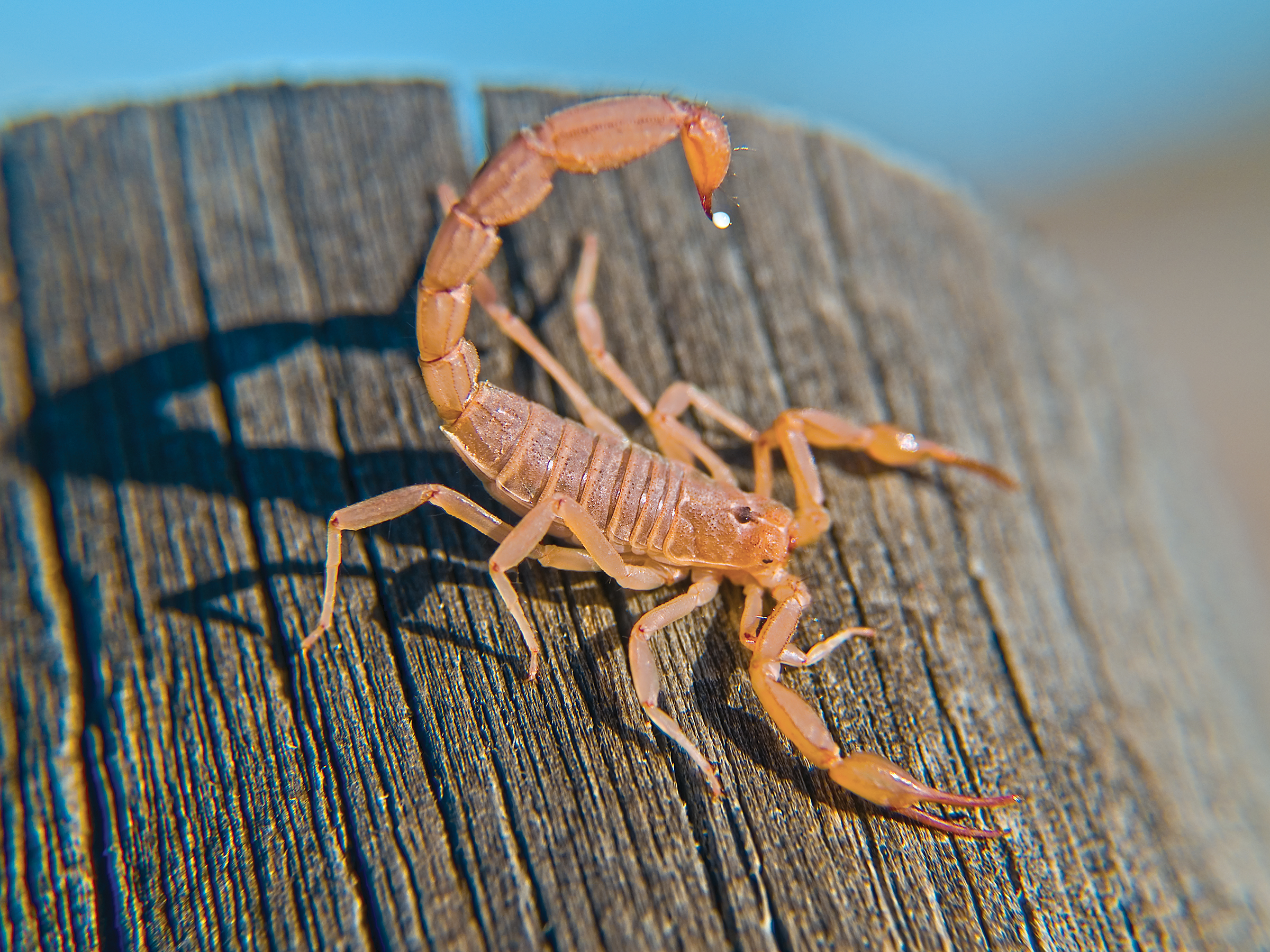
Hiding sometimes, as its name suggests, beneath tree bark, the Arizona bark scorpion (Centruroides sculpturatus) is a small but seriously venomous arachnid found in north-western Mexico. Growing to around 6 centimetres long, it has slender pincers and a long, thin tail. Its sting can cause intense pain, numbness and muscle twitching, and in severe cases it can be life-threatening.
Thousands of people are stung every year in Arizona and New Mexico, and Arizona has recorded two fatalities since 1968. Fun fact: like most other scorpions, Arizona bark scorpions fluoresce under UV light. This is because the outer layer of their exoskeleton contains fluorescent compounds that absorb UV rays and re-emit them as a blue-green glow.
Kissing bugs
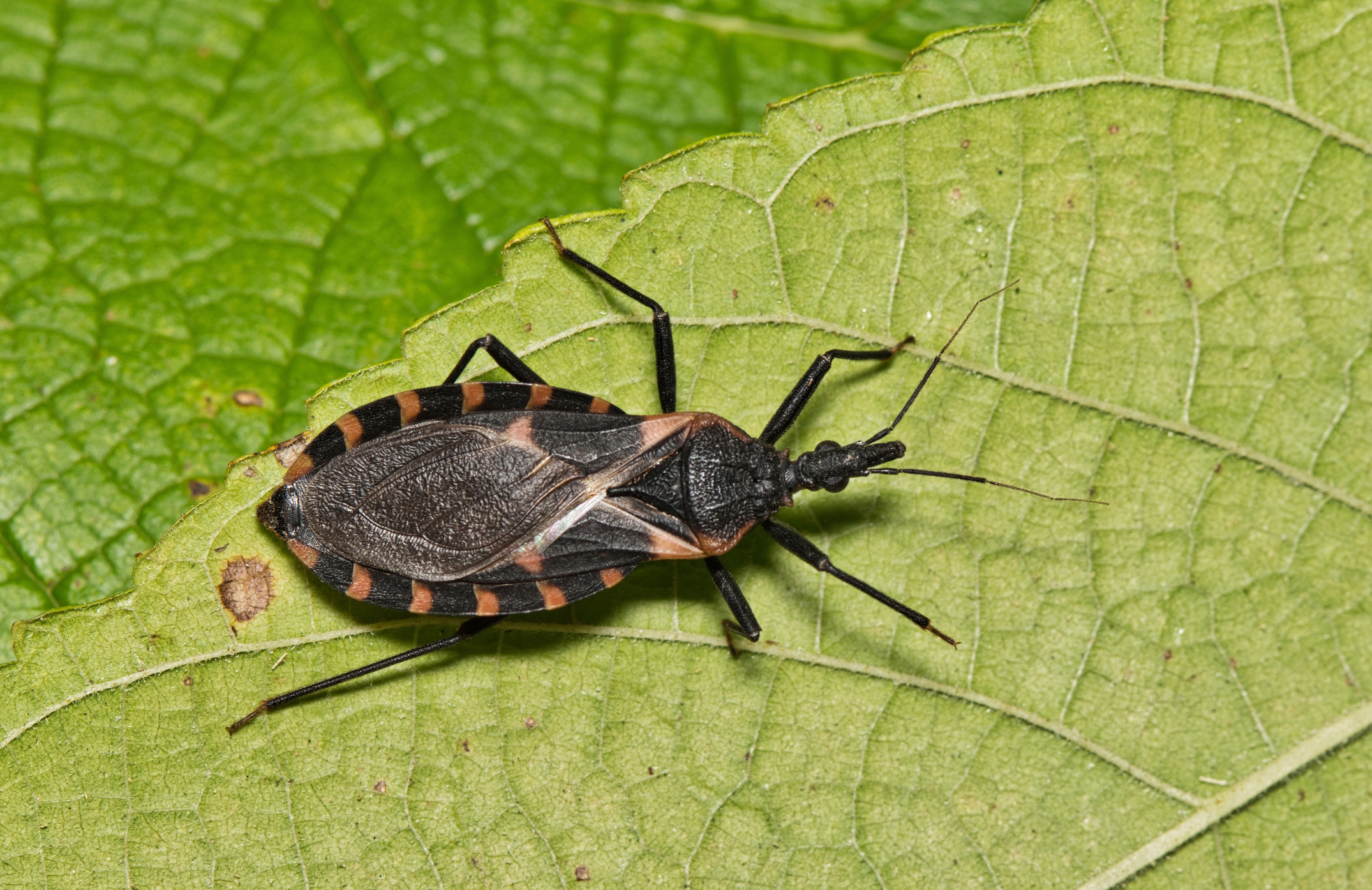
Don’t be fooled by the cute-sounding name, kissing bugs are named after their habit of biting people around the mouth, often while they sleep. If that wasn’t ominous enough, they are members of the assassin bug family, renowned for their ambush-style attacks and long, stabbing mouthparts, which they use to suck blood.
The real danger, however, comes when they carry a parasite called Trypanosoma cruzi, which can be passed to humans via the insects’ droppings. Once inside the body, the parasite can cause Chagas disease. Most people have no symptoms at first, but in some cases, infection can lead to serious heart of digestive problems and even prove fatal. Worldwide, more than 10,000 people die from Chagas disease every year.
Tenochtitlan recluse spider
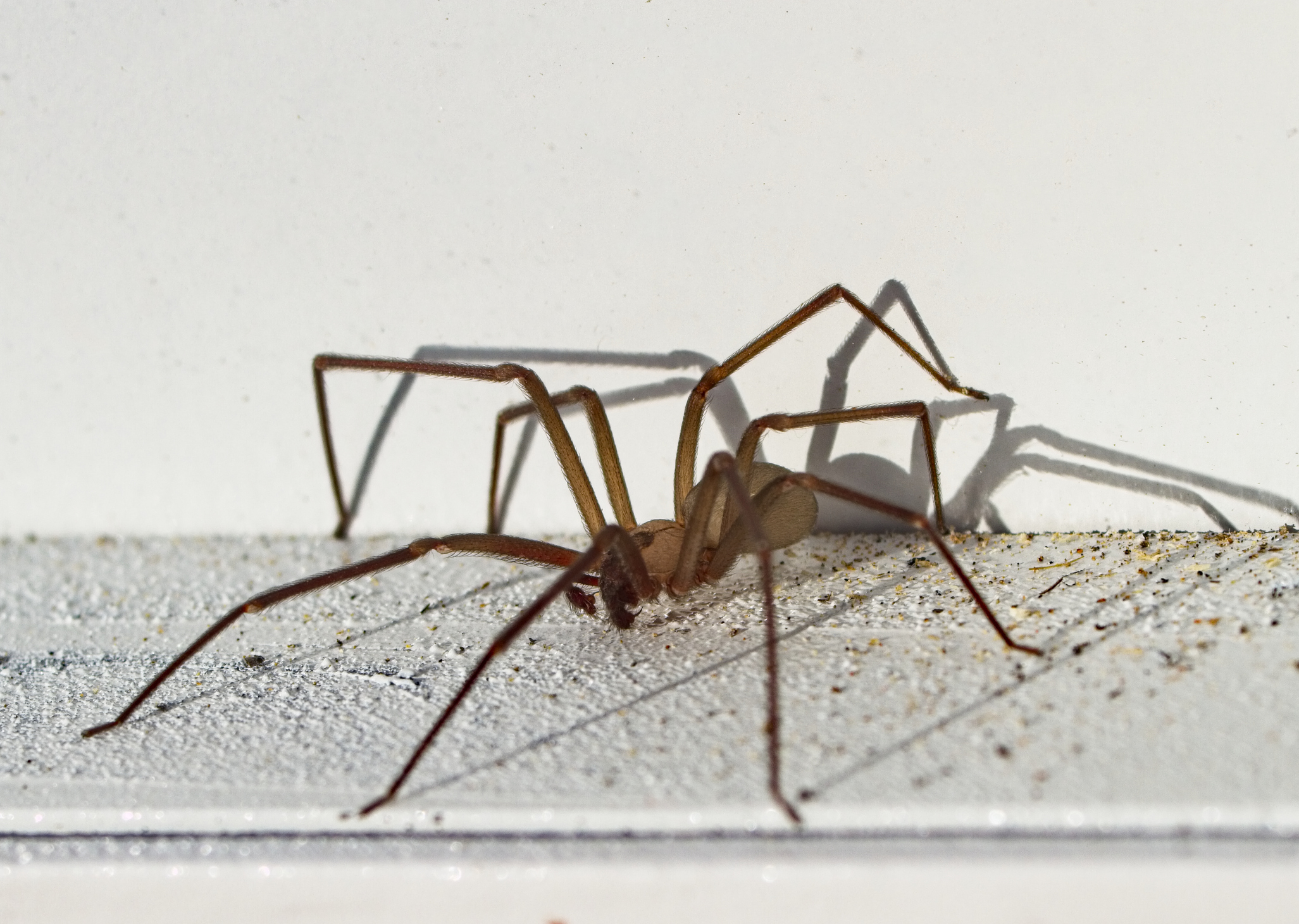
In 2019, Newsweek ran a story about a spider “with a venomous bite that rots human flesh.” As arachnophobes ran for cover, Mexican researchers were celebrating the discovery of a new species. Named after Tenochtitlan, the ancient capital city of the Aztec Empire, the spider belongs to a group commonly known as recluse or violin spiders.
The genus is known for its distinctive fiddle-shaped markings, and its venomous bites, which aren’t usually fatal, but can cause tissue to die. Mexico is home to around 40 recluse species, but Loxosceles tenochtitlan is the first known to be native to the Valley of Mexico. Fortunately, run-ins with humans are rare – just as you’d expect for a spider with “recluse” in its name.
Gila monster
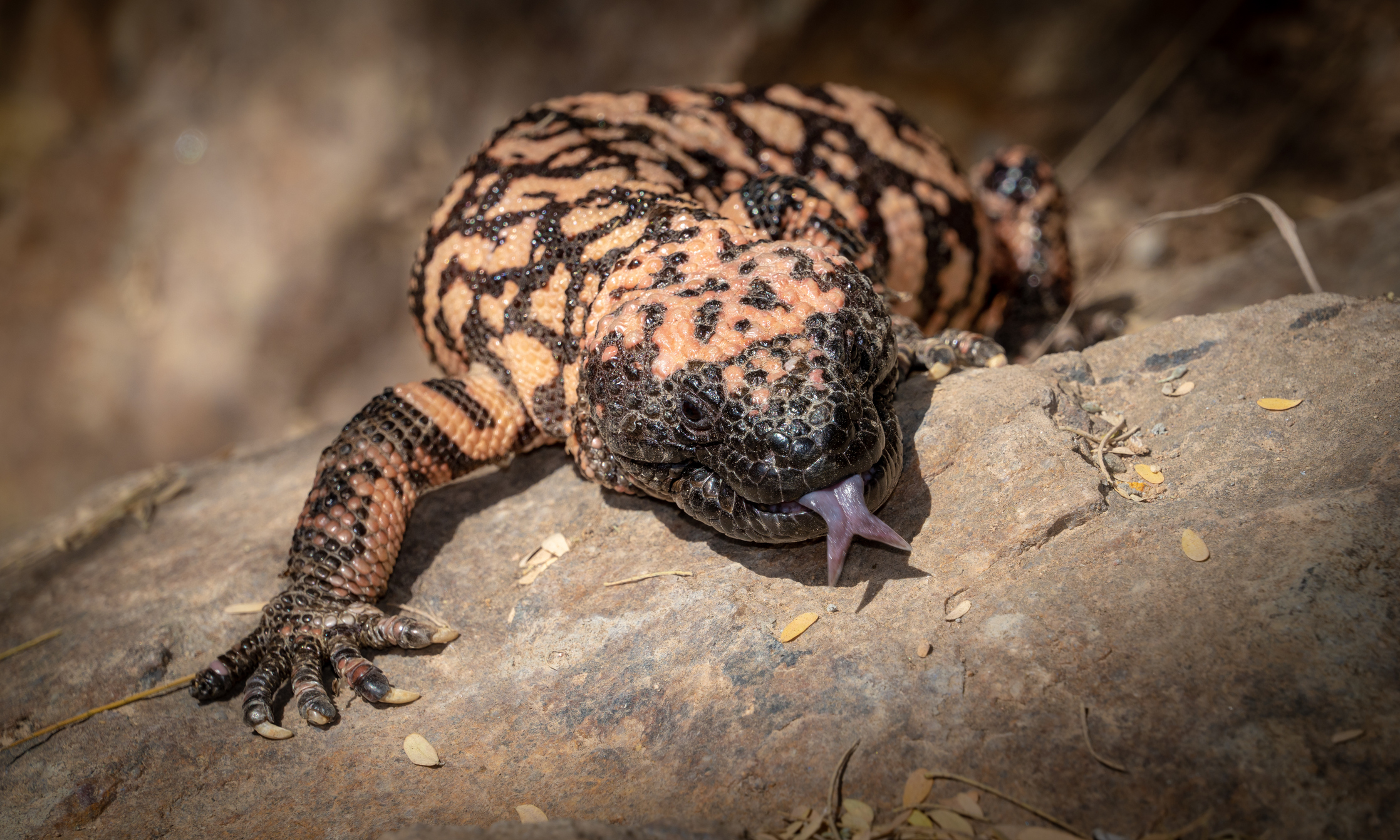
When American palaeontologist Edward Drinker Cope formally described the Gila monster in 1869, he was struck by the reptile’s bead-like scales and grooved teeth, which he suspected might deliver venom. So, he gave it the Latin name Heloderma suspectum, meaning “studded skin, suspected.” His hunch was correct.
Gila monsters produce a toxic venom which they mainly use to defend themselves against predators, such as coyotes and snakes. Bites can cause excruciating pain and extreme swelling but are rarely fatal to large animals. It makes the list because it’s a chunky, badass legend. Literally. According to folklore, the Gila monster’s breath is fatally toxic, it has no anus, and won’t let go of a bite until it starts to thunder. None of these things are true, of course.
Cipactli
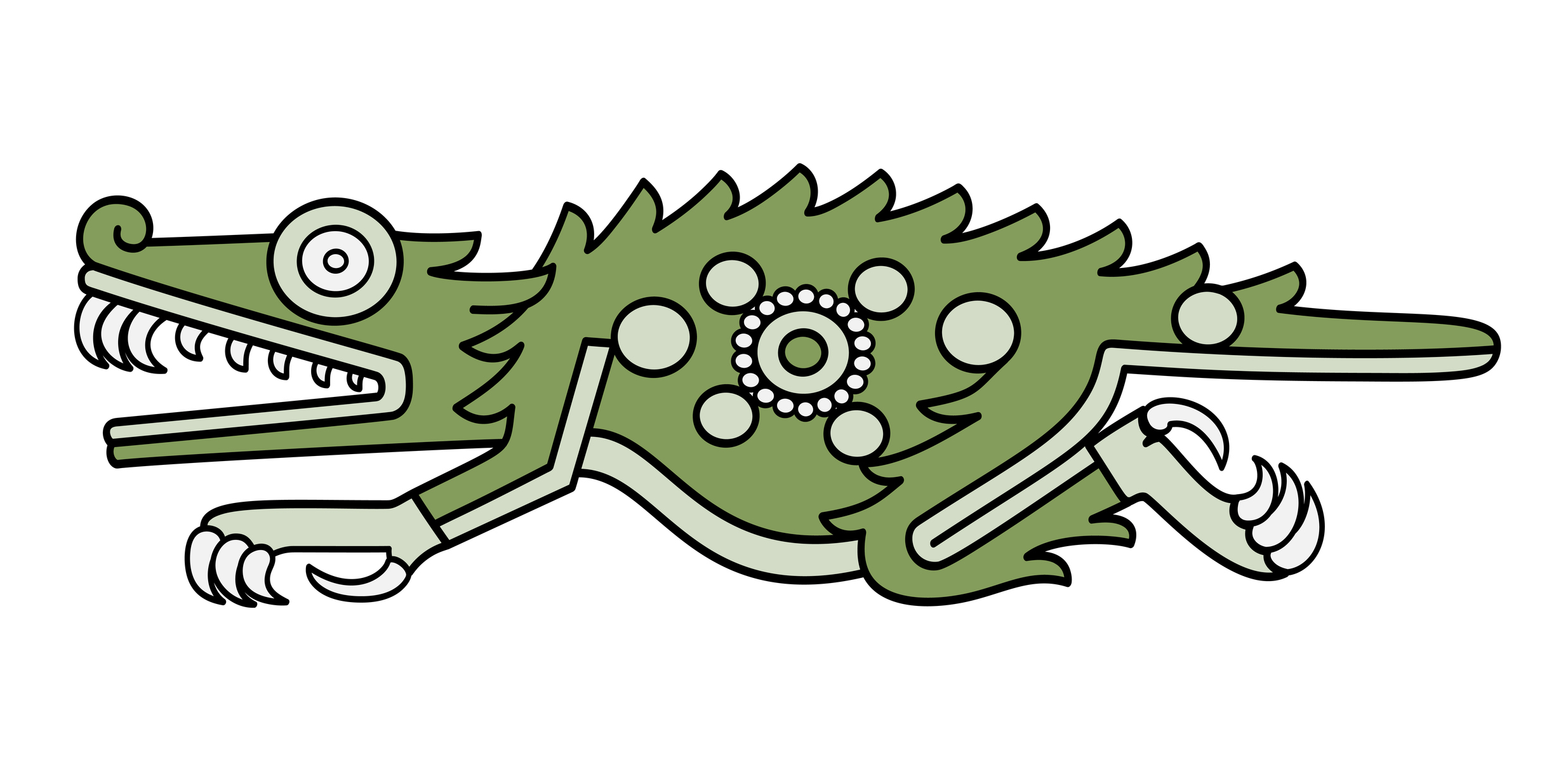
If we’re counting creatures from Mexican mythology, then this one makes the cut. In Aztec mythology, Cipactli was a ravenous sea monster – part croc, part fish, part amphibian – with more mouths than a tankful of piranhas. According to mythological descriptions, every joint on its body had an extra oral cavity, which it used to gobble up animals and people alike.
Eventually, the deities had had enough. The creator god Tezcatlipoca lured the monster in by offering his own foot as bait. Then, with the help of his twin brother Quetzalcoatl, he tore the creature apart and used its body to create the earth and sky.
top image: The Gila Monster. Credit: Timothy Cota/ Getty Images
More wildlife stories from around the world:
- "Symptoms develop quickly and its venom can cause paralysis, respiratory failure and death. "6 most dangerous, deadliest sea snakes on the planet
- Can a human outrun a crocodile? Just how fast are these deadly, ferocious reptiles?
- "Bites result in grotesque swellings - medical amputations of digits and limbs are not uncommon…" 10 deadliest snakes in Africa
- This snake's "outrageous" tail looks exactly like a spider. Scientists just looked inside it and found something odd