
Africa is full of animals that can do you a serious mischief. Lions, leopards and crocodiles can dismantle you piece by piece. Buffaloes, elephants and hippos just have to sit on you. Mosquitoes and other insects transmit some of the world’s most devastating diseases. And there is no shortage of snakes on this vast continent.
- "One bite contains enough venom to kill at least 100 adult humans" 13 deadliest, most venomous, snakes on the planet
- "Their aim is incredibly accurate - if this venom gets into your eyes, it leads to extreme pain and blindness..." 6 deadliest snakes in India
- "That’s the length of a double decker bus!" 10 metre monster tops biggest snakes in the world list
Here’s our list of the serpents that can add spice to a safari…
10 deadliest snakes in Africa
Black mamba (Dendroaspis polylepis)
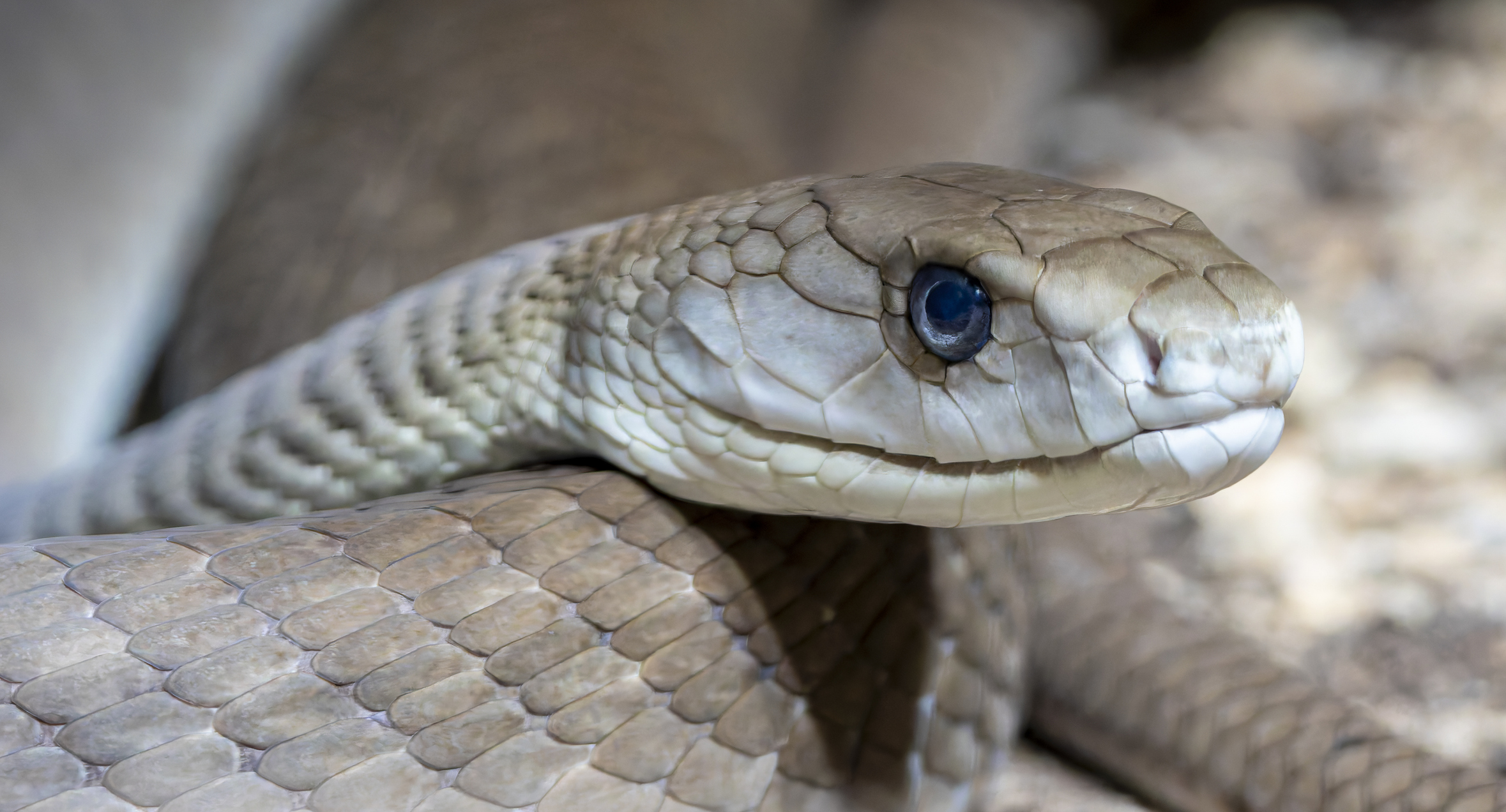
Named after its dark mouth-lining (its scales are more olive-brown in colour), the black mamba is the longest of all venomous African snakes, with the largest individuals exceeding 4m. It is also the quickest. According to Guinness World Records, it can cover the ground faster than any other snake, at 16-19 kph (10-12 mph), although we’ve been unable to trace the source of these figures.
- 61 black mambas captured in African city. Here's what experts found in their scales – and why it matters
- Snake more lethal than we thought: Scientists find deadly mambas have a secret second strike that's more dangerous than their first. here's why...
With a reputation for aggression, especially when cornered, this is clearly a formidable reptile even before you consider the potency of its venom, which attacks the nervous system and can lead to death by respiratory paralysis.
Black mambas are responsible for more human fatalities in southern Africa than any other snake, although the development of anti-venoms and respirators have reduced the death rate to around 5 per cent following a bite.
Gaboon viper (Bitis gabonica)
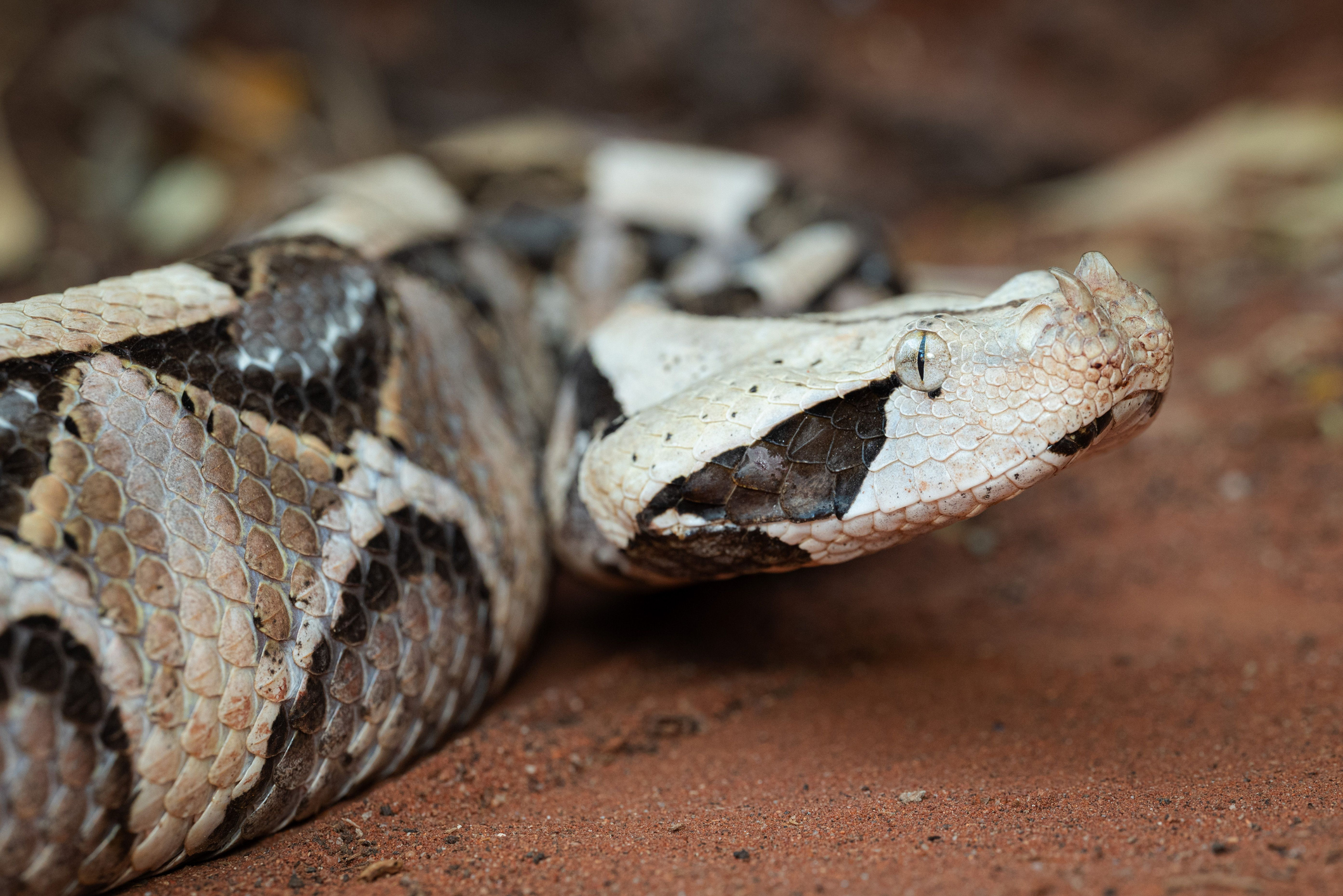
The black mamba might be the longest venomous African snake, but it’s not the heaviest. That honour goes to the gaboon viper. This chunky serpent rarely exceeds 2m in length, but weighs in at up to 10kg. Its 5cm-long fangs are the longest of any snake and, unlike many vipers, it typically doesn’t release after biting, allowing it to inject exceptionally large volumes of venom.
A secretive ambush predator, it is adorned with intricate geometrical patterns of light and dark that camouflage it exquisitely amongst the leaf-litter of tropical forests. It is rarely found close to human settlements, and bites are not common, but for the unlucky few, the consequences include tissue necrosis, haemorrhage and cardiac arrest. Tread carefully.
Egyptian cobra (Naja haje)
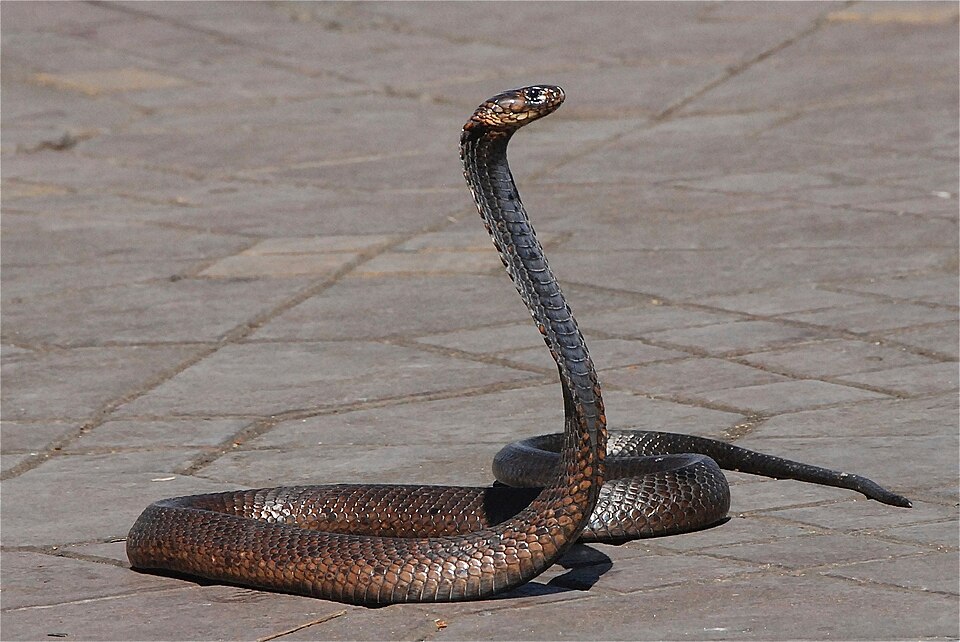
All of the 16 or so species of cobra occurring in Africa are considered life-threatening to humans. But the Egyptian cobra deserves a special mention because it is widely credited with playing a significant role in the death of one of the most powerful people who has ever lived.
Following the loss of Egypt to Octavian, the first Roman Emperor, in 30 BC, Cleopatra chose to commit suicide rather than endure public humiliation by her captor. According to early accounts, she arranged for an Egyptian cobra to be smuggled to her in a basket of figs and then encouraged it to bite her. Roman authors claim she knew which species would bring about a relatively quick and painless death because she had already tested the effects of various snake venoms on prisoners of her own.
- Meet southern Africa's golden Cape cobra: A stunning yet lethal predator that's as deadly as the black mamba
- Trap tentacles, spider-tails and faking death: Meet the world's most cunning snakes
Data on the frequency of human fatalities in more recent times is sparse, not least because snakebite victims have more important things to worry about than identifying the precise species that is sinking its fangs into them, so all cobra bites tend to get lumped together. However, in one well documented case, a patient in Nigeria passed out soon after being bitten by an Egyptian cobra and was dead within two hours.
Boomslang (Dispholidus typus)
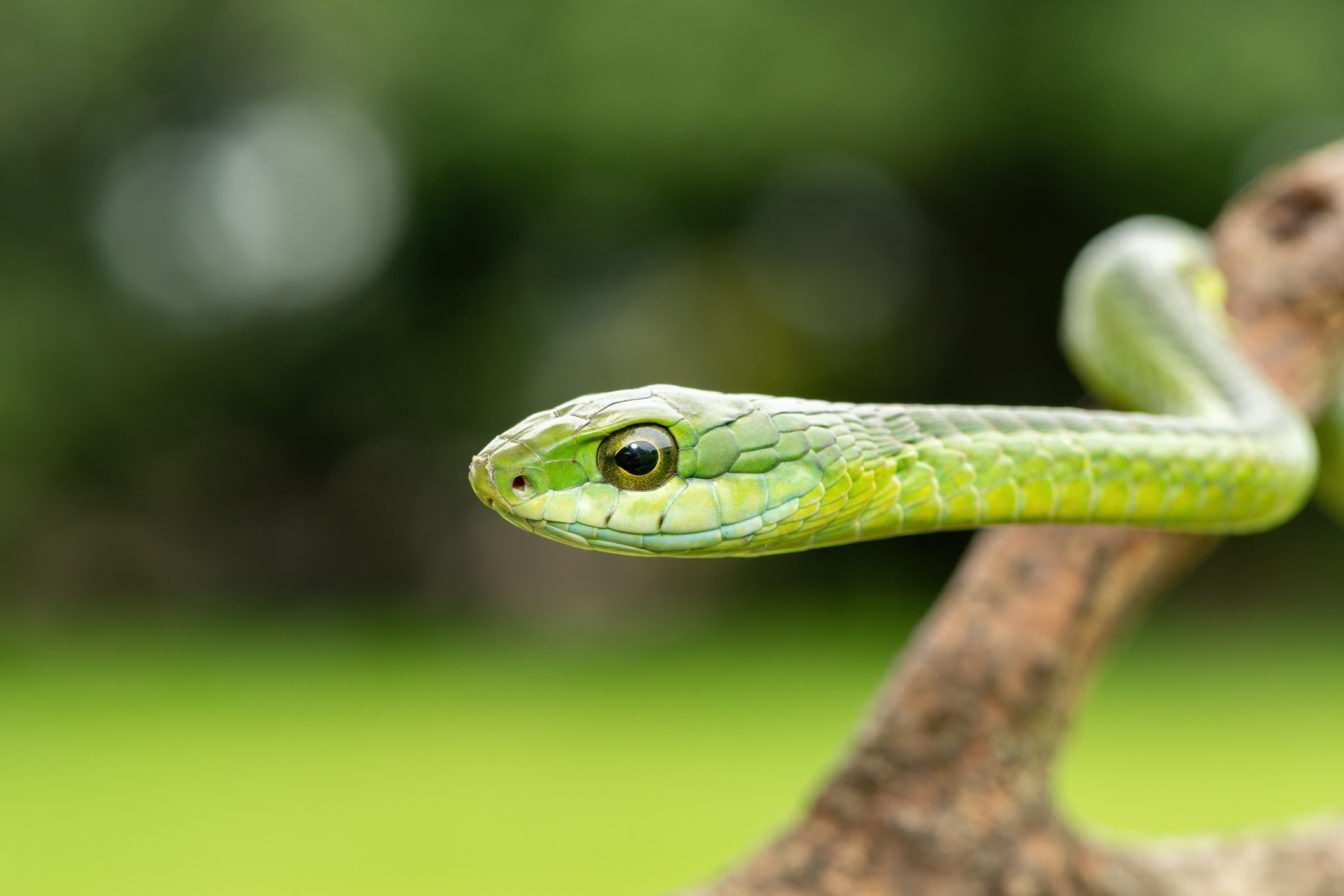
Bad days at the office don’t come much worse than this one. On 25 September 1957, Karl P. Schmidt, a herpetologist at Chicago’s Field Museum of Natural History, was examining a juvenile boomslang - a sub-Saharan species whose name is Afrikaans for “tree snake” - that had been sent to him for identification by Chicago’s Lincoln Park Zoo.
It was widely thought at the time that, like other rear-fanged snakes, the boomslang was incapable of delivering enough venom to pose a danger to humans, so Schmidt wasn’t too concerned when it bit him on the thumb.
Instead, he saw it as an opportunity to document the effects of the snake’s venom on the human body, refusing medical care so as not to mask the symptoms, and taking detailed notes. These make for harrowing reading: “Bleeding of mucous membranes in the mouth began about 5:30pm, apparently mostly from gums... Urination at 12:20am mostly blood... A good deal of abdominal pain, continuing to 1:00am, only adequately relieved by belching.”
The next morning, Schmidt phoned the museum to tell them he was feeling perkier and would be back at work the following day. His final note reads “Mouth and nose continuing to bleed, but not excessively.” But by 3.15pm that afternoon he’d died of cerebral haemorrhages.
Twig snake
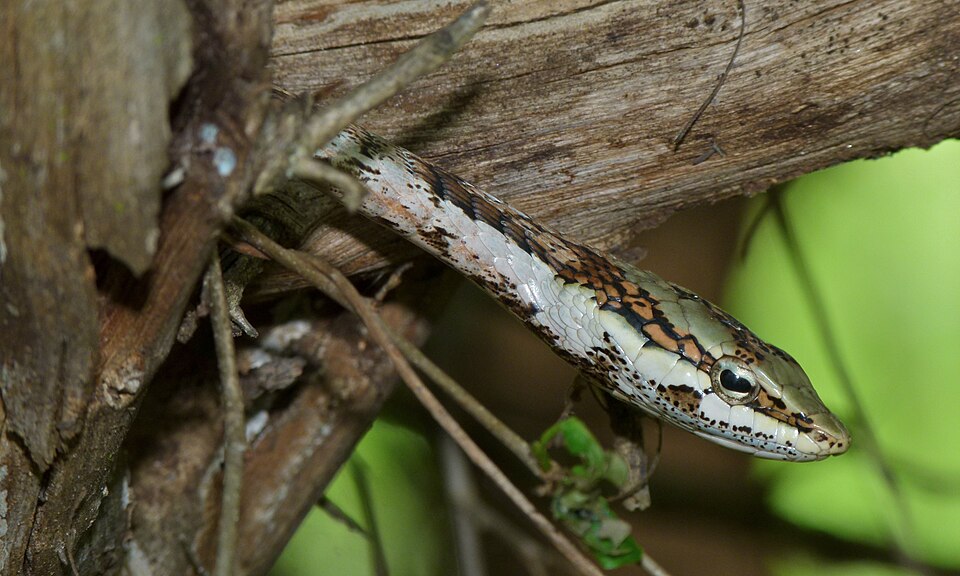
Schmidt isn’t the only eminent biologist to have been killed by one of his own study-animals. In 1975, a German herpetologist named Robert Mertens discovered that a twig snake’s bite is considerably worse than its… er… bark.
These delicate little arboreal reptiles, also known as vine or bird snakes, are far from intimidating, although they do warn would-be assailants to keep their distance by inflating their throat.
Their venom is slow-acting, and there remains no anti-venom. Mertens died of lung oedema and renal failure 18 days after being bitten.
Puff adder (Bitis arietans)
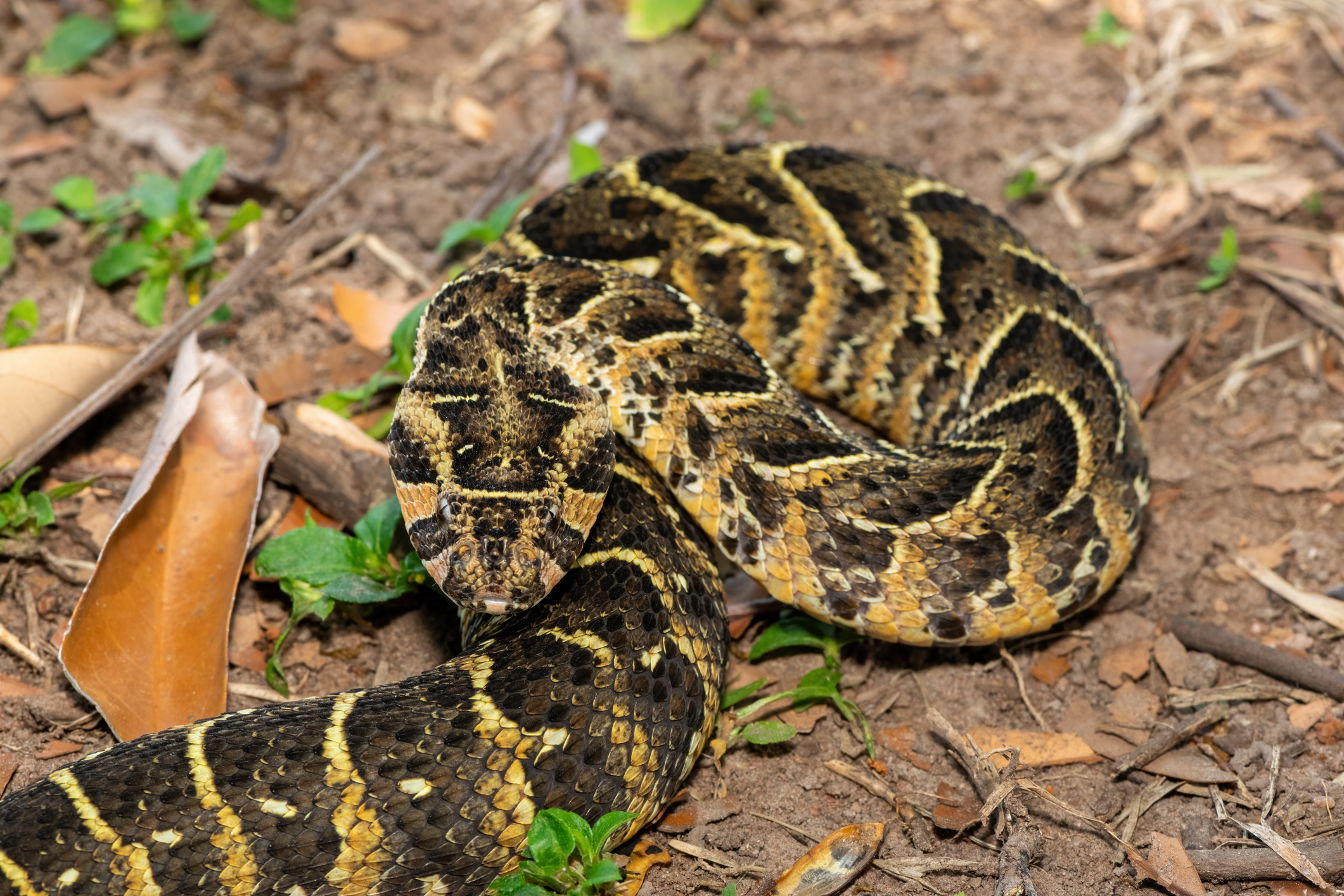
Most victims of a puff adder bite are unaware of the snake’s presence until it’s too late. This sit-and-wait predator’s markings provide effective visual camouflage in a wide range of habitats and it produces little odour, making it hard to detect by animals that rely on their sense of smell.
Humans get bitten when they unwittingly get too close for the snake’s comfort. Bites result in grotesque swellings that spread far from the site of the wound and can lead to necrosis, thrombosis, haemorrhage, spontaneous bleeding and heart problems. Medical amputations of digits and limbs are not uncommon.
An adult puff adder stores enough venom to kill four or five people and severe envenomations have a 52 per cent fatality rate if untreated, but anti-venom dramatically improves survival.
The species is abundant throughout much of Africa and is responsible for more fatalities across the the continent than any other snake.
African rock python (Python setae)
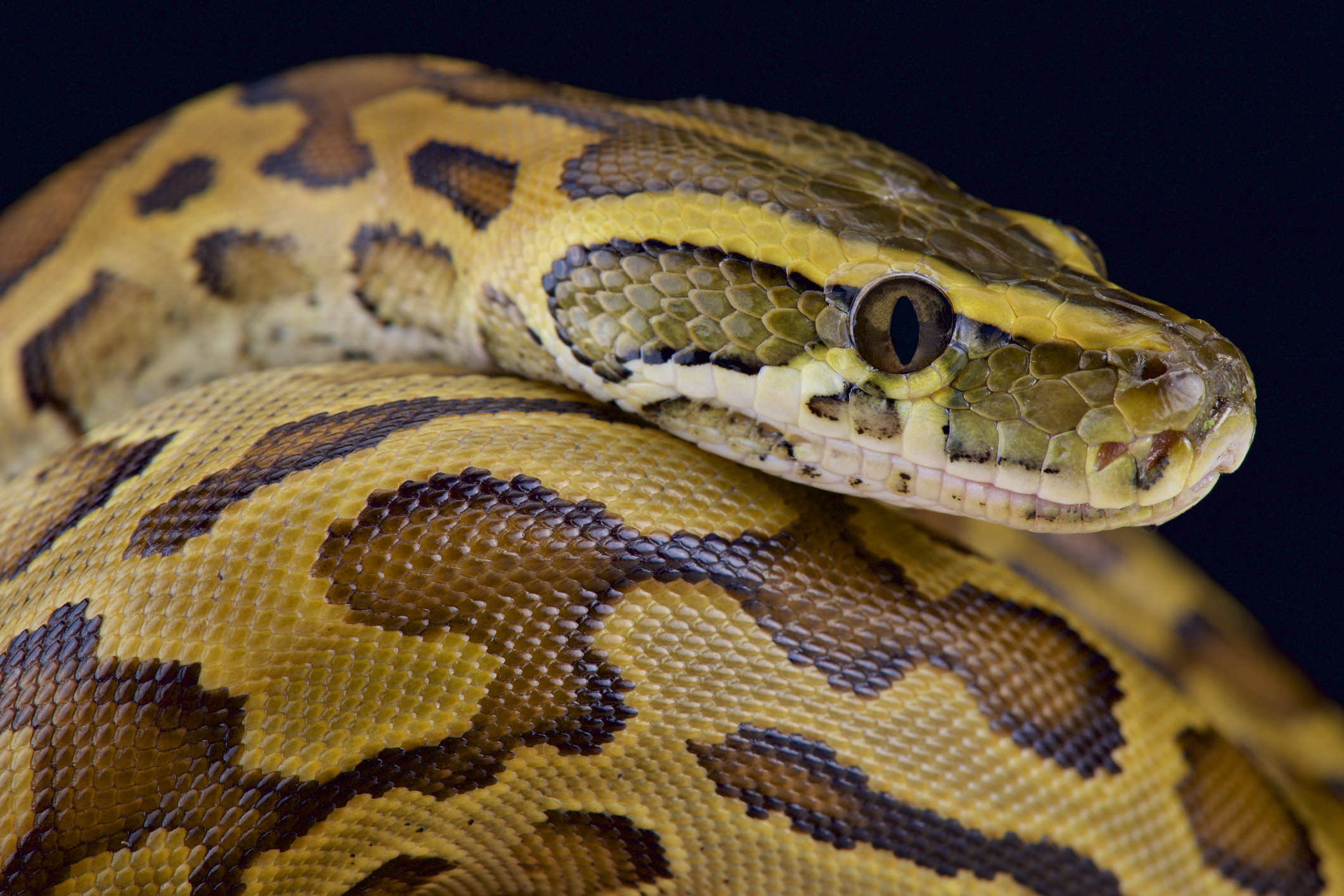
The continent’s largest snake can nudge 6m in length and is the only non-venomous species to make our list. Pythons, like boas and anacondas, kill their prey by constriction. Following an initial grasping bite, they coil their body around their victim and squeeze – very hard. Prey is swallowed whole. Slack-hinged jaws and elastic skin allow them to open wide enough to allow the passage of animals of a girth that far exceeds their own.
A rock python has been documented devouring a 70kg hyena, so should be capable of dealing with a human.
Most confirmed cases involve captive snakes. In 2018, a British man was killed by his pet rock python, although it didn’t swallow him.
While there is a handful of unsubstantiated historical reports from the wild, confirmed cases are vanishingly rare. In 1979 in Northern Transvaal, South Africa, a 13-year-old boy named Johannes Makau was herding cattle when he was grabbed on the calf by a python hidden in long grass. His friend went to get help and, when he returned with adults 20 minutes later, the boy was completely entwined in the snake’s coils and already dead, his head covered in the snake’s saliva.
Mozambique spitting cobra (Naja mossambica)
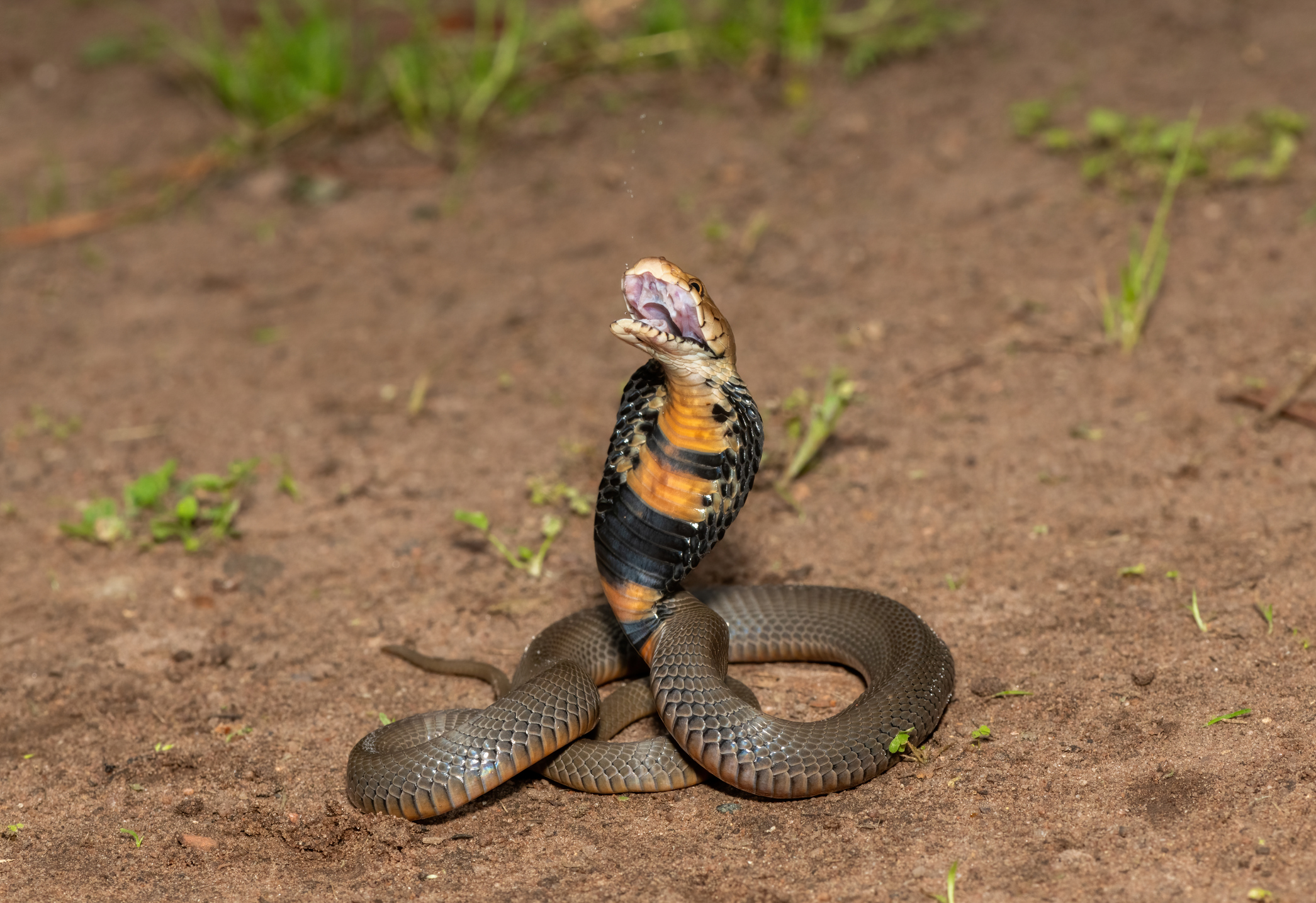
No venomous snakes see humans as prey animals. They wield their chemical arsenals against us only in defence. And some have developed a way to do it from a distance.
The Mozambique spitting cobra is one of several species able to spit - or more accurately, perhaps, squirt - venom at would-be assailants. Its short, stout fangs bear small, forward-facing openings at the tip through which the venom is fired under pressure.
The jet is aimed at the eyes, and the Mozambique species is renowned for its accuracy. In experiments performed at the University of Bonn, Germany, it hit the target in 100 per cent of trials.
The venom contains toxins honed to inflict immediate pain and may cause temporary or even permanent blindness. And if an attacker still doesn’t get the message, the cobra can resort to delivering its venom in the conventional way. Its bite is quite capable of killing an adult human, and survivors are often left with permanent disfigurements caused by necrosis of the skin around the wound.
West African carpet viper (Echis ocellatus)
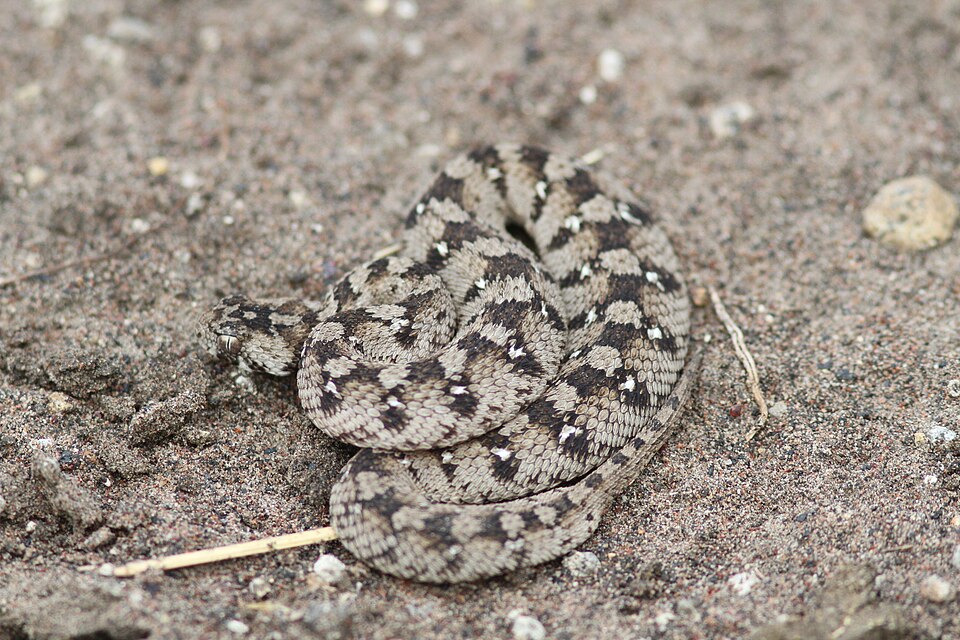
This is a striking species in more ways than one. The West African carpet viper has bulging eyes, black and white eyespots running the length of its body and produces a loud rattling hiss by rubbing its scales together. It’s an active predator with a reputation for aggression that accounts for the most snake-inflicted human deaths in the savanna regions of West Africa.
Across its range, as many as one in every 200 people are bitten each year, and in parts of Nigeria its victims occupy more than ten per cent of all hospital beds. Its potent venom prevents the blood coagulating, resulting in internal bleeding and a fatality rate of 10–20 per cent if left untreated.
Stiletto snakes
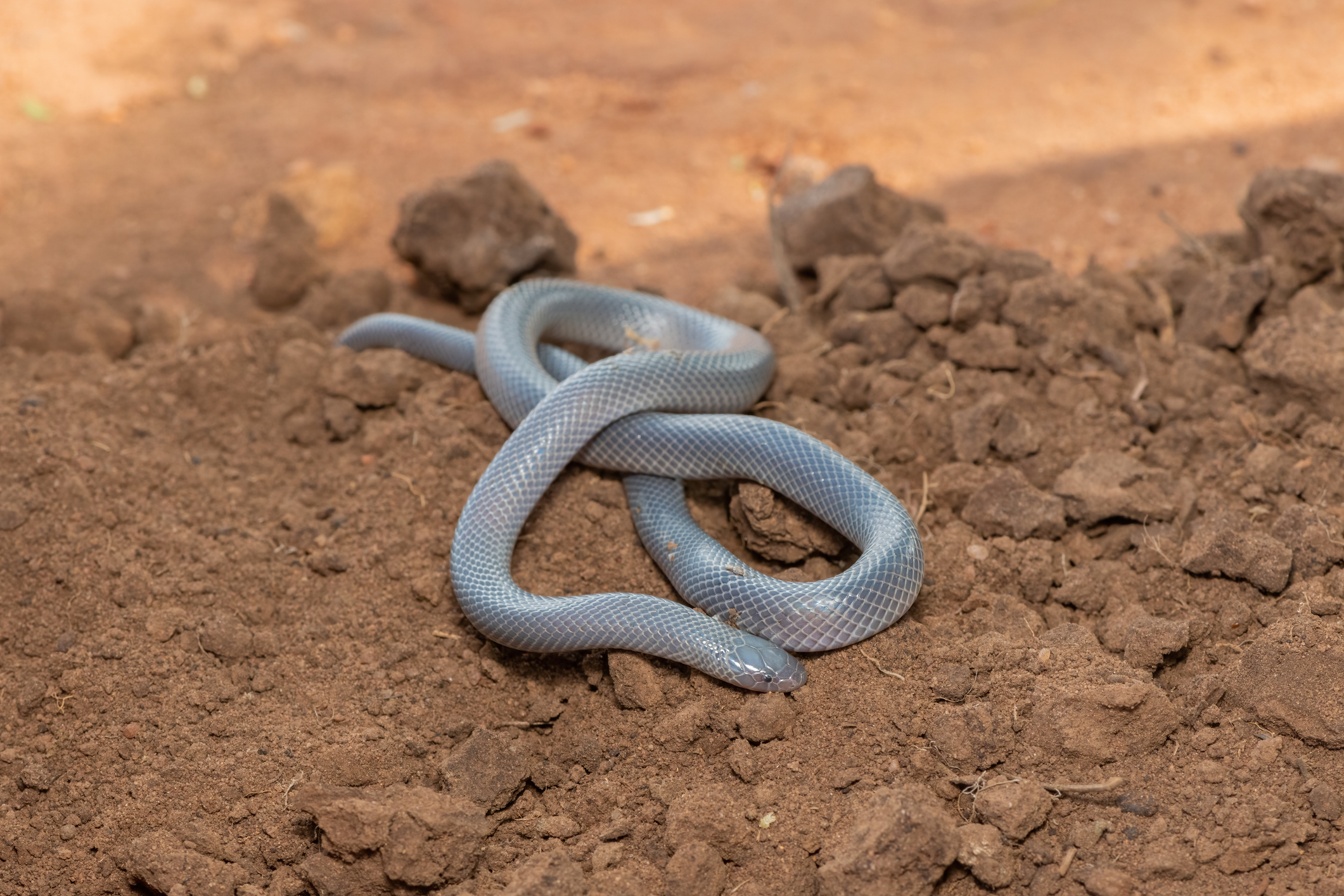
They don’t enjoy the infamy of cobras, mambas or vipers, but these inconspicuous little burrowing snakes are armed with a lethal tissue-destroying venom that they can deliver without even opening their mouths.
Stiletto snakes comprise a group of closely-related species (it’s still not clear exactly how many there are) that range across Africa and the Middle East. They are usually seen above ground only after heavy rains, and people tend to get bitten when they try to handle them in mistake for similar harmless species.
- “Security tapped me on the shoulder. A deadly green mamba was slithering across the desk”
- A snake hitched a ride to a remote Pacific island. This is what happened next.
A stiletto snake’s fangs are very large for its body size and can be protruded horizontally from the sides of the mouth, earning them the alternative name of “side-stabbers”. This means they cannot be safely restrained in the usual way by gripping them behind the head. In fact, any attempt to handle them is likely to result in a bite, and no anti-venom is available.
Only three or four of the various species pose a mortal threat to humans, although bites often result in the amputation of digits.


