
Pound for pound, jaguars have the strongest bite force of any cat on the planet. They use this incredible bite to crush skulls and snap vertebrae.
- 10 animals that can kill a lion: Which animals are brave enough to take on the King of the Beasts?
- 7 animals that can kill a rhino: They may be fearsome, heavily armoured, and weigh more than 2 tonnes but they aren’t invincible
But there are a few species who have the potential to take down a jaguar. Three are predators, and four are species that are capable of killing jaguars while defending themselves. Some of these are animals we often consider gentle and harmless – one even has no teeth – and yet they have the potential to kill one of the most powerful predators on the planet.
7 animals that can kill a jaguar
Giant otter
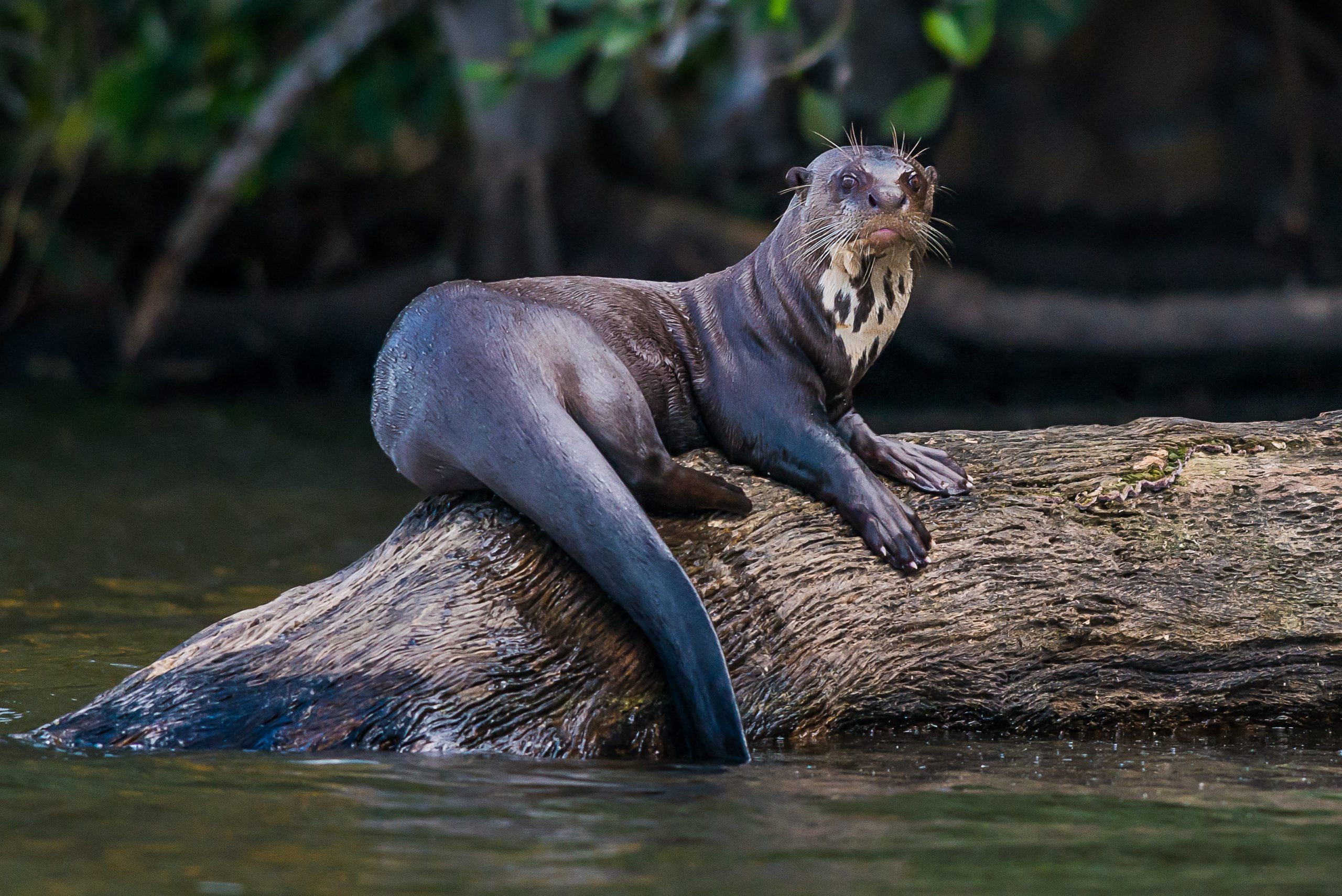
These six-foot-long South American river-dwellers live in big family groups and mainly eat fish, although snakes and caimans are also on the menu. Highly territorial, they become ferocious when a jaguar approaches. This is because jaguars are competitors for prey, but also because they do, occasionally, try to eat giant otters. So, it’s best not to tolerate them in the area.
- 7 fascinating facts about giant otters
- It's four feet long, weighs 29kg and has a phenomenal 100-160,000 hairs per cm², sporting more than a billion hairs in total
It is a rare occurrence that a jaguar successfully kills an adult giant otter. In fact, there’s only one verified account of this happening, and importantly, the otter was out of the water and by itself. One-to-one, and on land, giant otters stand little chance of surviving a jaguar attack, but they are rarely alone, and they are usually in the water – and this is where the tables turn.
In the water, giant otters form cooperative groups that surround the jaguar, scream and hiss at it, and – if the attack escalates – lunge and snap. One giant otter might not do much harm, but a group is capable of some serious damage. While there have been no verified instances of giant otters killing a jaguar, the fact that even fully-grown jaguars will avoid groups of giant otters tells us that they are probably able to cause serious injury.
Giant anteater
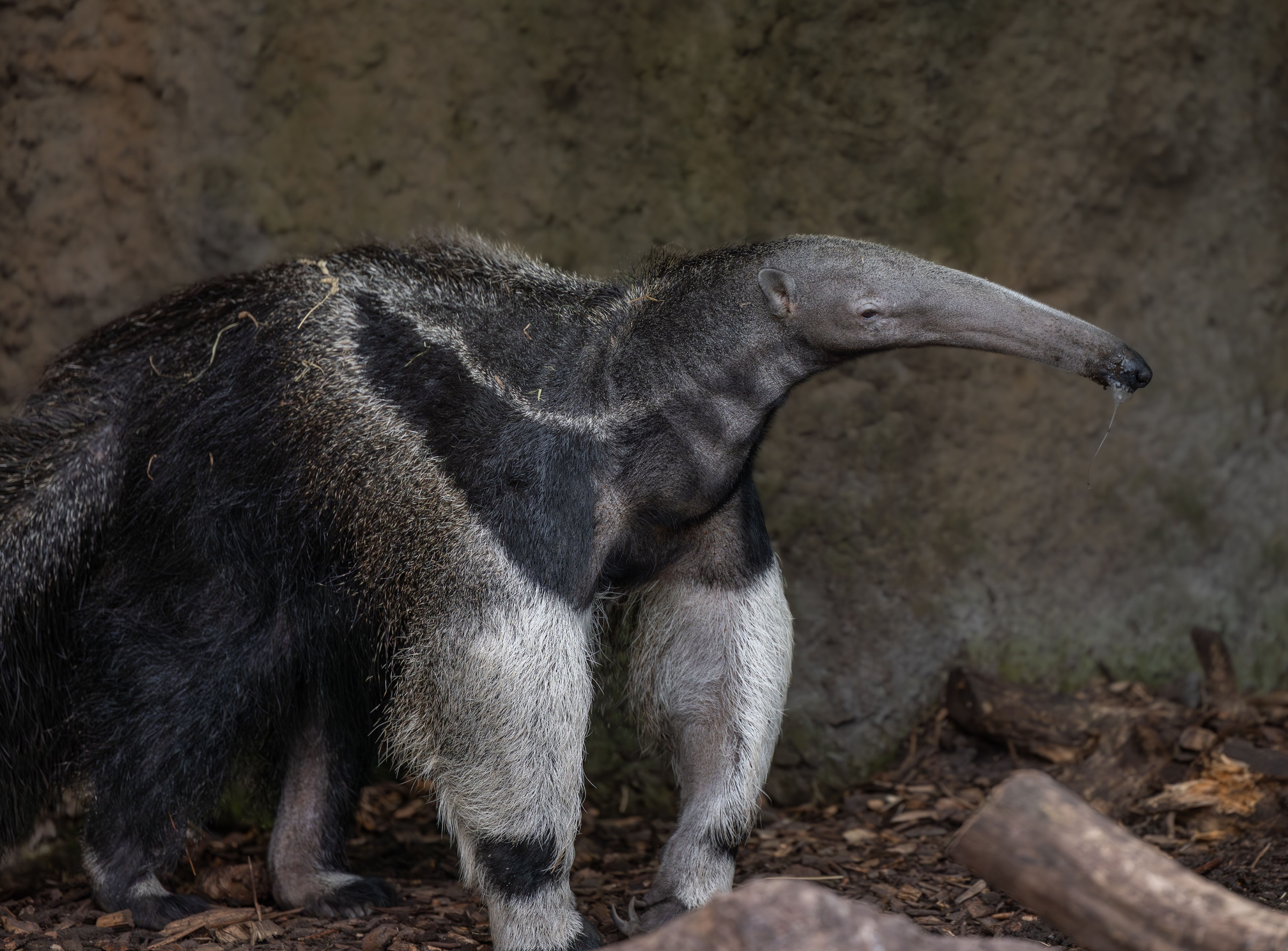
A fluffy insectivore with no teeth and a slow, bumbling walk might not seem ferocious enough to take down a jaguar, but when their lives are threatened the claws come out…
There are legends throughout South America about jaguars and anteaters being found dead in one another’s arms: the jaguar with its teeth still sunk into the neck of the anteater, and the anteater with its four-inch-long razor-sharp claws sunk into the jaguar.
- This bizarre-looking animal swims, climbs trees and is toothless – and can even fight off pumas and jaguars if necessary
- "They rip into the throats or bellies of their prey and hold the carcass down while stripping off chunks of flesh" 10 deadliest claws on the planet
These stories have never been verified, but legends often have a basis in fact, and it is well known that jaguars are very careful around fully grown anteaters. One swipe of those claws, which are usually used for cracking open termite mounds and logs, is enough to sever an artery.
Indeed, in 2012 a man died while trying to stop an anteater from attacking his dogs. Deep in the Amazon, he approached the anteater with a knife, but the anteater got to him first, grabbing him in an ‘anteater hug’ and puncturing his flesh with its claws. An artery in the man’s leg was sliced open, and he bled to death.
One swipe to a jaguar’s throat, and the very same could happen.
Despite the danger, though, in some regions of South America jaguars prey heavily on anteaters. In Cerrado’s vast grasslands, giant anteaters make up 75% (by mass) of their meals. It is thought that the jaguars here have become anteater-hunting specialists. It is probably naive jaguars, without much experience with giant anteaters, who are at the greatest risk of injury.
Electric eel
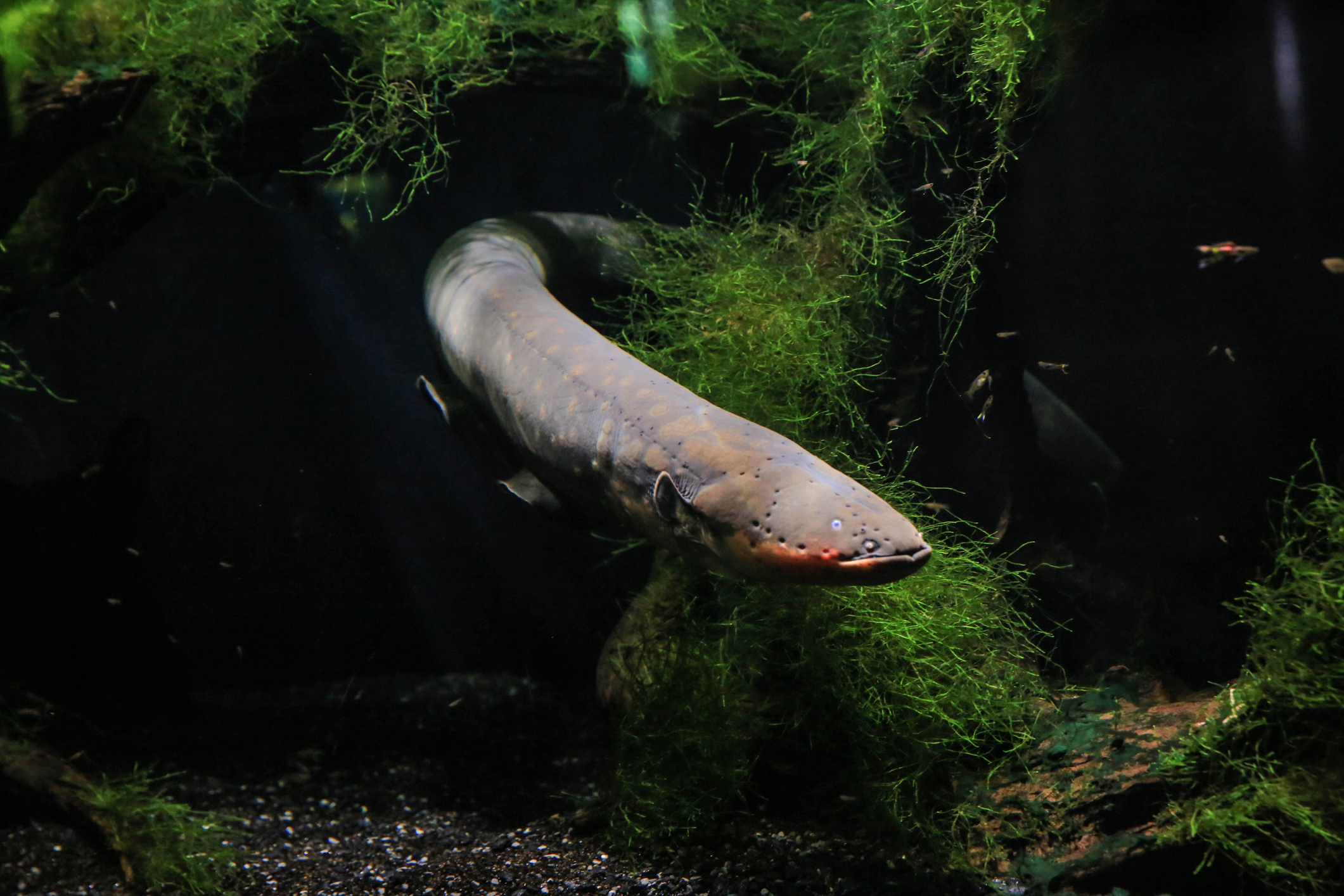
Possibly one of the most formidable animals in the Amazon, electric eels can produce enough electricity to kill a horse – over 800 volts in a single shock. They don’t only save such shocks for their prey either. Sometimes, if they feel particularly threatened, they will leap out of the water and press their bodies against whatever is spooking them.
While there have been no documented cases of an electric eel shocking a jaguar to death, we know that they defensively strike threats and that their shock would be strong enough to kill a big cat. And a human, for that matter.
Electric eels have shocked humans before, while both are in the water. The force of the shock leads to muscle spasms, respiratory problems and heart issues, often leading to drowning.
Black caiman
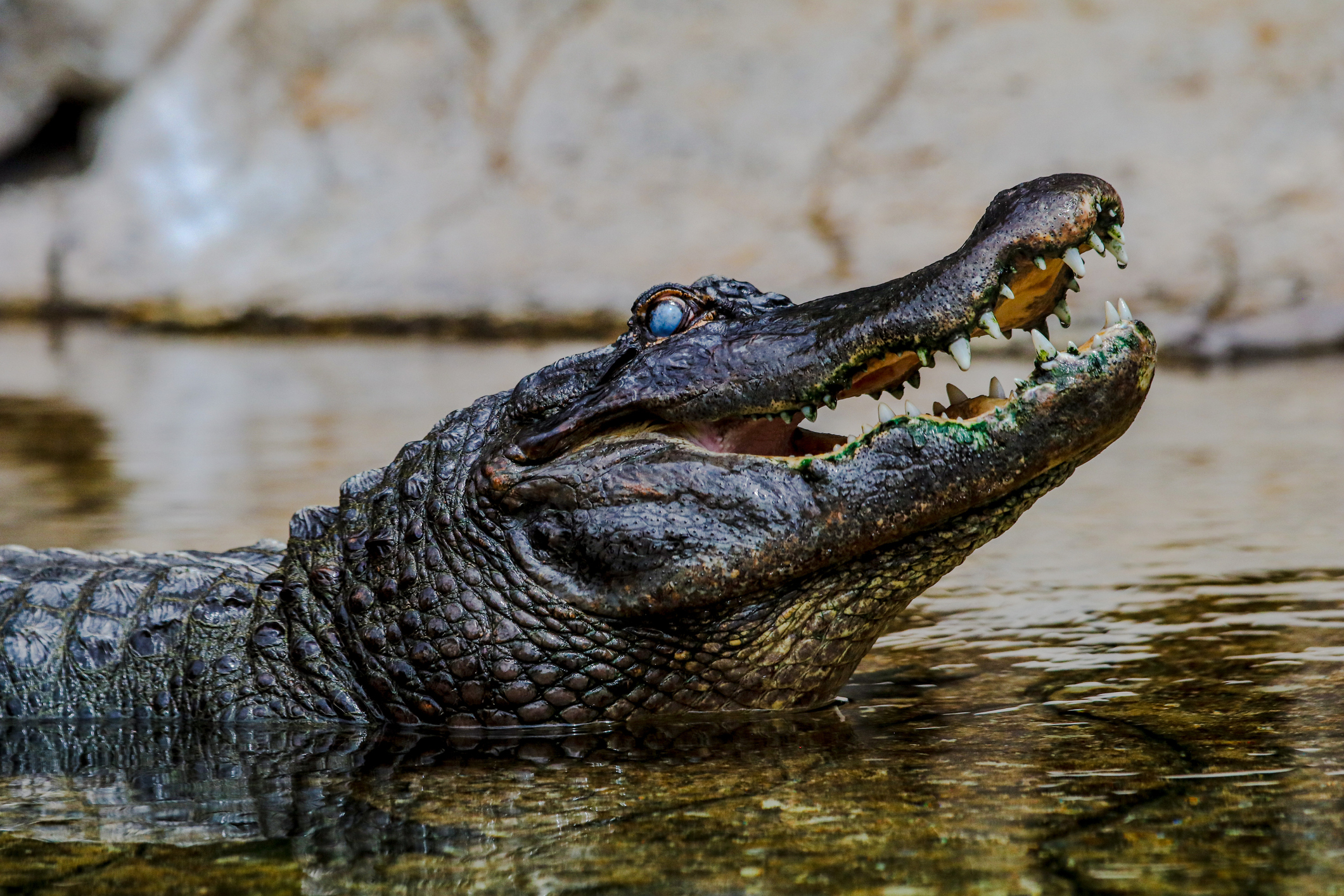
A species of crocodilian that can grow to three times the length and four times the weight of a jaguar, adult black caimans are thought to be able to take down jaguars if the jaguar is in water.
On land, jaguars would easily be able to escape a caiman’s powerful jaws, but the big cats are more vulnerable when swimming, and a black caiman’s strike is lightning-quick.
- A carnivore has moved into Florida's Everglades – and it's threatening native crocodiles and alligators
- “His wrist was gripped and ‘death-rolled’ three times”: Why conservationists in the Amazon are catching caimans
To kill big prey such as cattle, black caimans strike at them and then drag them into the water where they drown. It is not hard to imagine that these behemoths would be able to do the same to a jaguar. However, there has not been a documented case of this happening. On the other hand, we know that jaguars kill and eat even adult black caimans. There is no doubt, then, that jaguars are a much bigger danger to caimans than vice-versa.
Green anaconda
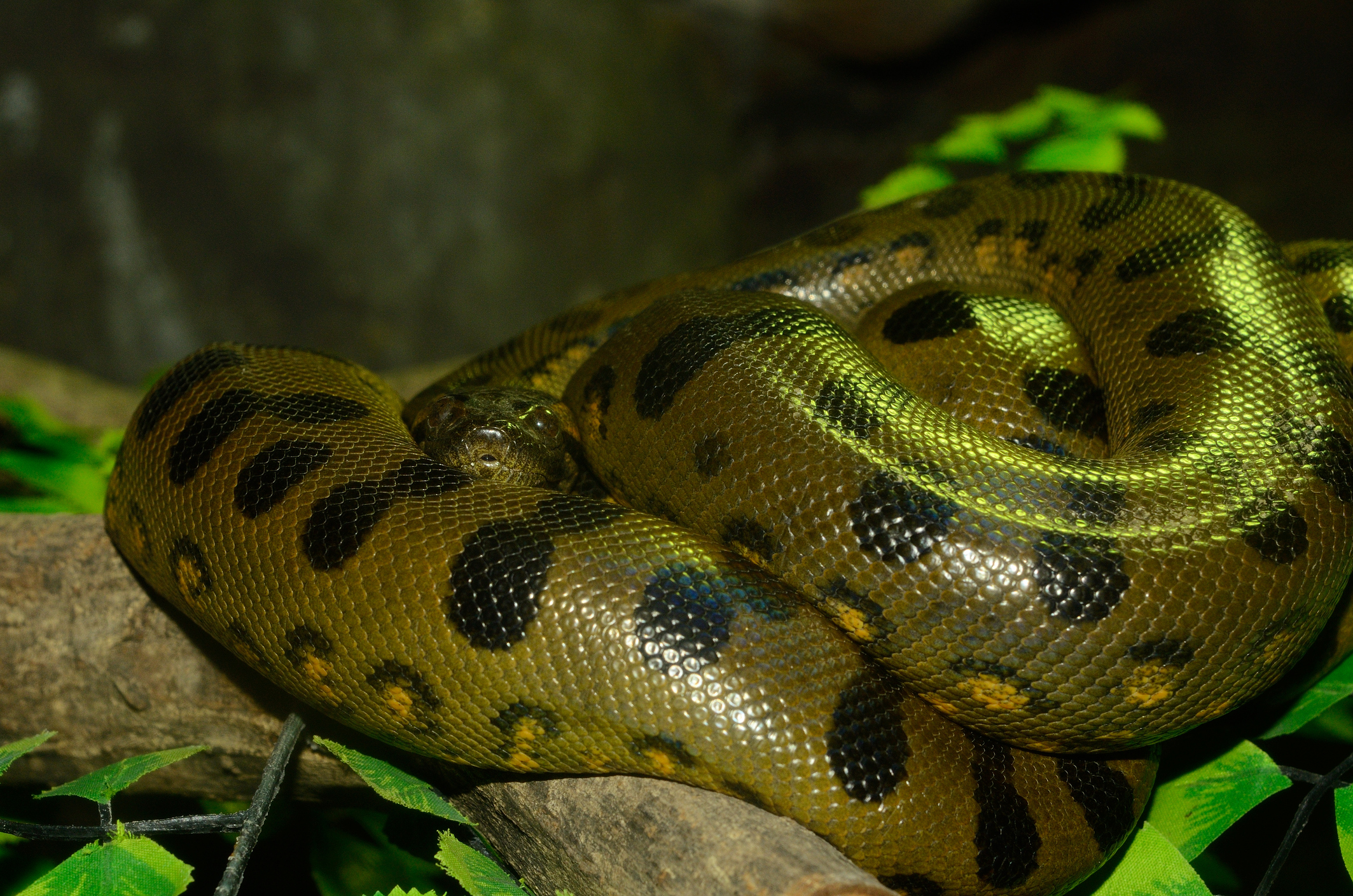
Jaguars prey on green anacondas, but some suspect that the tables can turn when these snakes reach a certain size.
Giant green anacondas, which can grow to over 20-foot-long, are the world’s heaviest snake, with some weighing in at more than 20 stone. They are agile underwater, swimming with almost no disturbance to the surface. After they strike their prey, they wrap their muscular bodies around it and squeeze. Prey usually die via drowning or heart attack.
- 10 biggest reptiles on the planet, from giant turtles the size of cars to snakes as long as double decker buses
- "Constriction prevents blood from reaching vital organs, including the heart, and that’s why you die…" 5 deadly snakes that can crush and eat people
While, in theory, it might be possible for a green anaconda to kill a jaguar, there are no verified reports of this occurring. Still, some think it is likely that on the odd occasion, extremely large snakes might put jaguar on the menu.
Jaguar
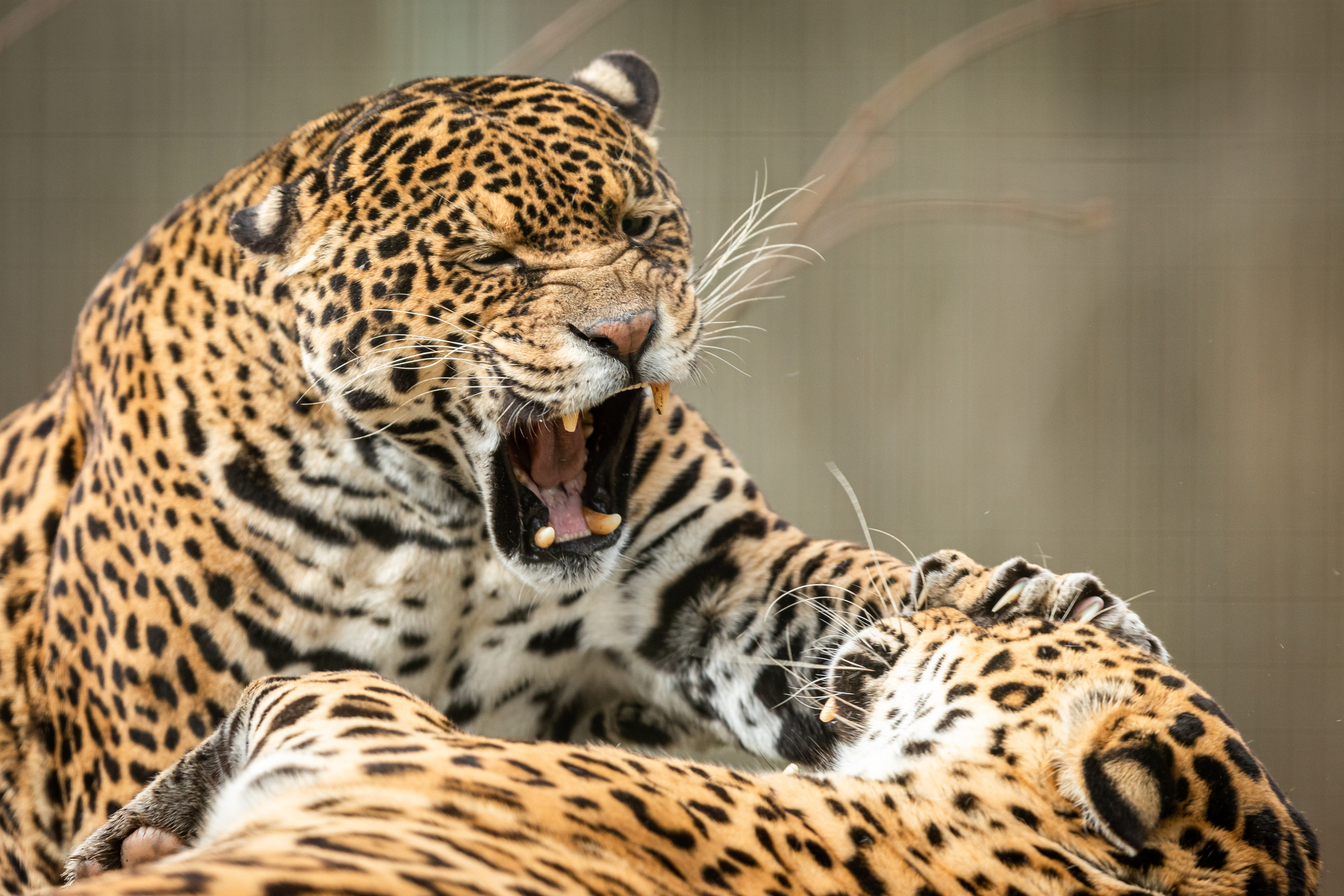
In 2007, scientists found a jaguar corpse in dense forest, and it looked like it had been attacked and partially eaten by another large predator. They wondered if this might be a rare case of jaguar cannibalism.
With a bit more investigation, they found that three other jaguars were in the area at the time of the kill, and one of these individuals had left scat (poo) with the remains of a jaguar toe inside it. The researchers surmised that, due to the social stress of so many jaguars in one area, a fight had taken place where one of the jaguars had died and it had then been partially eaten by another jaguar.
This was a very rare instance of cannibalism. Fights between jaguars that result in injury or death, but without cannibalism, may be slightly more common – but an adult jaguar being killed by another is still exceptionally rare in the wild.
Infanticide, on the other hand, is more common. This is where male jaguars kill cubs so that the mother becomes fertile again, meaning he can mate with her and have cubs of his own. Sometimes, mothers stash their cubs in hiding places while male suitors are around, and only return to them once he’s left the area, thus protecting them from his cub-killing tendencies.
Of all the nonhuman animals that share a jaguar’s habitat, it is their own kind that jaguars need to be most wary of. Numbers 7 – 3 on this list could theoretically kill a jaguar, but we know for certain that jaguars do kill, and occasionally eat, one another in the wild.
Human
We undoubtedly pose the biggest threat to jaguars. While illegal poaching and retaliatory attacks on jaguars that kill livestock play into this, it is the destruction of their habitat that is the biggest threat facing these formidable and beautiful cats today.
40% of jaguar habitat has been destroyed over the last century, and much of their remaining habitat is highly fragmented and at risk of destruction. They have been wiped out from some areas entirely, and are now considered extinct in Uruguay and El Salvador.
There’s no question that we, unfortunately, are the jaguar’s most significant killer.
Top image: Wirestock/Getty Images


