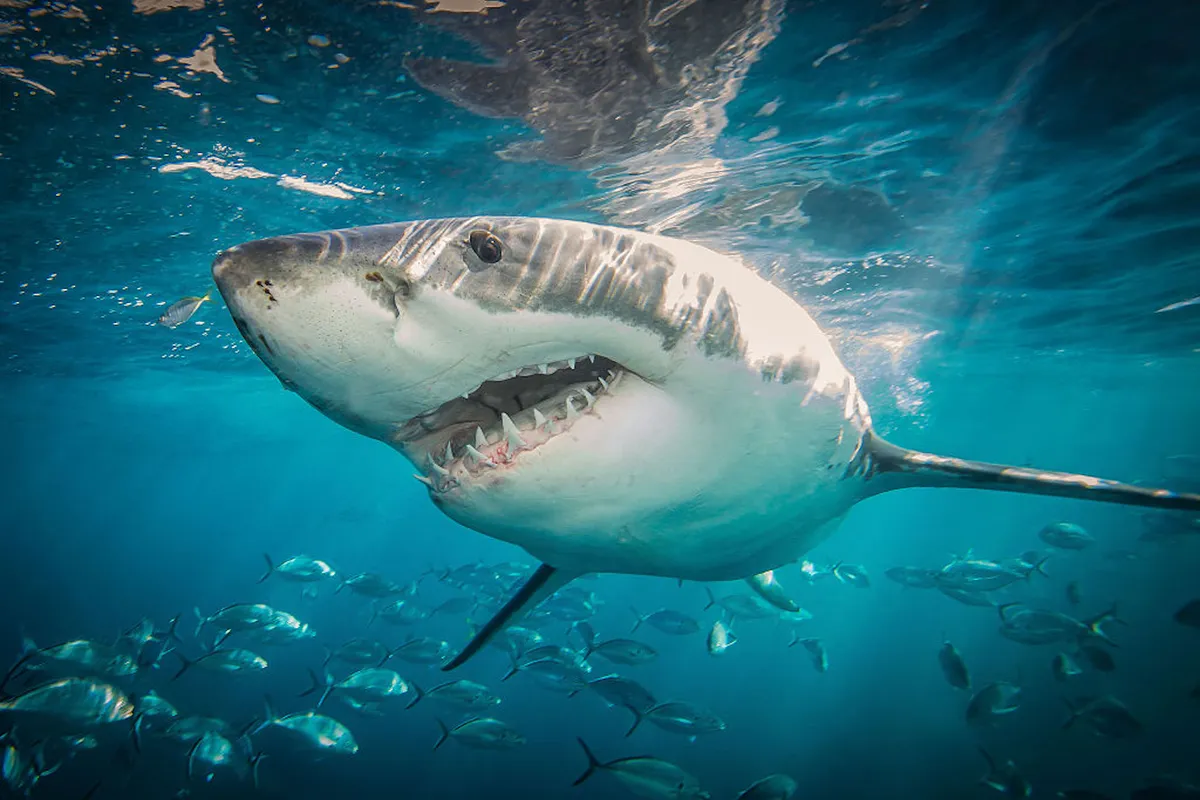
When you think of dangerous marine life, you might conjure up images of shark bites in Florida, box jellyfish sneaking through Australian waters or hungry saltwater crocodiles surfing open ocean currents. What might not immediately come to mind is the English Channel - but make no mistake, some of the creatures within its waters can be dangerous.
- 10 deadliest rivers in the world including a 'boiling river' that 'cooks' animals from the inside out
- 10 horrifying, prehistoric sea monsters: Discover menacing, deadly creatures that once ruled our oceans – and be glad they don't live today...
Here are a few of the deadliest creatures in the English Channel.
Deadly creatures in the English Channel
Weever fish
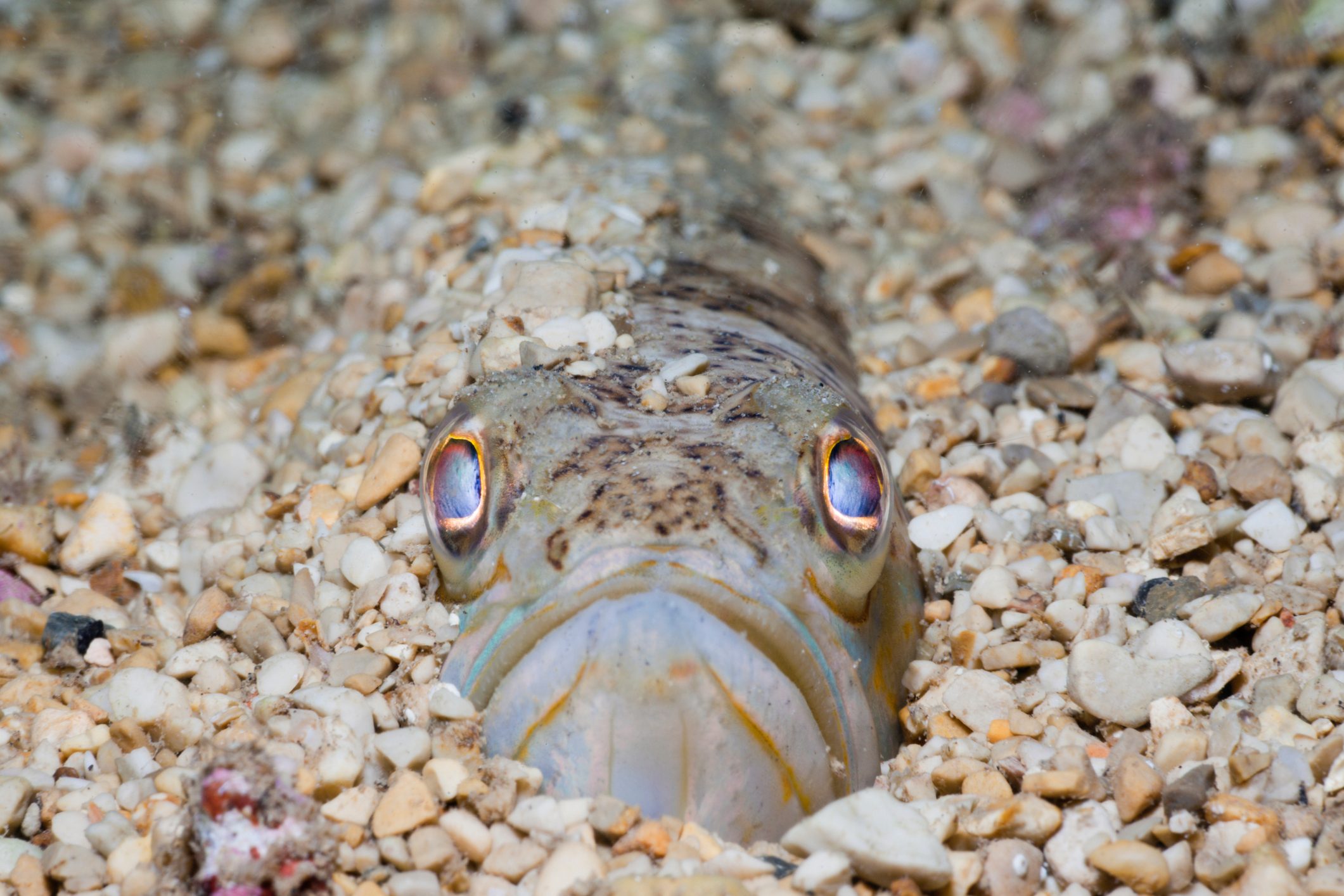
Be careful of your toes when going for a barefoot beach stroll along UK sea shores as lesser weever fish can be hiding in the sand. Although they’re small (around 15cm), these fish have venomous dorsal spines – if you step on one, you’ll know about it!
- 6 of the world's most venomous fish, from the deadly stonefish to the beautiful and dangerous lionfish
- Reef rockstars: Meet the fish that disguise themselves as rocks to ambush their prey – with deadly consequences
These pencil-sized predators aren’t out to harm humans: they bury themselves in the sand in the hope that some lunch might swim by. They don’t attack humans (I doubt our feet are particularly tasty to them) but if you don’t see them camouflaged in the sand, it’s very easy to stomp on their dorsal fin and get stung.
Weever fish stings don’t tend to be fatal (unless the person has an allergy) but they really hurt. If you stomp on a weever fish, you might experience swelling and numbness but the pain will go away with time. If you think you’ve been stung, try to find an RNLI lifeguard: they are taught how to treat weever fish stings as part of their first aid training.
Basking shark
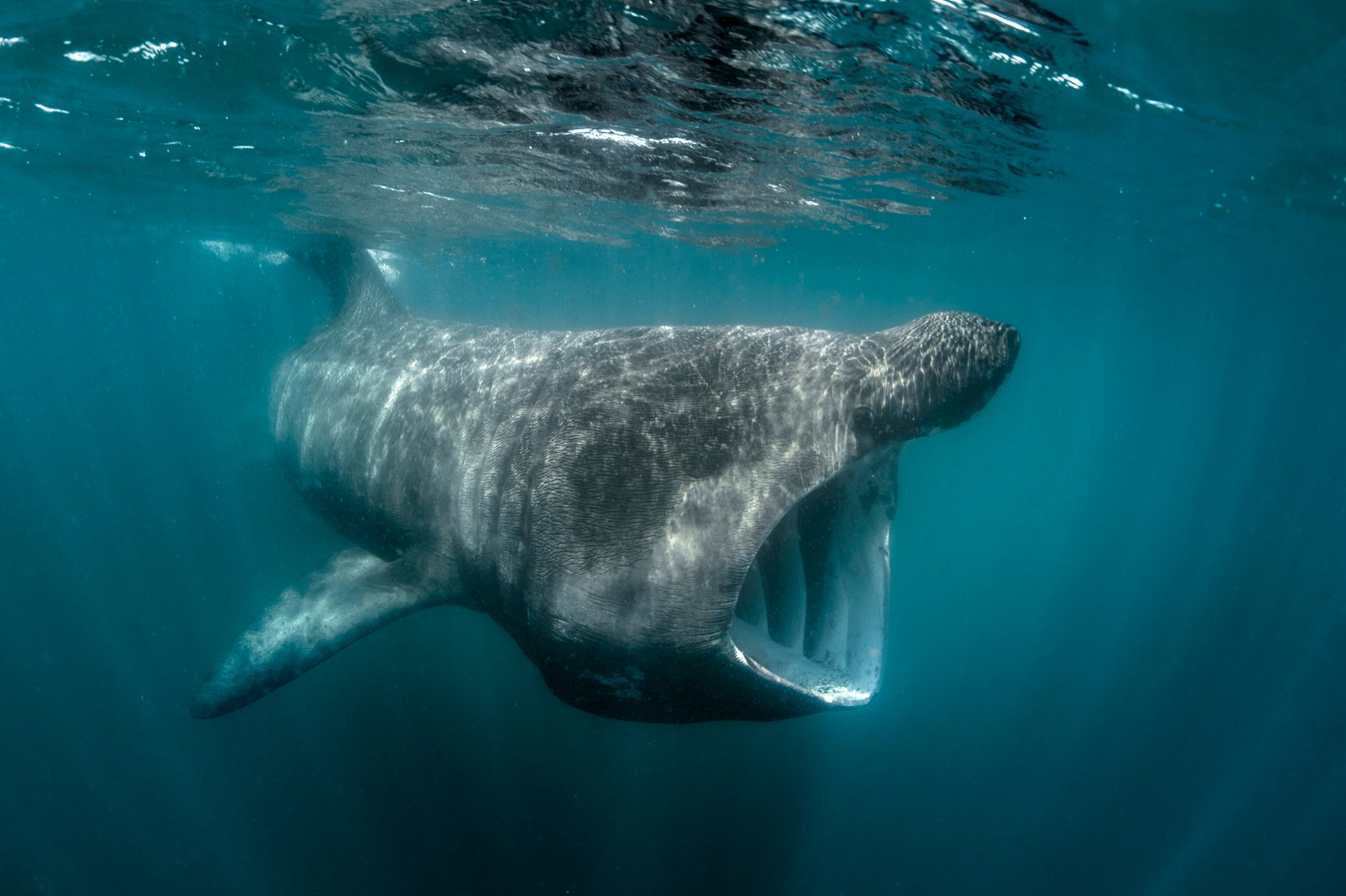
Bigger sharks don’t necessarily mean a bigger threat. Both the world’s largest shark – the whale shark – and the second largest – the basking shark – filter miniscule plankton from the water and are totally uninterested in humans.
- This primitive 'lizard shark' lived alongside the dinosaurs and is almost never seen alive
- What was the first ever shark? Meet the prehistoric predator that survived five mass extinctions
There have been accidents, though. Basking sharks, which are known to leap from the water in a massive breach, aren’t always paying attention to their landing spot. In 1937, a basking shark in Scotland launched itself out of the water and came crashing down on a nearby boat, causing it to capsize. Three of the five people on the boat sadly drowned. It’s the only record of basking sharks harming humans.
- There's a shark rush hour? Yes - scientists reveal the secrets of the ocean's 'Shark Highway'
- Is there really a shark that walks? Oh yes - meet the walking shark
Although the chance of having your boat squished by a basking shark is vanishingly rare, it’s a good reason to give them plenty of space while observing them in the water, which is – of course – better for these gentle giants too.
Growing up to 12 metres long, these behemoths visit UK waters during the summer months and may pass through the western English Channel on their way up to Scotland via Cornwall.
Bottlenose dolphin
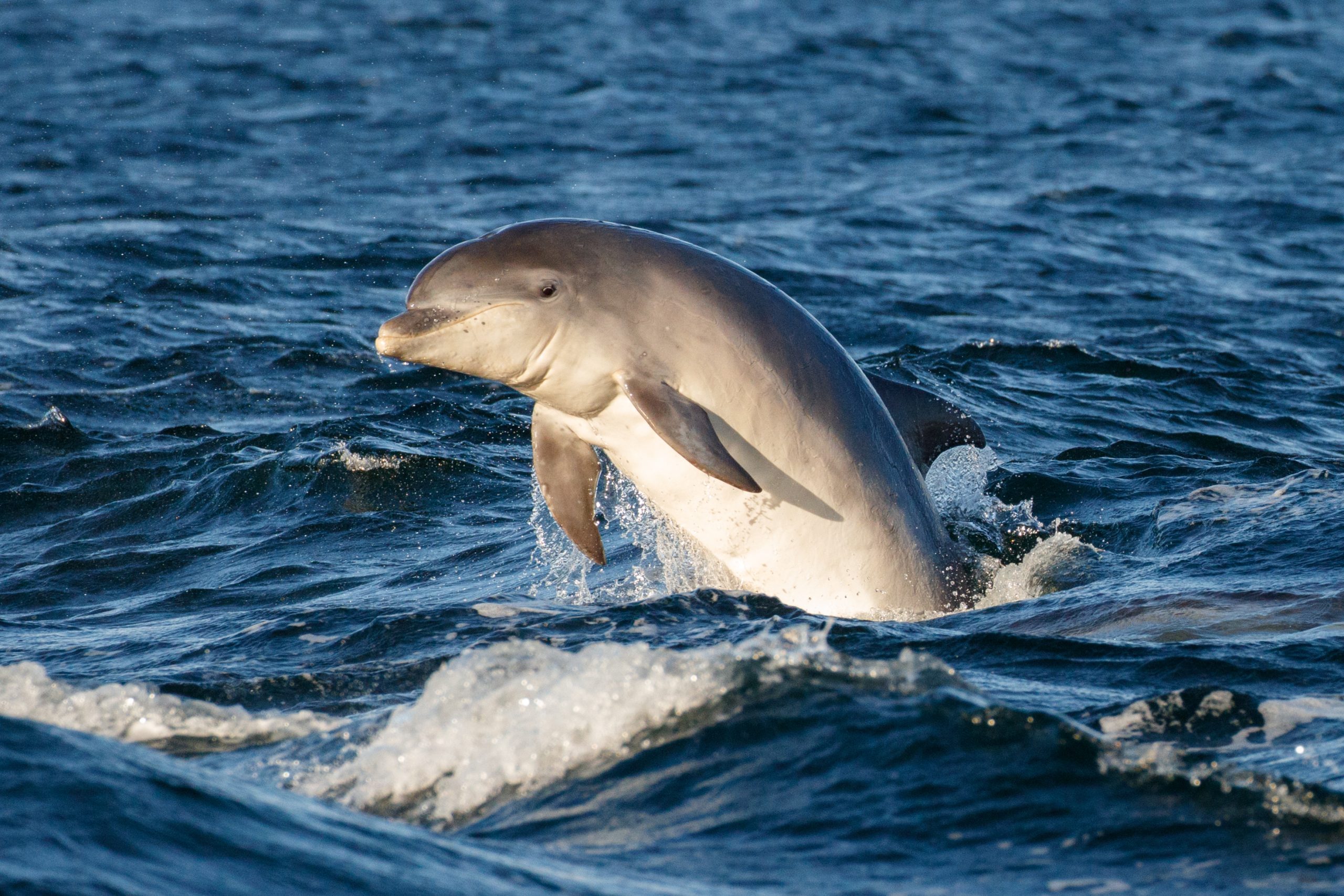
People often associate bottlenose dolphins with being highly intelligent and super friendly, and perhaps even rescuing people from harm (ahem, Flipper). But it's important to remember that adult bottlenose dolphins can grow to almost four metres long and weigh a massive 500 kilograms. So, if they start acting unpredictably, humans can become collateral damage.
- Whales, dolphins and porpoises of the UK guide: which species to look out for, how to identify, and where to see them
- "It doesn’t have much to smile about with fewer than ten remaining." 10 of the world’s rarest whales and dolphins teetering on the brink of extinction
These large, powerful animals can become dangerous when habituated to humans. In 2025, the behaviour of a dolphin in Dorset named Reggie concerned experts when he started getting too close for comfort to people in the water. At first, Reggie seemed playful but things soon escalated when he started trying to push people underwater.
Dolphins don’t set out to hurt people but the best way to protect yourself – and protect them – is to give them plenty of space and enjoy watching these beautiful animals from afar.
Grey seal
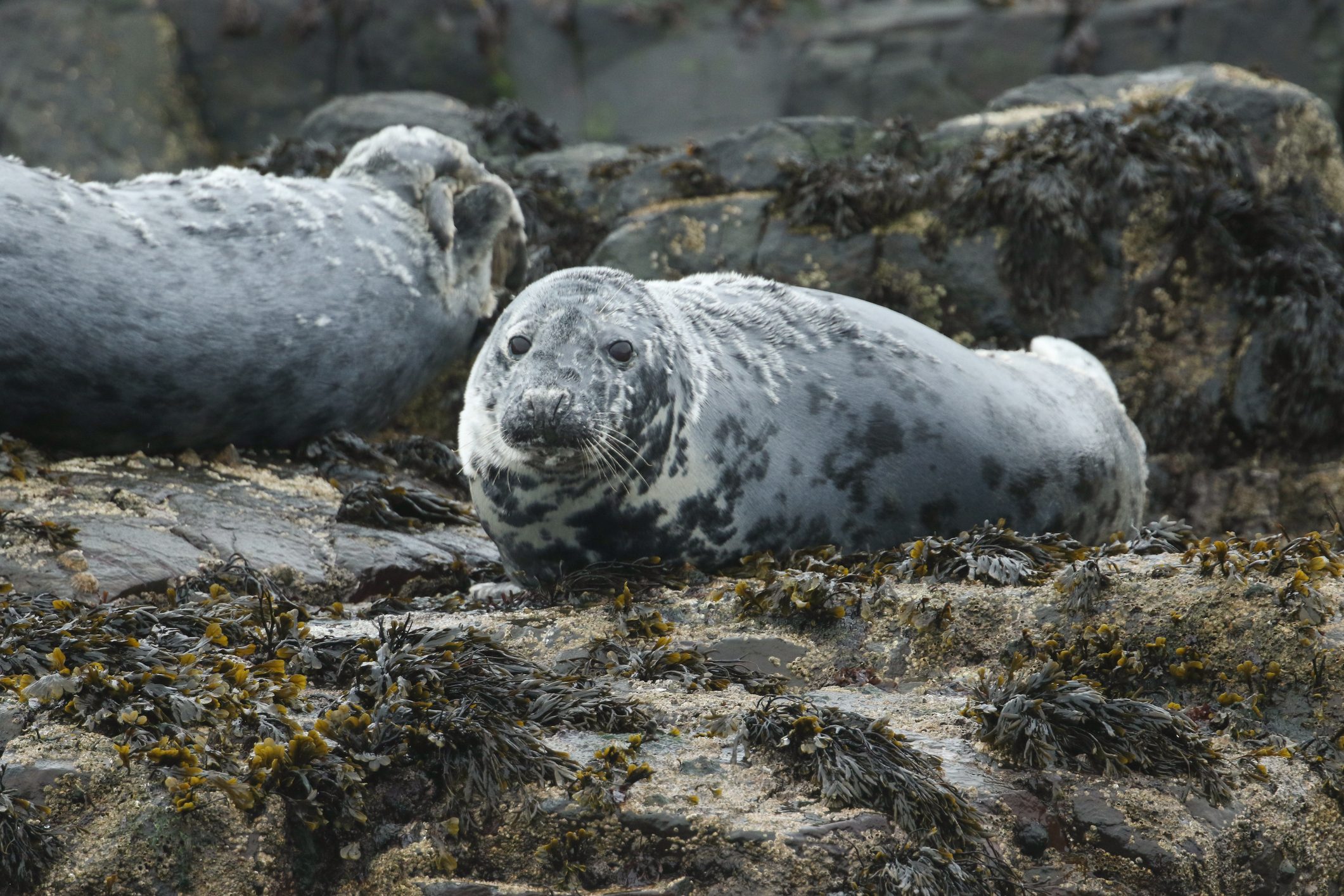
Seals are, arguably, one of the most adorable marine mammals that linger on UK coastlines – but don’t let their puppy-like appearance fool you into getting too close. Adult grey seals can grow up to 300kg (similar to a female polar bear) and they can land a serious bite with their powerful jaws if they feel threatened.
The bite alone isn’t the only thing you need to worry about. A seal’s teeth harbours lots of nasty bacteria that can cause a horrible infection (if you do get bitten by a seal, get yourself to hospital as the doctor will need to give you shots).
It’s natural for seals to haul out on coastlines to rest so, if you see one, stay at least 100 metres away to prevent stressing the animal out or getting hurt yourself. It goes without saying to keep dogs on leads too.
If you see a seal that needs expert help, don’t try to approach it yourself. Instead, call the British Divers Marine Life Rescue (BDMLR) who will send trained volunteers to respond.
Lion’s mane jellyfish
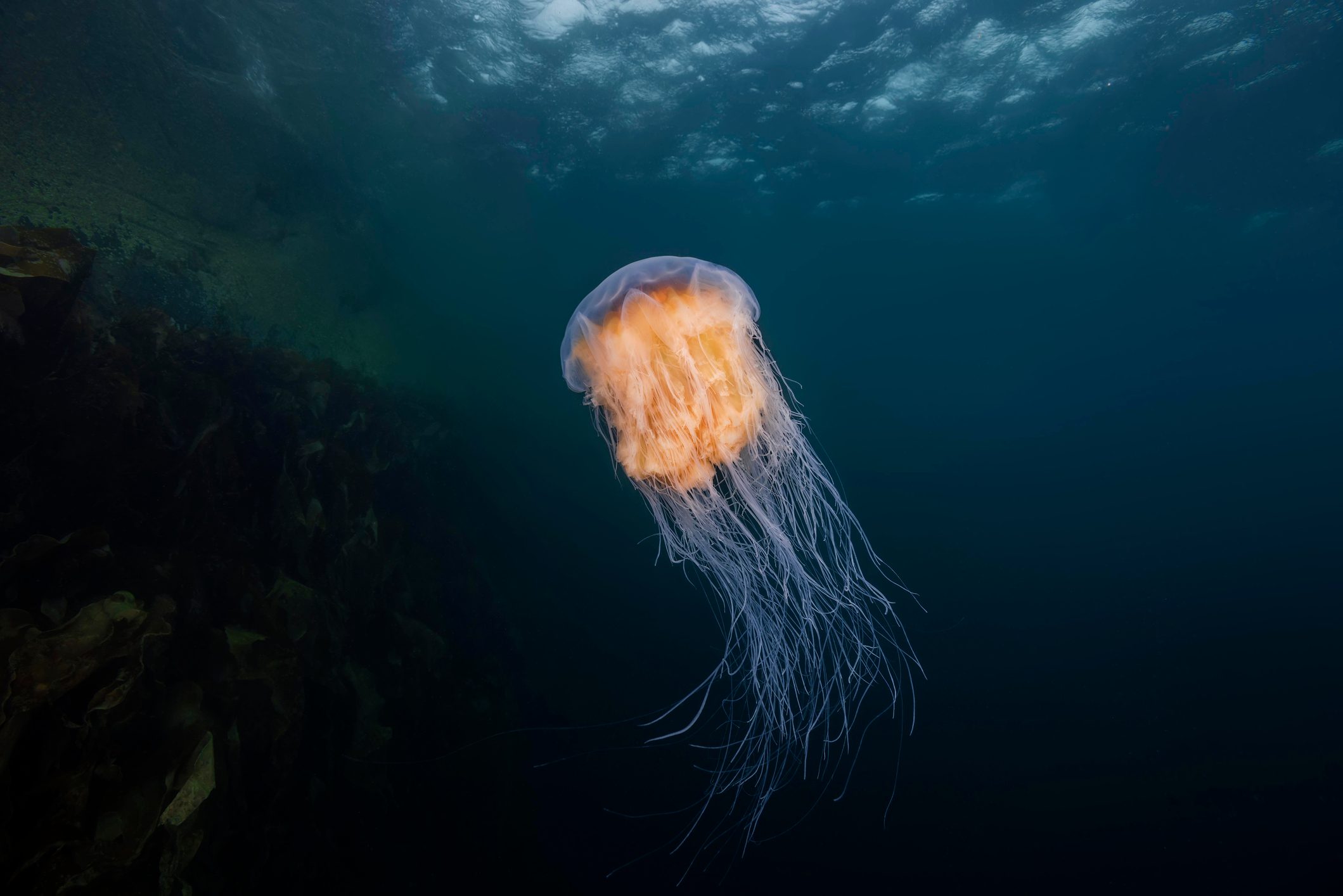
Most people would think twice before swimming towards the stinging tentacles of a jellyfish and you definitely don’t want to get stung by a Lion’s mane jellyfish. This species is one of the world’s largest jellies and, as you might expect, being stung by its iconic red tentacles is extremely painful.
- "Death can come within five minutes": Discover the 10 deadliest, most venomous, jellyfish on the planet
- It has 24 eyes and is one of the world's deadliest animals, with a sting so venomous it can kill a human in minutes
Fatalities are rare but symptoms from a sting can include swelling, welts, muscle pain, headaches and nausea, so if you’ve been stung, get medical help.
Portuguese man o' war
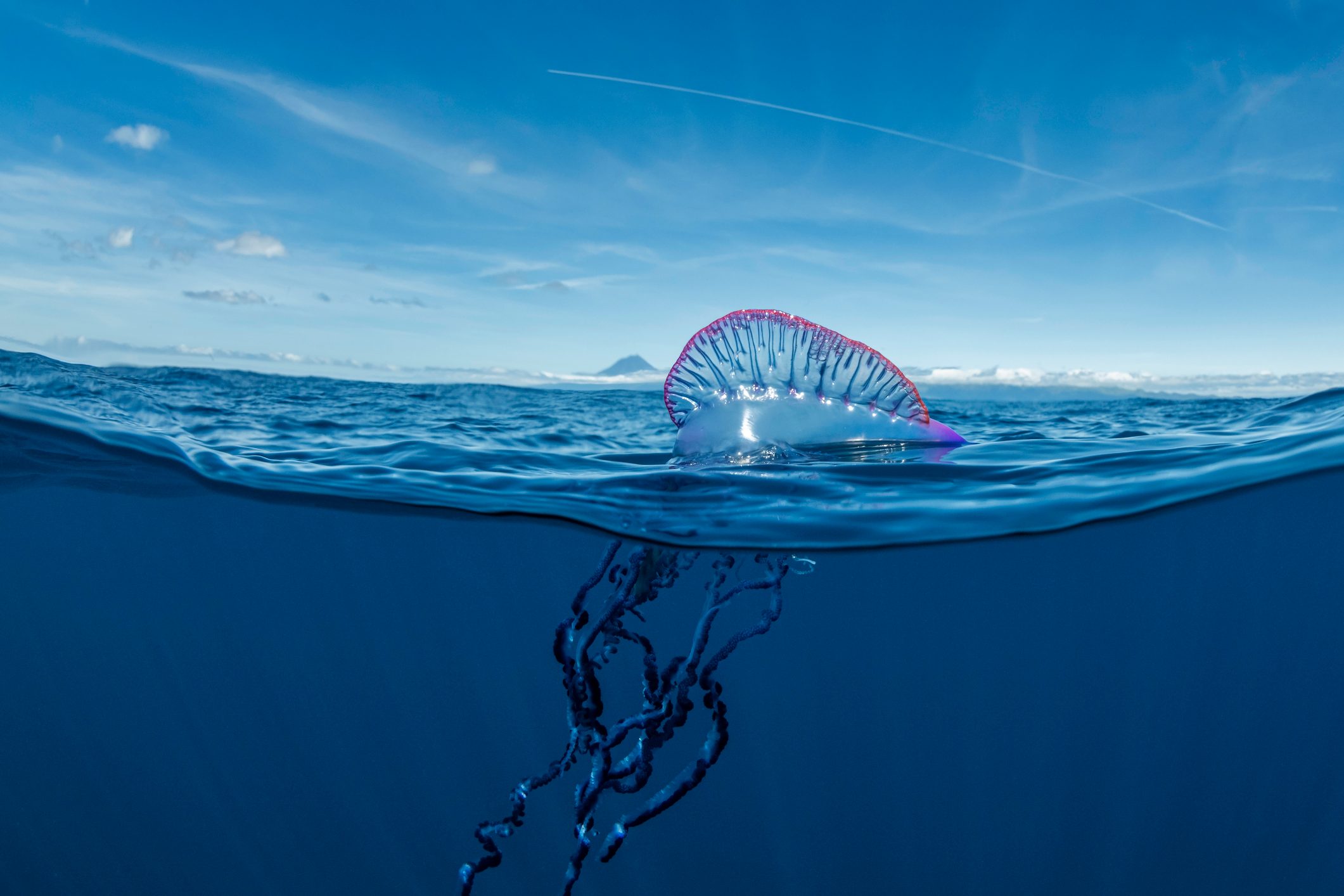
Sometimes, strange blueish creatures that look like something out of Avatar find themselves in the English Channel or washed up on the southwest coast of England.
The Portuguese man of war isn’t actually a jellyfish but a colony of polyps that all work together to survive (teamwork makes the dream work!). Their ‘sail’ on the top of their body helps them to catch the breeze and drift wherever the wind takes them (literally, they’re unable to swim against the current).
- From the only venomous primate to creatures that can kill you when they’re dead – meet 8 of the world’s weirdest deadly animals
- They're 2 metres long, 10,000 times heavier than the males and can even rip off the infamous Portuguese man o’war's tentacles and wield them as weapons
But, like jellyfish, they can sting… even after they’ve died so be careful of touching any that have washed up on the beach after strong winds. Symptoms can include pain, vomiting and shortness of breath and, while rarely fatal, they can stick around for several days.
Common stingray
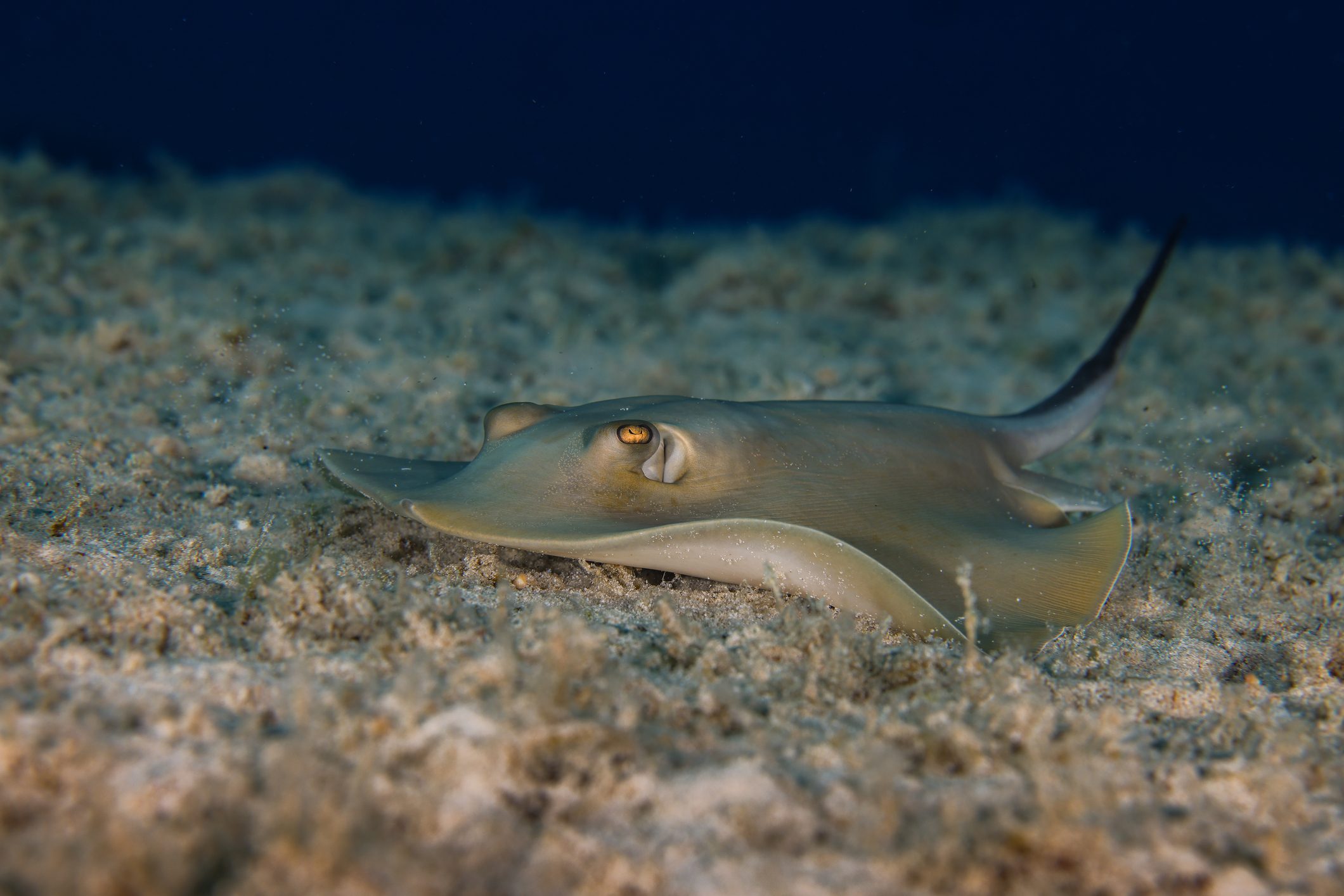
You might be surprised to hear that there are stingrays in British waters - but it’s true. Common stingrays are, well, common in the English Channel.
These animals are typically docile and shy but they do have a special weapon that they use for self-defence (if they can’t just swim away). The problem usually comes when someone steps on one of these rays by accident. When this happens, they can whip up their tail to plunge its venomous barb into your flesh.
- This stingray is about to have a 'virgin birth'. Scientists explain how
- "It's covered in toxic slime and capable of penetrating bone..." The river monster that's bigger than a snooker table and as heavy as a polar bear
As with most of the potentially dangerous creatures in this roundup, the chance of dying from a sting is remarkably rare. Fewer than 20 people are said to have been killed by stingrays globally since 1945 – perhaps the most famous of them being the ‘Crocodile Hunter’ Steve Irwin in 2006.