
Two new species of sea spider have been discovered in the Salish Sea off the west coast of North America, marking the first time a sea spider has been described from the region in almost a century.
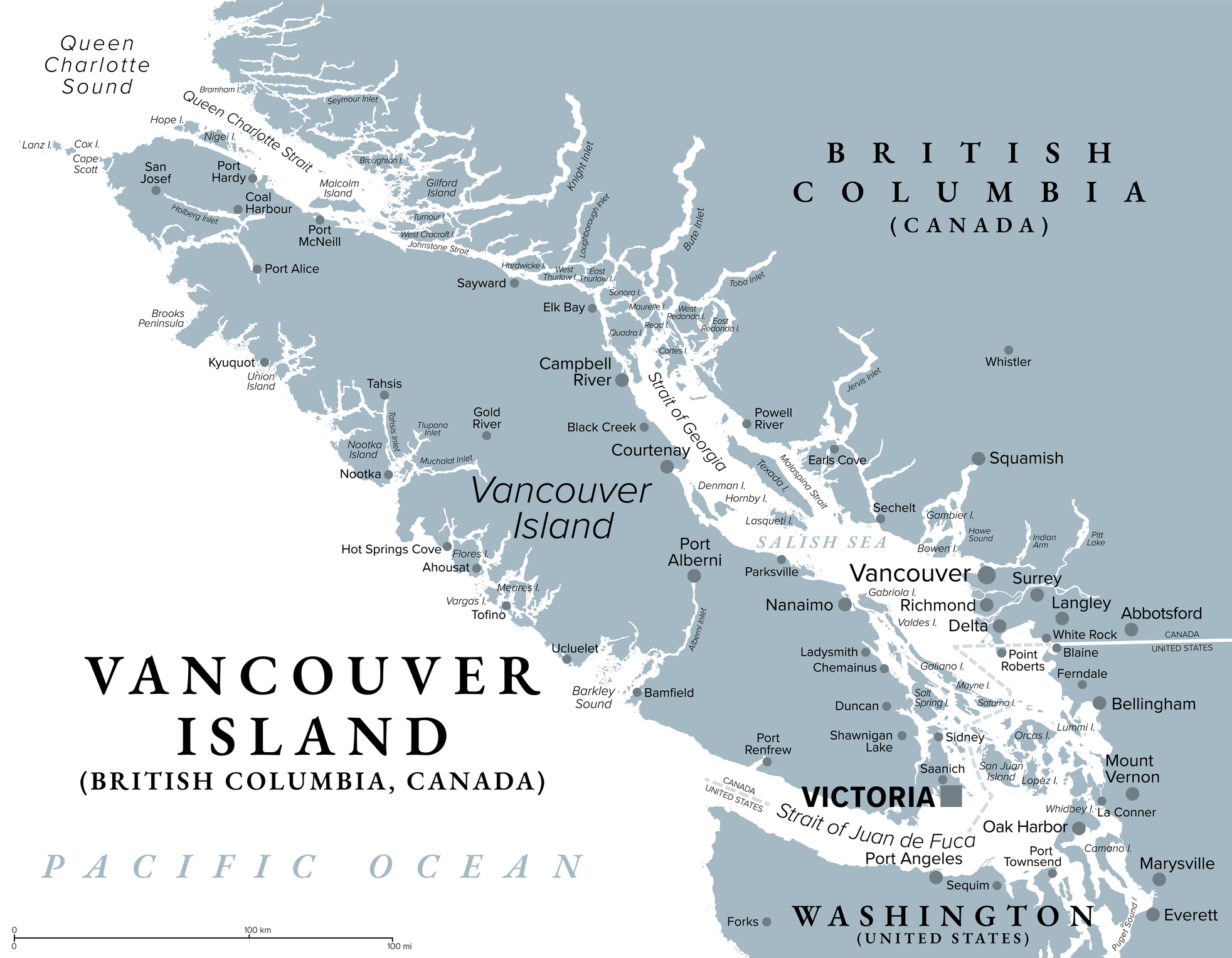
The marine arthropods (a group of animals with a hard outer shell and jointed legs) were collected by divers between September 2023 and August 2024 from several marine habitats, including Quadra Island, Vancouver, Bamfield and Victoria.
The discoveries – described in a new paper, published in the journal Organisms Diversity & Evolution – help improve our understanding of this poorly researched group of animals, says lead author Cormac Toler-Scott, who conducted the work as part of his master’s degree in zoology at the University of British Columbia (UBC).
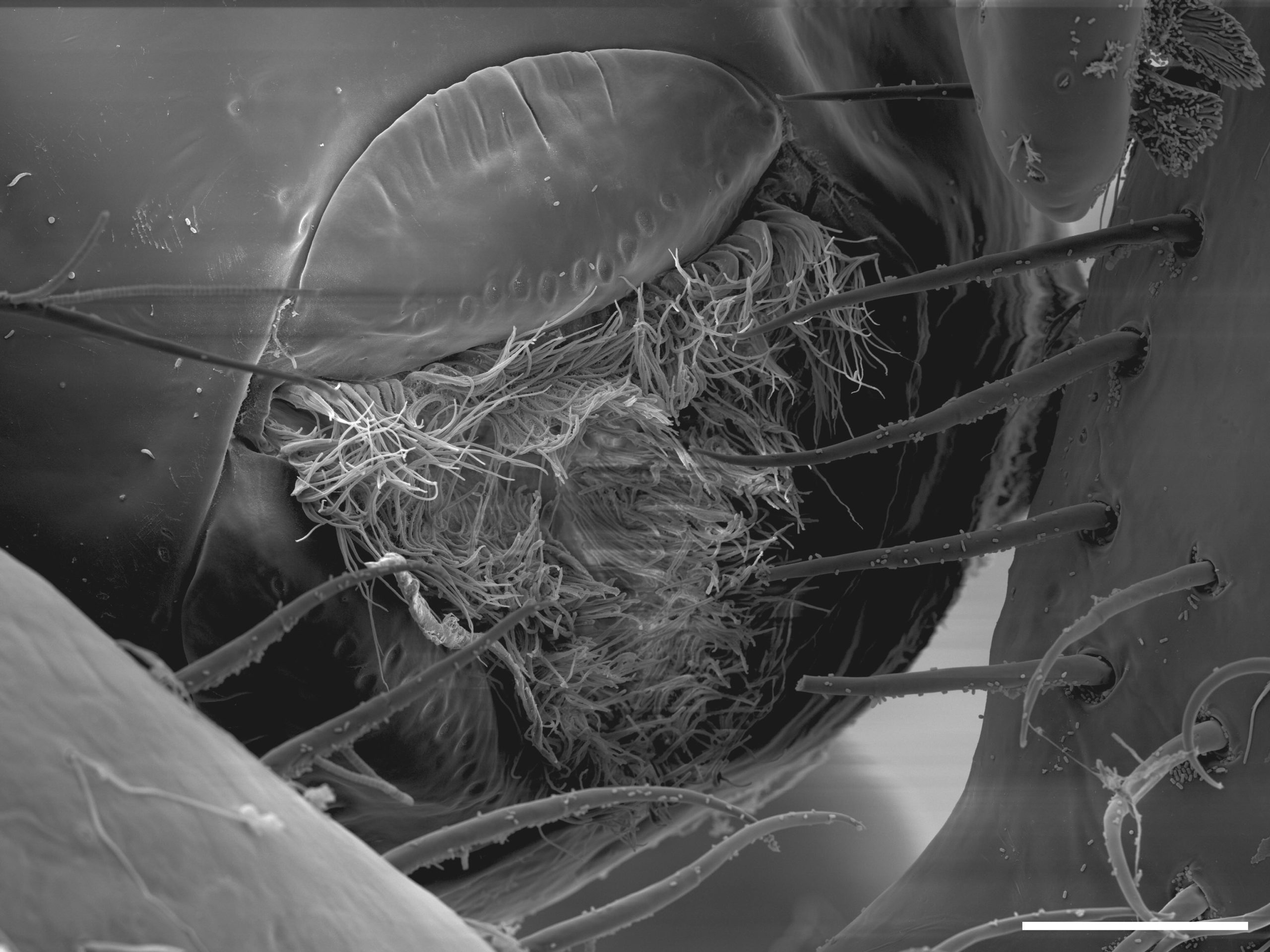
One of the species has long, curved spines (or 'hairs'), covering its lower legs, red eyes, a short proboscis, and claws to grasp food. It also has a three-lipped mouth covered in sensory tendrils, and nimble ovigers (a specialised pair of sea spider limbs), which it uses to groom itself. Researchers named this new species Callipallene pilosuspedes, after the Latin for ‘hairy feet’.
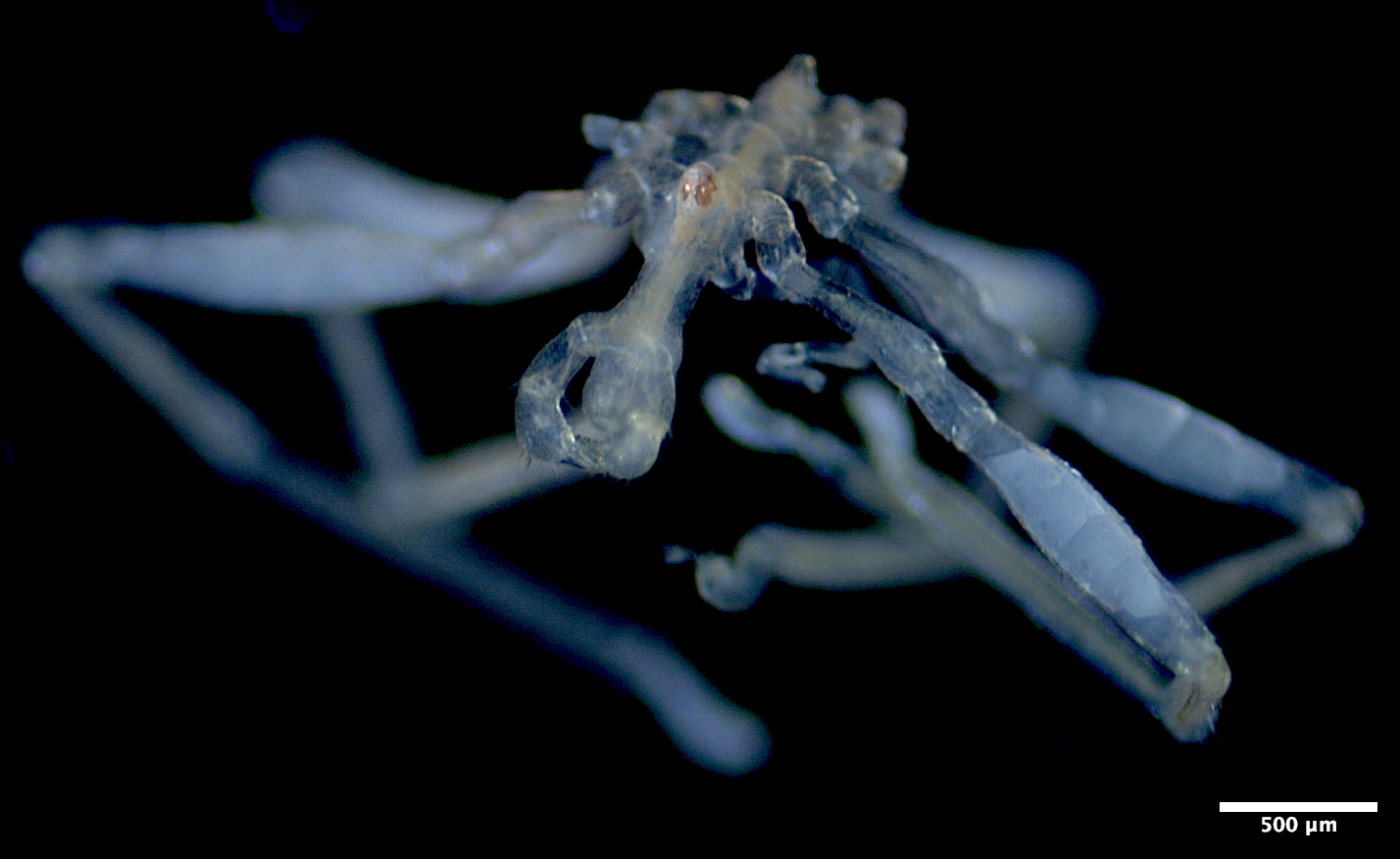
The second new species – Tanystylum kiixin, named after the ancient Indigenous village site near where specimens were collected – has smaller limbs than C. pilosuspedes. Toler-Scott says these sea spider specimens were often found covered with tiny parasites, creating what he describes as "an ecosystem within an ecosystem within an ecosystem.”
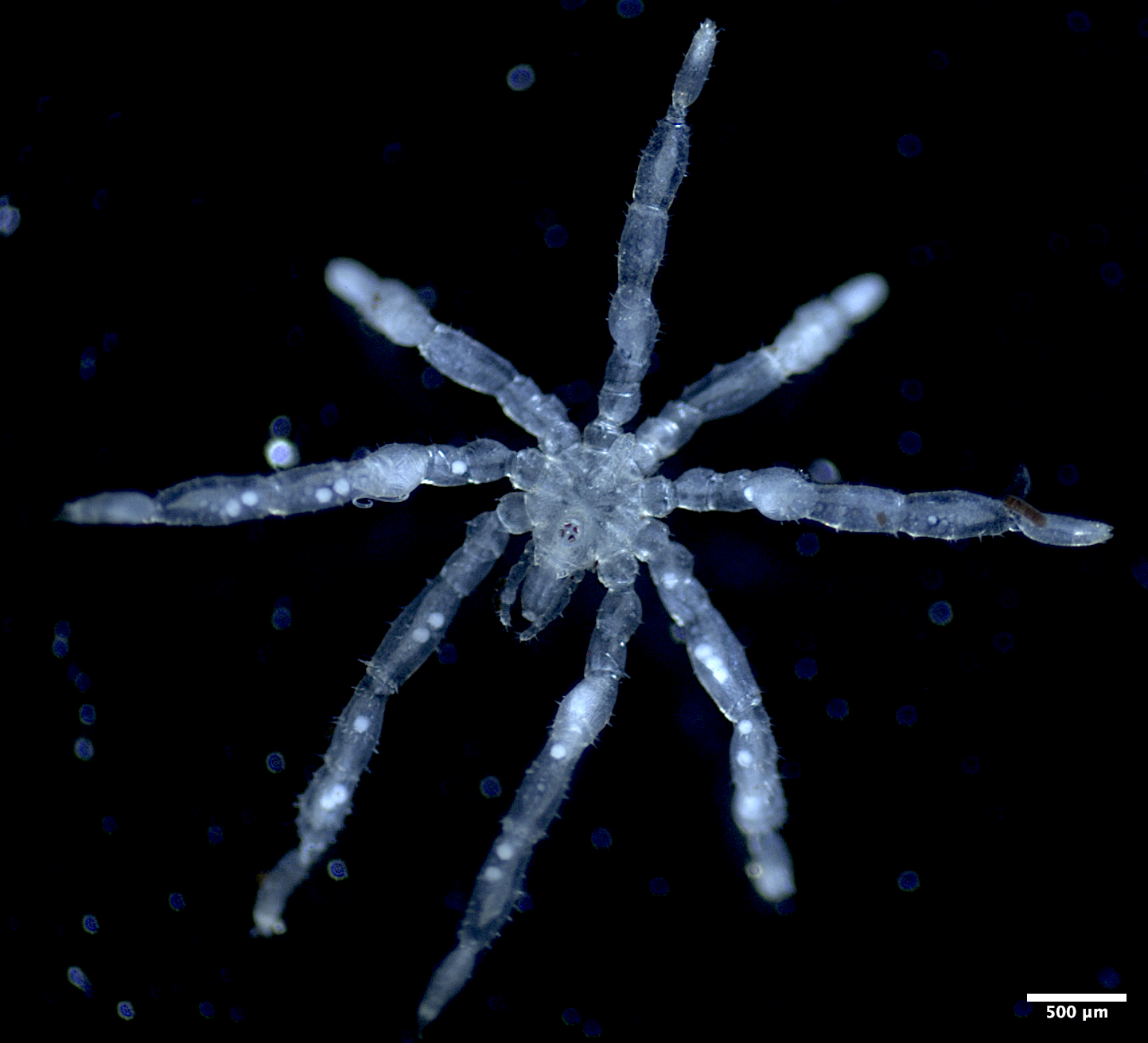
Sea spiders, which are related to scorpions, spiders and horseshoe crabs, evolved around 500 million years ago. Unlike terrestrial spiders, these ocean dwellers can have up to 12 legs and possess a sucking proboscis.
“They’ve retained some weird traits,” says Toler-Scott. “A lot of the shallow water species are quite small, and so they'll live as parasites on larger organisms, and they use this weird apparatus called a proboscis to suck the juices out of their host.” And if that wasn't strange enough, they also breathe through their skin.
Some species are tiny, measuring less than 1cm in length, while others, such as a deep-sea species found in Antarctica, can grow to more than 70cm.
Toler-Scott explains why the new discoveries are important: “I was interested in how sea spiders are impacted by climate change and human disturbance, because marine invertebrates in the Salish Sea are particularly at-risk, and I couldn't find anything. That's largely because people don't know much about what species exist here and what their lifestyle is.
“In order to understand how marine invertebrates are being impacted by things like climate change and how we can better protect these key elements of the ecosystem, we have to be able to identify them,” he adds.
The two new species, which were identified using both detailed imaging and DNA analysis, have been registered in a global database. But Toler-Scott believes there are more sea spiders to be found. “I only had one field season but there's definitely more diversity out there that we haven't documented.”
Find out more about the study, published in the journal Organisms Diversity & Evolution.
- Deep-sea 'ghost shark' spotted feeding in the shallows off the coast of Vancouver Island
- 'Moonwalking' orca stunned onlookers in Canada. Experts know what it was doing
More wildlife stories from around the world
- East Antarctica recently gained almost 700 billion tonnes of ice – and scientists know why
- Australian ‘insect detectives’ discover stick insect as long as a toothbrush in Queensland rainforest
- Great white shark attacks 'ghost dolphin' in Brazil. A predation event like this has never been recorded here before
- In the 1950s, whaling ended around these remote Scottish islands. Decades later, up to 30 minke whales were spotted in one great gathering
Top image: Aerial of the Salish Sea in the Pacific Northwest. Credit: Mike Reid Photography/Getty Images


