
Green anacondas are the heaviest snake in the world, with the weightiest individual on record – a female – weighing in at 15 stone (almost 100kg) and measuring 17 feet. Technically two species, these snakes live deep in the rainforests of South America and the Caribbean.
More at home in water than on dry land, green anacondas are powerful swimmers, able to reach speeds of 10mph and hold their breath for around 10 minutes. To hunt, they lurk in swamps or rivers with their eyes and nostrils – located on the tops of their heads – poking just above the surface. When an unsuspecting animal, like a tapir or capybara, walks past, the snake strikes, coiling its muscular body around its prey and causing death via cardiac arrest.
Because anaconda jawbones are held together with flexible connective tissue, they are able to open their mouths extremely wide and swallow animals as big as deer in one go
- Green anaconda vs yellow anaconda: What's the difference between these two gigantic, deadly snakes?
- "On the first occasion, it only failed to drag the female researcher into the water because her trousers tore at the knee"
Adult anacondas tend to only eat one big meal a few times a year. Most of their time is spent resting, digesting, and waiting. But is there any predator that a fully grown anaconda should be watching out for?
When they are young, these snakes are vulnerable to predation by all sorts of species, ranging from birds of prey to giant otters, and from ocelots to predatory fish like piranhas. But as adults, the green anaconda only has a few species to fear…
5 animals that can kill a green anaconda
5. Orinoco crocodile
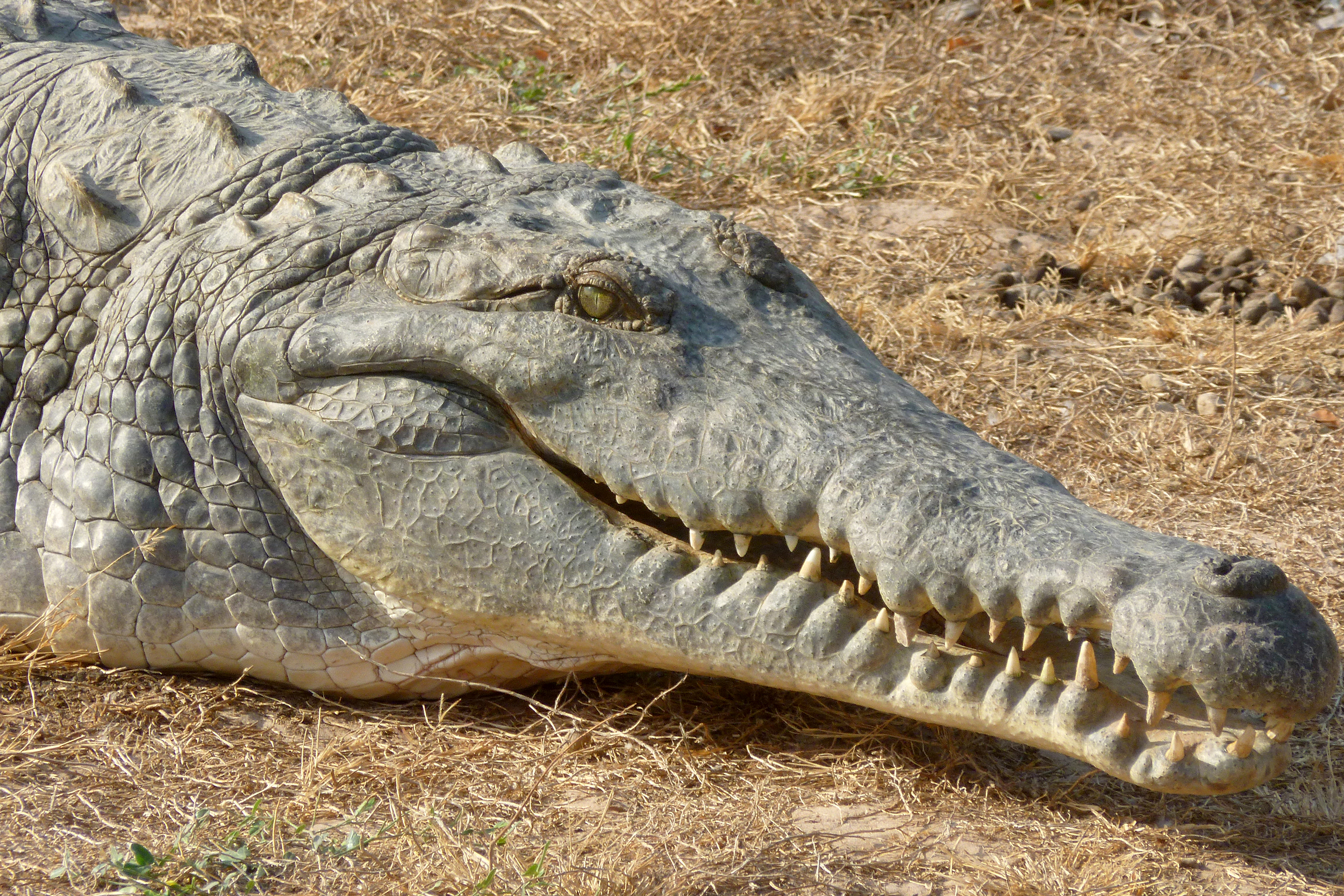
One of the world’s rarest crocodiles, this croc lives in the Orinoco river basin in Venezuela and Colombia. Heavily hunted in the 1900s for their beautiful skins, some estimates suggest that there are only 250 individuals left in the wild.
With a thin, narrow snout, the Orinoco crocodile is an excellent underwater hunter, brilliantly adapted to hunting fish and waterbirds. But what about anacondas?
When Orinoco crocs are young, adult green anacondas need not worry. In fact, it is the crocodiles who are at risk of becoming the snakes’ dinner. But as the crocs grow bigger, the tables may turn.
While there are no verified reports of an Orinoco croc eating an adult green anaconda, it is thought that large males would be able to take down a fully-grown anaconda. Unfortunately for the crocs, but luckily for the anacondas, such males are extremely rare because the biggest individuals – reportedly over 22-foot-long – were wiped out by hunters. Now, the biggest Orinoco crocs tend to be around 16-foot-long.
So, one hundred years ago – before intensive hunting – these crocs may indeed have eaten adult green anacondas. Today, though, they probably pose less of a risk.
4. Black caiman
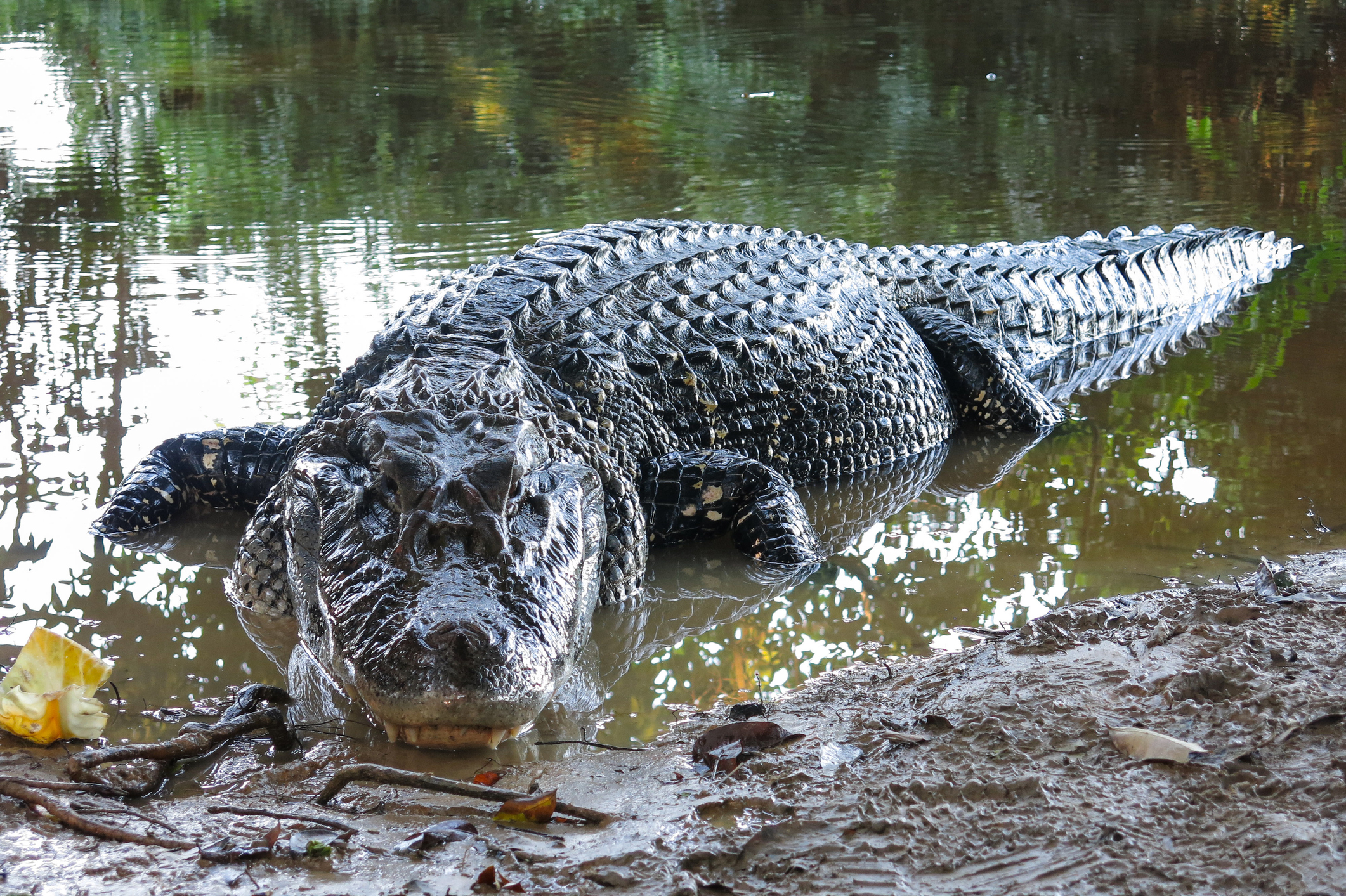
These huge crocodilians, native to freshwater habitats across South America, can grow up to 20-foot-long and weigh a whopping 70 stone.
When they are young, black caimans are vulnerable to anaconda attacks, but as they age, prey becomes predator.
Adult black caimans eat a range of prey, including tapirs and cattle, but there are some reports of these giants chomping down on adult green anacondas. With a bite that can crush thick turtle shells, it’s not hard to imagine that an anaconda’s unarmoured flesh would be vulnerable to a caiman attack. But still, a fully-grown green anaconda would probably not be an easy kill, and this might be why accounts of such encounters are rare.
3. Jaguar
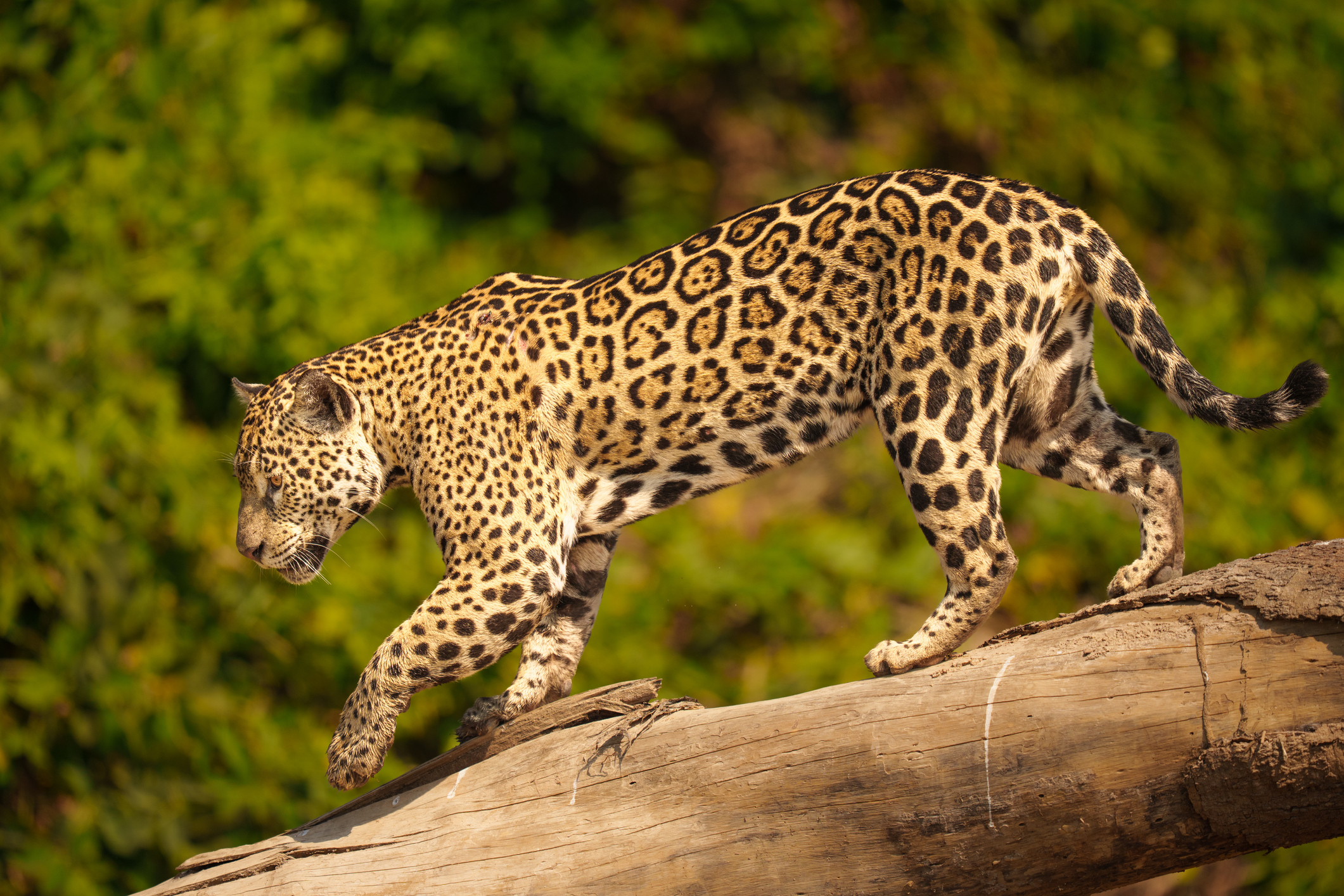
With the strongest bite force of any of the earth’s big cats (relative to body size), jaguars are capable of piercing the skulls and snapping the vertebrae of even fully grown green anacondas.
Jaguars, with their incredible eyesight, hearing, and stealth when moving through both land and water, are able to stalk and then ambush prey of all sizes – even including other jaguars (although this is very rare). Jaguars really can be considered top dog (well, cat) of the South American wilderness.
Green anacondas are especially at risk from jaguar attacks when they are out of the water, as these snakes are somewhat ungainly on land. If the snake’s head is attacked or their spinal column is crushed, there is not much they can do to defend themselves. Again, they wouldn’t be an easy meal for a jaguar – especially if the cat wants to move the hefty body of the snake somewhere else – but such an enormous meal would probably keep a jaguar full for quite some time.
2. Green anaconda
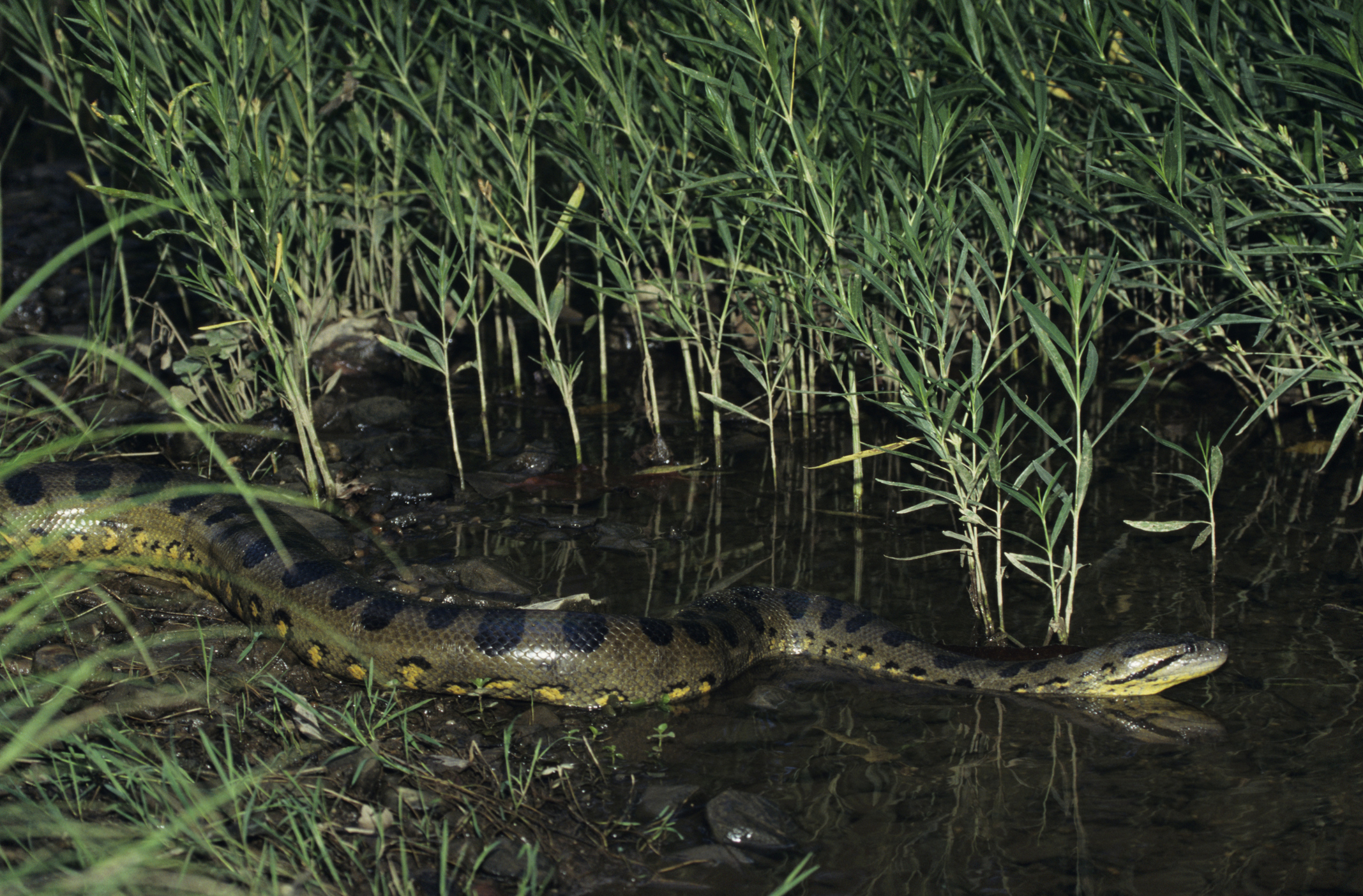
That’s right, these behemoth snakes don’t just look to other animals for food – they also prey on one another. Large green anacondas will feed on smaller ones, swallowing them whole as they do their other prey.
One of the first cases of green anaconda cannibalism recorded in the scientific literature came from a rather unexpected event. In the 1990s, when fishermen accidentally caught a large female green anaconda, she was rescued from the net. After the rescue, she vomited up a rather decomposed, smaller green anaconda, confirming that these snakes do indeed eat one another!
- 11 epic photos of the heaviest snake on Earth
- "That’s the length of a double decker bus!" 10 metre monster tops biggest snakes in the world list
Since then, more cases of cannibalism have been recorded – particularly after breeding. When they breed, males form a ‘breeding ball’ around the much larger female and sometimes, after mating, the female will eat one of males. It is thought that this provides her with much-needed nutrients for the developing young.
1. Human
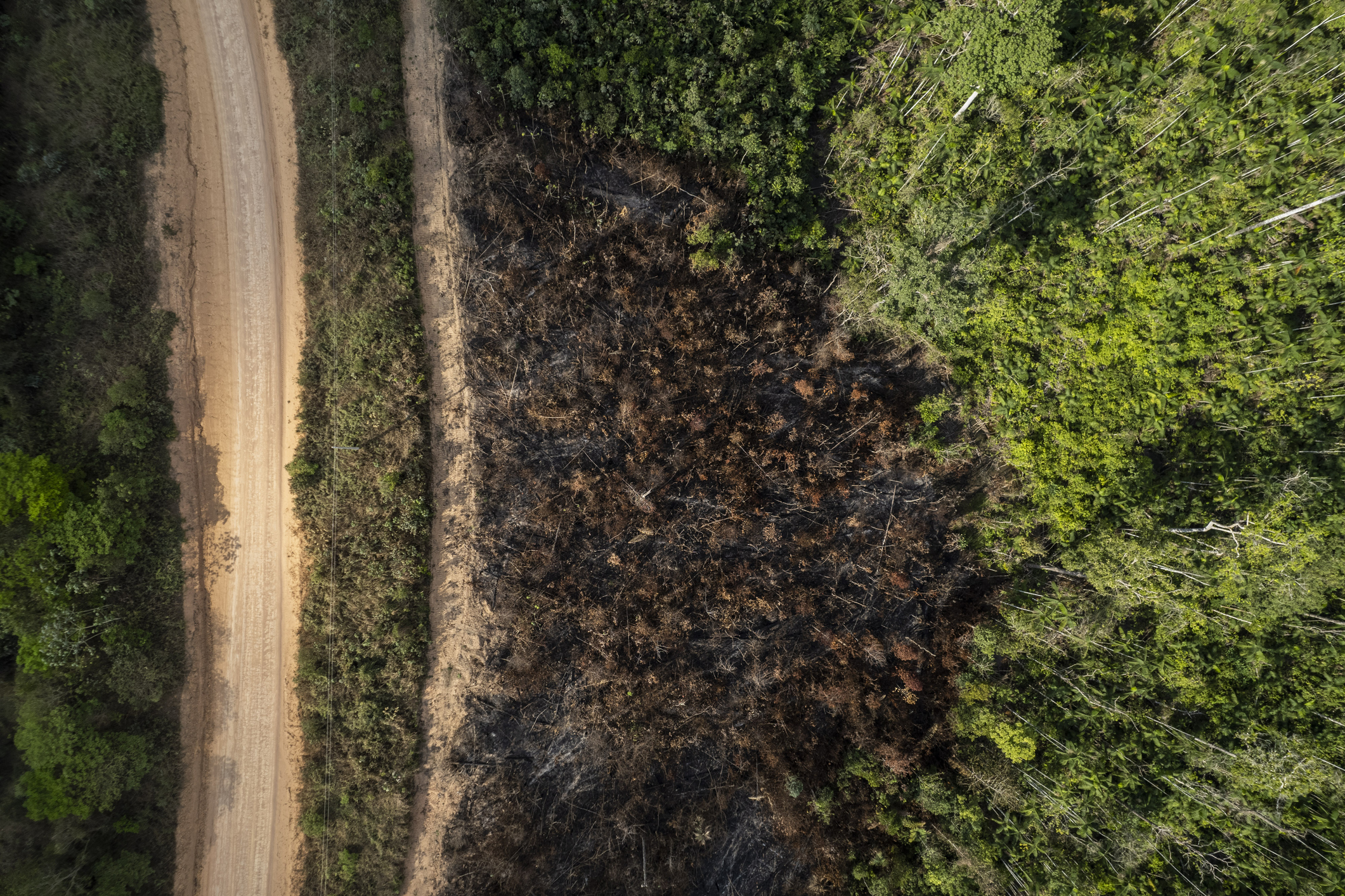
By far the biggest threat to the green anaconda is habitat destruction. Around one fifth of their core habitat has been destroyed by us.
But it is not only habitat destruction that threatens them; our fear is also a danger. Every year, many green anacondas are thought to be killed because people fear for their safety – but there has never been a documented case of a green anaconda killing a human.
They may be apex predators, but they don’t seem interested in eating us. Humans, on the other hand, are a major threat to them.
More wildlife stories from around the world:
- This newly discovered snake species in Ethiopia feasts exclusively on birds'eggs
- This river contains around 500 deadly saltwater crocodiles. It’s just been approved for the rowing and canoeing events at the Brisbane Olympics
- "He was dragged down to the riverbed and was rapidly running out of air…" 8 animals that deliberately drown their prey underwater to drown them


