How predators kill their prey is a fascinating subject. Big cats typically either asphyxiate by pressing down on an animal’s trachea with paws and mouth, though lions will also stop its prey from breathing by covering its mouth and nose with their jaws. Jaguars deliver the coup de grace with a bite to the skull.
- "Hippos and crocodiles have been known to capsize boats and kill the occupants..." 10 most dangerous, deadliest swamps on the planet
- "These are not ordinary teeth as not only are they razor sharp and coated with iron, they have a pair of venom glands in their lower jaws" World's 7 deadliest reptiles
A large animal attacked by a shark may die from blood loss, while pack animals such as wolves and African hunting dogs simply wear their prey down until it can go no further, and it probably suffers a grisly death from a combination of blood loss, trauma and shock.
Death by drowning, however, as a method of dispatch is quite rare – only a few species use it as a regular technique, while some have adopted it in very specific circumstances.
Here are 8 of those animals.
8 animals that drown their prey
Saltwater crocodile
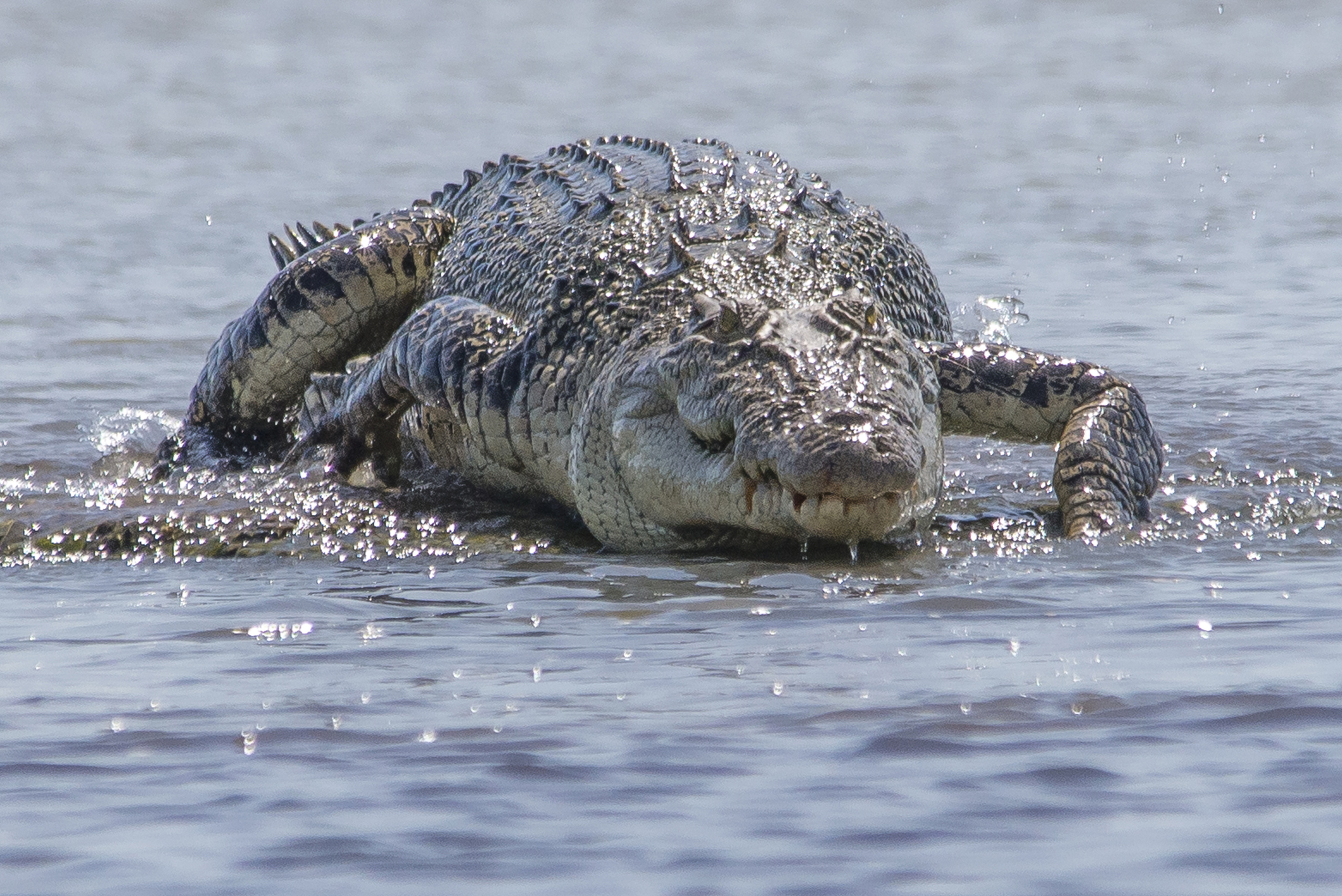
Never stray too close to a saltwater crocodile – or most other crocodilians, for that matter. This description of how crocodiles attack from a 1960 edition of the Australian Museum Magazine should be enough to put you off.
“By lying submerged, the crocodile is able to grasp any animal (including man) which comes to the water's edge to drink or bathe. Once caught, an animal is dragged into the water and held beneath the surface until it drowns, when it can be eaten at leisure.”
- Staggering crocodile photos reveal just how ferocious these apex predators can be
- Who would win in a fight between two of the world's most fearsome predators – a saltwater crocodile or a great white shark?
According to this article in Scientific American, the purpose of the famous death roll, where a croc spins round like a washing machine, is to wrench limbs from sockets so the victim can be eaten, and all but one of the extant species can do it.
Killer whale or orca
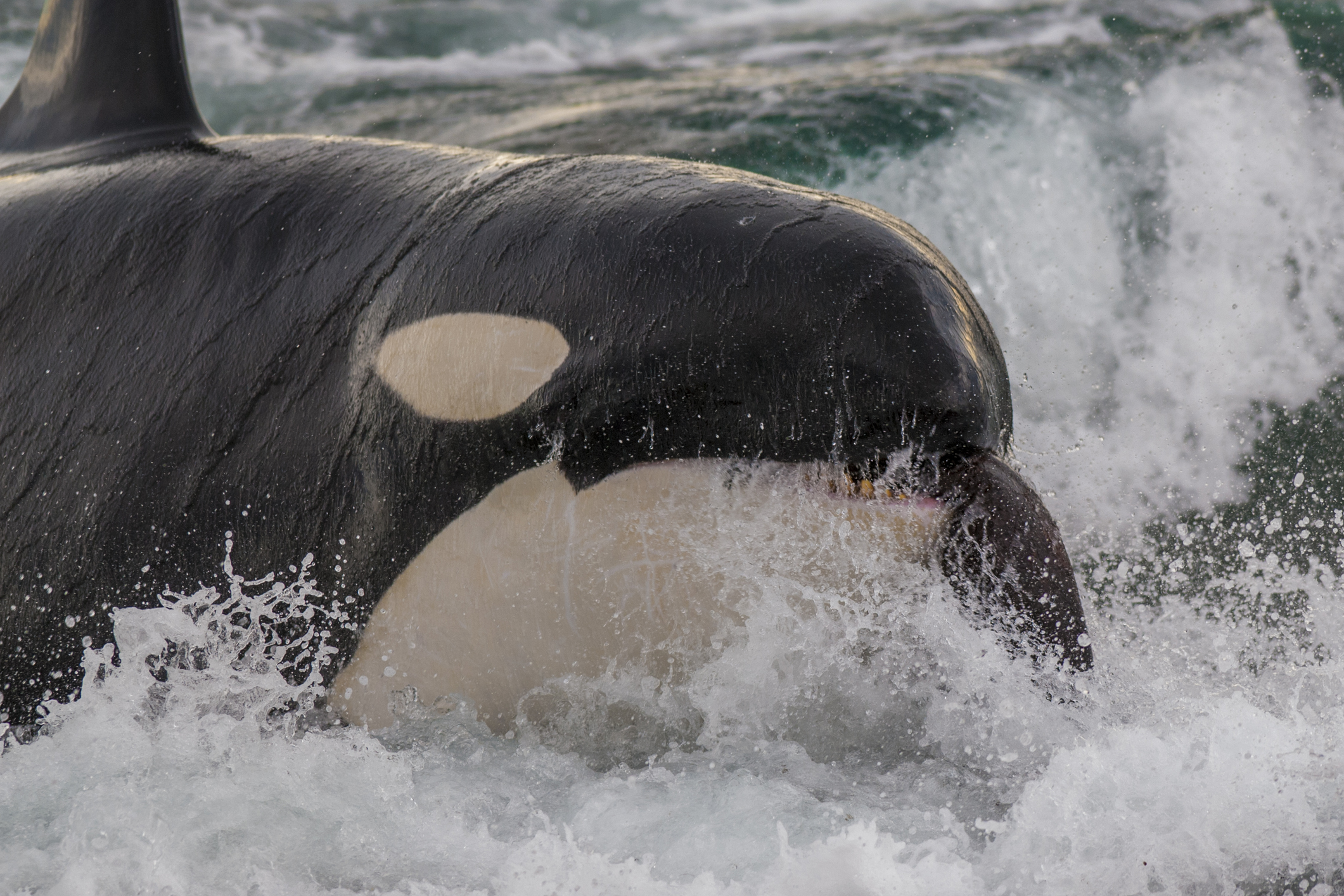
Killer whales around the world hunt different prey and with different techniques. Some hunt only fish such as salmon or bluefin tuna, others go for larger prey from seals right up to blue whales.
With anything the size of a whale calf, drowning is the preferred method of killing them, and this involves repeatedly forcing their heads under the water to prevent them from breathing. In 2025, the BBC even recorded a pod of killer whales teaching their calves this technique, a reminder of the cooperative skills of these remarkable marine mammals.
Leopard seal
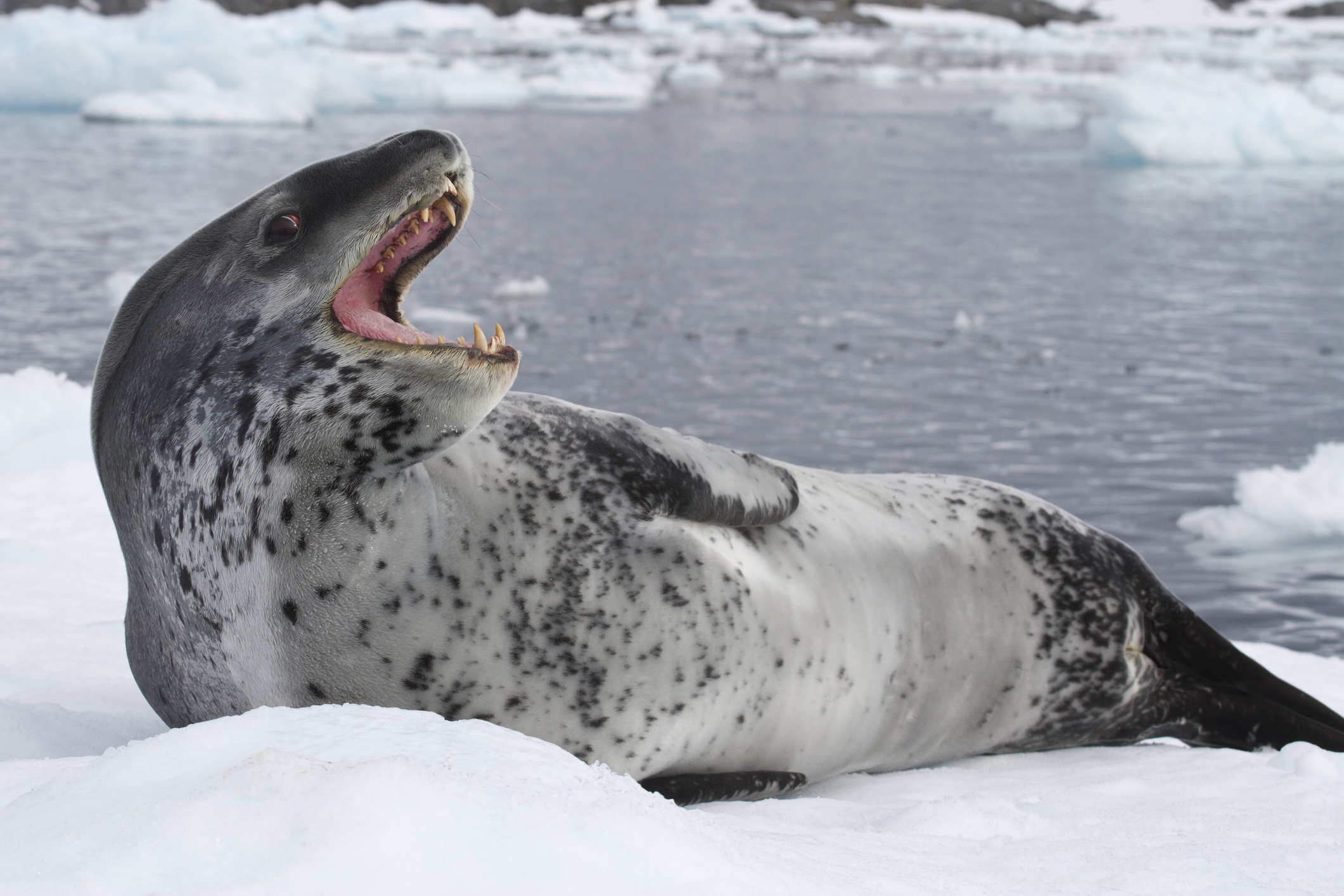
Though most accounts of how leopard seals kill their prey involve them shaking it – often a penguin – violently from side to side, there is a story on the DAN website where a diver describes watching a leopard seal catch and drown a gentoo penguin before shaking it to “defeather it”.
This researcher, however, found leopard seals he attached ‘crittercams’ to were mainly hunting bottom-dwelling ice fish, as well as stealing each other’s hard-earned meals and scavenging. Though generally not regarded as dangerous to humans, there is one recorded incident where a leopard seal attacked and dragged a female scientist under the water to her death.
North American river otter
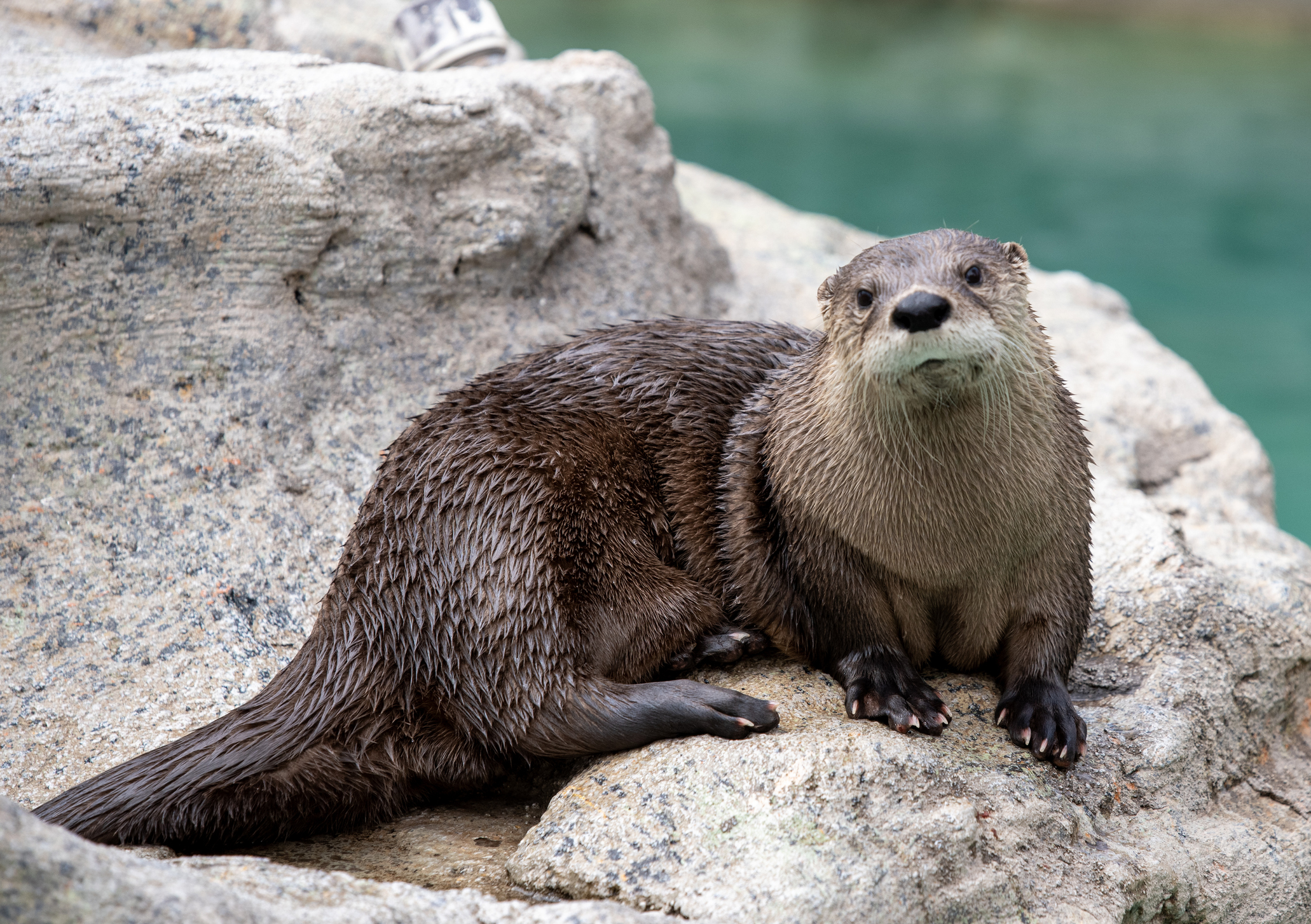
While not renowned for drowning their prey, there is at least one example of a small population of North American river otters doing so. In 2024, researchers from the River Otter Ecology Project published this study documenting numerous examples of river otters in Abbotts Lagoon, just north of San Francisco in northern California, catching and drowning brown pelicans.
- Can this vulnerable otter family survive an attack by a deadly caiman? Watch this astounding, brutal and heart-wrenching BBC footage to find out...
- It's four feet long, weighs 29kg and has a phenomenal 100-160,000 hairs per cm², sporting more than a billion hairs in total
Many questions remain about this behaviour – why has it barely been recorded before and did the otters in Abbotts Lagoon learn it from others or start doing it for themselves? The researchers hope to do more studies and find out the answers to these and other questions.
Green anaconda
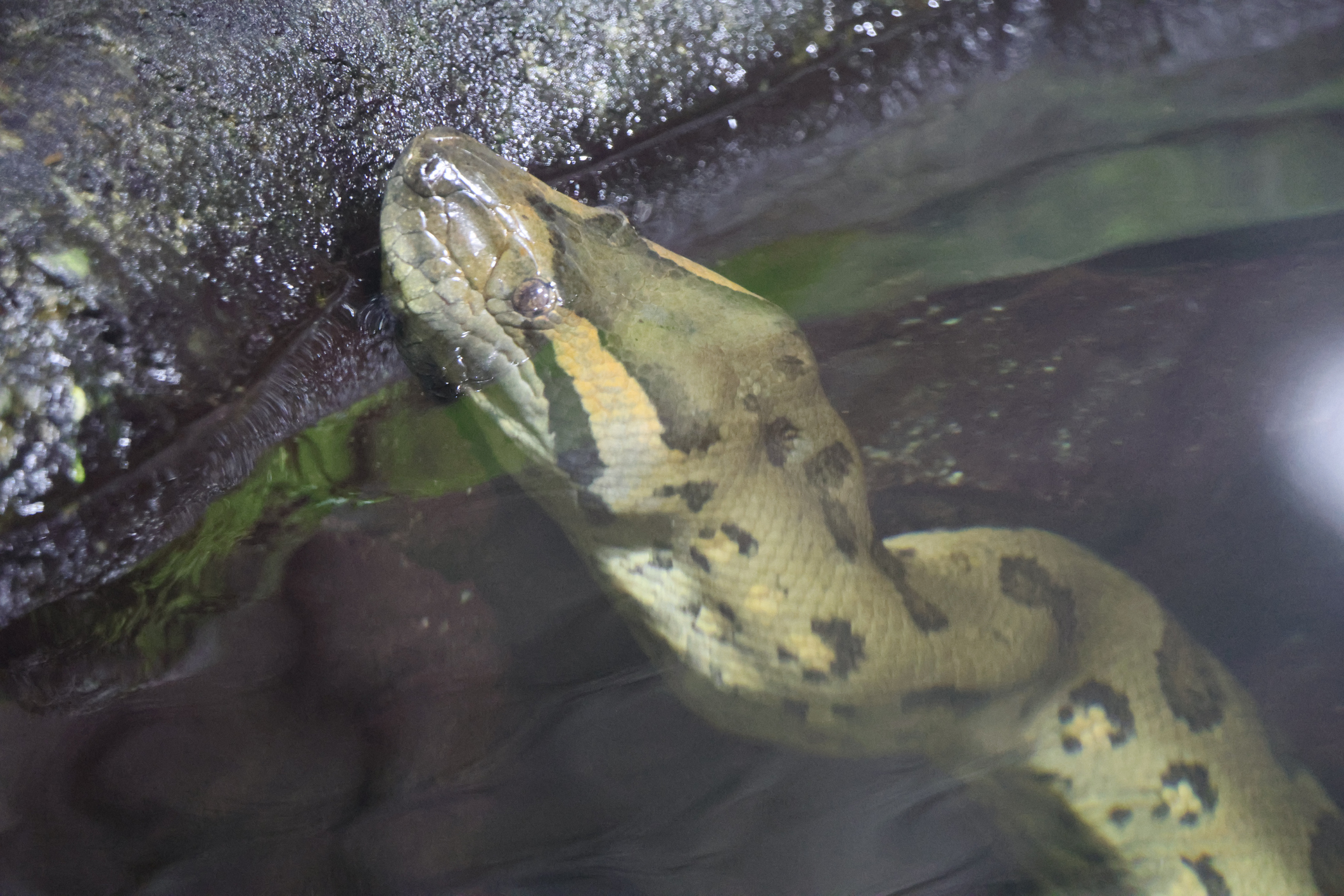
It’s a moot point whether the victims of green anacondas die through drowning or constriction. They are semi-aquatic snakes, very comfortable in water, and they frequently attack their intended prey in rivers or other water courses.
- 10 biggest reptiles on the planet, from giant turtles the size of cars to snakes as long as double decker buses
- 9 deadly, brutal females that lure males to their death: For these unlucky male animals mating is a lethal business
This description on the Animal Diversity website of how they subdue anything from birds to caimans and tapirs explains how they sink their teeth into the animal while wrapping it in body coils.
“The more the prey struggles, the tighter the coiling will become, until the victim becomes unconscious. Since feeding usually takes place near the water, prey are as likely to die from drowning as from constriction.”
American mink
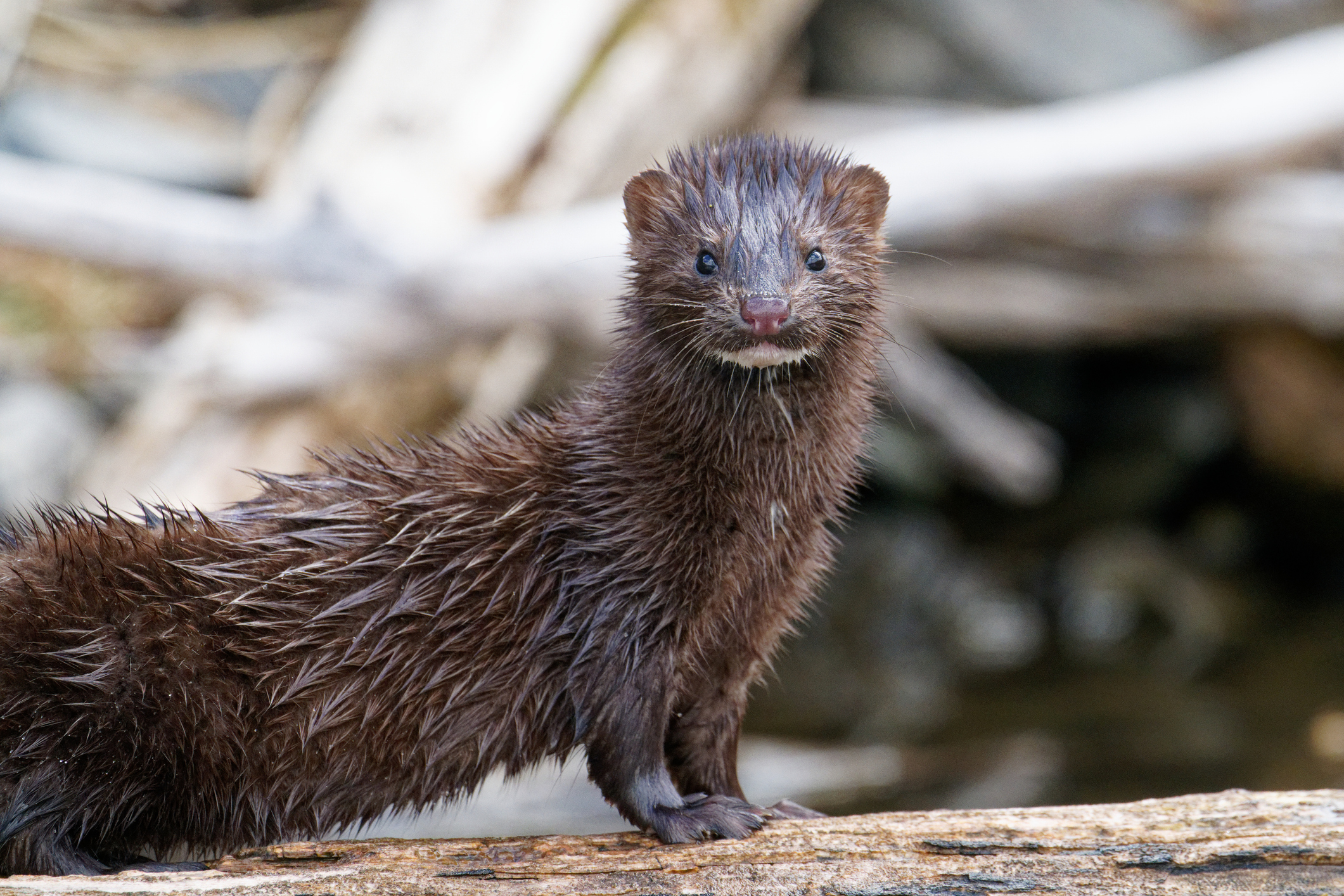
The wildlife cameraman Charlie Hamilton James once filmed a series called Halcyon River Diaries about the wildlife on his local river in the west of England for the BBC. In one sequence, he captured an American mink – not a species native to Britain – attempting to subdue a kingfisher by drowning it.
- "This was a disaster for native wildlife that had few defences. This small, agile predator can find its way into the narrowest burrow"
- It's as big and as cute as a pet cat and has a top speed of 15 MPH — yet this shy, rare agile predator prefers to stay hidden
It’s well known that mink have a very broad diet and are opportunistic hunters of anything they can catch. Drowning their prey does not appear to be the usual method of dispatch, but Hamilton James’ story suggests they can adapt their behaviour to whatever they need to do at the time.
American alligator
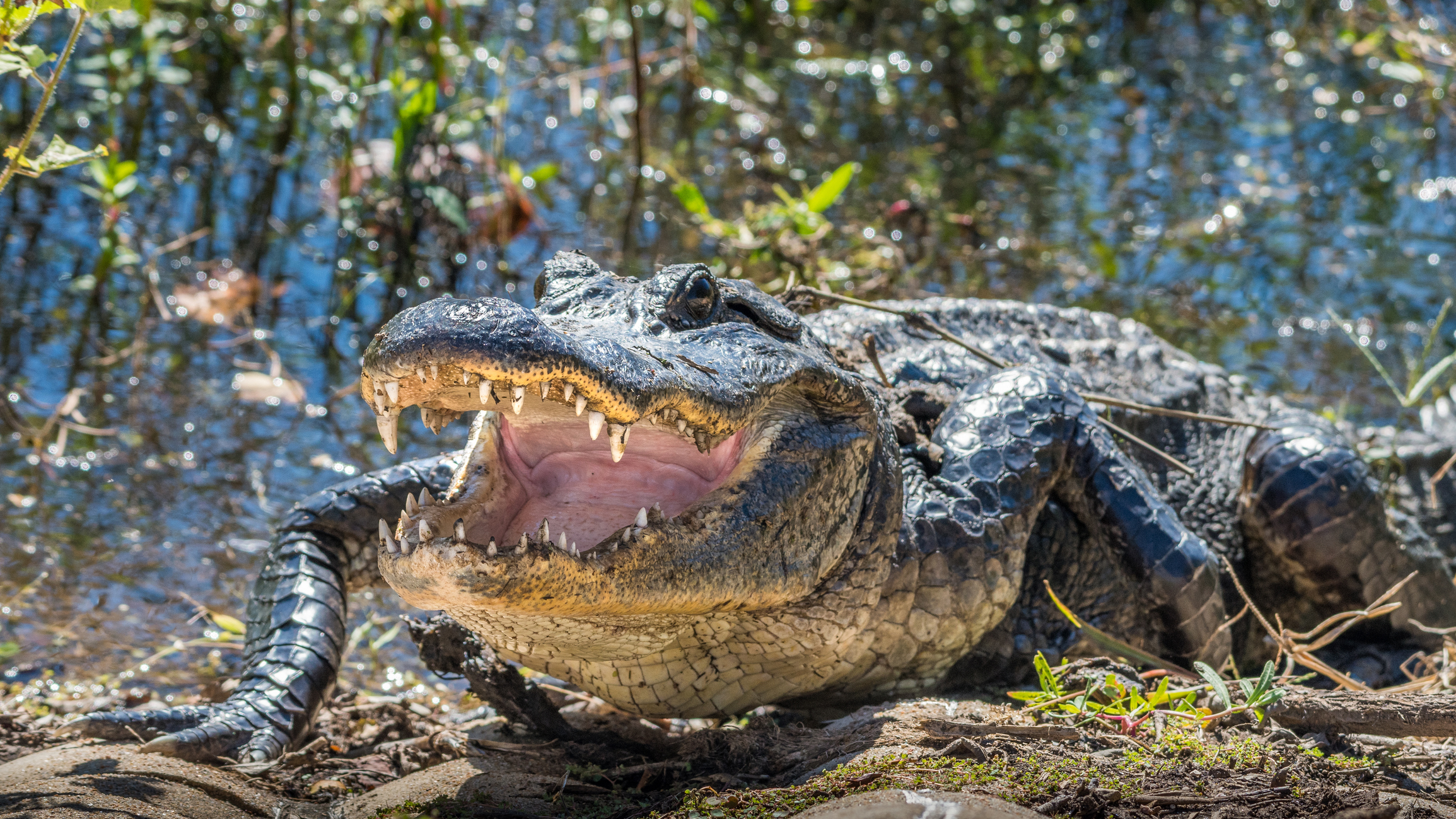
Like saltwater crocodiles, American alligators are renowned for drowning their prey where necessary – and in this account from 2024, that prey includes humans, though this story thankfully ends happily.
- 9 smartest killers in the animal kingdom, who rely on intelligence, not just muscle and power, to kill their prey
- There is only one place on Earth where crocodiles and alligators live together in the wild – and it's here
A diver searching for shark’s teeth in South Georgia had his arm grabbed by an alligator, and he was dragged down to the riverbed and was rapidly running out of air until, with one desperate attempt, he yanked himself out of the beast’s jaws and swam frantically to the safety of a waiting boat. Still, attacks on people are rare, and most survive.
Kangaroo
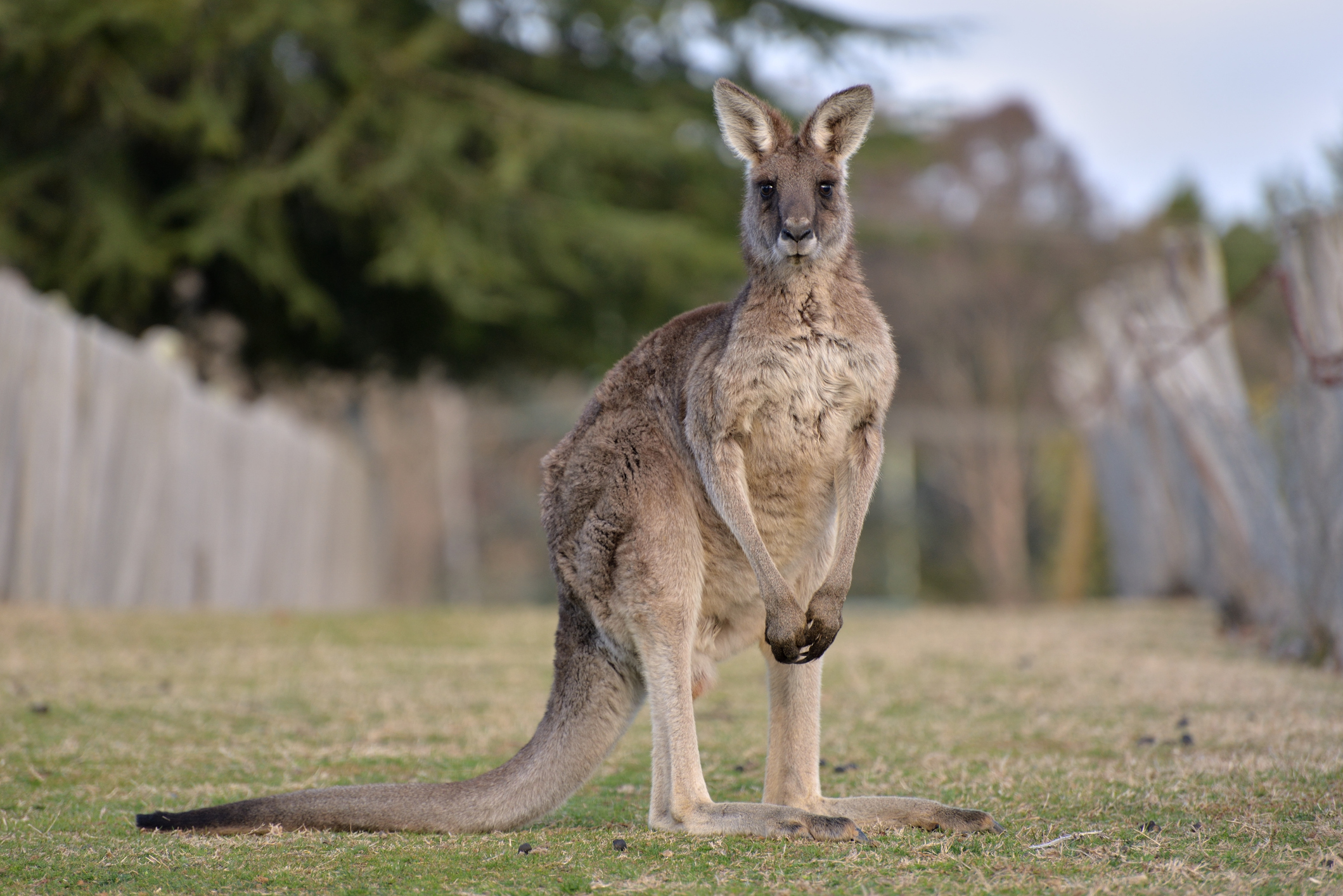
This may sound like a joke, but it’s not. In 2023, a man was walking along the Murray River in north-west Victoria in Australia when he saw a kangaroo actively holding his dog, that had jumped into the water, below the surface. The man intervened by punching the kangaroo and the dog survived, but the incident sparked a debate about whether the kangaroo was actually trying to drown the dog – and why?
- How and why kangaroos hop: The secrets behind their powerful – and very speedy – bounce...
- What’s the fastest land mammal in Australia? It can outpace a human thanks to giant ‘springs’ in its legs
Other cases of kangaroos appearing to drown dogs came to light. A professor of wildlife ecology told the Live Science website that kangaroos probably mistake dogs for dingos, predators they have lived with for thousands of years.
"This behaviour is one way that kangaroos have learnt to survive attacks by dingoes,” Euan Ritchie of Deakin University said.
Top image credit: Jaimie Tuchman/Getty Images