
Scientists have discovered a new species of blind snake living among the forests of China’s Qinghai-Xizang Plateau – the world's largest and highest terrestrial plateau, with an area of 2,500,000 square kilometres (970,000 square miles).
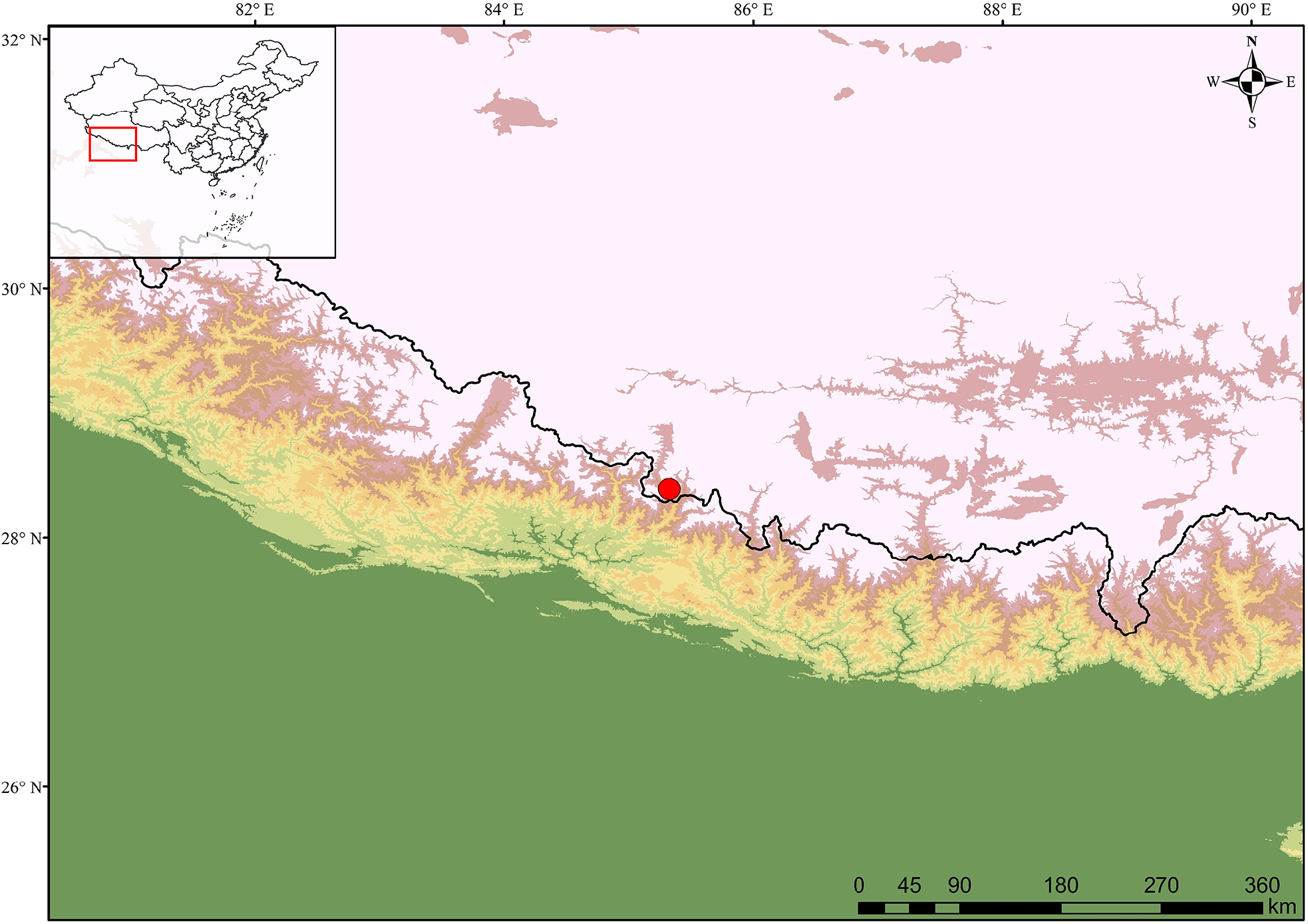
The snake (Indotyphlops gyirongensis), described in the journal ZooKeys, was found on a roadside in a forest near the China-Nepal border.
- Largest snake to ever live discovered in an Indian mine
- Burmese pythons are climbing trees in the swamps of Florida
The female specimen measured 26.5cm in length and had a light cream-coloured head cap and light brown body, gradually fading towards the tail.
Like all blind snakes – which either live underground or among logs and leaf litter – the individual had reduced eyes located under her head scales. The scientific name for blind snakes, Scolecophidia, derives from two Ancient Greek words, which translate as ‘earthworm’ and ‘snake’, in reference to their appearance and underground lifestyle.
Comparing its physical characteristics and DNA with other species of blind snake, the researchers determined that the new species belongs to a family of blind snakes known as Typhlopidae – the most species-rich and broadly distributed of the five families of blind snake.
- "That’s the length of a double decker bus!" 10m monster tops biggest snakes in the world list
- A carnivore has moved into Florida's Everglades – and it's threatening native crocodiles and alligators
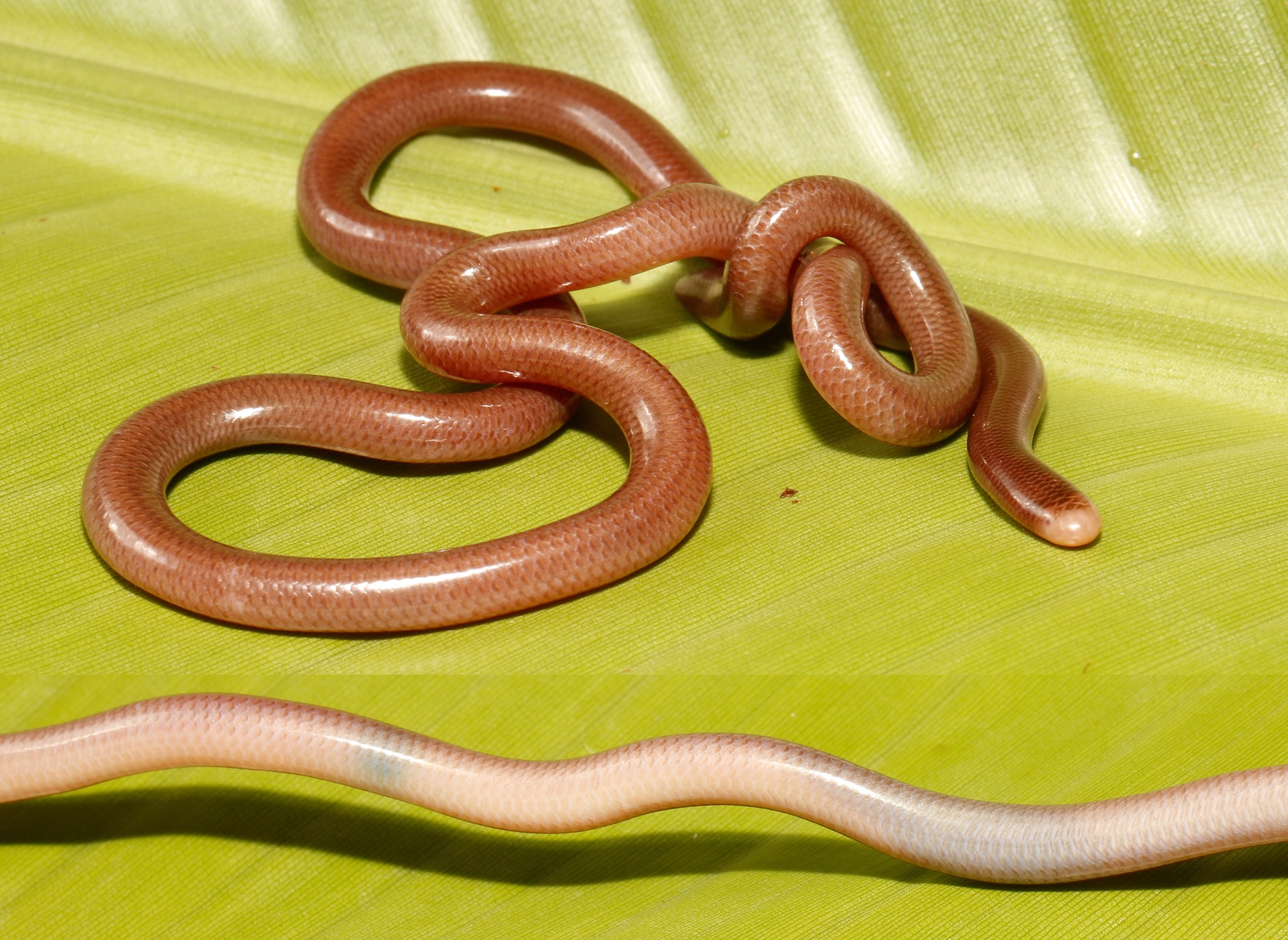
“We suggest the English common name ‘Gyirong blind snake’ [referring to Gyirong Town, near where the snake was discovered] and the Chinese common name ‘吉隆盲蛇’ (Jílóng Mángshé) for this new species,” say the authors in the study.
Currently, the new species is known only from Xizang, China, but because the discovery was made so close to the China-Nepal border, the team thinks I. gyirongensis likely occurs in regions of Nepal.
“In recent years, with the extensive field exploration being conducted in Xizang, China, many new taxa or new national records have been recorded, particularly on the borders between China and its neighbours such as India, Nepal and Bhutan,” say the authors, “indicating these regions need further investigation.”
Find out more about the study, published in the journal ZooKeys.
More wildlife stories from around the world
- Wild animals stranded on island in Kenya. Scientists visited 5 years later – and found something worrying
- Remote camera catches bobcat attacking biggest rattlesnake species on Earth
- Snake Island, the terrifying island off Brazil that only scientists and soldiers can visit
- “We would find piles of rattlesnakes.” Scientists witness undocumented snake behaviour in Wyoming's mountains
- It's the biggest snake den on the planet – 100,000 crammed into a small cavern
Top image: Indotyphlops gyirongensis habitat in Gyirong, Xizang, China. Credit: Peng Guo | Bing Lyu et al., ZooKeys 2026


