
Given the number of killer creatures and extreme landscapes in Australia, it’s probably no surprise that the country’s national parks are some of the deadliest on the planet. Mind-blowing and beautiful, too, but not without an edge of danger.
From venomous snakes to sneaky stingers, gigantic crocs to microscopic mites, and arid deserts to powerful oceans, Australia is a land to be adored and respected in equal measure.
In this list, we take you through ten of the deadliest national parks in Australia, highlighting the dangers that lurk in the backcountry of this breathtaking place.
10 Deadliest National Parks in Australia
10. Litchfield National Park
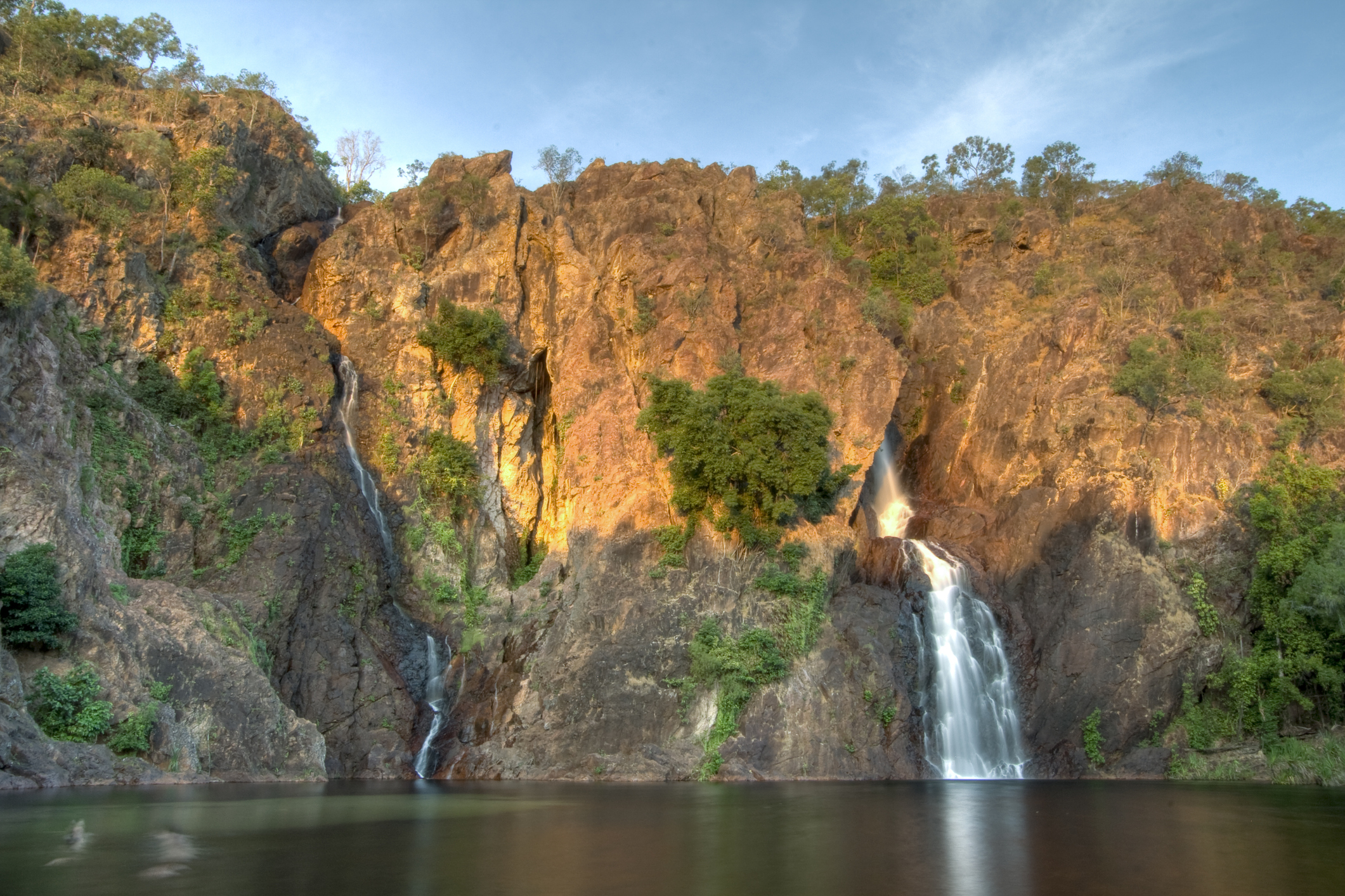
Located in the north of Aus, Litchfield is home to gorgeous waterfalls and beautiful swimming spots, as well as ancient and unusual rock formations. While there are saltwater crocs here, as well as the risk of drowning in powerful currents, there is another danger that is so tiny you’d be unlikely to spot it.
Hanging out in the grass are microscopic larval mites called chiggers. Chiggers carry a type of bacteria that causes Scrub Typhus, and one bite from these tiny insects is all it takes to become infected.
Symptoms begin with a fever and chills, headache, fatigue, and swollen lymph nodes. If left untreated, scrub typhus can cause organ damage, brain swelling and death. Unfortunately, at least one person has died from Scrub Typhus transmitted from chiggers in Litchfield.
By wearing long clothing and applying insect repellent, chigger bites can often be avoided – but if you get sick with flu-like symptoms in the bush of Northern Aus, Scrub Typhus is a possibility. Luckily it can often be treated with antibiotics, although in remote wilderness, accessing medicine can be a bit tricky…
9. Cradle Mountain-Lake St Clair National Park
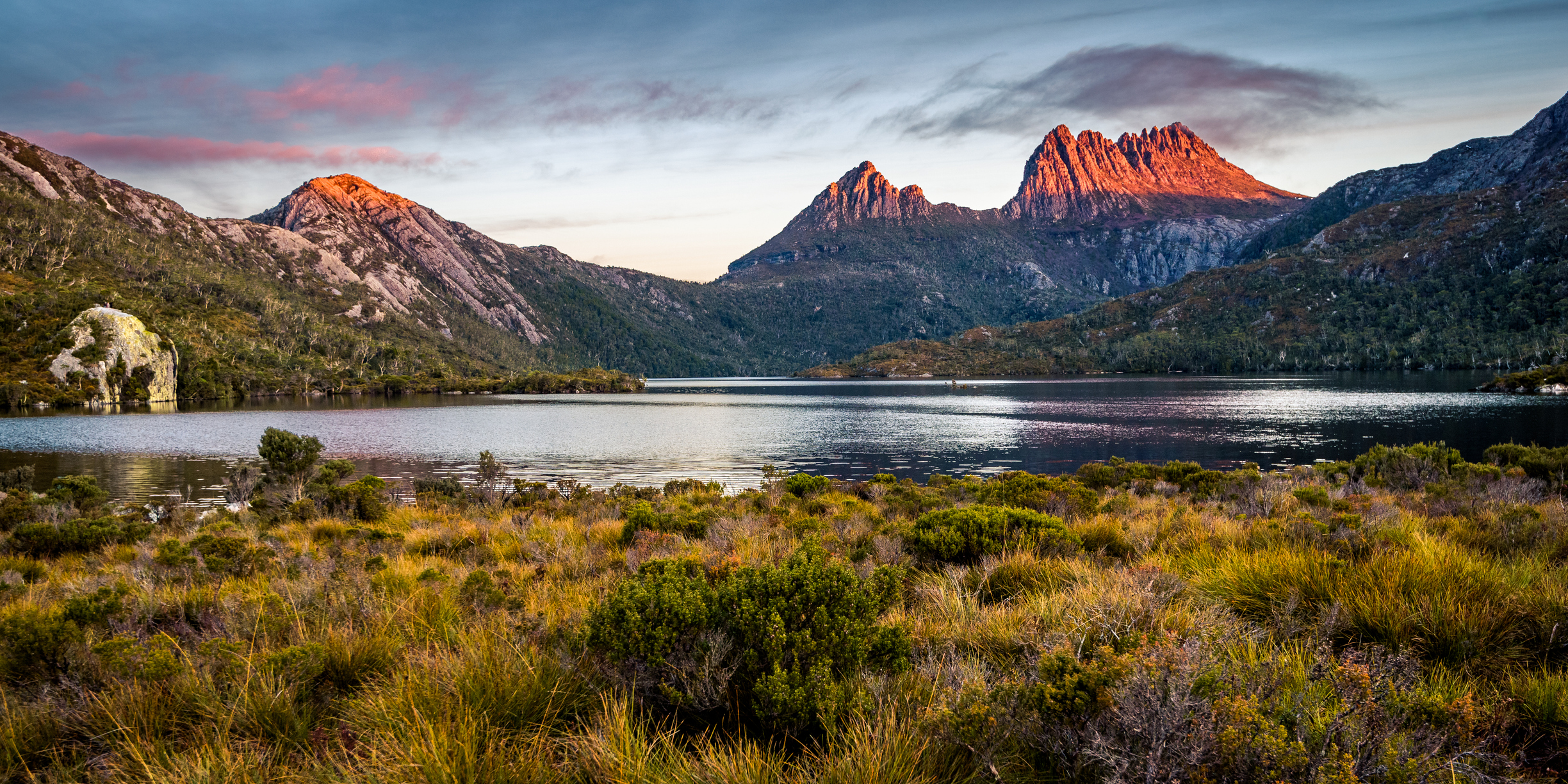
This Tasmanian national park, world-renowned for its glacial lakes and ancient rainforests, is also home to three species of venomous snake. Indeed, these are the only snakes native to Tasmania, meaning that every snake you see in the national park is definitely a venomous one!
- The spine-chilling screams of this 10kg powerhouse, with its fearsome set of teeth, had settlers convinced they were hearing the devil himself
- What's the most common snake in the world?
They are the tiger snake, the lowland copperhead snake and the white-lipped snake. Of these three, tiger snakes are the most dangerous. They have a potent venom, which is neurotoxic and therefore stops nerves from functioning properly. If untreated, a bite from a tiger snake can be fatal, with a mortality rate of 40 – 60%.
Luckily for visitors to the park, we have a very effective antivenom. Also, these snakes would quite like to avoid humans too, so bites are rare.
- "Symptoms develop quickly and its venom can cause paralysis, respiratory failure and death. "6 most dangerous, deadliest sea snakes on the planet
- Australian officials declared war on this giant bird after it destroyed crops. But even machine guns couldn’t stop it
8. Daintree National Park
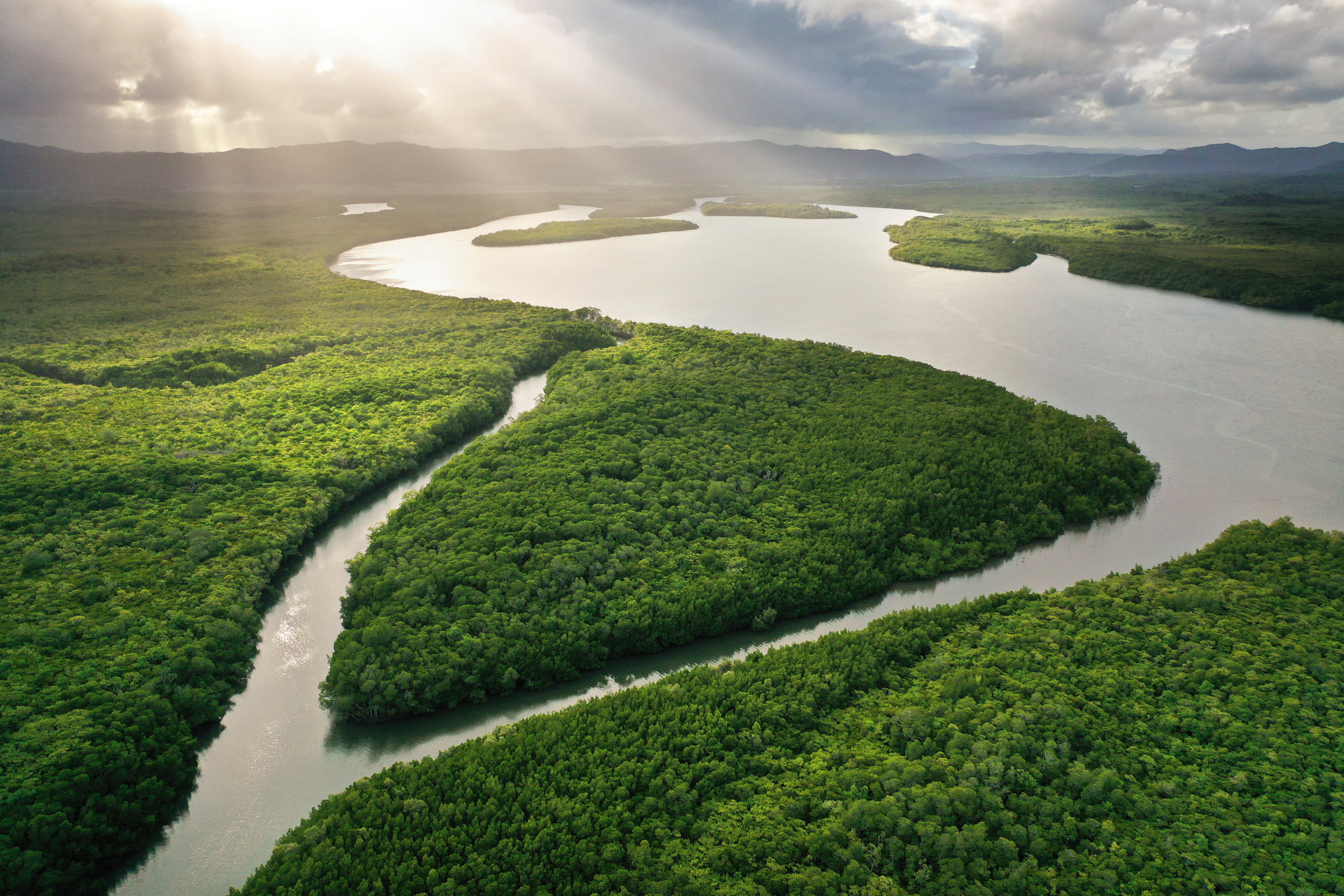
Daintree National Park, in northeastern Australia, is a place full of wonders, from the oldest rainforest on the planet, to crystal-clear rivers and a turquoise ocean. But dangers lurk amongst the beauty.
In the gorgeous, turquoise sea swims the box jellyfish. This creature is the most lethal species of jellyfish on earth. In fact, it was first identified because a scientist wanted to figure out why swimmers kept mysteriously dying off the coast of Australia!
Perhaps one of the least expected dangers, though, is a six-foot-tall bird that lives in the rainforest. Cassowaries look like they have walked straight out of prehistory, with their blue and red necks, blue faces, golden-red eyes, a helmet (basically a huge horn on top of their heads), and five-inch spurs on their legs.
Luckily, cassowaries are very wary of humans and tend to avoid us if they can. But, if defending young or food, they may charge and kick. It is the five-inch spurs on their legs that pose the biggest threat, as these talons can cause deep lacerations. They can even kill: in the 1920s, a teenage boy died after a cassowary’s claw severed his jugular vein.
7. Blue Mountains National Park
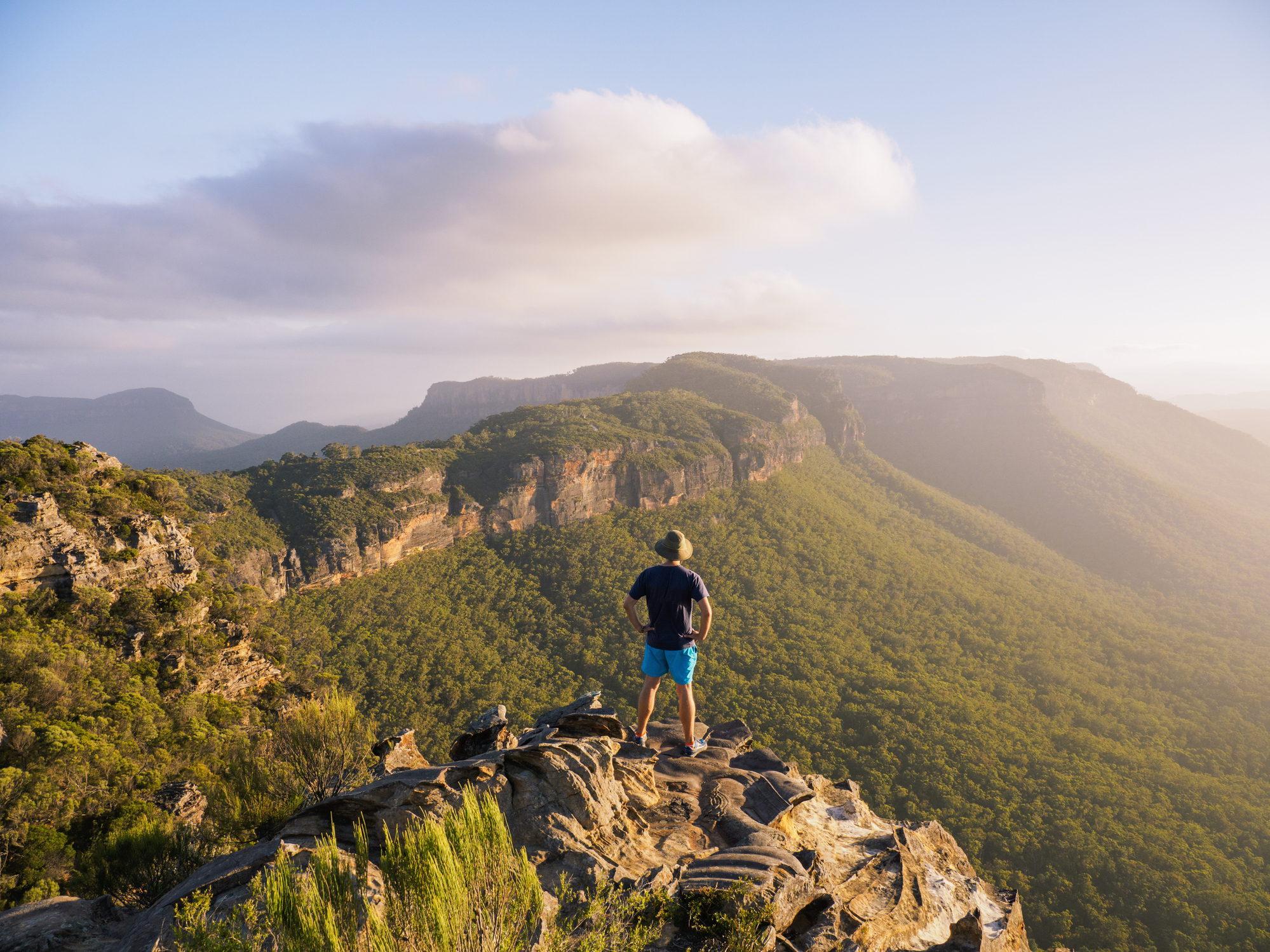
A beautiful, blue-hazed national park in New South Wales, this park is famous for its rocky outcrops, expansive forests and blue-hued views.
The blue hue of the forests is mainly caused by oil in the air, produced by eucalyptus trees. This oil makes the trees highly flammable and so, in the summer, there is a severe wildfire risk. Indeed, the park is one of the most fire-prone areas in the world.
The most dangerous animal in the park is probably the eastern brown snake. This is the second most venomous snake in the world. Mostly found in the lower mountains and around suburban areas, they are very shy of humans and bites usually occur when they are accidentally stepped on (or if somebody tries to pick them up). Antivenom must be administered quickly to avoid a fatal outcome.
- What are the most dangerous snakes in Australia? Discover the country's top 4 deadliest serpents
- It might look like a harmless twig, but it’s anything but… "Its venom affects blood clotting and can cause severe bleeding. There is no antivenom."
But the cause of the most deaths in this national park is neither fire nor snake. It is the rocks.
The blue mountains’ landscape is made from sandstone, which is prone to crumbling. Visitors standing on the edge of cliffs may find that the ground simply falls from underneath them, and rockfalls from above are also common. In 2022, two tourists died when caught in a landslide.
6. Ku-ring-gai Chase National Park
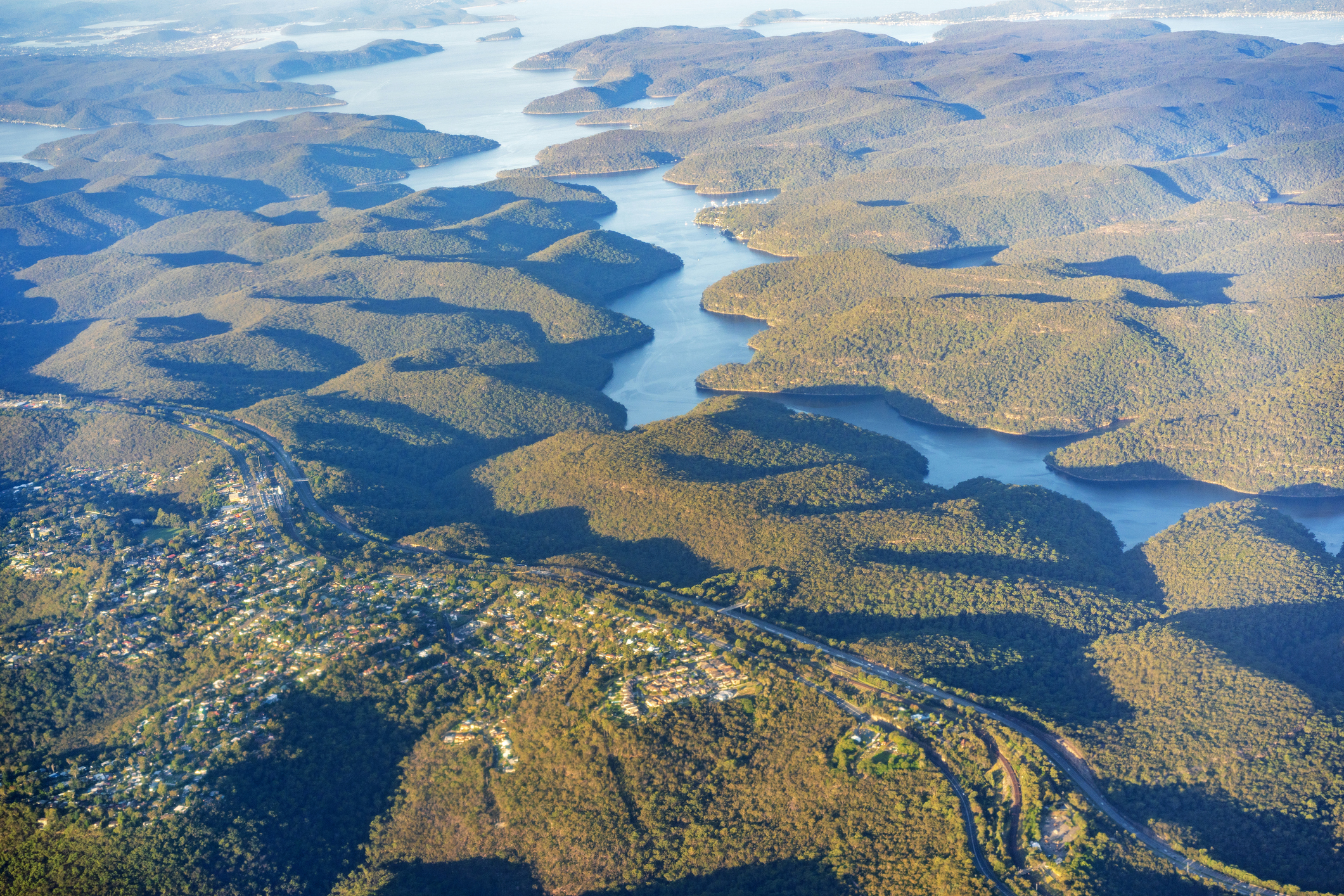
Just north of Sydney, Ku-ring-gai Chase National Park boasts a huge range of habitats, from rugged cliffs to calm waterways, from mangrove to eucalypt forests. It is famous for its rich indigenous history and ancient artwork, too.
There are quite a few animals to look out for when exploring this park. Venomous snakes found here include the eastern brown snake, often found in dry woodland, and red-bellied black snake, often found in swampy areas. Venomous spiders include the infamous redback spider, and the Sydney funnel-web spider.
- 10 deadliest, most venomous spiders on the planet: Are these dangerous spiders as fearsome and lethal as their reputation?
- What's the most common spider in the world?
If you spot a spider or a snake in the Aussie wilderness, you’re pretty sure to know the danger they may pose, but there is another small critter in this national park that may not be so obviously deadly.
Paralysis ticks do exactly what they say on the tin: when they bite, female ticks secrete a neurotoxin that cause ‘ascending paralysis’. This means that leg muscles become weak, followed by the abdomen and then the chest. If the neurotoxin reaches the respiratory muscles, it can lead to respiratory failure and death.
- "Its scarily large fangs, which are easily strong enough to bite through shoes and pierce skin, can inject venom deadly enough to cause severe illness and death"
- "It always pays to give the toilet a quick scan before you use it as a bite can cause sweating, muscle twitching, nausea and death can be very rapid"
Unfortunately, using the wrong technique to remove a tick can make things worse, as neurotoxins may be flushed from the tick’s body into yours. So, if you are bitten by a tick in this park, make sure to remove it following medical advice!
5. Ikara-Flinders Ranges National Park
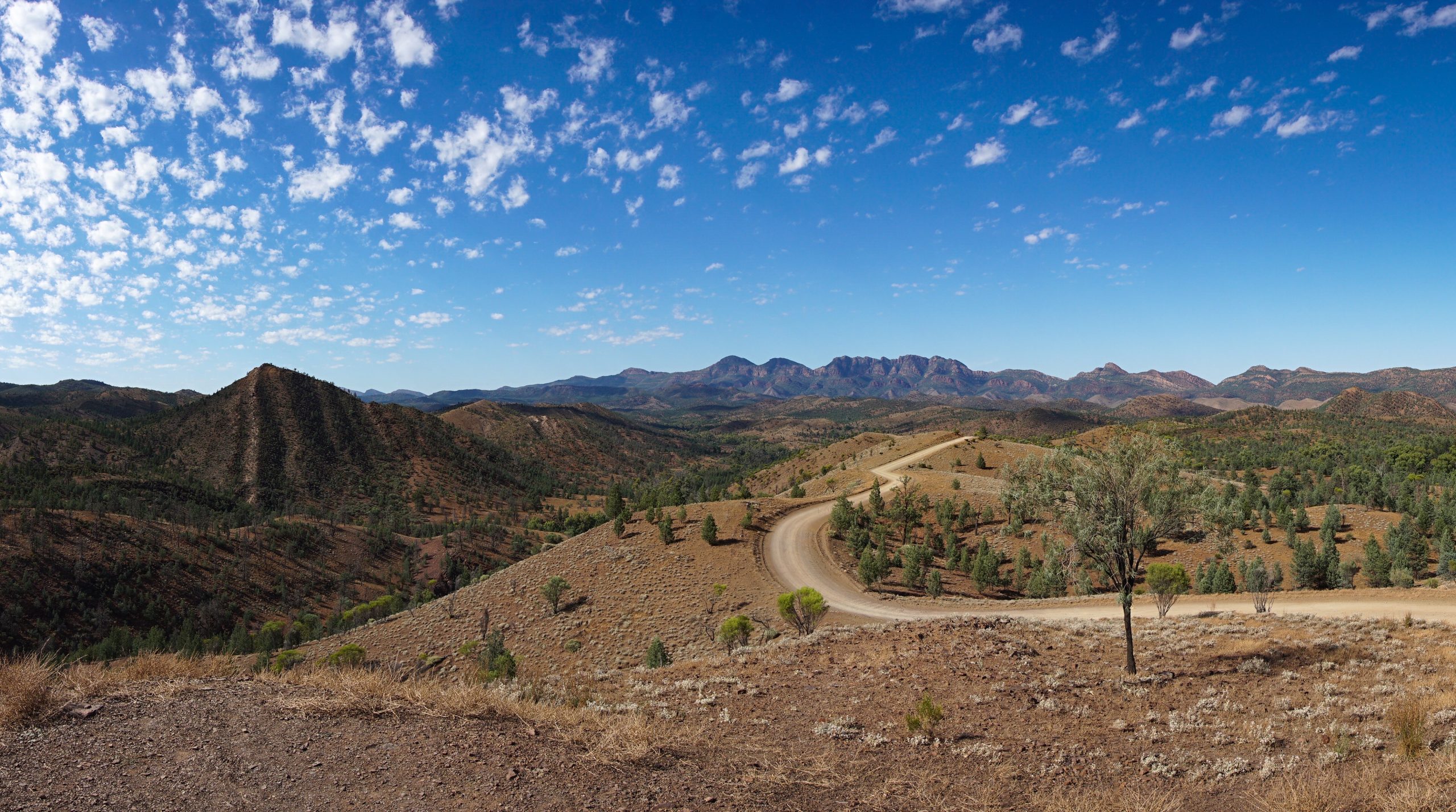
A beautiful, mountainous park in South Australia’s outback, Ikara-Flinders Ranges National Park is arid, wild and very remote. Amongst its most dangerous creatures are redback spiders, a beautiful black-and-red, highly venomous arachnid.
These striking spiders can be found in crevices throughout the national park, and while they are not aggressive, they will bite if disturbed. Bites cause intense pain, and can lead to sweating, vomiting and muscle weakness. Thanks to antivenom, they are rarely fatal, though.
Climbing is a popular pastime in the national park, and climbers must be wary of putting their hands inside dark crevices lest they get a shock. In Australia it is always best to look before deciding whether to touch!
4. Munga Thirri Simpson Desert National Park
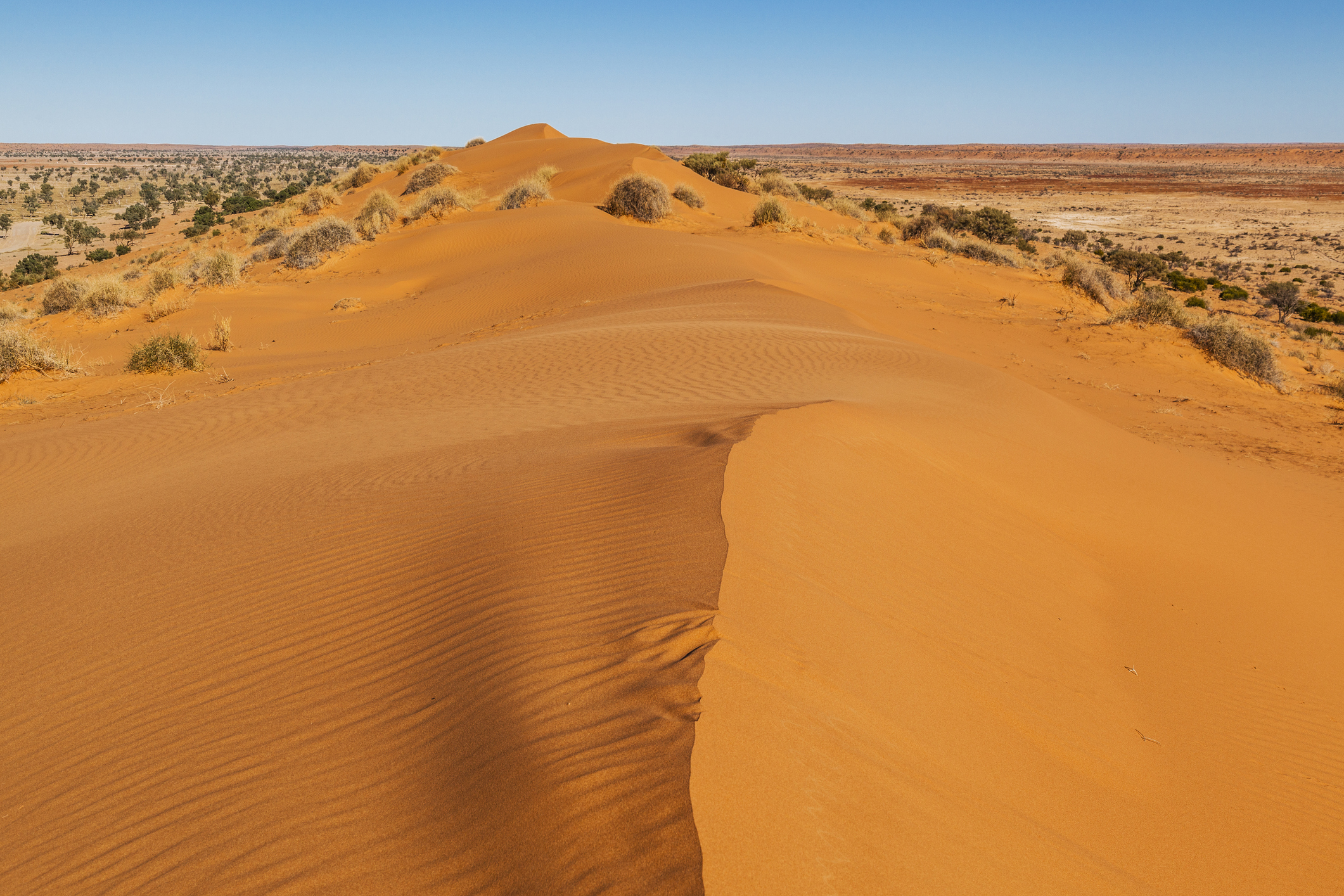
This national park, in the centre of Australia, is the largest in the country. The main killers here are heat, isolation and lack of water.
The park covers a whopping 14,000 square miles and does not have a single town. In summer, the temperature can rise into the forties, with the maximum temperature being over 50°C. Summer ground temperatures often surpass 50°C, and can reach 95°C.
- Struggling in the heat? Meet the animals that can survive the hottest temperatures on Earth – even a sweltering 149 degrees celsius
- "It dies, roasted alive" – Meet nature’s 10 strangest killers that weaponise fire, wind and heat to kill
While there are some deadly creatures in this national park, such as the king brown snake (one of Australia’s most venomous snakes), heat is by far the biggest danger. Police warn that those driving through the national park should not get out of their vehicle if they break down, and all drivers must advise others about their itinerary before travelling – just in case they don’t emerge from the desert. Because of the danger to life, the park is closed to tourism during the peak summer months, which undoubtedly has saved many lives!
But the park is not always arid and inhospitable. In 2009 and 2010, floodwaters drenched the desert in 17 million megalitres of water and it briefly erupted into a carpet of wildflowers.
3. Royal National Park
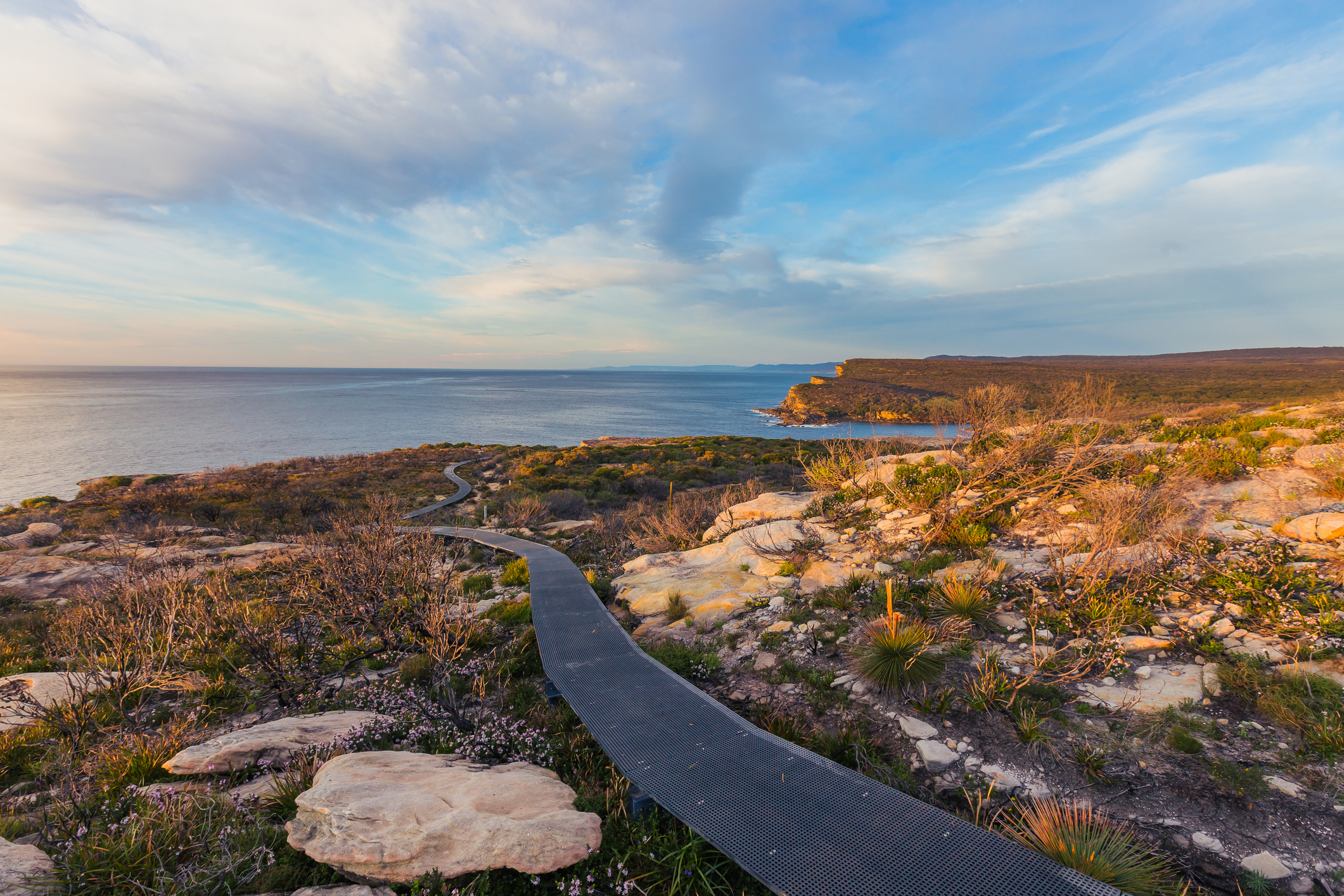
In the coastal waters of Royal National Park on the east coast of Australia, another creature lurks in crevices. It is the beautiful blue-ringed octopus.
These creatures, only around the size of a golfball, look pretty cute and many think them harmless – especially if they are not displaying their famous blue rings, which only appear when the animal feels threatened. But these small cephalopods can kill within minutes. Their venom is a thousand times stronger than cyanide, and we currently have no antivenom. As a result, bites can be fatal.
While blue-ringed octopuses may be one of the most deadly animals in this park, they very rarely bite humans. In Royal National Park, the leading cause of death is drowning. The famous Figure Eight Pools are particularly dangerous because freak waves can drag those swimming in the serene coastal pools out into the open ocean.
2. Cape Le Grand National Park
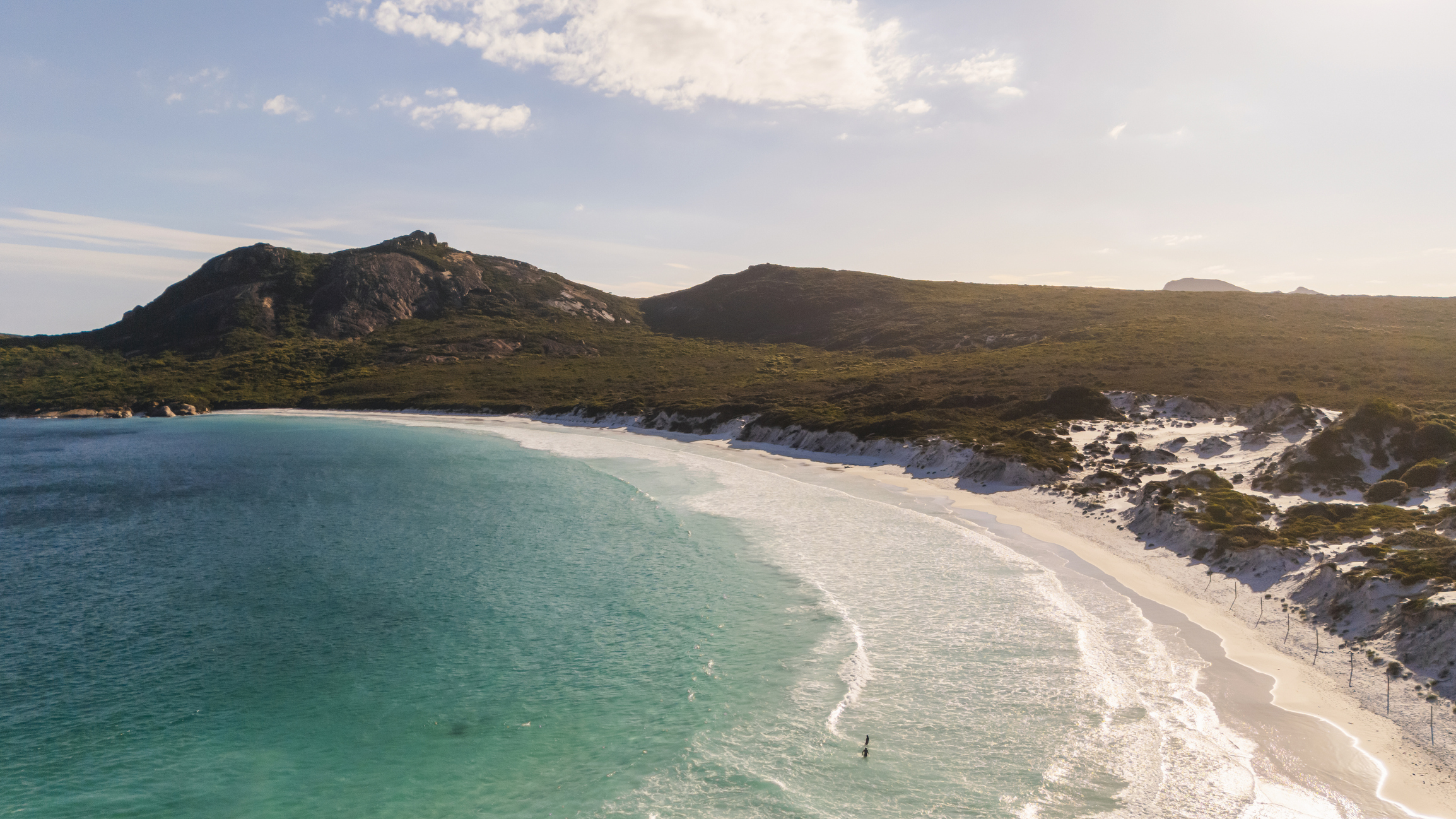
With its white sand beaches and turquoise sea, Cape Le Grand National Park is impossibly beautiful – but don’t let those crystal-clear waters trick you into thinking they are harmless. This area, in Western Australia, is a hotspot for great white shark attacks. In 2025, within the park’s boundaries, a surfer was mauled to death by a great white.
- In 2015, great white sharks vanished from Australia's Neptune Islands. Experts are still trying to work out why
- Just like in Jaws, this great white shark got stuck in a small pond. Here’s what happened next...
Great whites are incredible and formidable animals, growing over 15-foot-long and weighing over 4000 pounds. Most great white shark attacks are thought to be a case of mistaken identity, though: these sharks do not normally eat humans, and probably mistake us for seals or sea lions. Unfortunately, by the time they’ve realised their mistake, it can be too late…
1. Kakadu National Park
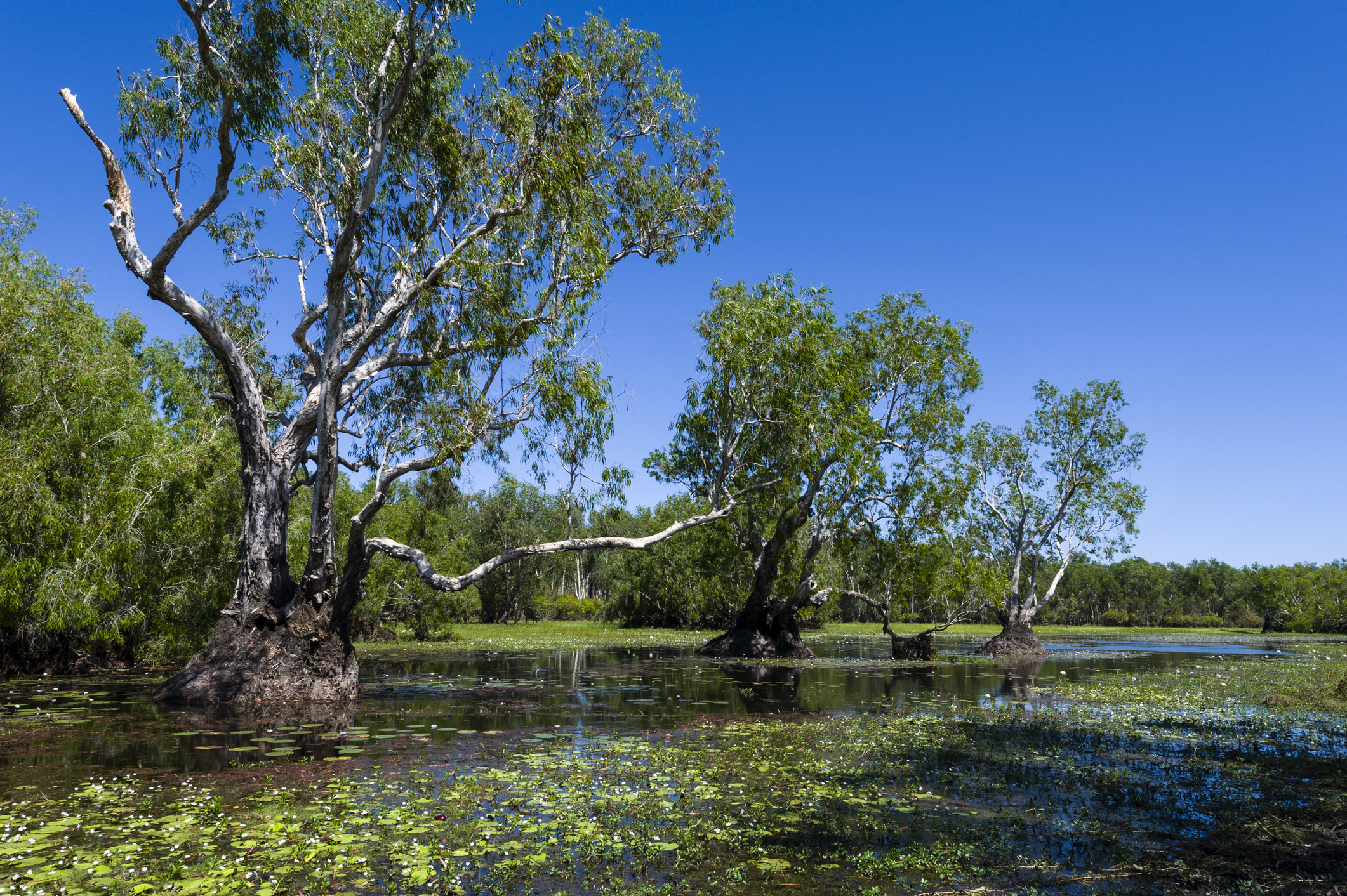
The second-largest national park in Australia, Kakadu, in Northern Australia, is also one of the world’s most dangerous. In amongst its raw and rugged beauty (think mountains, gushing waterfalls and enormous rivers), lurks the world’s biggest reptile, the saltwater crocodile.
Ten percent of Australia’s saltwater crocodile population live in Kakadu – that’s 10,000 crocs (not including hatchlings). And unlike many large predators, these crocs are not averse to eating humans.
- Australia’s most terrifying wildlife spectacle: 50 saltwater crocs crammed into one small stretch of river waiting to strike
- Can a human outrun a crocodile? Just how fast are these deadly, ferocious reptiles?
Since 1979, at least five people have been killed by crocodiles within the park. With their incredibly powerful jaws (they can crush bones with a single bite) and famous ‘death rolls’, there is little hope of escape.
Escape sometimes does happen, though. The naturalist Val Plumwood was dragged underwater by a saltwater croc while canoeing in the park. Although subjected to multiple death rolls, she managed to fight back, break free, and crawl up the riverbank. A few other people have been reported to survive a croc attack, but escapes are rare.
top image: View onto the ragged outback landscape in the Ikara-Flinders Ranges. Credit: Julian Sean Niedermaier/ Getty Images
More wildlife stories from around the world:
- "At first he licked the doors and tyres, but then decided to spar with the hood. I didn’t feel safe trying to stop him"
- This 2-metre monster latched onto a diver's face with its needle-sharp teeth and left him needing more than 20 stitches and plastic surgery…
- "His notes make harrowing reading: Bleeding of mucous membranes began about 5.30pm, urination at 12.20am, mostly blood, a good deal of abdominal pain"


