The USA practically invented the national park system, and today it has some of the best-known on the planet. Yellowstone and Yosemite, in particular, are place names that resonate throughout the world, and not without good reason – they combine spectacular scenery with diverse and charismatic wildlife and an infrastructure that permits millions of people to visit them every year.
But with all that comes danger – so what are the most deadly national parks in the country?
- "It was formed over 7,000 years ago, when a volcano erupted and created an enormous crater." 10 most spectacular, beautiful scenic drives in USA
- What's the biggest national park in the world? And no, it isn't the one you think it is...
10 deadliest US national parks
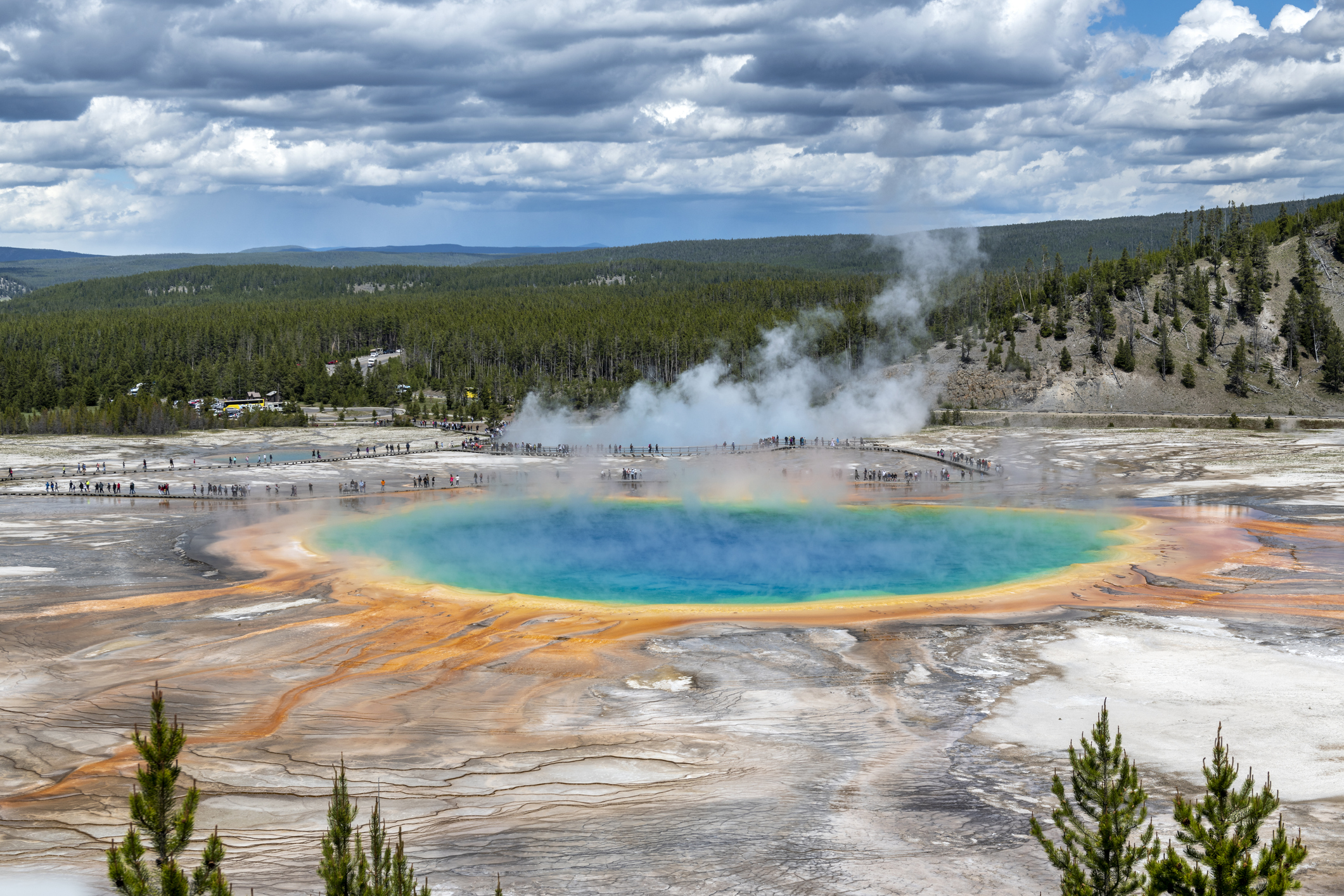
Yellowstone National Park
- Established: March 1, 1872
- Location: Wyoming, with parts extending into Montana and Idaho
- Wildlife: grizzly bears, cougars, wolves, bison, elk
Arguably, the most dangerous thing about Yellowstone is what you can’t see – the active caldera deep beneath the earth, measuring 72km long by 50km wide, the source of geysers and other volcanic activity within the park.
- What wildlife can I see in Yellowstone National Park, USA?
- Yellowstone received a whopping 4,762,988 visits in 2025. But it wasn't the most-visited US national park
But assuming that it's not about to erupt any day soon (scientists assure us it won’t), you’ve still got to contend with the scalding hot springs, some of which are also acidic and can reach temperatures of 85˚C. It’s thought 22 people have died after contact with these springs since 1872. In 2016, a man called Colin Scott slipped into a hot spring in a practice known as “hot potting” and by the next day, his body had been entirely dissolved by the heat and acidity.
- "These giant apex predators are the size of a small car, as fast as a galloping horse, and have jaws strong enough to crush bones.“ 10 deadliest animals in Yellowstone National Park
- Something breathtaking has just been pulled from the steaming springs of Yellowstone National Park
The wildlife – including brown bears, cougars, bison and elk (actually, a deer very closely related to European reds) – is the least of your worries.
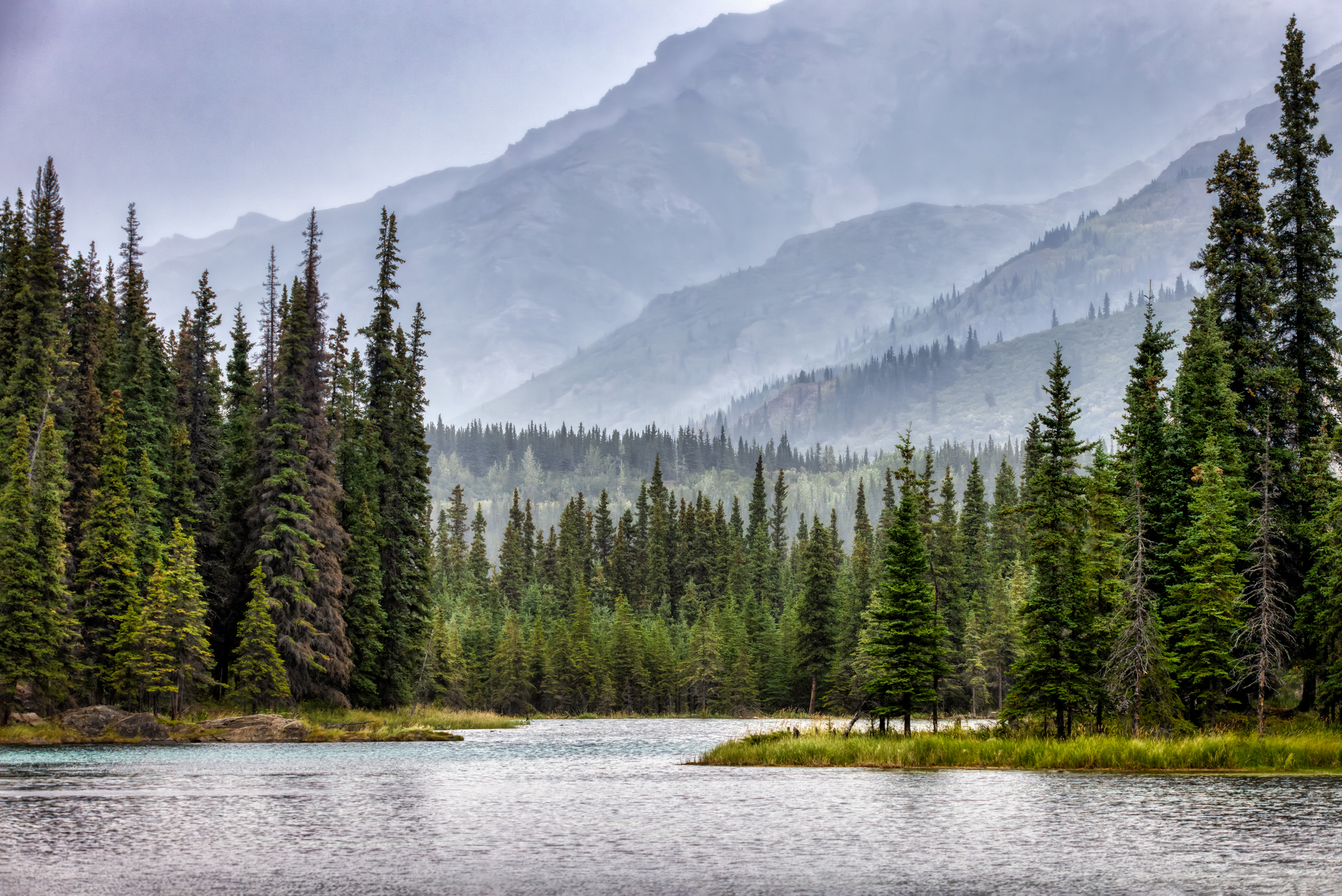
Denali National Park
- Established: February 26, 1917
- Location: Alaska
- Wildlife: moose, caribou, Dall sheep, wolves, grizzly bears
Location of the highest peak in North America – the 6,130-metre Denali or Mount McKinley – Denali National Park has one very obvious threat to a person’s well-being. It’s called extreme altitude, and it kills. Since the start of the 20th century, there have been 96 known fatalities of climbers on Denali (a bit less than one a year), though the rate is said to be declining.
For ordinary visitors, perhaps the most dangerous feature of the park is its moose (confusingly called elk in Europe) – they are notoriously bad-tempered, especially females with calves. As the park service says, they may look docile, but they can weigh up to 500kg (700kg or more for a male) and can run at more than 50 km/h.
And you can’t front up to a moose – if it charges, run. “If you are out in the open, run in a zigzag since moose can’t corner well,” says one wildlife biologist.
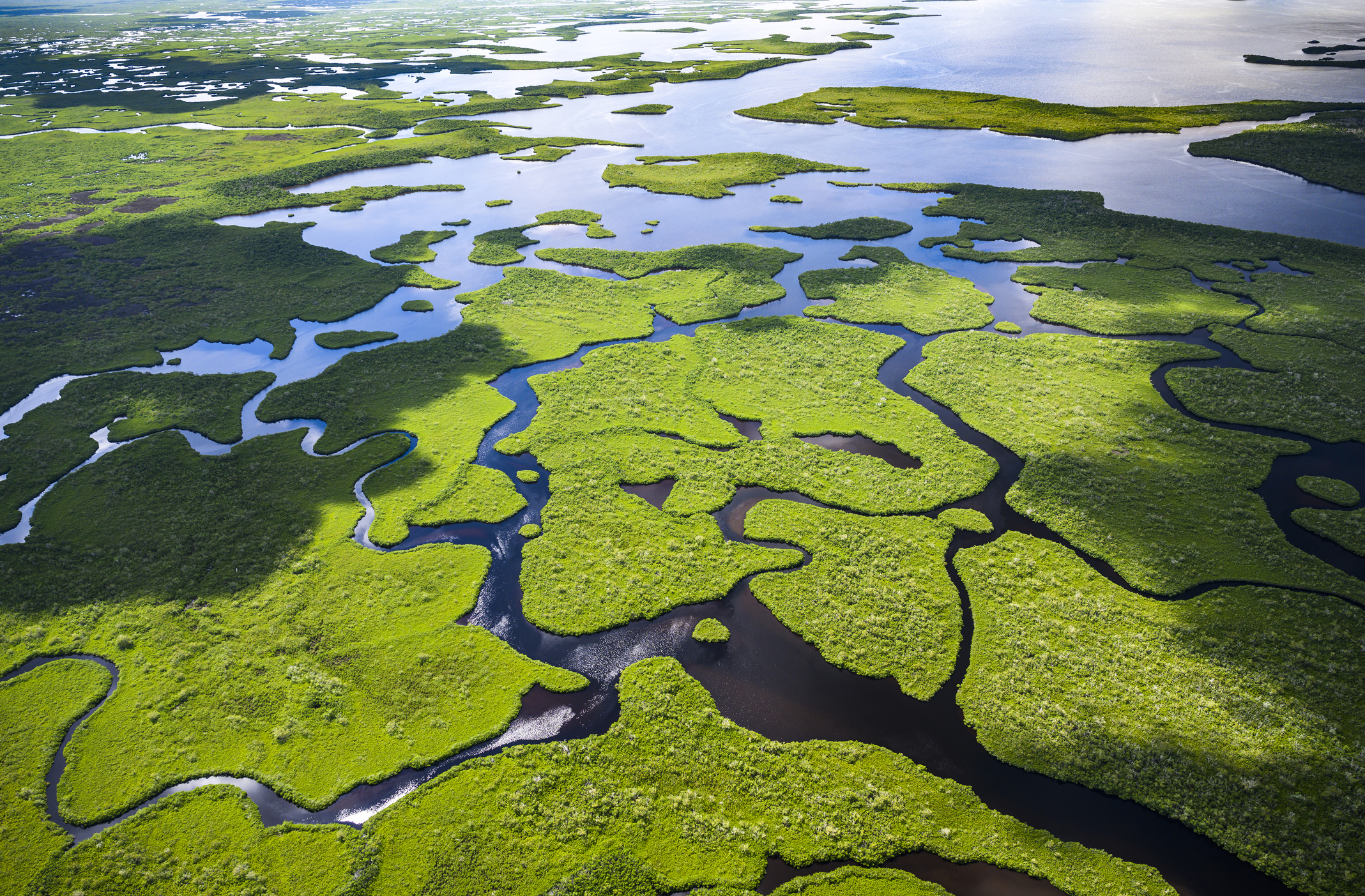
Everglades National Park
- Established: December 6, 1947
- Location: Florida
- Wildlife: alligators, crocodiles, Florida panther, wading birds
There are no mountains to fall off or enormous, grumpy herbivores to avoid in the Everglades – but don’t breathe a sigh of relief just yet. These vast wetlands are brim full with alligators and American crocodiles, and attacks do happen.
- 10 USA sewer dwellers: Alligators, sea cows, snakes, turtles – the surprising animals lurking in the country's sewers...
- There is only one place on Earth where crocodiles and alligators live together in the wild – and it's here
In 2016, a woman almost lost lost her hand when she dipped it into the water without realising there was something lurking beneath the surface. And in 2025, an alligator tipped over a canoe and attacked and killed a woman in nearby Lake Kissimmee State Park. But overall, the threats from gators are low – there have been only 31 fatalities in the whole of Florida since 1948.
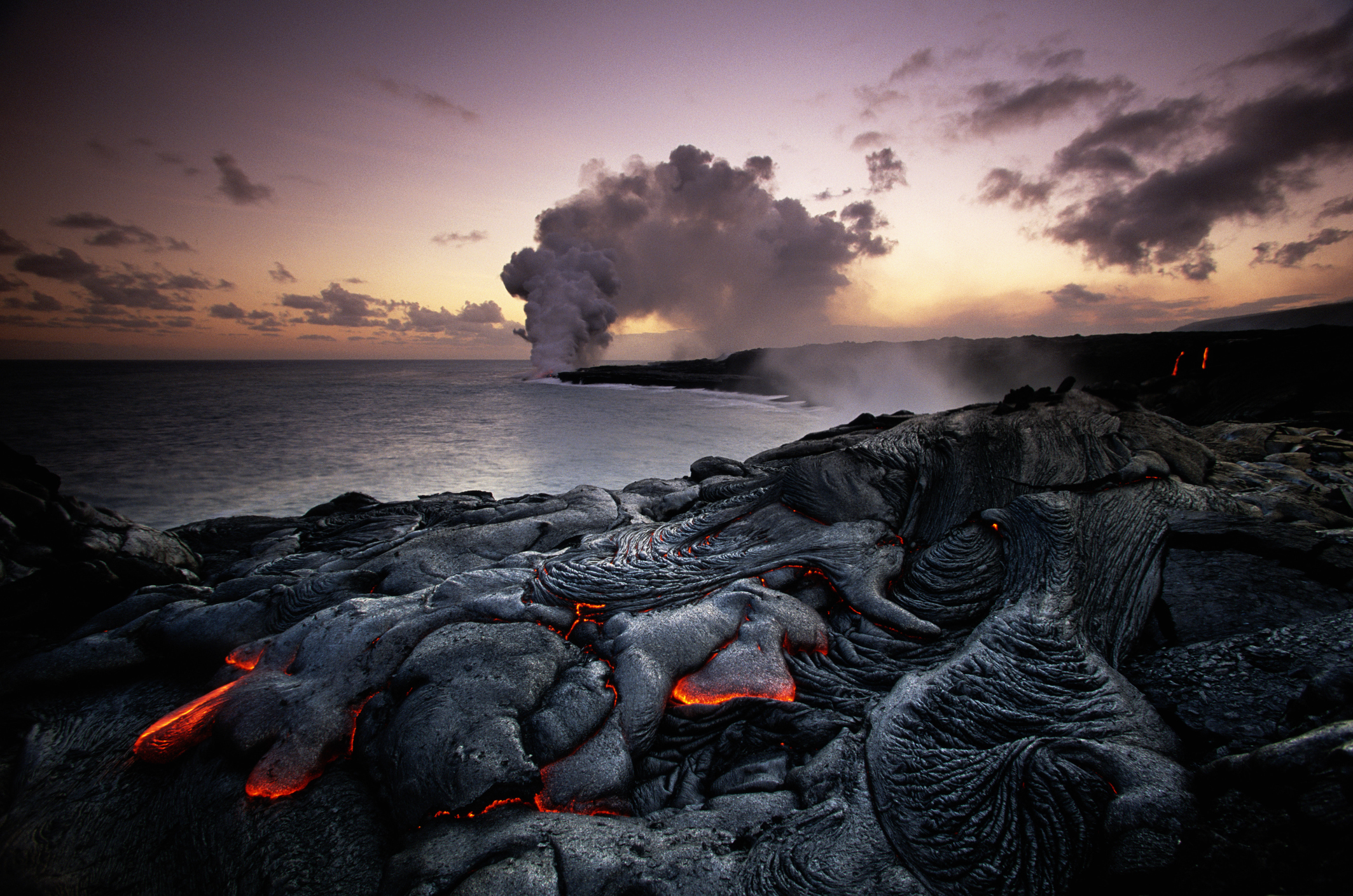
Hawai’i Volcanoes National Park
- Established: 1 August 1916
- Location: Hawaii
- Wildlife: endangered endemic birds like the nēnē and ʻapapane, Hawaiaan hoary bat
You might think the biggest threat to life in Hawai’i Volcanoes National Park is two of the world’s most active volcanoes in the world, Kīlauea and Mauna Loa. And they are dangerous – in 2019, a soldier survived a 21-metre fall after climbing over the safety barrier at Kīlauea. The risks presented by volcanic activity include steep and unstable ground, sharp rocks and hazardous gases such as sulphur dioxide.
- A complex sound is drifting through the forests of Hawaii – for the first time in years
- This flying robot was deployed to a remote valley in Hawaii to collect one of the rarest things on Earth
But over a decade-long period between 1992 and 2002, the national park service reported 40 fatalities, of which the majority were aircraft and hiking-related. A research paper concluded that helicopter tours, hiking in unfamiliar areas with active lava flows and driving in unfamiliar locations were the biggest risks.
Grand Canyon National Park
- Established: 26 February 1919
- Location: Arizona
- Wildlife: mule deer, elk, bighorn sheep, coyotes, bobcats
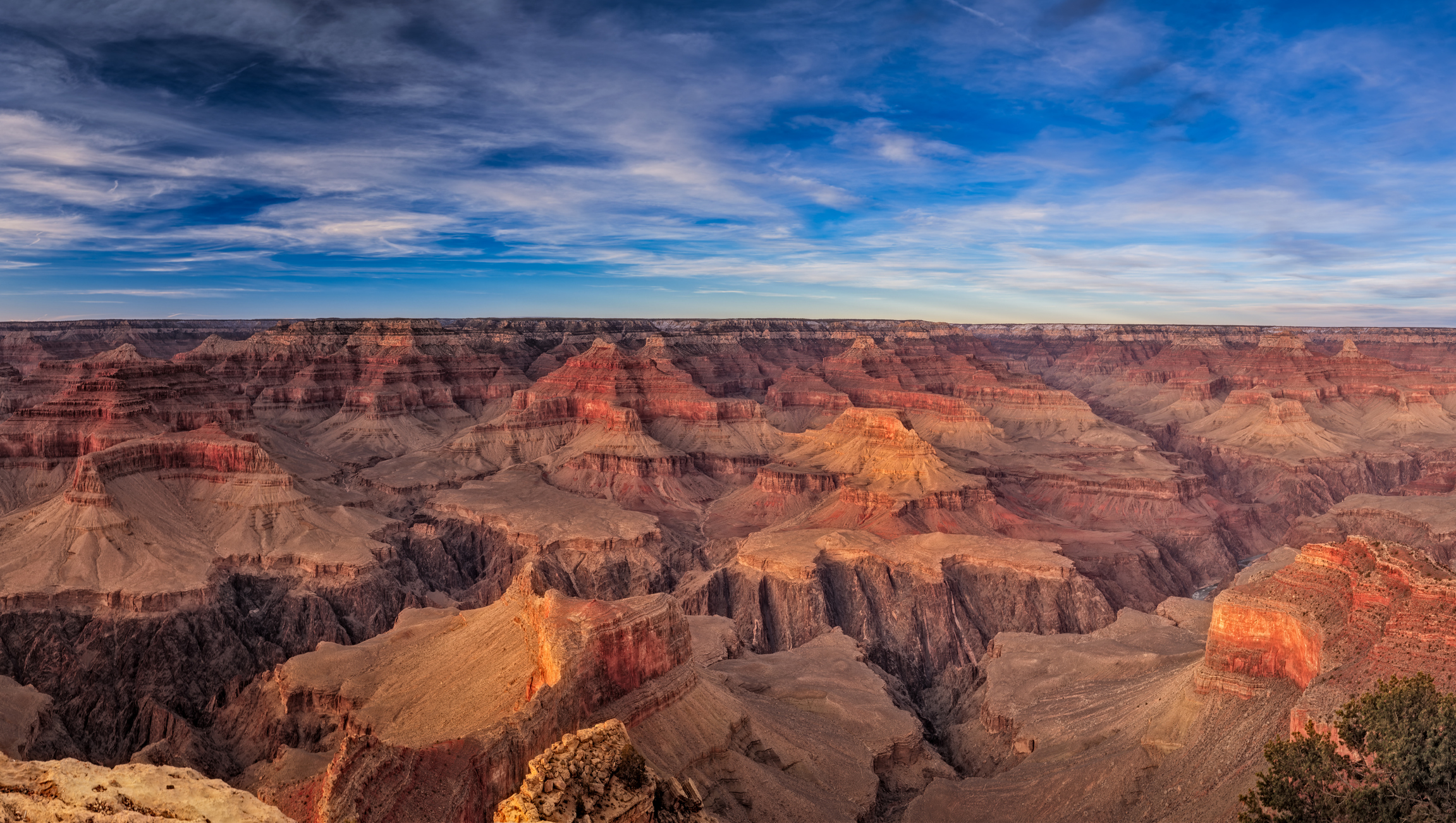
This is one of the USA’s truly iconic landscapes, a valley 1.8km deep, in some places carved into giant coils by the Colorado River. It was famously the location where the 1991 movie Thelma and Louise ended its heroines’ story when they drove over the edge of the gorge. While this isn’t replicated in real life, 48 falls resulting in death were recorded between 2007 and 2025. Medical-related deaths were even higher, while drowning, suicide and ‘undetermined’ were also significant.
- Why half-a-billion-year-old animals unearthed in Grand Canyon have got evolution experts so excited
- It’s the same size as Japan, can be seen from space and is a UNESCO World Heritage Site – and it’s teeming with thousands of species
Shockingly, deaths of people who lose their footing while taking photos really does happen, so watch where you’re standing when posing for a selfie.
Big Bend National Park
- Established: 12 June 1944
- Location: Texas
- Wildlife: badgers, bats, black bears, bobcats, snakes
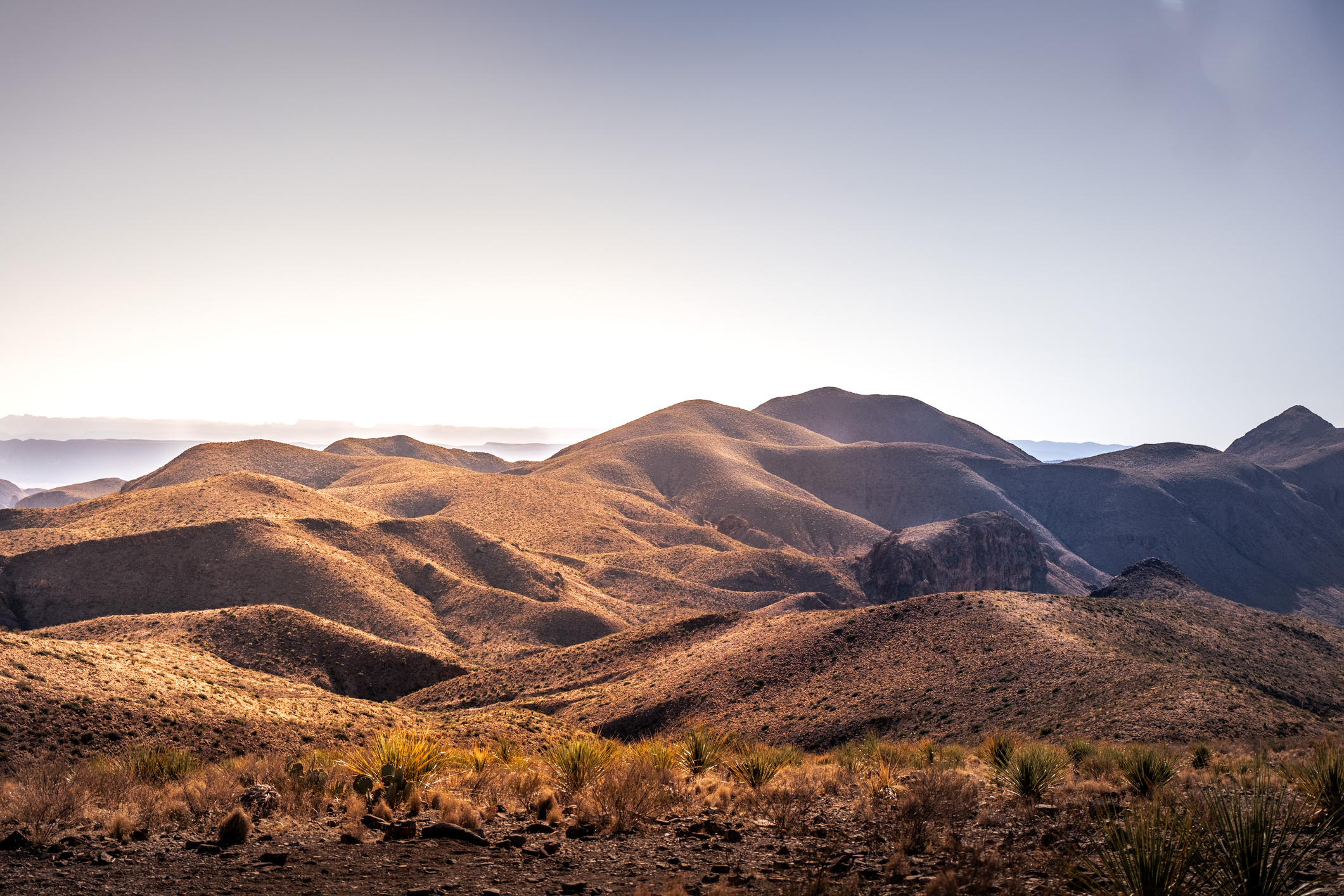
A relatively unknown national park in southern Texas, Big Bend is renowned for its extreme desert heat, rugged terrain and scarcity of water. Recent incidents include a 14-year-old hiker and his stepfather dying on a trail after temperatures soared to 48˚C and a 68-year-old woman having to be rescued after suffering from heat stroke in similar conditions.
There are a plethora of highly venomous snakes as well, including western diamondback and black-tailed rattlesnakes, but there have been no reports of snake-bite related deaths in the past 30 years. So that’s one worry you can cross off your list.
- “Everything is bigger in Texas”: fossil hunters unearth 'giant' animal in Big Bend National Park
- “There were hundreds crawling across the trail.” Huge, hairy animals surround hiker in Texas desert
Great Smoky Mountains National Park
- Established: 15 June 1934
- Location: border between North Carolina and Tennessee
- Wildlife: black bears, white-tailed deer, elk, squirrels, bats
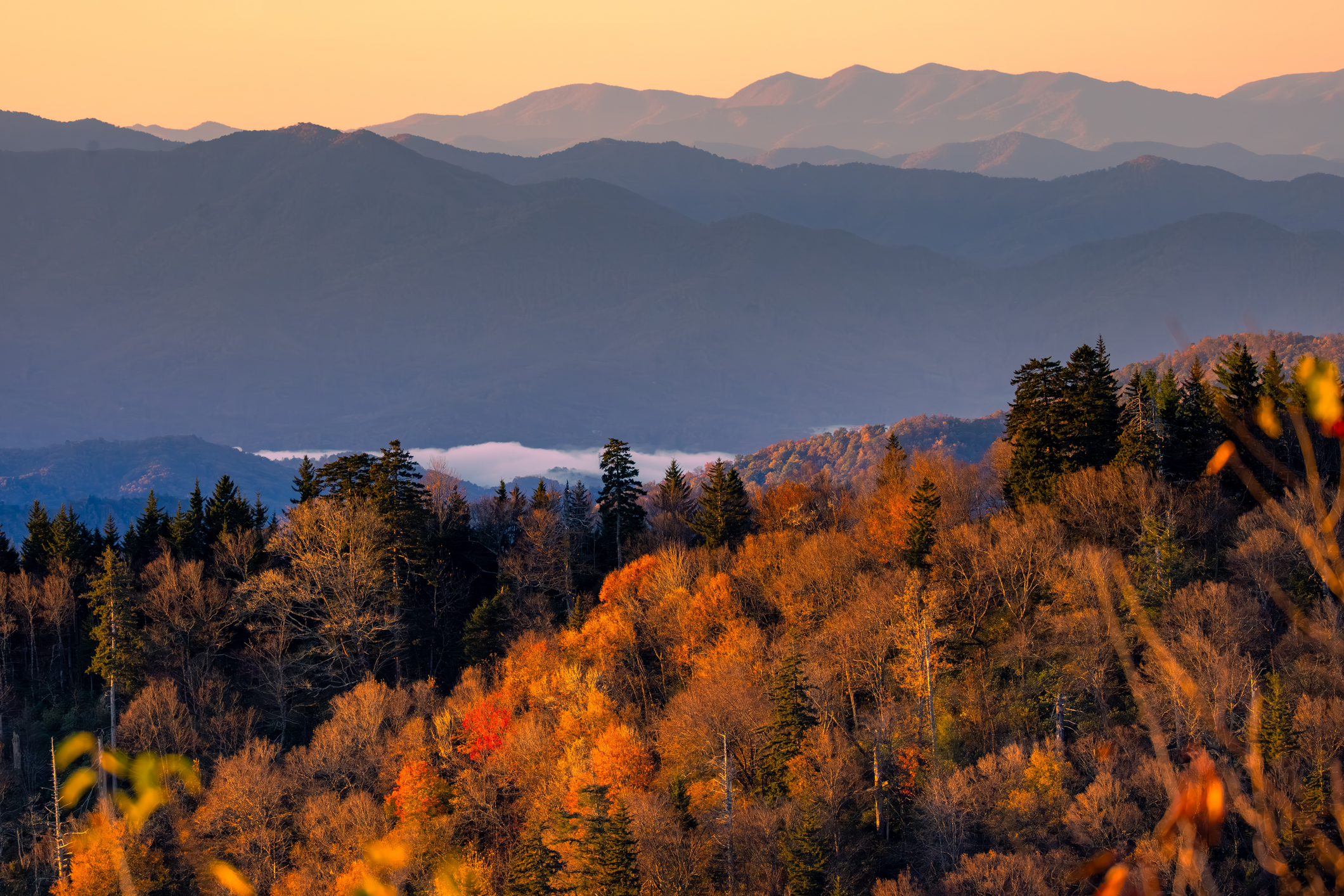
The USA’s most visited national park, the Great Smoky Mountains encompasses the southern Appalachians. It’s known for its spectacular hiking trails, fast-moving rivers and wildlife such as black bears, a carnivore usually regarded as being more dangerous than its close brown bear cousin.
- Great Smoky Mountains wildlife captured in 15 breathtaking photos
- Hawk Mountain: how a deadly hunting ground in the Appalachian range became a sanctuary for raptors
The park service recorded 150 deaths over a 15-year period, but easily the biggest number were vehicle-related. Medical issues during physical activity and drowning were also prominent causes of deaths in the park. Not one of them were bear-related.
Olympic National Park
- Established: 29 June 1938
- Location: Washington
- Wildlife: Roosevelt elk, black bears, cougars, sea otters, grey whales
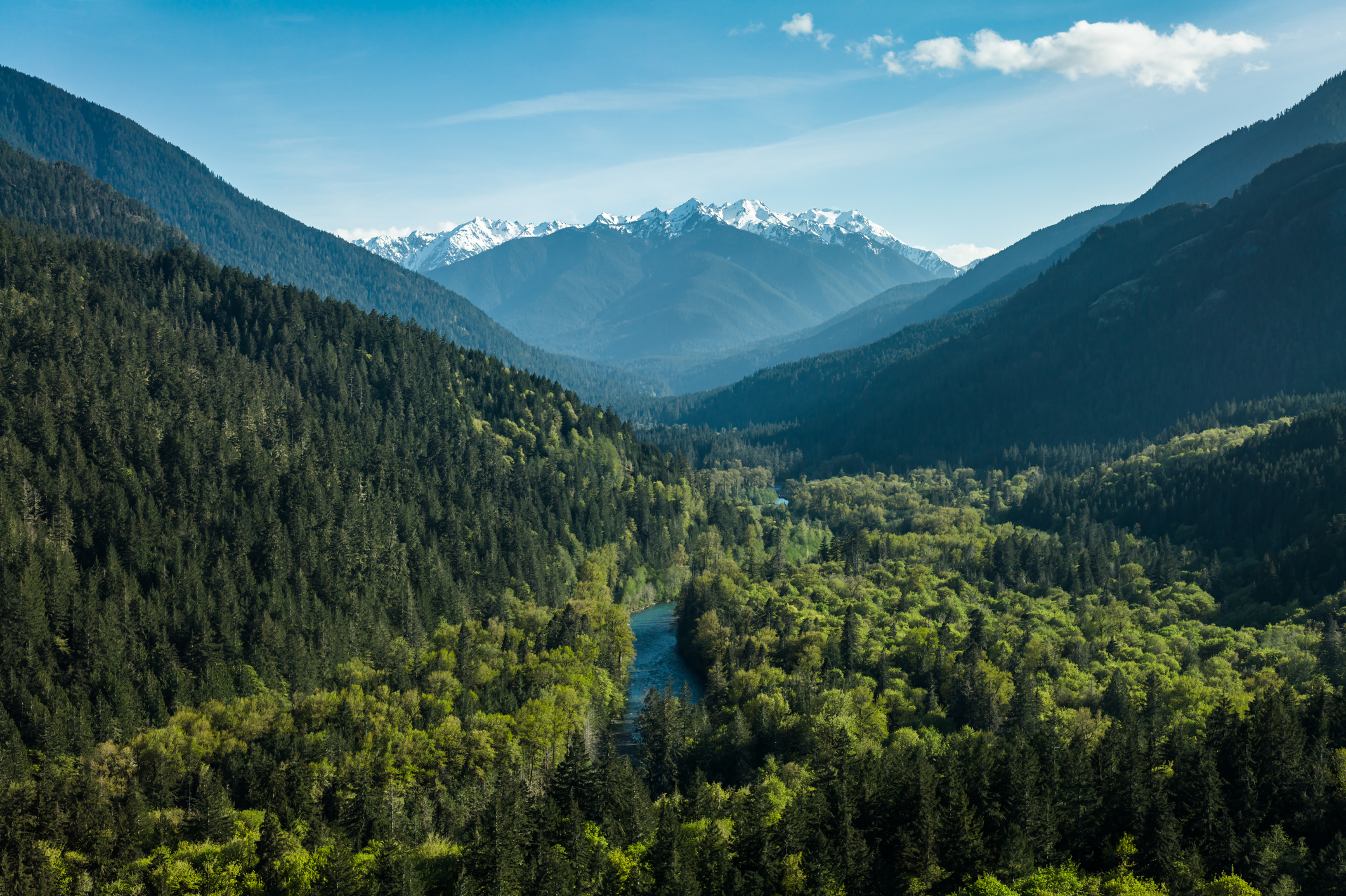
Located in the extreme north-west of the ‘lower 48’ in Washington state, Olympic National Park – like Great Smoky Mountains – contains rugged mountains and dangerous rivers. It enjoys (or suffers from, depending on your point of view) extremely high rainfall and has a cold Pacific coast.
- Scientists just spent 16 months exploring Earth's oceans – what they found is breathtaking
- Meet the world's most confusing animal, the platypus: It's venomous, has an electric organ, glows in the dark and sweats milk...
Deaths from falls, drowning, climbing accidents and hypothermia all occur. Attacks by wildlife are relatively rare, though last year, a four-year-old child was attacked by a cougar but survived after the father intervened, while in 2010, a hiker died after being gored by an aggressive mountain goat.
Yosemite National Park
- Established: 1 October 1890
- Location: California
- Wildlife: black bears, mule deer, coyotes, bighorn sheep
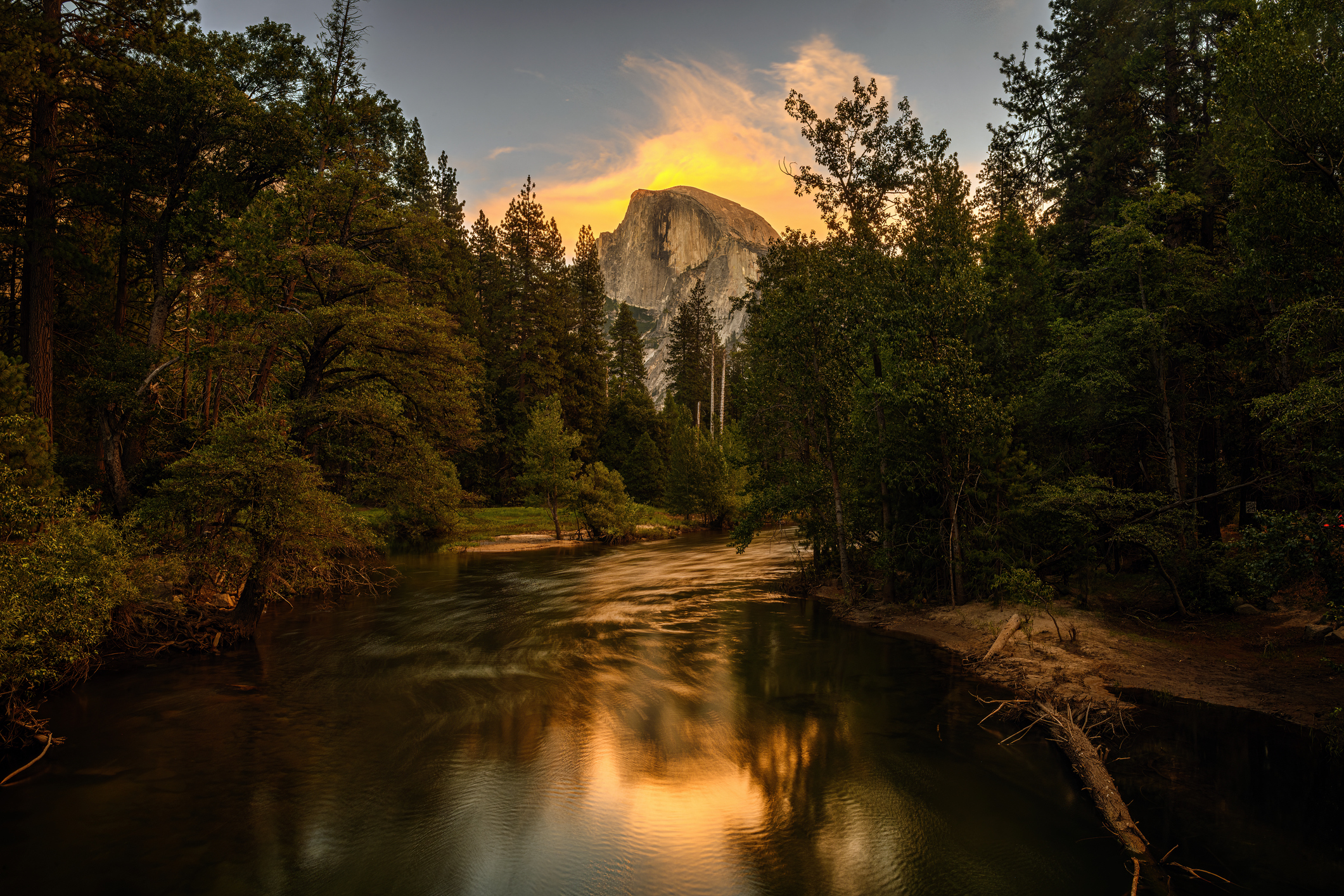
This famous Californian national park is one of the most dangerous in the USA, with 125 fatal incidents over a 10-year period. One of the key factors behind this is that the park, and the massive granite cliff-face of El Capitan especially, attracts thousands of climbers every year. It was ‘El Cap’ that Alex Honnold famously climbed without any ropes or safety gear on his own in 2017.
- When scientists eradicated invasive bullfrogs from Yosemite National Park, an ancient creature returned
- A great predator has returned the towering cliffs of Yosemite National Park
About one third of all deaths in the park are attributed to falls. Rivers are also a persistent danger, as is driving. The area’s brown bears and other carnivores are, by contrast, not much to worry about.
Sequoia and Kings Canyon National Park
- Established: 1943
- Location: California
- Wildlife: black bears, mule deer, bighorn sheep, mountain lions
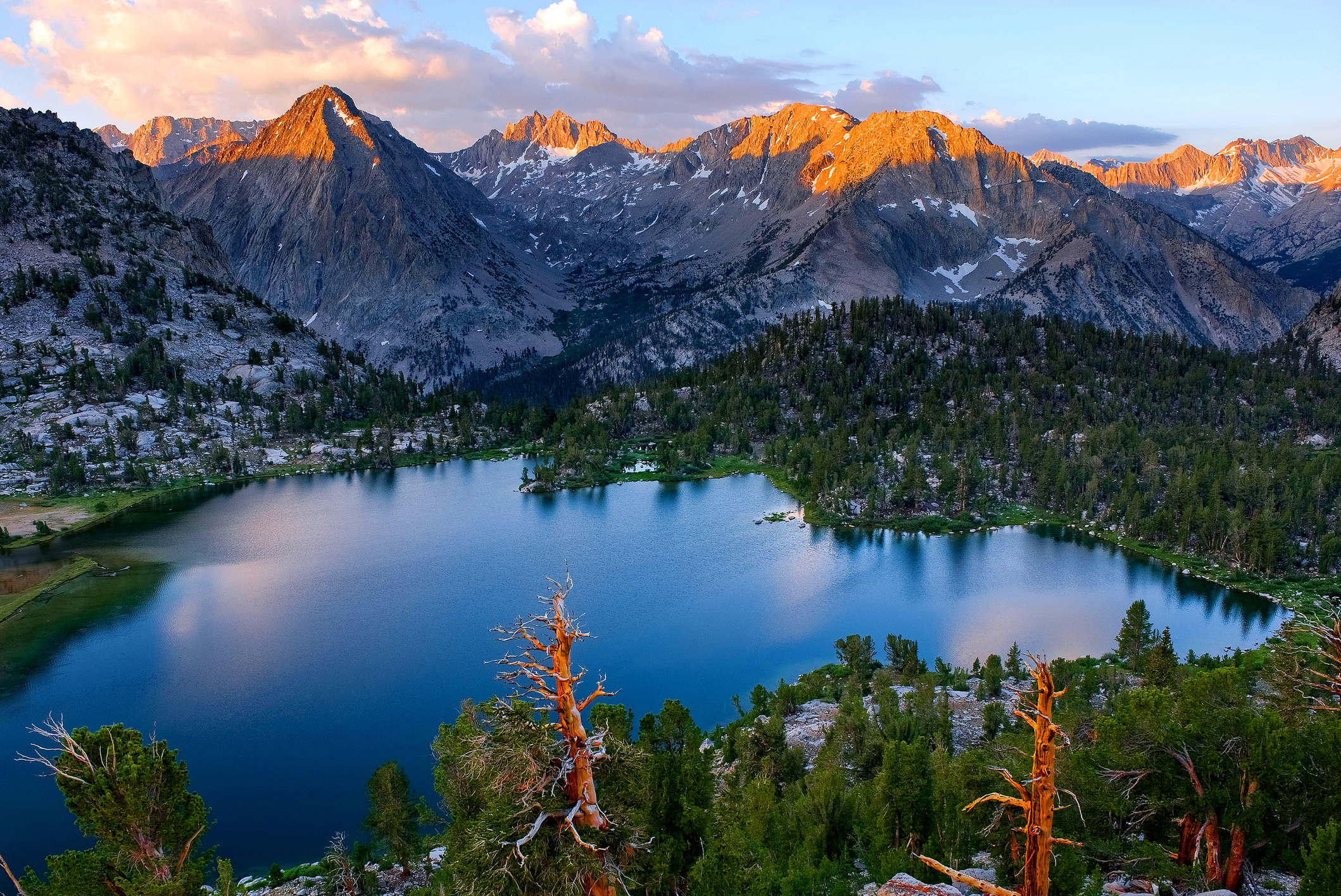
Also in California, Sequoia and Kings Canyon National Park is most famous for the trees that give it its name – the sequoia known as General Sherman is said to be the largest tree on Earth if measured by its volume.
Trees aren’t dangerous but its icy rivers, particularly in spring and early summer when the water volume is swelled by snow melt from the mountains, are. There are cougars in the park, and they too can be dangerous – official advice if you encounter one on a trail is not to run, pick up any children, make yourself as big as possible and even shout or throw stones. If all that fails? Fight back.
- Small birds are following fire in Yellowstone, Kings Canyon and Sequoia national parks. Here's why
- "I thought, what's that?" Hiker makes extraordinary discovery in Sequoia National Park
- What’s the deadliest snake in USA?
- What's the most dangerous animal in the USA? AND just how deadly is it to humans? Clue – it's responsible for a whopping 440 deaths a year
Top image: Yellowstone hot spring. Credit: Gemma Winston/Getty Images.