“Seemingly against the odds, we have a rational basis for hope.” So concludes the World Wildlife Fund’s 2026 Living Planet Report, its flagship assessment of the health of the world’s biodiversity.
The Living Planet Report is published once every two years. But while previous editions have documented the scale of loss, this edition strikes an encouraging note.
Although wildlife populations have declined by 73% between 1970 and 2022, there are signs of positive change.
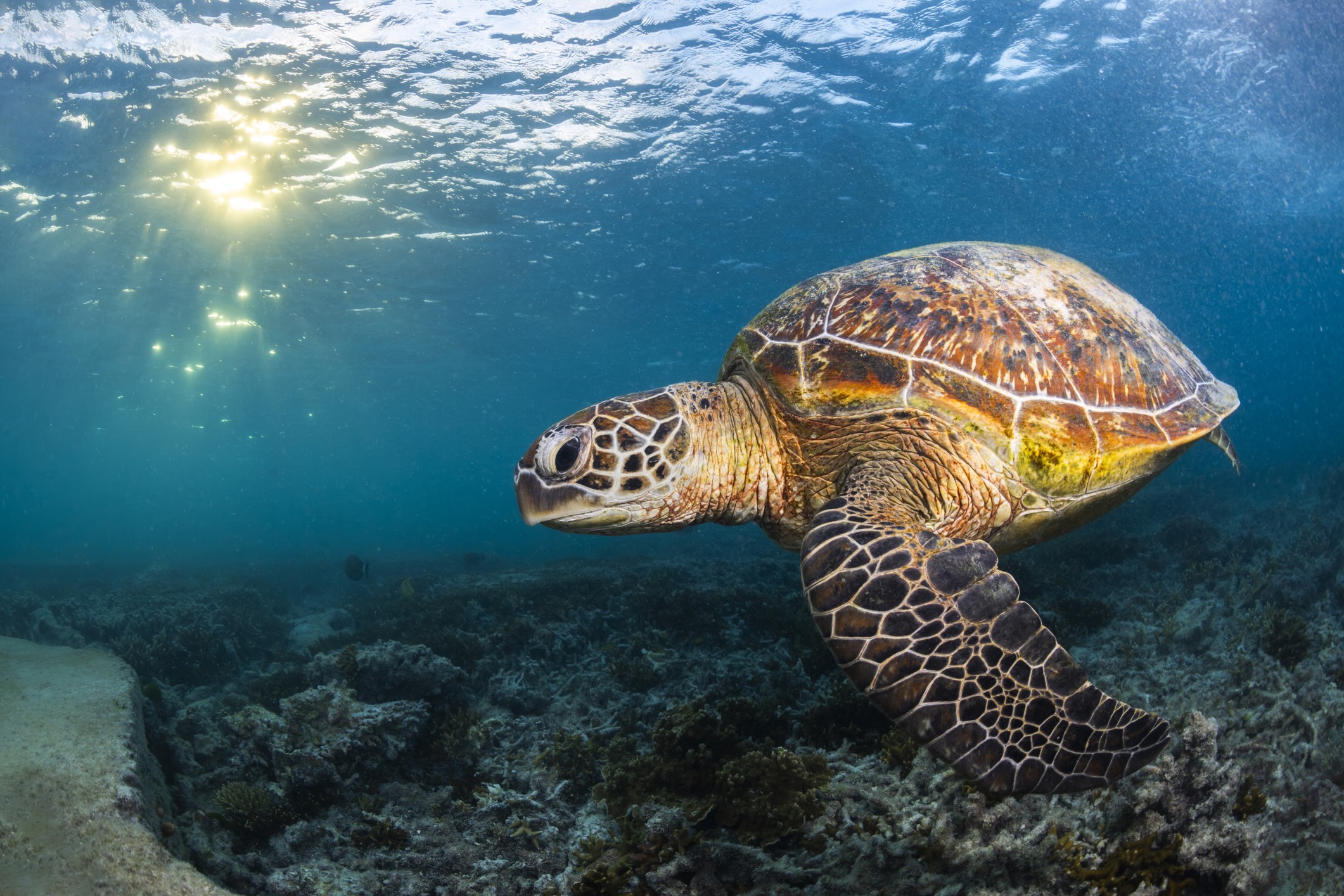
In the past 15 years, the number of wild tigers has increased by more than 70%. Many African elephant populations are stable or growing. Green sea turtles and Atlantic bluefin tuna are no longer listed as Endangered. Sea otters are on the up.
“The science is telling us that although humanity has done the most appalling things to this planet for many decades, it’s not too late,” says Mike Barrett, chief scientific advisor at WWF and the report’s lead author. “We can still end the loss of nature and indeed reverse it.”
Each of these recoveries took decades, requiring people to keep going despite setbacks, funding cuts and long periods with little visible progress.
What sustained them was a clear goal and plans for achieving it, a sense of agency and the resilience to keep going when things looked uncertain. Psychologists call this combination hope.
Where previous Living Planet Reports have warned of negative tipping points – thresholds beyond which ecosystems can tip into a degraded state that can be very difficult to recover from – the current report emphasises positive tipping points.
The energy sector is the single largest contributor to global environmental change, accounting for around three-quarters of all global greenhouse gas emissions. Solar power has gone from being niche 20 years ago, to being the cheapest source of new electricity generation in most countries. Coal use is declining in many of the world’s wealthiest economies and in 2024, electric vehicles accounted for more than a quarter of new car sales.
“I would confidently say that we have passed a positive tipping point in the energy system,” says Barrett. Positive changes are now snowballing. “It is now inevitable that the transition to renewables will complete.”
Reform of food and financial systems – also key drivers of environmental damage - is at an earlier stage, but positive tipping points are possible there too. “None of it requires miraculous inventions that we haven’t come up with yet. It’s practical stuff that can be done now,” says Barrett. The challenge now is delivering those solutions at the speed and scale needed.
More wildlife stories from around the world
- Scientists just climbed 38 of the tallest trees in Borneo. What they found was staggering
- East Antarctica recently gained almost 700 billion tonnes of ice – and scientists know why
- Amazing new penguin discovered for first time in over 100 years
- Arctic bobtail squid seen alive in natural habitat for first time ever
Top image: Bengal tigers in Ranthambhore National Park, India. Credit: Aditya Singh/Getty Images