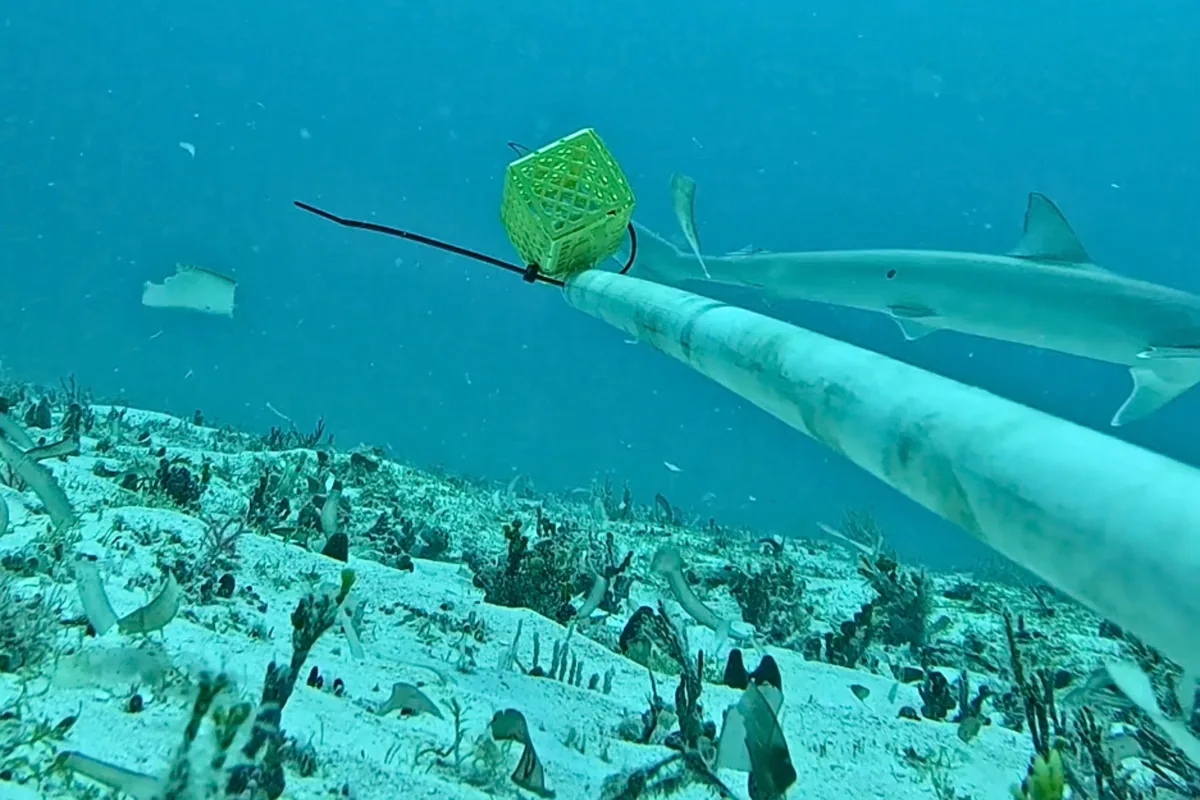
With huge waves that can play cat-and-mouse with vast ships, predatory sharks and highly venomous animals, the ocean is a habitat that deserves respect. Some waters are known for being more dangerous than others - but do they deserve their deadly reputation?
- World's 11 deadliest sea creatures: Meet the most dangerous animals in the ocean
- "You may experience headaches, nausea, vomiting, chest pain, irregular heartbeat, and fluid on the lungs…" 10 deadliest animals in the Atlantic Ocean
Here are some regions of the ocean that are said to be the most perilous on the planet.
Most dangerous parts of the ocean
Drake Passage
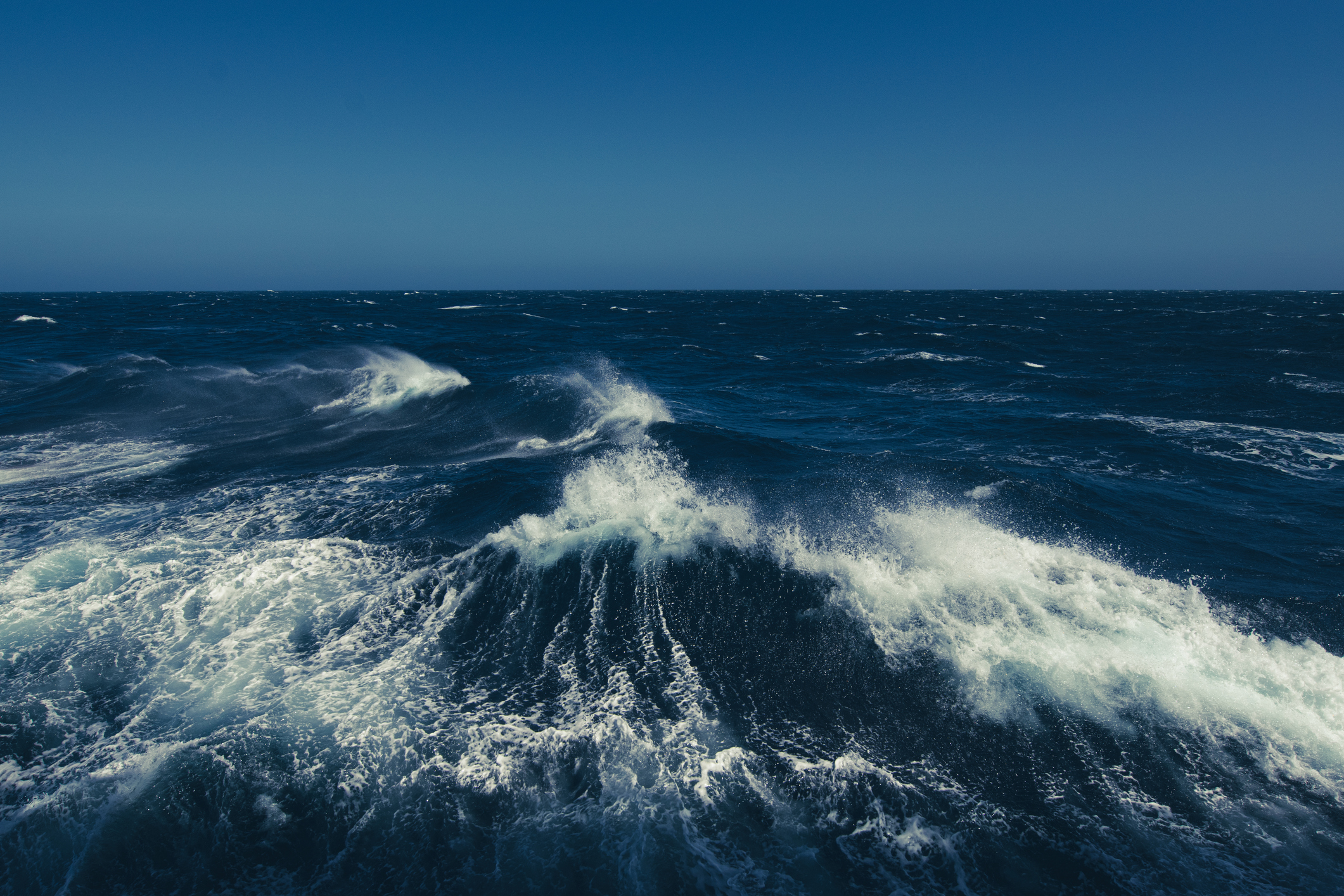
For those wanting to sail to Antarctica, the most direct route is by crossing the Drake Passage. These waters between Cape Horn, Chile, and the South Shetland Islands are thought to be among the most treacherous in the world. It’s said that the Drake Passage is responsible for sinking 800 ships and killing 20,000 people.
It’s also unpredictable, being known for its two key states: the Drake Lake (when it's remarkably flat and calm) and the Drake Shake when rough seas with huge waves rock even the biggest, steadiest of ships.
The British Antarctic Survey shared a footage of epic 12-metre waves pummelling their research ship on Instagram, describing Drake Passage as “notoriously spicy”.
In the post, they explain why this section of the Southern Ocean is so chaotic. “If you imagine looking at the Earth from below, you’ll notice that there’s an uninterrupted ring of ocean around Antarctica.
“The Antarctic Circumpolar Current whizzes around the continent, generating hurricane force winds and water mixing that helps drive global ocean circulation. The current gets squeezed at the narrowest point between the tip of South America and the Antarctic Peninsula,” they write.
Plus, this is where the Atlantic, Pacific and Southern Oceans all meet. Throw all these ingredients together and you get very dangerous waters.
Volusia County, Florida
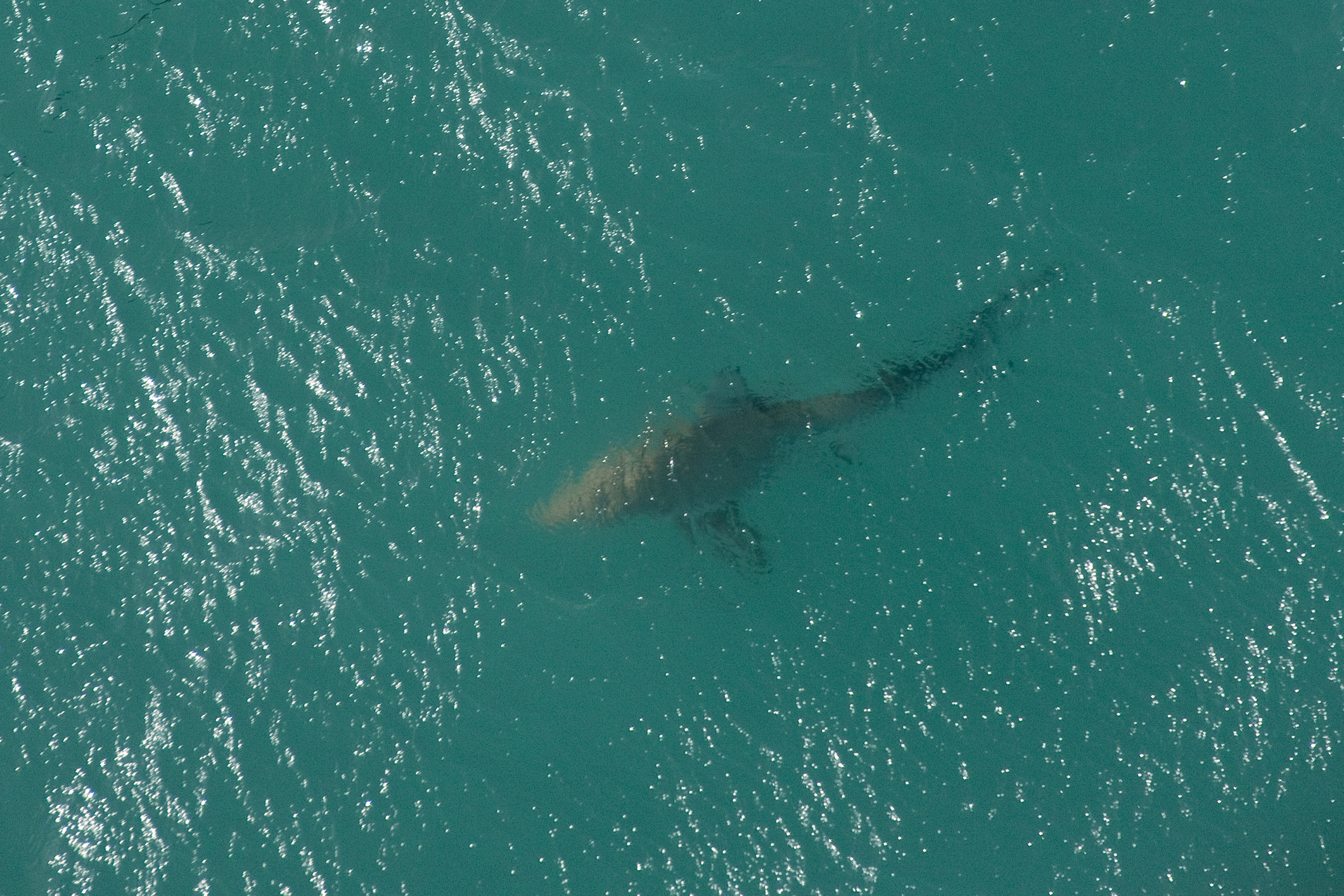
The chances of getting bitten by a shark when diving, surfing or swimming in the ocean are very low - according to the International Shark Attack File, a comprehensive database of shark bite incidents, there were 65 unprovoked bites globally in the whole of 2025.
Their data also shows which region has the most shark bites. Taking the top spot is Volusia County, Florida, which has more than 300 confirmed shark bites on record since 1882. Because of this, it’s known as the shark bite capital of the world. It has murky waters, lots of baitfish and lots of people in the water: a recipe for a potential shark incident.
Although this isn’t something to be taken lightly – always take steps to stay safe in sharky waters – to put the risk in perspective, Volusia had just six bite incidents in 2025.
The North Sea
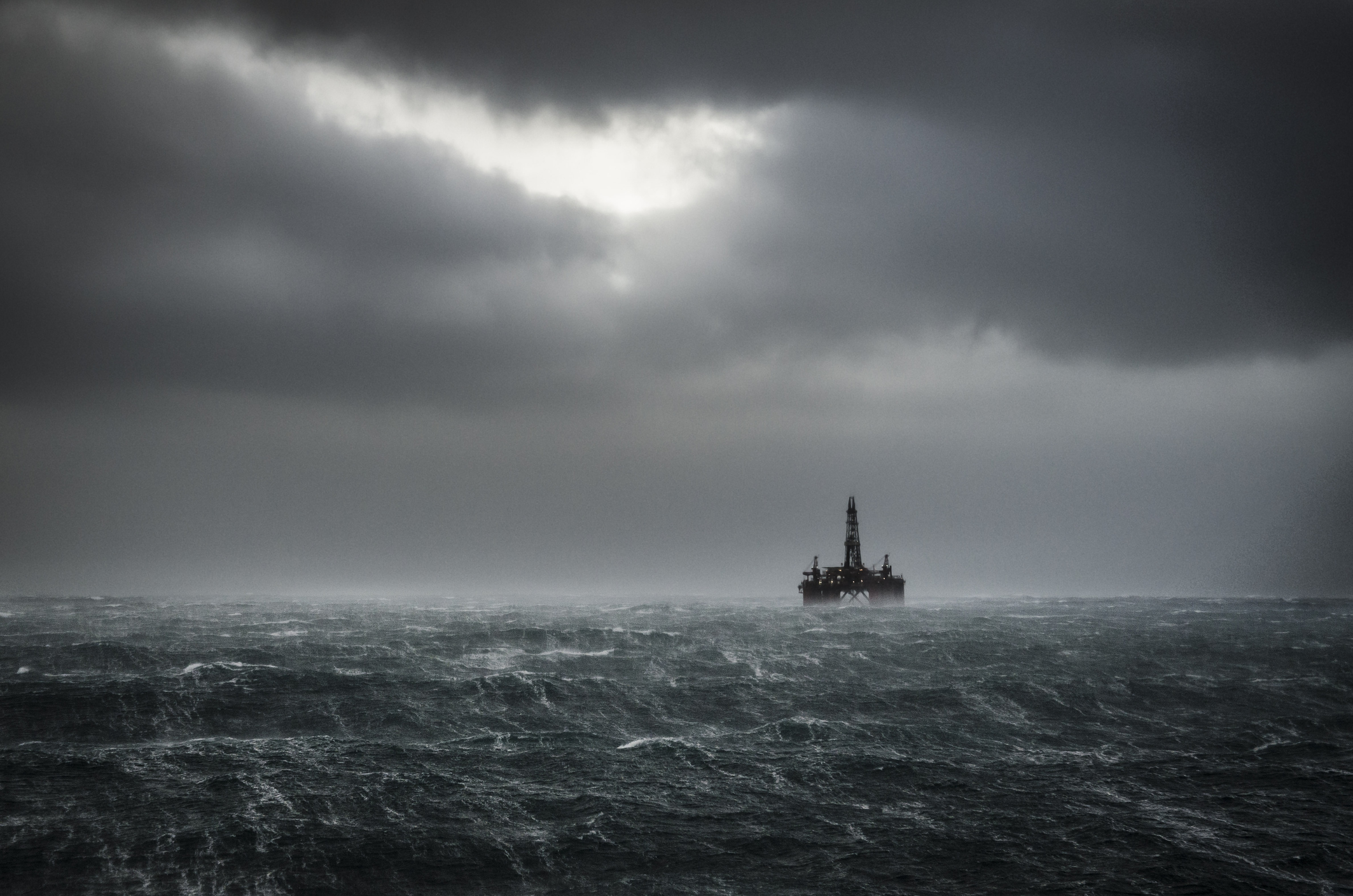
Cold, stormy and unpredictable, the North Sea (between the UK and northern Europe) can be incredibly dangerous. Thousands of ships and planes have met an untimely end in these treacherous waters, hundreds of which potentially brought World War munitions down with them.
- Stripy animals with big eyes found on remote oil rig in North Sea. What they were carrying stuns researchers
- Scientists uncover 'lost world’ beneath North Sea – once home to beavers, deer and even bears
According to Britannica, “storms are frequent, with gales and high winds creating dangerous conditions for vessels. The combination of low temperatures and strong winds can lead to severe weather events, making the sea particularly perilous for those caught in its midst.”
The Indo-Pacific
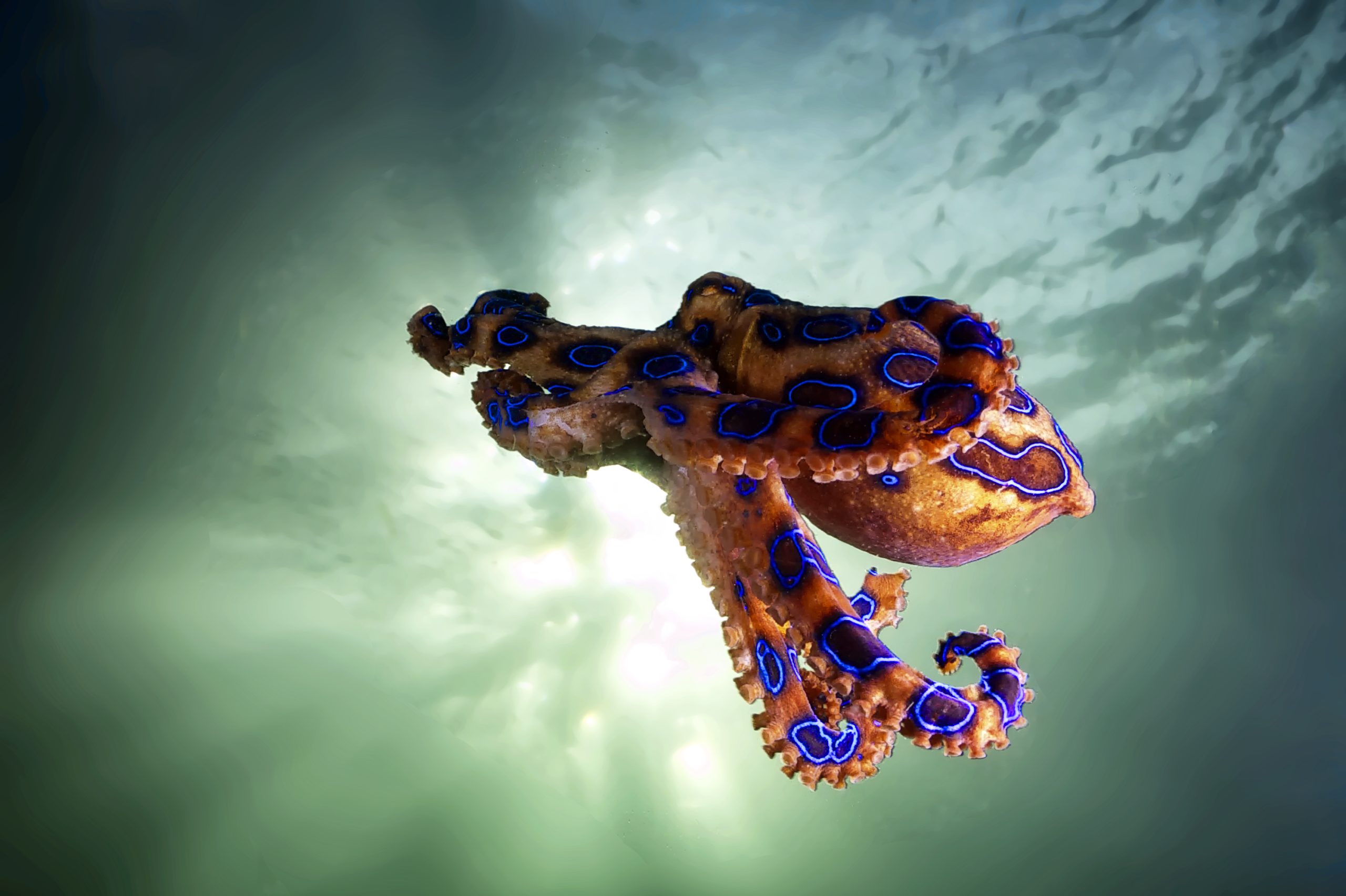
Some of the world’s most venomous creatures – including box jellyfish, blue-ringed octopus, stonefish and cone snails – are all found in the Indo-Pacific.
Although fatalities are rare from each of these creatures, the number of dangerously toxic species is enough to make you think twice about touching anything in the water.
The Bermuda Triangle
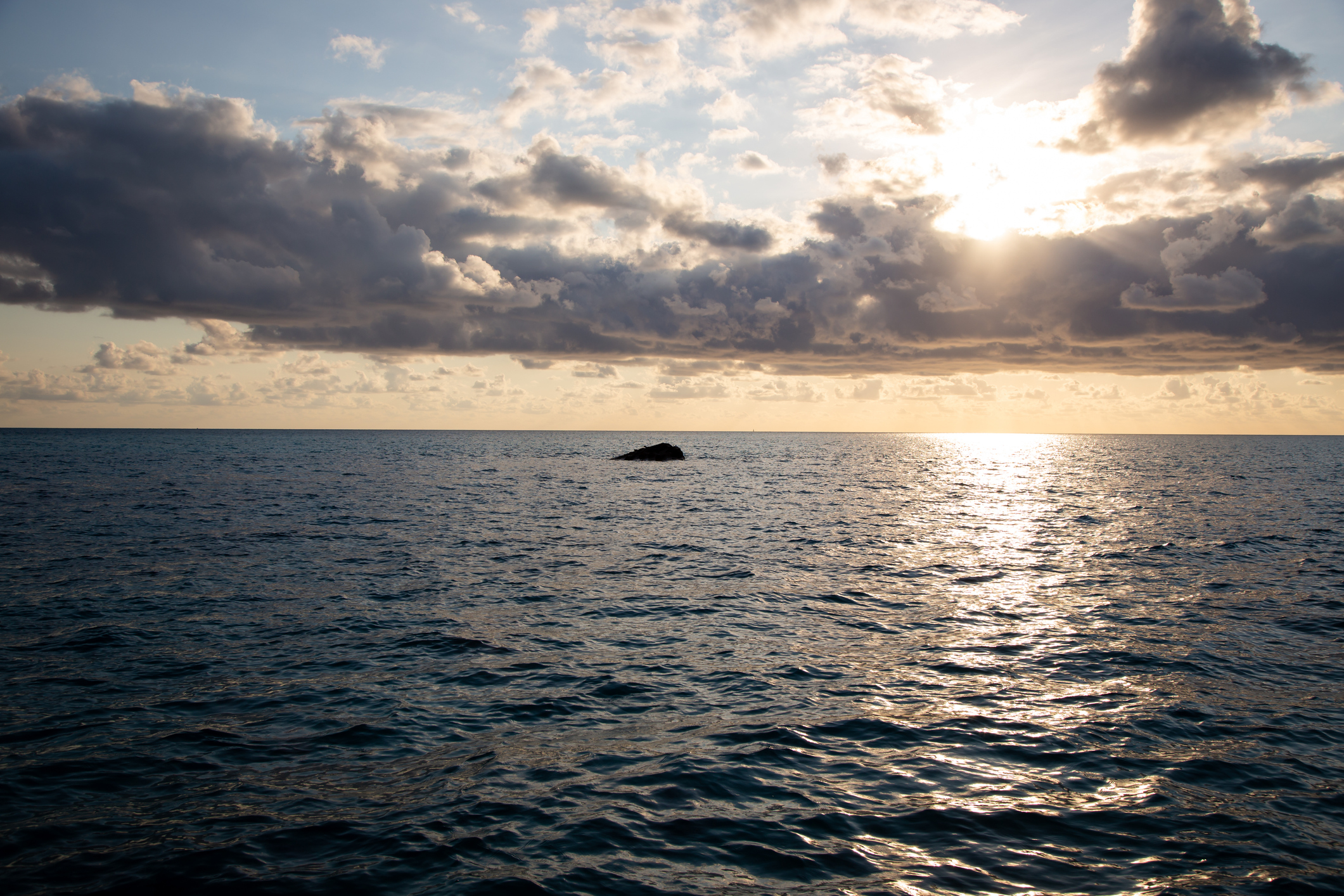
Rumour has it that countless ships and planes have gone missing in the Bermuda Triangle. But, even though vessels have disappeared here, it’s not strictly true that this part of the North Atlantic can make ocean-going craft vanish without a trace.
- This area of the North Atlantic ocean is infamous for shipwrecks and conspiracy theories. But does anything live there?
- This haunting sound was captured near Bermuda in 1949. It's the oldest known whale song recording
“The ocean has always been a mysterious place to humans, and when foul weather or poor navigation is involved, it can be a very deadly place. This is true all over the world.
“There is no evidence that mysterious disappearances occur with any greater frequency in the Bermuda Triangle than in any other large, well-travelled area of the ocean," writes NOAA’s National Ocean Service on its website.
The Singapore Straits
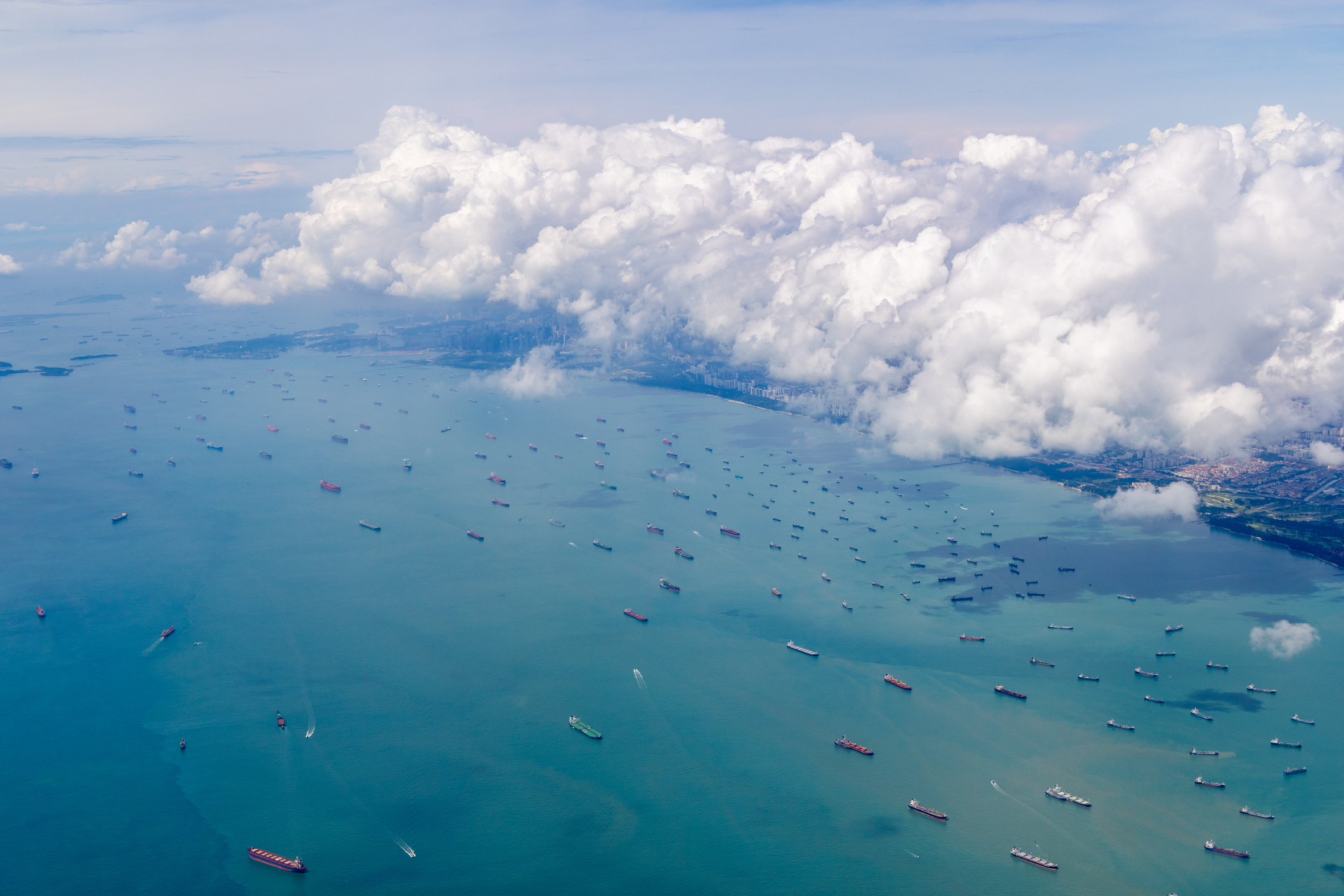
Marine life and the unforgiving elements aren’t the only hazards in the seas. Humans can pose a serious threat too.
In January 2026, the ICC International Maritime Bureau’s Annual Piracy and Armed Robbery Report listed the Singapore Straits as the worst place in the world for piracy. In 2025, of the 137 incidents globally, 80 of them were in the Singapore Straits.
“While considered low level and opportunistic, reported incidents in the Singapore Straits note a disproportionate increase in the carriage of guns, with 27 reports in 2025 compared to eight in 2024,” says ICC on its website. “Fourteen crew were taken hostage, eight threatened, three injured and one assaulted.”