
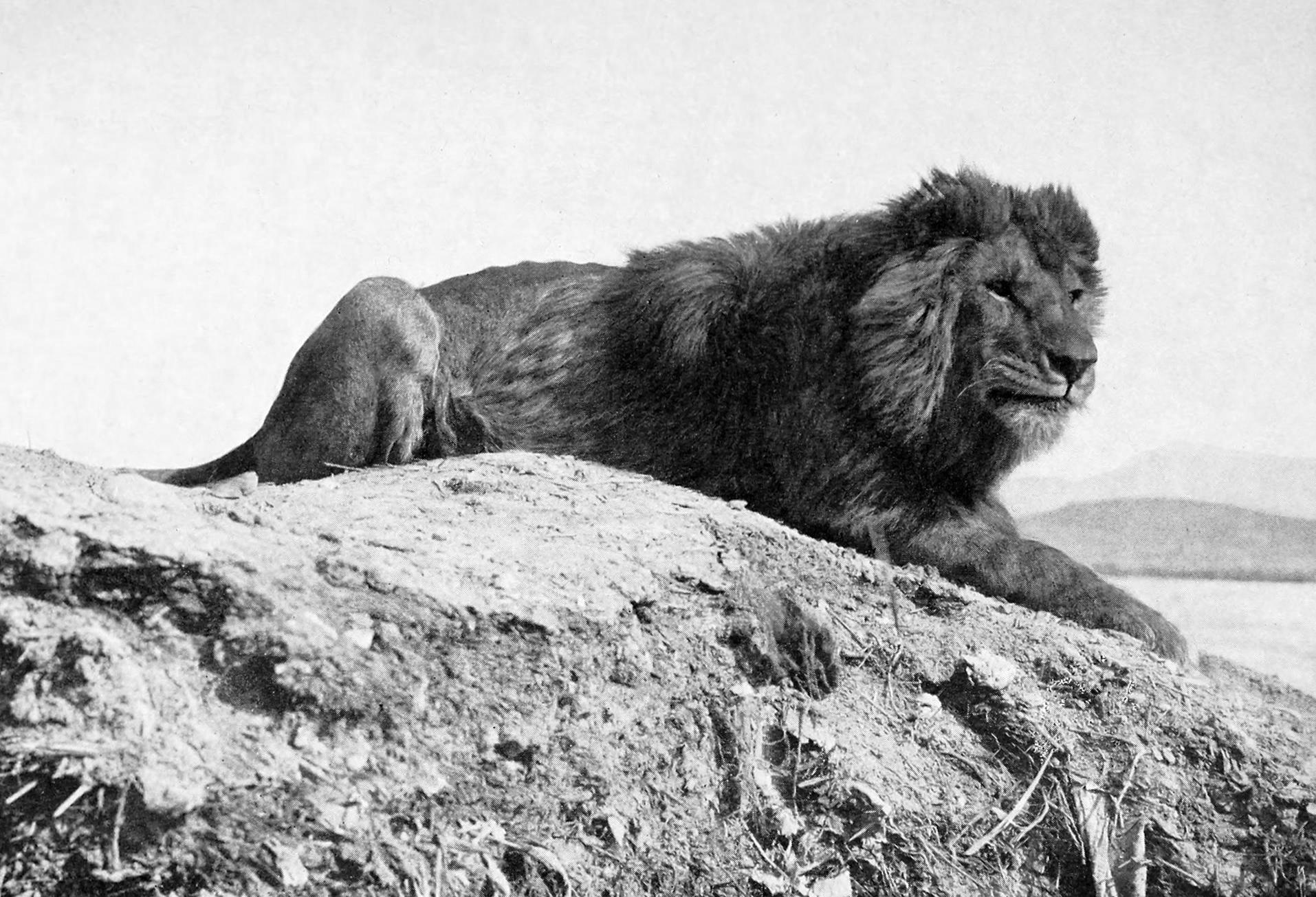
It is one of the most evocative images of this age of extinction. A lone male lion, dwarfed by the landscape, treads up an arid, rocky gorge. His paw-marks trail behind in the sand of the canyon. This is the last known image of the North African Barbary lion (also called the Atlas lion) in the wild, taken by French photographer Marcelin Flandrin in 1925.
He captured this iconic image in the western Atlas Mountains of Morocco, from an open cockpit biplane travelling from Casablanca to Dakar, in the early days of commercial flying with the pioneering Toulouse-based airline Latécoère. Just a year later, French aviator and writer Antoine de Saint-Exupéry became a pilot for Latécoère, flying in North Africa. His memoir Wind, Sand and Stars recalls this time of flight over the Sahara desert and through mountain ranges, not over them, like today.
- Can a person outrun a lion? Just how fast is the King of Beasts?
- This cave lion was unearthed from Siberian permafrost. Scientists analysed its DNA – and made an unexpected discovery
Although this is the last known image of a Barbary lion, they clung on in the wild mountains and forests of Algeria and Morocco for possibly another 30 or 40 years. There were 32 confirmed sightings in the 20th century – the last in 1956 by passengers on a bus in Beni Ourtilane in Algeria.
It is not known where or when the last lion in the wilds of Morocco and Algeria died. Maybe as Amina Fellous – managing director at Algerian NGO Agence Nationale pour la Conservation de la Nature – speculates, one "would hope that the last animals faded away in the foothills of the High Atlas mountains of southern Morocco with at least a little dignity.
"The fear is that, instead, the last lions were most likely destroyed in western regions as collateral damage during the brutal colonial conflict against Algerian independence fighters in the late 1950s. That the last of these magnificent animals succumbed to attacks from [French] military aircraft on the coastal forests of north-east Algeria is perhaps the final indignity in the Barbary lion story."
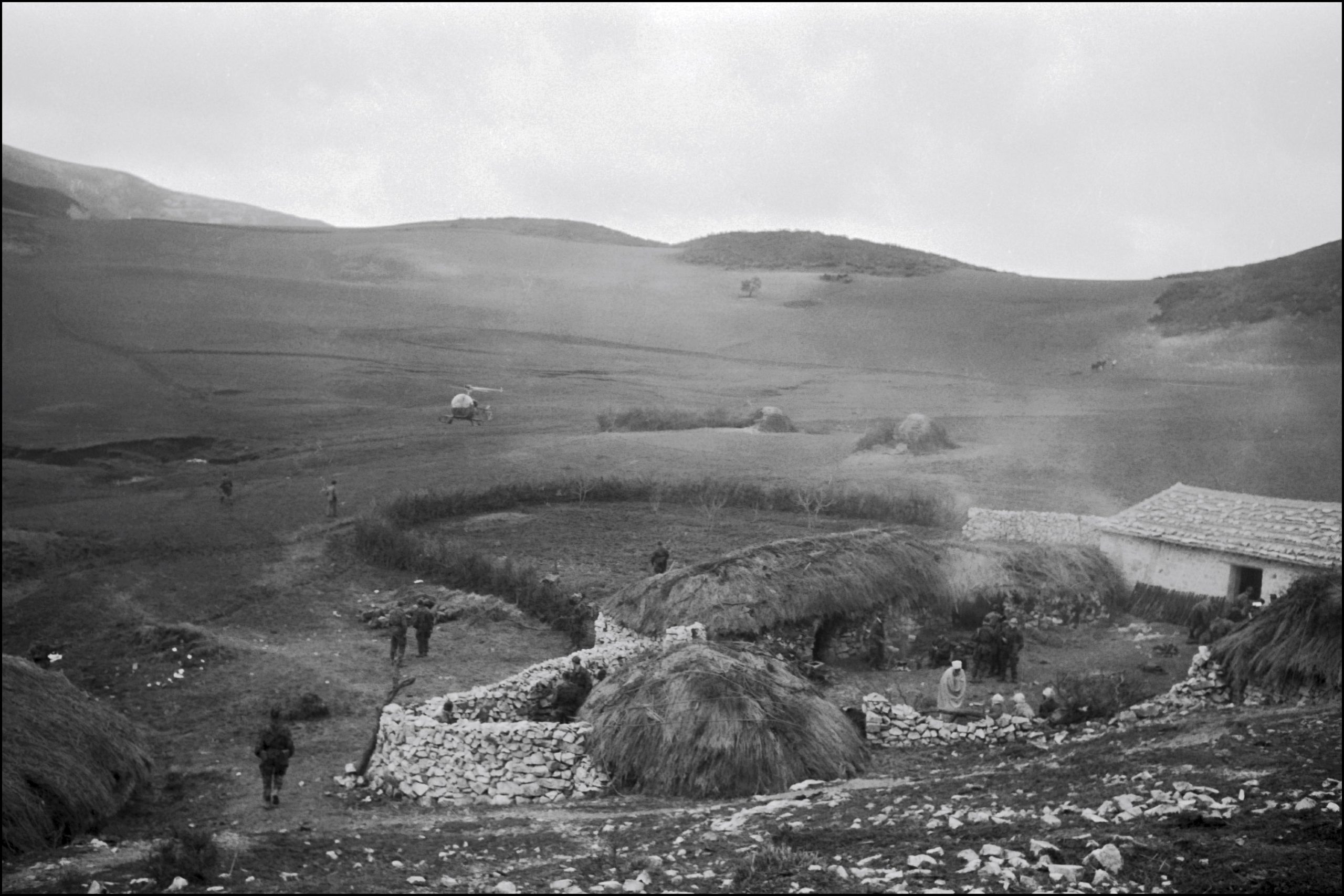
The persecution of Barbary lions across North Africa was nothing new. They had been pursued and persecuted for millennia. It is believed the lions of North Africa were frequently raided by specialist Roman military hunting units for live capture to be used in public entertainments, or venationes, in amphitheatres across the Roman empire.
Captured animals were used either to kill condemned prisoners or enter into staged conflicts with trained beast fighters. It is impossible to know how many lions were captured – but we do know the numbers of wild animals involved were obscene. Emperor Titus (AD39–81) oversaw the slaughter of 9,000 animals over 100 days on the inauguration of the Colosseum in Rome, and Pompey the Great (106–48BC) is reported to have staged one gladiatorial games resulting in the death of 500 lions.
- Unkillable lion: world's most invincible big cat filmed swimming across huge crocodile-infested river in Uganda
- How did the Romans capture lions and tigers for bloodthirsty entertainment at the Colosseum?
- 9 jaw-dropping lion photos that showcase the raw, brutal power and savage majesty of these deadly apex predators
In medieval times lions were often captured as gifts for princes and kings. Lions became potent symbols of power – think coats of arms or Richard the Lionheart. Two lion skulls found in 1937 in the moat of the Tower of London have recently been confirmed as Barbary lions dating from the 13th and 15th centuries, when the tower was part prison, part royal residence and part zoo menagerie.
Edward I had the Lion tower built in 1276–77, just around the time of the older of the skulls. The later skull may possibly have been from a lion gifted to Margaret of Anjou (the queen consort of Henry VI): the dates match and her household accounts include reference to transport of a lion to the Tower of London.
Colonial occupations by Turks and later by European powers, especially France, brought tax breaks and bounties for lion skins. Between 1874 and 1884, 202 lions were shot for a bounty of 50 francs (equivalent to about £300 today) per skin – it is believed more than 2,000 lions were killed after the French arrived in Morocco and Algeria. There are also numerous accounts of 19th-century lion hunts hosted for colonial dignitaries. The live capture of lions, particularly cubs, by mountain Berber tribes as tributes for the Sultan of Morocco persisted – ironically founding the Moroccan royal lions, which became a lifeline for the future of Barbary lions
In the end, it was almost certainly a combination of factors that resulted in extinction – hunting (especially after the adoption of firearms) and revenge by livestock herders, but just as importantly the loss of habitat and human competition pushing lions into more marginal mountain areas, as well as the loss of prey species such as Barbary stags and Barbary sheep.
Historically lions lived across North Africa from modern-day Morocco and Western Sahara in the west, through Algeria and Libya to Egypt in the east, and even beyond to the Middle East and Asia. Barbary lions living in the mountains and forests of North Africa have been described as large, with an unusual skull shape and enormous dark manes reaching back along their lower body and legs, shorter and stockier than sub-Saharan lions, with a particularly large tail tuft.
- 10 animals that can kill a lion: Which animals are brave enough to take on the King of the Beasts?
- “That’s never going to heal.” A lion suffers a broken leg in Botswana. Will he be able to survive?
- Remember Cecil the lion, shot 11 years ago by a trophy hunter? This is what happened next – and it’s good news
It is, however, likely many of these traits emerged from environmental more than genetic factors. In 2017 the IUCN Cat Specialist Sub Group considered the latest genetic analysis and placed African lions into only two subspecies – the Northern Clade Panthera leo leo including the lions of North Africa, west and central Africa and those of northern India – and the sub-Saharan Panthera leo melanochaita, so familiar from numerous documentaries made on the savannahs of east and south Africa.
As Barbary lion expert Nobby Yamaguchi, zoologist and academic visitor, WildCRU, University of Oxford explains, "Probably the Barbary lion is not as unique as some people may have believed, but the science is not completely settled. We published the nuclear DNA of museum specimens of Barbary lion. But nobody ever compared this to living lions." Genetic analysis of museum Barbary lion specimens comparing captive survivors has never been completed but further studies are planned by universities in Morocco and Europe.
Whether the Barbary lion is a distinct sub-species or not, it certainly had a unique ecology and geographic range. Panthera leo leo is endangered and fragmented, with probably as few as 250 mature lions in the wild across eight countries in West Africa, about 1,000 in seven countries in central Africa, and about 600 surviving in Northern India. Whatever the genetic similarities or differences, none live in high mountains or share the ecology of the Barbary lion.
Building a picture of the ecology of Barbary lions is not easy. It had been rare for many years before its final demise – but from witness accounts we can gain some insight. Brahim Haddane, wildlife expert and former director of Rabat Zoo explains that, unlike their southern cousins, the lions of North Africa often lived singly, in pairs or small groups, not large prides.
They occupied coastal and mountain holm oak and cedar forests predating on increasingly scarce prey such as Barbary stags, Barbary sheep and wild boar – probably attacking livestock as wild prey became scarce. There is evidence of lions living as high as 3,500m, using caves as winter dens, leaving paw-prints across snow. It is unclear the extent to which these behaviours were adaptive, reacting to human pressures.
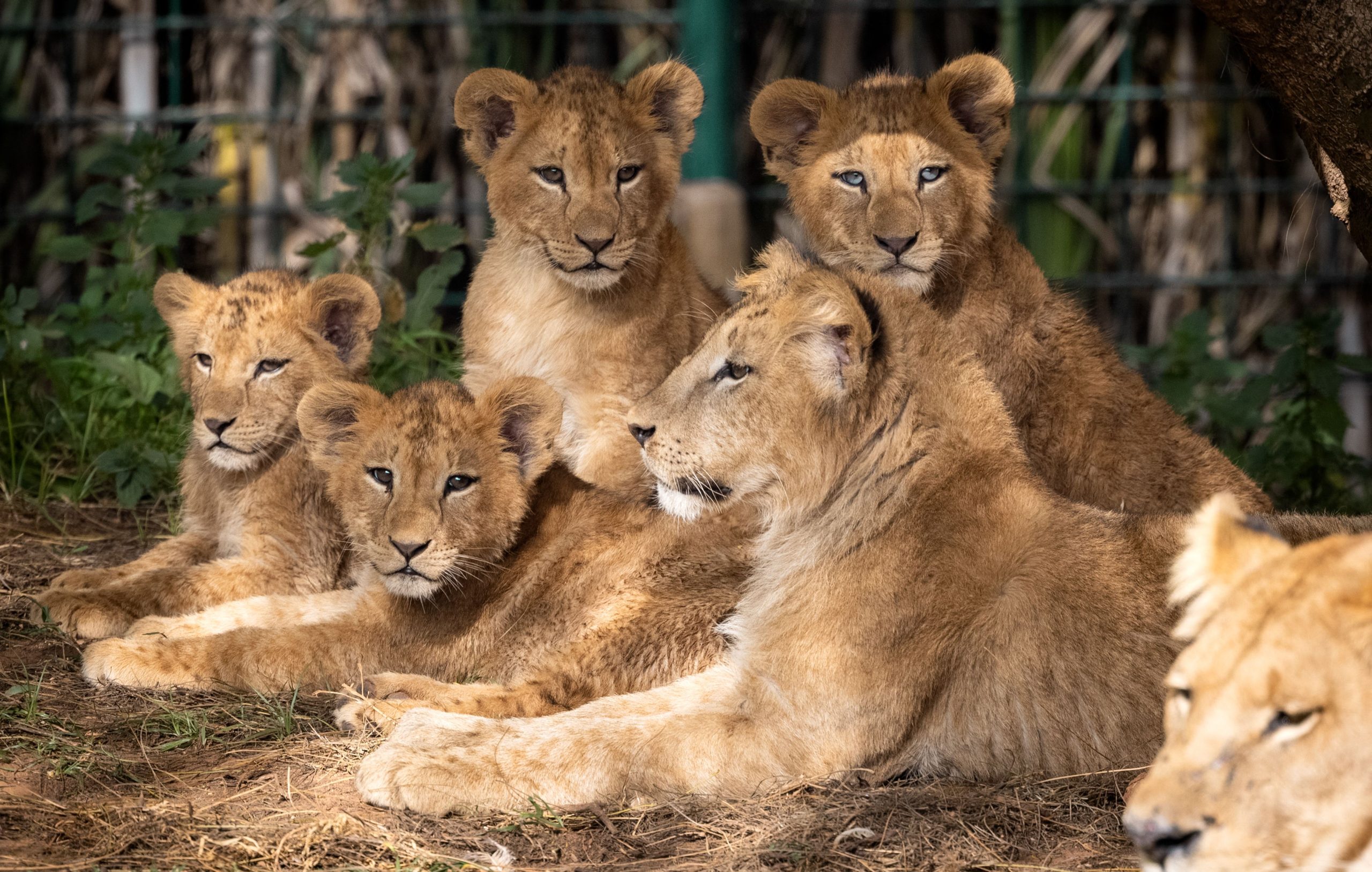
The Moroccan royal lions were transferred from a menagerie at the royal palace to Rabat Zoo in the late 1960s or early 1970s. "Those with the characteristics of Atlas lions were kept in a separate breeding group and initially shared across zoos in Paris, Frankfurt and Rabat," says Haddane.
- Can big cats interbreed with each other?
- "The snaring led to the loss of the lower part of her right hindleg. Robbed of her speed and stealth, she is forced to hop." Meet a 3-legged indomitable survivor
- Watch amazing, jaw-dropping, close up footage of a lioness chancing her luck with elephants – who aren't impressed by her antics
It is not certain whether these lions were ‘pure’ Barbary lion or had interbred while in the royal menagerie with lions from elsewhere in Africa. What is clear is that breeding has been successful. Jaroslav Hyjánek, director of the Research Institute for Gene Pool Conservation and director of zoology at Dvůr Králové Safari Park in Czechia says, "We have 10 healthy Barbary lions [which can trace some of their lineage back to the Moroccan royal lions] producing cubs mostly every year. There are around 250 animals described as Barbary lions across zoos in Europe and Morocco."
Genetic analysis and research could not only settle the question of whether Barbary lions are just environment-adapted northern lions (Panthera leo leo) or their own subspecies, but also help inform the breeding programme.
And what is the purpose of captive breeding? Hyjánek is clear in his response, "I'm really radical in one point of view, that the main purpose of zoos is to keep the captive population, for future reintroduction."
In the mid-1990s, when Haddane was director of Rabat Zoo, he worked with Yamaguchi to develop a staged plan for reintroduction of the Barbary lion in Morocco. A preferred site of about 10km² at Zaouit Ahansal in the High Atlas was identified, bounded by a precipitous cliff on one side.
The intention was to create a large fenced semi-wild area with free-ranging prey, as a stepping stone to reintroduction to the wild. Yamaguchi recalls visiting the site in winter. "Our car couldn't reach the potential introduction site because snow was so heavy. We just had a snowball fight and came back!"
- Why do lions take so many sexual partners?
- "Enlarged lungs and heart help fuel explosive bursts, while blunt claws grip the ground like a sprinter's spikes." 10 fastest wild cats on the planet
- “I repeatedly observed lions tracking hyenas.” GPS collars reveal secrets of fierce carnivore rivalry
But it was not to be. As Haddane explains, "Then the government stepped back and said to postpone the project until further studies on all the impacts were completed. So, from that time, the project collapsed."
But interest in rewildling North Africa with lions has persisted. Hyjánek sets out work Dvůr KrálovéSafari Park and the Research Institute for Gene Pool Conservation are doing, in addition to the genetic research. They have sought funding, so far without success, for a 'baseline biodiversity study' using new technologies to identify possible areas for reintroduction, and are also seeking partners to build community cohesion around the Barbary lion rewilding scheme so "everybody in the community will be proud of this project".
They are engaging with the European Parliament and the ambassador of Morocco to Czechia. "For me, it's not important how long the project takes," says Hyjánek, "it's important to initiate it and then slowly work through the stages."
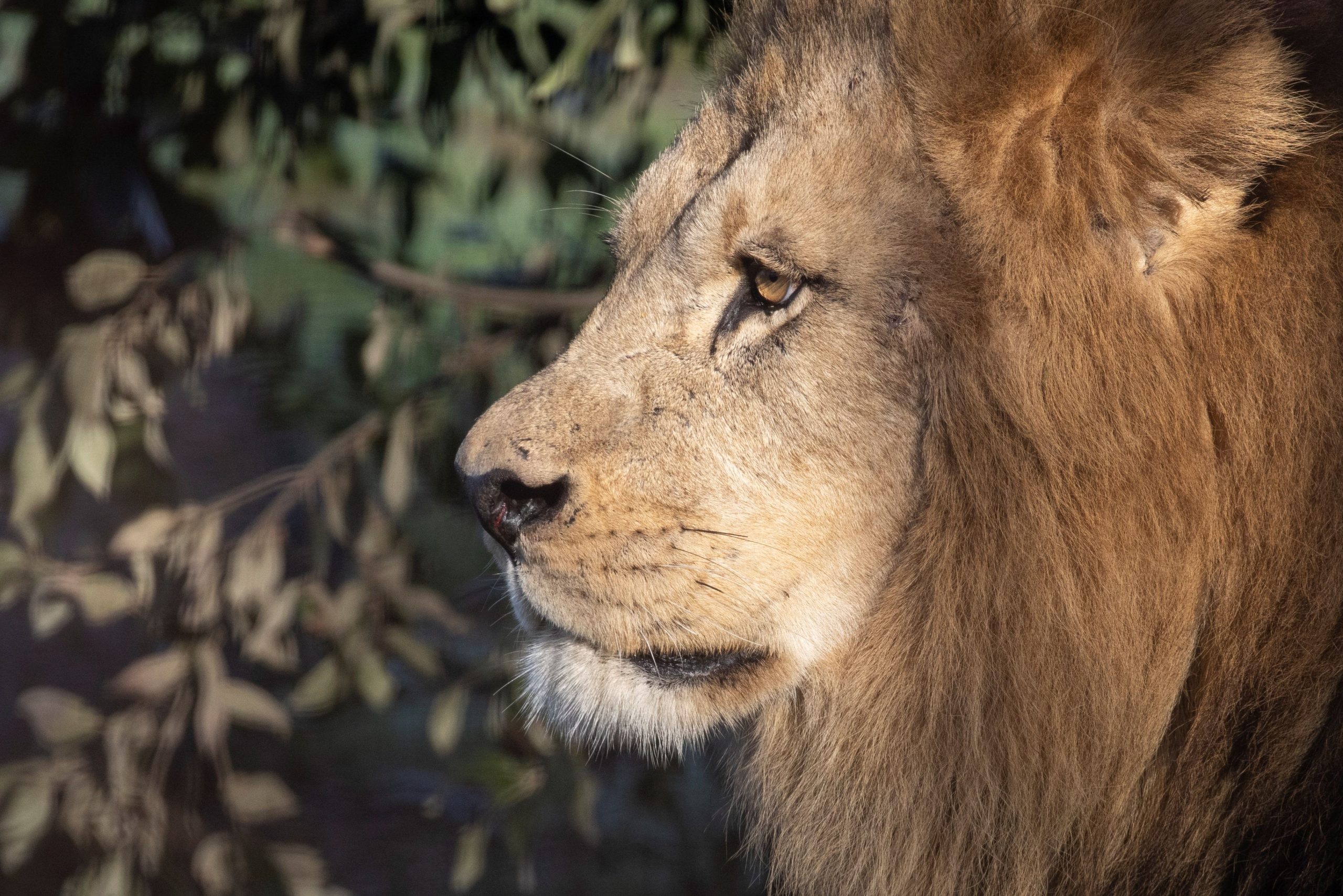
Yamaguchi is hopeful but realistic. "Unfortunately, the human population is increasing. There is no room for lions." But he still dreams of lions – even if they are no longer purebred Barbary lions – leaving paw-prints among the snow-capped mountains of North Africa, and the region's valleys once again echoing with their roar.
top image: The last known photo of a Barbary lion in the wild, taken in 1925 by Marcelin Flandrin. Credit: Marcelin Flandrin/ Vintage Space/Alamy
Discover more wildlife stories from a round the world:
- This is a landscape where rivers disappear for decades, only to return without warning, and hippos fight lions
- At 2 metres long this is one heck of a tooth – and weirdly it's also the creature's only tooth
- "Its venom contains over 100 different toxins and has the power to paralyse muscles." 8 most dangerous, deadliest animals in Florida


