
Food chains conventionally involve different species eating one another. But it doesn’t always work like that. Some animals are inclined to eat members of their own species. A few go even further and eat parts of their own body, a behaviour known as autophagy.
Here’s our pick of the self-cannibals of the zoological world. Just don’t treat it as dietary advice.
10 animals that eat their own body parts
Damage limitation
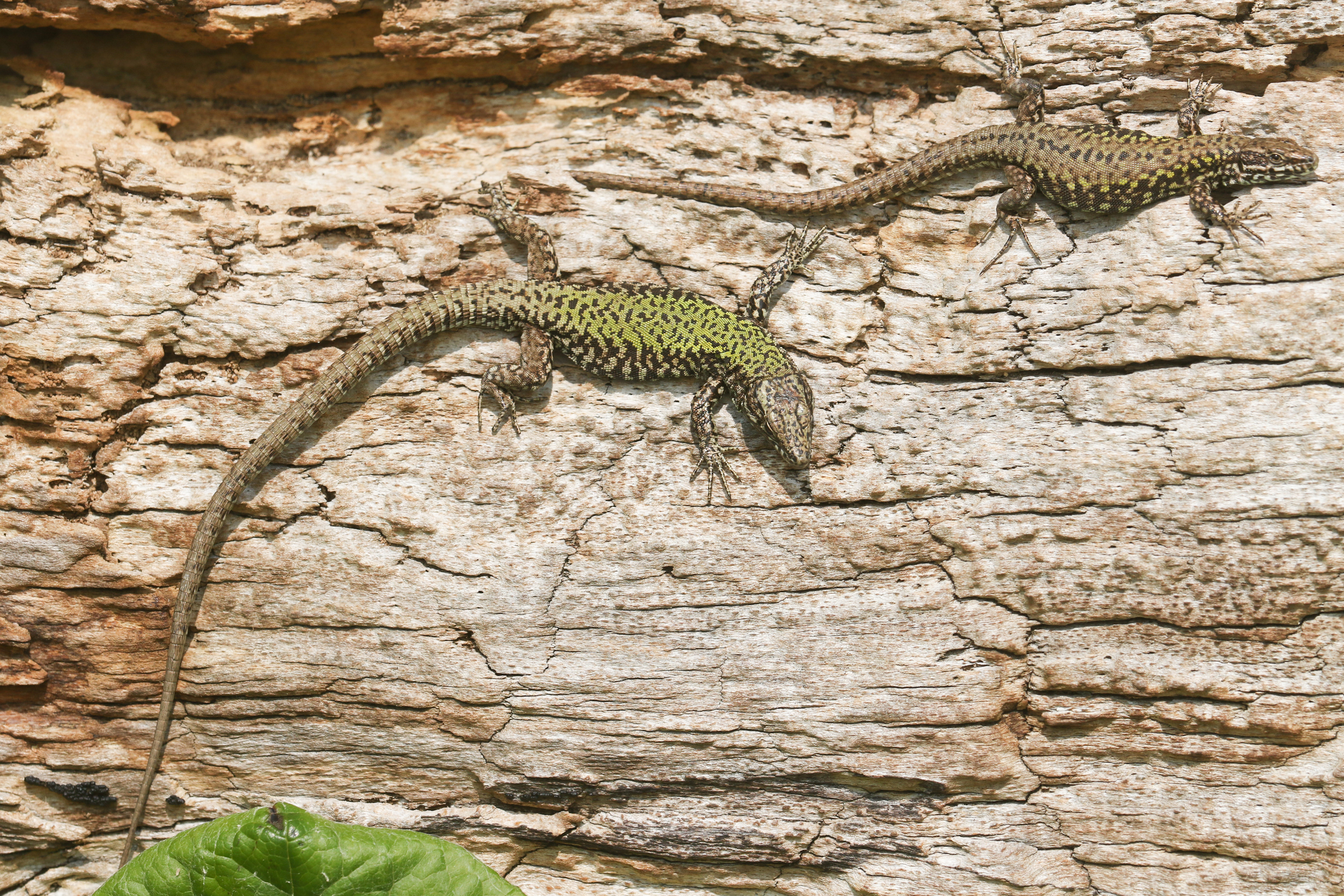
Many lizards drop their tails as a last-ditch attempt to escape predators. When grabbed, the tail detaches at a built-in weak point in the skeleton and then continues to wriggle and twitch to distract the assailant while the lizard itself scuttles to safety.
Though the tail will eventually grow back, autotomy - to give tail-dropping its technical name - comes at a considerable cost. Lizards use their tails as a counterbalance during locomotion, so tailless individuals are slower than intact ones. It’s also a waste of precious muscle, bone and skin.
One species, called the little brown skink, native to the southeastern US, has more to lose than most, because its tail serves as a store for fat to see it through lean times. But it can recoup some of its losses, by waiting for the danger to pass and then returning to the spot where it dropped its tail and swallowing it, assuming its attacker hadn’t eaten it first.
- "An attack can be fatal, due to their venom and bacteria..." The 3 deadliest, most lethal lizards the planet
- "It can run across water at speeds of 5 feet per second. That's pretty nippy..." 9 weirdest reptiles in the world, including a devil with two heads
Naked lunch
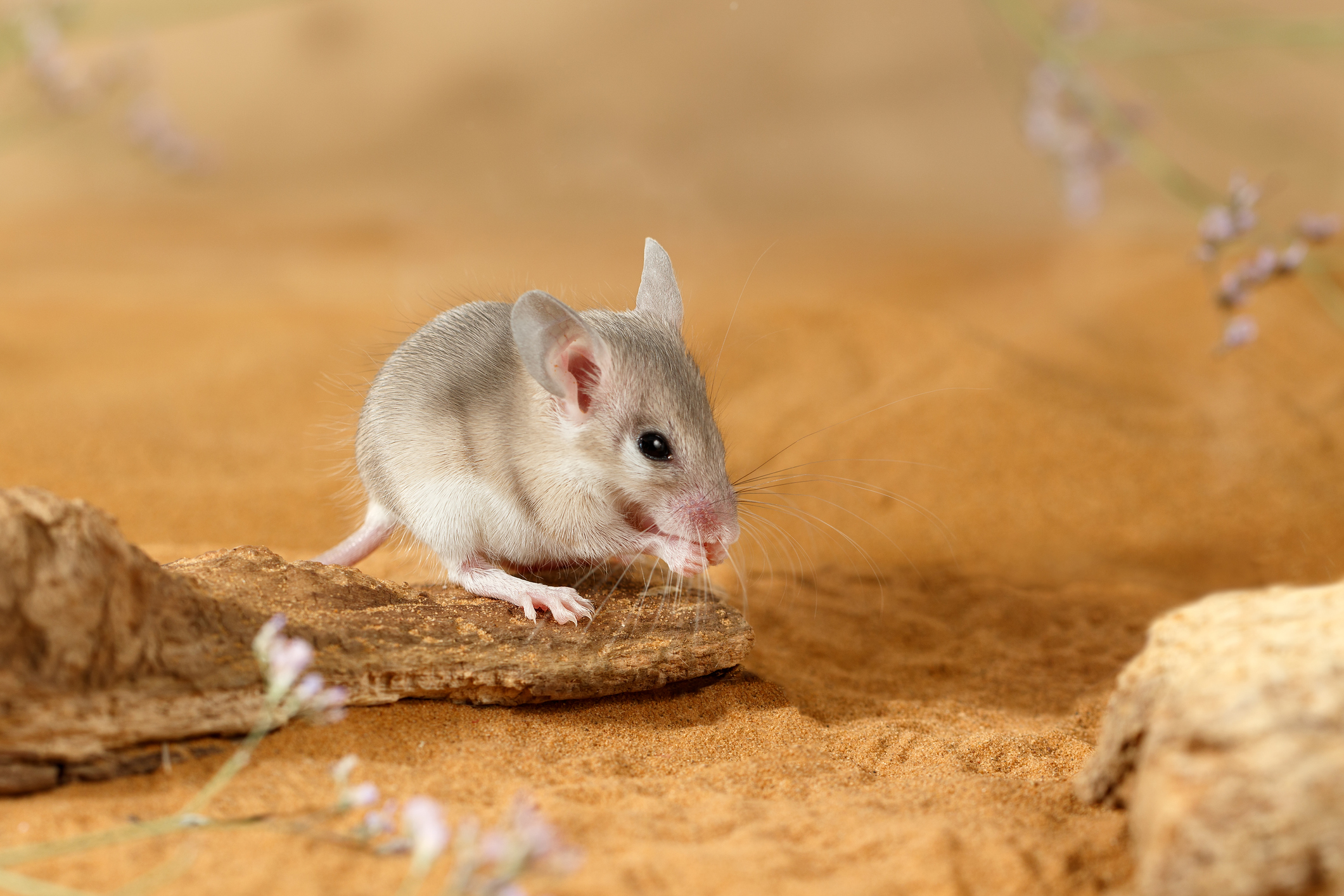
Lizards aren’t the only animals to sacrifice their tails to escape predators. In fact, some mammals can sacrifice more than just their tails.
Spiny mice are gerbil-like desert rodents named after the stiff protective bristles on their backs. But any predator that penetrates these defences and manages to grab hold of one is in for another surprise.
A spiny mouse’s skin is unusually delicate and tears off easily in patches, allowing the mouse to escape, albeit at the expense of large gaping wounds that expose the underlying muscles and bones.
The rodents’ impressive powers of regeneration mean these grotesque injuries heal quickly. However, it’s a different story when they are grabbed by the tail. In this case, the entire appendage is de-gloved, leaving just a bloody skeleton. And their tail skin cannot regenerate. Instead, the mouse gnaws off the bony remains and eats it, which may be a way of recycling precious resources or preventing infection.
This is a trick that a spiny mouse can perform only once in its life. During one study near the Dead Sea in Israel, more than half of all the golden spiny mice collected had lost their tails.
Full circle
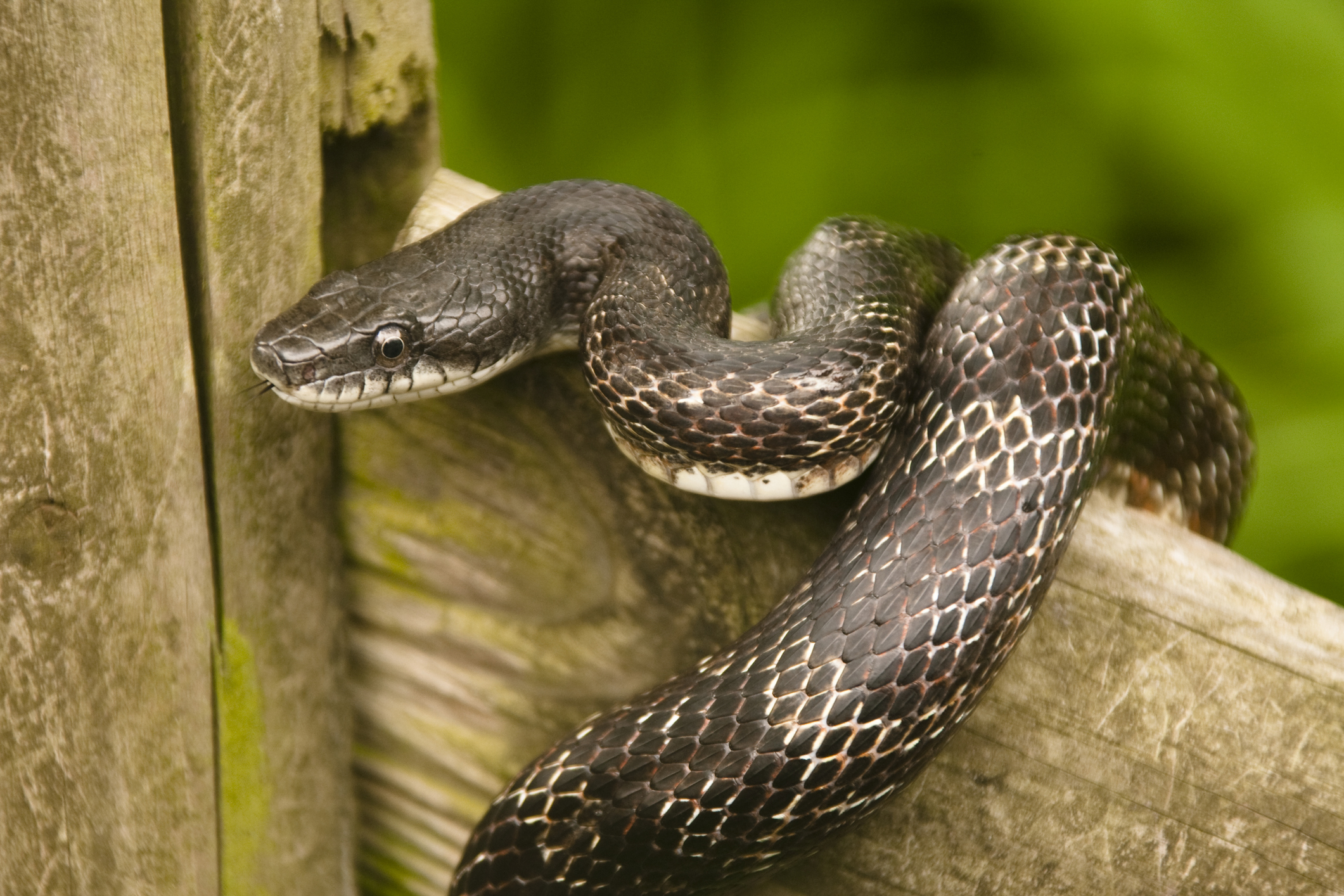
The Ouroboros, a symbol of the eternal cycle of life and death, depicting a serpent eating its own tail, can be traced back more than three millennia to ancient Egypt. Whether it was inspired by the behaviour of snakes in the material world is not known, but it’s certainly possible.
American rat snakes, checkered keelbacks and at least two species of kingsnake have been documented attempting to consume themselves tail-first, a behaviour that has come to be known as Ouroboros syndrome. In many cases, it results in death for the snake.
It might be that the animals are mistaking their tails for prey. Some, but not all of these observations involved captive snakes, raising the possibility that the behaviour is not entirely natural.
Something in the water?
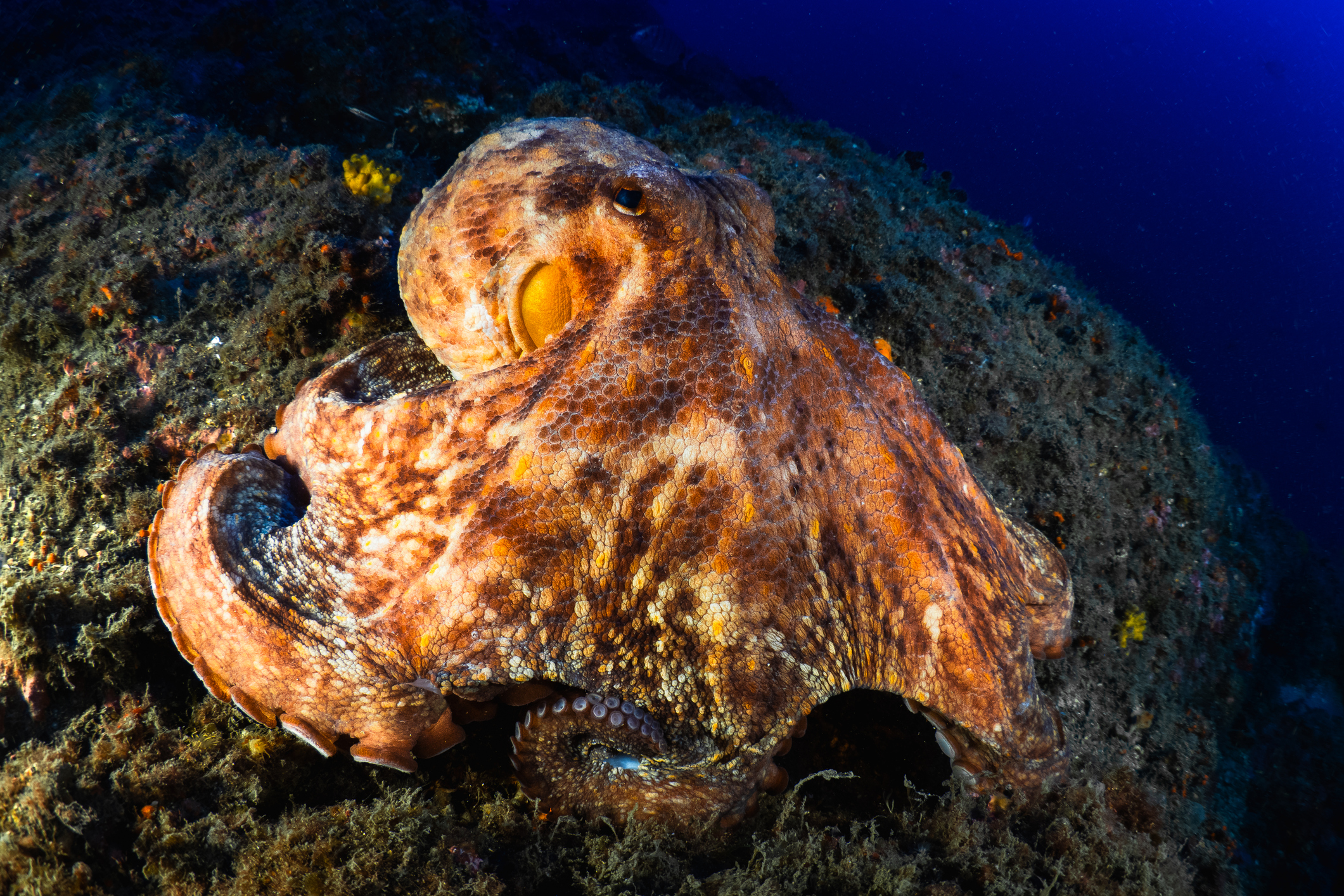
A snake just has a single tail to mistake for prey, but an octopus has eight wriggling arms to avoid. The skin of a healthy octopus secretes a chemical signal that prevents an octopus mistaking its own tentacles for food. But even that’s not failsafe.
In 1982, some of the common octopuses housed at a research aquarium at Germany’s University of Regensburg started behaving very strangely, biting off their own tentacles at the base and eating them. All of them died within a couple of days. Two weeks later, it happened again. In fact, the cycle repeated until 161 animals had died.
- Breathtaking footage shows diver's close encounter with the world's biggest octopus
- Scientists gave an octopus a mirror. Here’s what happened next
The timing of the deaths suggested that an infectious agent carried in the aquarium water was responsible. However, no virus or bacteria was identified, and the deaths remain a mystery to this day.
Eat yourself skinny
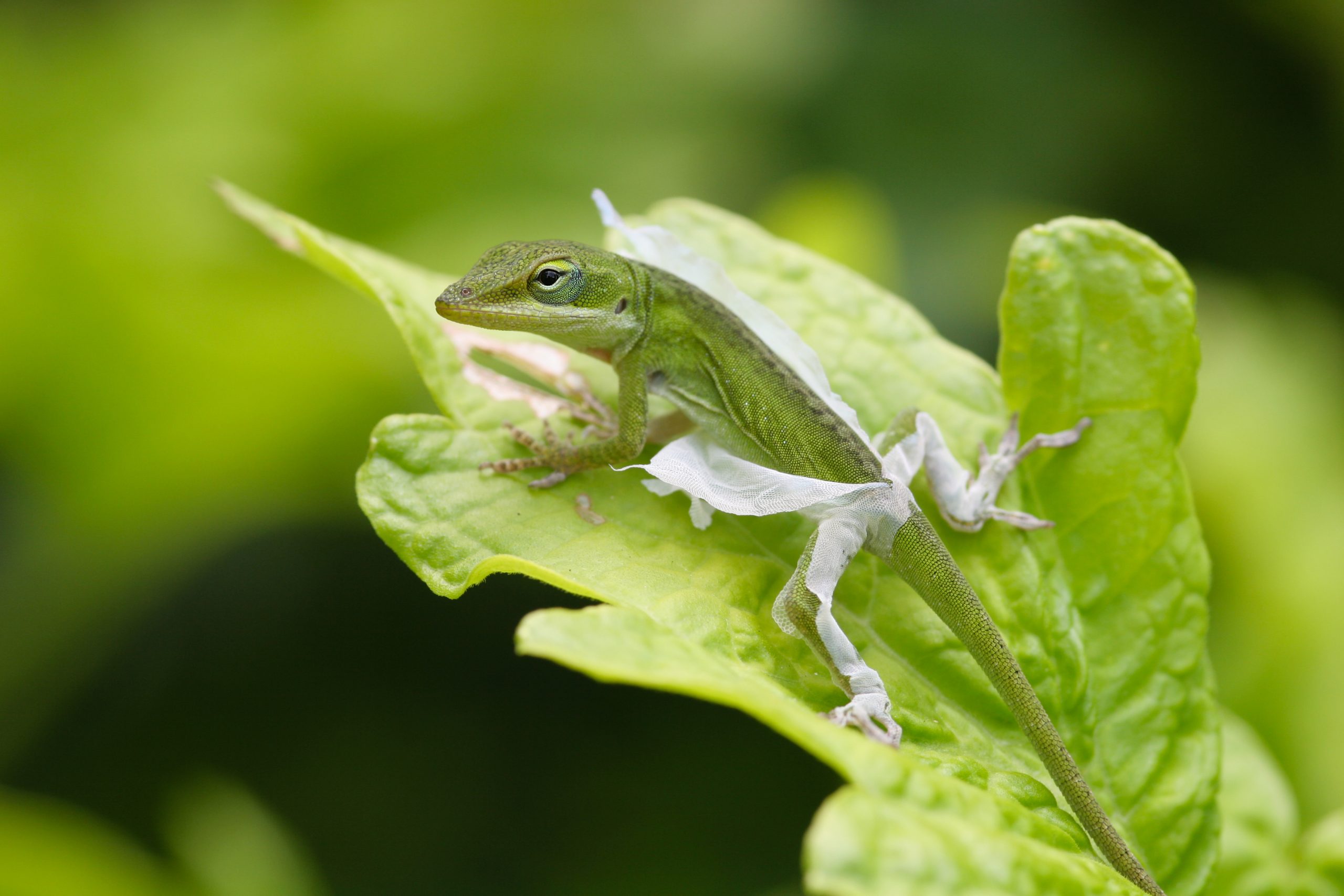
Few animals spend their entire lives in the same skin. Our outermost layer is exposed to the full force of the elements. It gets battered, burned, scuffed and scarred and accumulates dirt and parasites. Sometimes it is just outgrown.
- Why do snakes shed their skin?
- "They're able to regenerate their bodies from tiny fragments..." Why some animals have abilities that rival the 'healing powers' of Deadpool or Wolverine
Most animals, from nematode worms to mammals, replace old skin with new in one way or another. While mammals and birds do it continuously, flake by flake, many reptiles, amphibians and invertebrates do it all in one go.
And many of those - including at least 250 species of lizards alone - eat the sloughed skin to recycle the proteins and minerals it contains.
What’s for afters?
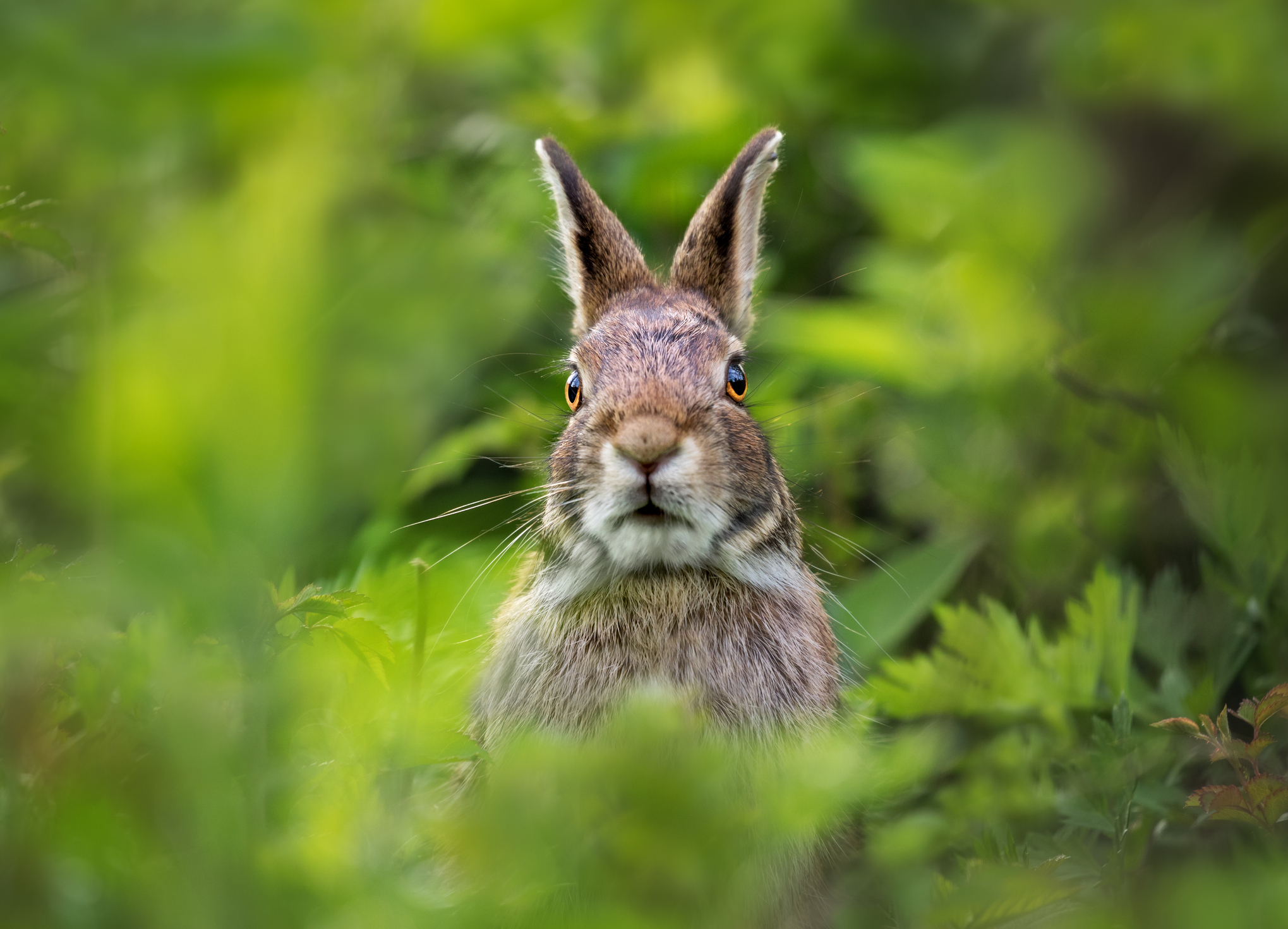
Consumption of the placenta by the mother after giving birth is the norm rather than the exception in mammals, including textbook vegetarians such as rabbits. The only exceptions seem to be marsupials and monotremes (which don’t have true placentas) and those that give birth in the sea, perhaps because the after-birth is quickly dispersed by currents.
Theories abound for why mothers consume the placenta. The behaviour might have nutritional benefits for the mother, allowing her to replenish nutrients and energy spent during pregnancy and labour. In nesting species, it may also serve a hygienic function, or reduce odours that could attract predators.
- A 136kg body part was just found floating in the ocean in Hawai'i
- "Giving birth through their narrow clitoris, a female has a birth canal of only about one inch across, making it both painful and risky." 10 craziest animal births ever...
Scrambled eggs
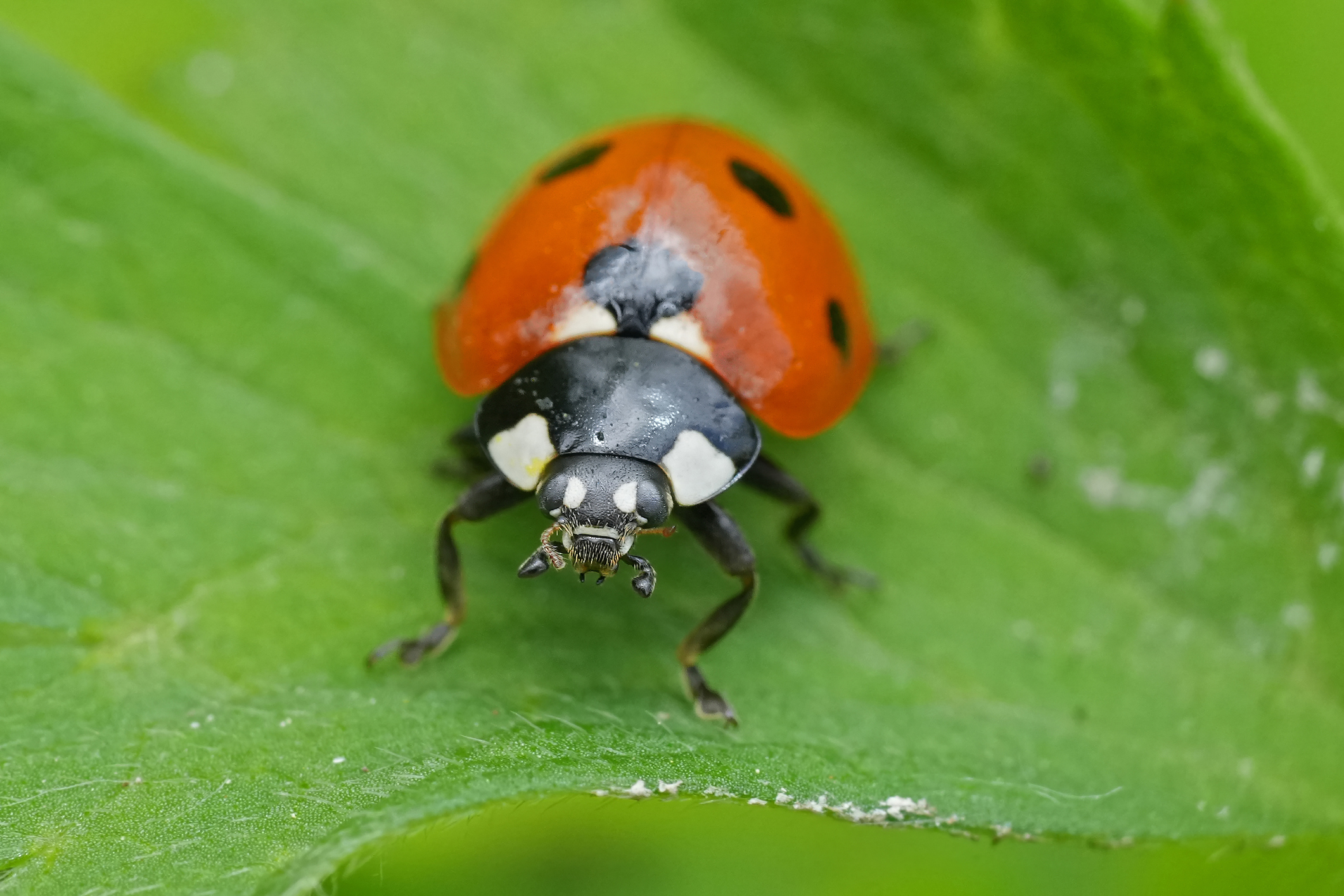
Some ladybird beetles have found a highly unusual way to sustain themselves through times of food shortage. Hungry female harlequin and two-spot ladybirds lay eggs that they then feed on.
At first glance, the behaviour seems to have more in common with cannibalism than autophagy. Crucially, though, if these eggs are removed experimentally straight after laying, they never hatch, suggesting they did not contain a viable embryo.
The behaviour is puzzling, because the ladybirds could have reaped the same nutritional benefits by not producing the eggs in the first place. One possibility is that it’s an emergency measure that allows ladybirds to reclaim resources that had already been committed to egg production.
Snot normal
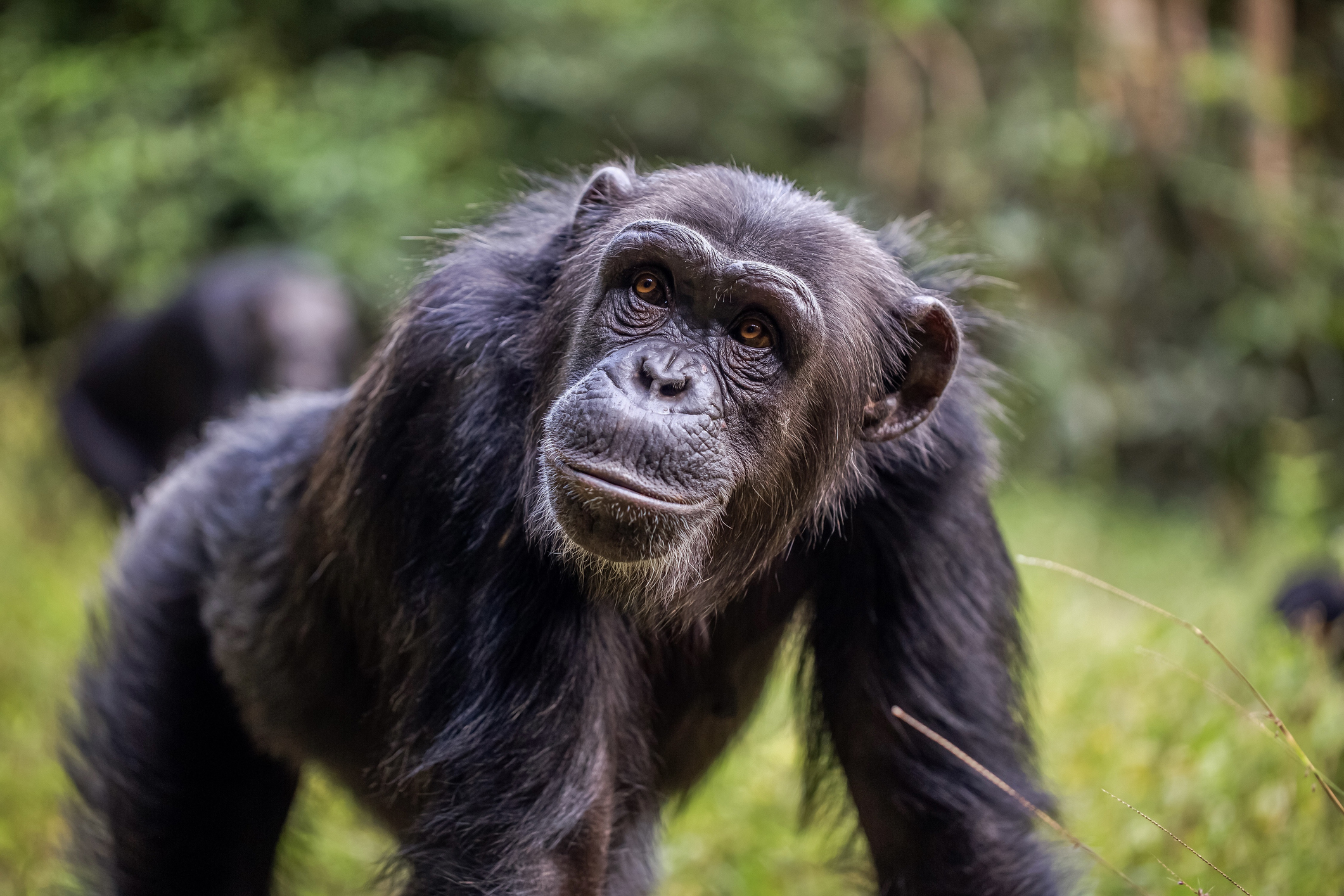
At least eleven primate species, including chimps, gorillas, orang utans, macaques and, of course, humans have been documented picking their noses and eating the spoils.
The nose-picking antics of the aye-aye, a nocturnal lemur from Madagascar, are enough to make even human children’s eyes water. It can push the entirety of its extraordinary elongated middle finger - all 10cm of it - up its nostrils.
- The strange reason animals eat their own snot – and it may be more than just a disgusting habit
- Why do proboscis monkeys have such big noses?
Rhinotillexis – the zoological name for nose-picking – might serve to recycle valuable proteins and other nutrients. There is also some evidence that mucins, a family of proteins found in nasal mucous, can prevent harmful bacteria sticking to teeth, raising the tantalising possibility that chewing on snot can improve dental health.
Takeaway wings
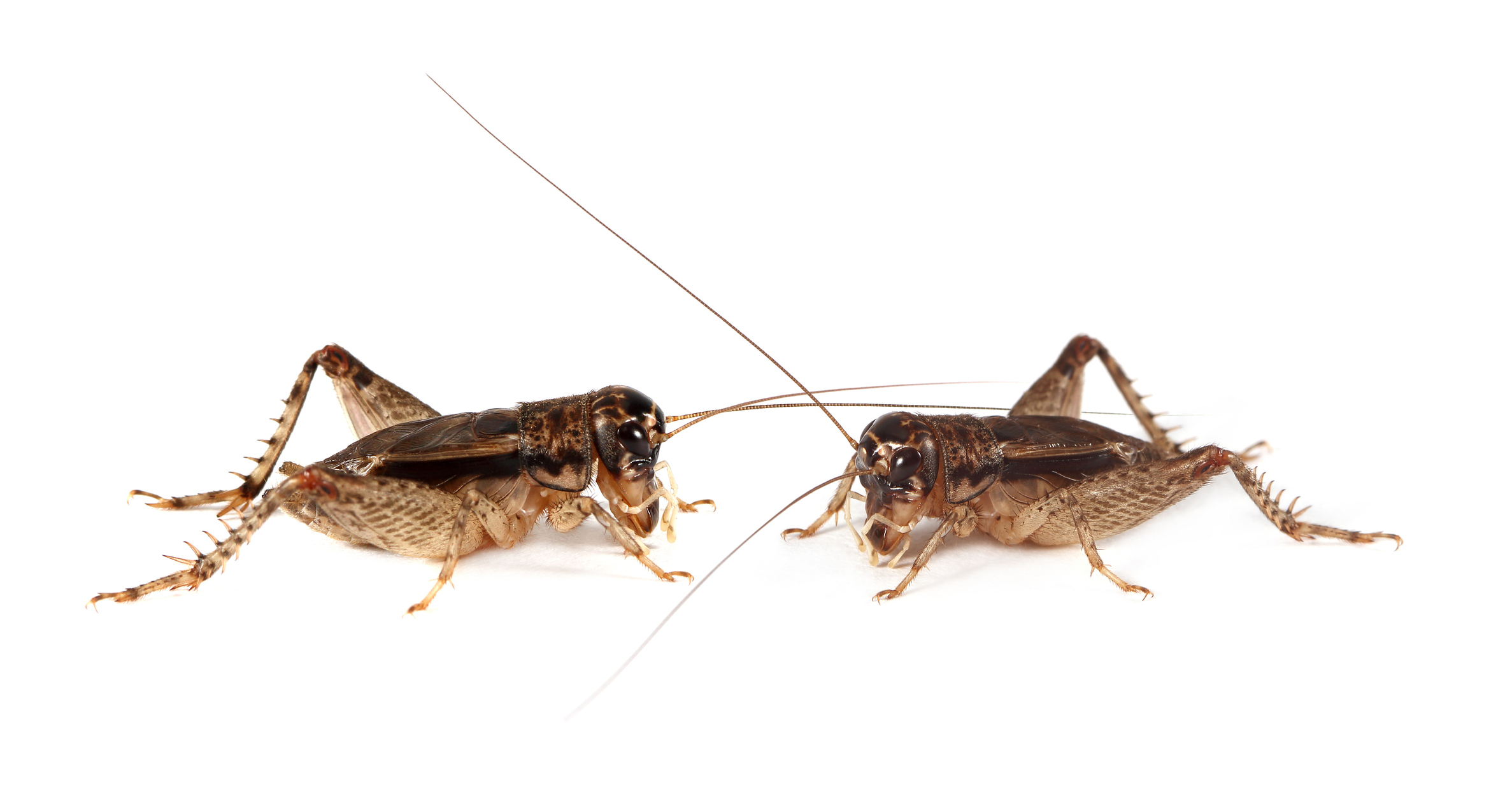
Short-tailed crickets, a group of species native to the Americas, come in long-winged and short-winged forms. In the 1970s, it was discovered that all individuals start out with long wings, but then, soon after their final moult into adulthood, the insects remove its own pair of hindwings and consumes them, leaving just a pair of stumps.
It’s not entirely clear why they do this. One possibility is that they only need to disperse once and then don’t need their wings any more. Another is that they recently lost the need to disperse at all, but haven’t yet lost their wings through natural selection. Either way, eating their own wings is a way to recycle body parts that are no longer needed.
Incy wincing spider
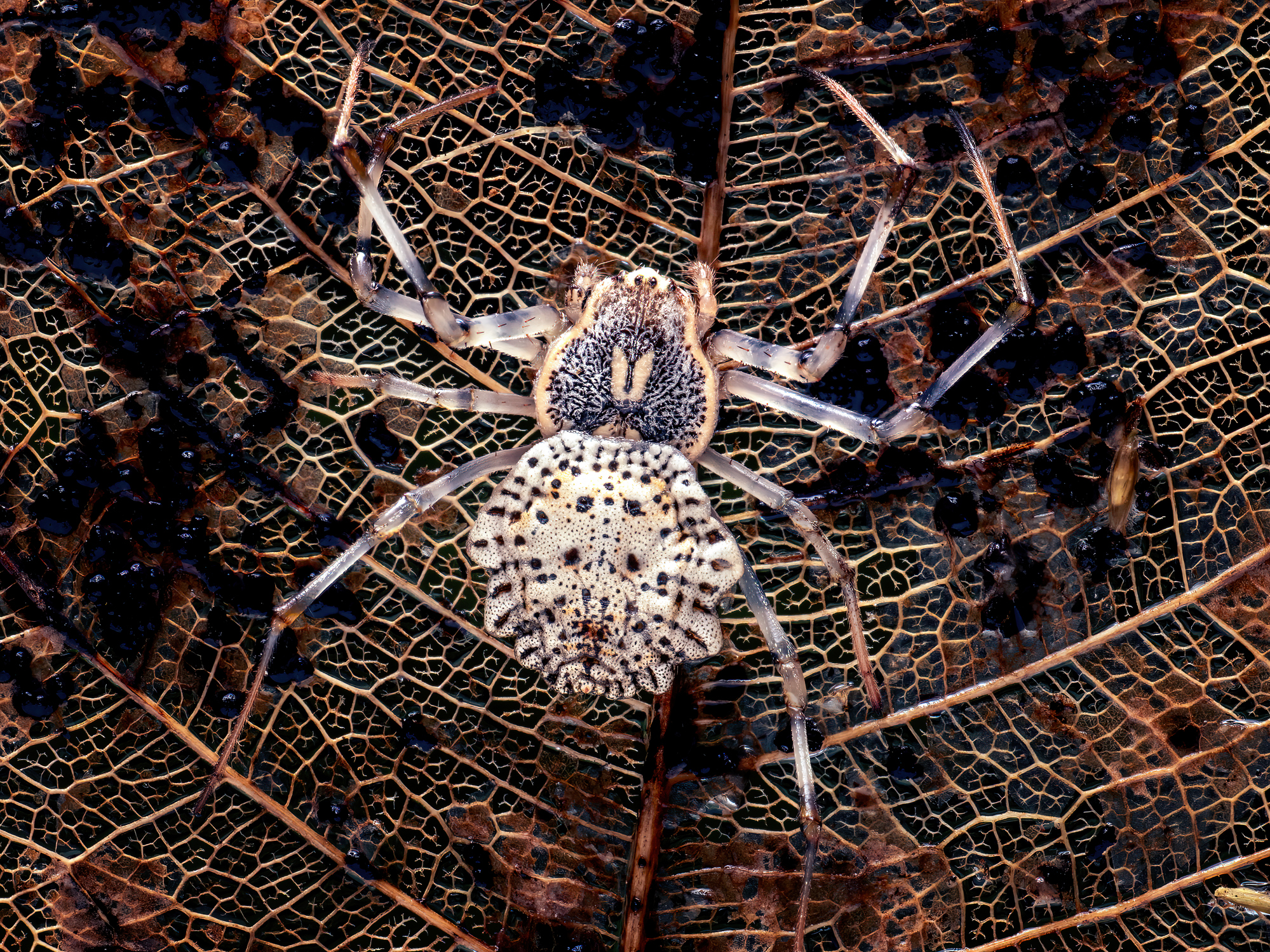
Mating is a risky business for many male spiders. Females are often orders of magnitude larger than themselves and fiercely predatory, sometimes to the point of cannibalism. For male tree trunk spiders (also known as spotted coin spiders), even those that escape with their lives may suffer eye-watering disfigurements. And, strangely, much of the damage is self-inflicted.
- Why do spiders eat their own webs?
- "After mating he ensures no other suitors follow suit by chewing off his own genitals and uses them to plug the female"
Spider copulation involves the male injecting sperm into the female’s genital opening using a pair of bulbous organs called palps. In some species - tree trunk spiders included - the pointed tips of the palps break off inside the female, making it more difficult for other males to inseminate her.
A broken palp cannot be used again. But males don’t just leave them dangling uselessly. Instead they gnaw them off completely. In one study, 23 of 32 males chewed off both palps after mating.
Even without palps, a male’s reproductive life is not over. He can still increase the chances that his sperm will fertilise the female’s eggs by chasing off other males. And without his weighty palps, he might even perform better in fights with rivals.
- "With sex sessions lasting up to 14 hours, it’s quite a way to bow out" – discover 11 animals that die during or after sex
- What do spider palps do?
Whilst it’s not known if males go as far as eating the severed organs, the act of gnawing them off is surely enough to merit a place on this list.
Discover more wildlife stories from around the world:
- "It can run at speeds of 35mph, climb 30m up a tree in seconds and is an excellent swimmer…" 8 most dangerous, deadliest animals in Florida's Everglades
- They should be enemies… but what these 2 animals do for each other has amazed experts and left them speechless
- They form a terrifying, deadly ‘fence’ to catch and kill their prey


