Our bedrooms are our sanctuaries – safe spaces where we are meant to feel tranquil and relaxed. But, from wandering spiders and random foxes, to the minibeasts that feed on our blood and our bedding, sweet dreams are most definitely not made of this.
- 12 animals you never knew you shared your home with
- 10 deadliest insects on the planet: Discover the world's most dangerous insects to humans, including one that's a major ingredient in 'love potions'
Read on to discover eight animals that could be nesting in your bed.
8 animals that could be nesting in your bed
Wandering spiders
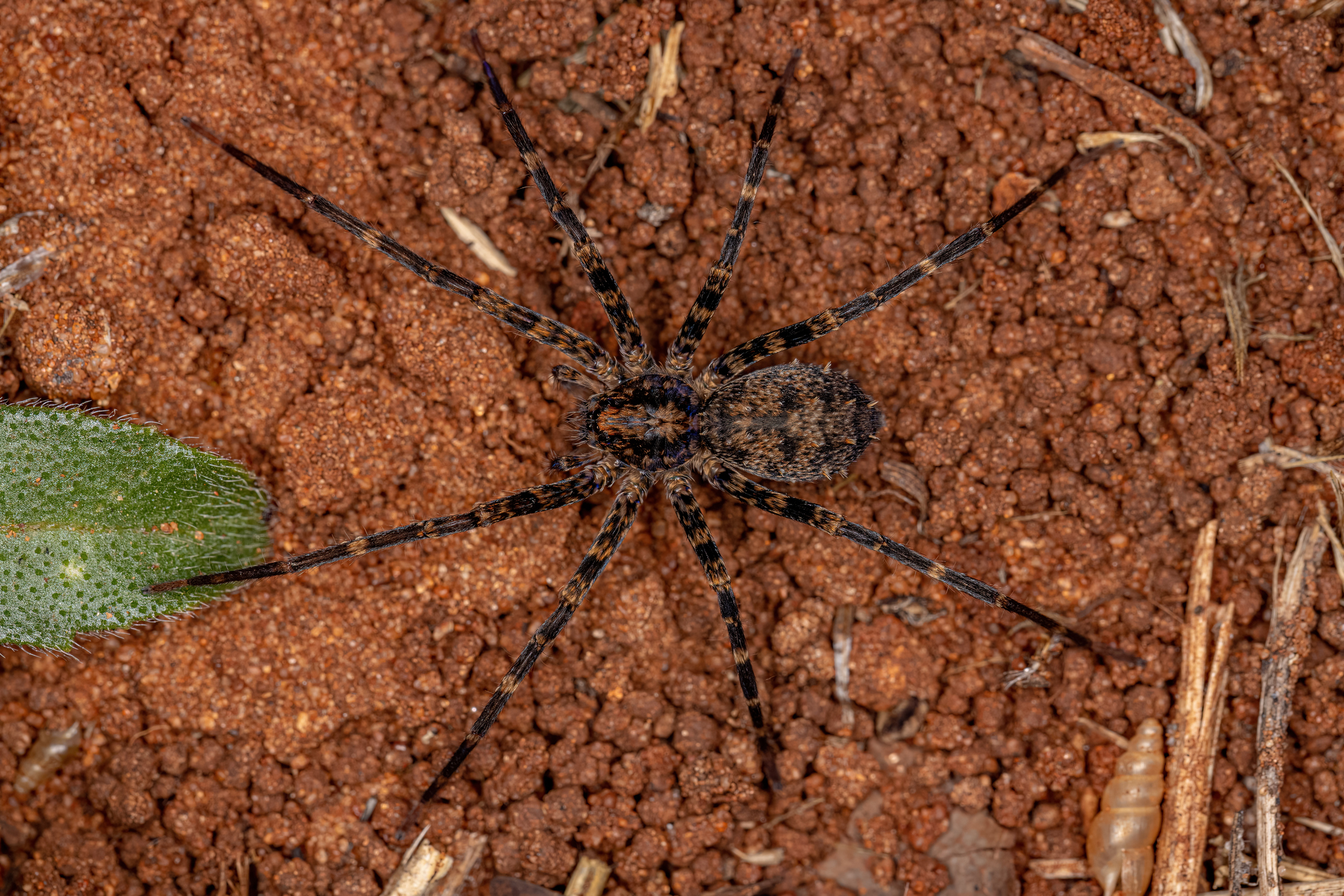
The clue’s in the name. Wandering spiders are a family of venomous spiders, found primarily in the rainforests of Central and South America.
- 10 biggest spiders in the world: Discover gigantic, terrifying arachnids as big as dinner plates
- 10 deadliest, most venomous spiders on the planet: Are these dangerous spiders as fearsome and lethal as their reputation?
In 2021, wildlife photographer Gil Wizen bagged a prize in the Natural History Museum’s Wildlife Photographer of the Year competition for his photo of a human-hand-sized wandering spider he found nesting under his bed at a research station in the Ecuadorian Amazon. Surrounded by hundreds of her newly hatched youngsters, the highly venomous female was snapped eating a cockroach.
House dust mites
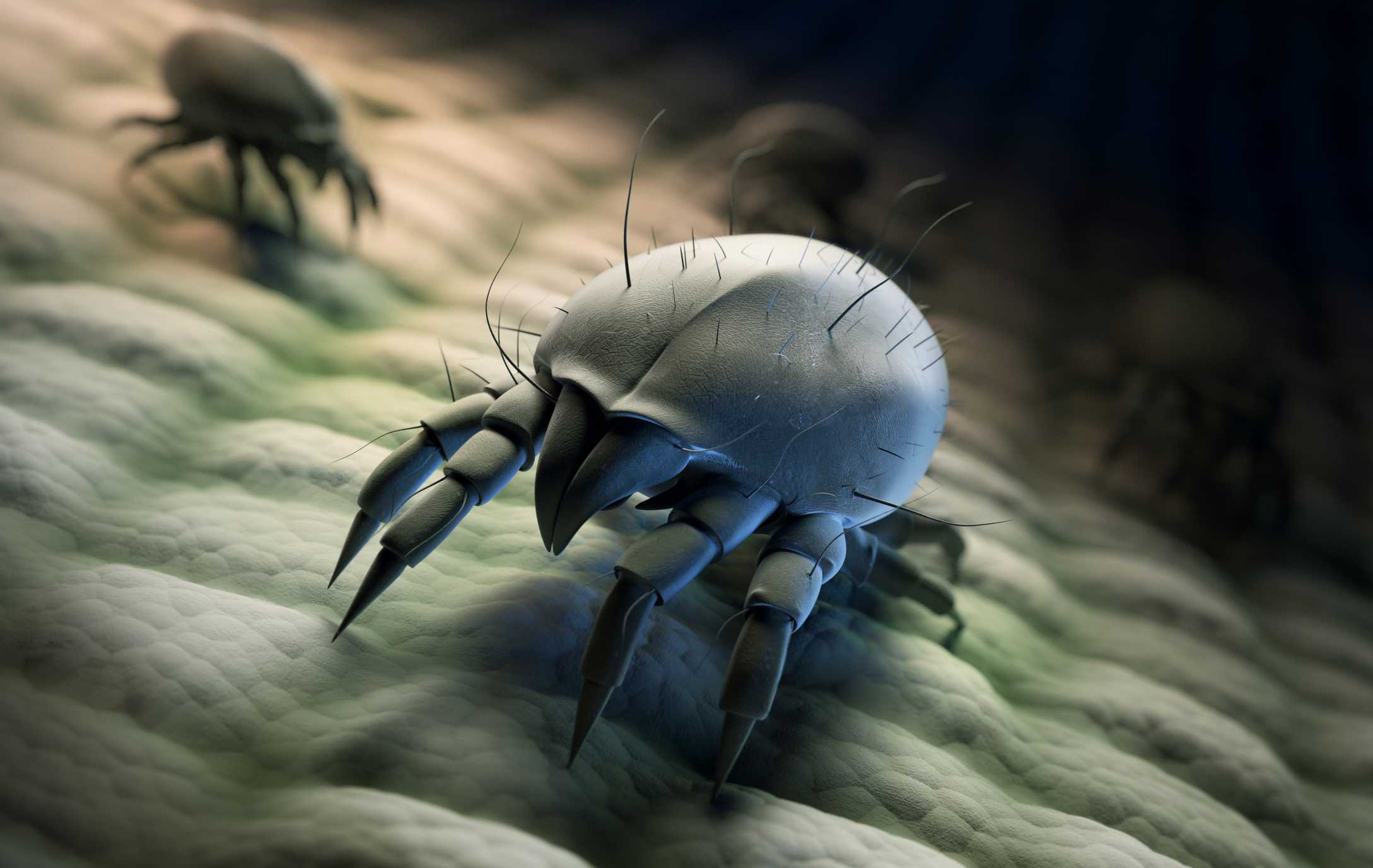
Dust mites are microscopic, spider-like relatives of ticks that like to live in warm, humid places. In the house, that includes upholstered furniture, rugs, mattresses and bedding. They don’t bite or spread disease, but they do feed on flakes of dead human skin. Yum!
Their droppings and shed body parts can also trigger allergies in people who are sensitive. Symptoms can include itchy eyes, asthma and skin rashes. Regular washing of bedding at high temperatures, reducing humidity and using allergen-proof mattress covers can help to keep numbers under control.
Foxes

In April 2024, a woman got the shock of her life when she got out of the bath and peeped into her daughter’s bedroom. Curled up on the bed, what stared back at her was a... fox.
Even more peculiar, the bedroom was on the third floor, and the family have no idea how the fox got there. The animal wasn’t nesting, granted, but it made an adorable TikTok video, which went on to rack up hundreds of thousands of views. BBC Wildlife doesn’t know how or if the fox vacated the premises, but our hope is that it was allowed to stay for a while at least and slumber peacefully.
Bed bugs
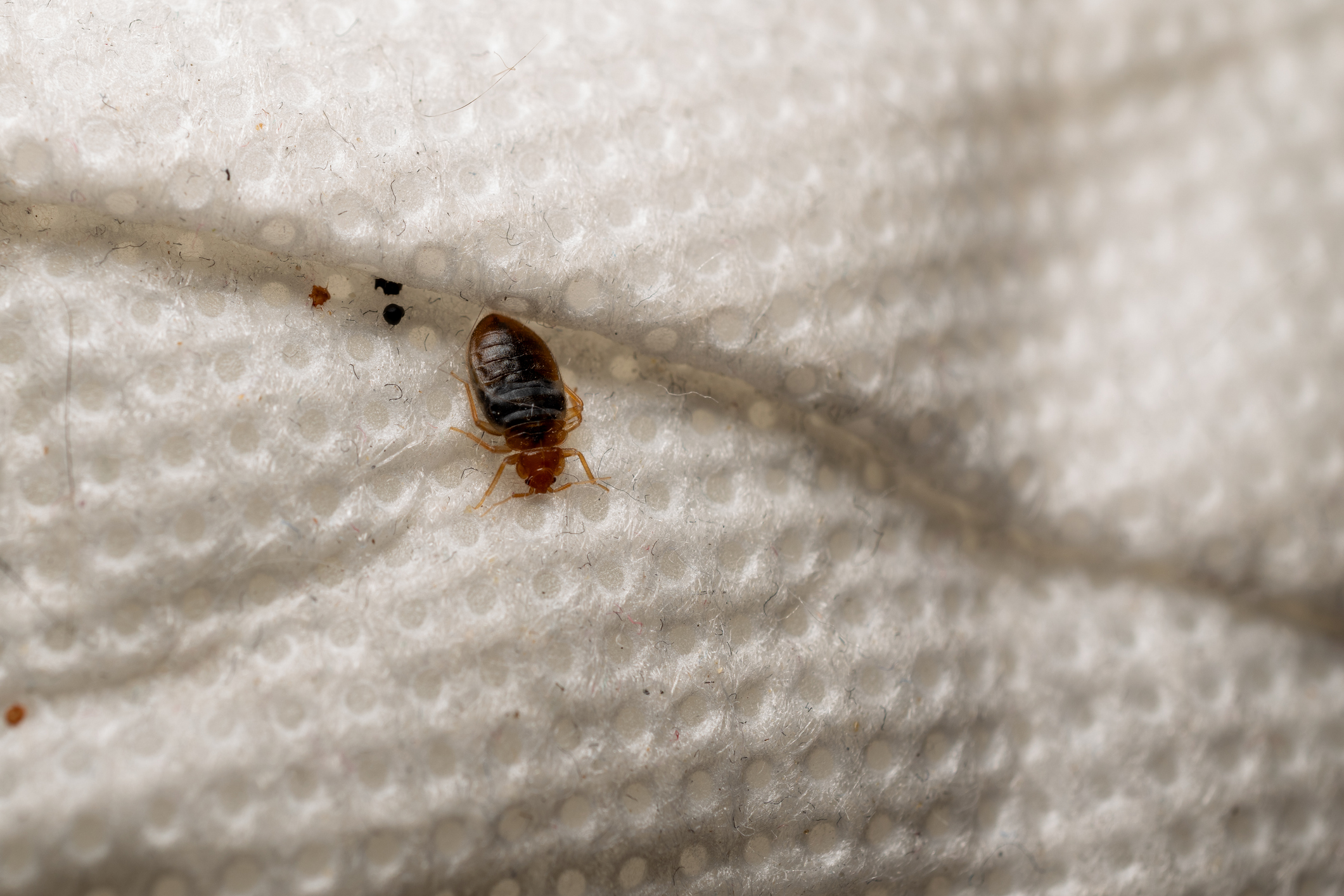
Bed bugs are tiny parasites that hitchhike from infested areas into our homes on luggage, clothing and other items. During the day, they hide in the nooks and crannies of our bedframes, then come out at night to feed on us.
Specialized mouthparts saw through skin and inject saliva containing anticoagulants and painkillers. Then they slurp up our blood like a smoothie. Often, we sleep through this, then wake to find patches of redness or blisters. Bed bugs don’t spread disease, but infestations can be stressful and difficult to remove, often requiring thorough cleaning or professional pest control.
Dog fleas
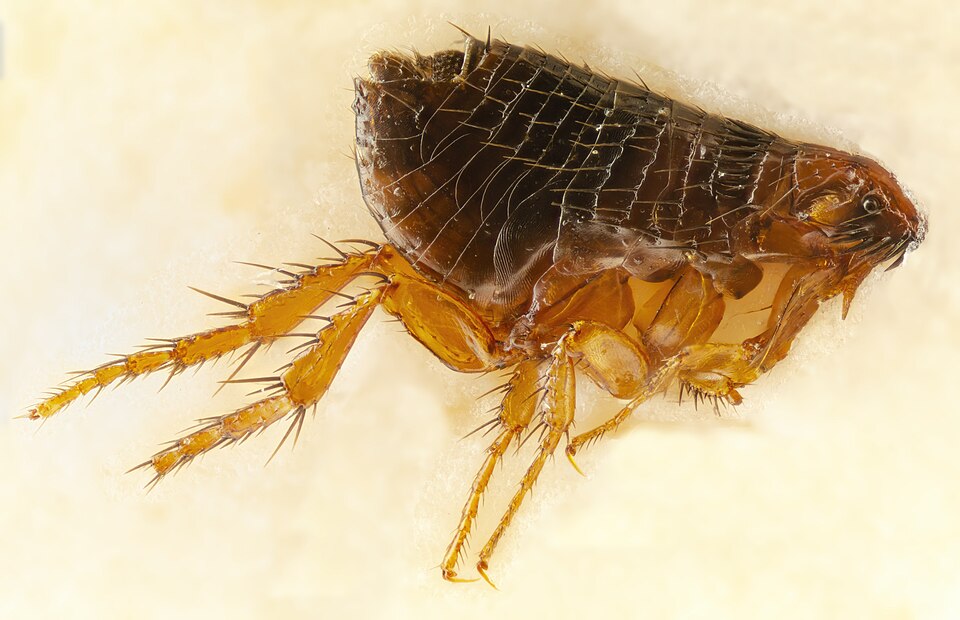
Here’s one for any dog owners out there – if your dog has fleas, and sleeps on your bed, then you might get bitten.
Dog fleas can’t live on people, but they can leap off their hosts in daring night-time raids. Owners wake to find small, intensely itchy red welts, frequently clustered in lines on their ankles and lower legs. Solving the problem requires making sure your dog is up to date with their flea treatment, washing soft furnishings, and treating the whole house with an appropriate flea treatment.
Snakes
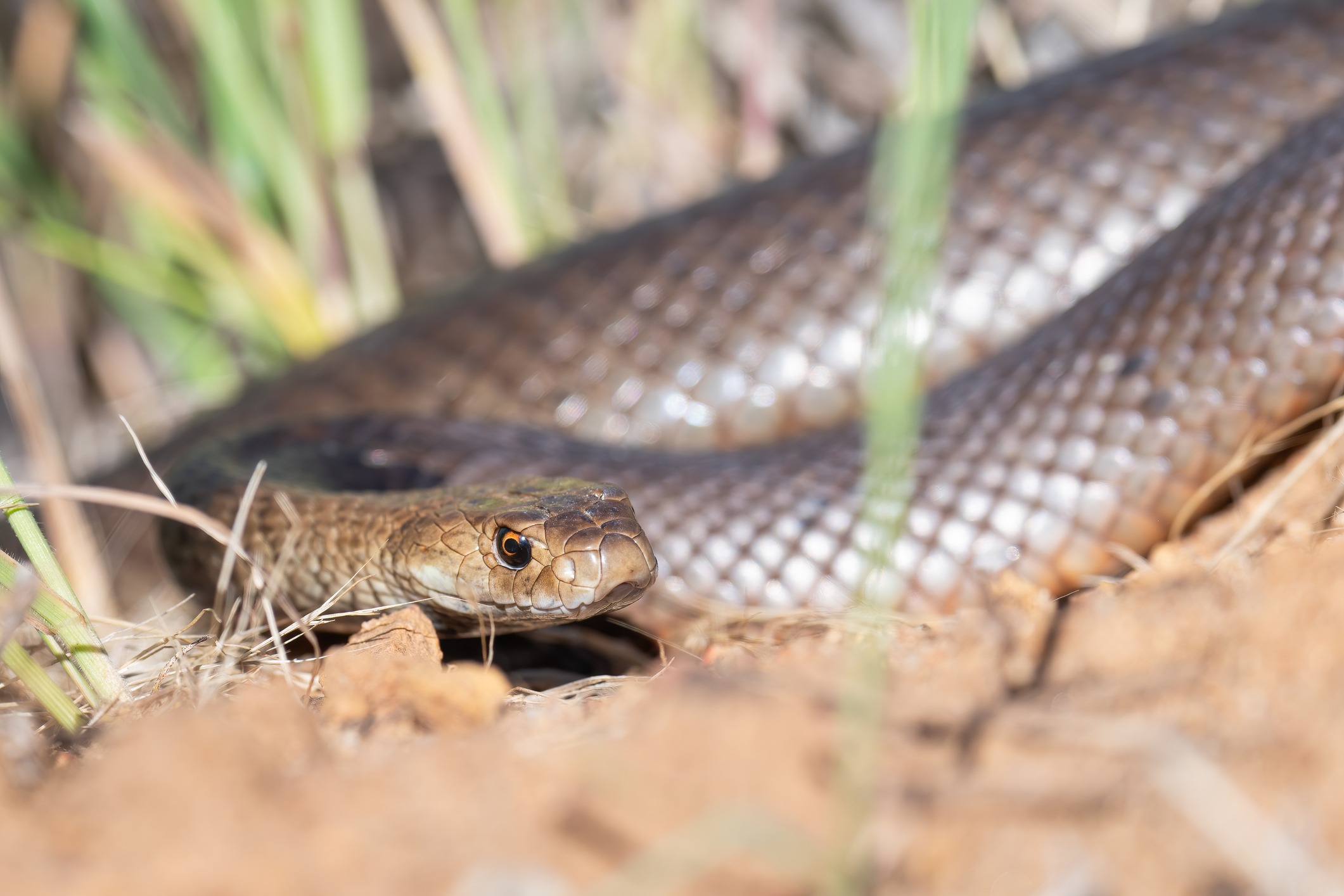
You’ve heard of snakes on a plane – well, how about serpents under a bed? In 2021, Trish Wilcher from the US state of Georgia described her alarm at waking one night to find more than a dozen snakes in her bedroom.
At first, she thought there were bits of “fuzz” moving on the floor, but a closer inspection revealed one mother snake and seventeen babies. She believes the mum had given birth under her bed. A wildlife expert was called in, who rounded up the reptiles and released them nearby.
- A snake hitched a ride to a remote Pacific island. This is what happened next.
- 15 brutal snake photos showing just how lethal and deadly their killing methods can be when they strike
The unknown species of snake was not thought to be venomous, but Wilcher told Sky News that she was “scared shirtless” all the same, adding she had a “slight feeling there may be more than one left.”
House mice
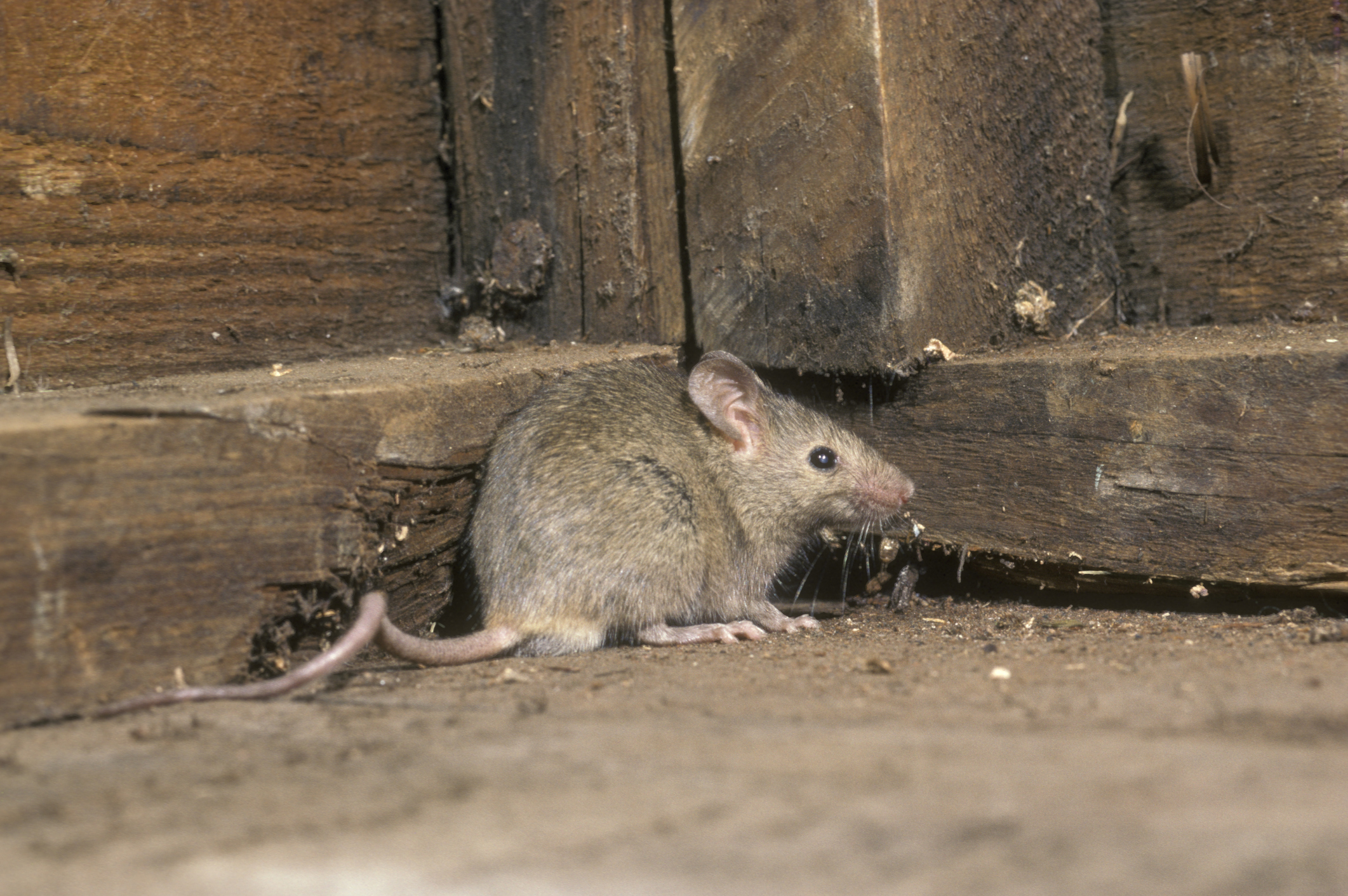
With constant warmth and a ready supply of year-round food, who can blame the house mouse for choosing to live in our homes. We even provide them with nesting material, in the form of fabrics, soft furnishings and sometimes, our beds.
- The 5 weirdest mice on the planet, from one that howls at the moon to another that can regrow its spinal cord
- Meet the world's deadliest mouse that can take on highly venomous scorpions - and have them for dinner
Given the chance, house mice will sometimes nest inside mattresses, with abandoned or unused beds providing the perfect blend of privacy and insulation. Although they generally tend to avoid people, house mice can spread diseases, such as leptospirosis, via their droppings and urine. The best way to avoid an infestation is by sealing entry points, storing food securely and trapping or removing mice promptly.
Carpet beetles
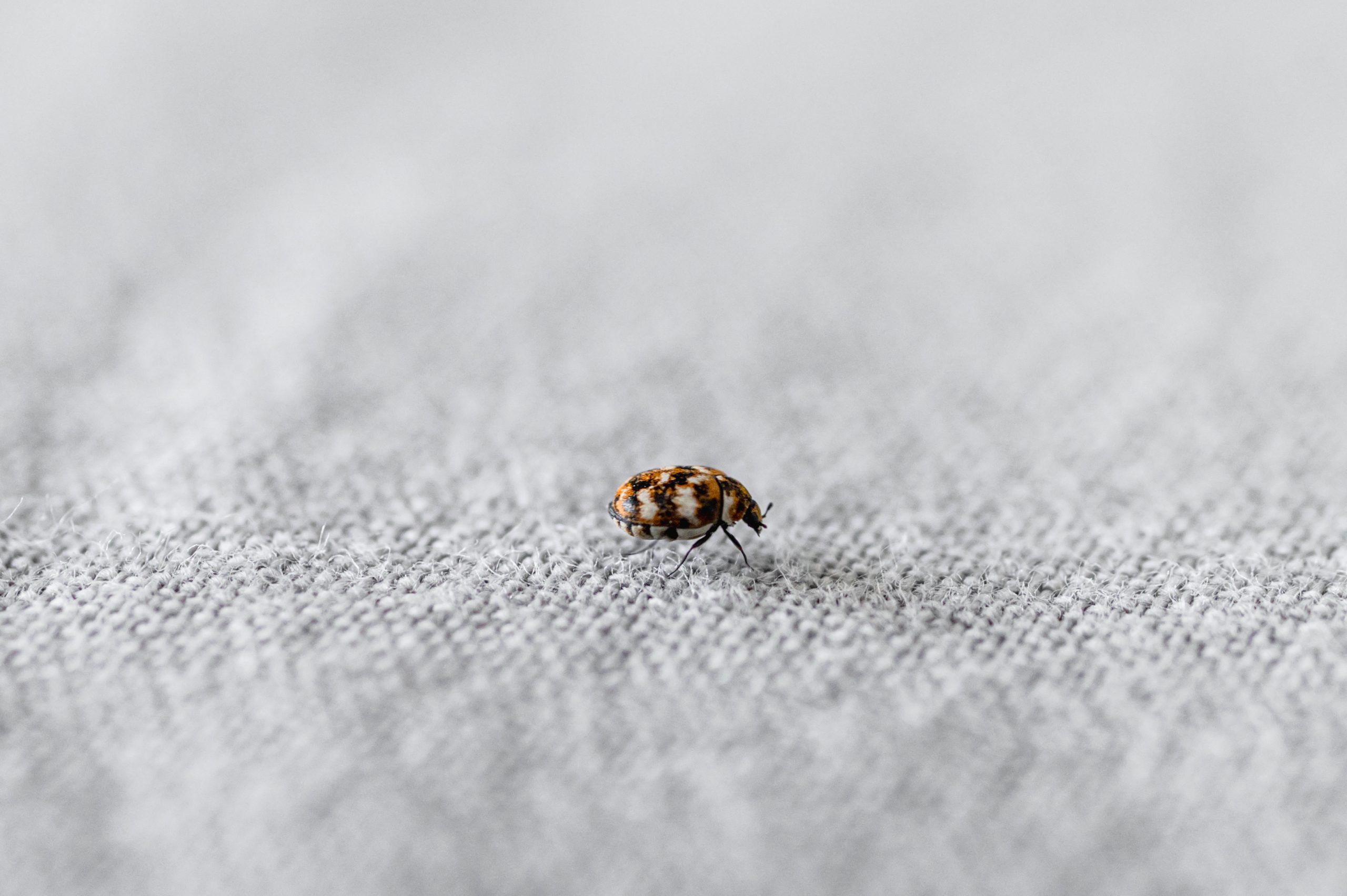
Carpet beetles are a group of insects belonging to the dermestid beetle family, which includes other household pests, such as larder beetles and leather beetles. Adult carpet beetles are generally no bother, living outdoors where they feed on nectar and pollen. The bristly larvae, on the other hand, are a different story.
These fuzzy, caterpillar-like juveniles feed on organic materials including wool, silk, feathers and hair. That can turn some pillows, duvets and blankets into an all-you-can-eat buffet, and while carpet beetles don’t truly nest in our beds, they can certainly cause damage to them if left undisturbed.
Top image credit: RHJ/Getty Images