
Nature is rarely the place to look for moral guidance. The cold, hard logic of natural selection cares nothing about right and wrong - only success or failure.
Which is why it has given us such delights as predators that despatch their prey by disembowelment, slave-making ants, chicks that kill their siblings in the nest, male mammals that slaughter unrelated infants to bring their mother back into oestrus, and frogs that fertilise eggs squeezed from the bodies of dead females
But why would some animals - from skinks and salamanders to hamsters and hornbills - commit what looks like reproductive suicide, by killing and eating their own young? The answer is that, given the right circumstances, filial cannibalism can actually increase an animal’s reproductive success. Sometimes, the best way to produce more offspring is to eat the ones you already have.…
10 animals that eat their own offspring
Moustached tamarin
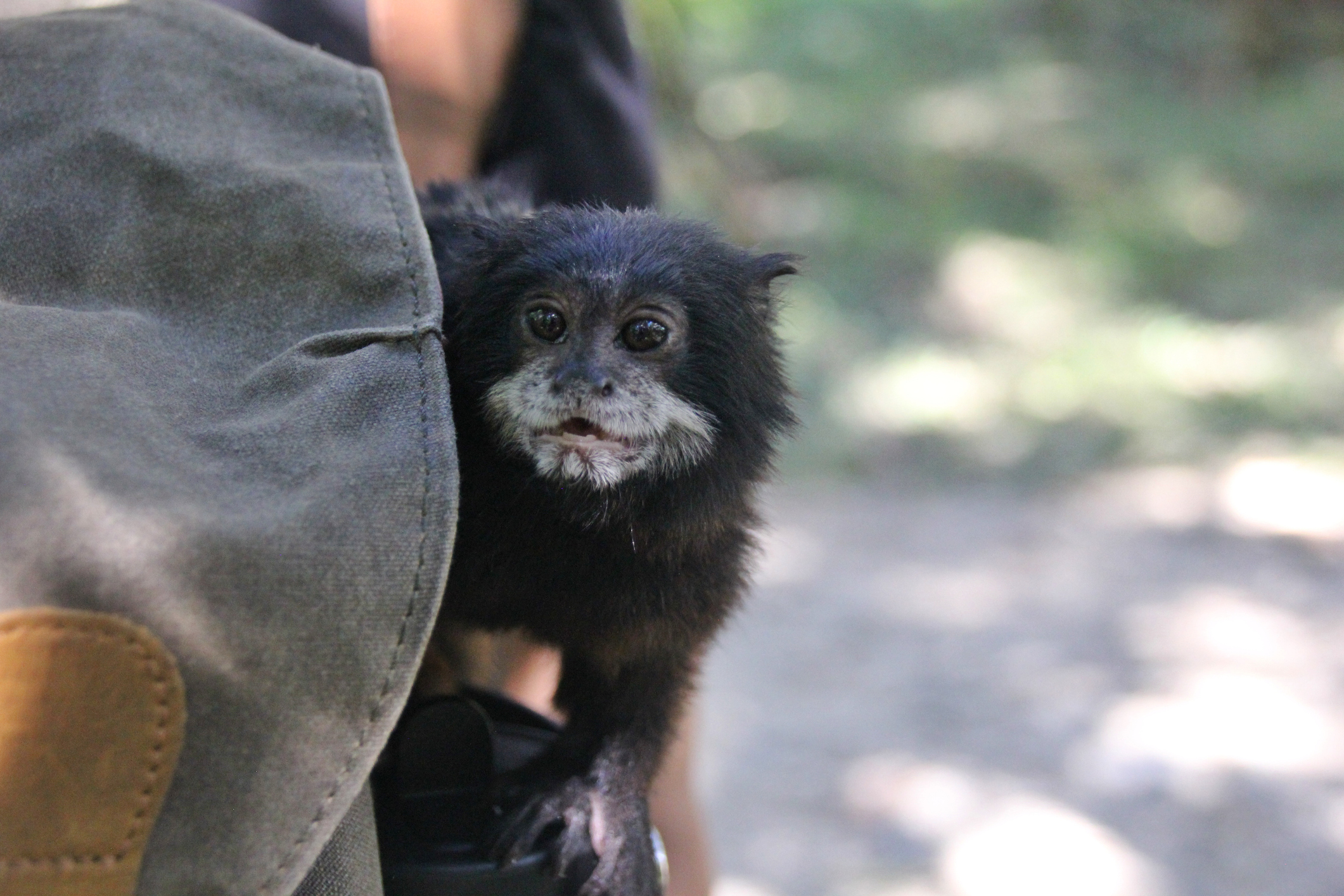
Don’t be fooled by the overwhelming cuteness. These tiny South American monkeys, named after their white facial hair and weighing in at just half a kilogram, are among the most ruthless of all primate parents.
In Peru’s lowland Amazonian rainforest, a female moustached tamarin was documented killing one of her twin infants by biting it repeatedly and then eating its head. Infanticide was also suspected in the death of the second twin soon after, but was not witnessed.
- Are these the world's best, most outrageous, moustaches? 8 animals with a better facial fuzz than yours
- It looked like a rodent but don't be fooled, this was no rodent. This is thought to be the world's first primate – and our ancestor
It takes a troop of tamarins to raise an infant. Successful reproduction is dependent on there being enough adults in the group to help a breeding pair carry their offspring through the forest. The infanticidal female had already successfully raised three sets of twins, all born at a time when four or five males were available to assist. On this last, tragic occasion, though, only two adult males were present, which may not have been sufficient to give the twins a reasonable chance of survival.
Burying beetle
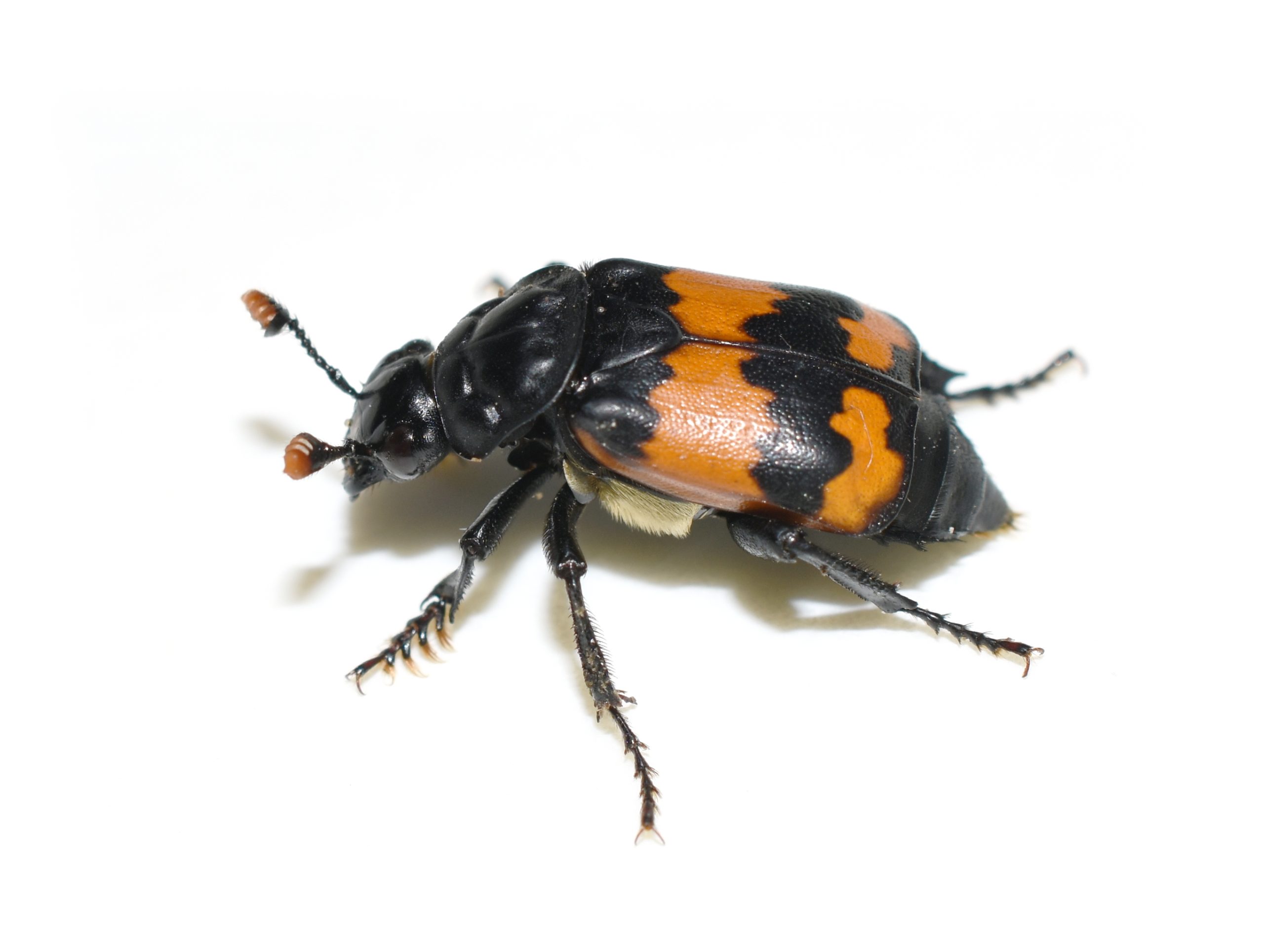
The family lives of burying beetles are more like those of birds than the vast majority of insects.
Also known as sexton beetles, they bury the carcasses of small mammals and other vertebrates as a food source for their larvae. Working as a pair, they roll the body into a ball, strip it of fur or feathers, which they use to reinforce the walls of the underground crypt, and slow its decay by embalming it in antimicrobial secretions.
When the eggs hatch, the larvae gather in a hole chewed into the top of the carcass. Like chicks in a nest, they even sit up and beg to be fed by the parents, who respond by regurgitating partially digested meat soup for their offspring.
But this scene of family bliss is shattered when a parent suddenly grasps a begging larva in its jaws, chews it up and swallows it. As many as half of the entire brood may be cannibalised in this way.
Burying beetles can breed on the carcasses of the tiniest shrews, all the way up to animals the size of stoats, so they need to match their brood size to that of the available food. One option would be to lay just right number of eggs, but this risks producing too few young if eggs are taken by predators or fungal infection. Instead they lay more eggs than a carcass can support and then cull the numbers back later.
Japanese giant salamander
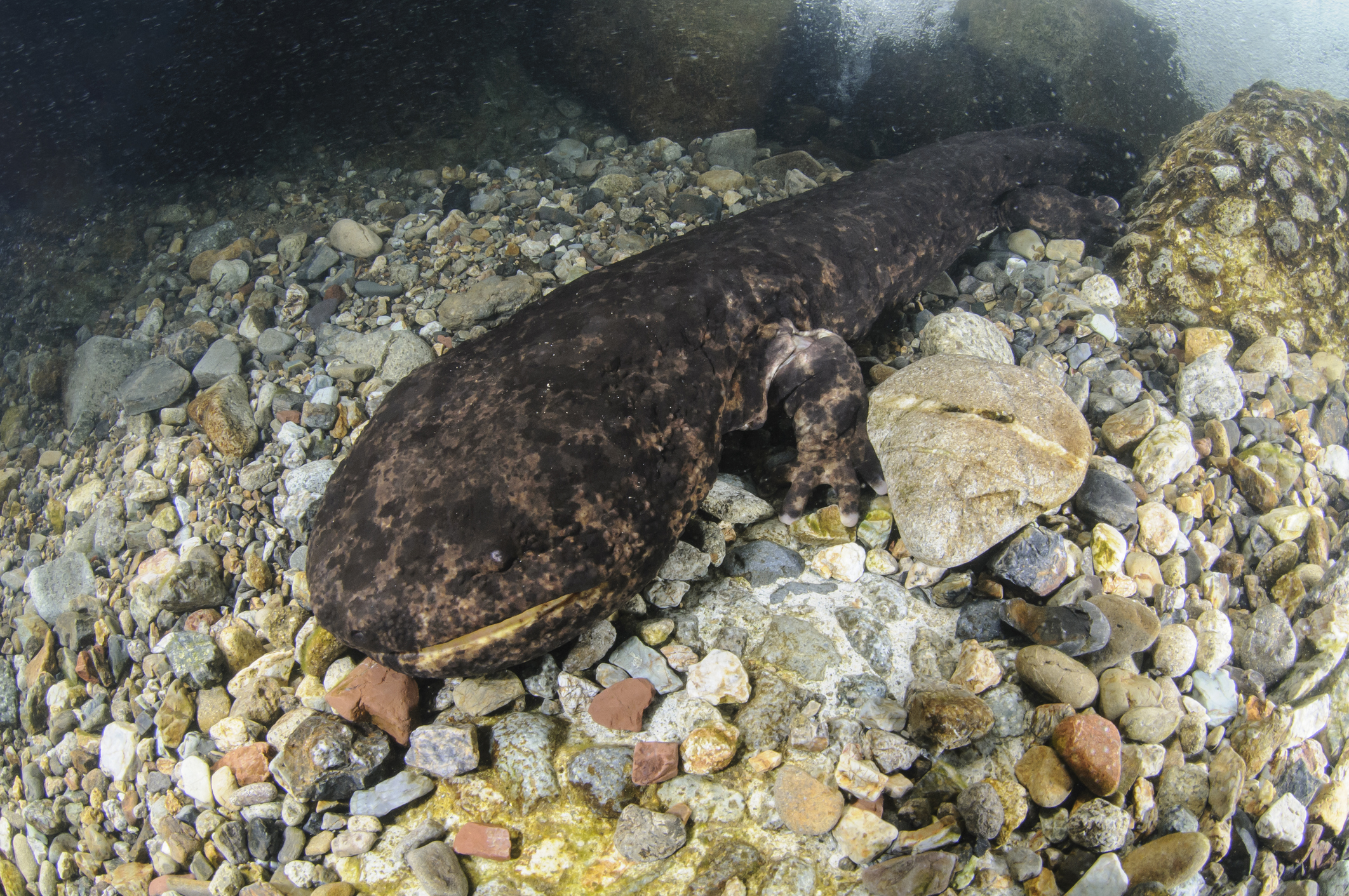
It’s not quite the biggest of all amphibians, but at nearly 1.5m in length and weighing up to 40kg, the Japanese giant salamander is pipped to the top spots only by a couple of closely-related Chinese species.
These hulking inhabitants of unpolluted streams and rivers, take at least ten years to become sexually mature and can reach 100 years of age. The largest males - known as den-masters - defend burrows in river banks which are visited by females to lay their strings of eggs. Until the young hatch up to seven months later, the males protect them from predators and fan them with fresh oxygenated water using their tail.
- A huge ancient predator is lurking in Japan’s rivers – and it’s eating frogs and crabs
- It's as long as a bicycle, weighs the same as a German shepherd dog, is slightly creepy looking – and cries like a baby when removed from water
These doting fathers also do something that might seem less than paternal: they eat a proportion of the eggs. But not just any eggs. They pick off those that look white and cloudy, which is a sign they have been infected with mould. This behaviour, named hygienic filial cannibalism, is thought to prevent infections spreading through the rest of the brood.
Sail-fin silverside
The biological urges to reproduce and feed are rarely satisfied simultaneously. But this little fish, which is found only in Lake Matano on the Indonesian island of Sulawesi, can switch between the two in the blink of an eye.
Sail-fin mating starts out straightforwardly enough. After a brief courtship, the female releases her eggs on the lake bed and the male fertilises them. However, the process is complicated by other males that lurk nearby and dart in to deposit their own sperm at the crucial moment.
- "Mothers are known to eat their own newborn babies..." 11 gruesome, grisly cannibal animals that feast on their own kind – you won't believe number 3
- It might act like a friend, but this is no friend – once it’s gained its victim's trust, it drugs them and tears chunks of flesh from them with its huge teeth
This leaves the courting male uncertain about his paternity of the brood, which can make him see the eggs as food rather than as offspring. Experiments show that if two or more other males gate-crash the party, 80 per cent of courting males switch to feeding mode and eat the eggs.
It’s unlikely that he is able to distinguish between eggs fertilised by himself and others, so at least some of those he consumes will be his own.
Flower assassin bug
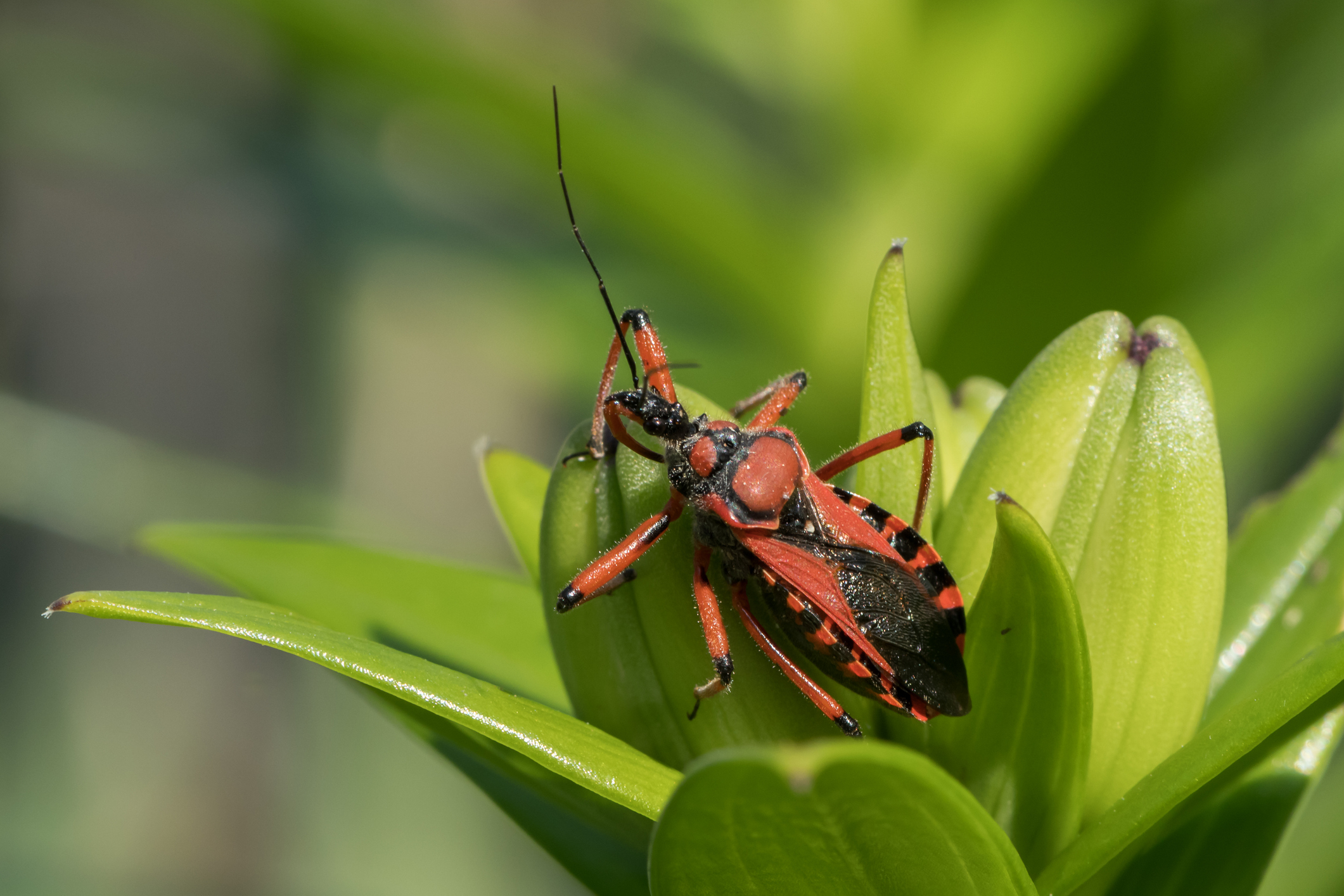
For some species, eating a few offspring is simply a perk of parenthood.
The flower assassin bug Rhynocoris tristis of sub-Saharan Africa is a lurking predator that catches pollinating insects attracted to blossoms, stabbing them with needle-like mouthparts and sucking them dry.
The species is a rare case among insects, in that all the parental care duties are performed by the males, who guard the eggs against predators and parasitic wasps.
During the three weeks or so that he is on duty, a male is unable to hunt for himself, and yet he doesn’t lose weight. That’s because he snacks on the eggs in his care, although he minimises his reproductive losses by selecting eggs from the edge of the brood, which are most likely to have been parasitised by wasps.
Long-tailed skink
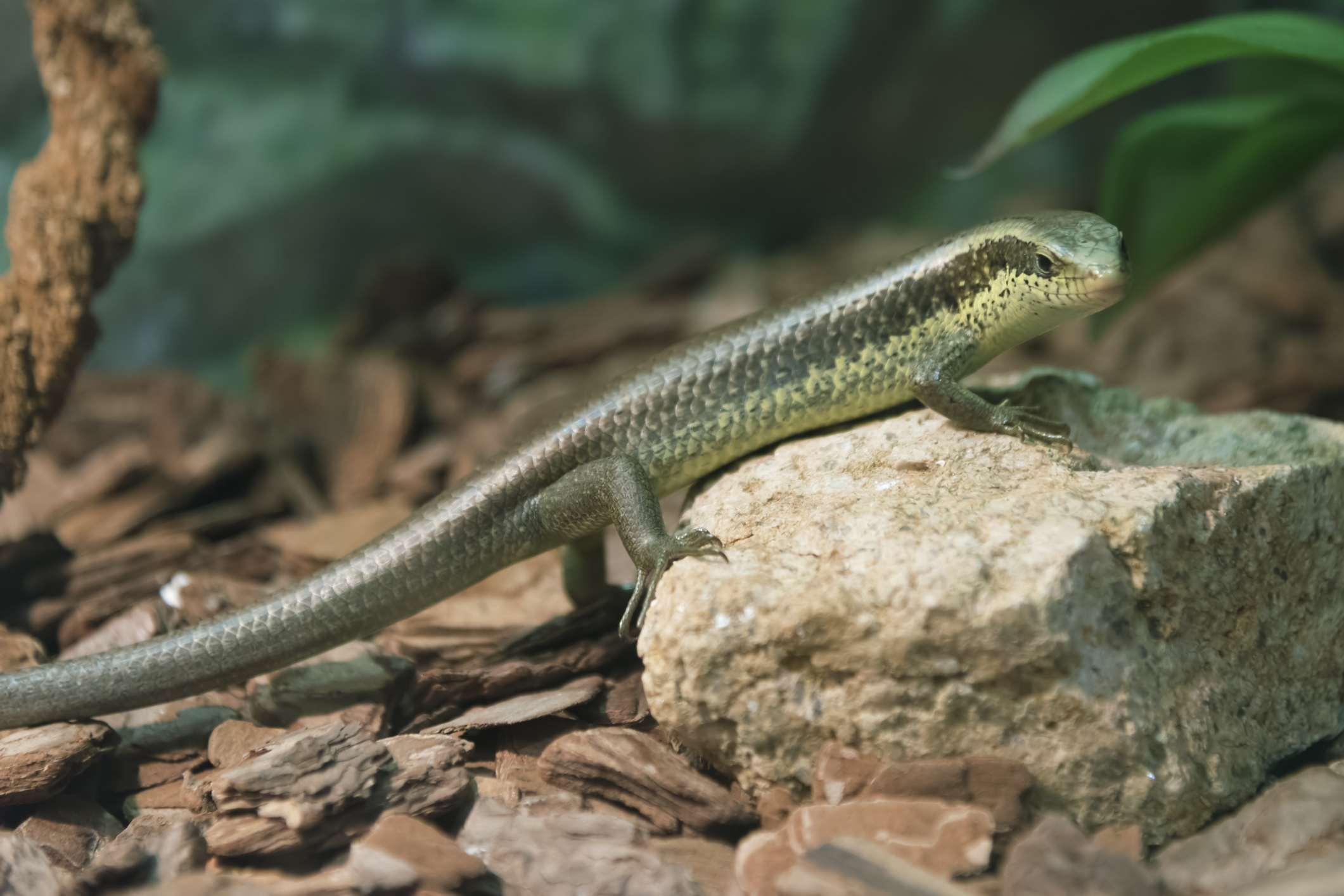
For other species, filial cannibalism can be a desperate act of last resort.
In Taiwan, female long-tailed skinks guard their eggs against a species of egg-eating snake called the beautiful kukri. The mother is usually able to fight off the predators, but not always. And when attacks are so frequent that it’s only a matter of time before her defences are breached, she will eat their entire clutch of eggs herself, recycling the contents to produce another brood elsewhere.
After all, if something is going to eat your offspring anyway, it might as well be you.
Cardinalfish
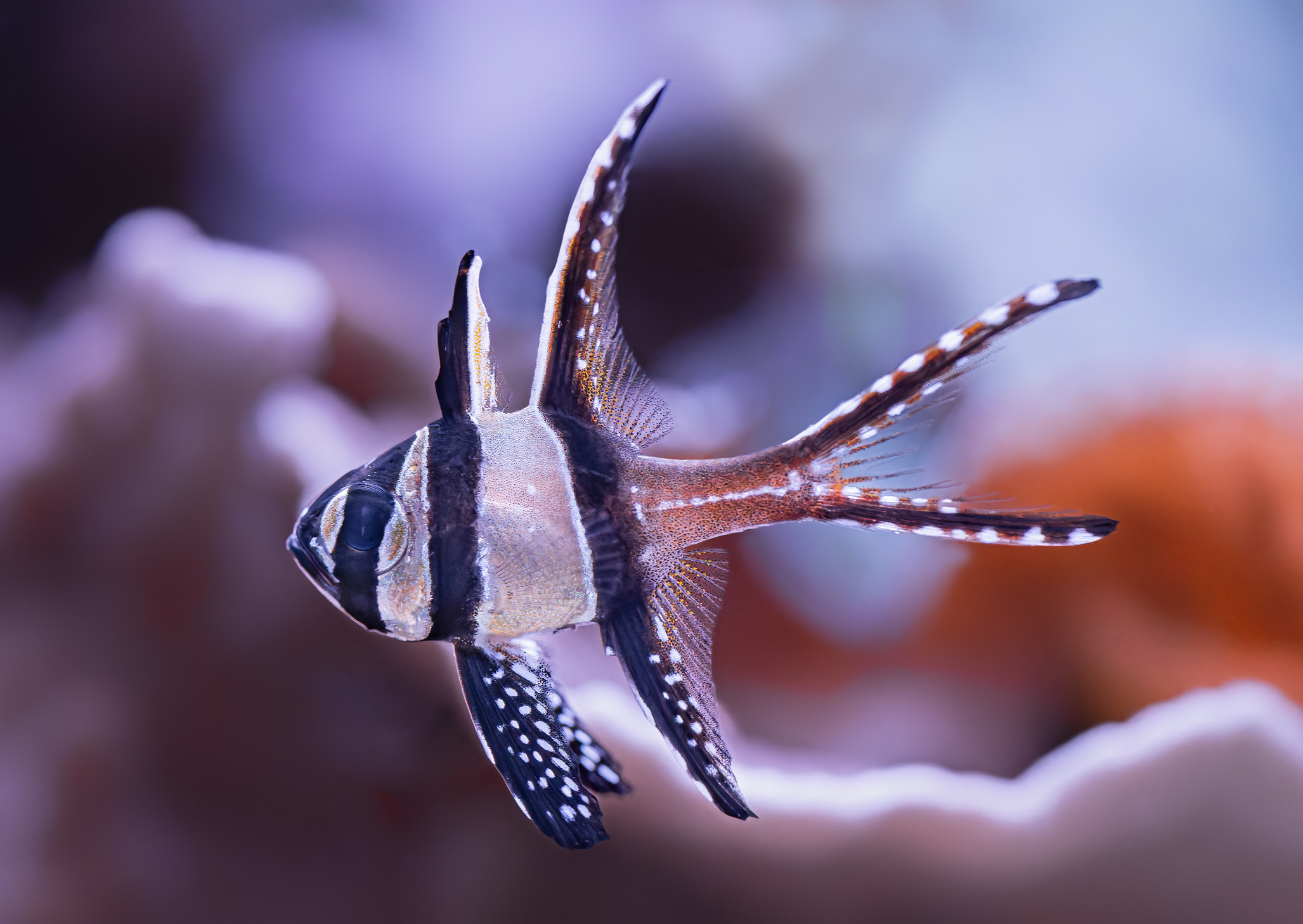
Mouth-brooding fish are always just a swallow away from cannibalising their own young.
Cardinalfish inhabit shallow waters of the west Pacific where males and females occupy separate dens in rock crevices and pair up temporarily to spawn. Immediately after fertilisation, the male scoops up the eggs into his mouth where he broods them until they hatch up to 17 days later. Unless he swallows them first.
For obvious reasons, a male cannot feed while brooding, and he may rear several clutches consecutively. As repeated bouts of mouthbrooding take their toll, cannibalism becomes increasingly common. In one species of cardinalfish, about 13 per cent of broods are cannibalised.
- "Giving birth through their narrow clitoris, a female has a birth canal of only about one inch across, making it both painful and risky." 10 craziest animal births ever...
- Watch this sarcastic fringehead use its enormous mouth to protect its territory – it gets heated...
This is not disastrous for the male. Because brooding males are temporarily removed from the mating pool, receptive females usually outnumber available males, allowing a cannibal to replace his brood quickly.
But the same cannot be said for the female that contributed the eggs. In another cardinalfish species, females may even discourage cannibalism by padding out their clutch with cheap yolk-less eggs to give a male the impression of a large brood that is worth his while brooding rather than swallowing.
Golden hamster
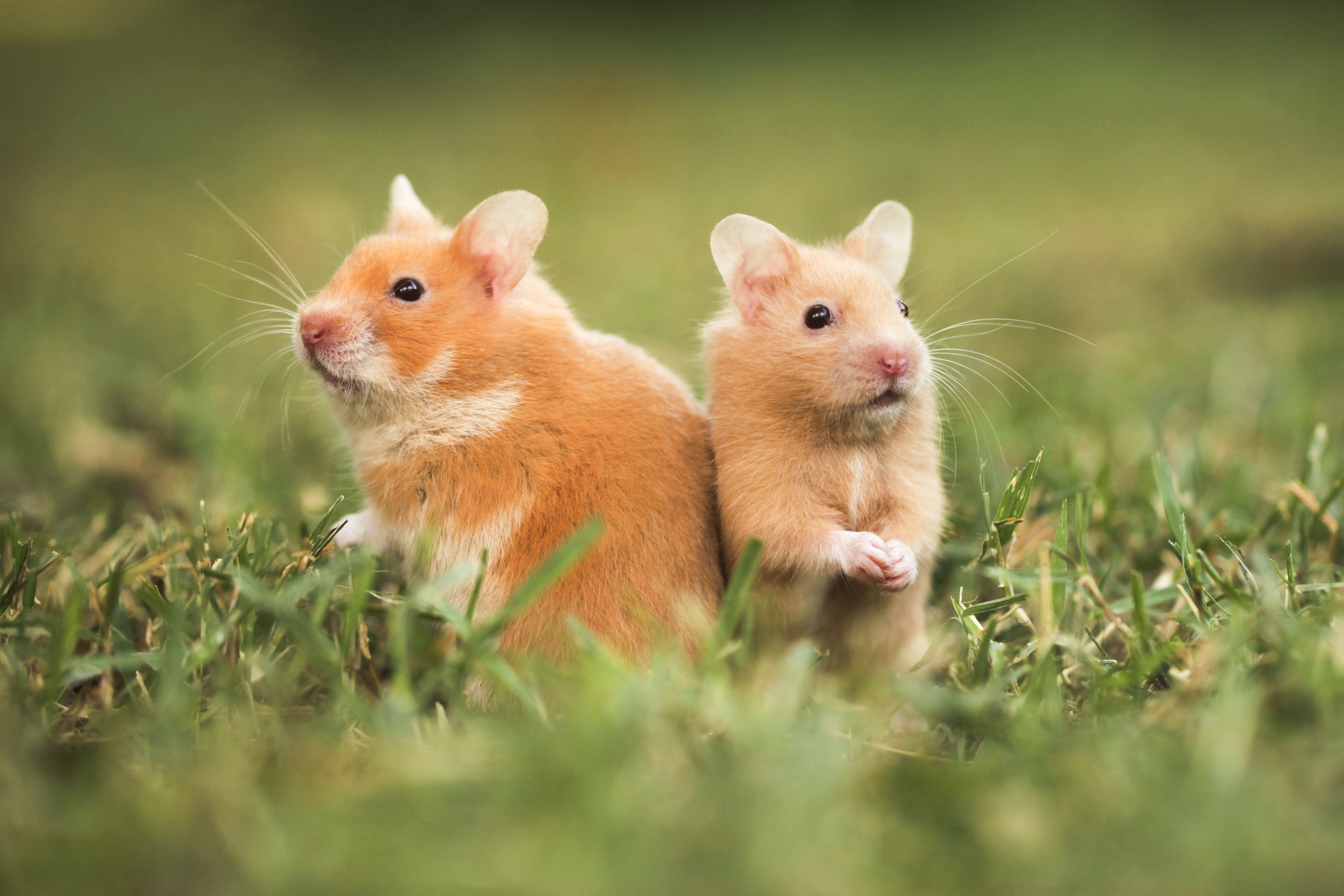
These little rodents have a huge global distribution thanks to their popularity as domestic pets, and yet the species is designated as Endangered in its native range in Turkey and Syria.
Young children doting over their first pet might be horrified to know that more than 75 per cent of female golden hamsters cannibalise at least one of their pups soon after giving birth. Leaner mothers eat more pups than well fed ones, suggesting that they adjust their brood size according to the energy reserves available to them.
Curiously, as the days get shorter towards the end of the summer, they start to cannibalise more female offspring than male ones.
Oriental pied hornbill
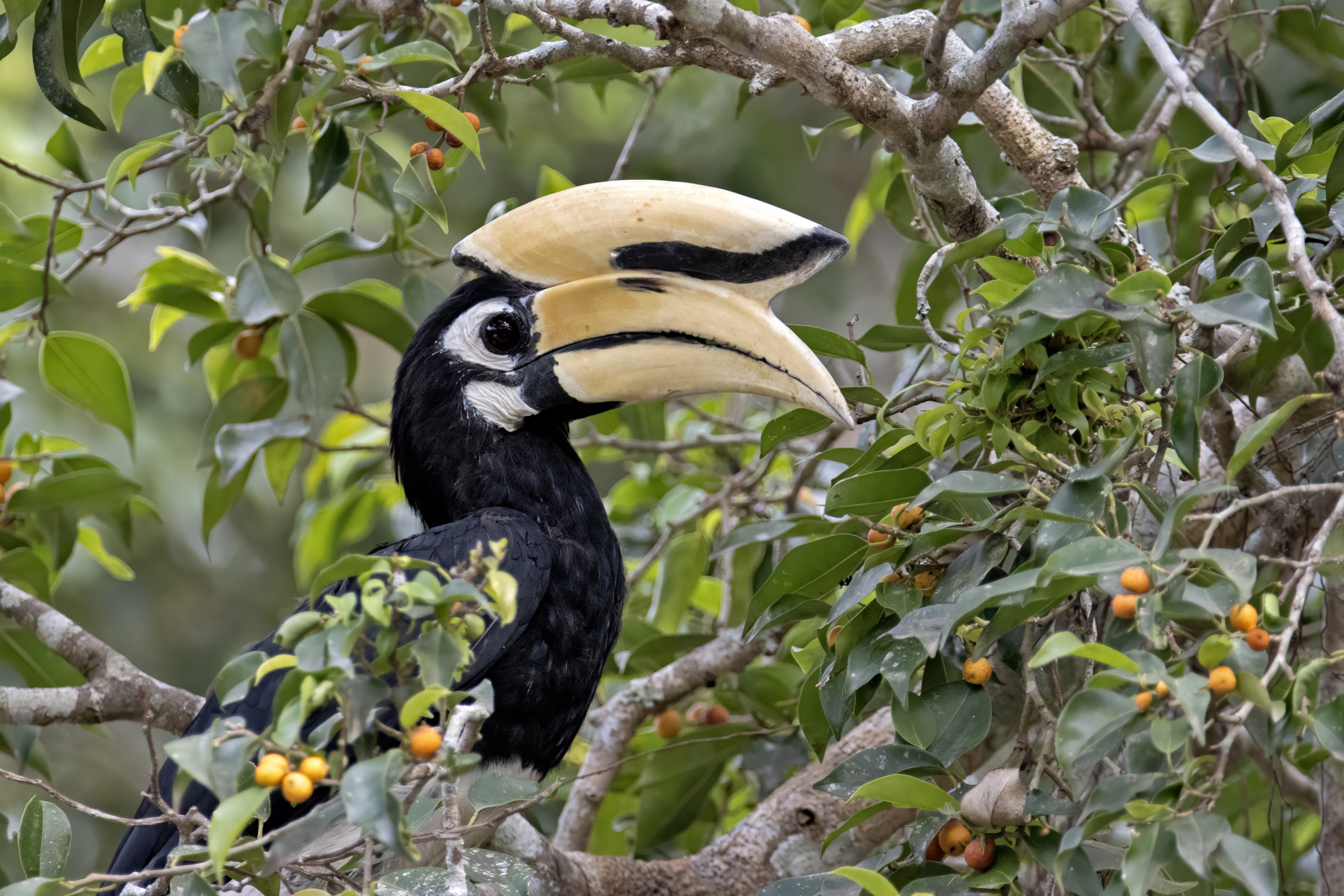
The reproductive behaviour of the Oriental pied hornbill is captivating in more ways than one. These striking black and white birds are well known for the female’s habit of barricading herself and her brood inside a tree-hole for the entire nesting period. Using wet mud to block the entrance, she leaves an opening just wide enough for the male to deliver food and won’t re-emerge for about 80 days.
But even behind these sturdy defences, the chicks still aren’t entirely safe. Of 14 breeding cycles observed in the wild during one study, five resulted in the mother killing the last chick to hatch, which she either ate herself or fed to the other chicks.
It is not known why some pairs fledge their entire brood while others cull the youngest. But the fact they target the chick requiring the greatest future investment suggests it is sacrificed to boost the survival prospects of the others.
Garibaldi damselfish
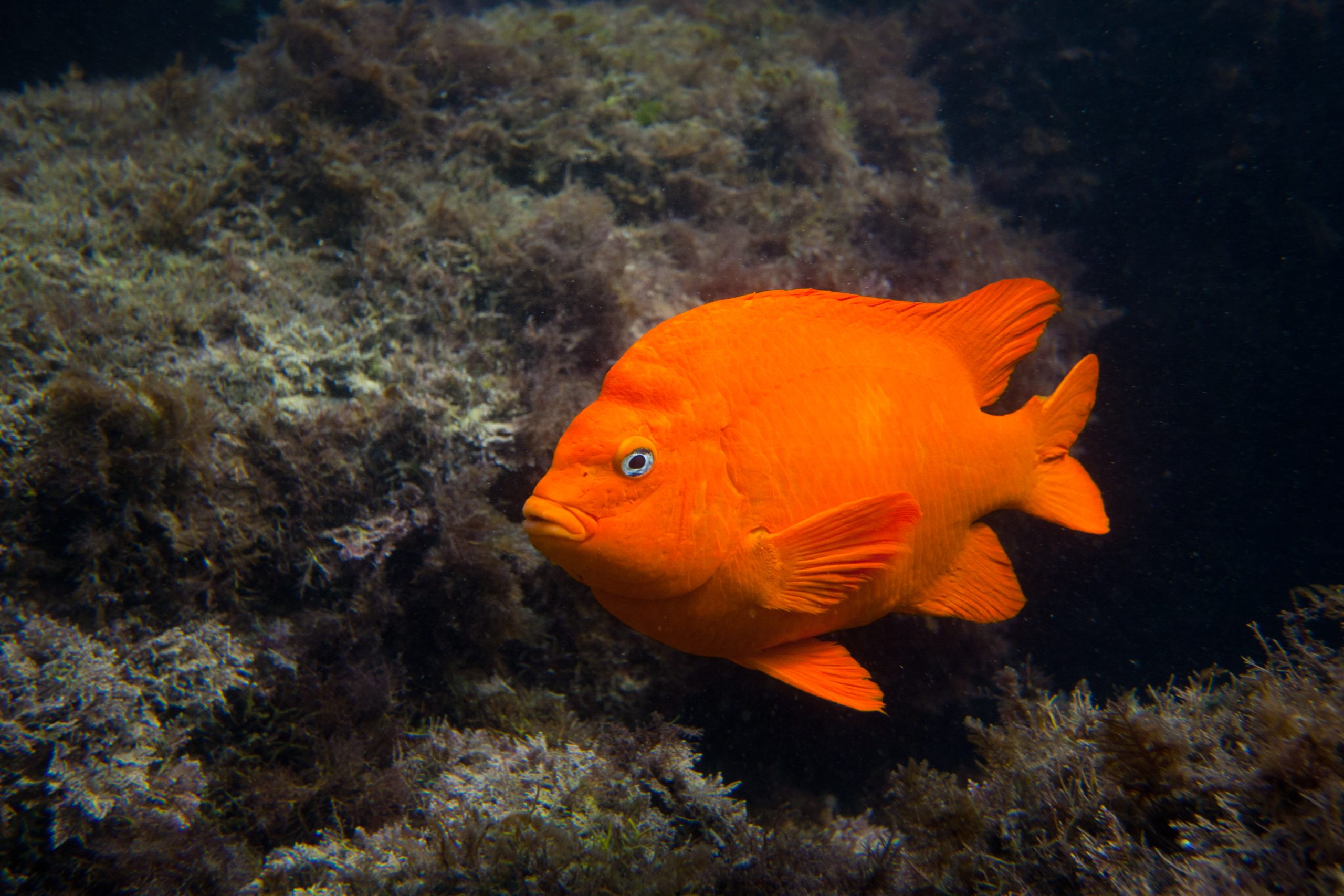
While hornbills cull the youngest members of the family, Garibaldi damselfish sacrifice the oldest. And they do so for a surprising reason - to make themselves attractive to mates.
These bright-orange marine fish are native to the west coast of North America. As is the case in many fish, the males alone are responsible for parental care. Each tends a mat of red algae on the sea bed, on which females deposit their eggs, and a successful male may end up looking after multiple broods of different ages laid by several females.
- Damselfish behaviour is influenced by rats
- Strange purring sound heard on Hawaiian reef – and we're not sure what's causing it
Females, though, prefer to lay on mats containing younger eggs, because these are an indication that the resident male will stay around long enough to see her clutch through to hatching. And it’s a preference that a male can exploit if he still has space on his mat for more eggs. To make his little patch of the sea bed more attractive to females, he removes the older eggs in his brood by eating them. This is cannibalism as a form of interior design.
top image: A garibaldi damselfish defends its territory underneath a production platform off the coast of Los Angeles, California. Credit: Julian Gunther/ Getty Images.
More wildlife stories from around the world:


