
For nearly 450 million years, sharks have been the apex predators of Earth’s oceans. The first sharks weren’t giants, but they established a blueprint that Mother Nature later supersized, creating not only the largest sharks that have ever lived but the largest animals, with some rivalling blue whales in terms of size.
10 biggest prehistoric sharks that have ever lived
Otodus megalodon
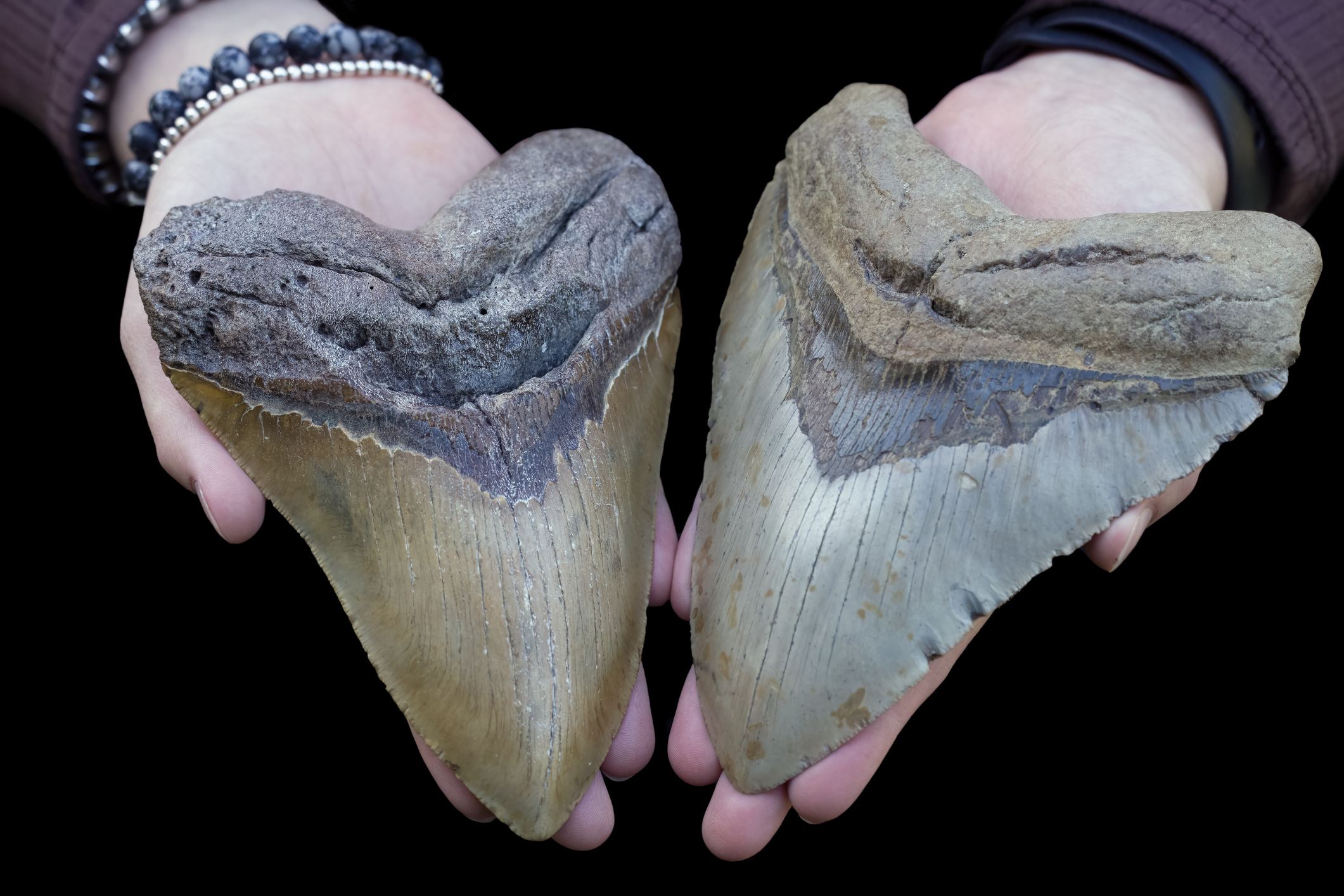
At an estimated length of 24.3m, an adult megalodon was longer than two school buses parked end to end and more comparable in size to a superyacht!
This estimate places megalodon third in the all-time size rankings for marine animals, behind Ichthyotitan (26m) and the blue whale (30m).
- "Its teeth were specially designed for a ‘grip-and-shear’ feeding strategy…" 6 animals able to kill a megalodon, the deadliest shark that ever lived
- Do sharks develop a taste for human flesh after a first bite?
While some megalodon may have reached these gargantuan lengths, most would have been less than 20m long. They were also a lot less stocky than scientists originally thought, with elongated body plans similar to that of living mako sharks.
However, that’s not to say megalodon were any less deadly than how they’re portrayed in popular culture - in fact, a slimmer megalodon was likely a faster megalodon, meaning more animals would have been at the mercy of its powerful jaws and 300 razor-sharp teeth.
There weren’t many things off the menu for a fully-sized megalodon. Based on bite marks found on the bones of other animals, scientists think megalodon preyed on everything from seals and sea turtles to whales, sharks, and even other megalodon.
Other Otodus
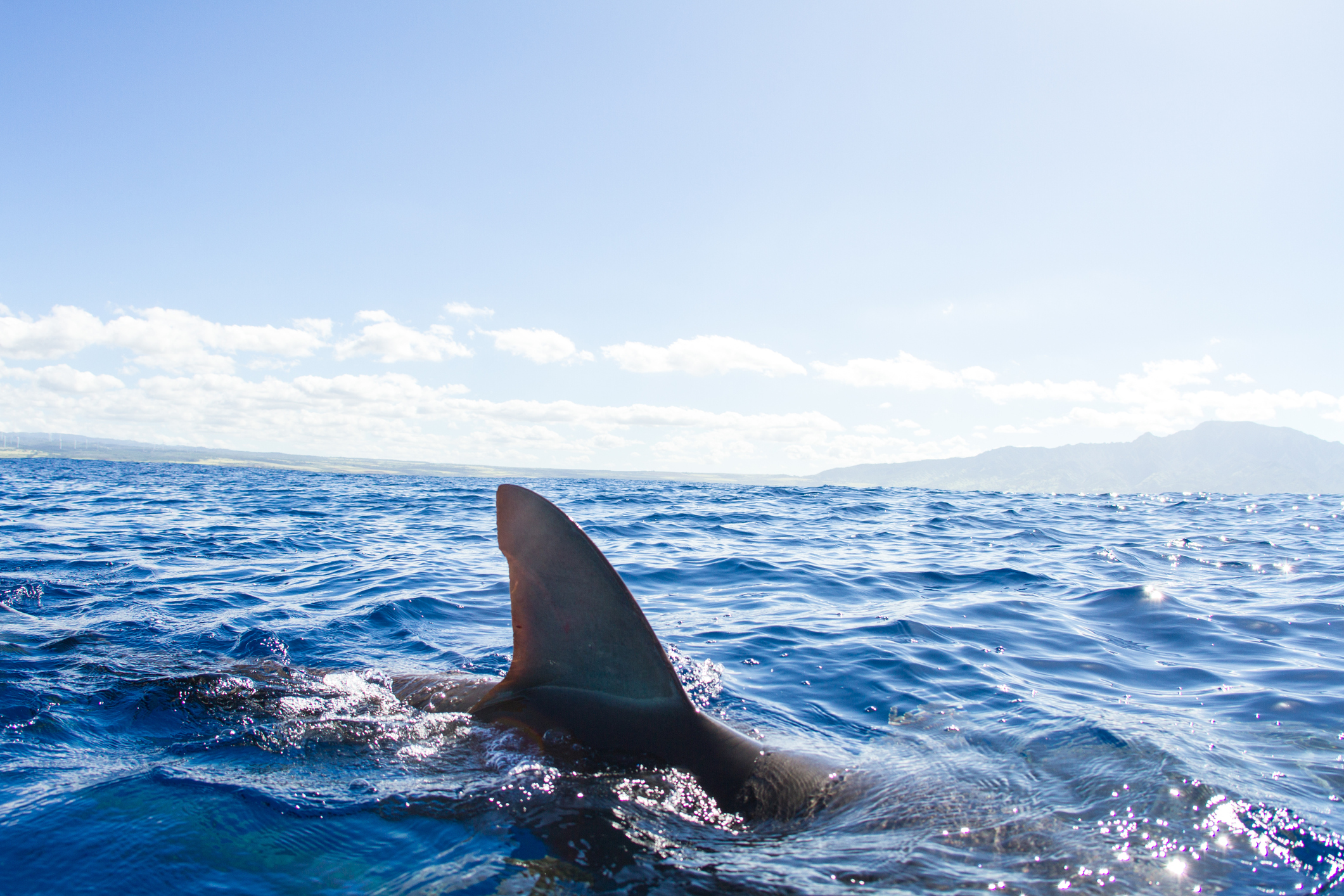
Megalodon might be the largest shark that’s ever lived, but its cousins - Otodus obliquus, Otodus auriculatus, Otodus angustidens, and Otodus chubutensis - weren’t too far behind it in the size department.
These sharks are all mackerel sharks belonging to the same genus as megalodon (Otodus), meaning they’d have looked very similar. The smallest, Otodus obliquus, grew to lengths of nearly 10m, while the second-largest member of the group, Otodus chubutensis, would have rivalled smaller megalodon, at 13.5m in length.
Many scientists regard Otodus as a single evolutionary lineage that got larger over time, with megalodon marking the group’s peak in size. However, not everyone agrees with this assessment, pointing to the fact that Otodus angustidens, Otodus chubutensis, and megalodon all overlapped with one another from 23 to 21 million years ago.
If there was ever a time you’d have wished for a bigger boat, it would have been during that two-million-year window.
Rast of Scotland, Northern Ireland, and southwest England are some of the best places to see basking sharks.
Ptychodus
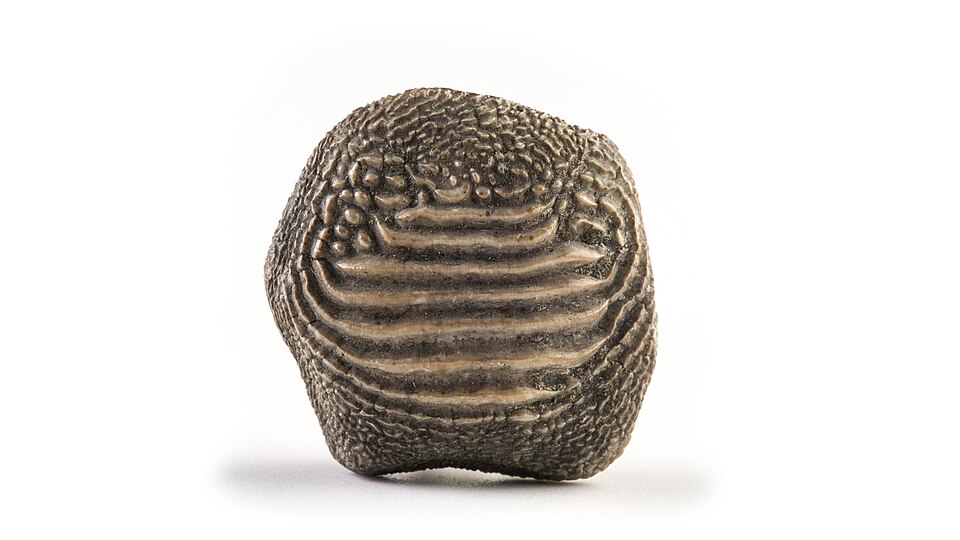
Instead of having jaws lined with serrated, triangular-shaped teeth - like megalodon and most other mackerel sharks - Ptychodus had a mouthful of knobbly plates covered in hundreds of rounded teeth, each topped with a series of laminar folds.
These specialised teeth allowed Ptychodus to crush and grind down the shells of a variety of hard-shelled animals - a type of predation known as durophagy.
When Ptychodus was first discovered in the early 18th century, scientists thought it was a predator that dined primarily on bottom-dwelling animals, such as bivalves and crustaceans. However, a recent study found that it was a lot larger than originally thought and therefore probably hunted in the open ocean, targeting ammonites and marine turtles.
At roughly 10m in length, Ptychodus was one of, if not the largest shark that lived during the Late Cretaceous, from 100 to 75 million years ago. Its remains have also been found worldwide, suggesting it had a near-global distribution.
- "It terrorised the seas 90 to 80 million years ago just a few million years before its equally ferocious two-legged namesake did the same thing on land..."
- Do sharks really die if they stop swimming?
Helicoprion
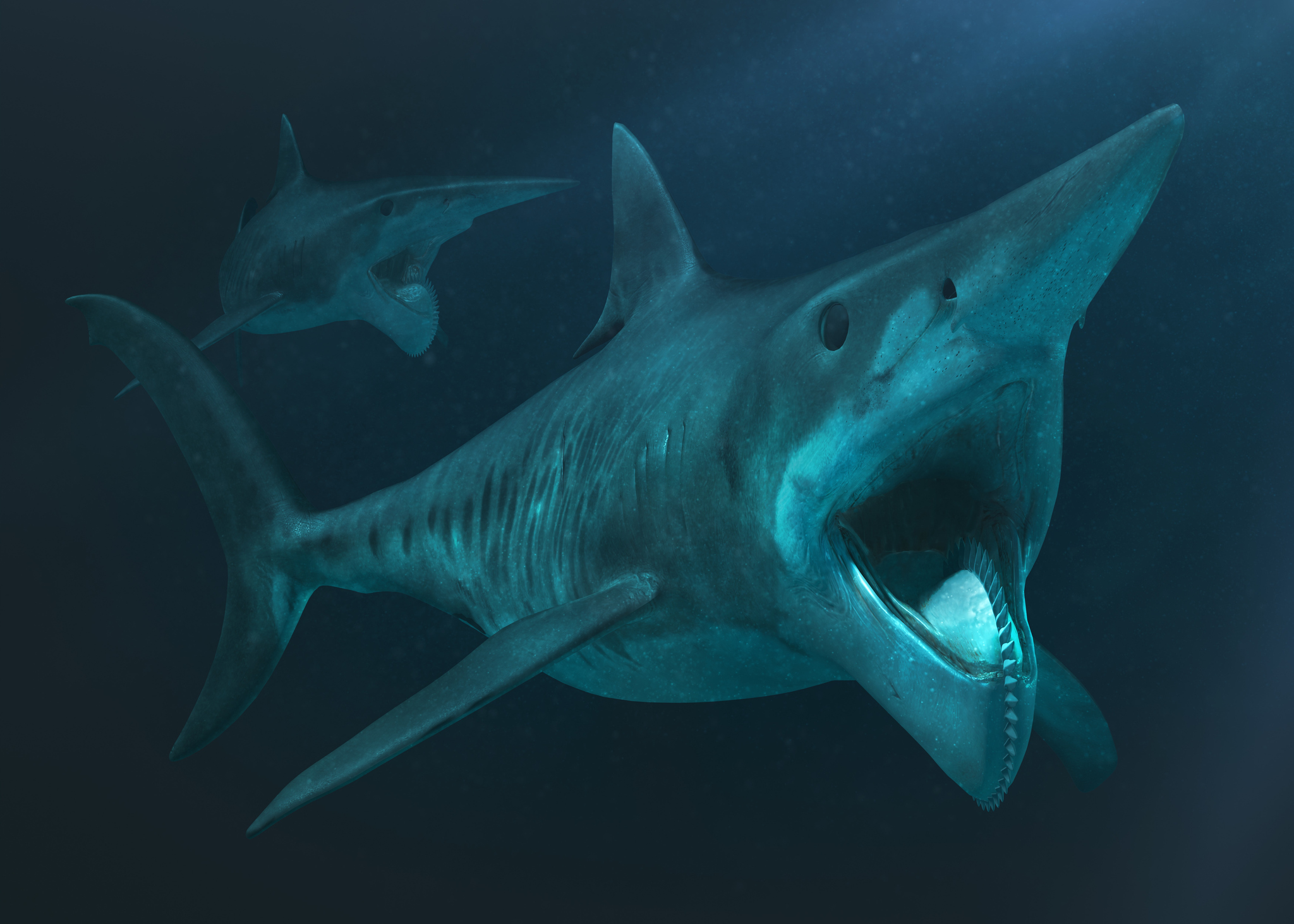
As a member of an extinct group more closely related to chimaeras, Helicoprion isn’t technically a ‘shark’.
That said, it’s a giant, cartilaginous fish that, to most people, looks just like a shark. It also has a buzzsaw set into its jaws, so there was no way it was missing out on this particular list…
Helicoprion is known primarily from the strange tooth whorls that give it its name, ‘spiral saw’. These tooth whorls were erroneously placed all over the shark’s body before they were correctly placed in its mouth in the mid-20th century. Their exact function is unclear, but scientists think they may have been used to de-shell cephalopods.
Some recent studies have found they may have even been strong enough to cut straight through the spines of bony fish and other sharks they lived alongside during the Early Permian (290-270 million years ago).
There are several different species of Helicoprion, but the largest may have grown to lengths of 12m.
Cretoxyrhina
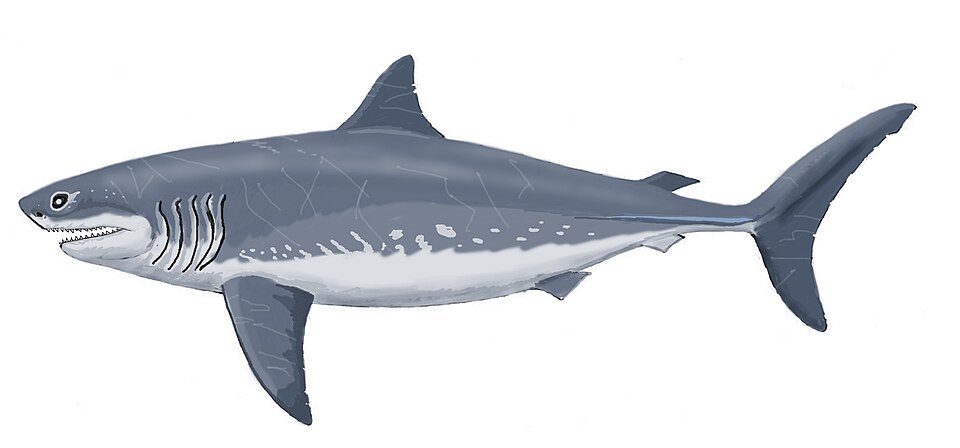
Known as the ‘Ginsu shark’ after the famous Ginsu knife, which performs a similarly effective ‘slicing and dicing’ action, Cretoxyrhina is an extinct mackerel shark that lived during the Late Cretaceous, overlapping with many iconic species of dinosaurs.
In fact, Cretoxyrhina is even thought to have occasionally preyed on dinosaurs! The remains of a hadrosaur, Claosaurus, and an ankylosaur, Niobrarasaurus, show signs of having been bitten and partially digested by Cretoxyrhina, suggesting these sharks scavenged dinosaur carcasses after they had been swept out to sea.
- This enormous shark was swallowed by an even bigger shark – and a lost tracking device reveals exactly what happened
- Tiger shark vomits up spiny anteater, shocking Australian scientists
Cretoxyrhina wasn’t quite as large as Ptycodus, another Late Cretaceous-aged shark, but at 8m in length it was nearly 2m longer than the largest great white shark ever recorded - a 6.1m-long female known as ‘Deep Blue’.
It was fast too. A study on Cretoxyrhina’s hydrodynamics found that it may have been capable of reaching speeds up to 70km/h (43mph) in short busts. The fastest shark alive today, the shortfin mako, reaches similar speeds.
Edestus
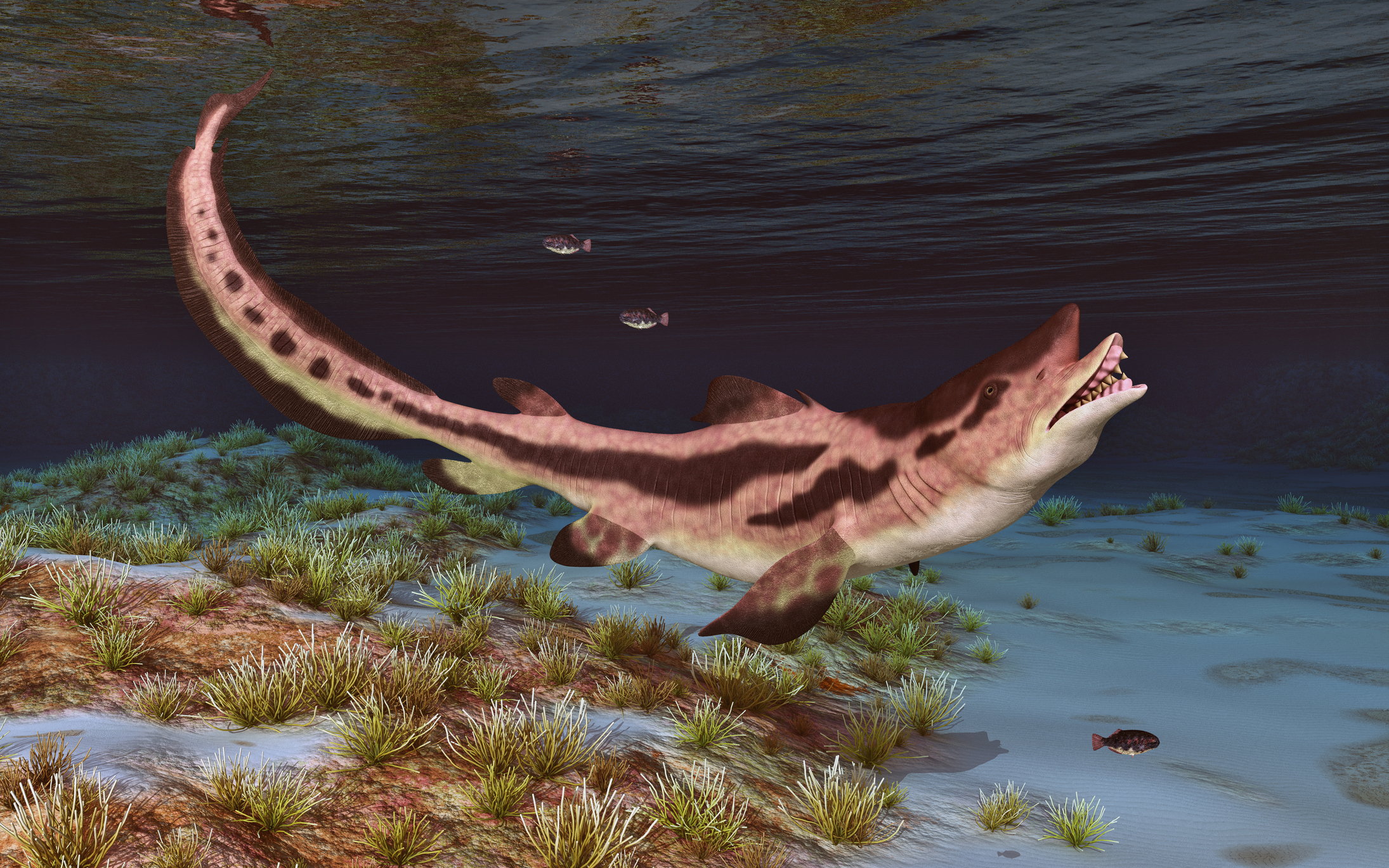
Like Helicoprion, Edestus is more closely related to chimaeras than true sharks. It also had a strange mouth, with single rows of serrated teeth running down the midline of each jaw. This odd configuration is what gives the shark its common name, ‘scissor tooth shark’.
The largest species of Edestus may have reached lengths of 7m. That is less than a third the size of megalodon, but it would still make Edestus the largest marine predator known to have existed up to that point in time - the Late Carboniferous (313-307 million years ago).
It’s unclear exactly how Edestus hunted and used its scissor-shaped jaws.
Some suggest it was an active predator that rammed its prey with its mouth open before using its rows of teeth to cut them apart. Others think it may have been a specialist jellyfish feeder, based on the fact its teeth show little signs of wear.
peting them for prey.
Rolfodon
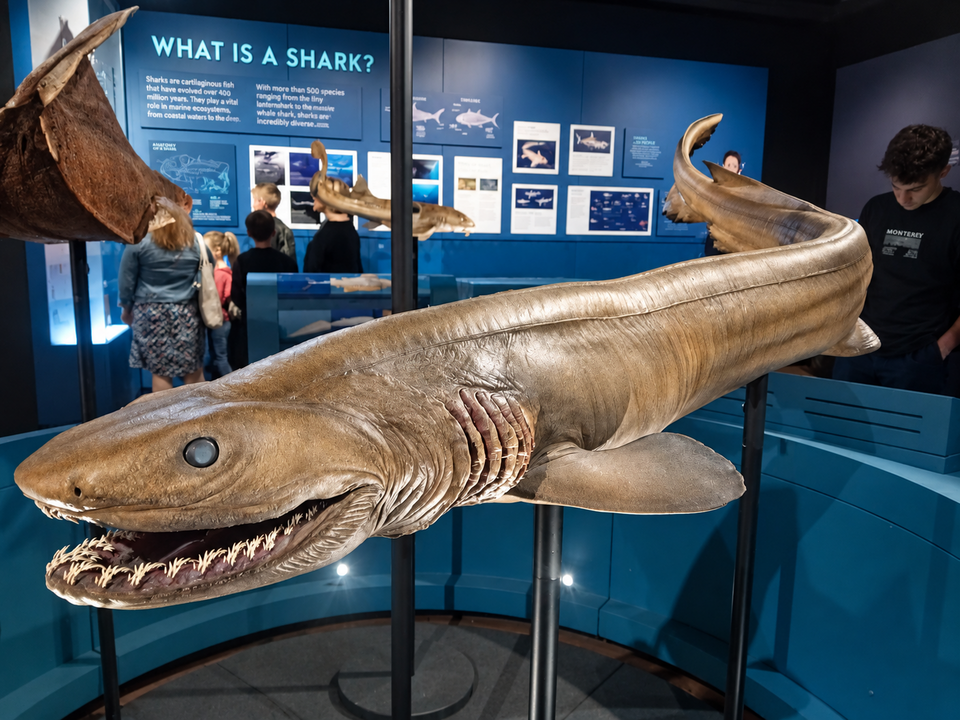
The 2m-long, deep-dwelling frilled shark is one of the most nightmare-inducing animals alive today. Now imagine an ancestor that was more than three times the size and had hundreds of trident-shaped teeth - scary, right?
Rolfodon lived from the Late Cretaceous up until the Early Pliocene - a period of nearly 100 million years. They belong to a family of primitive sharks known as the Hexanchiformes, or ‘cow sharks’. These sharks are incredibly rare and typically live at depths exceeding 500m and as far down as 1,500m.
The largest known species of Rolfodon, the aptly named Rolfodon goliath, is believed to have reached lengths of 7m. This would make them larger than the largest living deepsea sharks - greenland sharks - and one of the largest deepsea vertebrates ever.
The only deepsea animals that may be larger than Rolfodon are invertebrates like the giant squid (up to 12m long) and the colossal squid (up to 14m long), or perhaps the so-called ‘Cretaceous Kraken’ - an extinct, deepsea octopus that may have reached lengths of 18m.
More wildlife stories from around the world:


