
It’s not a coincidence that nearly all of the largest animals that have ever existed lived underwater. Thanks to a number of different factors, the ocean facilitates gigantism and allows animals to grow to truly titanic sizes.
- "Its mouth is actually bigger than its body": Meet the biggest mouths in the animal kingdom, including one that's 5m long, 4m high and 2.4m wide
- 10 biggest reptiles on the planet, from giant turtles the size of cars to snakes as long as double decker buses
- "That’s the length of a double decker bus!" 30ft colossus tops biggest dolphins in the world list
Why do marine animals typically grow larger than land animals?
The main reason why marine animals are able to grow so large is because water provides buoyancy, which supports massive body weights. This force works against gravity and means that marine animals don’t need thick, heavy bones to support themselves, like those that live on land do.
Another reason why living underwater favours giants is thermoregulation. The larger an animal is, the smaller its surface area-to-mass ratio. This is key for retaining core body heat at the poles where water temperatures regularly drop below freezing, as well as in the ocean’s dark, gloomy depths.
In the deepest parts of the ocean, the metabolic rates of animals slow down dramatically. While this means they grow slowly, it grants them sustained, uninterrupted periods of growth that can last decades or even centuries. This is one of the main driving forces behind deep-sea gigantism and the reason why colossal squids, greenland sharks, oarfish, and other strange, deep-sea behemoths exist.
- It looks like an alien, feasts on whale blubber, has multiple legs and hasn't changed for millions of years – meet this creepy, mysterious deep-sea giant
- What the deep-sea robots saw when they went to the darkest depths of our oceans
There are also abundant energy sources in the ocean. Yes, the open ocean may often be described as a ‘marine desert’, but there are areas of deep-sea nutrient upwelling where small, energy-dense prey like krill congregate in their billions. These ‘ocean oases’ are veritable buffets, particularly for filter-feeders like baleen whales, and provide the immense amount of calories needed to sustain giant body sizes.
The factors that facilitate gigantism in the ocean aren’t just affecting animals now, they’ve affected them ever since the emergence of complex life roughly half-a-billion years ago. In the last few hundred million years, the ocean has seen many giants come and go (and some stick around until the present day).
Here are 10 of the largest, in no particular order…
10 biggest marine animals
Blue whale (Balaenoptera musculus)
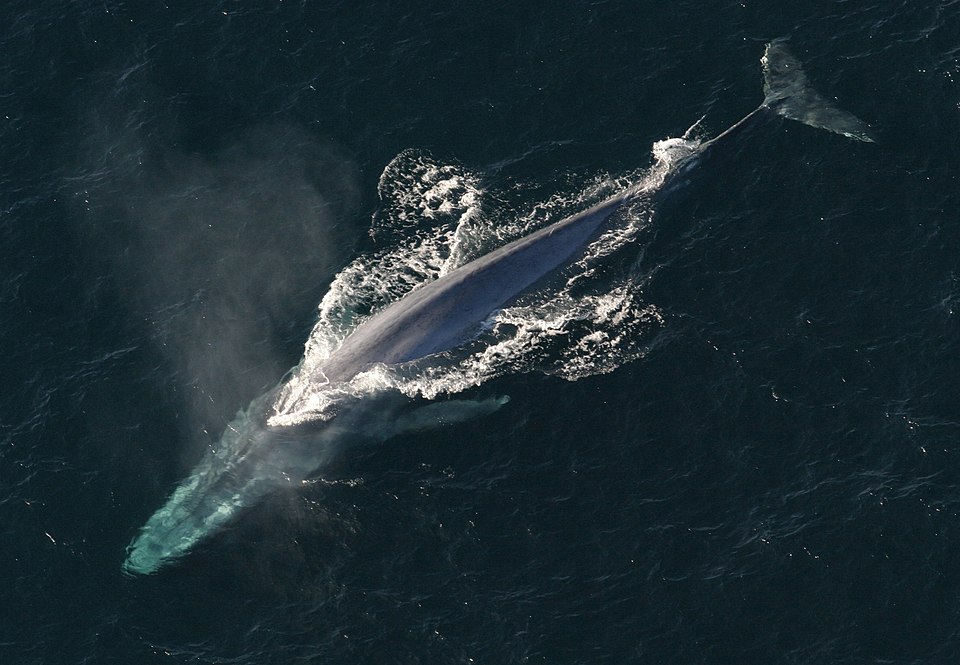
The largest animal that has ever lived is still alive today. The blue whale, or Balaenoptera musculus, is a real-life Leviathan, measuring up to 33m in length and weighing up to 200 tons. Its tongue alone weighs as much as an adult elephant and its heart is roughly the size of a baby grand piano - the aorta that carries oxygenated blood away from this huge heart is so wide that a small child could crawl through it!
- Can any animal kill a blue whale? At 33 metres long and heavier than a Boeing 737, it is the largest creature ever to have lived
- “A sight few have ever witnessed”: blue whale gathering stuns wildlife watchers in San Diego
These supersized statistics make blue whales the heaviest animals of all time, surpassing even the most fanciful estimates of the heaviest known dinosaurs.
Argentinosaurus, the largest dinosaur that ever lived, may have been longer than a blue whale at 40m, but weighing in at just 90 tons, it was less than half the mass of the heaviest blue whale ever recorded - a 190-ton female caught in the Southern Ocean near Antarctica in 1947.
Otodus megalodon
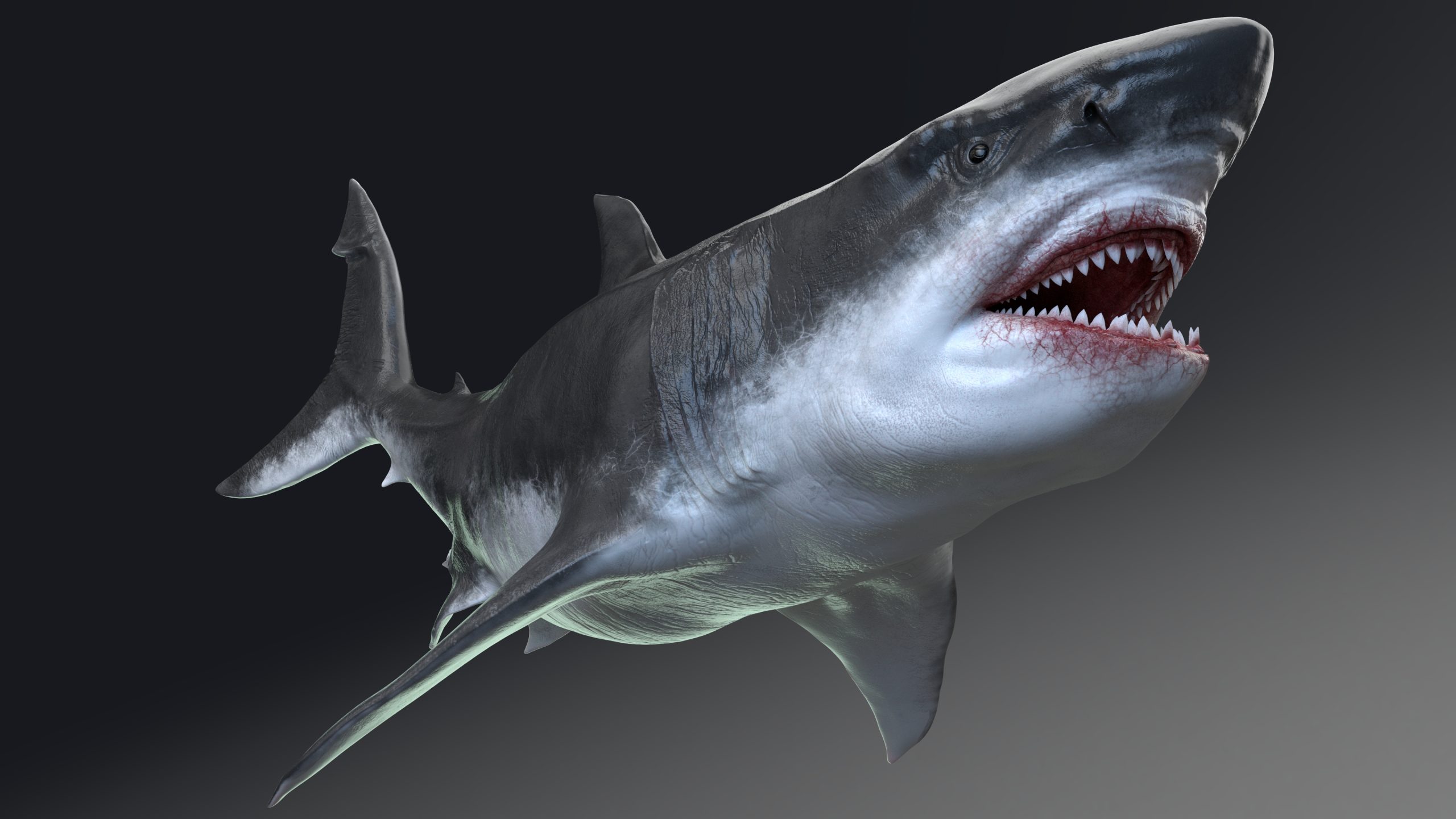
While it may be long gone, having faced extinction roughly 3.5 million years ago, megalodon still makes some people think twice before they dip their toes in the ocean - no thanks to the conspiracy theorists perpetuating the myth that this giant shark still exists.
At roughly 20m in length, or 24.3m if the most recent size estimates are to be believed, Otodus megalodon is not only the largest shark that has ever lived, but the largest fish. At the upper end of its estimated size range, it was more than twice the length of the largest fish alive today, the whale shark (Rhincodon typus).
- Was Megalodon the world's most fearsome, largest apex predator ever? Meet the super-shark that could swallow killer whales whole but didn't like the cold
- Deadly prehistoric snakes the length of a bus, 7 tonne crocodiles and supersized penguins almost 2 metres high - 11 animals that used to be bigger
Like their close cousins great whites, megalodon were apex predators and rather indiscriminate hunters, preying on everything from whales, dolphins, seals, and turtles, to other sharks.
Perucetus colossus
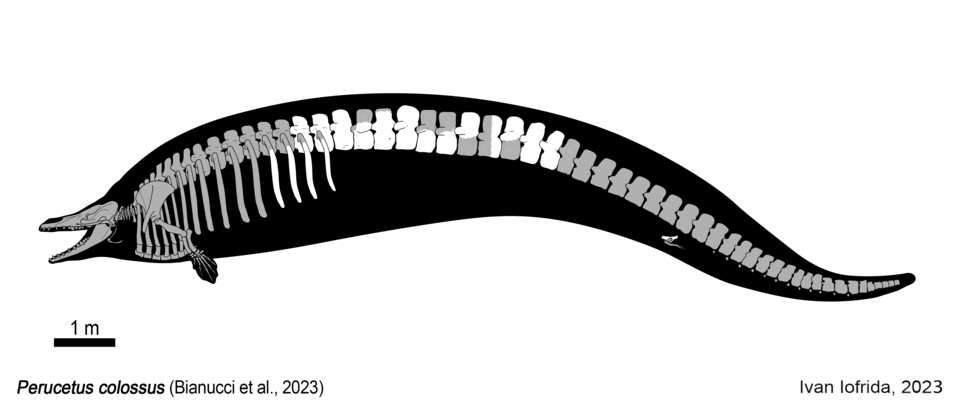
The clue is in the name when it comes to this particular species of early whale. Perucetus colossus belongs to a family of cetaceans known as the basilosaurids, which were some of the first whales to look like, well, whales. Before basilosaurids appeared, the ancestors of whales had four limbs, looked something like a cross between seals and dogs, and - believe it or not - spent much of their time on land.
- What was the first ever shark? Meet the prehistoric predator that survived five mass extinctions
- These prehistoric terror birds – with 'walking bolt cutters' for beaks – would have petrified early humans
These first cetaceans were dwarfed by the fully aquatic, 20m-long Perucetus colossus - an animal that, following its discovery, was claimed to have rivalled or even exceeded the modern blue whale in terms of weight - the largest estimates suggesting a max weight of 340 tons!
However, a later study argued that such estimates were physically impossible for an animal that was significantly shorter than a blue whale. The researchers involved in this particular study estimated a max weight of 70 tons, which is roughly the weight of a modern sperm whale.
Ichthyotitan
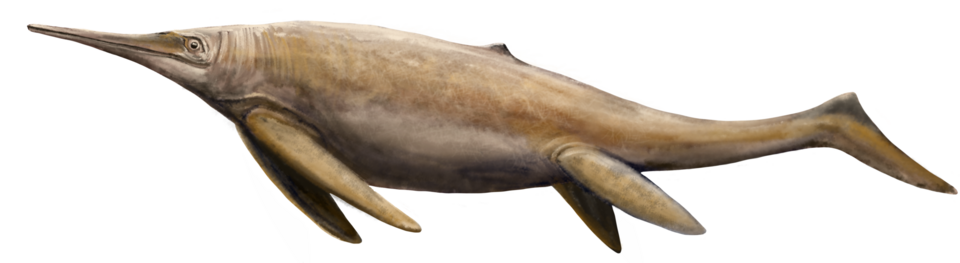
Measuring nearly 25m from snout to tail, Ichthyotitan is only a few metres shorter than a blue whale. This makes it the largest marine reptile ever discovered and, by far, the largest animal from the Late Triassic (205 to 202 million years ago).
This slender-snouted monster belongs to a family of ichthyosaurs known as the shastasaurids, which had a near global distribution and inhabited warm, shallow seas where prey was particularly abundant. They’re thought to have hunted a variety of different animals, from cephalopods and molluscs to other marine reptiles.
- Dinosaur footprints, ancient crocodiles and the biggest snake to ever live: 10 most epic prehistoric discoveries of 2024
- The world's most ferocious ocean predator ever? This prehistoric, 11 metre long, whale-cross-crocodile monster had a bite as strong as a T-Rex
Ichthyotitan was described as recently as 2024, following the discovery of several fossils by an avid, 11-year-old fossil collector and her father on a beach in Somerset, south-west England.
Fin whale (Balaenoptera physalus)
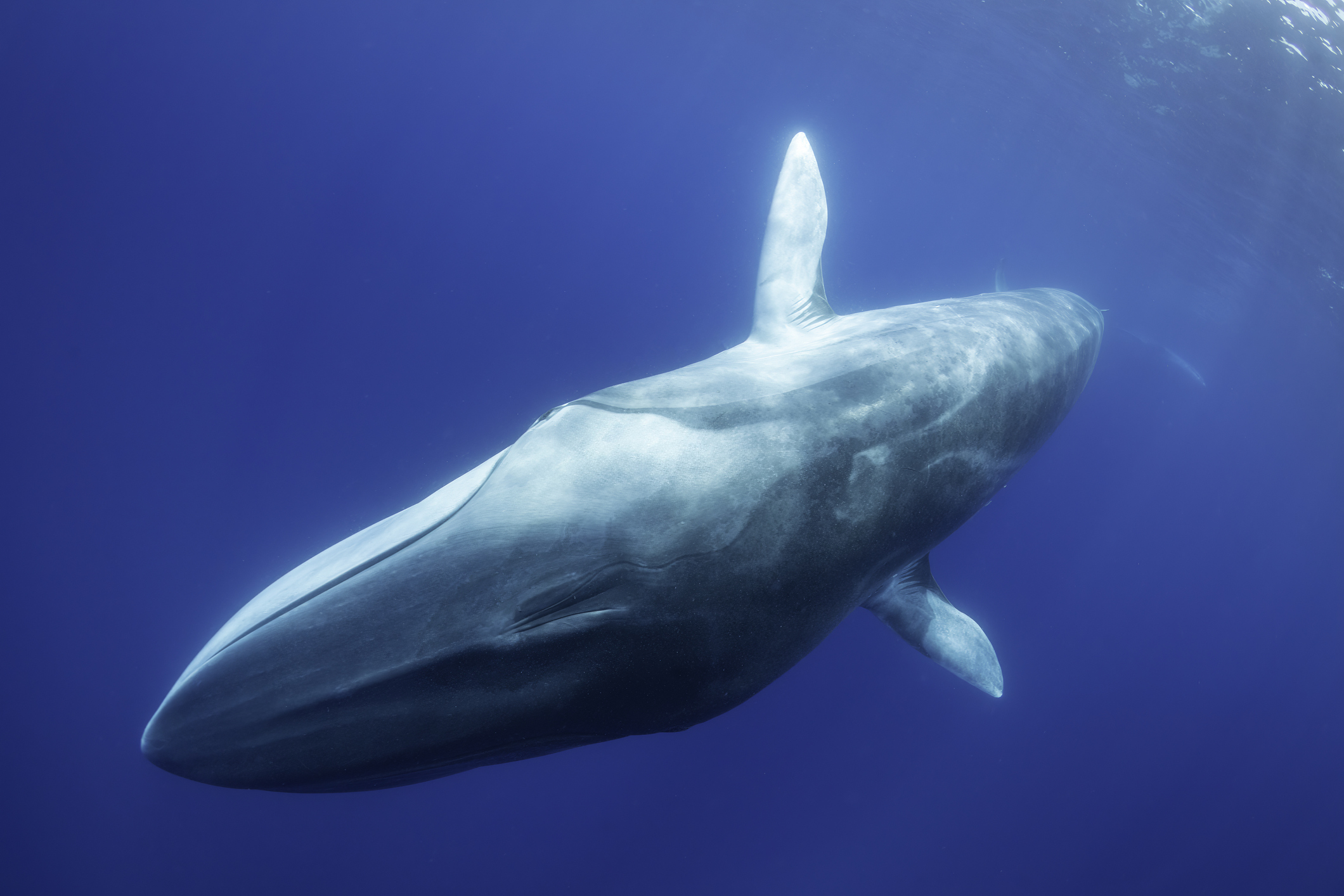
At 26m in length and 80 tons in weight, fin whales (Balaenoptera physalus) are the second-largest animals alive today, after blue whales. They may also be the second-largest animals to have ever lived, larger even than Ichthyotitan.
As their latin name suggests, fin whales are closely related to blue whales. The two species belong to the same genus (Balaenoptera) and are thought to have diverged during the Late Miocene, roughly 8.4 million years ago. Despite diverging a long time ago, fin whales and blue whales are known to successfully interbreed and produce fertile offspring.
- "Balloons don’t get much bigger than a gas-filled whale": Just why do whales explode?
- Whales, dolphins and porpoises of the UK guide: which species to look out for, how to identify, and where to see them
Like blue whales, fin whales are found in all major oceans, from polar to tropical waters. They’re filter feeders too and rely on krill, small schooling fish, and squid to fill their bellies and meet their enormous daily energy demands - which can be as high as 20 million calories, the equivalent of 39,293 McDonald’s Big Macs!
Nanaimoteuthis haggarti
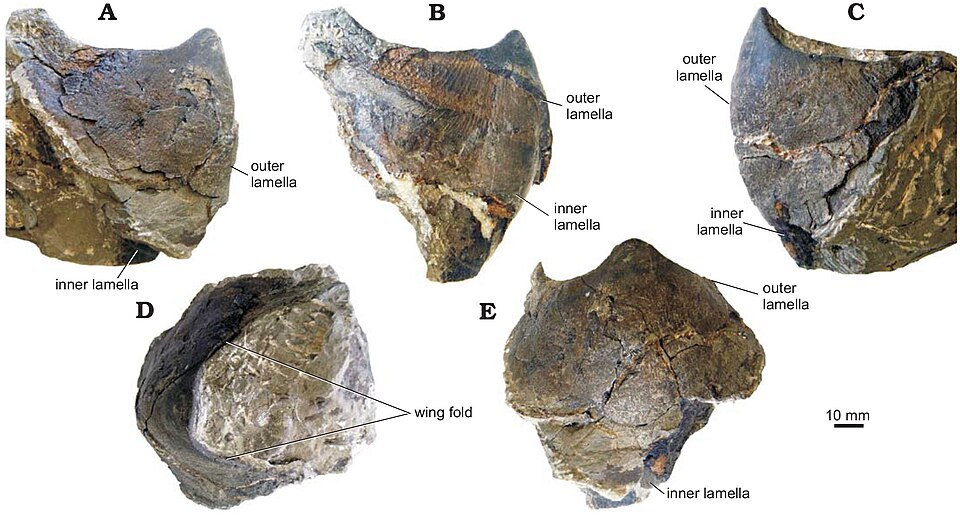
The giants discussed so far have all been vertebrates; Nanaimoteuthis haggarti bucks this particular trend as the largest non-colonial invertebrate ever discovered. This kraken-like creature belongs to a family of octopuses known as the cirrate octopuses, which today live exclusively in the deep-sea.
Nanaimoteuthis haggarti was discovered back in 2008, but a recent study, published in April 2026, re-examined existing material and managed to paint a clearer picture of this boneless behemoth. Based on some novel modelling, the researchers involved in this latest study estimated Nanaimoteuthis haggarti could have grown to sizes of 19m.
- Which animal has the biggest testicles? Clue... "They're an impressive 14% of its body mass. Imagine if a human's were 14% of its body mass…"
- Breathtaking footage shows diver's close encounter with the world's biggest octopus
This makes Nanaimoteuthis haggarti almost twice the size of today’s largest cephalapod, the colossal squid, and nearly four times the size of the largest living species of octopus - the giant Pacific octopus. However, not everyone agrees with these estimates; several prominent body size experts have already poked holes in this recent study.
Right whale (Eubalaena)
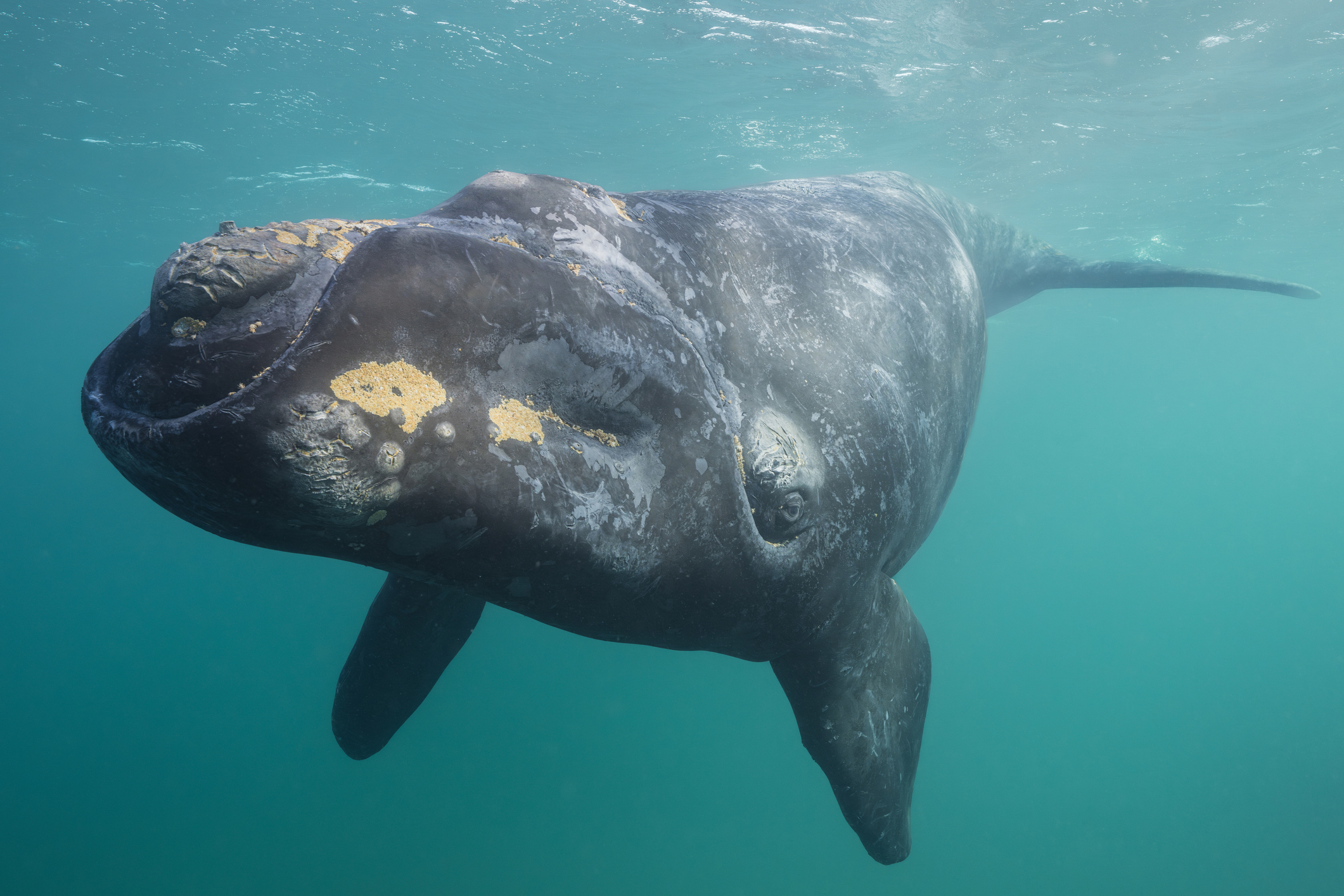
While they may tip the scales at a similar weight to fin whales, right whales are nowhere near as long and slender. These stocky cetaceans average 15.5m in length, which is roughly the length of just one standard school bus.
There are three different species of right whales: the North Atlantic right whale (Eubalaena glacialis), the North Pacific right whale (Eubalaena japonica) and the southern right whale (Eubalaena australis). They’re all similarly sized, but it's the North Pacific variety that takes the title of ‘largest’.
How right whales got their name is unclear. Some suggest it’s because they were historically regarded as the right ones to hunt, as they float when killed and tend to swim within sight of shore. Today, the North Atlantic and North Pacific species are some of the most endangered whales in the world.
Leedsichthys
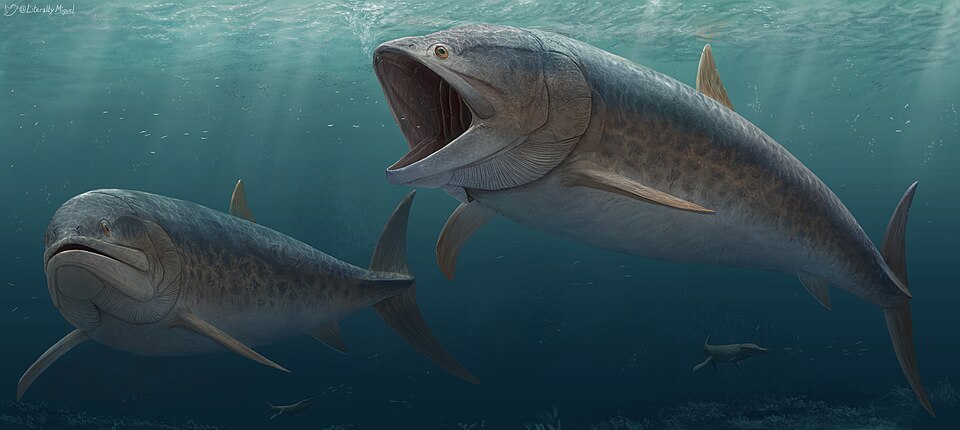
Megalodon may be the largest fish that ever lived, but as a cartilaginous fish, it’s excluded from the rankings of the largest ever bony fish. That title instead belongs to Leedsichthys, a 16.5m-long ray-finned fish that lived during the Jurassic (165 to 148 million years ago). It dwarfed the largest bony fish alive today - the giant sunfish - reaching roughly five times its size.
- "It has two, whopping, 22cm-long fangs that give it the look of an aquatic saber tooth tiger."10 deadly, utterly terrifying prehistoric fish
- "Capable of striking fear into the heart of divers everywhere, it's as dangerous as it is beautiful..." 10 deadliest fish on the planet – avoid at all costs
Like many ocean-cruising giants, Leedsichthys was a filter feeder that used thousands of pipecleaner-like structures attached to its gill arches to extract zooplankton and other small animals from the water column. It likely occupied a similar niche to today’s whale sharks, basking sharks, and baleen whales.
Tylosaurus rex
It might share its name with the largest meat-eating dinosaur that ever lived, but this isn’t the T.rex we all know and recognise. Tylosaurus rex belongs to a group of ancient marine reptiles known as mosasaurs, and based on some early estimates it may be the largest of its kind, measuring 13.2m from snout to tail.
As well as being roughly twice the length of the largest great white sharks, Tylosaurus rex is thought to have been a lot ‘meaner’ than other mosasaurs. This is based on studies of specimens that show clear evidence of intraspecies aggression, such as fractured lower jaws that could have only been inflicted by members of its own species.
- The 10 deadliest dinosaurs to have ever roamed the Earth: we rate these ultimate killing machines
- A fearsome, prehistoric, sea monster's jaw complete with terrifying club-shaped teeth – designed to crush turtles - has been found in Texas
Tylosaurus rex was described in May, 2026, based on a specimen nicknamed ‘Bunker’. This specimen was initially assigned to another species, Tylosaurus proriger, but a recent re-examination concluded that it was different from all other known specimens and was substantially larger, warranting the designation of a new species.
Coral reefs
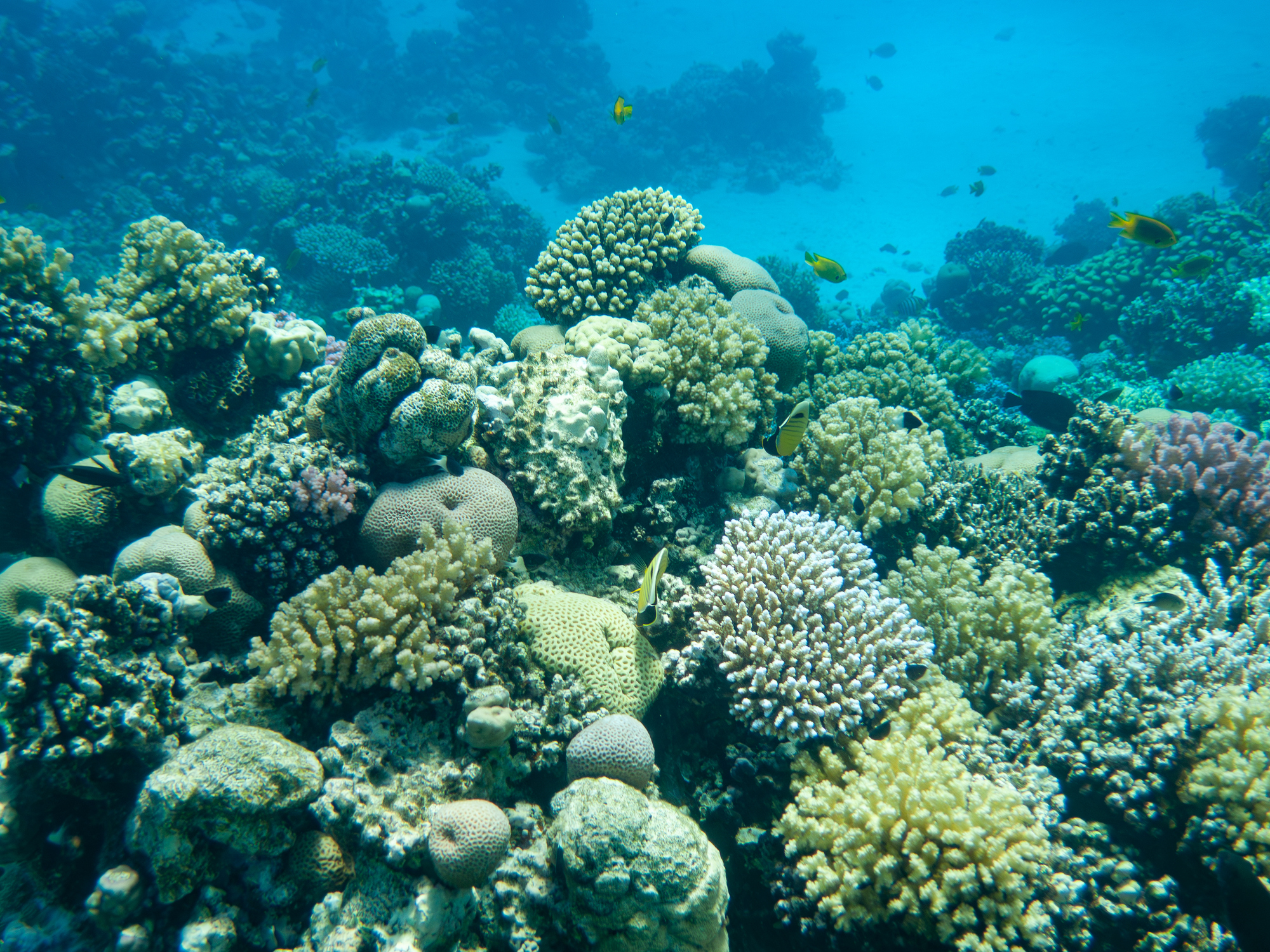
While many might not view coral as ‘animals’, they are indeed members of Animalia. They belong to a phylum known as Cnidaria, which includes other strange invertebrates that often blur the lines between animals and other forms of life, such as jellyfish, hydroids, and sea anemones.
Not all corals are colonial - some are solitary and exist as single, individual organisms - but the largest are, forming massive colonies made up of thousands of genetically identical polyps that house billions of symbiotic, single-celled organisms called zooxanthellae. These colonies function like a single organism and are known to share nutrients from polyp to polyp.
- 'Coral superhighway' spanning more than one million square kilometres found in Indian Ocean
- Watch: Astonishing ‘explosion of life’ coral spawning in Cambodia stuns scientists
The largest continuous colony ever found measures 34m by 32m and is thought to be more than 300 years old! This colossal colony can be seen from space and is made up of a type of hard coral known as Pavona clavus, or shoulder blade coral. It’s located just off the coast of the Solomon Islands in the South Pacific and was discovered by citizen scientists participating in the Great Reef Census in 2024.
Top image: A close-up of a humpback whale. Credit: Stanislav Stelmakhovich/Getty Images


