
We often hear stories about the monsters of the sea. Killer whales, great white sharks and giant squid; sea snakes, box jellyfish and manta rays. Freshwater holds fewer surprises. Rivers, lakes and streams are places of peaceful serenity, the soft buzz of insects and sparkle of sun-studded reflection.
Don’t you believe it… There are plenty of monsters lurking in the shadows. There are fish as big as cars, bloodsuckers that swam with dinosaurs, and parasitic worms that can turn other animals into zombies.
- 10 deadliest rivers in the world including a 'boiling river' that 'cooks' animals from the inside out
- "The 200kg beast ripped off a large part of his calf and nearly severed his leg" – 10 deadliest river animals that can deliver a lethal punch
- 10 deadliest lakes in the world, from a highly-lethal exploding one to a lake that turns animals to stone
Here are ten of the most extraordinary river monsters…
10 river monsters
Giant freshwater stingray (Urogymnus Polylepis)
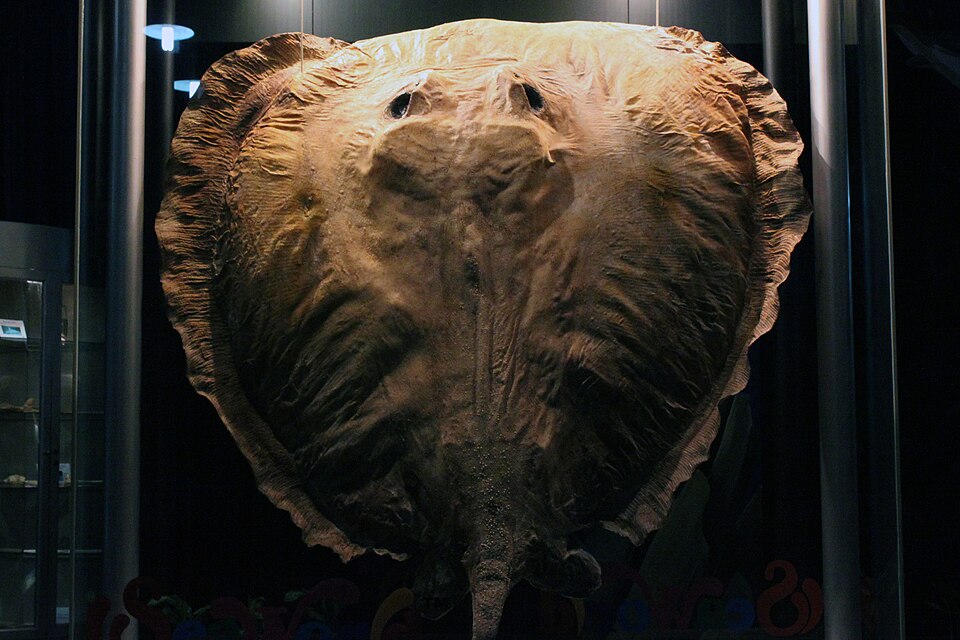
We begin our list with an absolute giant. In the rivers of Borneo and Mainland Southeast Asia, there swims a fish that grows bigger than a full-size snooker table and has a stinging spine that can measure 40cm long.
The largest giant freshwater stingray officially recorded was a specimen caught from a stretch of the Mekong River in Cambodia. Measuring just under 4m long and 2.2m wide, the fish weighed a staggering 300kg, yet there are reports of individuals more than twice that size.
Sadly, habitat degradation and overfishing have contributed to a population decline, leaving this river monster endangered.
- Are rays just flattened sharks? No, say the experts at The Shark Trust, there's a bit more to it than that and rays and sharks are quite different...
- "Something wasn't right." Diver films giant stingray emerging from seabed with part of its body missing
Sea lamprey (Petromyzon marinus)
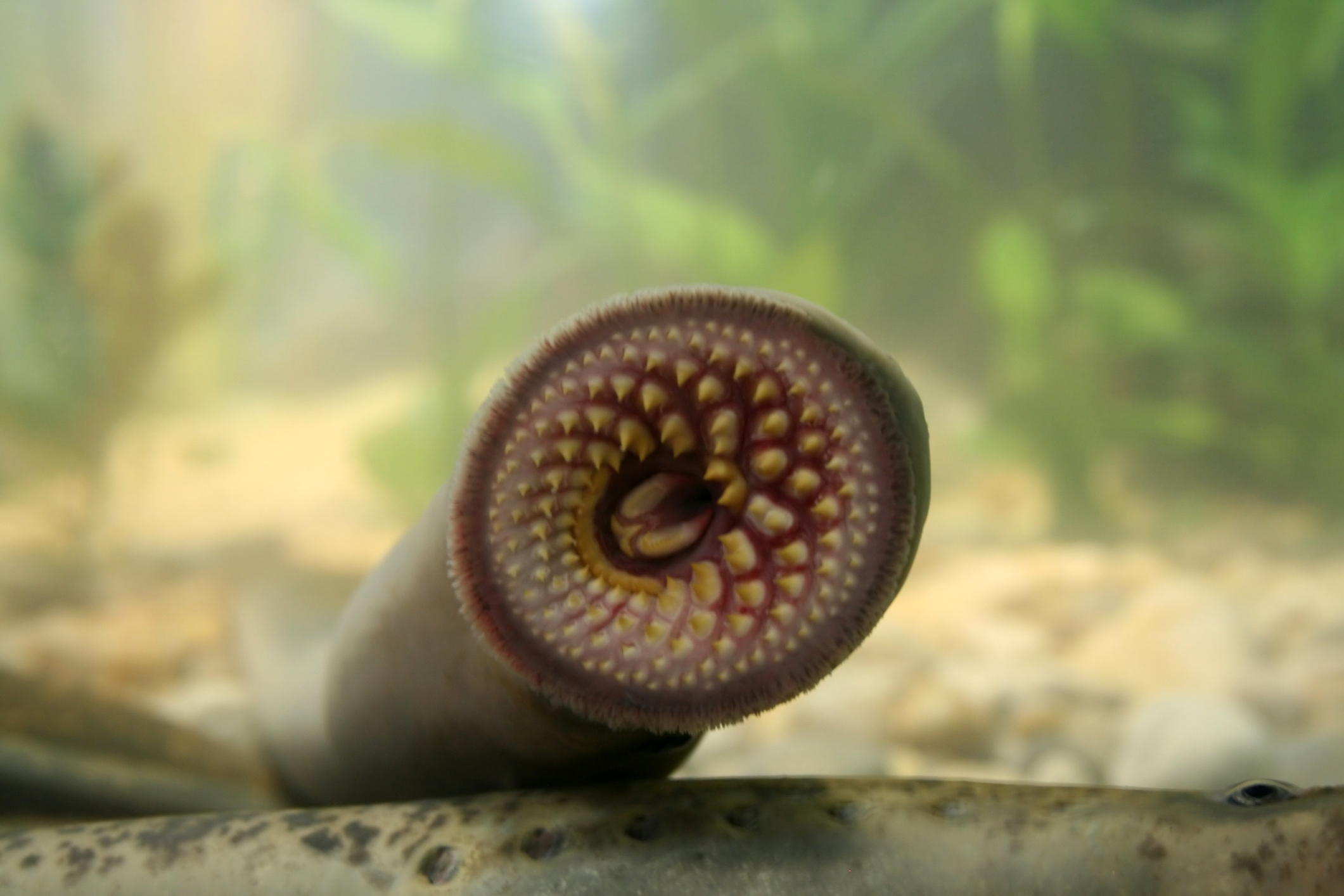
Also known as the ‘vampire fish’, this bloodsucker grows over a metre in length and dates back to the time of dinosaurs.
The sea lamprey has a circular mouth, lined with rows of needle-sharp teeth, which it attaches to fish in order to rasp through the skin and feed on blood. The host normally dies as a result.
Don’t let the name fool you, the sea lamprey is anadromous, meaning it breeds in freshwater before migrating to the sea to mature. In some areas, such as the Great Lakes region of North America, invasive populations adapt to spend their whole life in freshwater.
- 10 deadliest dinosaurs on the planet: meet the ferocious prehistoric beasts that ruled Earth
- 6 amazing blood-sucking animals that aren't insects - including a fish that's reported to have swam up a man's penis
Horsehair worm (Nematomorpha sp)
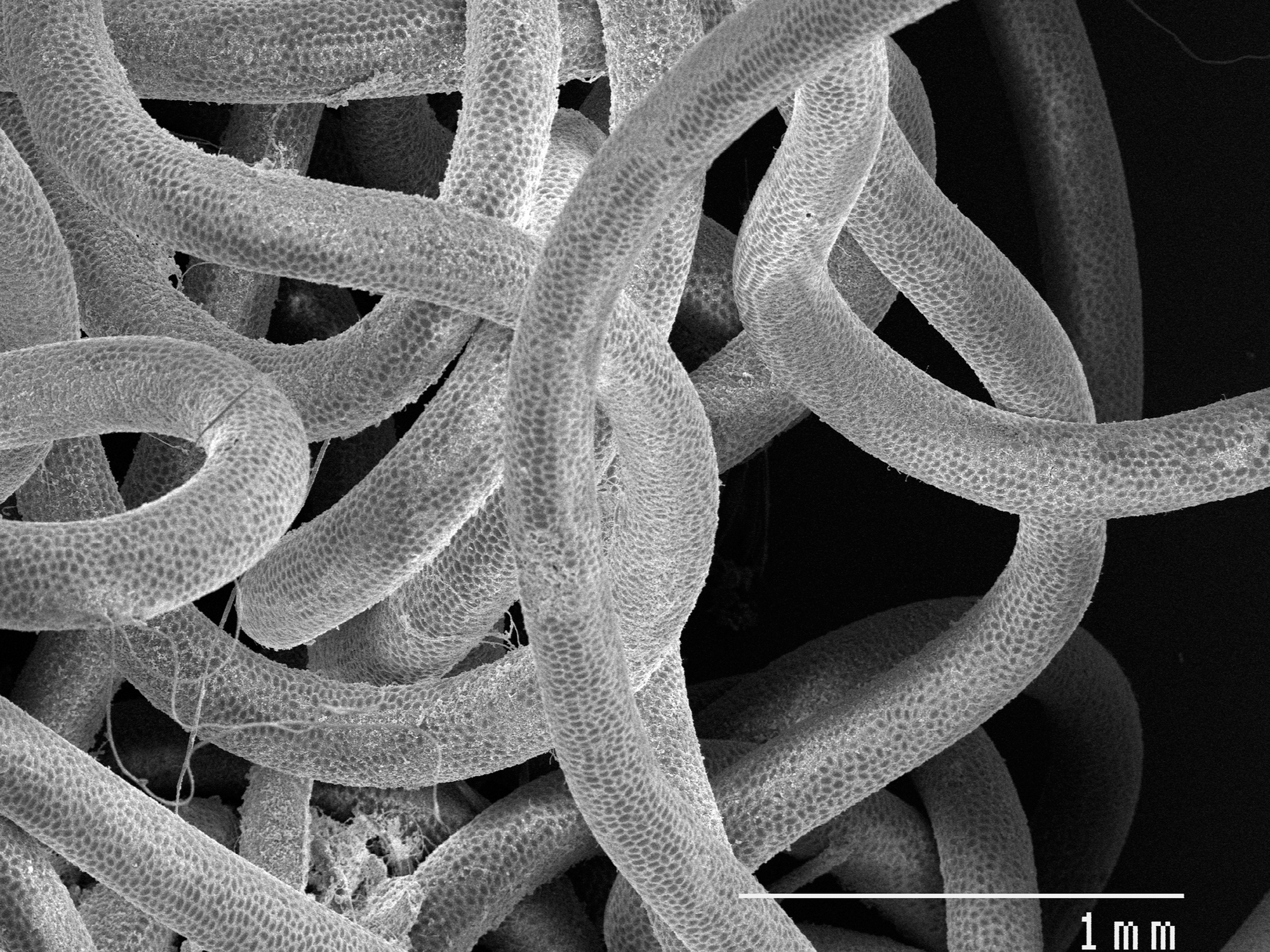
More than 300 species of the phylum Nematomorpha are found in freshwater and their life cycle is the thing of zombie nightmares.
Free-living, adult horsehair worms are typically less than 10cm in length and found anywhere from rivers to rain puddles. In spring, they mate in knotted balls, with the resulting eggs hatching into larvae that then seek a host to parasitise. The larva lodge themselves into the host’s circulatory system where they absorb nutrients and grow.
Some species, such as Spinochordodes tellinii, infect and ‘brainwash’ their host (typically crickets or grasshoppers), forcing them to unwillingly enter freshwater where the adult worm bursts out of the dying body.
- What's the biggest parasite in the world? Don't worry it's not as gruesome as you might think...
- This marine worm has eyes 20 times heavier than the rest of its head. Why? Sex, apparently
Alligator gar (Atractosteus spatula)
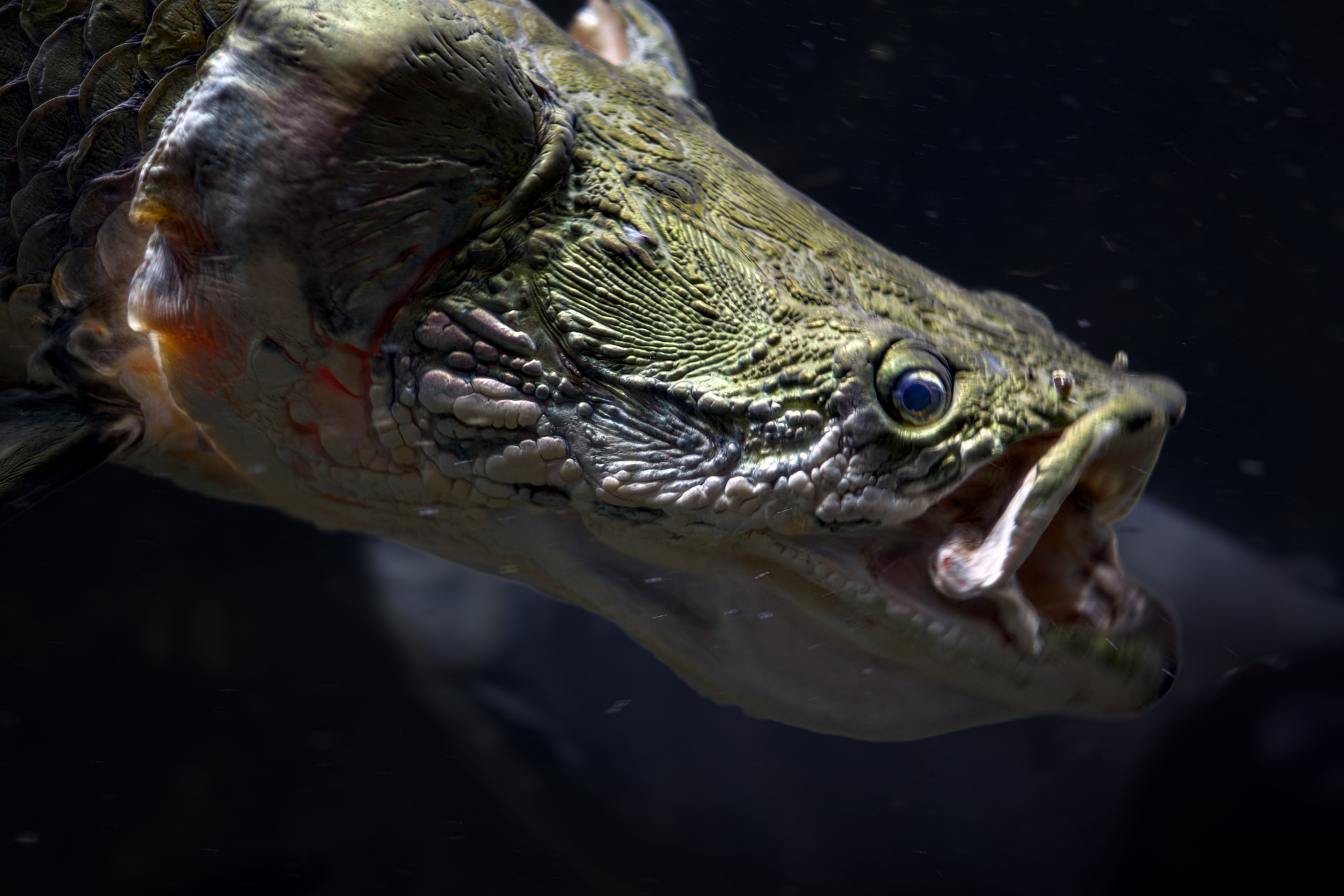
With a head like an alligator and a body like an enormous pike, this is a monster that could have swum upriver from The Island of Dr Moreau.
Found in the southern states of the US, particularly in the lower Mississippi River Valley, the alligator gar is a fearsome-looking ambush predator that will eat waterfowl and turtles as well as other fish.
Alligator gar have been caught to nearly 130kg on rod and line, but grow bigger, with a specimen weighing 148kg and measuring 2.57m trapped in a net – a fish that may have been 90 years old.
- "3-metre worm with a lunging set of jaws that lies half-submerged in the seabed. This truly is the stuff of nightmares." 10 deadliest ambush predators on the planet
- It's bigger than a king-size bed and is as flat as pancake: Meet the deadly ambush predator lying in wait on the ocean floor
Largetooth sawfish (Pristis pristis)
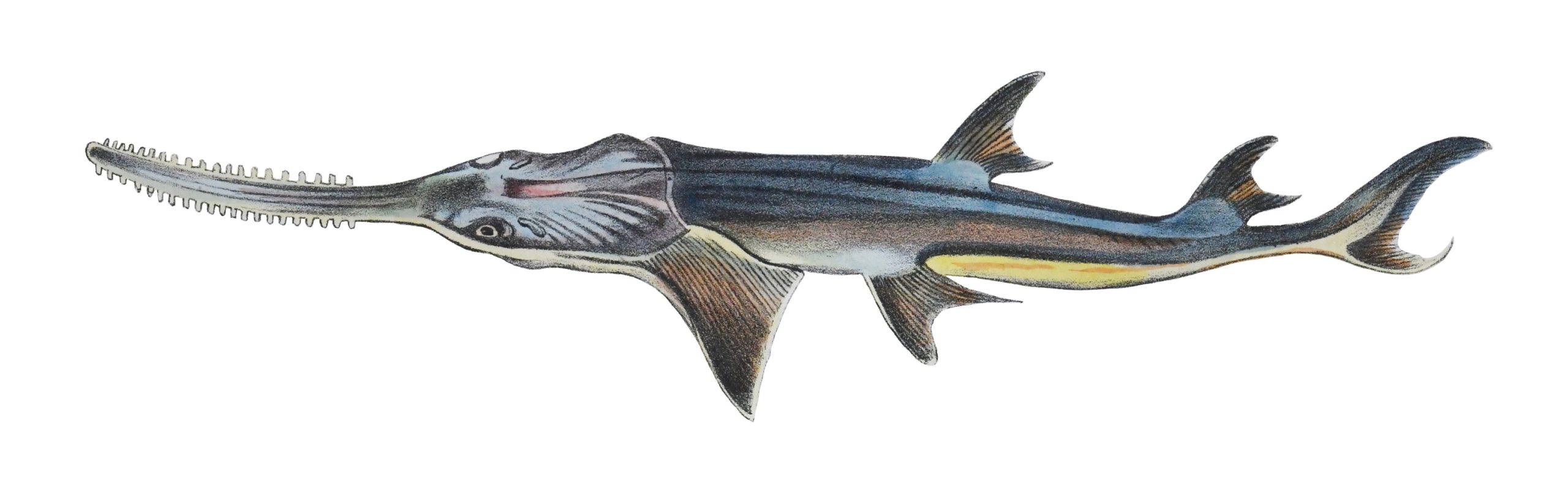
Although a saltwater species, this extraordinary-looking fish will swim into rivers and some, such as those in Lake Nicaragua, may spend their whole lives in freshwater.
Largetooth sawfish can grow to 7 metres in length, around a quarter of which is made up of the bizarre, chainsaw-like rostrum. Filled with electroreceptive sensory organs, the ‘saw’ helps the fish locate food, while debate remains as to how that prey is then subdued.
The saw may be swept sideways to incapacitate the prey with the rows of long, sharp teeth, although previous beliefs that the fish could cut chunks from whales or even people seem unfounded.
Chinese liver fluke (Clonorchis sinensis)
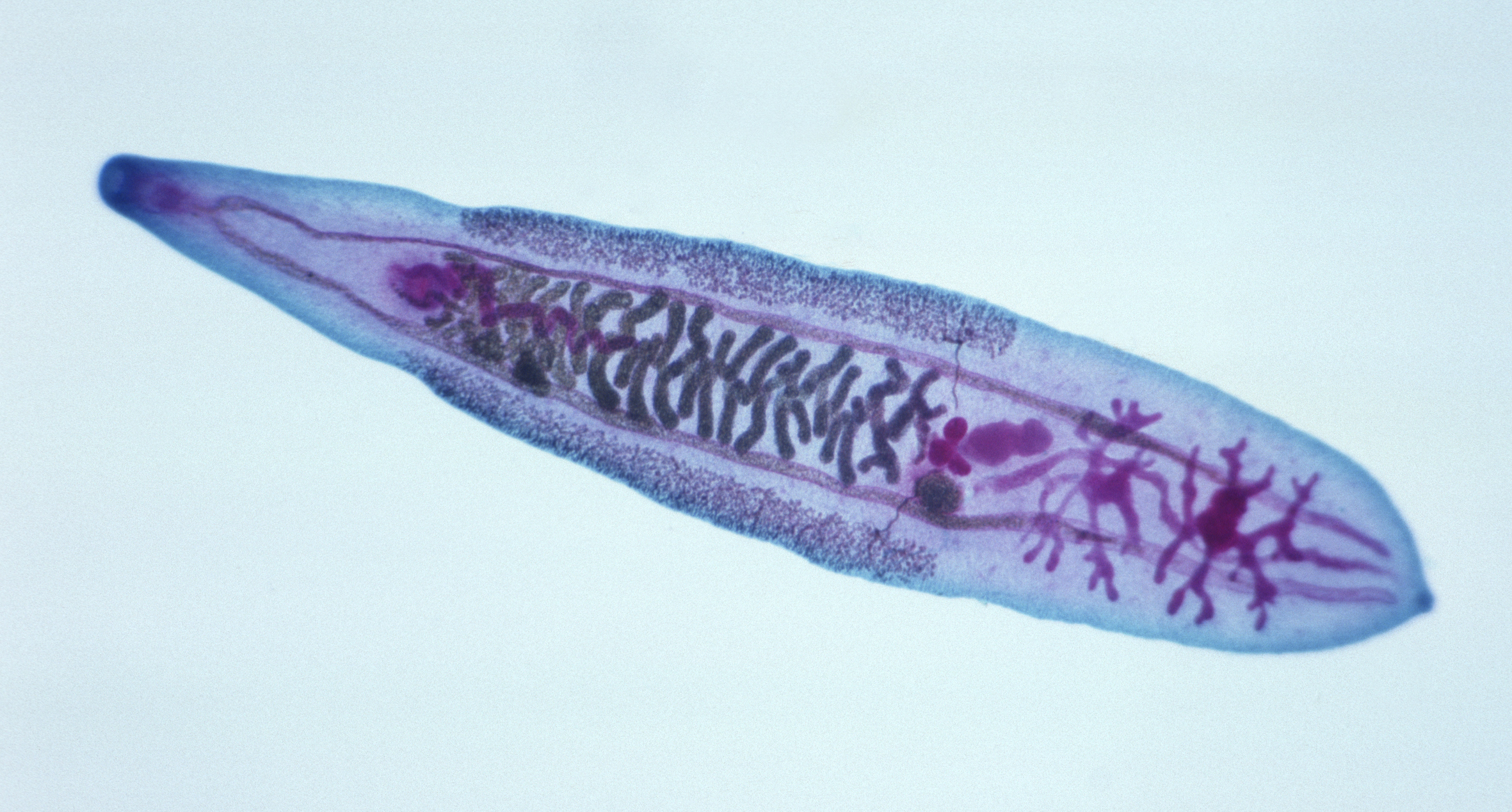
A flatworm that measures less than 20mm long as an adult, Clonorchis sinensis begins life as an egg in fresh water. There, it is eaten by freshwater snails, often Parafossarulus manchouricus, widespread across eastern Asia, whose digestive enzymes allow the larvae to hatch.
Having matured into a free-swimming cercariae, the fluke bursts free of the snail and seeks a second host, usually a fish, in which it develops into a metacercaria.
The third host is often human, who has eaten the contaminated fish. Once ingested, the fluke heads for the bile duct, where it matures and lays eggs, often causing severe health issues as it does.
Tasmanian giant freshwater crayfish (Astacopsis gouldi)
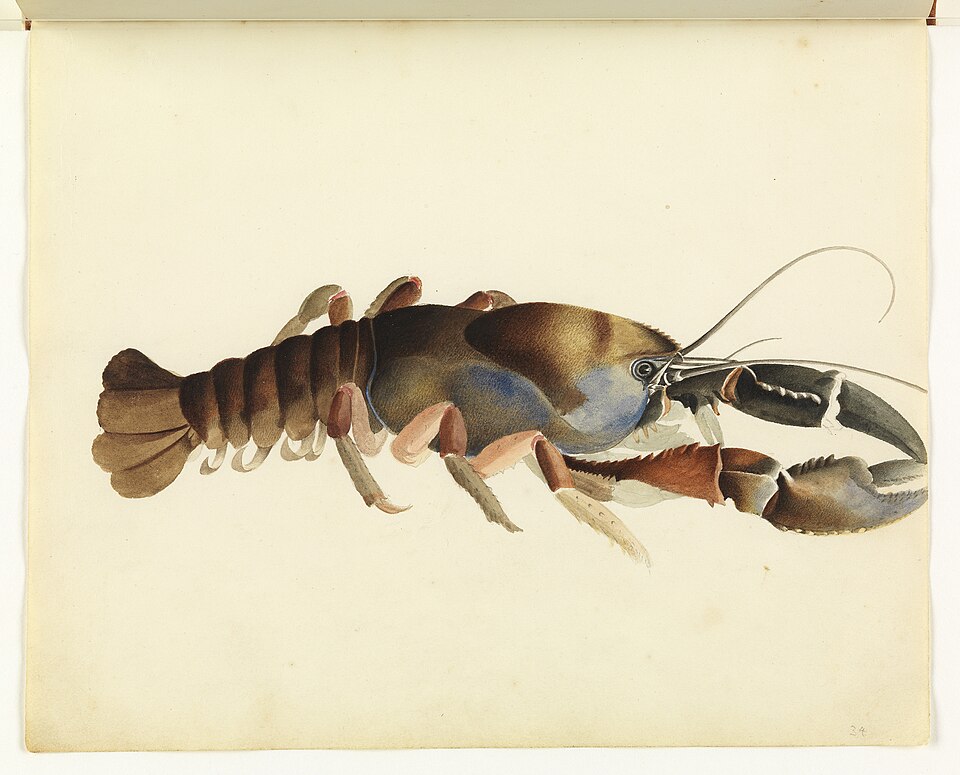
The natural history of Tasmania has long delivered the unusual, and while the thylacine is lost, the likes of wombat, platypus, and Tasmanian devil remain. Meanwhile, in the rivers in the north of the island, stalks the largest freshwater invertebrate in the world, a crayfish with claws the size of a man’s hands.
The giant freshwater crayfish grows as big as a lobster. Specimens weighing 6kg and measuring 80cm long have been recorded, although such size is now rare.
The decline in population is in part due to longevity; females may live for 60 years, but don’t reach sexual maturity until they are 14.
Amazon giant leech (Haementeria ghilianii)
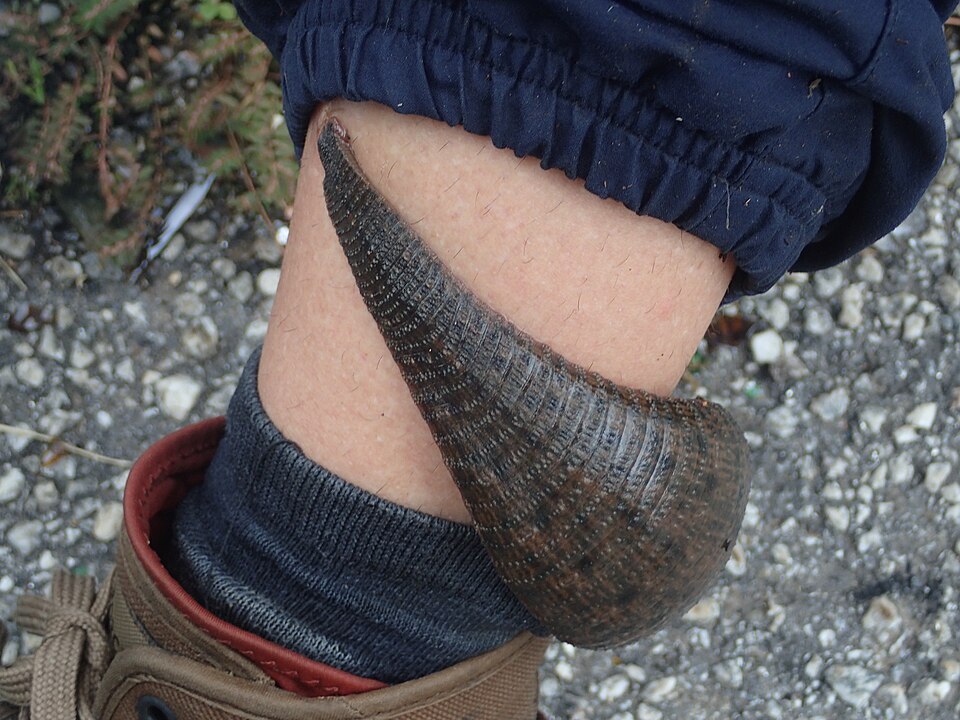
The mere thought of a blood-sucking leech might provoke a shudder but imagine one that is as long as a rolling pin.
- "The real danger comes when they horrifyingly attach INSIDE your body..."
- It's as big as a rolling pin and can drain a tablespoon of human blood in a single meal, thanks to its razor-sharp hypodermic needle-like mouth
Measuring up to 45cm, this giant leech is mainly found in the upper reaches of the Amazon system where it will make a meal from fish, reptiles or large mammals that enter the water.
Unlike smaller leech species, which attach to a host by using small teeth, Haementeria ghilianii wields a 10cm long proboscis that breaks the skin like a hypodermic needle before extracting up to 15ml of blood during a single meal.
- Leeches can jump, say scientists. Don't believe them? Watching this video will make you shudder...
- 10 horrifyingly gross-looking animals that live on or inside you: If you're squeamish you may want to look away...
Wels catfish (Silurus glanis)
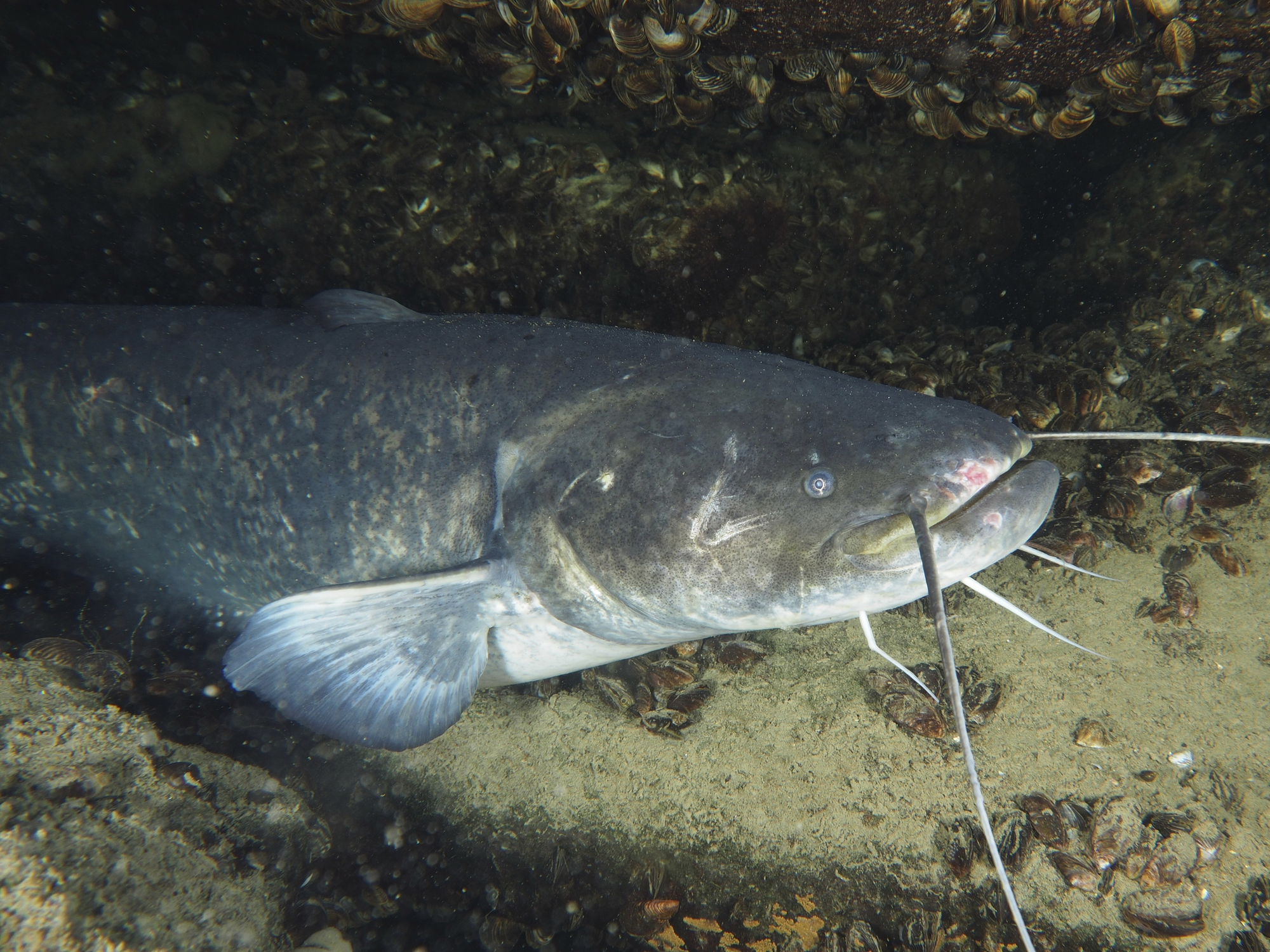
A river monster in terms of size and appearance, the wels is a huge fish native to central and eastern Europe and Eurasia, where it prefers slow moving water courses.
Likened in shape to an enormous slug with whiskers, the wels can grow to 3 metres long and may weigh more than 150kg. The mouth is cavernous and lined with rows of small, gripping teeth.
The wels is an unfussy eater - remains of wild boar and deer have been found inside these leviathans, and in areas where they have been introduced, such as northern Spain, the impact upon native species is causing concern.
- What is the world's largest freshwater fish?
- "An animal in the wrong place at the wrong time can be devastating" – World's 11 most invasive animals that are causing destruction across the globe
Alligator snapping turtle (Macrochelys temminckii)
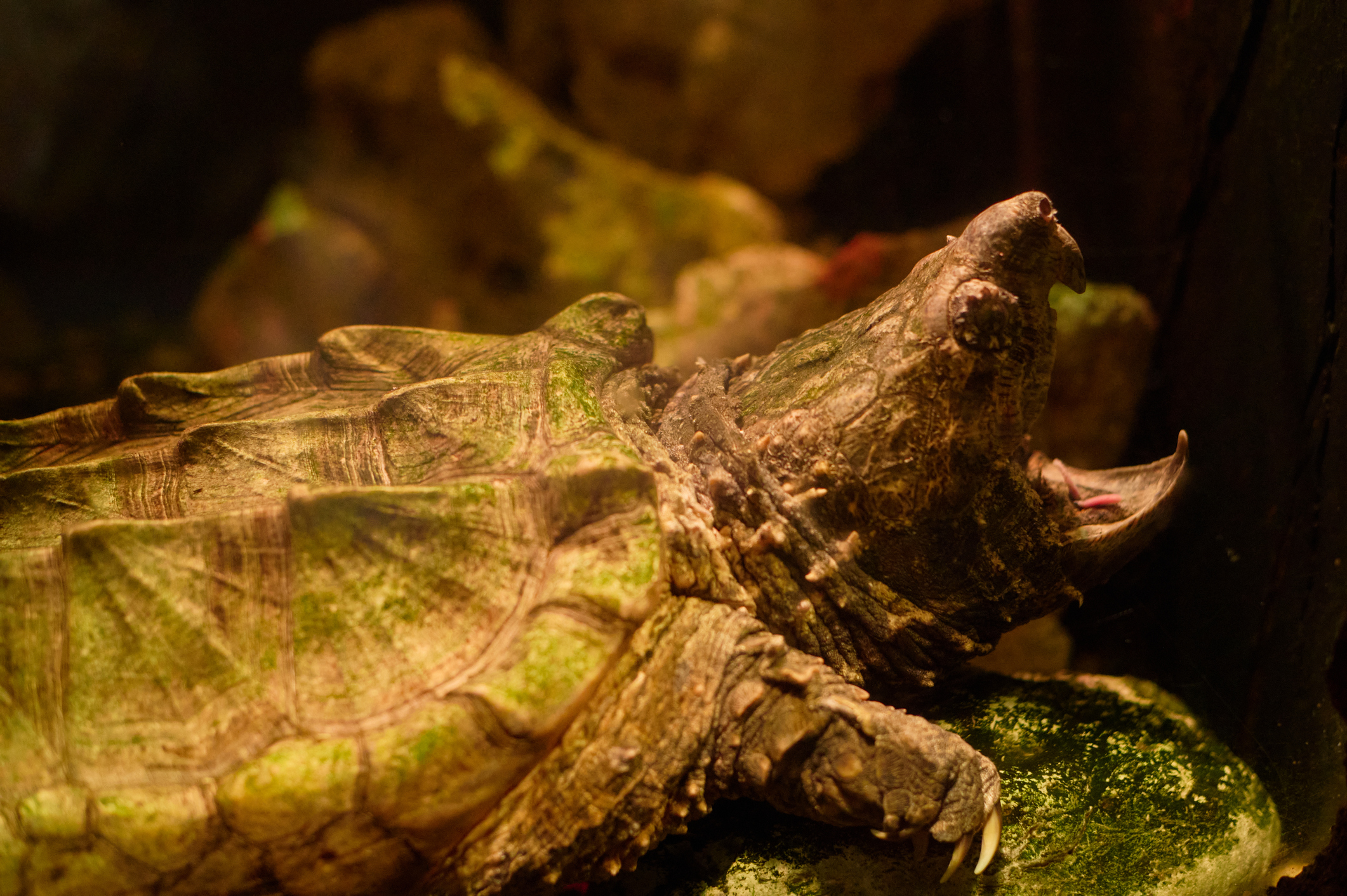
A reptile well named, the alligator snapping turtle wields a fearsome hooked jaw that is powerful enough to bite through bone.
Found in the freshwater systems of the south-eastern United States, this is a long-lived turtle that may weigh in excess of 130kg. The camouflaged eyes and mouth, long tail and armour-peaked shell give it an almost prehistoric appearance
They are opportunistic, happy to scavenge while also lying quietly with its mouth open and using its tongue to imitate a worm in the hope of luring a fish which is then dispatched with a swift snap of those jaws.


