
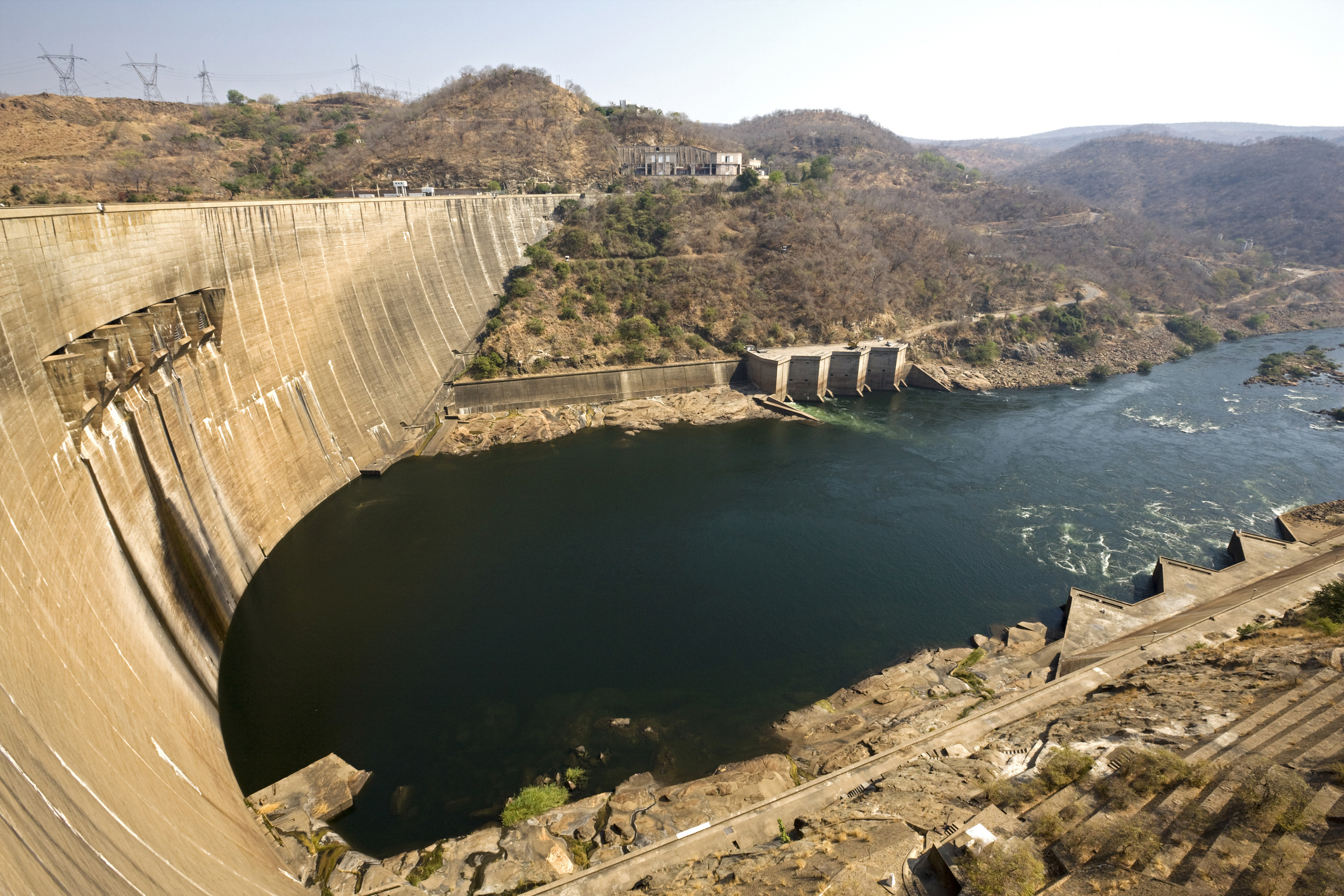
In the late 1950s, when the enormous Kariba Dam hydroelectric power station was built across the Zambezi River between Northern and Southern Rhodesia (now Zambia and Zimbabwe), the Kariba Gorge duly began to flood.
Over the next five years, the world’s largest artificial lake would be created – up to 25 miles wide and a staggering 140 miles long. Nearly 60,000 Tonga people were displaced from their riverside homes, destroying much of their culture and identity. But it was only as waters rose up the Kariba Gorge that anyone spared a thought for the wildlife who called the area their home.
- “It burst from the inky water, right beside us. We were very lucky”. Close shave with dangerous, massive creature in Zambian swamp
- 'I noticed these leg bones eroding out of the ground.' Brand-new dinosaur species discovered by chance in Zimbabwe
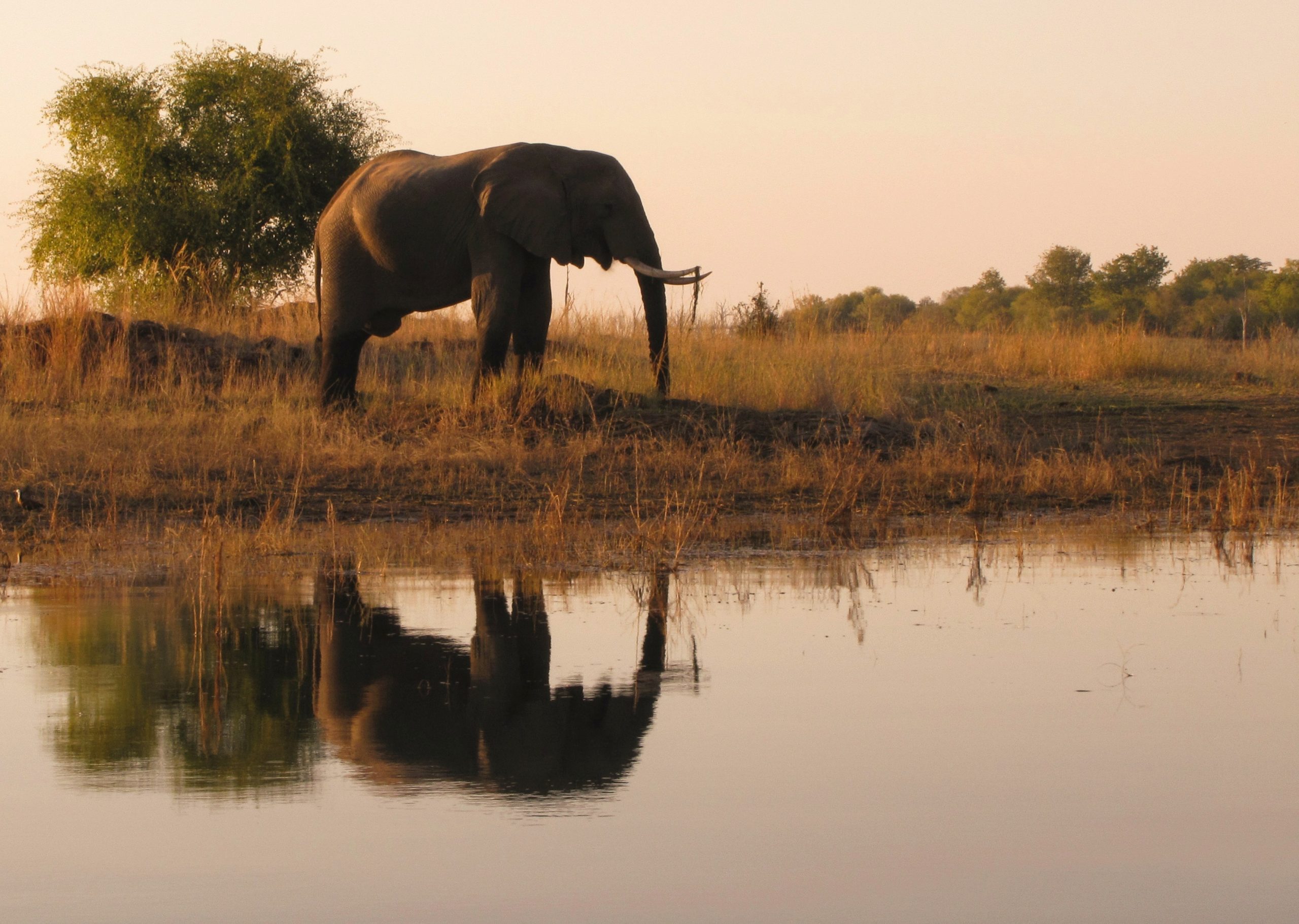
Elephants, lions, antelopes, rhinos, leopards, zebras, warthogs, porcupines, snakes and many other species were suddenly confronted with a life-threatening situation. Animals who made for higher ground to escape the swelling river found themselves trapped on ever diminishing islands, facing death by starvation or drowning.
Into this fray, in 1958, strode 46-year-old Rupert Fothergill, Southern Rhodesia’s Chief Game Ranger. He’d be given the task by his country’s government of saving as many of the trapped animals as he could. Operation Noah, as the exercise becomes known, would continue until 1964.
Fothergill’s team was minuscule: just two other game wardens and eight trackers. Life was pretty rough. Their equipment was extremely low-tech – mostly sacks, boxes, ropes and nets, as well as pillowcases for carrying snakes. Their most sophisticated tool was a tranquilliser dart gun. They lived in camps in the bush and often travelled by rowing boat. And, as might be imagined, it was no picnic attempting to round up naturally dangerous animals who were also frightened, hungry and must often have felt cornered.
- "Please help – we have a hippo in our swimming pool!"
- Drone captures incredible 10-tonne whale rescue in Australia
The Operation Noah team tailored their rescue attempts according to the species of animal they were intent on saving. For instance, rhino and buffalo were tranquillised and transported on rudimentary rafts to the shore. The group also had to learn on the job. Early on they discovered that some of the animals were suffering cuts from the rope and nets with which they were trapped and tied. To get around this problem, the team used nylon stockings instead. This innovation would later be copied by Operation Gwamba, a similar animal-saving effort following the construction of a dam in Suriname. That exercise became famous due to the number of American women who donated their stockings to the rescue effort.
Operation Noah eventually saved over 5000 animals. These included around 1800 impala, 600 warthogs, 200 buffalo, 50 black rhino, 23 elephants and at least 12 lions, as well as leopards, porcupines, snakes and other creatures. These were relocated around the shore of the huge new Lake Kariba or in Matusadona National Park. Northern Rhodesia belatedly sent a team, headed by Chief Game Ranger Tad Edelman, which managed to save a further thousand or so.
- “I repeatedly observed lions tracking hyenas.” GPS collars reveal secrets of fierce carnivore rivalry
- Are elephant graveyards a real thing? Is there any truth in the legend elephants go to a special place to die?
- When a pride of lions went down to the waterhole, they bumped into a hippo. Here's what happened next
Rupert Fothergill, who died in 1975, took a good deal of footage of his team’s work, some of which was made into four half-hour documentaries. His granddaughter Kirsten would later recall, ‘I never met my maternal grandfather – he died ten years before I was born. But I grew up watching him chase rhinos, nurse baby kudu, hold eight-foot pythons and coax porcupines out of their burrows.’
Countless animals were needlessly killed in the flooding of the Kariba Gorge. But it’s cheering to know that, through the selflessness and dedication of a small band of brave rescuers, at least some were saved.
top image: Burchell Zebra and impala on the shoreline of Lake Kariba in Zimbabwe. Credit: paulafrench/Getty Images
Discover more wildlife stories from around the world:


