The Sudd wetland is home to some of the world’s most endangered mammals and birds, and its vast ecosystem is the setting for jaw-dropping migrations that rival the wildebeest of the Serengeti.
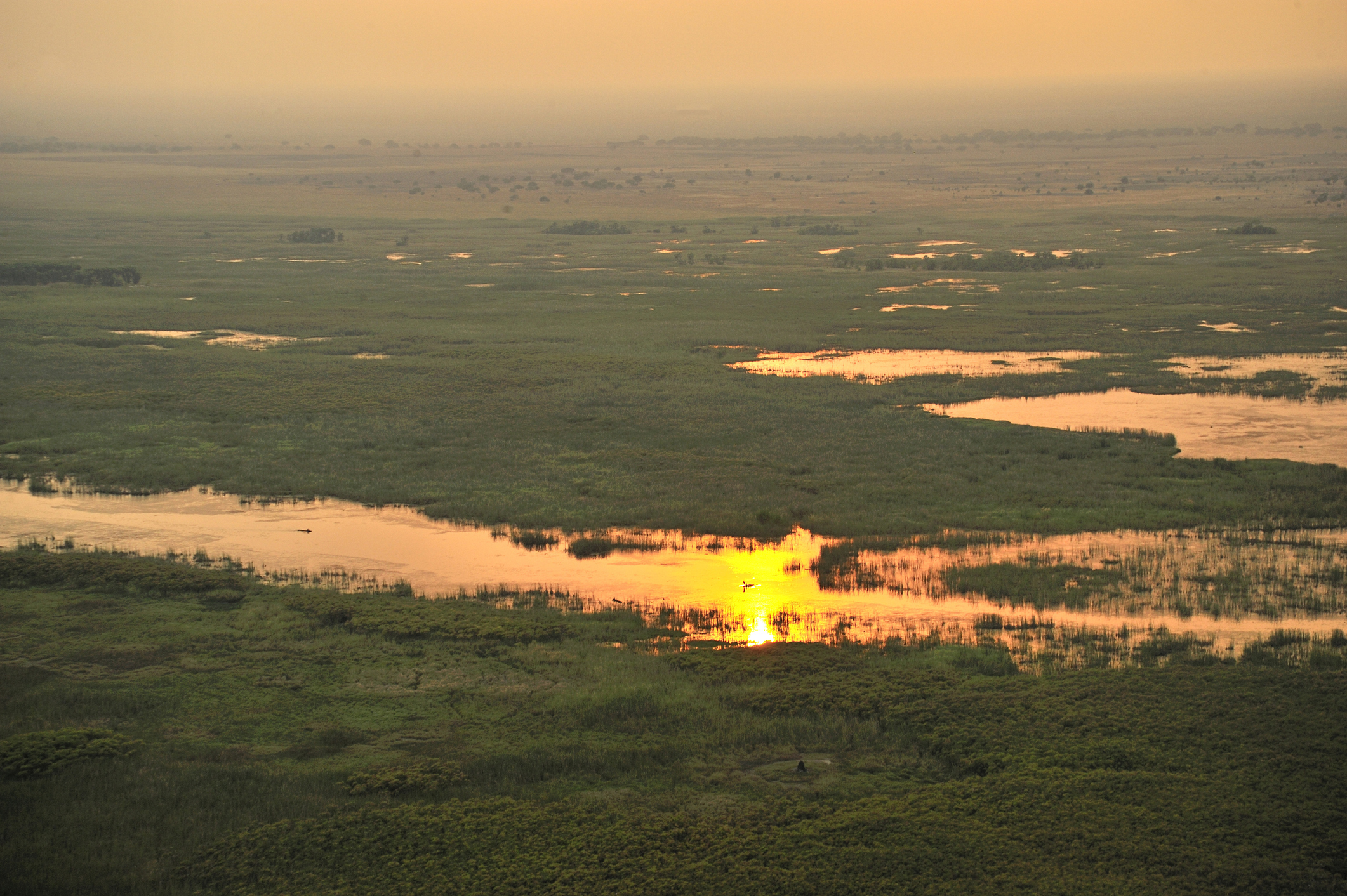
Located in South Sudan, East Africa, it’s one of the largest tropical wetlands in the world. It has an estimated area of 57,000 km2, but this is dependent on the seasons and years. In the wet season, the wetland can grow to 90,000 km² but can shrink to around 42,000 km².
- It flows over 4,000 miles, crosses 11 countries – and a deadly apex predator lurks within it
- This valley has one of the highest concentrations of life on Earth – from early human fossils to a mammal with vampire teeth
The White Nile (also called the Mountain Nile or Baḥr al-Jabal) river is its lifeforce and winds its way down the wetland from Lake No, South Sudan’s largest lake. This allows the wetland to act as a giant filter that controls water quality, as well as regulating flooding by absorbing excess water.
It’s made up of a tapestry of habitats, including swamps, grasslands and floodplain woodlands, which allows it to support a rich variety of wildlife.
The Sudd wetland contains 100 mammalian species, more than 100 fish species, 470 bird species, more than 120 insect species and around 350 plant species (the number of reptilian and amphibian species is unknown).
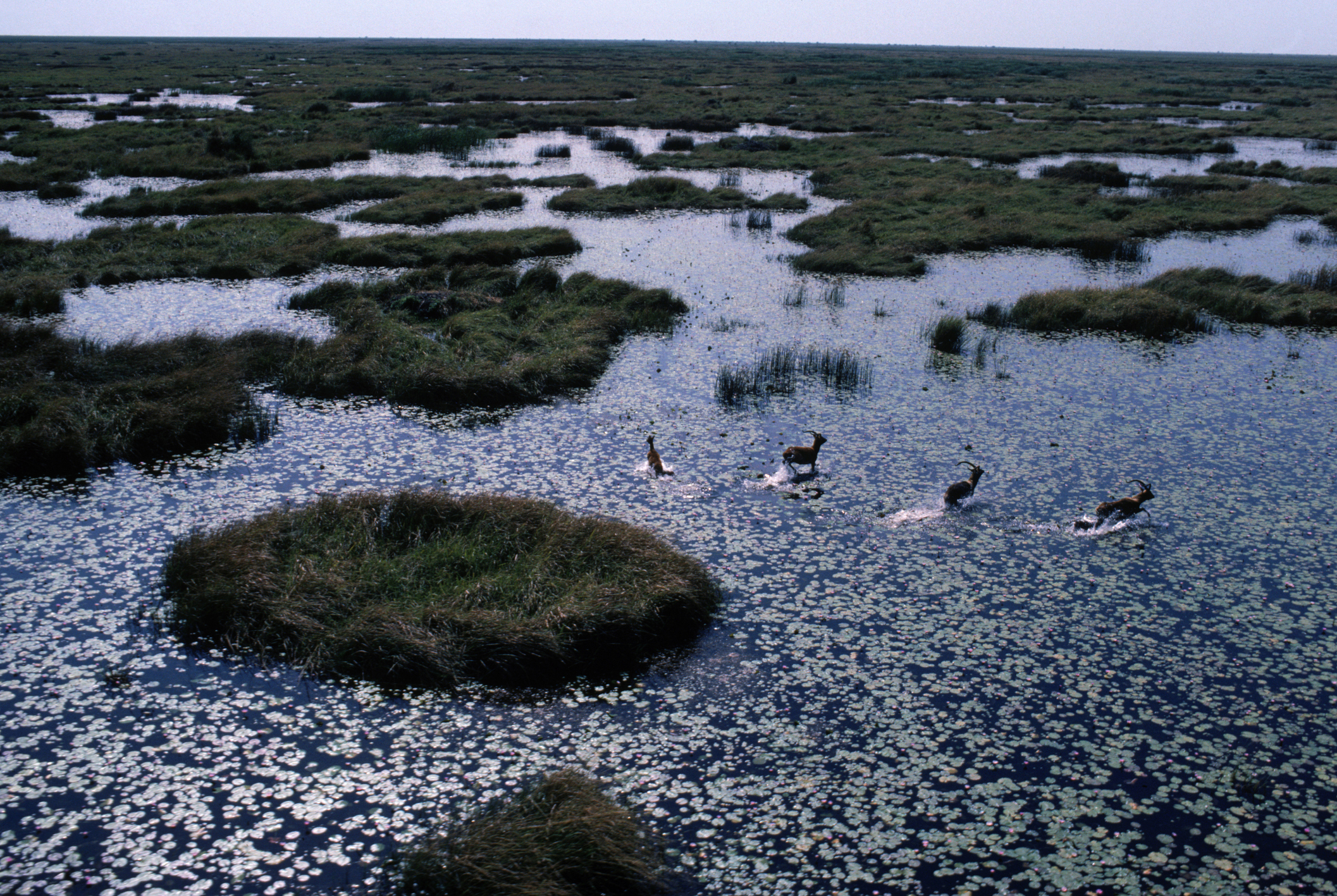
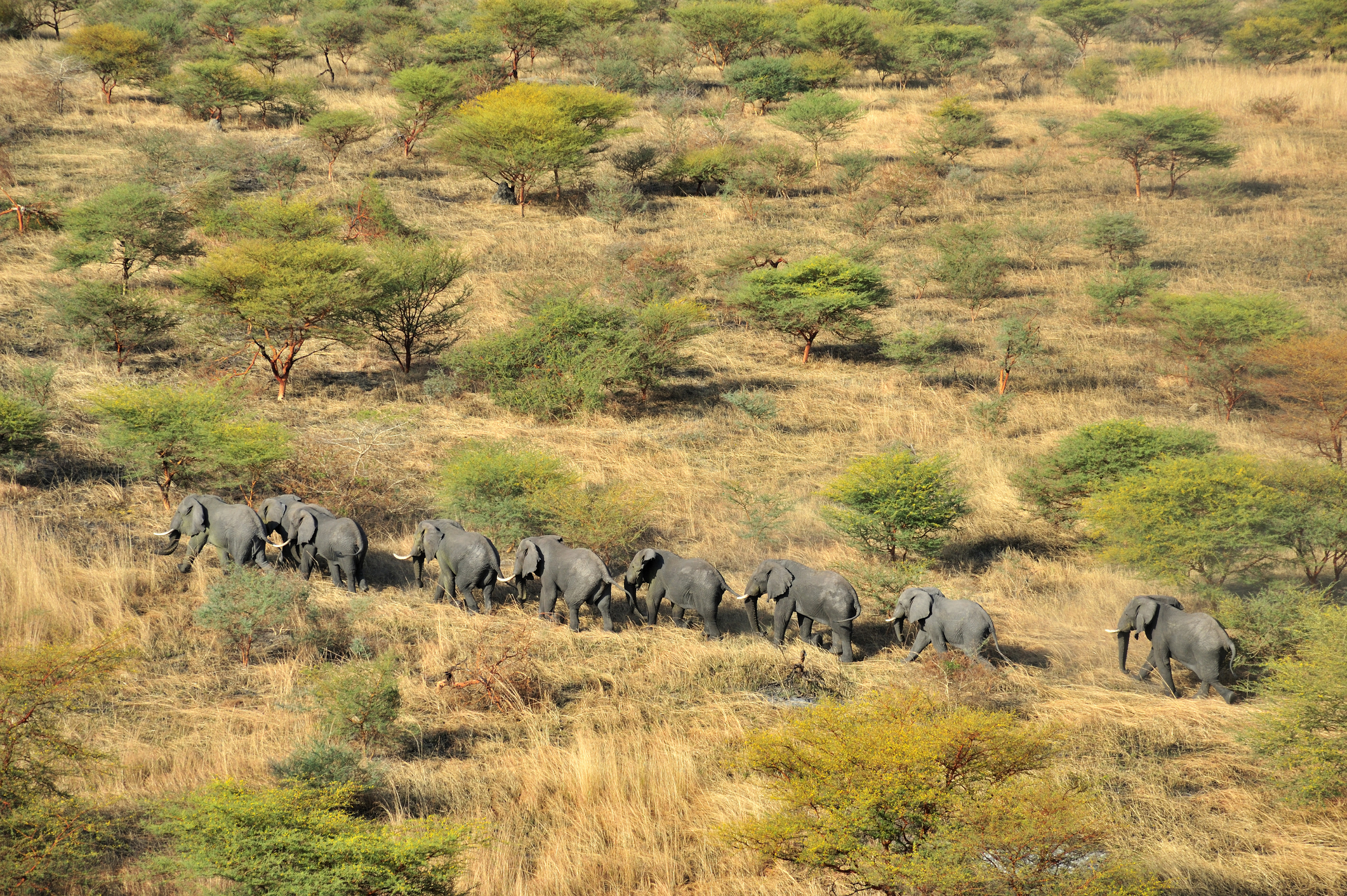
African elephants, hippos, buffalo, sitatunga, Nile crocodiles and Nile lechwe (an endangered species of antelope endemic to South Sudan) roam its ecosystem.
- Astonishing power and resilience of hippos revealed in 16 incredible photos
- There is only one place on Earth where crocodiles and alligators live together in the wild – and it's here
The world’s largest ungulate migrations occur here, with tiangs and white-eared kobs (both a type of antelope) carrying out a journey to rival the Serengeti’s wildebeest migration.
The Sudd is home to the largest concentrations of shoebill storks on Earth, which silently stalk fish in the wetlands. In the winter, it provides vital respite for migratory birds such as the great white pelican, black crowned crane, white stork and black tern. It also links breeding ranges of Palearctic birds in central Europe and Asia with winter ranges to the south.
One million people inhabit the Sudd wetland region. The dominant cultural affiliations who live there are the tribes of Nuer, Dinka, Shilluk and Anyuak.
The patterns and functions of the Sudd help maintain the livelihoods and cultural practices of the Sudd’s tribes, and their beliefs and practices help support and conserve the environment they live in.
Sudd wetland: in photos