British birds such as blackbirds, jays and woodpeckers will sometimes come down to the ground, fan their wings and allow ants to swarm over them, possibly squashing the ants as they do.
“We think it’s to do with reducing parasite loads, because the [formic] acid from the ants does that, though people are still open-minded about what’s going on,” says Rob Cooke, senior ecologist at the UK Centre for Ecology and Hydrology (UK CEH).
- Gigantic insect as long as a cat found in Australia
- These are the biggest insects in the world – including a 60cm-long monster
Then there’s the male spotted antbirds that will use live crickets to attract a mate. Crickets provide vital nutrition for the species when the breeding season comes around, and the presentation of a live one tells the female it’s time to begin. “He’s telling her, ‘There’s loads of crickets, let’s make some chicks,’” Cooke explains.
Or there’s the brown-throated sloths that have moths living in their fur. The moths deposit nitrogen and stimulate algal growth, which the sloths eat. When they descend to the forest floor to defecate, the moths lay their eggs in the dung.
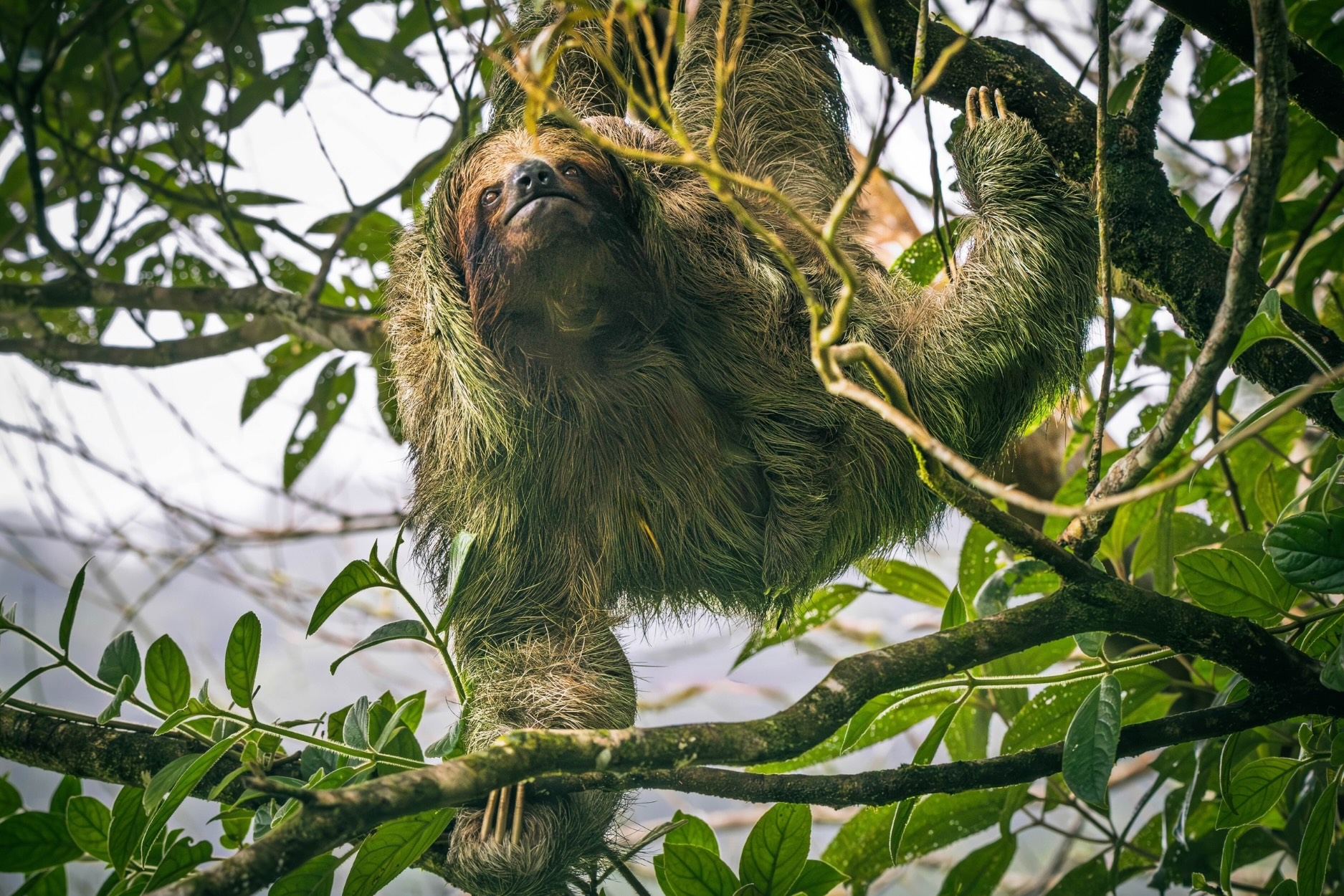
All these unusual examples of how vertebrates benefit from insects are contained in a new research paper published in Nature Reviews Biodiversity which attempts to set out the full extent of the importance of insects to all groups within the phylum – mammals, birds, reptiles, amphibians and fish.
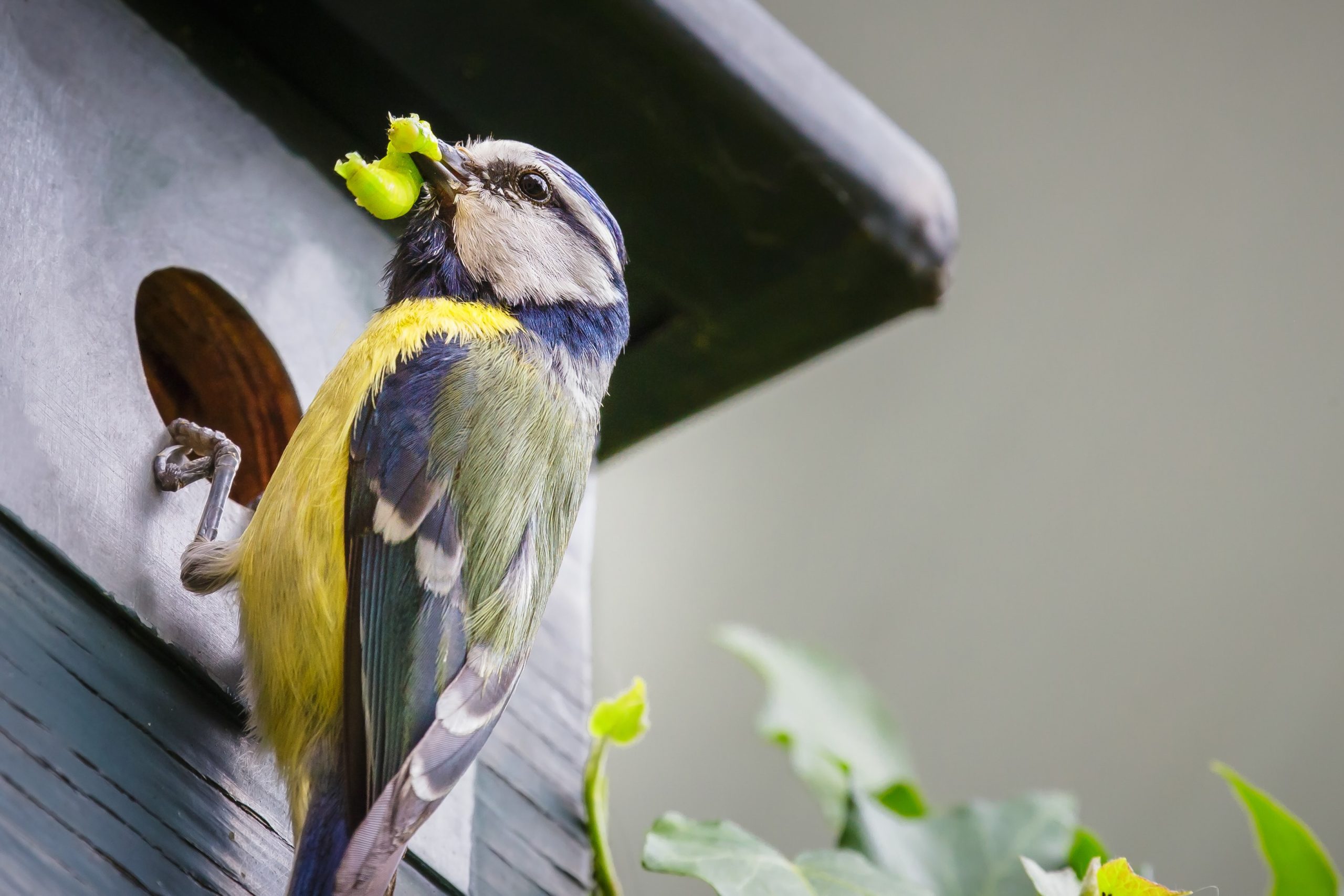
Of course, insects are primarily of use as food. Nearly three-quarters of terrestrial and freshwater vertebrates eat invertebrates (and mainly insects), and for 40 per cent, insects are their only food. As Cooke points out, even seed-eating birds require caterpillars to feed their offspring.
“They turn plant material into the protein that all the vertebrates depend on,” he says. “They’re little bundles of energy, protein and water that can easily be fed to chicks.”
There are some examples – but not many proven beyond doubt – where the decline in insect populations has led to a corresponding decline in mammals or birds. For example, the decline in bogong moths is impacting mountain pygmy possums, while the extinction of the Rocky Mountain locust has led to an almost certainly similar fate for the Eskimo curlew.
Nevertheless, we do know that, in general, insectivorous birds in Europe are doing worse than seed-eating ones, which suggests that this has something to do with insect abundance.
“Insects are foundational, and we need to reframe how we appreciate them and interact with them,” says Cooke. “It’s about thinking how they also help things that we love, and without them, the world would be a poorer place.”
More wildlife stories from around the world
- Australian ‘insect detectives’ discover stick insect as long as a toothbrush in Queensland rainforest
- The 40,000 seedlings bringing life back to Yosemite’s meadows
- Wasp spider found in North West England for the first time
- Human flesh-eating parasite returns to the US
Top image: Brown-throated sloth. credit: efenzi/Getty Images