
As temperatures soar and families flock to the beach in search of a cooling dip, the coastline hides some deadly secrets. Buried beneath the sand, hidden in rock pools or tangled among seaweed are venomous marine creatures you may not see until it’s too late.
- World's 11 deadliest sea creatures: Meet the most dangerous animals in the ocean
- 10 deadliest beaches in the world including Skeleton Coast – the world’s largest ‘ship graveyard'
For the innocent beachgoer tempted to collect an unusual shell, examine a stranded jellyfish or let a cute octopus crawl on your hand for a TikTok video, that split-second decision can have devastating consequences.
From beautiful jewel-like shells to creatures with lethal tentacles, these extraordinary coastal creatures demand caution and a very careful eye. Don’t walk barefoot along the beach this summer without reading this guide.
WARNING: If you encounter a venomous animal washed up on any UK beach, do not touch it as it can still deliver a highly painful sting. If someone has already been stung and is having trouble breathing, chest pain, fits or seizures, severe swelling, severe bleeding, vomiting, light-headedness or loss of consciousness, it is an emergency situation. Go to A&E or call 999 and ask for the Coastguard.
14 deadliest beach animals
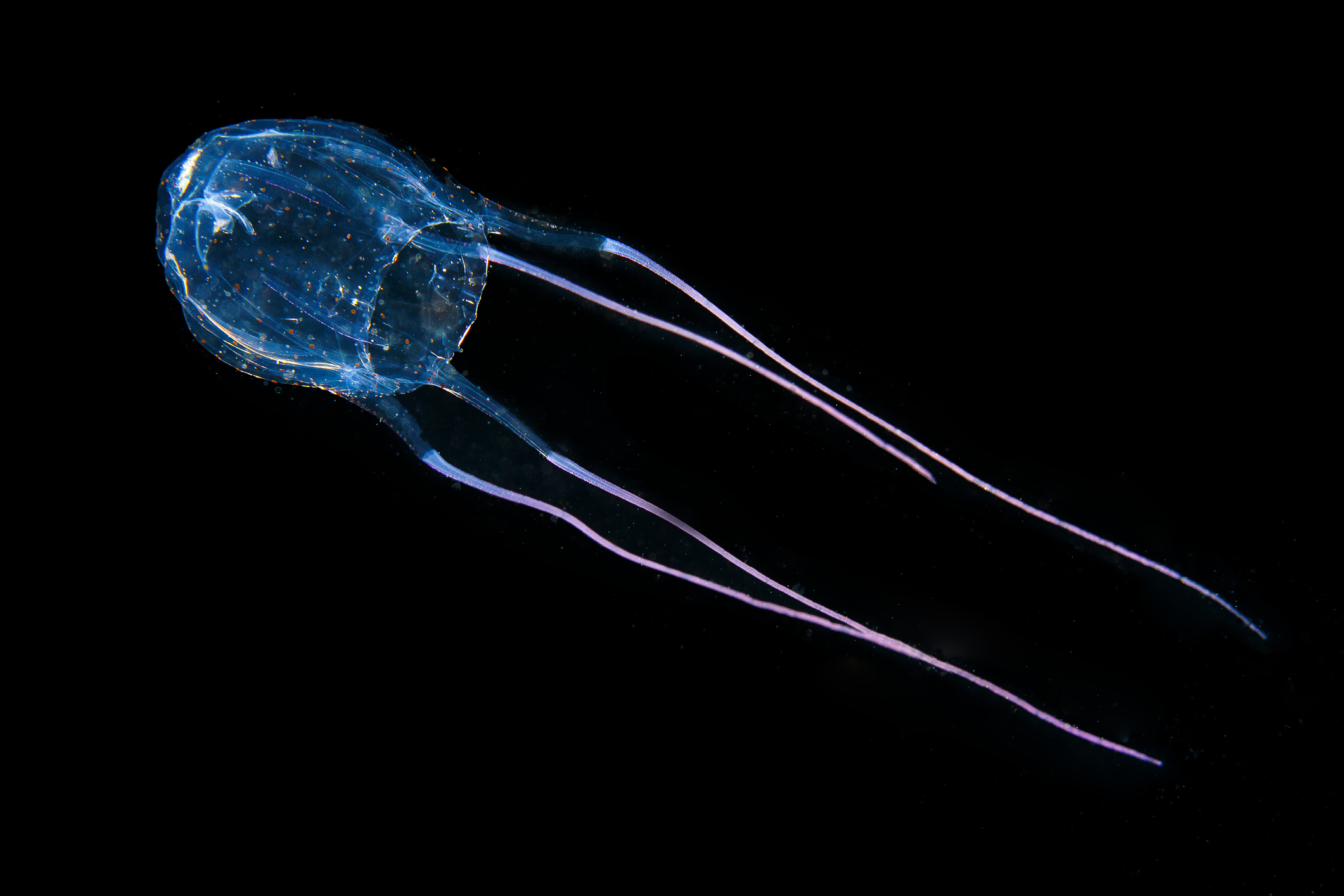
The box jellyfish
- Location: Australia, Southeast Asia, Indo-Pacific beaches
- Risks: Can cause cardiac arrest
The box jellyfish is one of the most venomous animals on Earth and can cause cardiac arrest within minutes. Washed up it can look almost alien, like a ghostly cube-shaped blob with faint trailing ribbons that glisten like plastic.
- "Death can come within five minutes": Discover the 10 deadliest, most venomous, jellyfish on the planet
- NASA officials sent over 2,000 baby jellyfish into space. Tens of thousands more came back to Earth
But this is no ordinary flotsam. In the water, it’s almost invisible and its long, thin tentacles carry some of the most potent venom in the world (called ‘cardiotoxic venom’), delivering toxins that can almost immediately disrupt the heart, nervous system and breathing.
Most species are found in Indo-Pacific waters, particularly Australia and Southeast Asia. Even when dead, or with tentacles broken off, they can still sting, so they should never be touched.
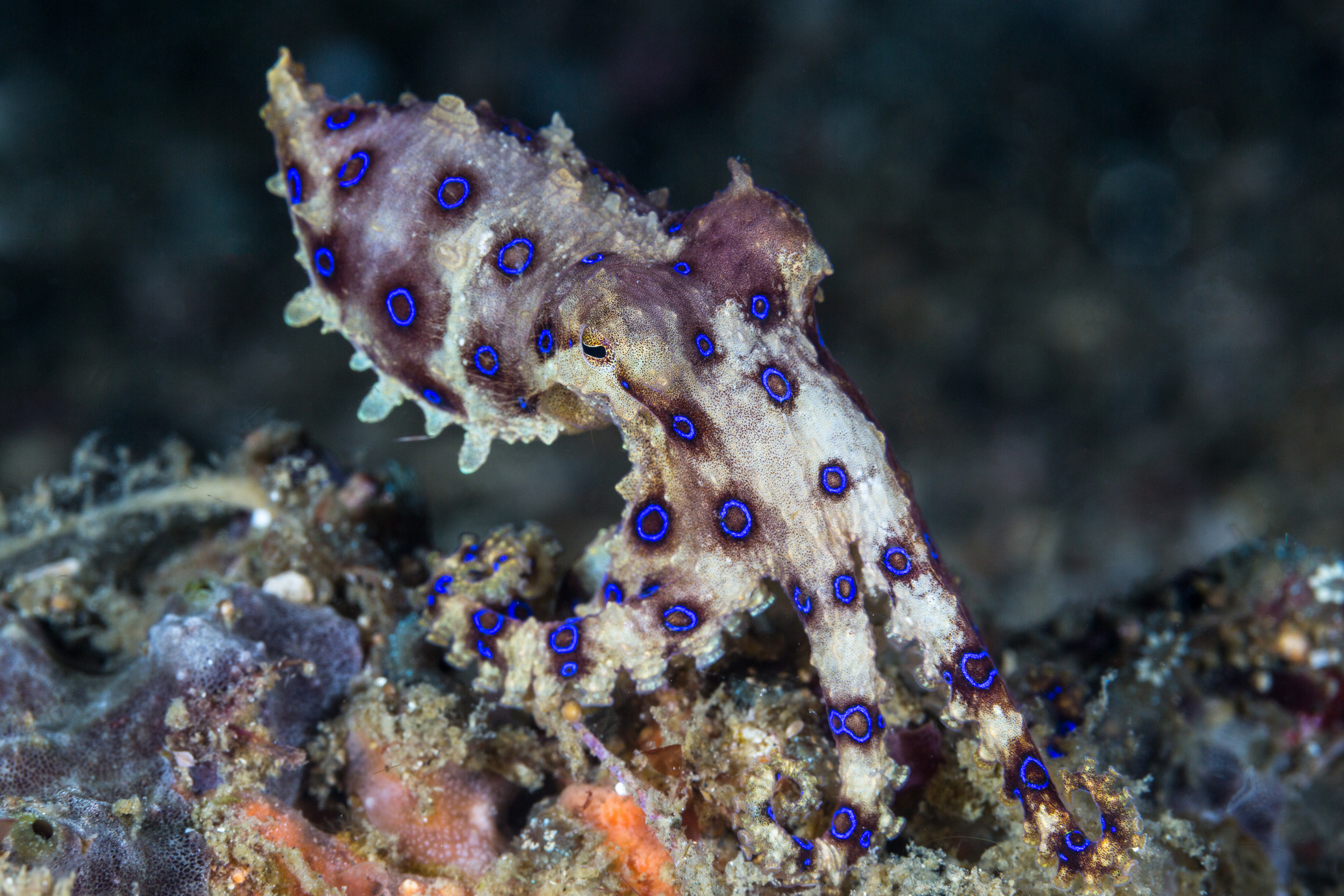
The blue-ringed octopus
- Location: Australia, Japan, Indonesia, Pacific Island tide pools
- Risks: Can cause rapid paralysis, respiratory failure and death
The blue-ringed octopus has a powerful neurotoxin that can cause paralysis and respiratory failure. The venom, called tetrodotoxin, is produced by the salivary glands and is delivered via a bite, using its parrot-like beak. It’s estimated to be over 1,000 times more toxic than cyanide and there is no known antivenom.
- These are the deadliest octopuses in the world – and one has enough venom to kill dozens of humans within minutes
- This deadly female octopus plans to eat her partner after sex. But the male has a defensive trick in his tentacles
Washed up on a beach, it’s easy to miss. It looks a bit like a small, crumpled shape, no bigger than a golf ball. When disturbed, vivid electric-blue rings can flash across its skin like warning lights. Found mainly in tide pools and shallow reefs around Australia and the Indo-Pacific, it too can remain dangerous after death.
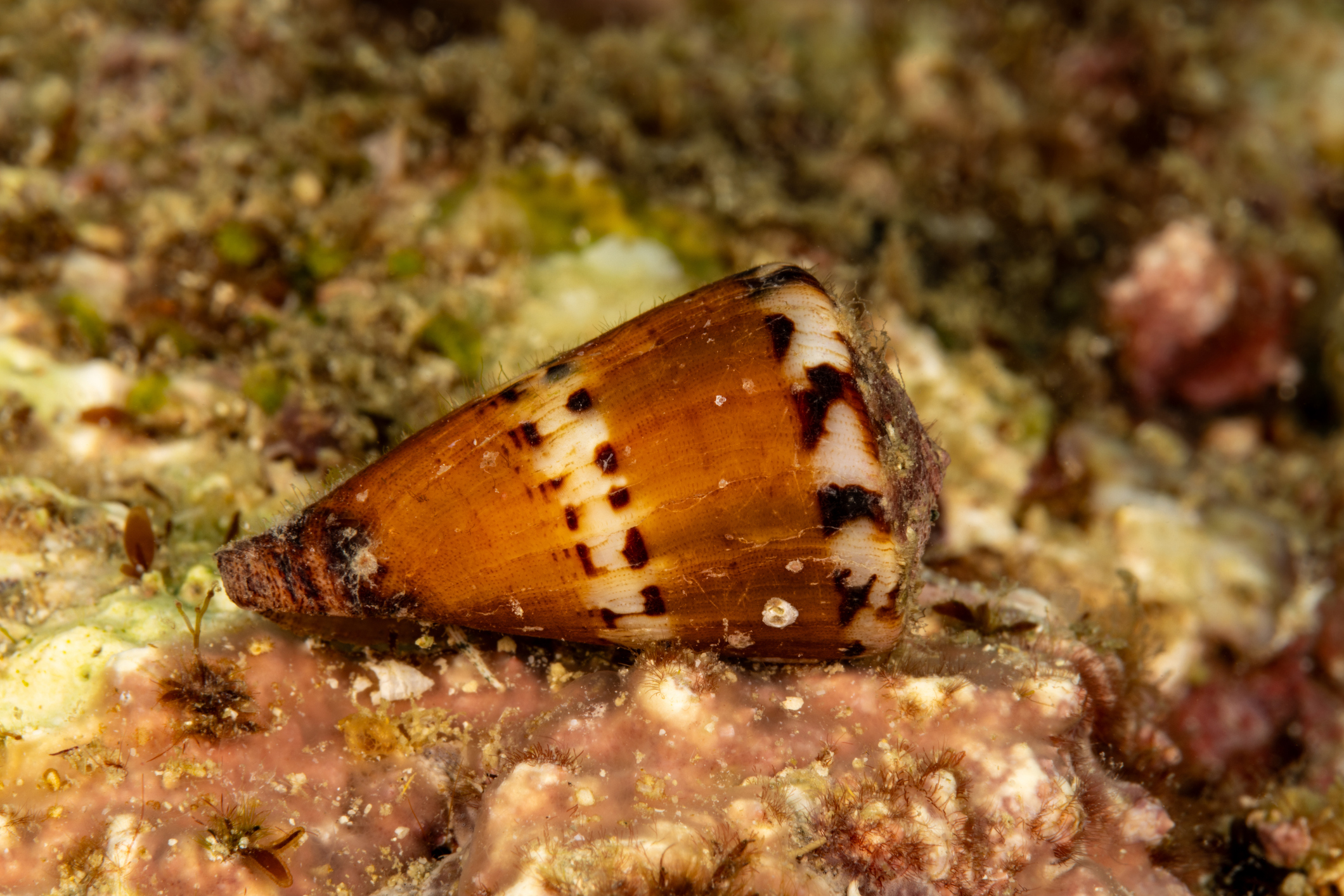
The cone snail
- Location: Tropical Indo-Pacific reefs, Caribbean, Indian Ocean
- Risks: Can cause paralysis, respiratory failure and death
The cone snail has a glossy, cone-shaped shell and is often mistakenly picked up as a souvenir. But inside this shell lives one of the ocean’s most sophisticated predators. Using a harpoon-like tooth – called a radular tooth – it can fire a cocktail of deadly neurotoxins, which are powerful enough to cause paralysis, respiratory failure and death.
Cone snails are found in warm Indo-Pacific waters and the Caribbean, often lurking in shallow reef zones where the shells wash ashore. Even handling an apparently empty shell can be risky, especially if the animal is still inside or recently deceased. If in doubt, leave it exactly where you found it.
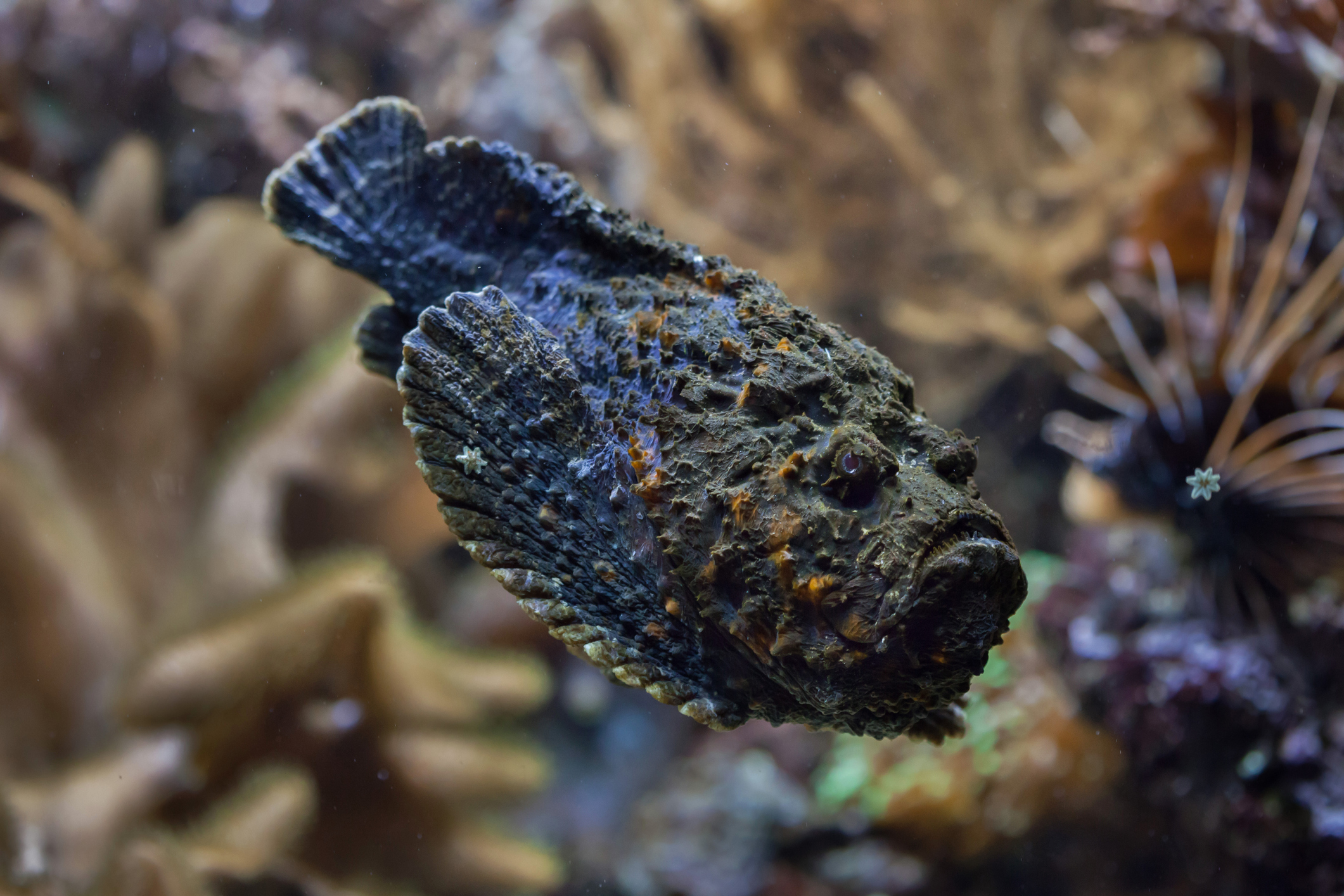
The stonefish
- Location: Indo-Pacific reefs, Australia, Red Sea
- Risks: Severe pain, tissue damage, possible death
Washed up or half-buried in shallow surf, the stonefish is the ultimate master of disguise… and a notorious beach hazard. Easily mistaken for debris, it looks like a harmless rock or lump of coral. But that’s exactly what makes this creature so deadly.
- 6 of the world's most venomous fish, from the deadly stonefish to the beautiful and dangerous lionfish
- Reef rockstars: Meet the fish that disguise themselves as rocks to ambush their prey – with deadly consequences
In Indo-Pacific waters, particularly around Australia and Southeast Asia, it hides on the seabed waiting for prey. Armed with sharp dorsal spines, it injects a potent venom on contact with its victim. The sting causes extreme pain, swelling and can become life-threatening without treatment. Even when dead, its spines can still deliver venom, so watch where you step.
The stargazer
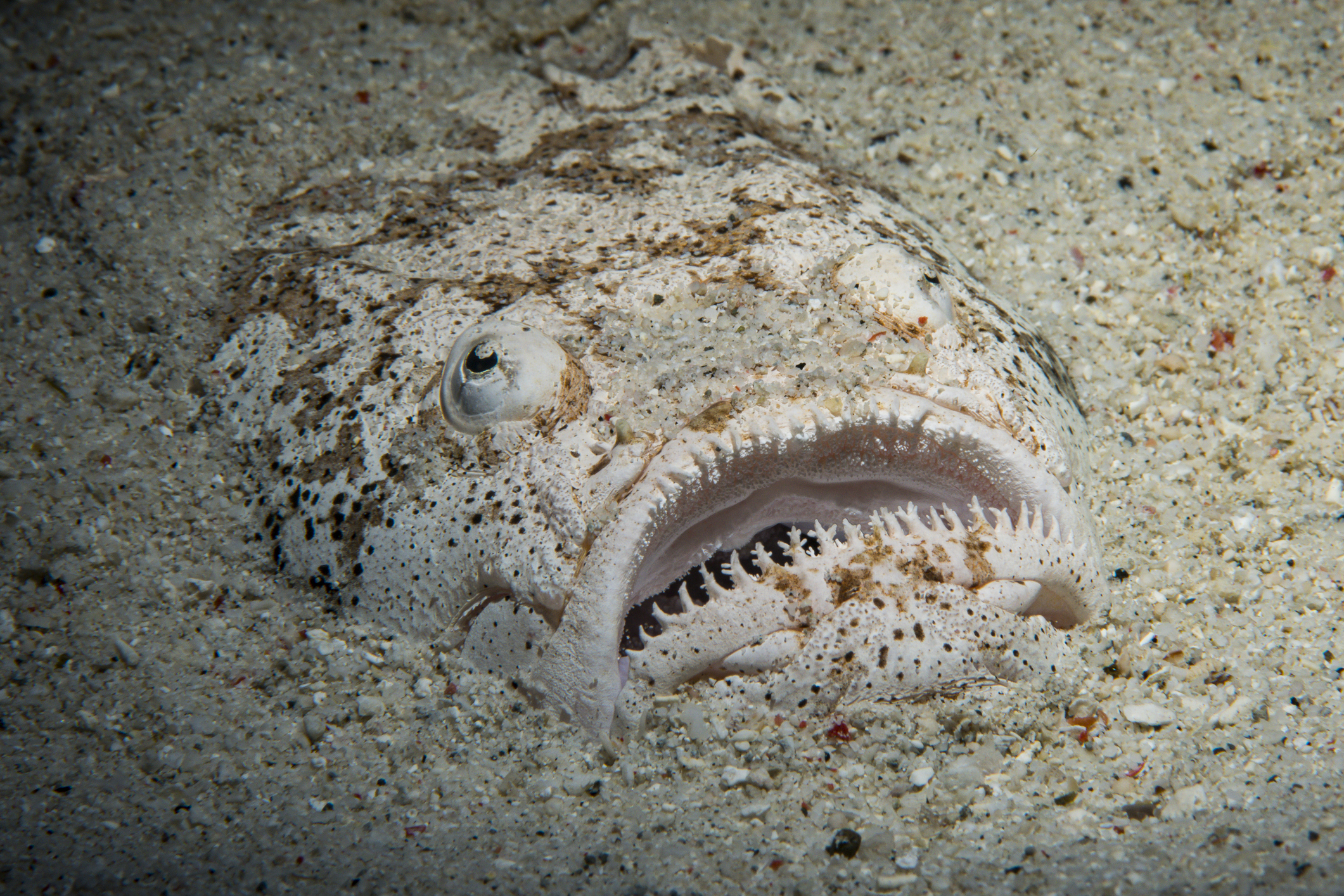
- Location: Globally in shallow, sandy waters (except polar regions)
- Risks: Severe pain, swelling, electric-like shock sensation, serious injury possible and rare fatalities
Lurking just beneath the sand, a stargazer is the sort of creature you’d almost walk straight past… if it weren’t for the eyes. Peering upwards from a flattened, sand-coloured body, they look part comical, part terrifying. Like something that buried itself part way and forgot to reappear.
This fish is a highly specialised ambush predator, equipped with venomous spines and, in some species, an electric shock-like defence. It conceals itself just under the sand, waiting for prey. Stepping on this creature is a real hazard as it’s often mistaken for debris when stranded, and its spines remain venomous after death.
The Irukandji jellyfish
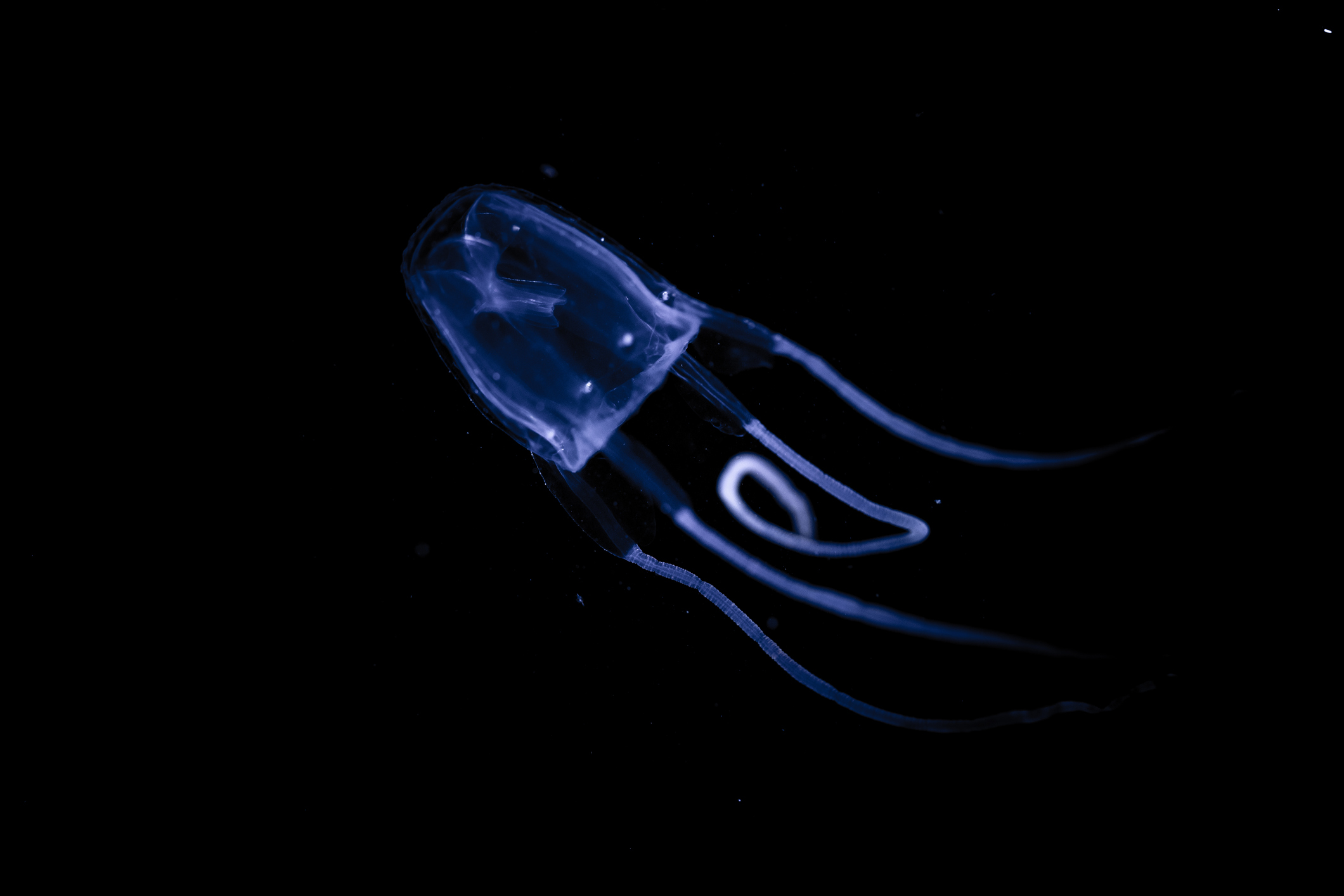
- Location: Warm tropical waters of Northern Australia
- Risks: Severe pain, hypertension and nausea. Potentially life-threatening
Tiny, transparent and almost impossible to spot in the water, the Irukandji jellyfish is small but deadly. Found mainly in northern Australia, it’s so small that swimmers may not even realise they’ve been stung until symptoms begin. Their venom can trigger Irukandji syndrome – a sudden wave of intense pain, vomiting, panic, high blood pressure and sometimes fatal complications. Washed up, it looks like a blob of clear jelly, but even dead tentacles can still sting.
Portuguese man o’ war
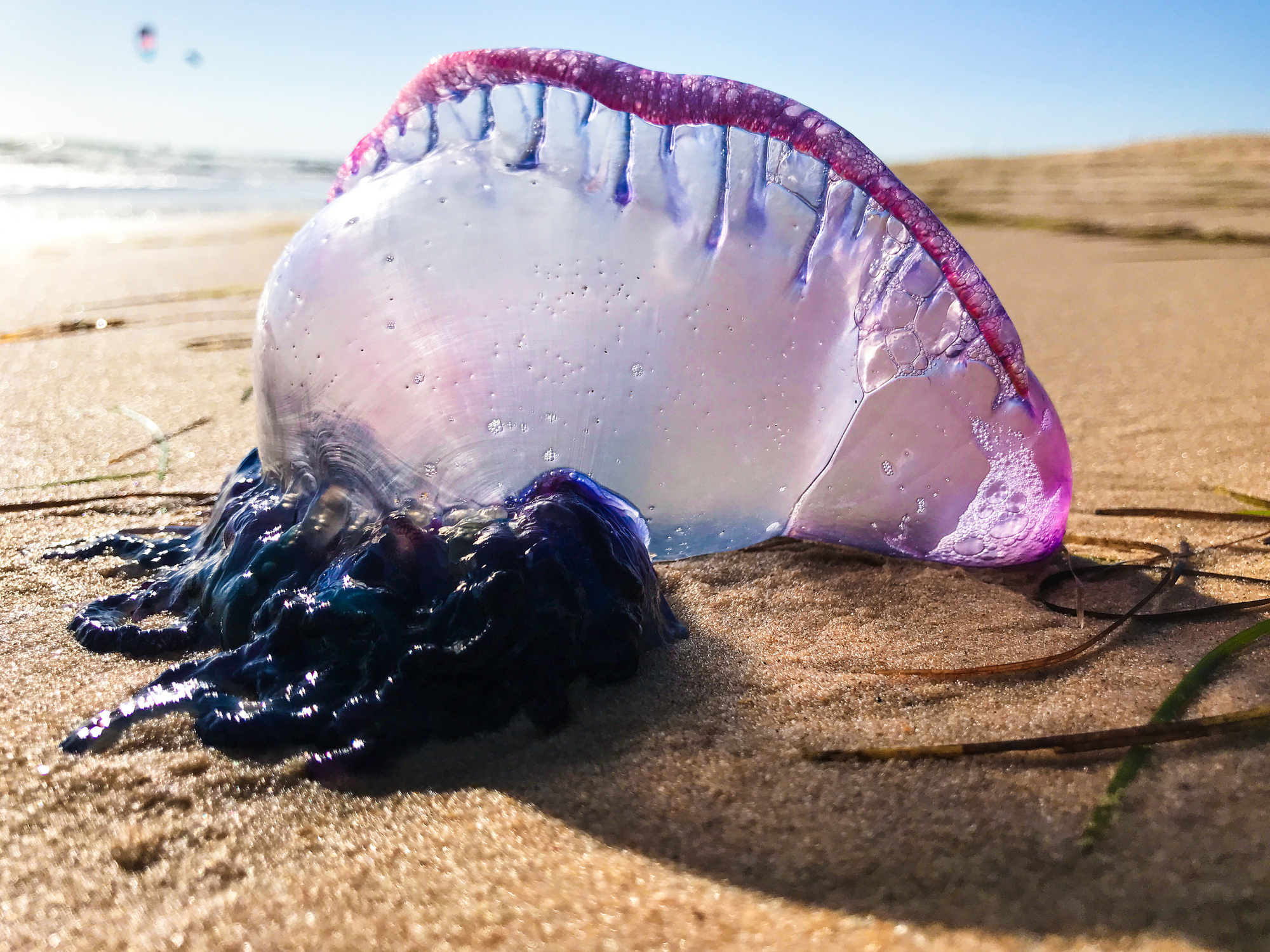
- Location: Atlantic, Caribbean, Canary Islands, Mediterranean, UK
- Risks: Extremely painful stings that can cause shock or respiratory issues
On the sand, these look like a bloated, purple balloon. If you look carefully, you might also see long, trailing tentacles that resemble strands of seaweed – and these are the parts that deliver the punch. Detached tentacles can still sting even days later, making them a significant beach hazard to watch out for.
The Portuguese man o’ war is not one single creature but rather a colony of organisms called a siphonophore. The ‘balloon’ is a gas-filled float that both keeps it at the surface, as well as acting as a sail to propel it across the ocean. Washed up on the beach, this floating predator can deliver an extremely painful sting capable of causing intense burning pain, swelling and breathing difficulties, with rare cases proving fatal.
Stingray
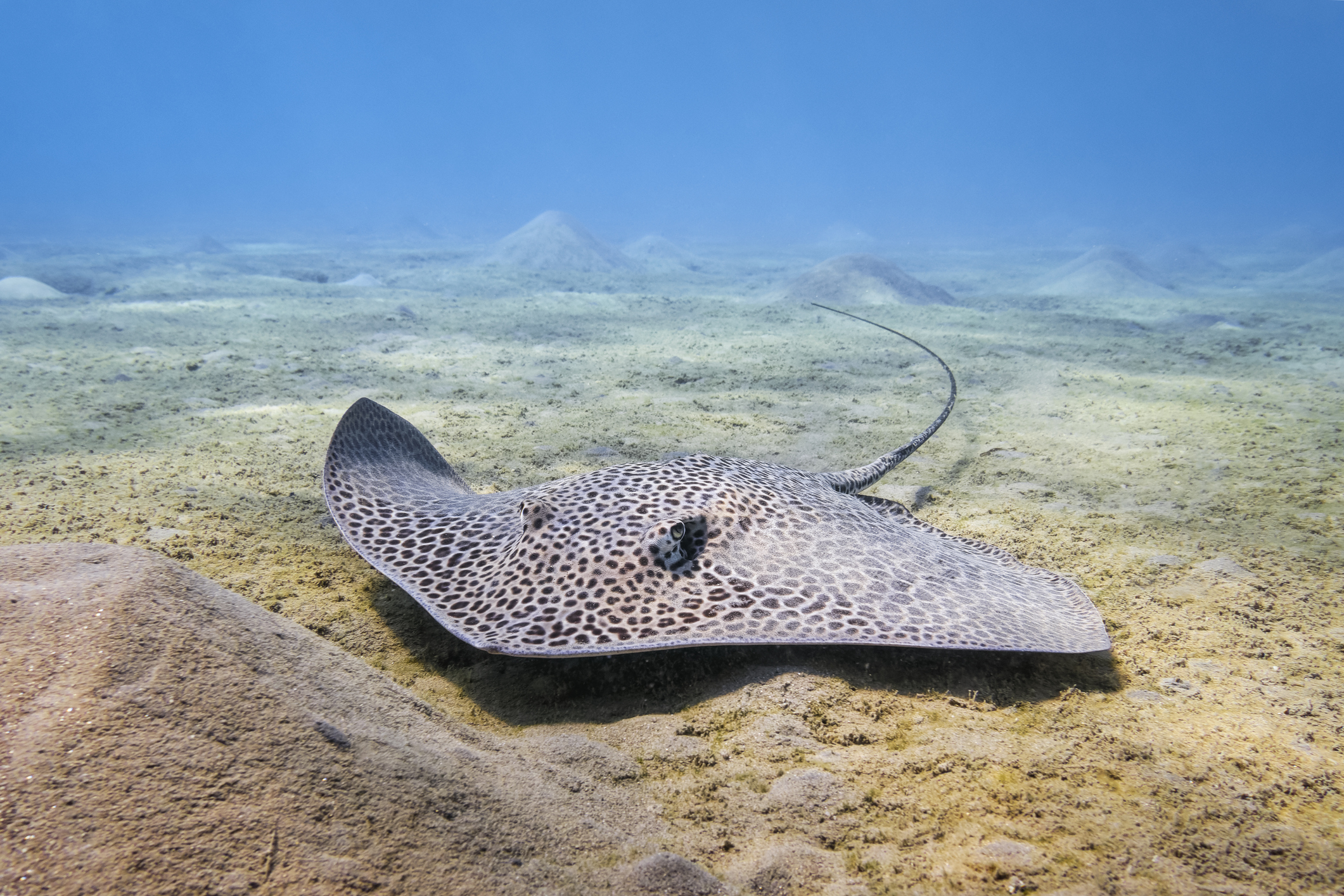
- Location: Mediterranean, Australia, US coasts
- Risks: Deep puncture wounds from tail barb and intense pain
Although typically docile, stingrays (and related species) often lie hidden beneath shallow sand with only their eyes exposed. Step on one accidentally and it may lash out with a serrated, venom-coated tail barb capable of causing deep wounds, intense pain and serious infection.
Most stingray injuries are not fatal but can kill on occasion. Even dead stingrays can still injure unsuspecting beachgoers with their barbed tails.
Lion’s mane jellyfish
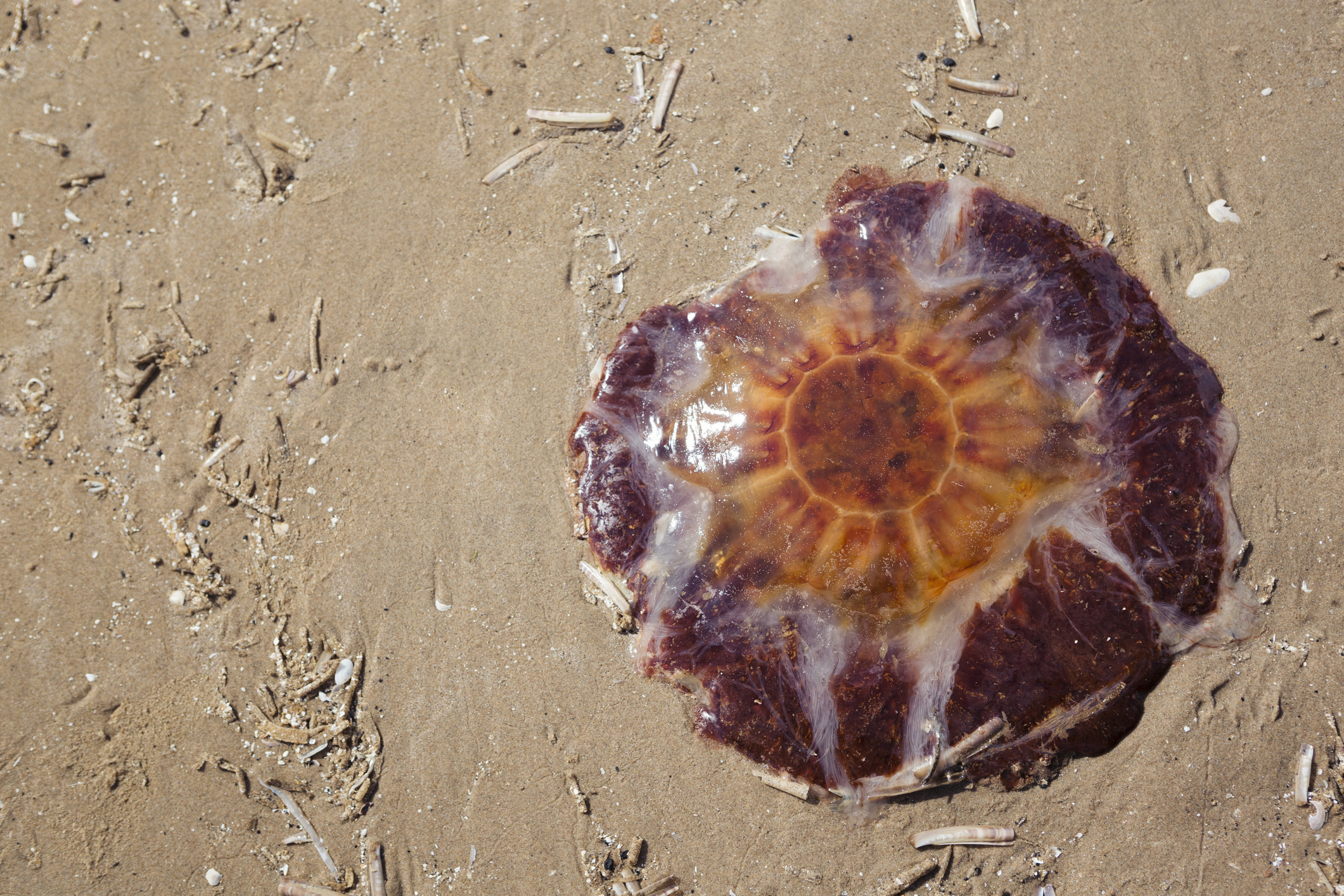
- Location: Cold water coastlines like the UK, New England, Oceana, Western Scandinavia and northern Pacific Ocean
- Risks: Painful stings, rash, burning skin
On the beach, a lion’s mane jellyfish can look like a tangled heap of orange-brown seaweed, with long trailing tentacles stretching across the sand.
But don't assume a stranded lion's mane jellyfish is harmless. Its tentacles remain armed with thousands of microscopic stinging cells that can continue firing after death, and detached tentacles have even been observed capturing prey for up to 24 days after separating from the animal.
Common around UK coasts, especially after storms, touching it can result in painful stings that can leave angry welts, burning skin and severe allergic reactions.
The compass jellyfish
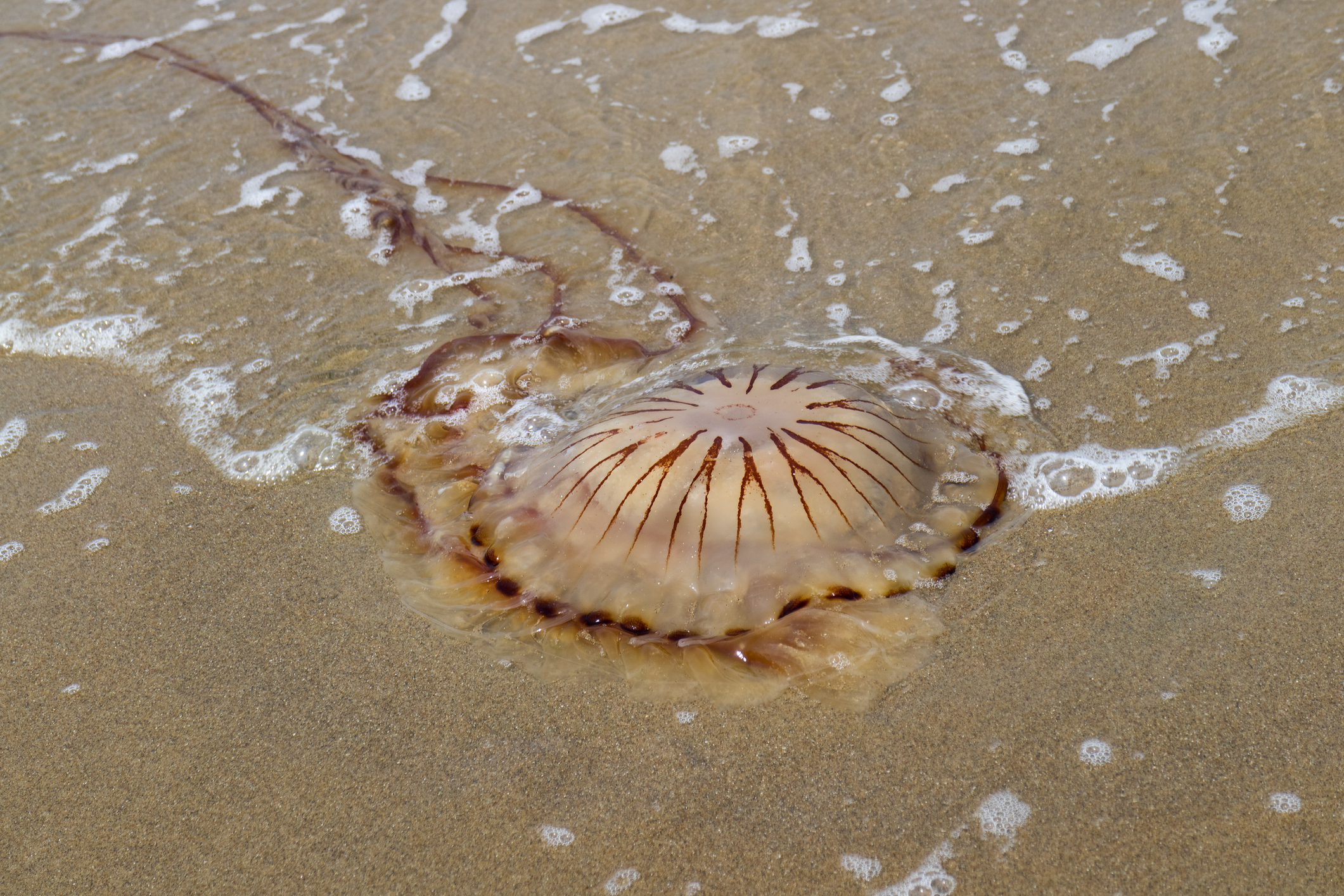
- Location: UK, common around southern and western coasts
- Risks: Painful stings, welts, irritation
The compass jellyfish has a cream-coloured bell, which is covered in distinctive dark brown markings that radiate outwards from a central spot. It has an extraordinary lifecycle: it begins life as a male before later changing sex to become female, a rare reproductive strategy known as protandrous hermaphroditism. Common around southern and western coasts during summer, it often washes ashore after warm weather and strong tides.
- Strange creature found inside jellyfish. Scientists say it's the "first time this behaviour is documented"
- There’s a lake in the Pacific Ocean that’s home to millions of ‘sunbathing’ creatures – and you can snorkel in it
Swimmers unlucky enough to brush against its tentacles can experience an instant burning sting as thousands of microscopic venomous cells embed themselves in the skin. And yes, stranded or dead specimens can still sting unsuspecting beachgoers; the venom can remain active for days, ready to discharge at the slightest touch.
The barrel jellyfish
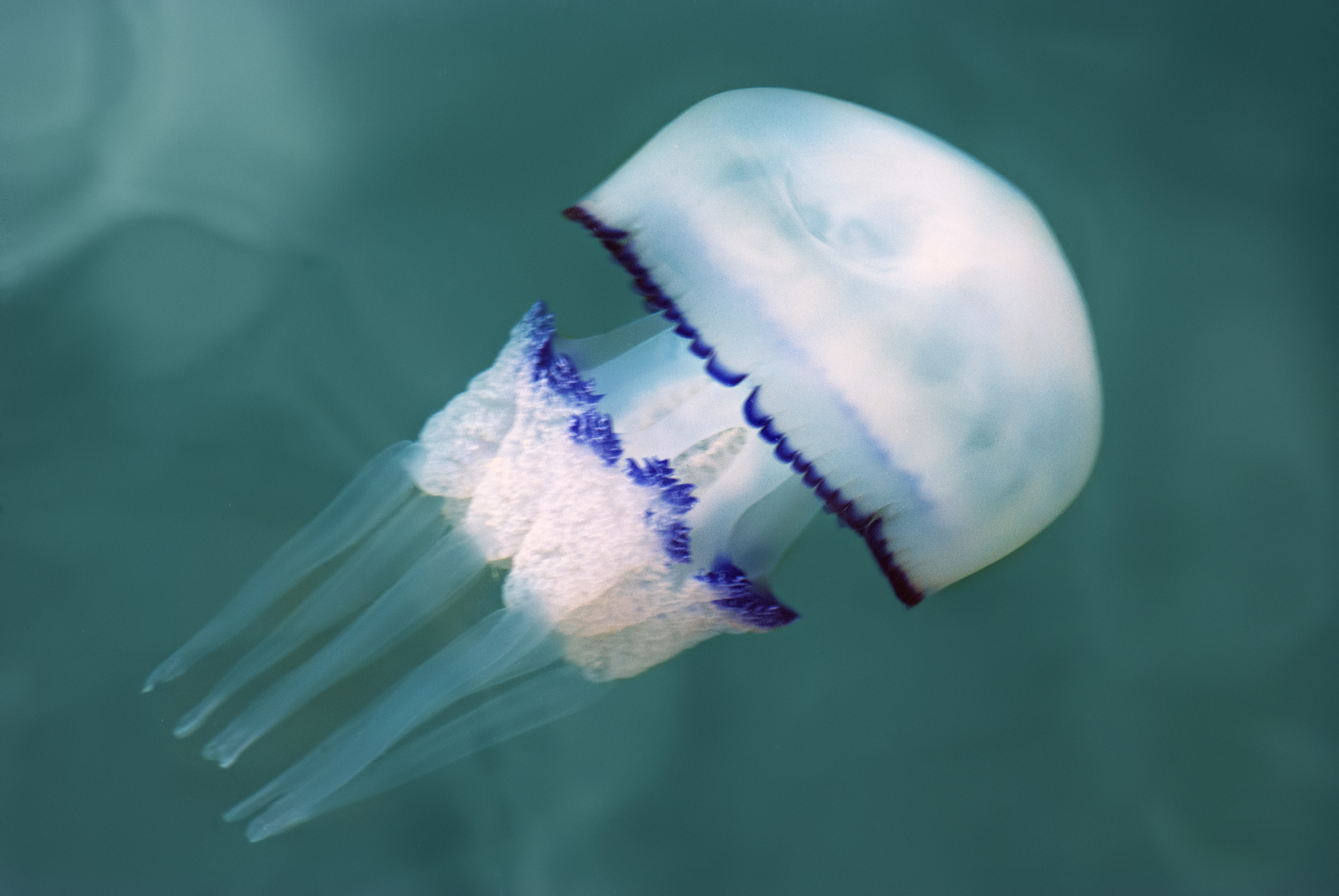
- Location: Common in late summer around UK coasts, especially southwest England and Wales
- Risks: Mild stings, but can irritate skin and eyes
Often appearing in great, drifting blooms off UK coasts in late summer, the barrel jellyfish is a huge (but generally mild-mannered) visitor to our waters. It’s also known as the dustbin-lid jellyfish, measuring up to 90cm wide and weighing up to 35kg. That’s around the same as an adult male golden retriever!
- Scuba diver films dazzling jellyfish in Thailand. What she spots attached to it amazes her even more
The barrel jellyfish’s thick, bell-shaped body can look startling when washed up, but its sting is usually only mildly irritating to humans. However, contact can still cause skin discomfort or eye irritation. Even stranded individuals or detached tentacles washed in by the tide should be treated with caution, as the firing reaction is an automatic, mechanical reaction.
The weever fish
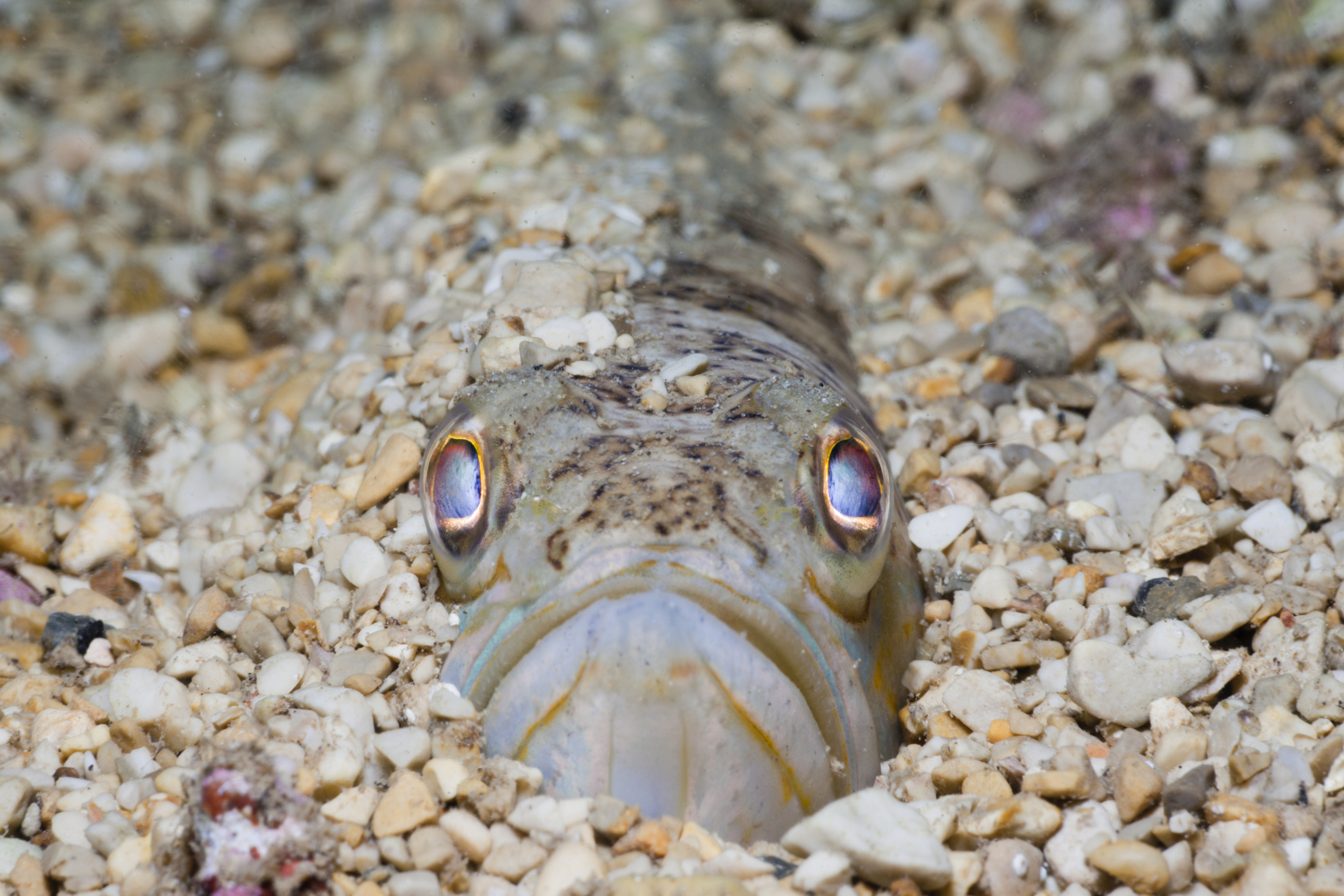
- Location: UK beaches (Cornwall, Devon, Dorset, Norfolk, Wales) where they often wash up or are buried in the sand
- Risks: Extremely painful stings from the dorsal spines that may require hospital treatment
Hidden just beneath the sand in shallow UK waters, the weever fish is one of Britain’s most notorious beach hazards. Most victims don’t see it before it strikes. Small, camouflaged and almost invisible, it lies buried with only its venomous dorsal spines exposed. A single, accidental step can trigger intense, burning pain, inflammation and nausea that can last for hours. In rare cases, it too can cause death.
- These enormous invasive fish almost exterminated local fish stocks. Now they’ve started snatching pigeons
- Twice the size of the UK – yet 80% of it is a dead zone where almost nothing survives...
Like all the creatures in this list, dead or stranded specimens still pose a threat, so it’s a good idea to wear protective footwear in weever-prone waters, especially on calm, sunny afternoons in the summer, when weevers are most likely to be buried in the sand… waiting for prey.
Some studies suggest encounters with weever fish could become more common as climate change expands their range and alters their behaviour, making it more important than ever to know how to spot them.
The sea urchin
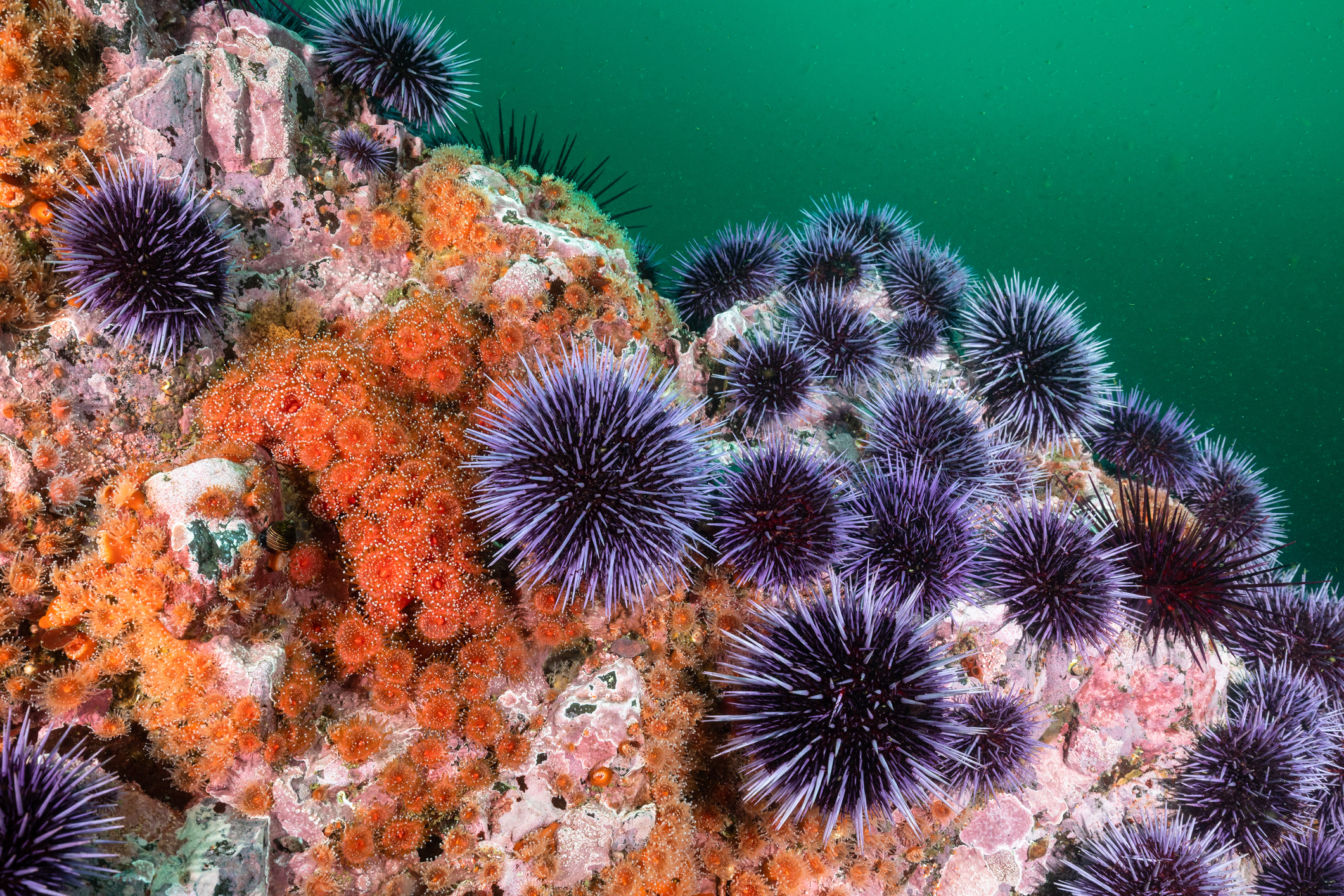
- Location: Around the globe
- Risks: Painful puncture wounds, infection and embedded spines
On UK beaches, the most encountered sea urchins (green and purple species) are not venomous killers, but they can still cause painful injuries. Their sharp spines easily puncture skin, sometimes breaking off and leading to infection or inflammation if not treated properly. In very rare cases, complications from deep puncture wounds could become serious, but fatalities are unlikely.
- In the dead of the night, this diver saw a bizarre thing scuttling out of the darkness
- 10 astonishing brainless animals that are remarkably clever – proving you don't always need a brain to be smart...
Even when dead, their spines remain sharp enough to pierce skin, making them a hidden hazard for barefoot beachgoers. So, while UK sea urchins are not venomous killers, they are perfectly capable of turning a barefoot stroll across a rock pool into a painful trip to A&E.
Fire coral
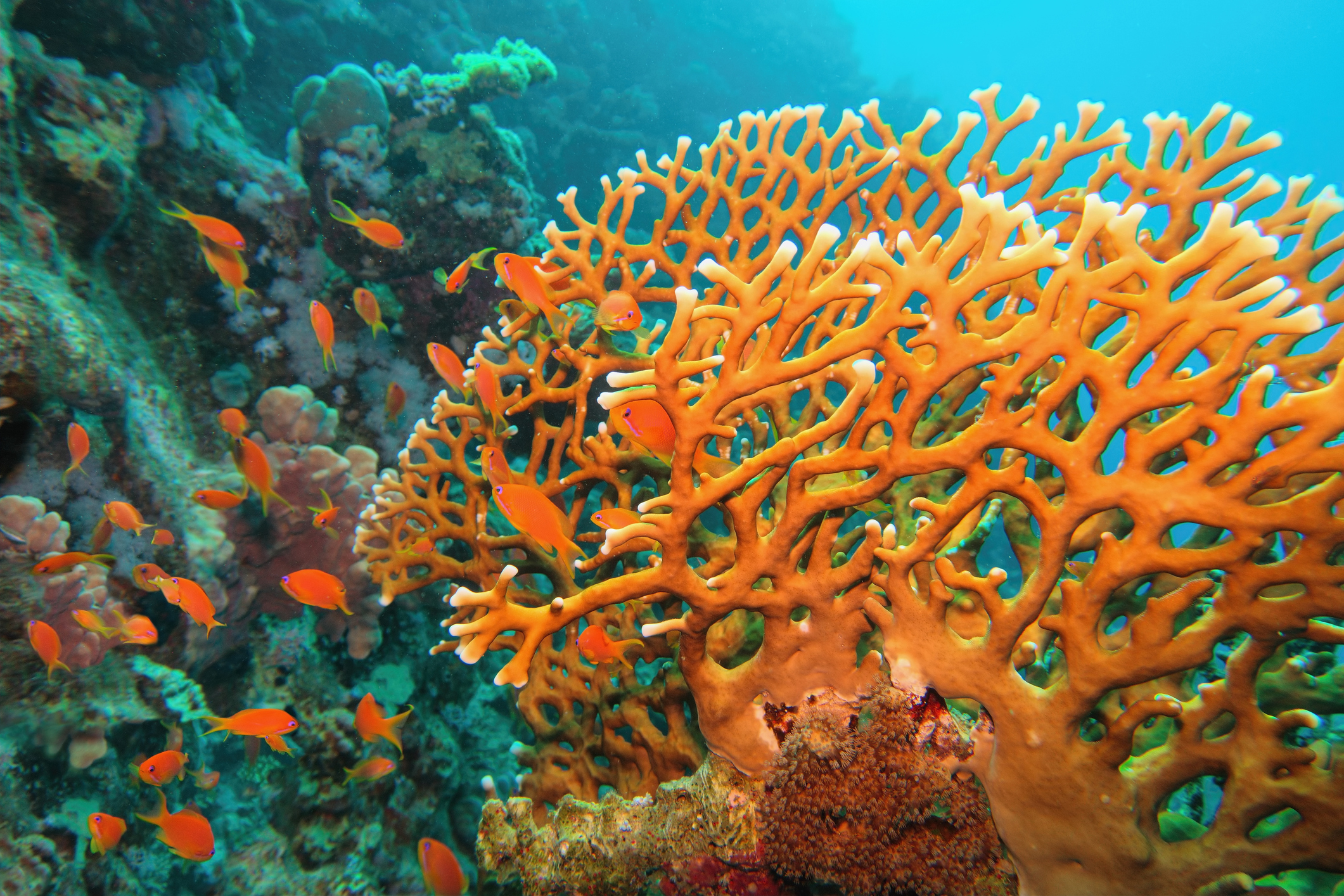
- Location: Tropical reefs worldwide
- Risks: Burning rash, welts and pain
Despite the name, fire corals are more closely related to jellyfish and sea nettles than they are to true corals. Often mistaken for harmless rocks or coral, brushing against them can trigger an immediate, painful sting and burning blisters thanks to tiny venomous capsules covering its surface. Found in tropical and subtropical waters, it causes painful rashes, welts, irritation and on rare occasions systemic toxicity. Even dead fragments remain dangerous, as their venom-filled stinging cells stay active.
- “One of the ocean’s best kept secrets”: adorable pygmy seahorse filmed hiding in coral reef
- Astonishing deep-sea 'galaxy', underwater mountains and coral gardens discovered off the coast of Chile
- "Ingestion can lead to liver failure, kidney failure, encephalopathy, and death" – 10 deadliest poisons found in nature
Top image credit: Andrew Merry/Getty Images


