What do we even mean by the end of the world? Really, it’s not the literal destruction of the entire planet, but the complete, or perhaps near complete, annihilation of the human race. And as it turns out, that could be with a bang – but it could also be with a whimper.
- A rapidly melting ‘Doomsday Glacier’ and a monstrous deep-sea fish: 6 of nature’s doomsday signals that could warn of the end of the world
- Mega volcanoes, asteroid impacts and global cooling: The five deadly mass extinctions that changed life on Earth as we know it forever
Here are 10 ways the world could end...
10 ways the world could end
Asteroid
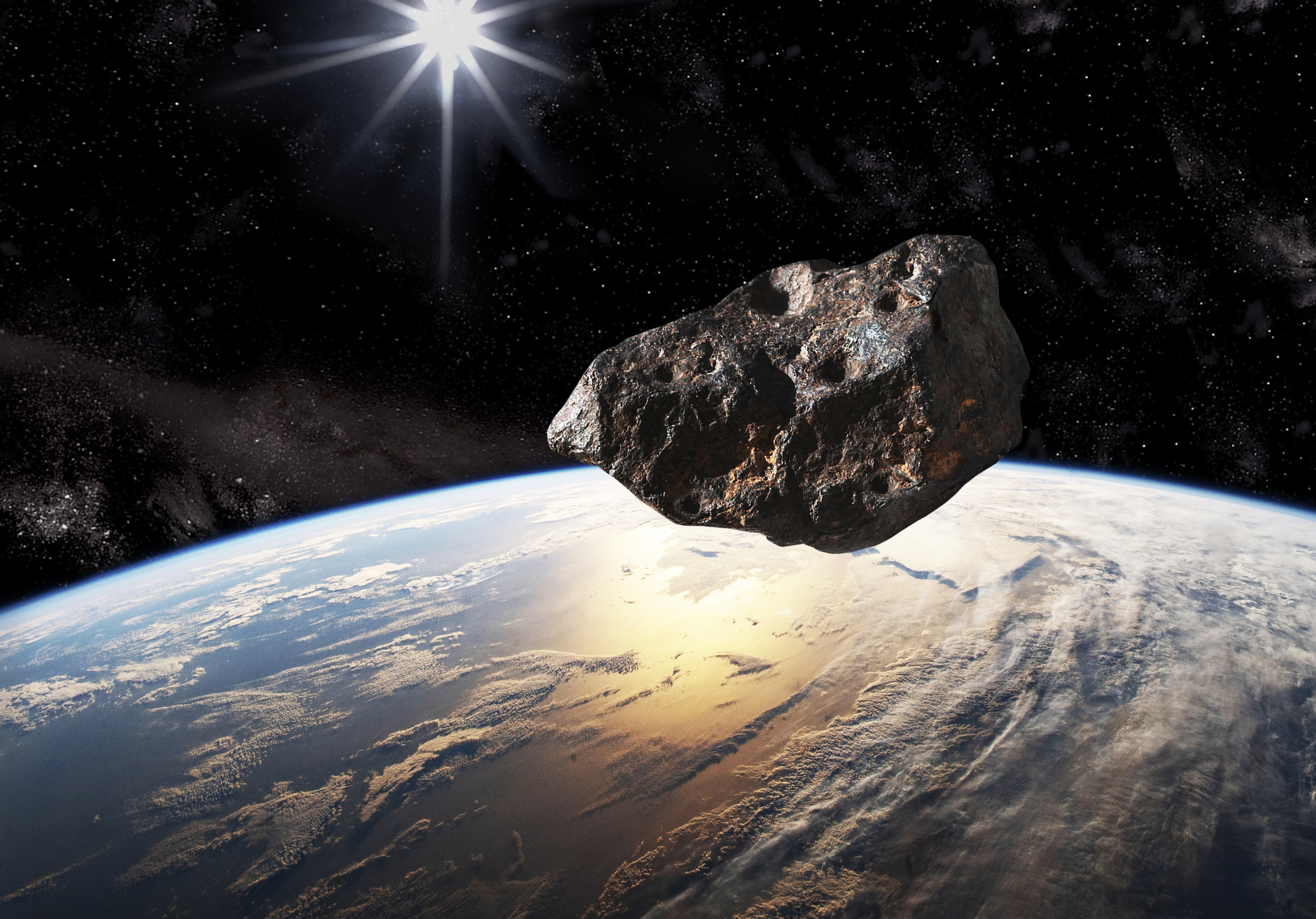
It was of course an asteroid that famously spelled the end of the dinosaurs some 65 million years ago, so could one do the same for us?
The US space agency NASA takes this threat very seriously and has worked out how much damage asteroids of various sizes would inflict: one 50 metres long would wreak havoc across cities or regions if it landed in the wrong place; a 1km asteroid would cause “possible global devastation and the collapse of civilisation"; and anything approaching 10km would be a “mass extinction-level event.”
- "Any animals standing within 1,500km of the impact would have been instantly vaporised." 10 deadly, terrifying times to be alive...
- When a rock the size of four Mt Everests hit Earth, it made oceans boil – then something even more astounding happened
Thankfully, there’s nothing out in space that currently threatens us and NASA says even an asteroid up to 1km long is a 1-in-700,000-years event.
Nuclear war
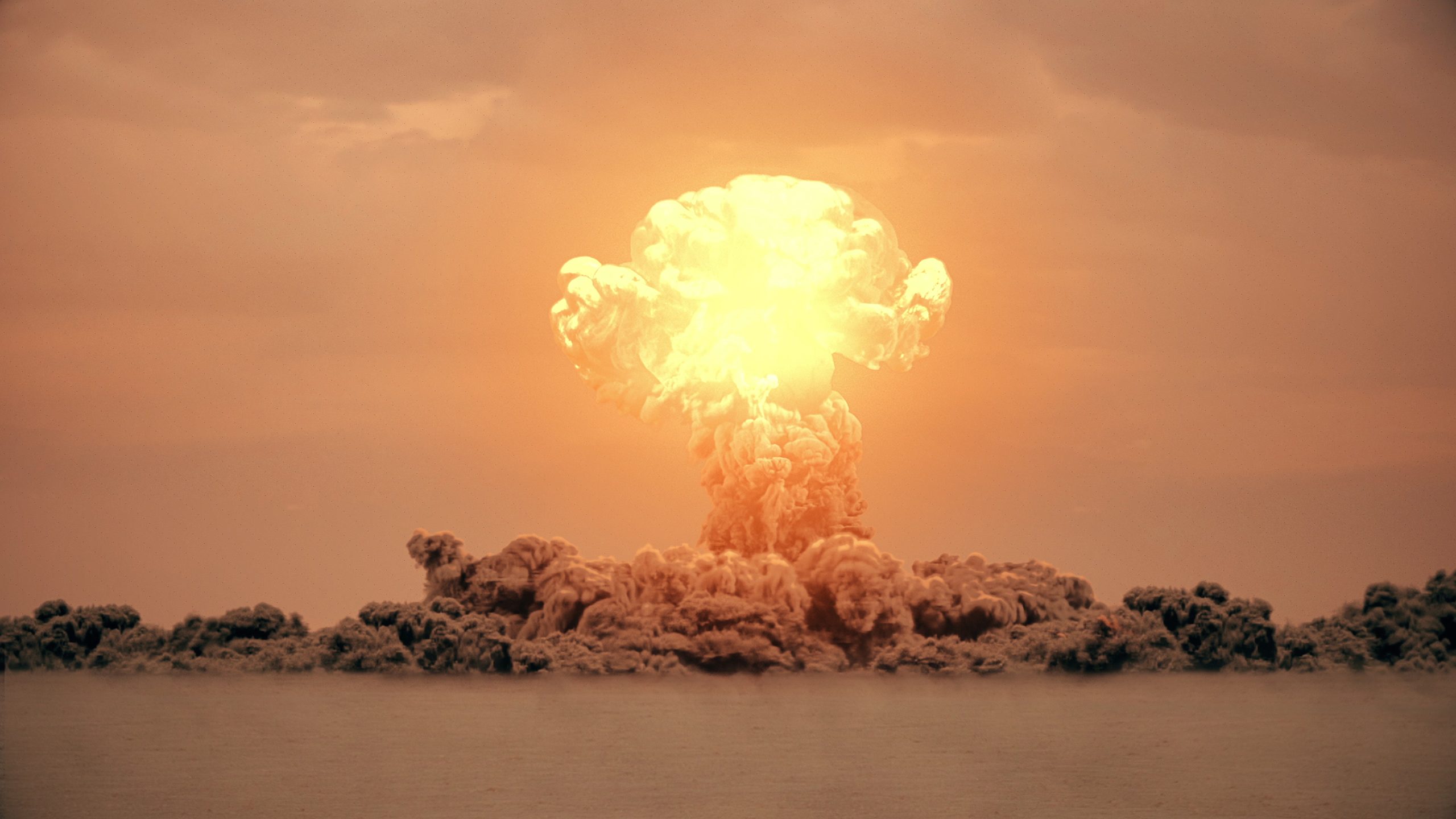
Apart from the cities and many millions of people caught up in the actual blast site, the real damage inflicted by a nuclear war would be firestorms injecting huge quantities of soot into the upper atmosphere, blocking out the sun and cooling the planet.
- Chernobyl Exclusion Zone: as humans fled the worst nuclear incident in history, animals moved in...
- Would any animals survive a nuclear explosion?
Scientists have calculated that their worst-case scenario involving a confrontation between the USA and Russia could reduce crop production by an estimated 90%. It’s estimated 5 billion people would die. Even a nuclear conflict between India and Pakistan could eventually kill 2 billion.
Disease
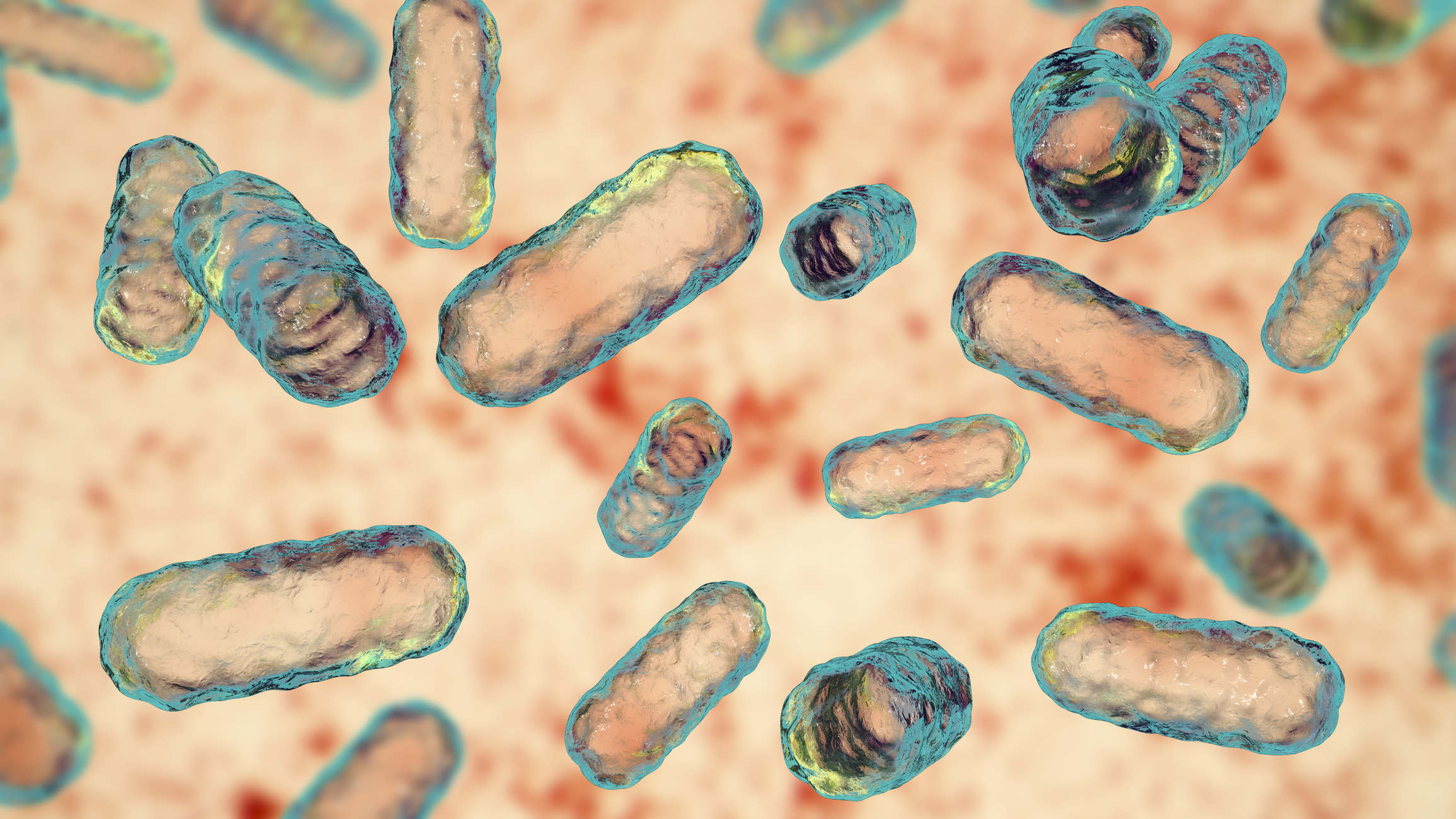
Though it didn’t remotely threaten us with extinction, the Covid-19 pandemic did probably elevate in many people’s consciousness the dangers posed by novel viruses and pathogens to our long-term future existence.
In a paper published in 2023, scientists argued that the accidental or deliberate release of a human-engineered pathogen was more likely to lead to what they called ‘global catastrophic biological risks’ that could jeopardise human civilisation, and even threaten its long-term future, than a naturally occurring one.
- "It causes confusion, comas, and extreme daytime sleepiness and without treatment, it is generally fatal" 10 deadliest, most terrifying parasites on the planet
- "It conjures horror images of wide-eyed insanity, foaming at the mouth and an excruciating death." 10 deadliest diseases humans can get from animals
On the whole, this is not considered likely – on the other hand, viruses such as smallpox carried by Europeans colonists to the Americas killed 90% of the indigenous population in the 15th and 16th centuries.
Climate change & biodiversity loss
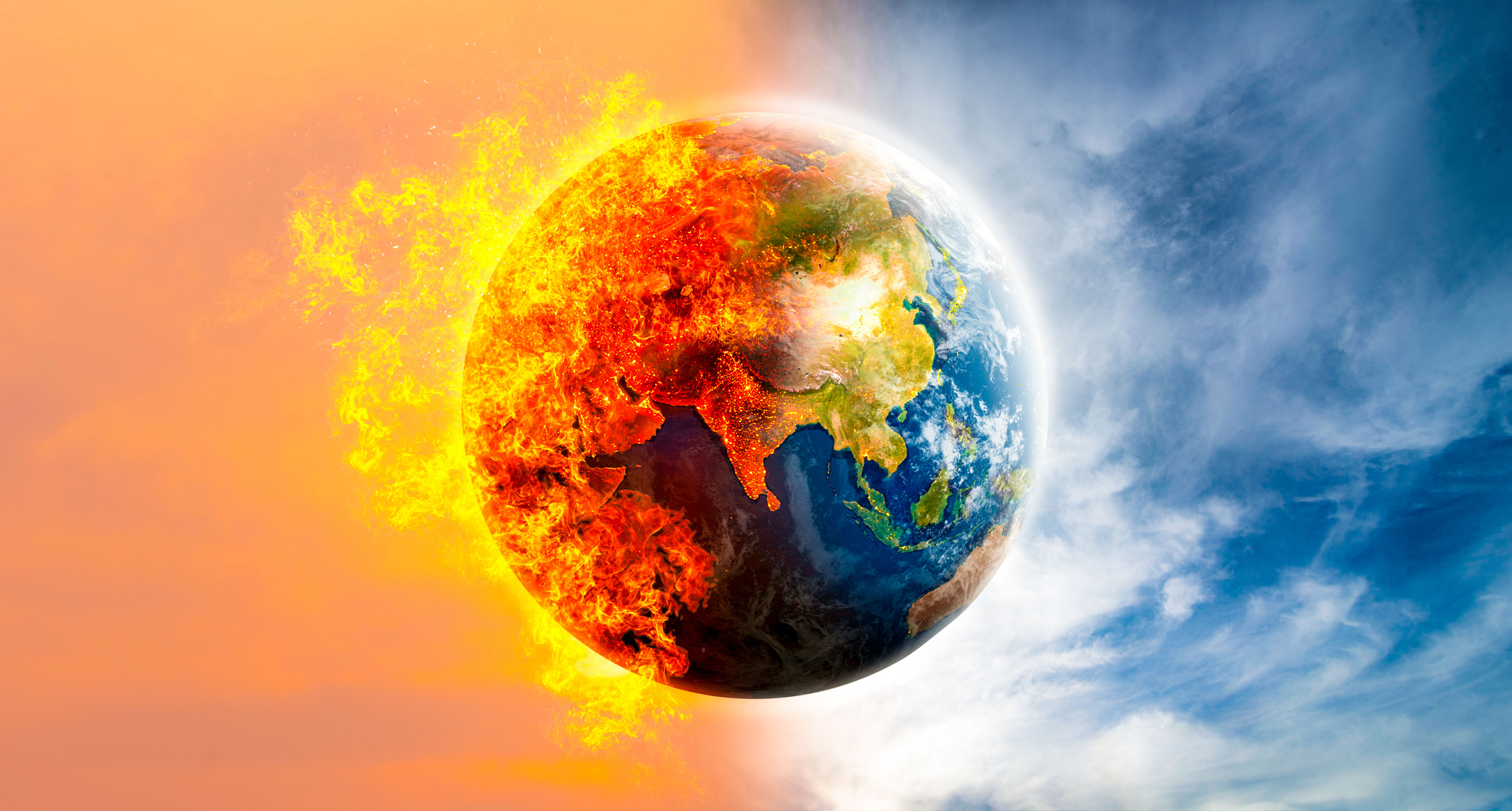
While certainly a threat to many species, climate change and biodiversity loss are not generally considered likely to bring about the whole-scale demise of humanity.
One research paper argued that “in the absence of unlikely circumstances such as 90% of biodiversity being lost, human civilisation would survive.” This isn’t a universal view, however – others say we simply don’t understand sufficiently well how these two human-induced environmental threats will impact us.
- The Sixth Extinction: what it is, what is causing it - and how many species we are losing
- 11 of the rarest animals in the world and at high risk of being lost forever
Alien invasion
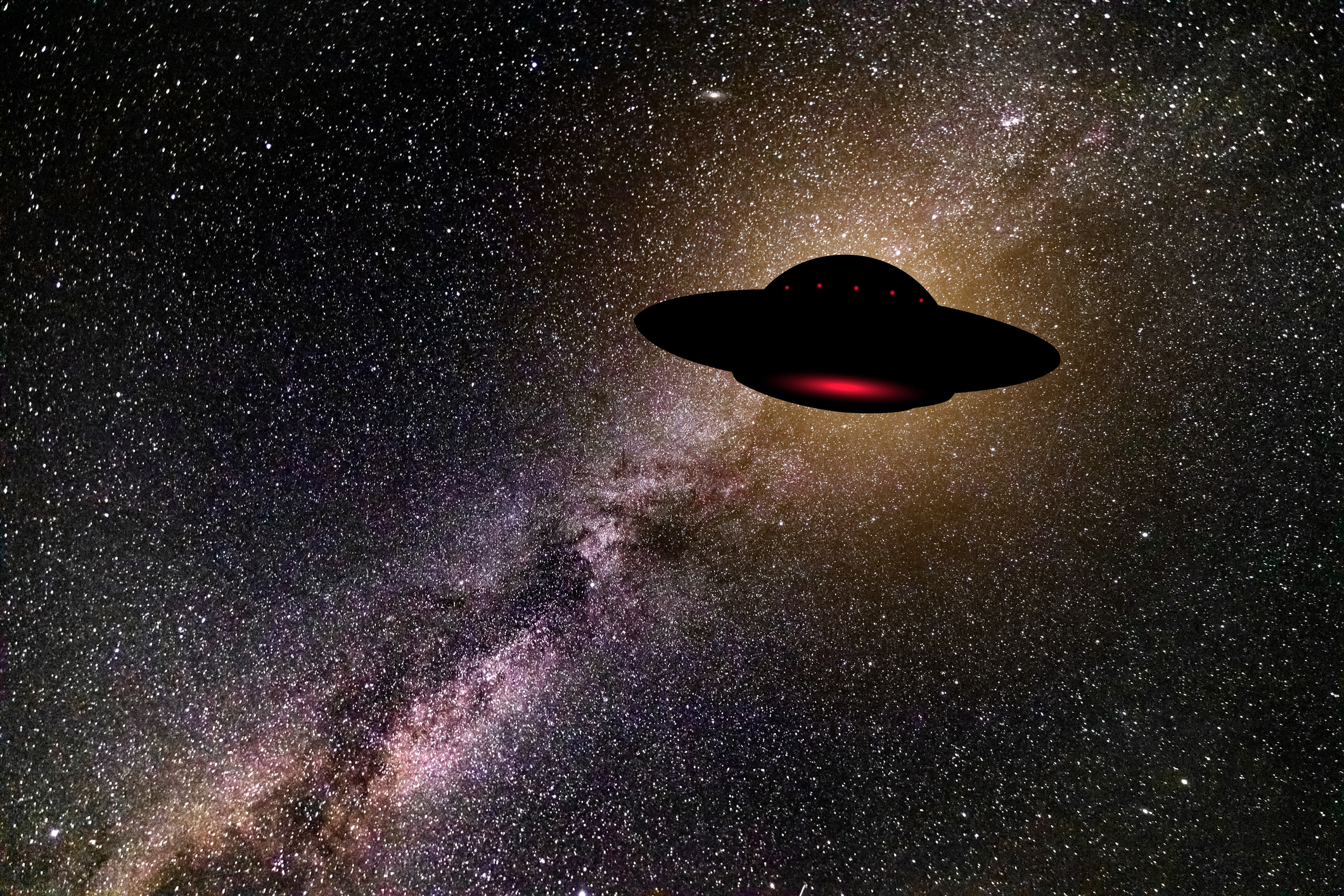
There’s a theory called the “Dark Forest hypothesis” which posits the following – like us, intelligent beings from other galaxies and solar systems (assuming they exist – but that’s a conversation for another time) fear the existence of other species that may pose a threat to them. Because they cannot know what the intentions of another civilisation may be, they may therefore try to destroy a potentially hostile aggressor before they themselves are destroyed.
- Banana-sized deep-sea oddity glows red – and resembles an alien spaceship
- "An animal in the wrong place at the wrong time can be devastating" – World's 11 most invasive animals that are causing destruction across the globe
The noted astrophysicist Stephen Hawking warned that contact with potential alien intelligence could be a huge existential mistake and resemble encounters here on Earth between technologically unequal societies – with us as the ones bearing bows and arrows, not guns.
Supernovas and gamma ray bursts
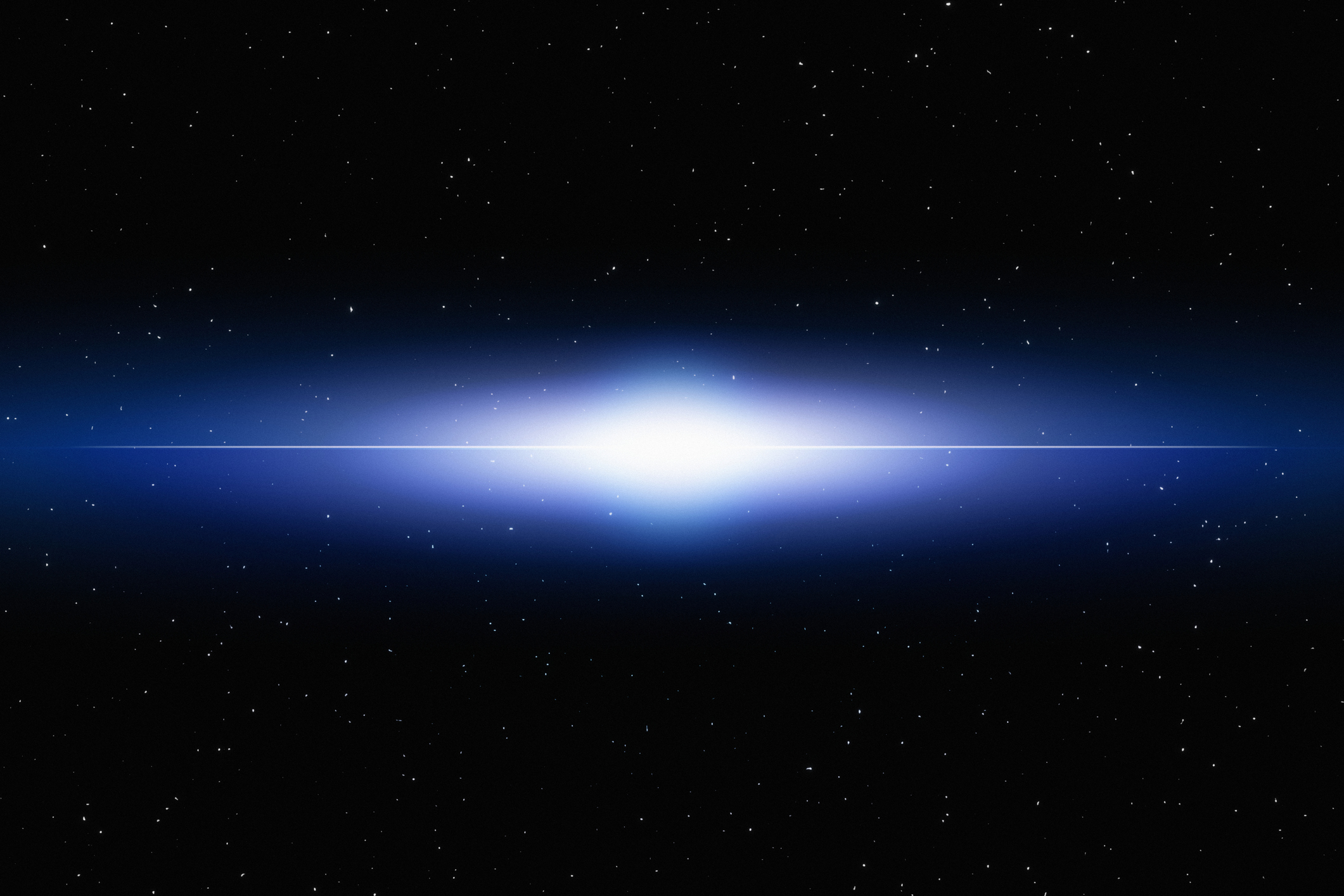
These phenomena are ones to put under the “extremely unlikely to happen but could cause mass extinction if they did” category.
Gamma ray bursts (often shortened to GRBs) originate from the collapse of massive stars or the collision of two neutron stars, and a GRB has been identified as possibly triggering a mass extinction of marine species 450 million years ago.
A GRB (and conceivably a supernova) could damage the protective ozone layer and lead to much more harmful ultraviolet radiation from the sun reaching life on Earth - damaging crops, phytoplankton and even our and other animals’ DNA. Microbes, extremophiles and organisms at the bottom of the oceans would probably survive.
Infertility
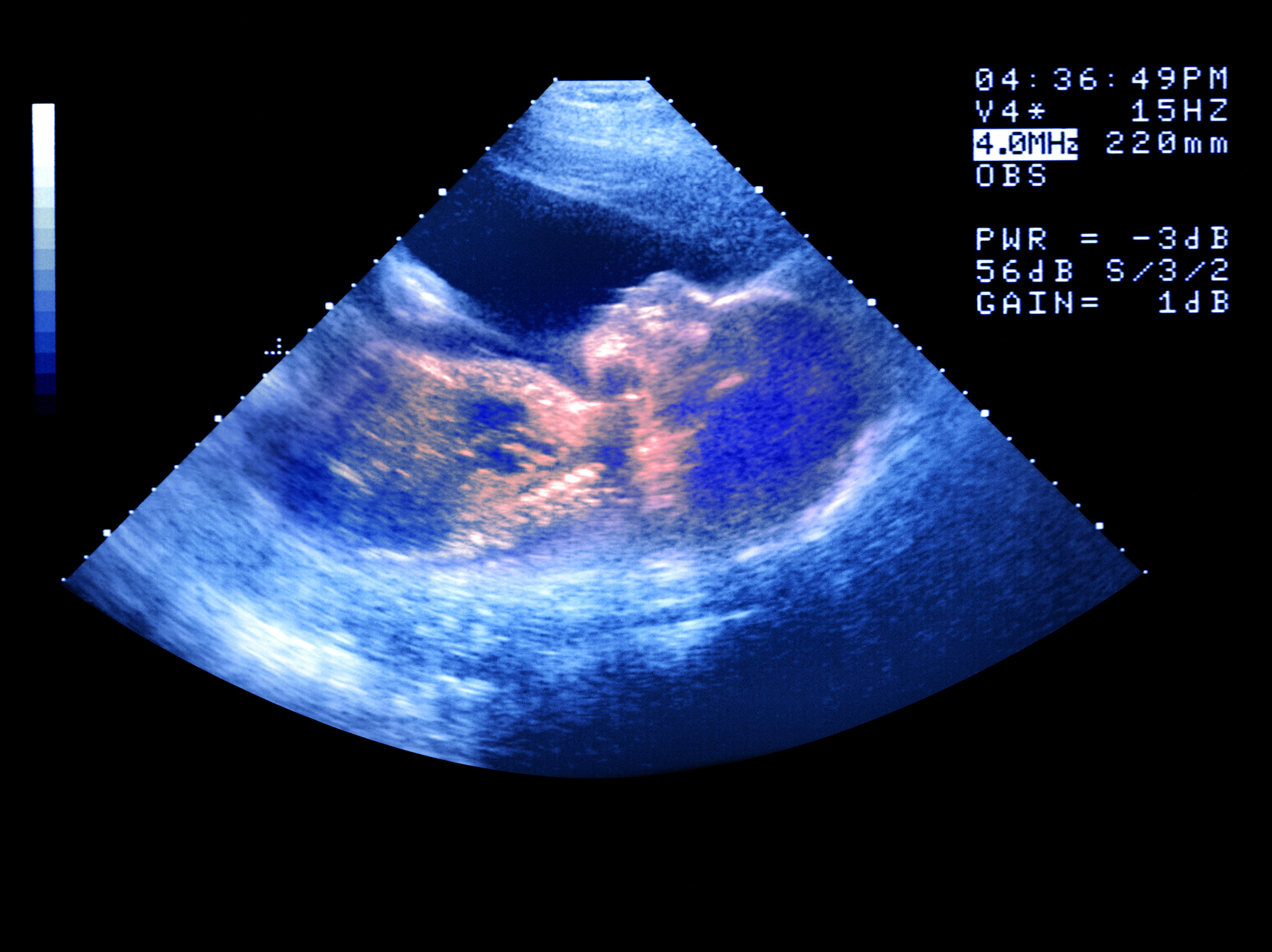
In the 2006 film Children of Men, humanity is on the brink of collapse as a result of decades-long human infertility. Clearly, such a scenario would lead to our demise. But could it happen? Some scientists say some kind of engineered biological agent could easily lead to infertility by damaging either male or female reproductive organs, though there is nothing of this nature known to us at the moment.
- "They’d have a very hard time indeed building things with their flippers" – Which animal would dominate the world if humans went extinct?
- "99 per cent of the species that have ever lived have gone extinct": Why life needs extinction and how it can be a force for good
Perhaps a more plausible scenario is creeping infertility leading to the birth rate not keeping up with the death rate and gradual demographic collapse. PFAS (or so-called forever chemicals), radiation exposure, heavy metals and some industrial pollutants are all known to interfere with reproduction, but that is a long way from saying they could cause humans to go the way of the dodo.
Artificial intelligence

Artificial Intelligence, or AI, could be the mastermind behind any number of global catastrophes that spell the end of our time on Earth. It could trigger a worldwide nuclear war, for example, or bioengineer an unstoppable epidemic.
- AI in wildlife conservation: A revolutionary step or just a more efficient way to "record the sinking of the Titanic"?
- Fighting fire from space: How AI could save millions of Australian animals from deadly wildfires
In a recent survey of AI experts, up to half of the respondents gave at least a 10% probability to AI causing human extinction or something nearly as bad at some point in the future. It might not even mean to kill us off – an Advanced General Intelligence (AGI) could simply modify the planet’s environment for its own benefit but one that makes it unliveable for us.
Simulation theory
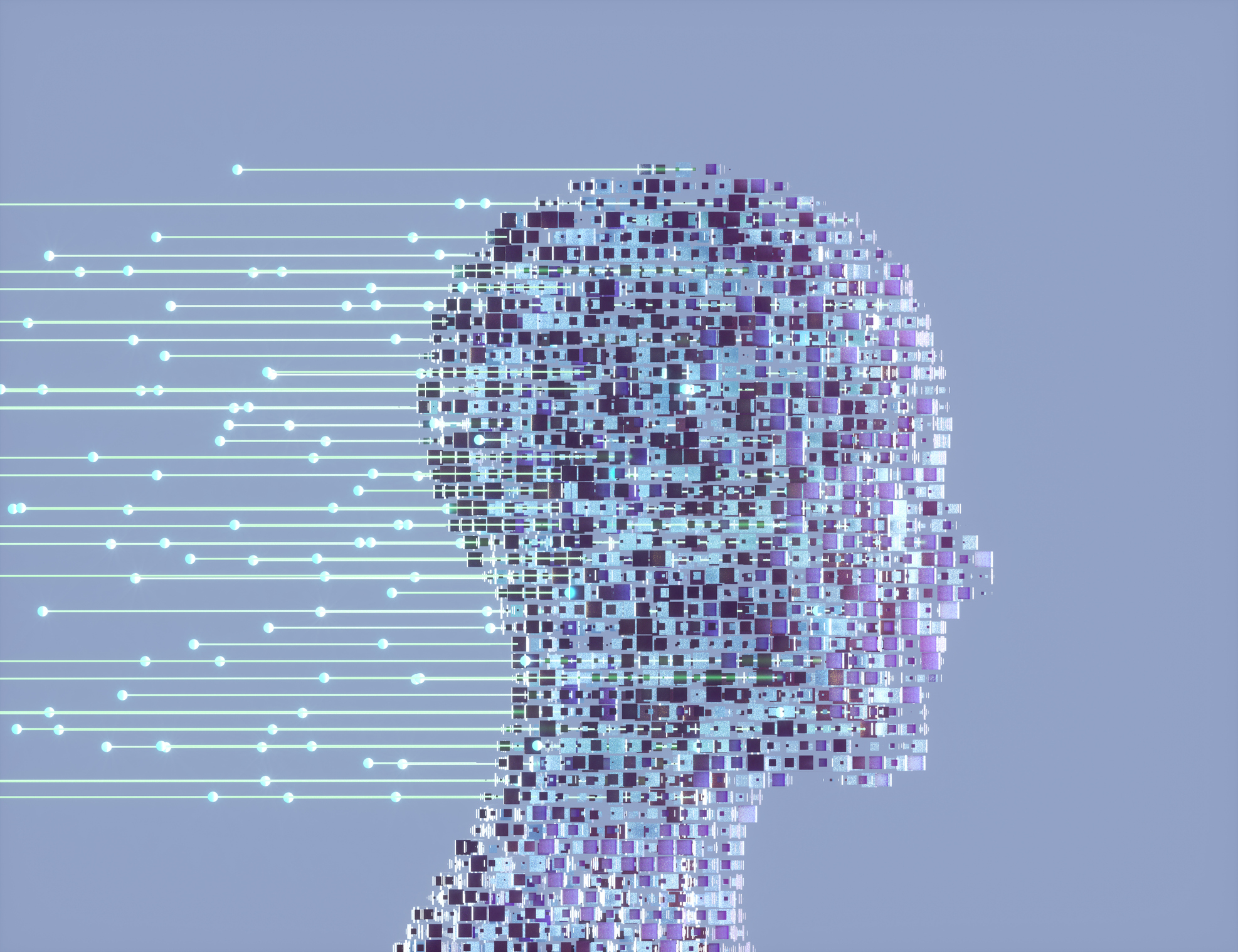
There is a theory that’s been around for two decades that we – our consciousness – are simply the product of a computer game that’s being run by a far more technologically advanced society than us.
Some people compare this to the film The Matrix, though it’s quite different to that – in simulation theory, we don’t even exist as such, we’re just code in a computer. So the question goes - what if the entity running this ‘game’ suddenly gets bored and decides to switch the whole thing off? Wouldn’t we simply stop existing, just like that? We’ll never know for sure, but it does seem a trifle unlikely.
Solar expansion
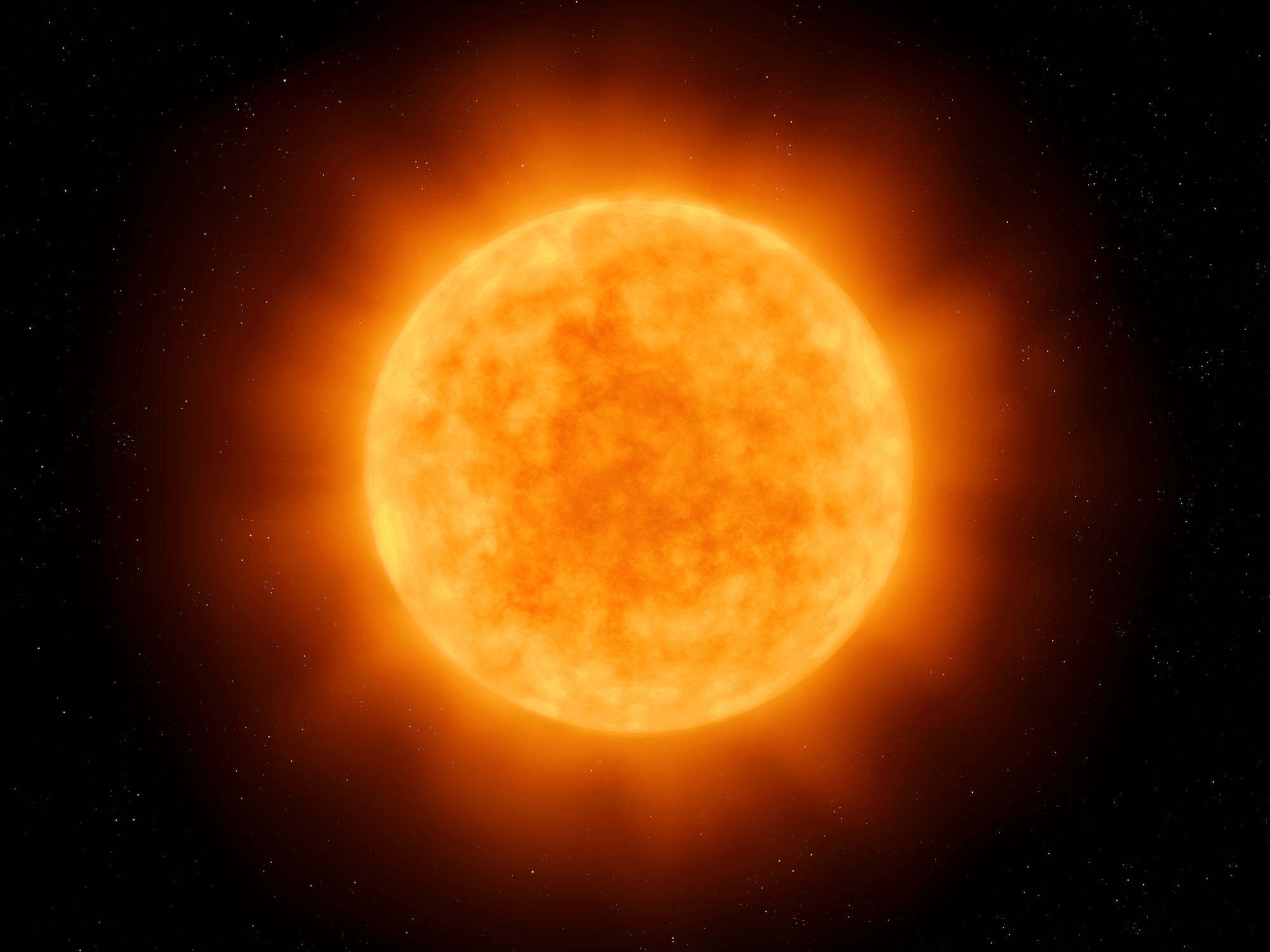
OK, brace yourself – this is the one that is definitely going to happen. Our sun is slowly getting brighter over time (it’s 30% brighter now than when the Earth formed), and this will heat the Earth over the next 1 to 1.5 billion years to such an extent that the planet becomes uninhabitable to complex life.
- When the Earth burned for 5 million years: Great Dying could happen again with just as deadly results, scientists warn
- "It's astonishing": animal in India sings when sun is precisely 3.8° below horizon every dawn, say scientists
Water will evaporate, leaving a dry barren surface. The planet will become something like an even hotter version of Venus. For a while, micro-organisms might survive in underground rocks and caves, but 5 billion years from now, the sun will have used up all its hydrogen and expand into a red giant, possibly even engulfing the Earth so that it literally no longer exists.
Either way, the human race will be run – unless we have escaped to another solar system...
- “Even here, at the edge of the world, the fingerprints of global warming are unmistakable”
- A ‘demon cat’ that haunts the White House and a tsunami-predicting fish – 11 animals associated with death
Top image: zpagistock/Getty Images