Some females, like the honeybee, are examples of altruistic behaviour, where organisms work hard for the greater good of the community rather than their own individual survival. And some - like the reproductive processes of the bed bug - are extreme examples of evolutionary adaptations that ensure survival of the species.
- 11 deadliest females on the planet: Discover some ferocious female animals that you wouldn't want to mess with
- 9 deadly, brutal females that lure males to their death: For these unlucky male animals mating is a lethal business
Meet the females of the animal world that have some of the most difficult - and sometimes horrific - lives.
8 animal females with horrible lives
Spotted hyenas
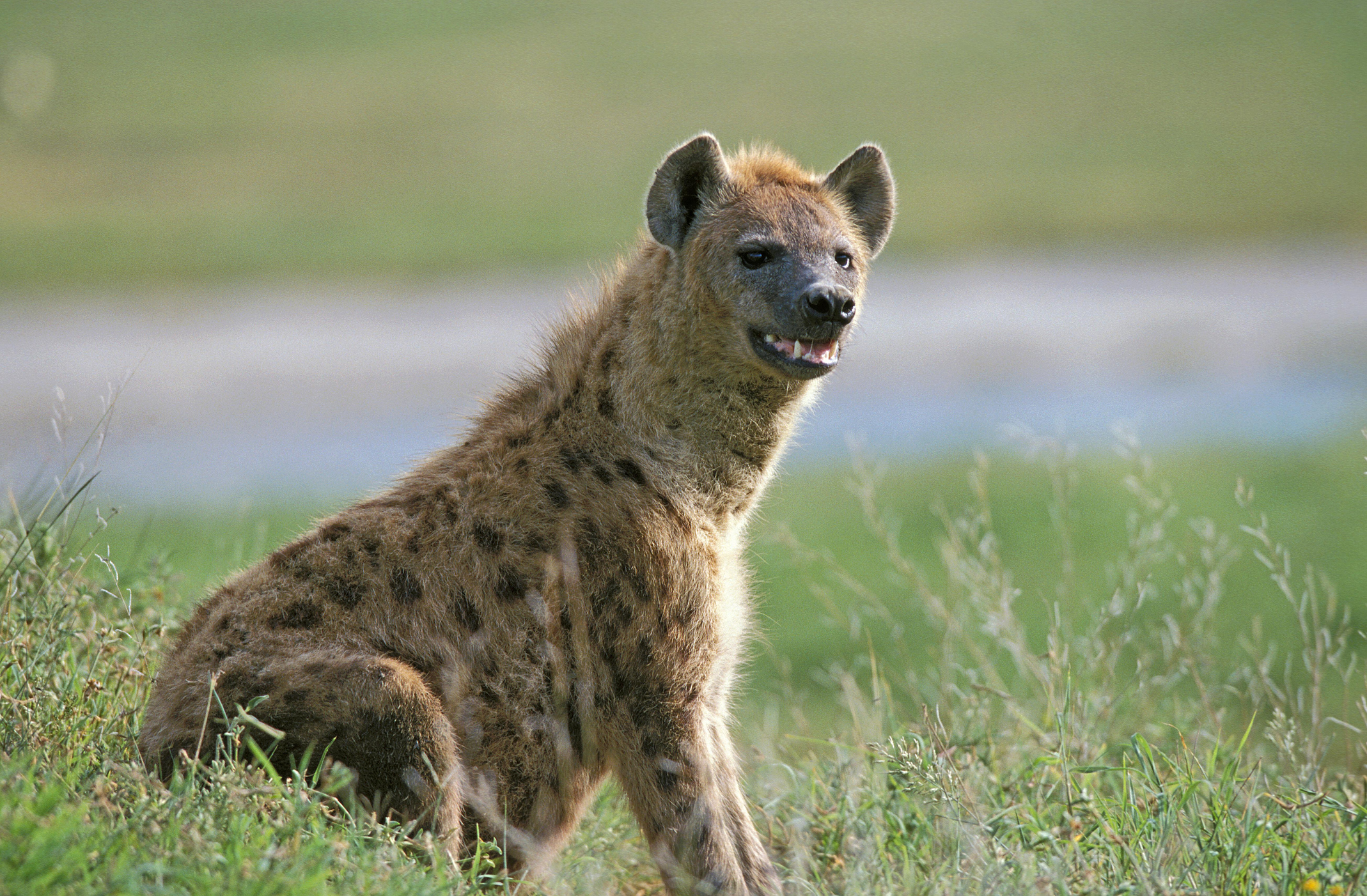
Birth can be a painful and risky process for any animal that produces live young, but for spotted hyenas (Crocuta crocuta), there’s an extra element of risk. This is due to their intriguing reproductive anatomy; female hyenas have a pseudo-penis through which they urinate, mate… and give birth.
The pseudo-penis is actually the clitoris and is capable of erection. Female hyenas also have a pseudo-scrotum, produced by the fusion of the labia. There’s no vagina - instead, the pseudo-penis contains the urogenital canal which fulfils all those functions.
As you can probably imagine, this evolutionary development comes at a massive reproductive cost. Females almost always have stillborn first cubs because the placenta is not long enough to cope with the additional length to the birth canal that the pseudo-penis creates.
It’s also only around 1.5cm wide, so the end of the pseudo-penis also usually tears open during this first birth to allow the cub to pass, which can take time. As a result, the cub often suffocates in the process, and it can’t be a pleasant experience for the mother either.
Why on earth has the hyena evolved such a costly approach to mating? Hyenas live in a complex, matriarchal society. Males are submissive to females, and this method of reproduction means that copulation can only happen if the female wants it to, giving the female full control of who she mates with.
- "My first reaction was disbelief": spotted hyena seen in Egypt for first time in 5,000 years
- These 8 astonishing, brutal hyena photos reveal the raw chaos, power and intelligence of these top predators
Bed bugs
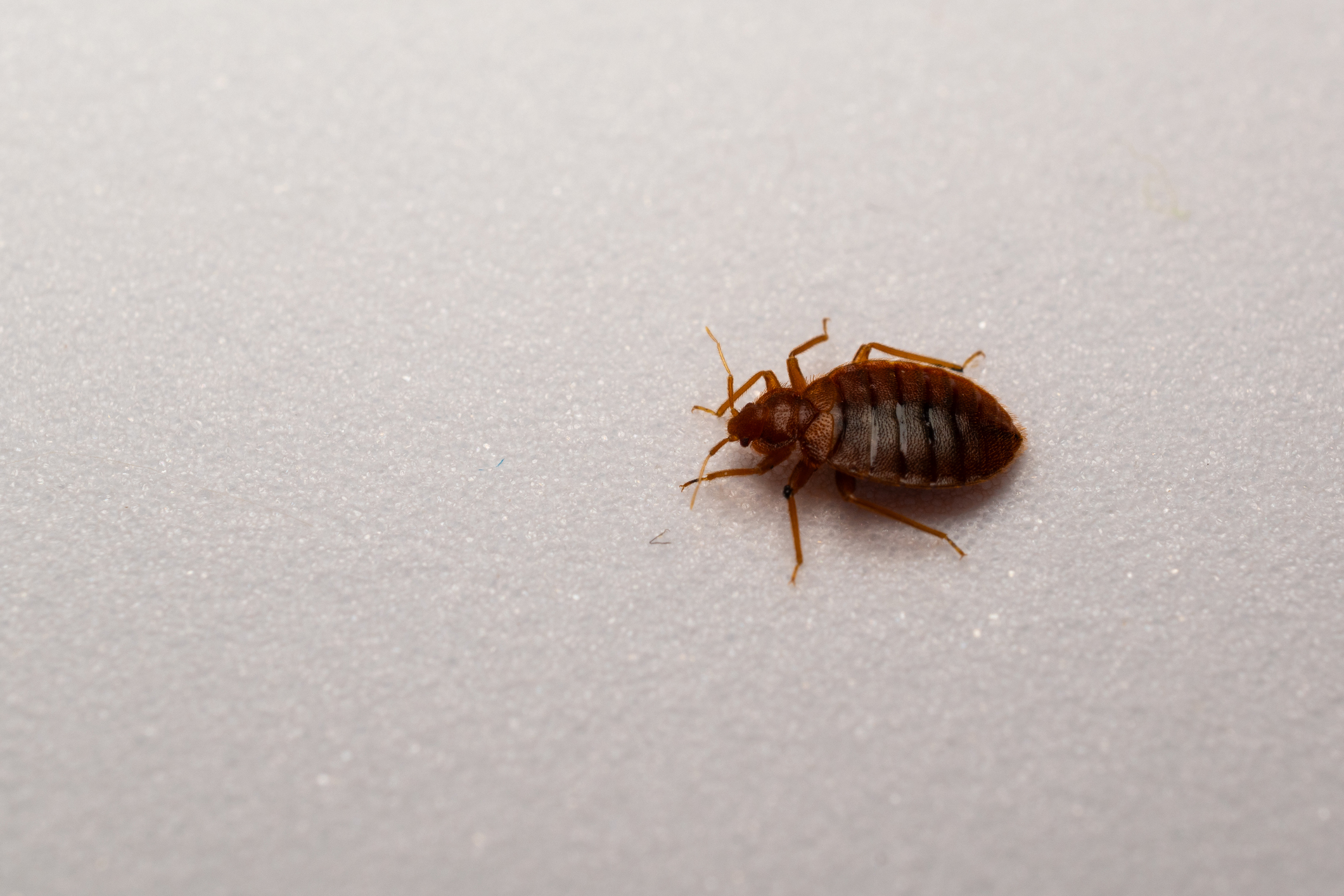
Bed bugs (Cimex lectularis) aren’t anyone's favourite insect, but spare a thought for the female bed bug who has to undergo something called traumatic insemination as part of the mating process. And yes, it’s as horrific as it sounds.
Bed bugs scuttle about in the dark, and low light levels can make detecting the correct orifice in the female for the male to deposit their sperm an unnecessarily involved process. So instead, the bed bug has evolved an alternative method where accuracy is optional.
The male has a terrifying needle-like reproductive organ called an aedeagus. Males detect females who have recently fed, jump on their back and stab them in the abdomen with it. This transfers sperm into the body cavity of the female which then migrates to the ovaries to fertilise the female’s eggs.
This of course leaves the female with a gaping wound in her abdomen, and since females can be mated multiple times, unsurprisingly this does have an impact on the longevity of females as they heal from the experience.
However, in some species females have evolved an organ called a spermalege which mitigates some of the effects of traumatic insemination. Firstly, it provides a ‘target’ on the female’s abdomen for the male to aim for, and secondly ‘heals’ the wound and helps fight off infections that might have come from the male.
Elephant seals
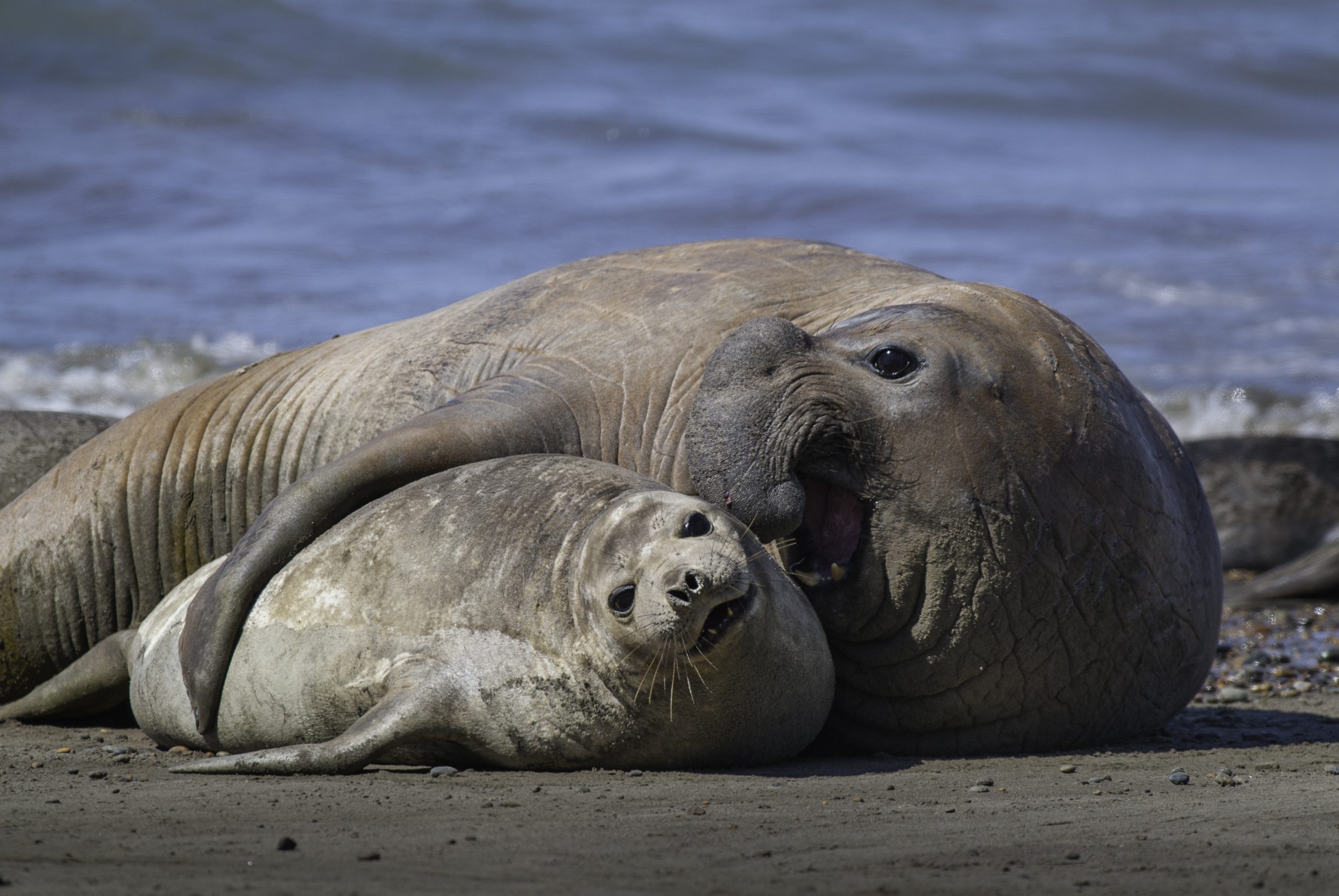
Elephant seals are the largest seals in the world. There are two species: the Southern elephant seal and the Northern elephant seal, and the males of both species are considerably larger than the females. This, combined with an aggressive and strictly scheduled mating process, puts the females' lives in danger, with many of them crushed to death during copulation.
The males or bulls of the Southern elephant seal - the larger of the two species - can reach lengths of up to 5.8m and weigh 4,000kg. In comparison, the females of the species (cows) reach a maximum of 3m length and 900kg weight. That’s a significant difference. Alpha bulls run ‘harems’ - groups of up to 50 cows - and fight other male challengers in bloody battles to ensure dominance and control of reproductive opportunities.
Sex is risky - with a much larger male mounting a female, crushing, injury and death is not uncommon. But even once their young have been born and weaned, females can still face a fatal outcome when they attempt to leave the harem. The trade-off, evolutionarily speaking, is the opportunity to produce young with the DNA of the strongest, most dominant male.
Deep-sea anglerfish
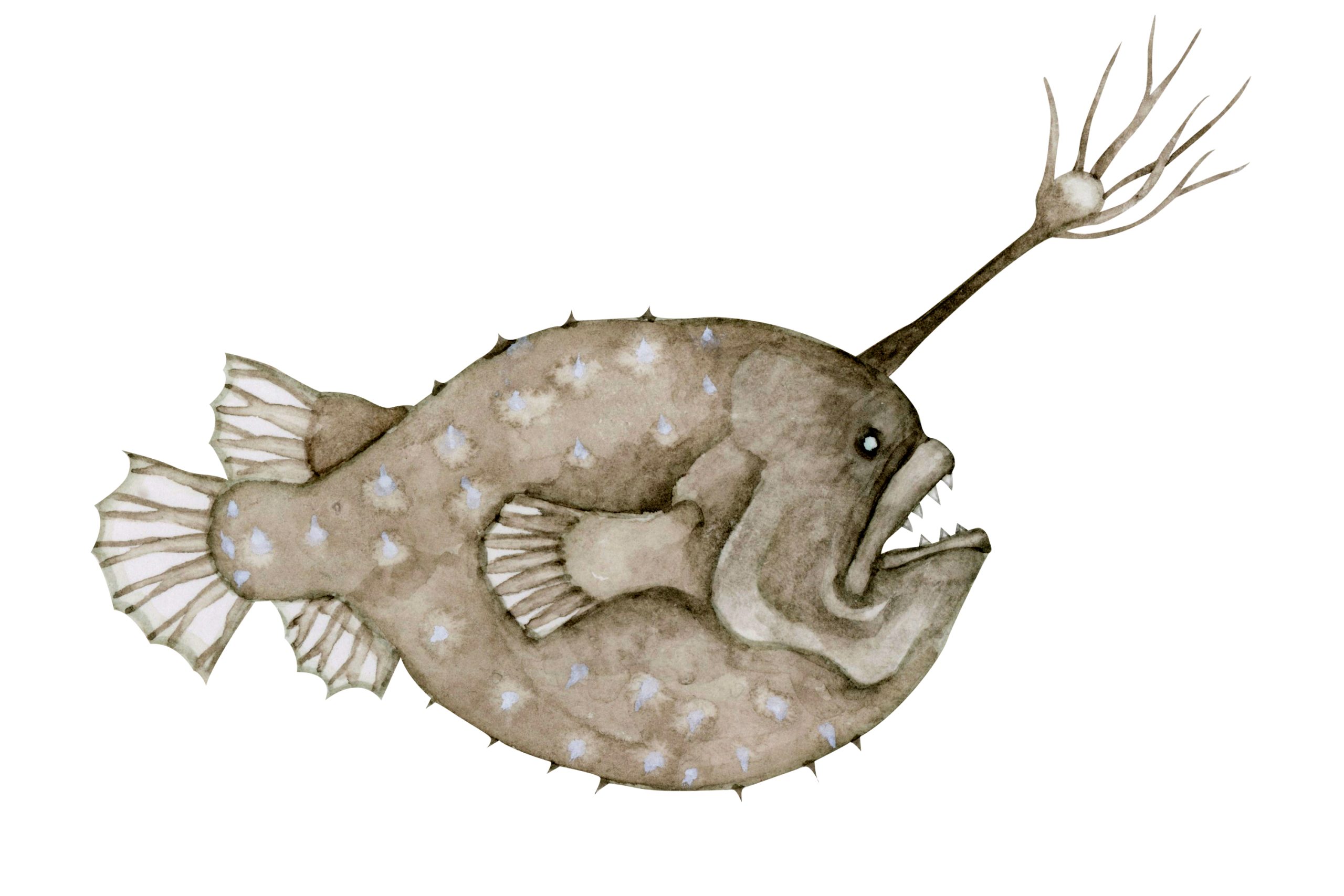
The hard-working woman supporting the lazy male partner is a familiar trope, and real-life examples exist in the wider animal kingdom - one of the best examples is the deep-sea anglerfish.
The deep sea is almost pitch black, and vast. Finding food is hard, and finding a mate isn’t any easier, so from an evolutionary standpoint it makes sense to stick together once you’ve found one. For angler fish, this is very literal.
Once a male finds a female, he latches on – and over time literally fuses with her. Their skin grows together, their tissues fuse, and eventually they end up sharing a circulatory system. The female is much larger than the male, so she ends up doing the hunting to feed both of them, while he leeches nutrients from her blood. In order for this to happen, angler fish have an unusual immune system that means their bodies don’t reject each other.
The upside for the female is that there is always a male on hand to fertilise her eggs, even if she does have to do most of the work. And if she is really lucky, she might even end up with more than one male. The most males found on a single female is eight!
Octopus mothers
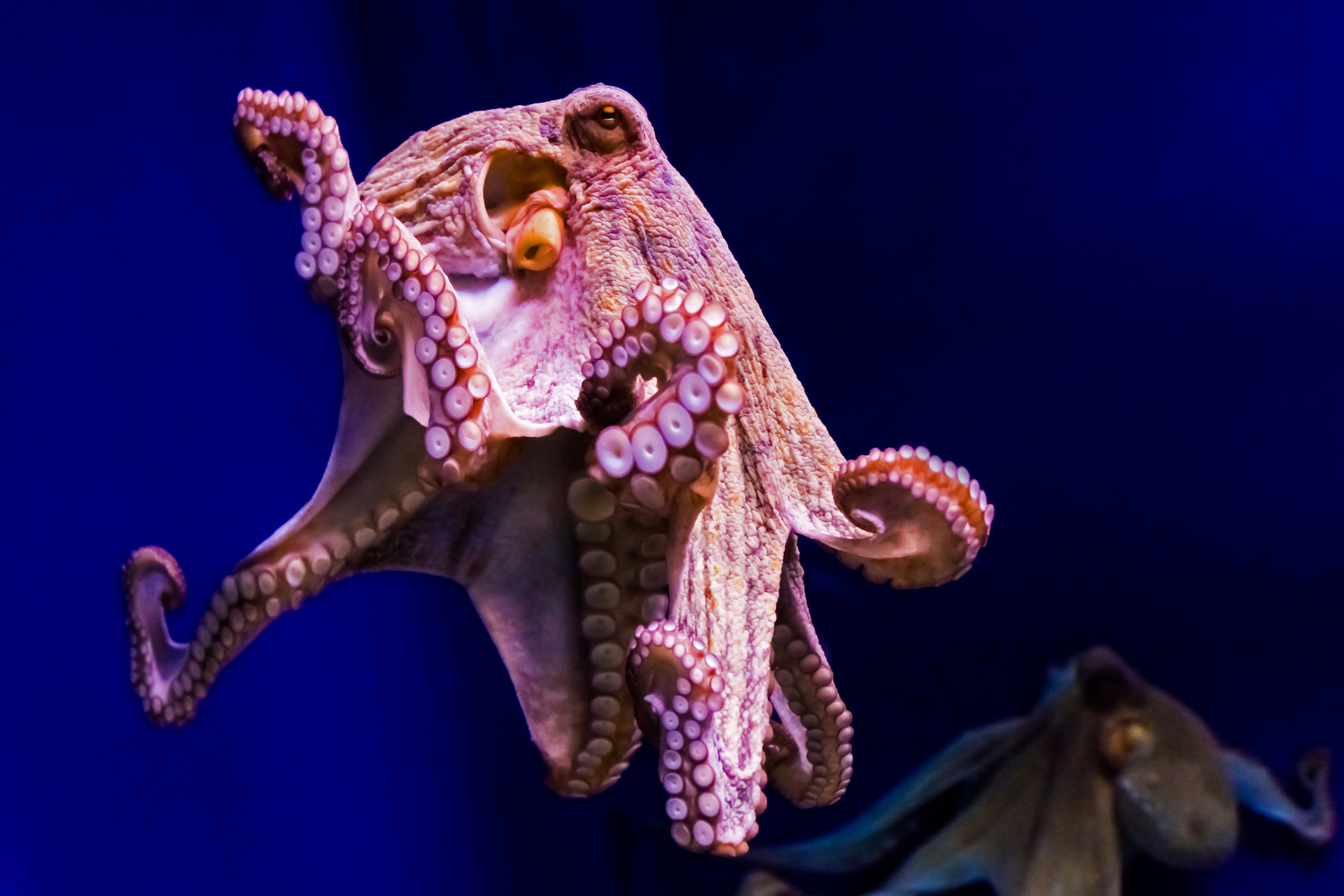
In nature, there are plenty of examples of mothers that will make sacrifices for their offspring, and one of the most dedicated mothers in the animal world is the octopus. They will sacrifice their own lives for the survival of their eggs – and they do it in a particularly horrible way.
- Squid vs octopus: what's the difference between these multiple-limbed sea creatures?
- Why do female octopuses die after reproducing?
In many octopus species, once a female lays eggs, she will stop eating and spend her time protecting her brood. But if slowly starving to death sounds bad, what happens with female octopuses is much, much worse.
Once the eggs are nearly ready to hatch, a hormonal shift happens in the female. This causes a pattern of extreme self-destructive behaviour that will eventually result in her death. She will move away from the brood, she may eat parts of her own arms or dash herself against rocks to injure herself. She essentially accelerates her own demise.
If you’re wondering what the evolutionary advantage of this is, you’re not alone. It’s something that scientists have been puzzling over, but one reason might be related to other octopus behaviour. Octopuses are cannibals, and will eat members of their own species. So it does make sense to remove what might end up being the biggest risk to young, weak and defenseless baby octopuses - the nearest adult octopus, even if it is their mum.
Honeybees
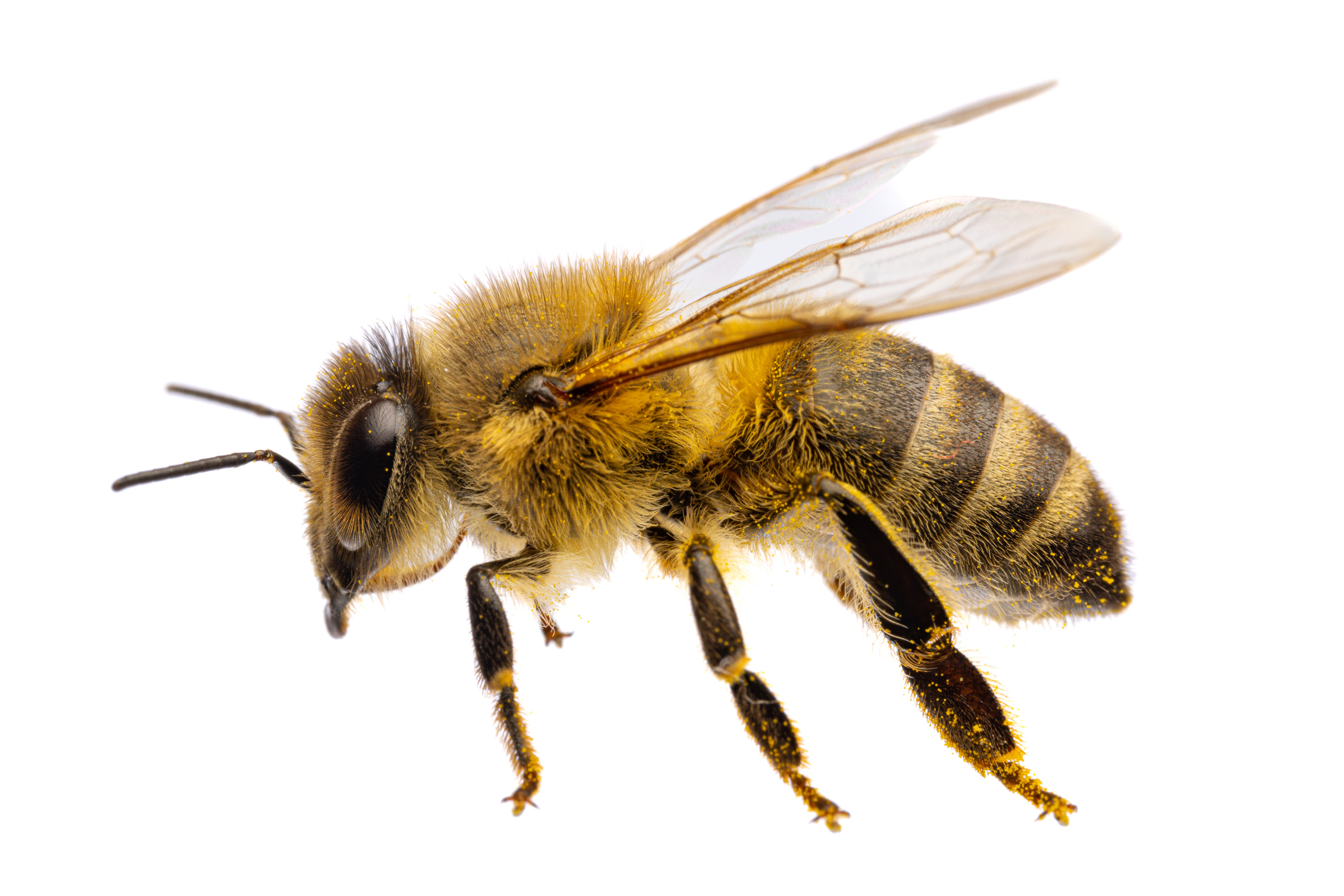
'Busy as a bee' is a phrase we’re all familiar with, but to be scrupulously accurate, it really should be ‘busy as a female bee’. That’s because the worker bees in a colony are all female, and do pretty much all of the work. When you see a honeybee buzzing about flowers collecting nectar, that’s a female bee. When bees defend a hive, that’s the females working together to fend off aggressors.
- “Torture. You are chained in the flow of an active volcano.” One scientist was stung by over 150 insects over 35 years. Why?
- This utterly surreal bee is like nothing you've ever seen before – unless you're from Australia
And of course they do all those jobs as well as brood care - looking after the young. In fact, pretty much all the males, or drones, do is wait to have an opportunity to mate. Granted that the males do die explosively in the act (it’s one of many animals that die during sex) but that still doesn’t really sound like an equitable division of household chores, does it?
Orcas
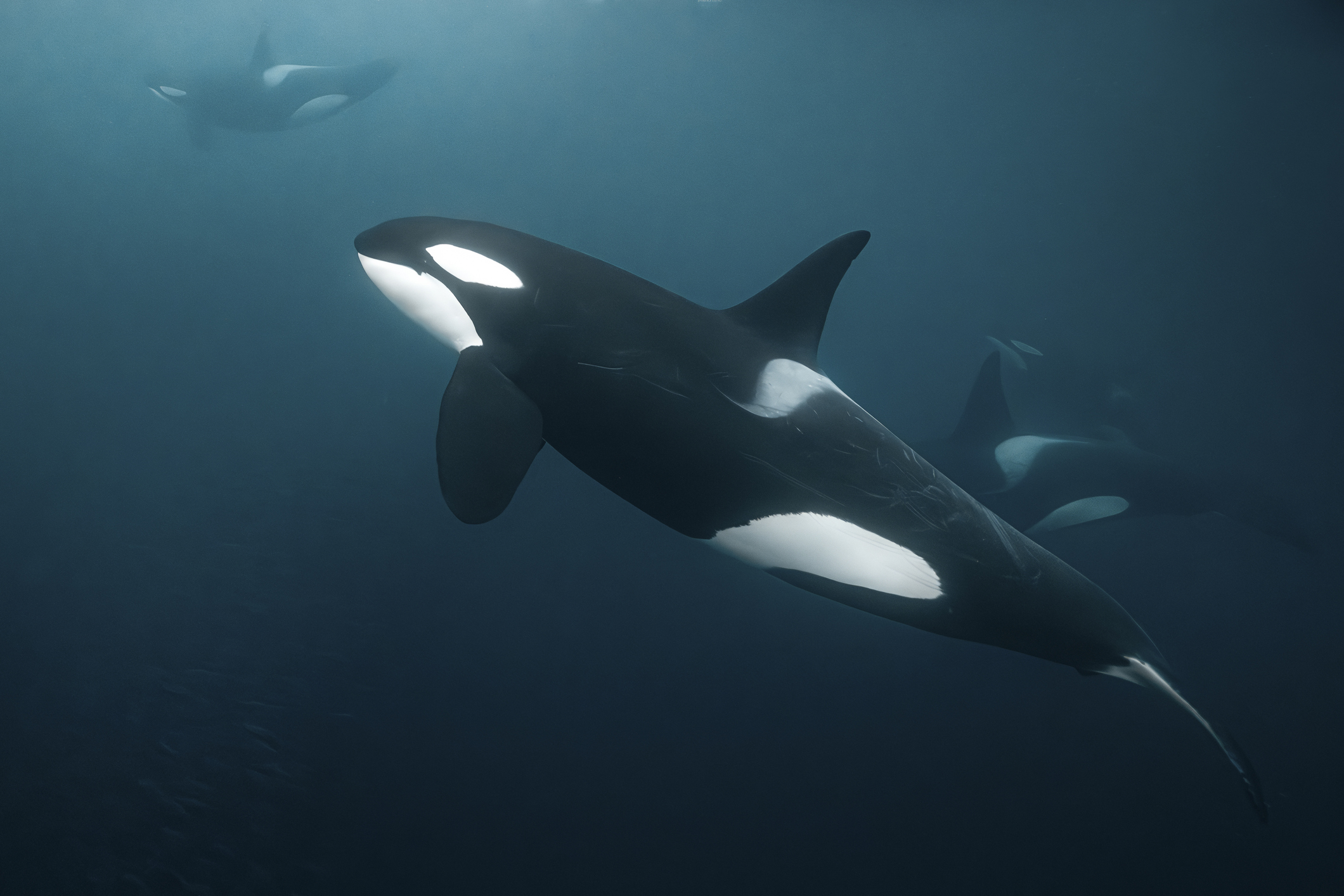
Did you know that orcas (Orcinus Orca), also known as killer whales, not only go through menopause like humans, but also have the longest post-reproductive life span of any animal apart from humans?
Female orcas reach peak maturity around 20 years old, breed until they are 40… but can live to an average of 50 to 80 years. That’s a long time post-menopause, and if they aren’t directly reproducing, how are they contributing to the survival of the species?
The answer is the ‘grandmother effect’. Having females around with close bonds to the family group and young means there are more adults around to help care for, support, feed and protect the young. This increases the chances of survival of the young, the pod, and indirectly the ‘grandmother’s’ own genes. And actually, this doesn’t sound too horrible at all.
Green anaconda
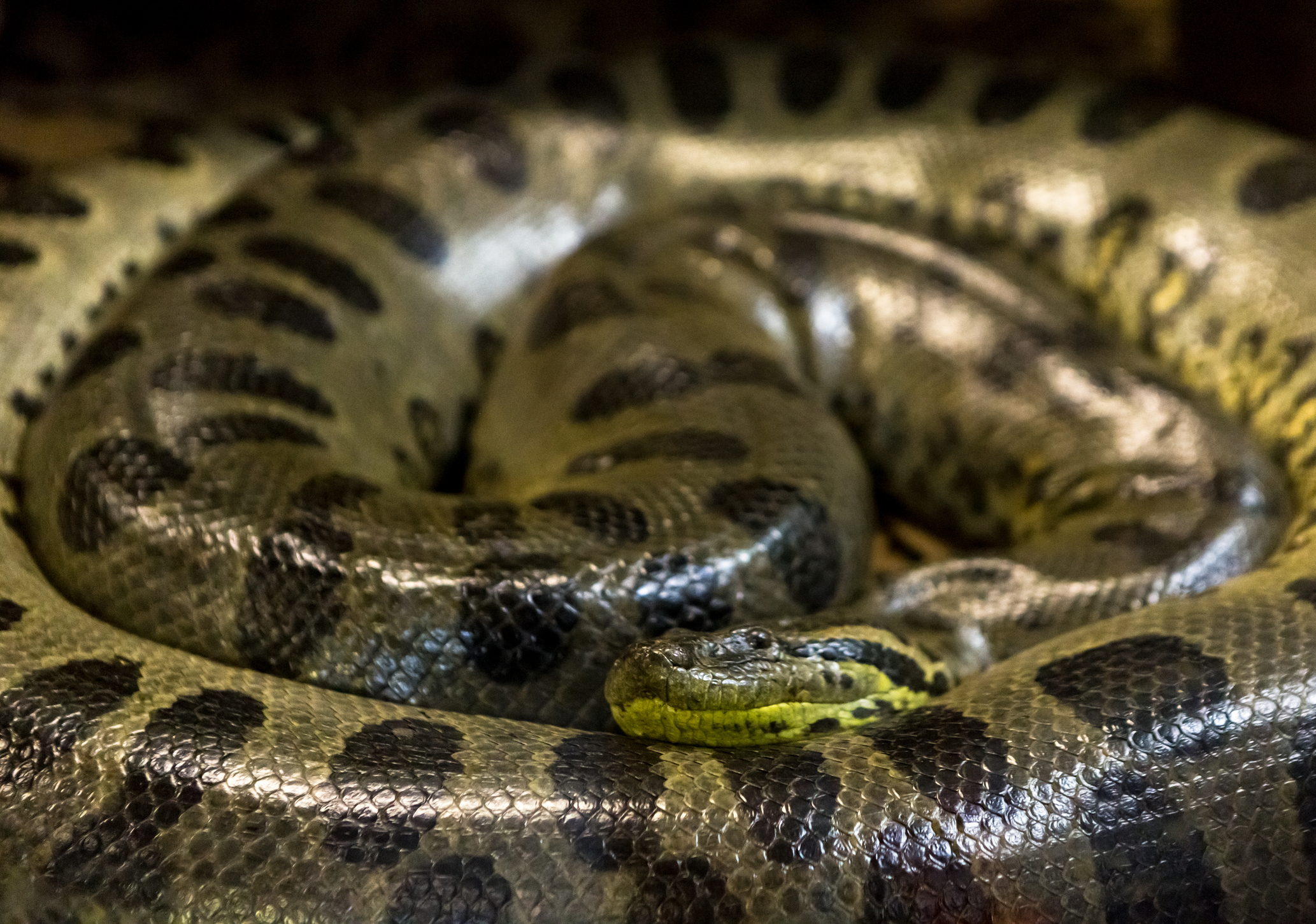
The female green anaconda (Eunectes murinus) is the heaviest snake in the world - some have been known to exceed 100kg. Males are smaller, but that doesn't mean the female has it easy. During breeding season, she becomes the centre of what one could only call a 'mating ball' - up to a whopping 13 males coiling around her, trying to push each other out of the way. This can last for several days.
- "That’s the length of a double decker bus!" 10 metre monster tops biggest snakes in the world list
- 10 biggest reptiles on the planet, from giant turtles the size of cars to snakes as long as double decker buses
But worry not, the female green anaconda has a trick up her sleeve. These snakes have been known to indulge in cannibalism, usually involving the larger female devouring the smaller male once mating is done.
And there's good reason why this happens - it's estimated that females can lose between 30-50 per cent of their bodyweight producing offspring, so a post-coital meal will help her keep up the energy during this period.
Top image: Elephant seal couple. Credit: Foto4440/Getty Images