
The majority of the 54,000 known spider species in the world are venomous, but there are fewer than 30 whose bite might cause serious injury or death to a healthy human. Some of those, such as those in the genus Phoneutria, are ‘wandering’ spiders that actively search for prey, often under cover of darkness. Most species will construct a web to either trap their prey or hide themselves ready for an ambush, and these structures come in many different forms.
Here are 10 of the webs of the deadliest spiders in the world.
10 deadliest spider webs in the world
Orange baboon tarantula (Pterinochilus murinus)
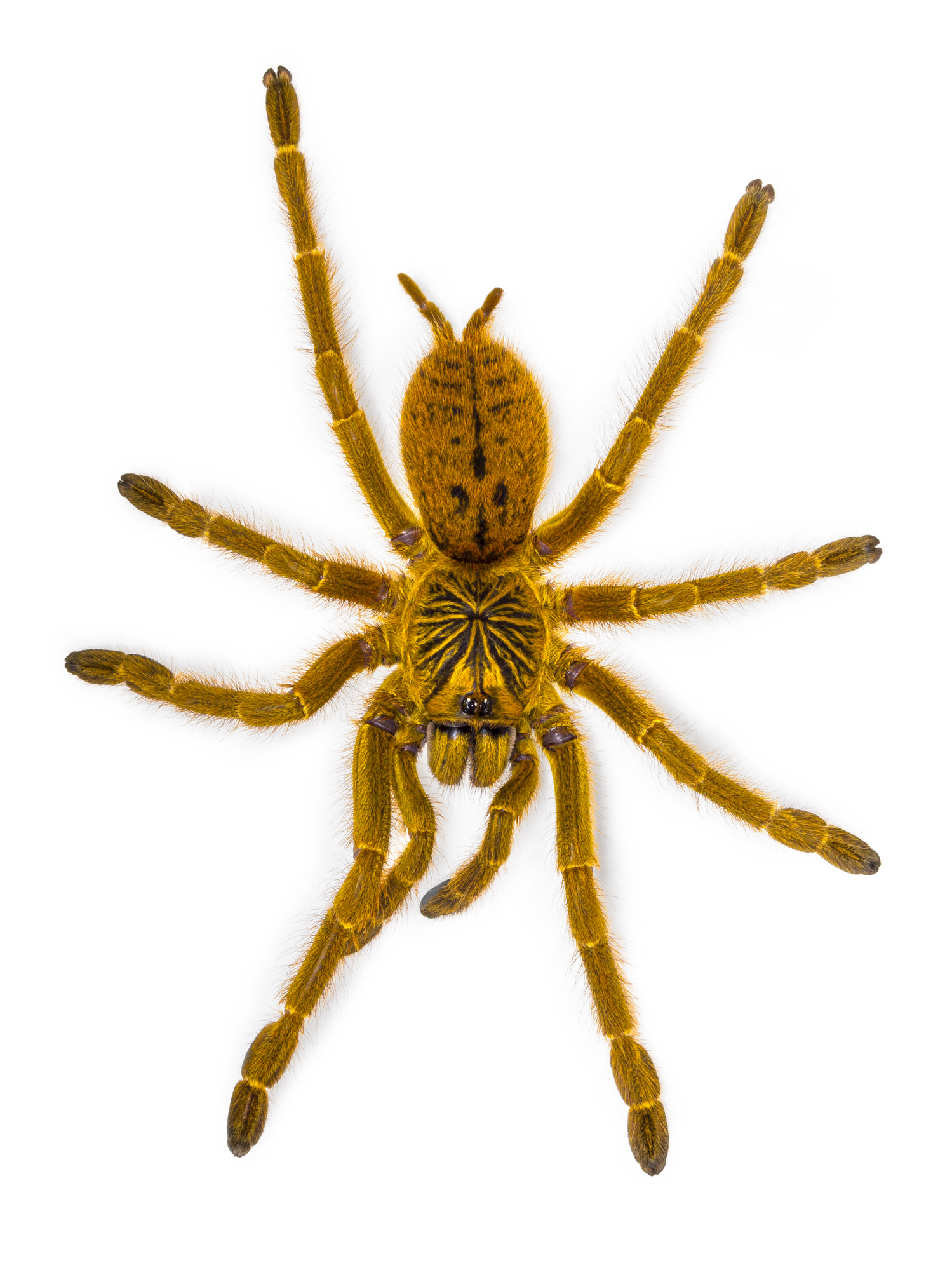
Widely distributed across central, southern and eastern Africa, this is a spider with a serious attitude and a bite to match.
The orange baboon is orange-red in colour and has a leg-span of around 10cm, although females may reach 15cm. They excavate small burrows, or make use of existing holes, where they then construct a tubular web. The silk is tightly bound, and the spider will build tunnels of similarly dense threads inside which its bright colour is hidden.
- 10 biggest spiders in the world: Discover gigantic, terrifying arachnids as big as dinner plates
- 10 deadliest, most venomous spiders on the planet: Are these dangerous spiders as fearsome and lethal as their reputation?
Although a bite from an orange baboon tarantula is rarely fatal to humans, it is extremely painful and they are quick to inflict.
Sydney funnel-web spider (Atrax robustus)
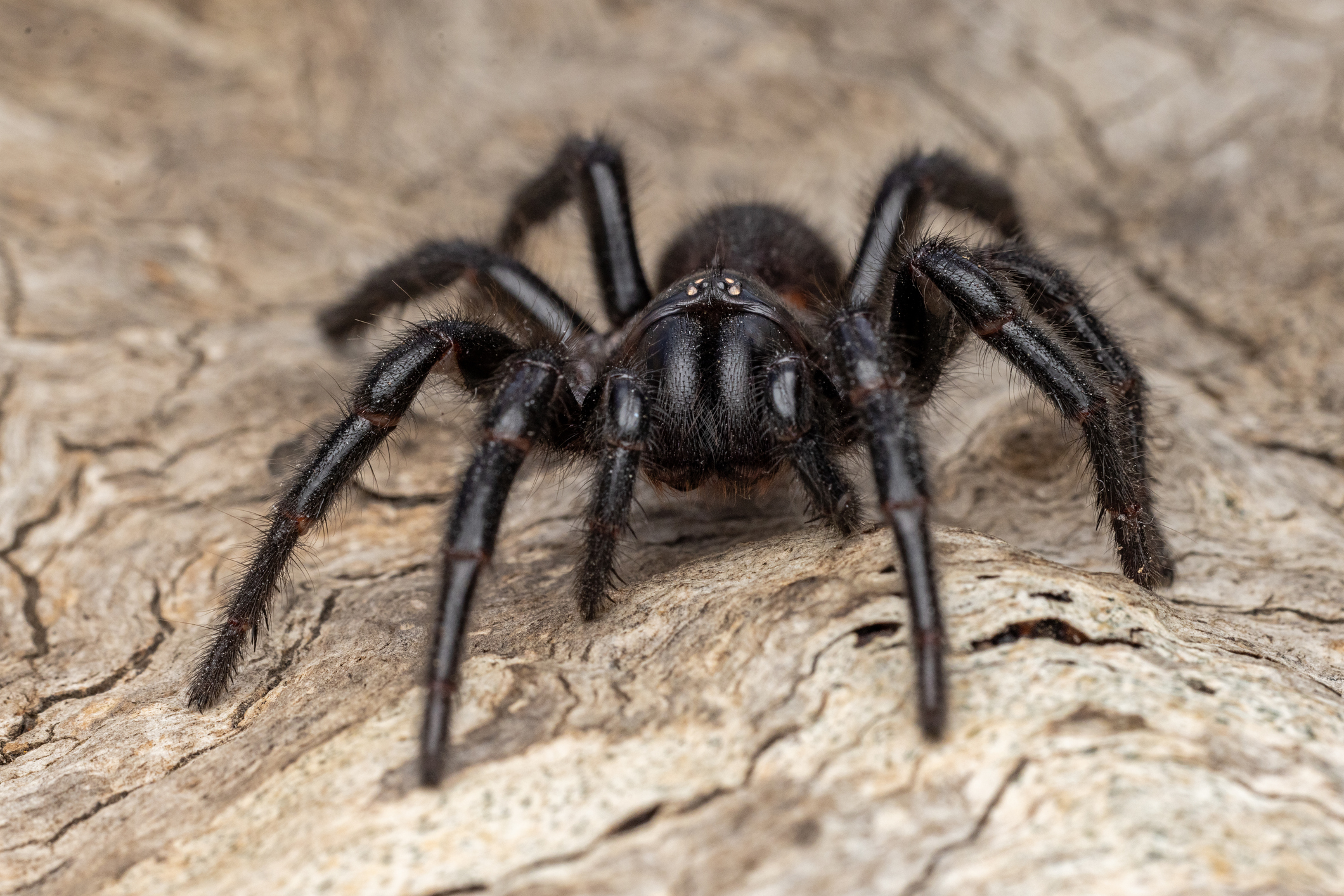
As its name suggests, the web of a funnel-web spider is spun in the form of a tube, flattened at one end and with a series of ‘tripwire’ threads at the other.
The Atracidae family of spiders is found in Australia, and although a couple of species build webs in trees, many are found on the ground, tucked beneath rocks or fallen logs. If a prey item, usually insects, but also lizards or amphibians, triggers one of the tripwires then the spider will dash out.
The venom, particularly of the males, is potent, and has been known to kill a human.
Redback Spider (Latrodectus hasselti)
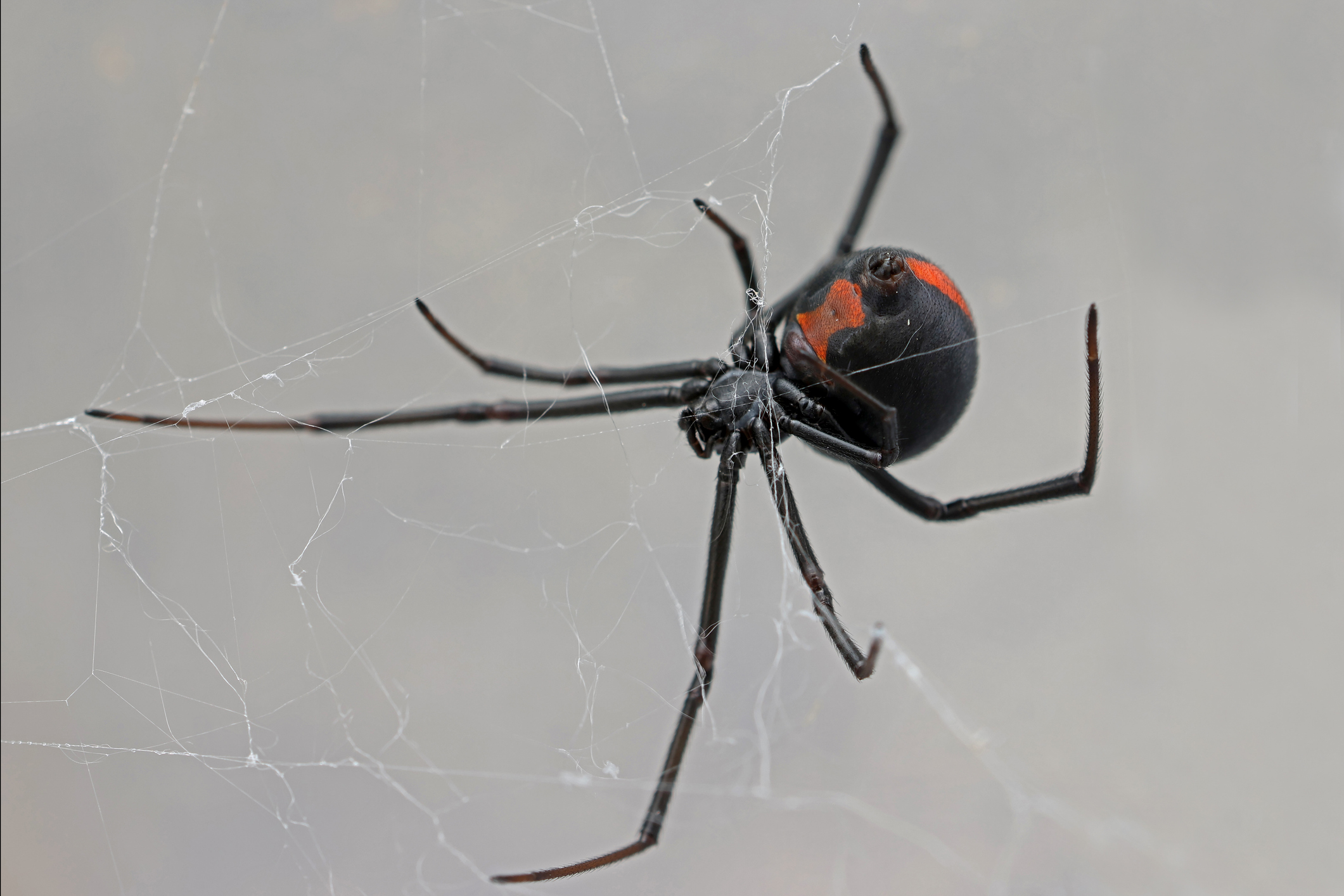
The small spider with a deadly reputation, the redback is among Australia’s most venomous arachnids. The males are small, with bodies just a few millimetres long, and are no threat to people, whereas the female looks every bit the threat. She has a form similar to a black widow, but with a striking red stripe on a black, rounded body that measures around 10mm long.
- How tiny spiders are able to kill and eat snakes up to a metre long and an enormous 355 times their weight
- 10 deadliest insects on the planet: Discover the world's most dangerous insects to humans, including one that's a major ingredient in 'love potions'
The redback spider spins a web from silk threads that might look random, but are actually strategically placed. The back of the web forms a funnel-like retreat area, with vertical strands that act as trip wires to both alert the spider and snare and haul prey into the air.
Redbacks are often found close to human habitation. Bites to humans are relatively common, and with the venom highly dangerous, swift medical assistance is essential.
Brown Recluse Spider (Loxosceles reclusa)
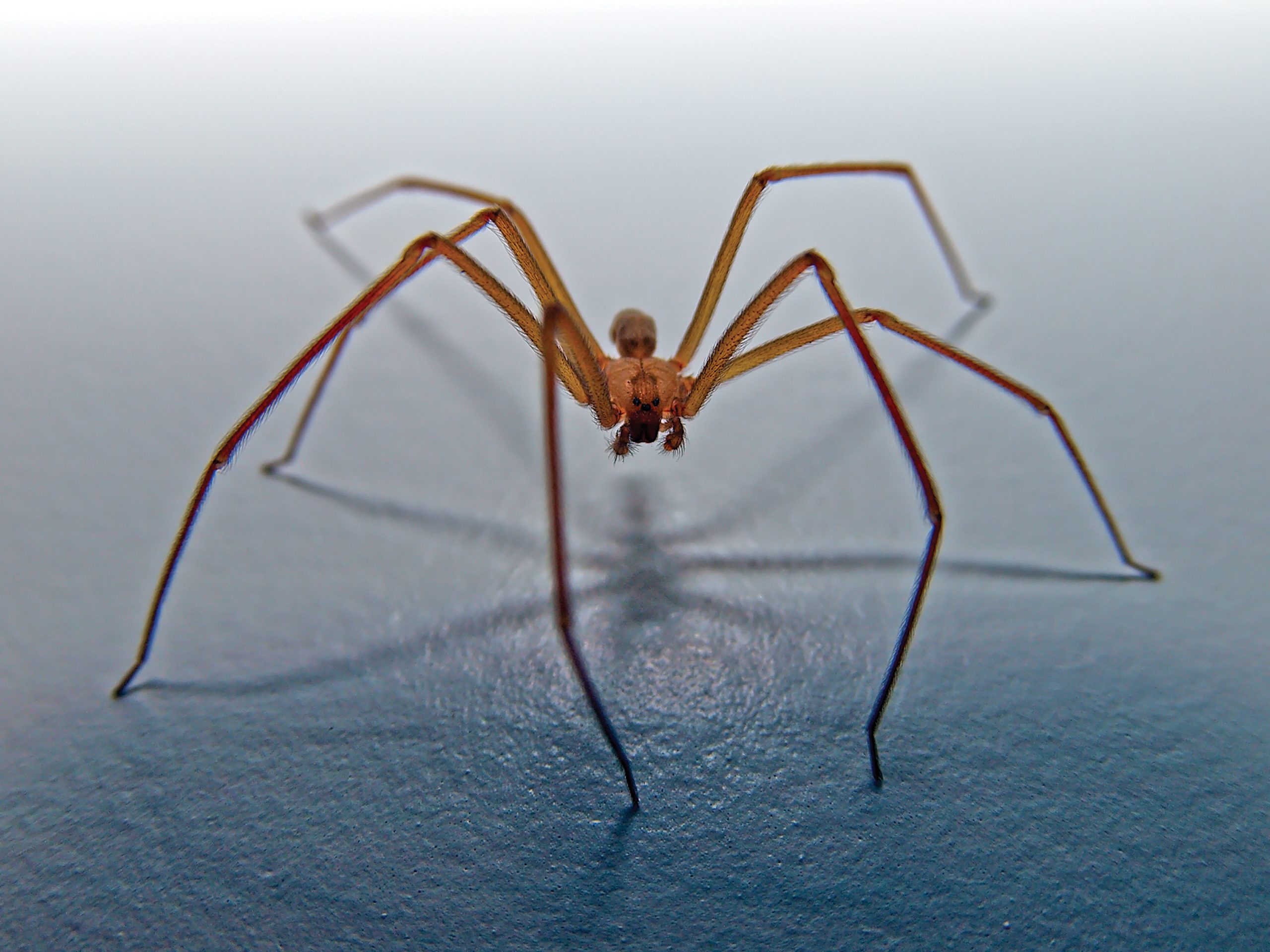
The brown recluse is an active hunter, spinning a web for place of shelter rather than a trap for unsuspecting prey. They are small, with a leg span of around 25mm, and, as their name suggests, are light brown in colour.
They are commonly found close to human habitation in the central-southern states of the USA, and the tangled, somewhat messy webs are often tucked behind furniture or in quiet corners. Finding a brown recluse in its web is preferable to not knowing where it might be lurking, as this is a spider with a venomous bite, often requiring medical attention.
American yellow sac spider (Cheiracanthium inclusum)
Rather like the brown recluse, this is a spider that builds a web for shelter rather than to catch its dinner. The yellow sac is a similar size to a brown recluse, but with a beige coloured body and black tips to its legs. Found throughout the Americas, the yellow sac spider is usually found in arboreal habitat, where it spins a small silk nest, although they will sometimes stray into buildings.
A bite is painful, but despite some lingering effects, rarely requires medical treatment and is far less severe than that of a brown recluse.
Southern black widow spider (Latrodectus mactans)
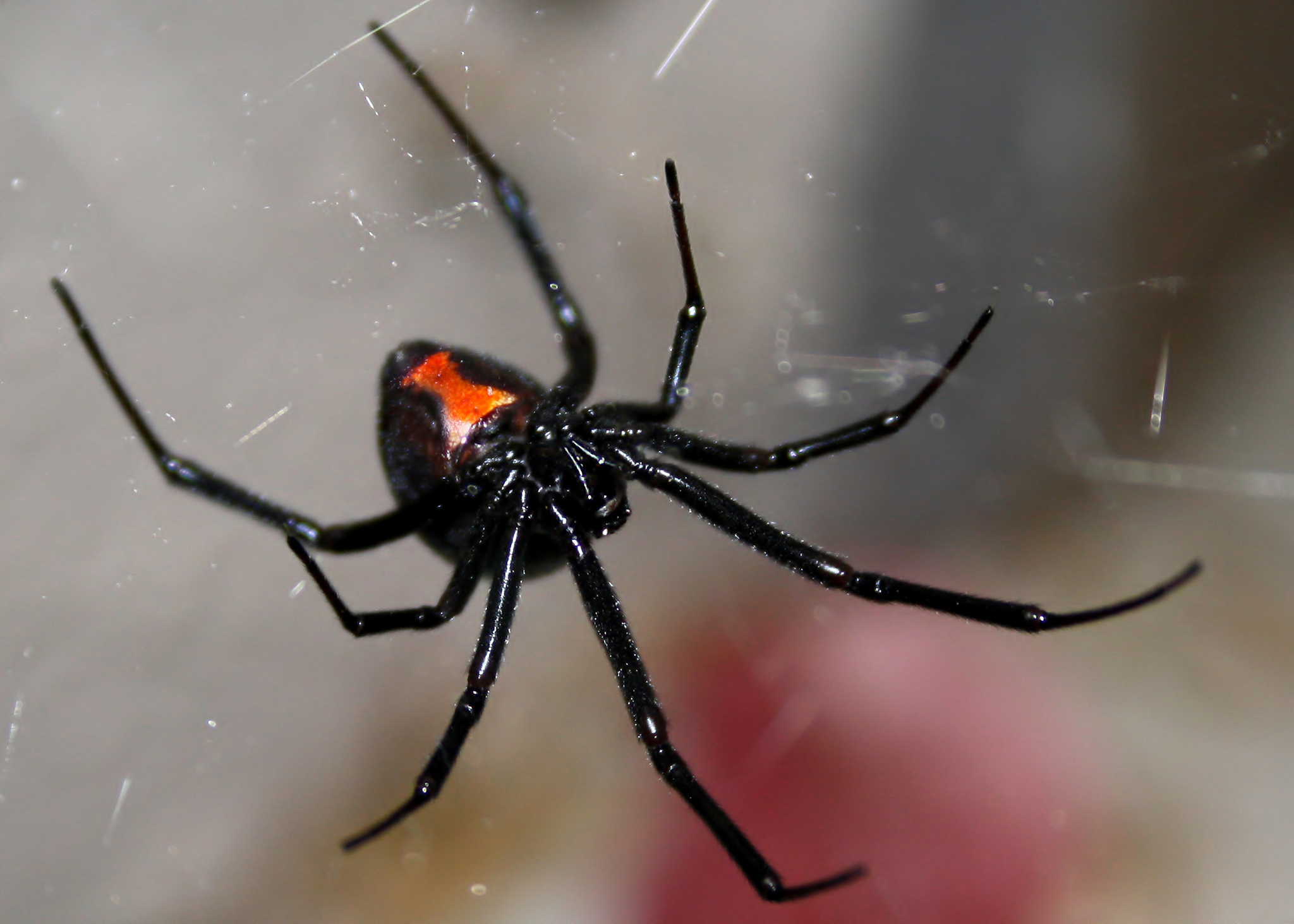
The Latrodectus genus of widow spiders, so called due to their tendency towards sexual cannibalism, are found throughout the world, but the southern black widow is arguably the most infamous. The larger female has mouthparts (called chelicerae) capable of penetrating human skin and the latrotoxin within the venom can cause serious injury. Fatalities, especially since the creation of anti-venom, are very rare, but bites are common, with more than 2000 reported in the US each year.
- "Although the male doesn’t exactly die, it’s not much of a life either" - 8 deadliest mating rituals on the planet
- This metallic blue tarantula is the most beautiful spider in the world – and it's also one of the world's rarest
The tangled web of a black widow is a three-dimensional tangled cobweb of exceptionally strong silk. But spare a thought for a male at the point of procreation – it might be his final act…
Katipō (Latrodectus katipo)
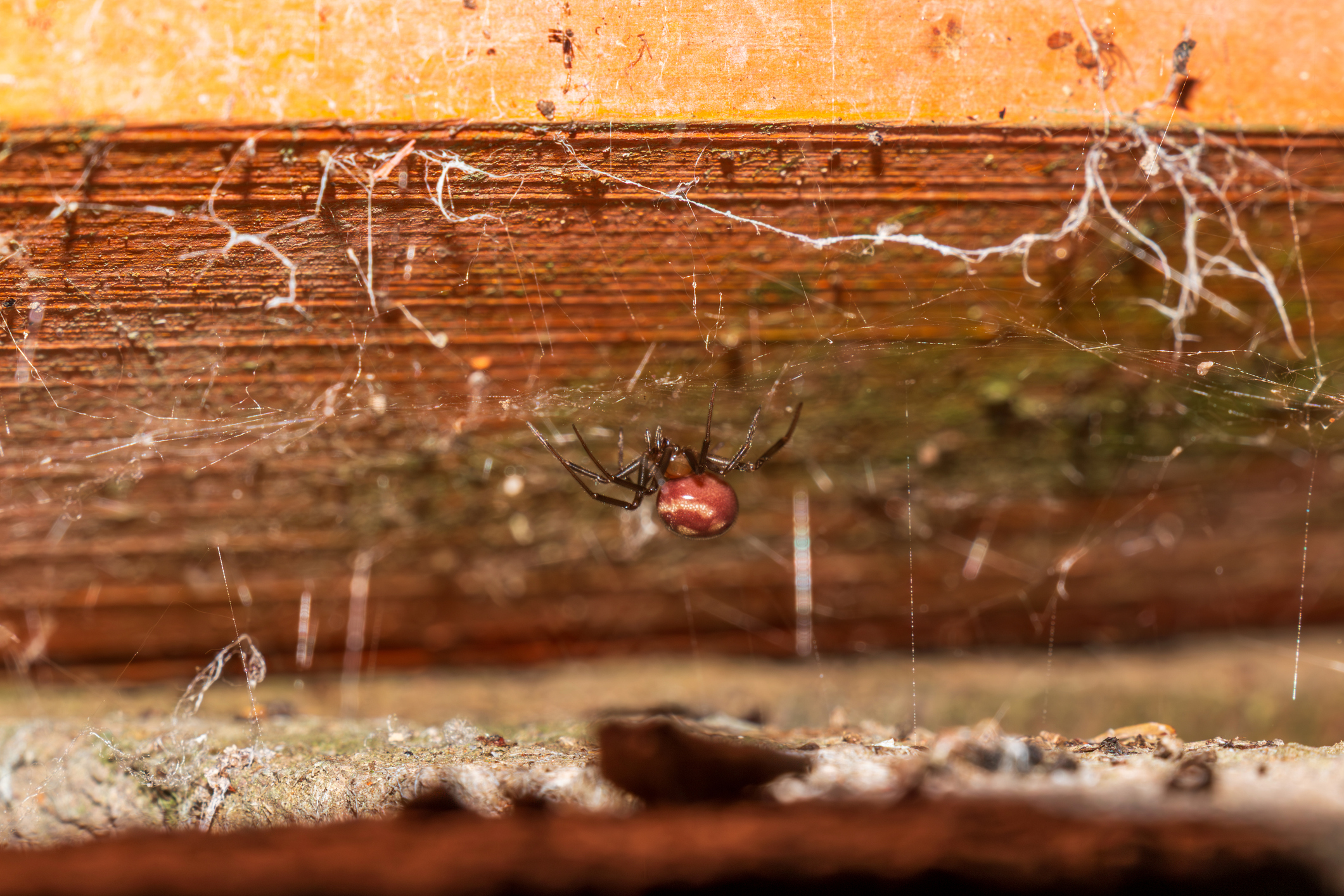
Found in New Zealand, where it is in serious decline, the katipō is similar in appearance to the redback spider of Australia, with a red, hourglass-shaped pattern on a rounded body.
They often build webs in the folds of vegetation, particularly pīngao, a species of sedge, or marram grass. The web is attached to the ground with an anchor thread which often snaps when a prey item struggles to free itself, suspending the unfortunate captive off the ground. The katipō then injects its highly toxic venom and the effects are swift. Fortunately, bites on people are rare and only made in defence.
Peacock tarantula (Poecilotheria metallica)
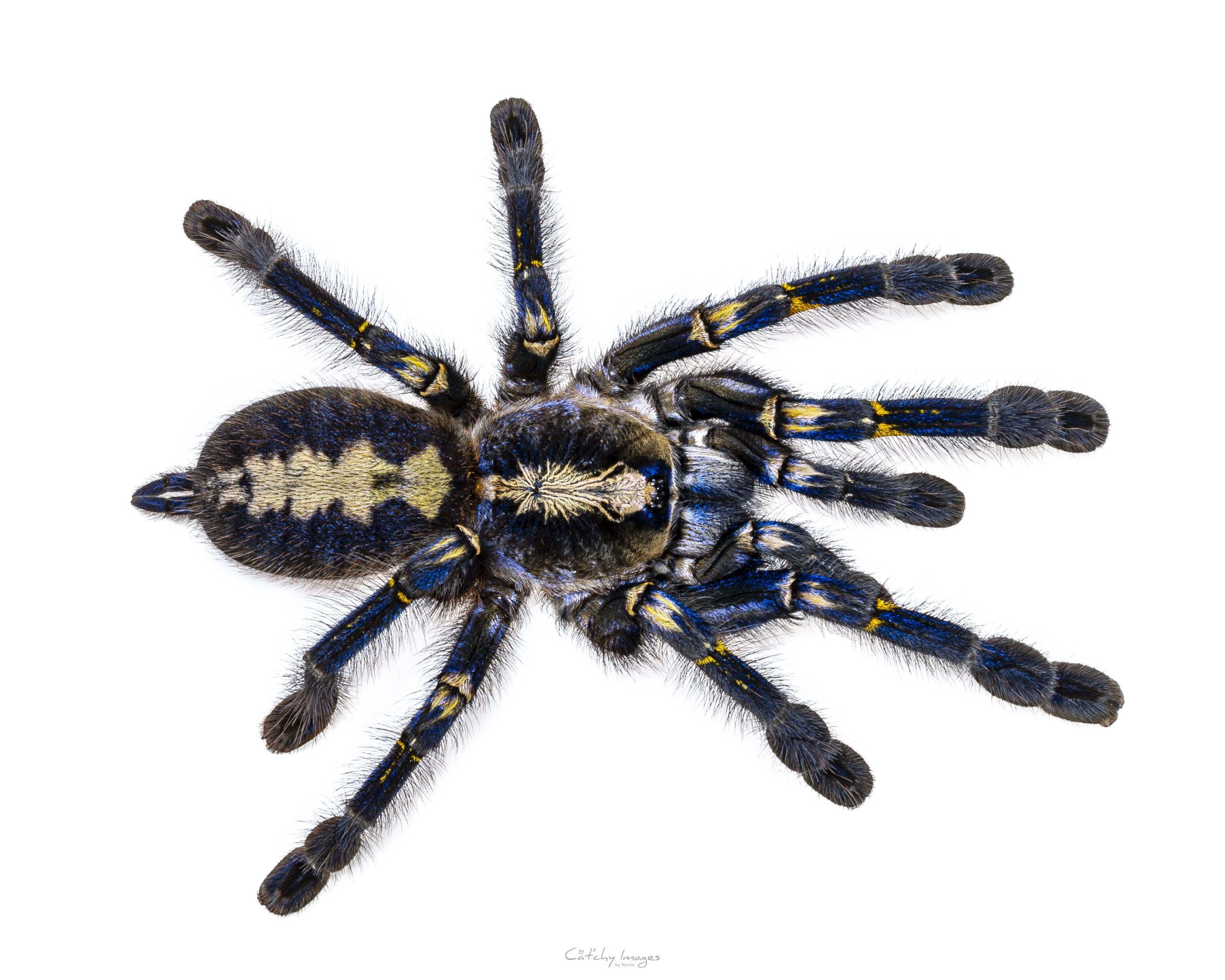
The extraordinary bright, metallic blue of a peacock tarantula is matched in awe by the spider’s size. An adult may have a leg-span of 20cm and fangs more than 15mm long, although sadly, this creature is critically endangered.
- Can spiders really be beautiful? Oh yes... meet the 5 prettiest spiders on the planet, from metallic-blue tarantulas to dancing peacock spiders
- How a giant, furry tarantula helped me overcome depression and anxiety —and why you should start loving these amazing arachnids too
Found in a small area of forest in West Bengal India, the peacock tarantula constructs a funnel-shaped web in holes or cracks in trees. There it preys upon flying insects, including moths, crickets and roaches, which it quickly dispatches with those massive fangs and a venom that is sufficiently potent to leave a human requiring urgent medical treatment.
Feather-leg baboon tarantula (Stromatopelma calceatum)
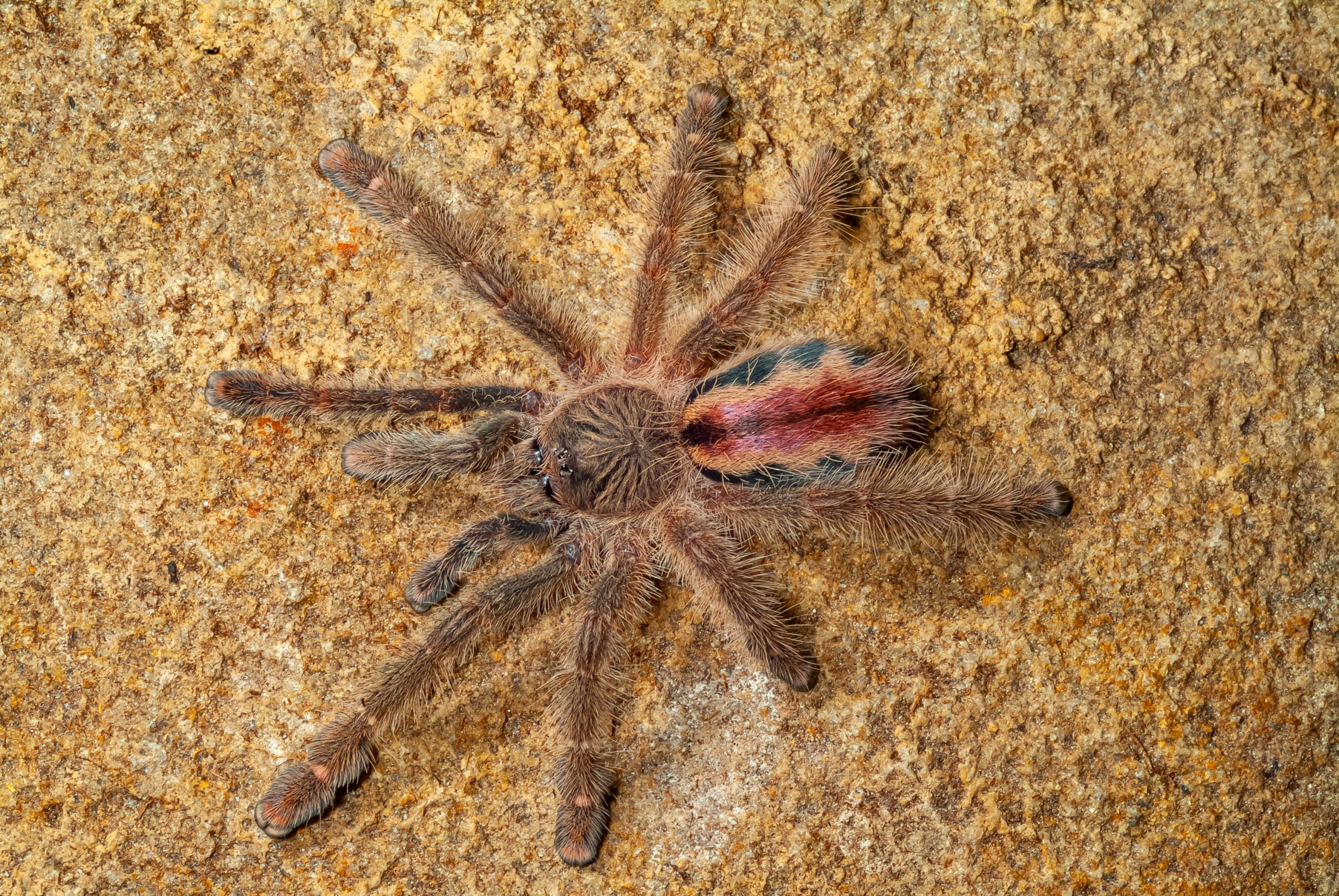
Although young specimens may dig small burrows, the adult feather-leg baboon tarantula is arboreal, spending daylight tucked away in irregularly shaped, tubular webs that are spun in trees or ferns.
Native to Western Africa, this is a spider with an attitude. Quick on its legs and quick to anger, a bite to a human can cause severe pain and require medical assistance. Their natural diet is made up predominantly of insects, but they will also eat small mammals.
- Scientists observed the hunting behaviour of tarantulas – and discovered something groundbreaking
- It has one of the most painful stings on Earth and can eat a tarantula alive from inside out - meet the deadly tarantula hawk wasp
The larger females have a leg span of around 15cm and their brown, hairy legs and mottled markings offer excellent camouflage.
Mediterranean black widow (Latrodectus tredecimguttatus)
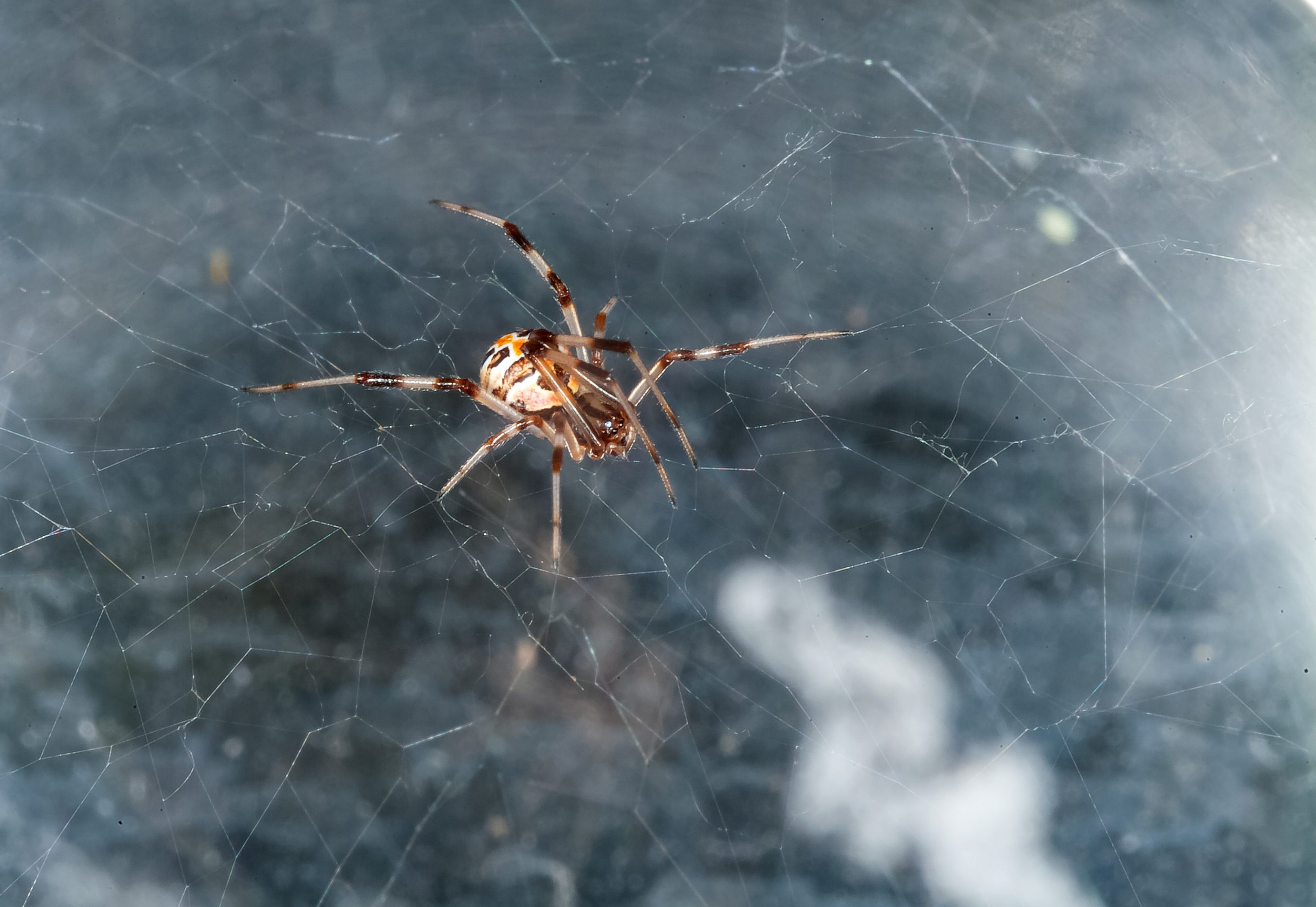
Another member of the Latroidectus genus, this is a spider found throughout the Mediterranean region and deep into central Asia.
The web is typical of the widow family, irregularly shaped and formed from deceptively strong threads, and is usually constructed within herbaceous shrubs, trees or crops. The larger female is similar in size to the black widow and red-back spiders, but has a striking series of 13 red spots on her black body, and it is she who delivers the more dangerous bite.
Bites to humans are usually defensive and occur to people working the land by hand, and fatalities are very rare.


