Many things can be deadly in the world's national parks. Conflict or political instability, sadly true in many parts of the world; or terrestrial instability in the form of volcanic activity. On the whole, the potentially deadly species that can inflict harm upon you are the least of your worries.
- Yellowstone received a whopping 4,762,988 visits in 2025. But it wasn't the most-visited US national park
- 16 stunning photos that reveal the incredible beauty and power of the world’s oldest national park
Here are the 10 deadliest national parks in the world.
Deadliest national parks in the world
Kakadu National Park, Australia
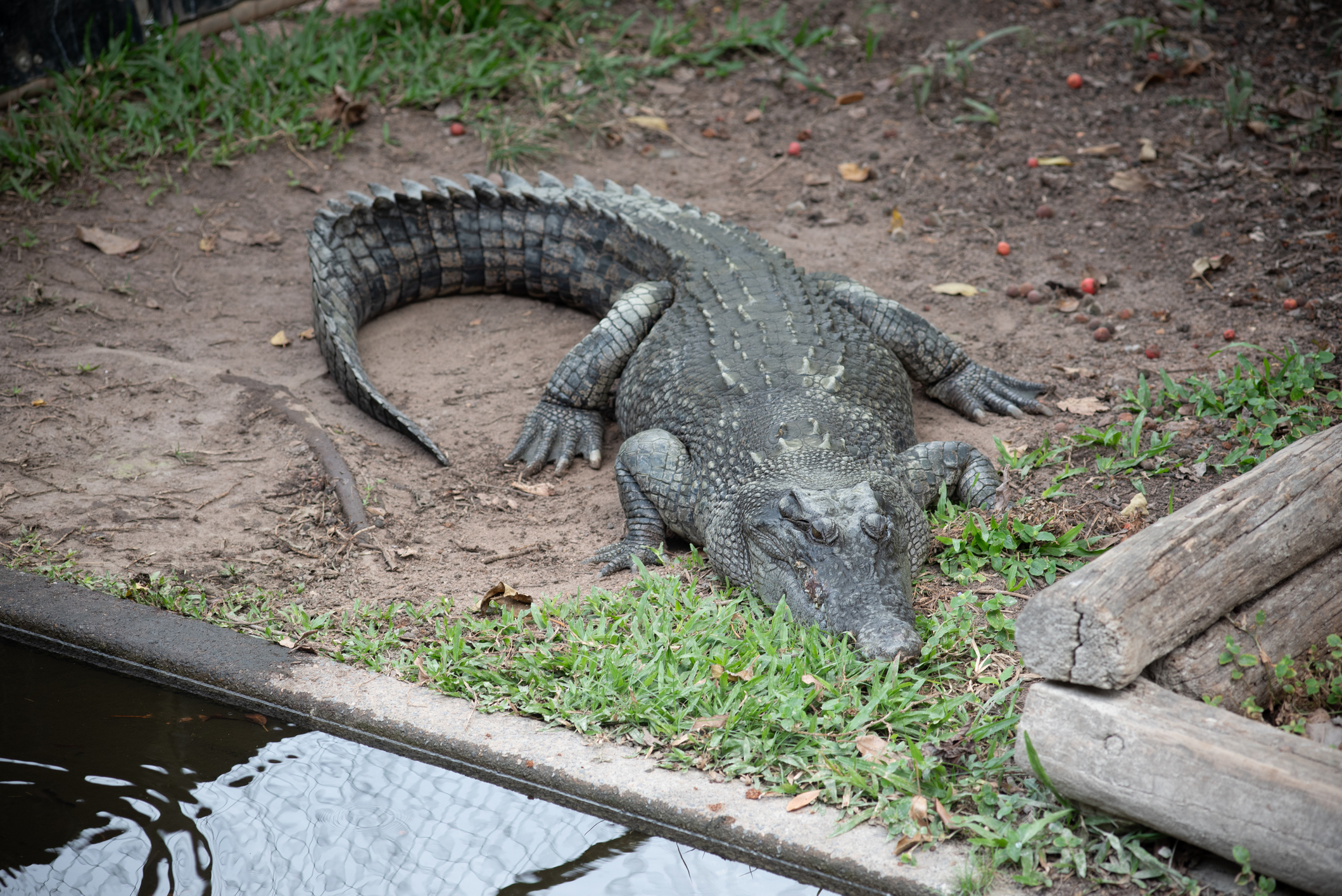
When the list of instructions on a national park’s website includes, “Don’t ever hang arms, legs or any part of your body out over the water or lean over the edge of the boat,” it suggests the place has a whiff of danger. And in Kakadu, in Australia’s Northern Territory, that whiff is saltwater crocodiles - and they kill.
- 9 animals that could take on (and probably kill) a saltwater crocodile: Just which creatures are able to take on one of the world's deadliest animals?
- 5 saltwater crocodiles tracked through the misty mangroves of Bangladesh. Here's what scientists found – and why it matters
A 47-year-old man was taken by a croc at Cahill’s Crossing in 2017. But fatalities are also very rare – less than 50 in the whole of Australia since 1969. As long as you don’t swim in rivers or pools at Kakadu, don’t try to collect water from them, stay at least 10 metres from the water’s edge at all times and definitely don’t cook or clean fish anywhere near it (and generally stay alert at all times, especially during the breeding season)... you should be fine.
Komodo National Park, Indonesia
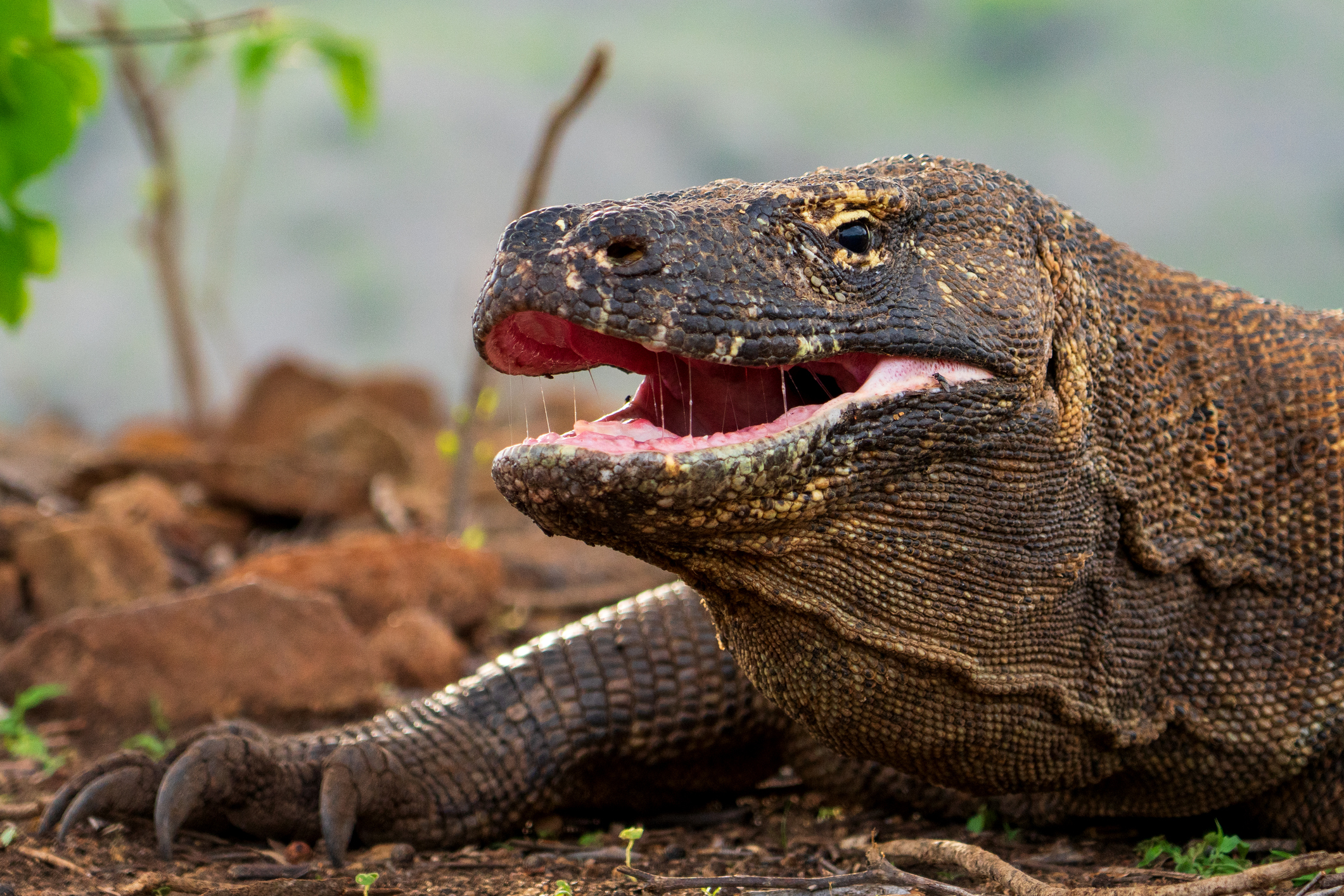
“Compared to crocodilians,” says the Smithsonian, “Komodo dragons have relatively weak bite strength.” Does that mean you’re safer on Komodo, part of Indonesia’s Lesser Sunda chain of islands, than you are in Kakadu? Well, not necessarily, because dragons – which are actually 3-metre long monitor lizards – “rely on their sharp, curved teeth and long, sturdy claws to slash and tear at their prey with astonishing force.”
- This deadly giant lizard can kill a human, yet Indonesian villagers let them roam on school playing fields
- "An attack can be fatal, due to their venom and bacteria..." The 3 deadliest, most lethal lizards the planet
Thanks to the presence of venom and bacteria, their bite is also highly toxic, which can cause untreated wounds to turn septic. And though attacks are very rare, they can kill people, including an 8-year-old boy in 2007 and 31-year-old man in 2009.
While Komodo dragons have poor eyesight and hearing, they possess an excellent sense of smell and can detect dead or injured animals up to 8km away.
Kaziranga National Park, India
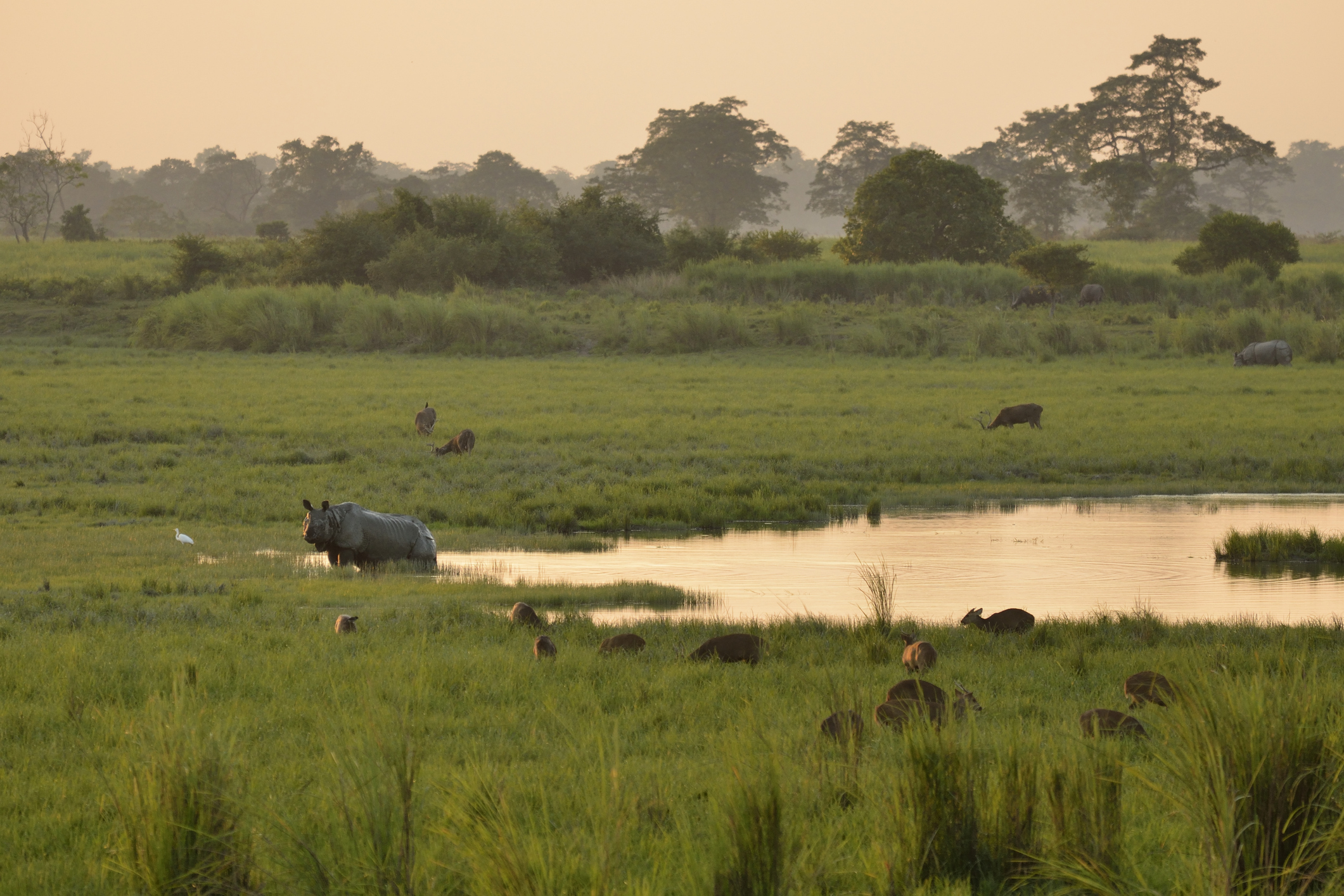
What is it about national parks beginning with ‘K’, you may be starting to wonder? In the case of Kaziranga, in the state of Assam in the far north-east of India, the threat is represented by a beast weighing anywhere between 1,800-2,700kg – the greater one-horned or Indian rhinoceros. One park guard was killed, and another injured earlier this year by one of these titanic beasts.
- Can a human outrun a rhino? Just how fast are these giants when they charge?
- 9 extraordinary rhino photos reveal just how powerful and intimidating these animals can be
In recent years, the authorities have done a brilliant job conserving this rhino, which today is entirely restricted to India and Nepal, but as this story in National Geographic makes clear, this success can make visiting Kaziranga a hair-raising experience. Photographer Douglas Chadwick describes being charged by one “organic tank” at 25mph (40kmh) at one point, and not long after, having a female trying to shove their jeep off the road.
“No allowed for scared,” Chadwick’s guide had told him. “I was breaking [that rule] while he gunned the engine, fighting for traction,” he wrote – but they did get away, the vehicle and themselves just about intact.
Tayrona National Park, Colombia
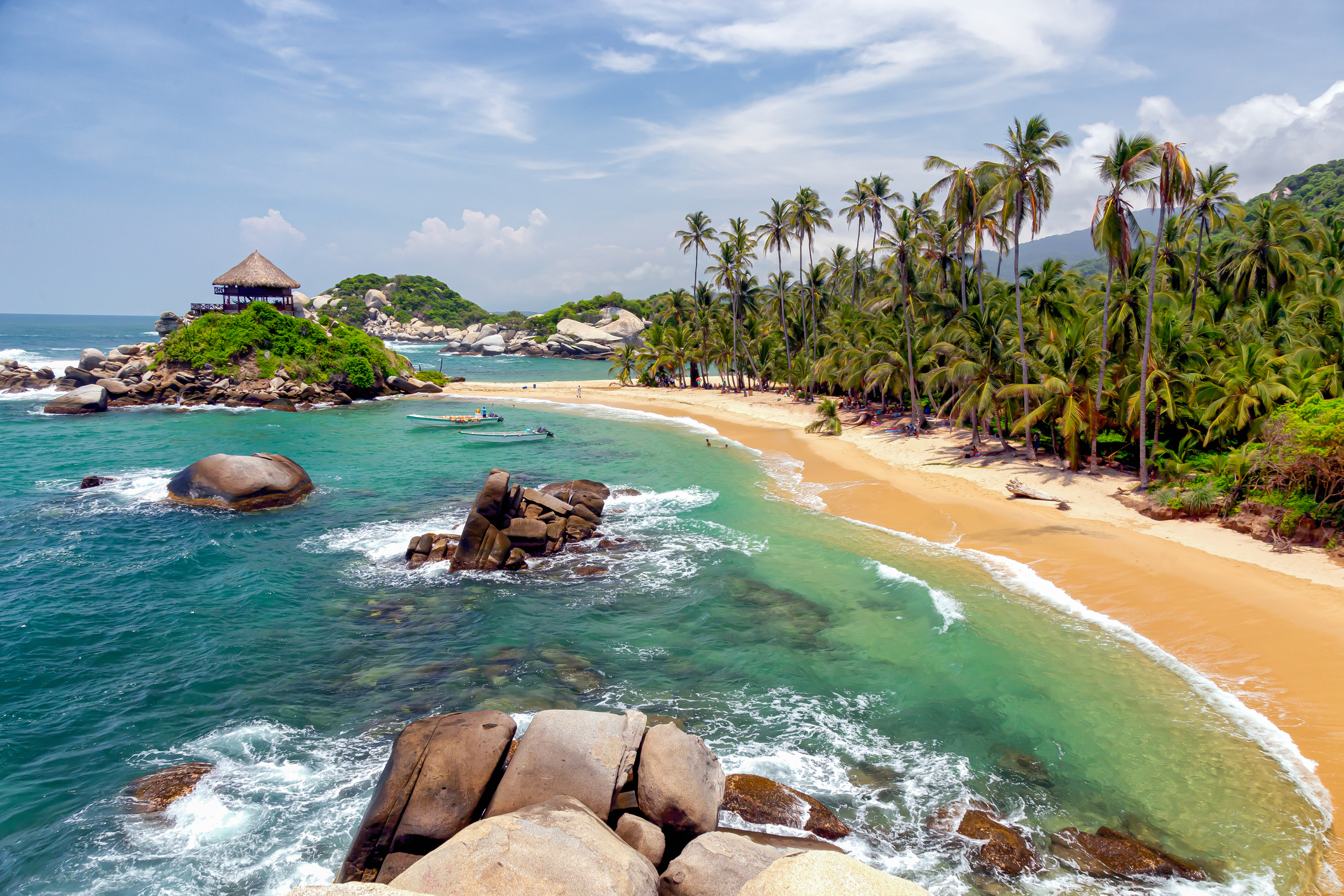
It’s not always the wildlife that is the most dangerous element of a national park. Until earlier this year, Tayrona, in northern Colombia, received some 600,000 visitors a year, but it was closed in February because of the “advance of armed groups” in the area, with the agency in charge of these protected areas reporting “threats against its staff, acts of intimidation at access points, roadblocks at entrances and illegal fees.”
According to the Electoral Observation Mission, the main protagonists are the Clan del Golfo (an armed group with 10,000 members) and the Self-Defence Forces of the Sierra Nevada. Let’s hope the situation improves soon – Tayrona is a hotspot for endearing cotton-top tamarins, as well as jaguars, caimans, poison-dart frogs and basilisks, reptiles also known as Jesus lizards because of their ability to run on water.
Sviati Hory National Park, Ukraine
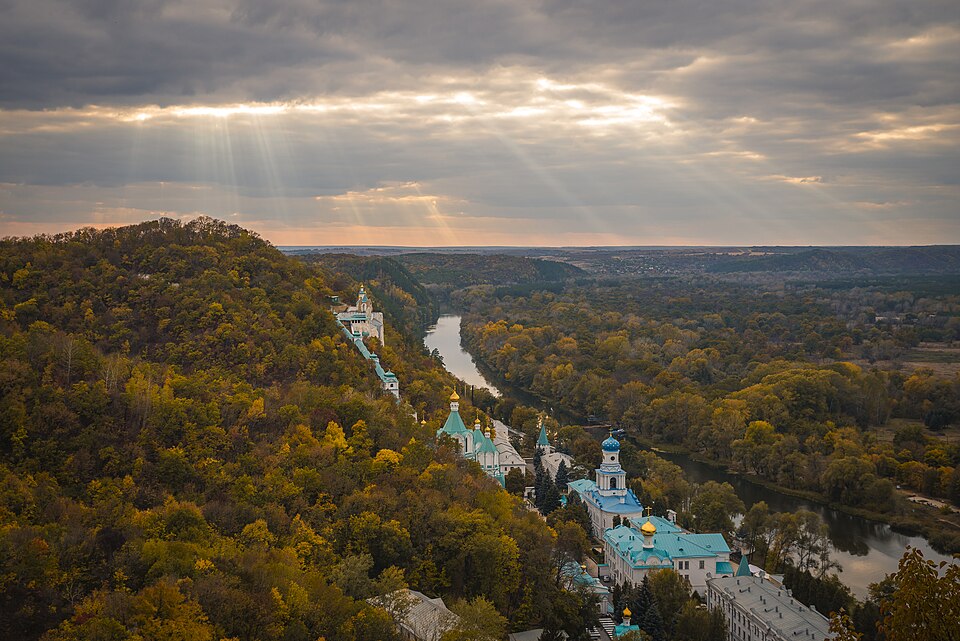
The situation is unlikely to improve any time soon in Sviati Hory (Holy Mountains) National Park in the north of Ukraine, close to the border with Russia and in the epicentre of the fighting that has taken place over the past four years.
- “I’m awoken by a rumble and look across the Danube to see smoke rising.” These predators are reclaiming their home in the middle of a warzone
- Thousands of exotic animals were abandoned when war broke out in Ukraine, but one woman stayed behind to save them
Reuters reported in 2024 that 80 per cent of Sviati Hori’s 12,000 mainly forested hectares had been damaged or destroyed by fires or Russian munitions. The park director Serhiy Pryimachuk said it had once been “a rare and beloved beauty spot in a heavily industrialised region.” Wildife in Sviati Hory is said to include eagle owls, white-tailed eagles, otters and stoats, though whether that is still the case must be in doubt.
Kahuzi-Biega National Park, Democratic Republic of the Congo (DRC)
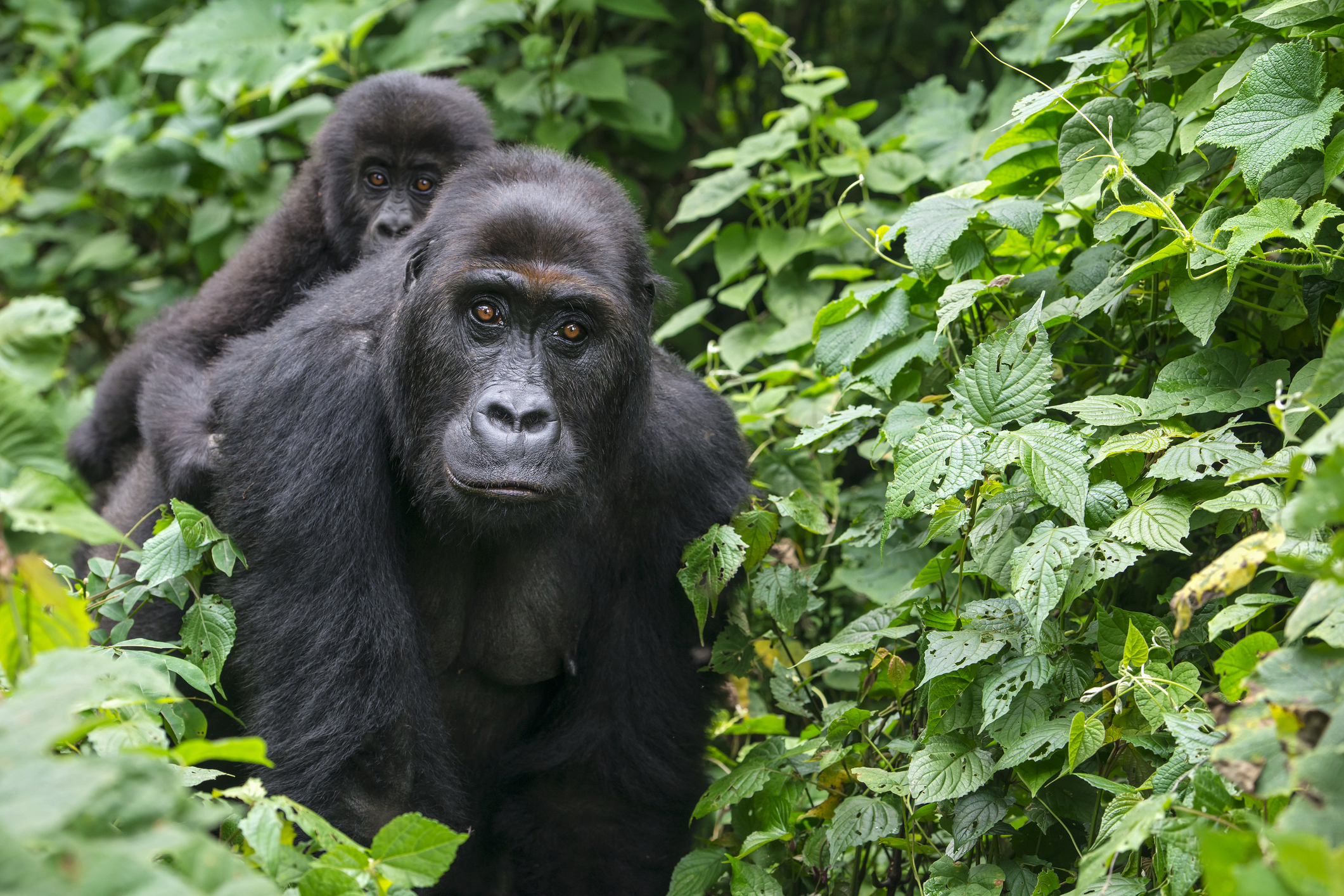
Famous for being the best place in the world to see eastern lowland gorillas, Kahuzi-Biega National Park has also sadly been in the frontline of a long-standing civil conflict between armed groups. Parts of the park fell into the hands of the M23 rebels last year, Reuters reported, leading to a spike in illegal logging to produce charcoal and timber.
- "Incredibly emotional": moving footage shows orphaned gorillas returning to wild after 10 years of rehabilitation
- Breathtaking gorilla photos reveal the strength and beauty of these enormous mammals
Unesco said in 2021 that factors impacting Kahuzi-Biega included “civil unrest, commercial hunting, land conversion, mining and war”. Since the mid-1990s, the security situation in the DRC has resulted in a nearly 80 per cent decline in the population of Grauer’s gorillas, according to the IUCN Red List, and in 2015, numbers were thought to be as low as 3,800.
Bromo Tengger Semeru National Park, Indonesia
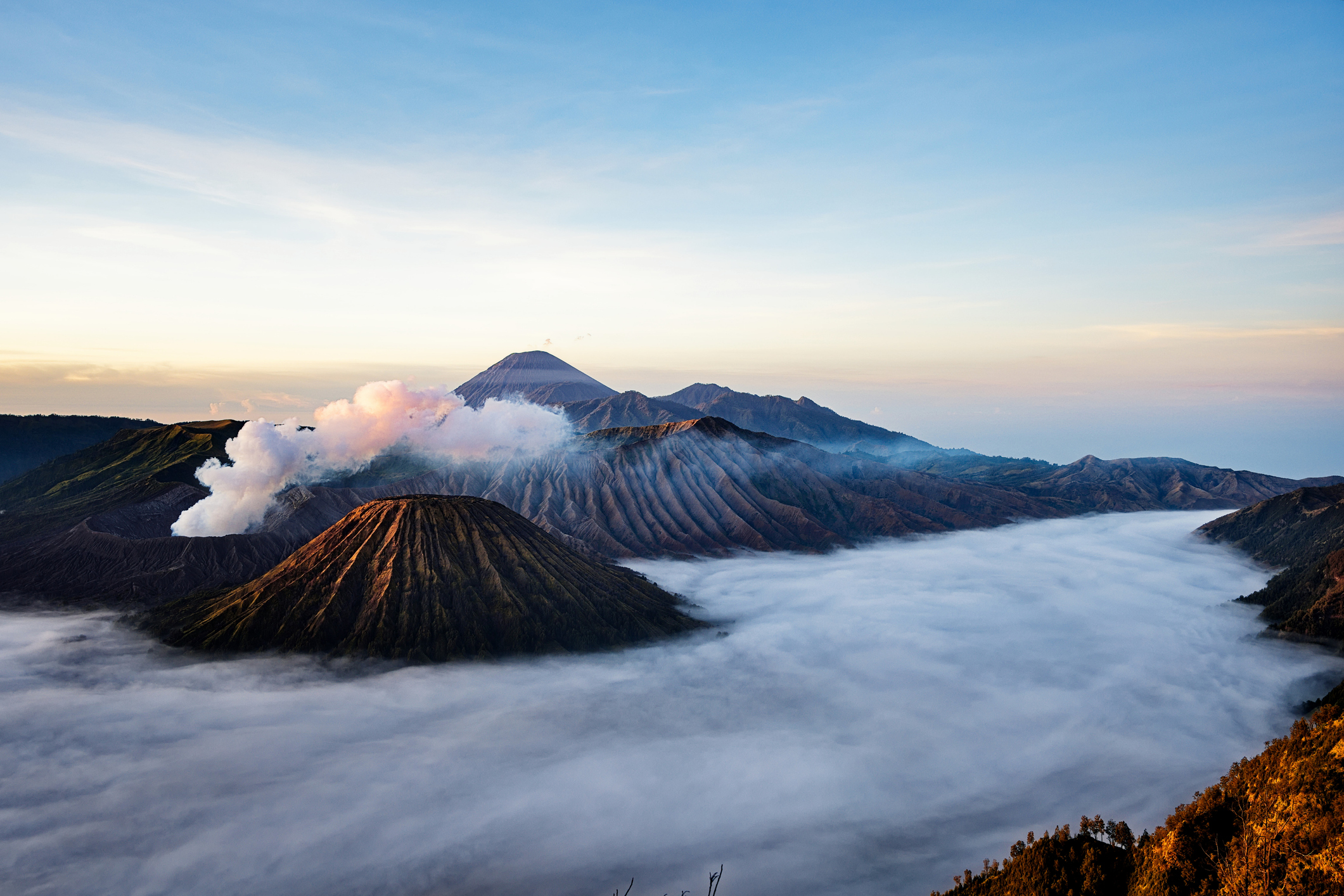
It doesn’t have to be the wildlife or a war that threatens your life in a national park – it can be forces originating from deep beneath the surface of the Earth. In the case of Bromo Tengger Semeru National Park on the Indonesian island of Java, these forces manifest themselves in the shape of two active volcanoes, Mounts Bromo and Semeru.
Only last November, the authorities had to evacuate more than 900 people, including 170 climbers, after Semeru erupted 10 times, sending plumes of ash, lava and rocks, 13km down its slopes.
Below the 3,676-metre peak, the lowlands are home to a wide range of species that include leopards and Javan hawk-eagles.
Chobe National Park, Botswana
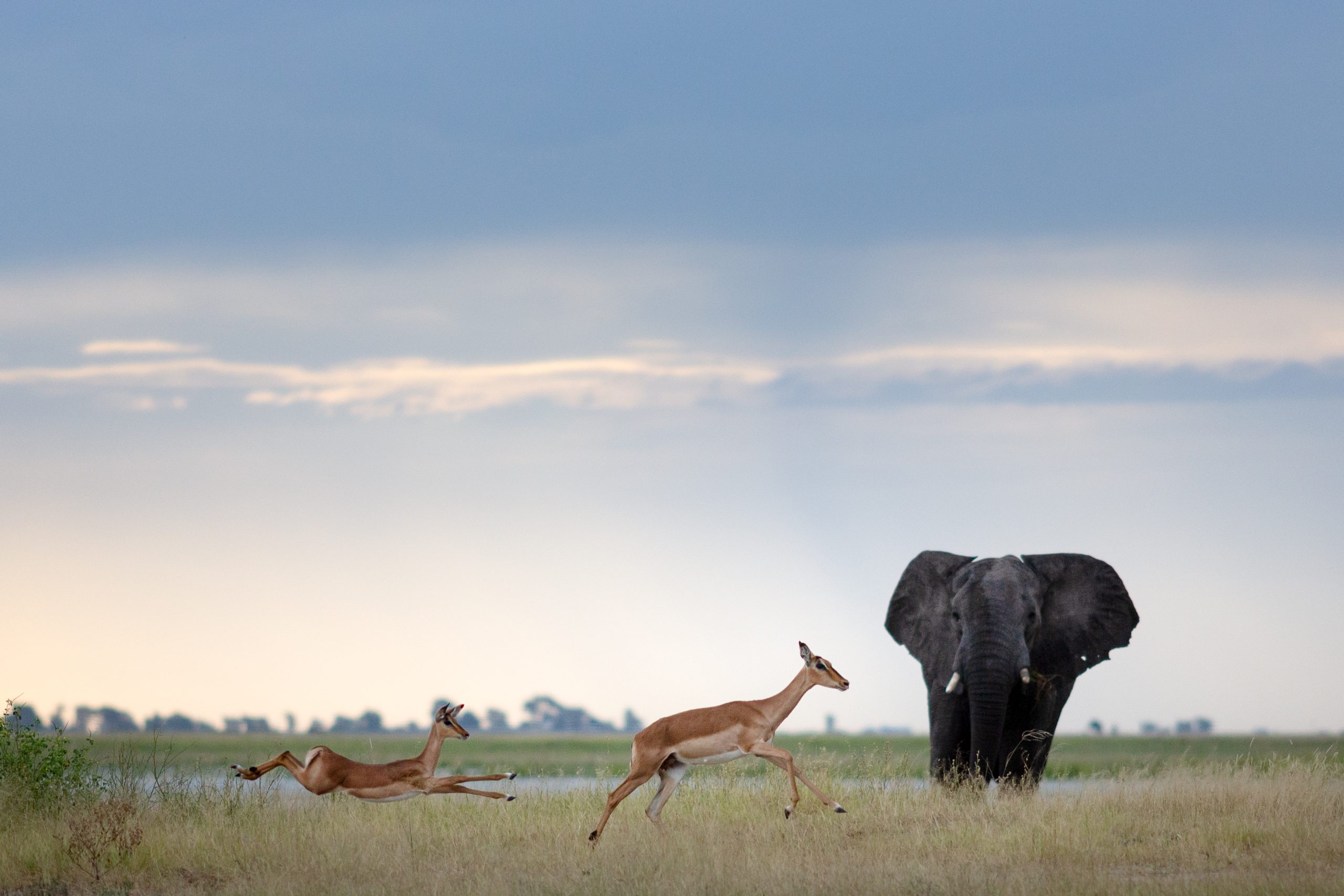
With Chobe’s population of savannah elephants considered to be one of the largest concentrations of the species anywhere in the world, it’s perhaps not surprising that the risks to human life and limb here mainly stem from the planet’s largest terrestrial animal. You only have to watch this video on YouTube to realise these are not idle words. It seems that, in this instance, the female elephant perceived a threat to her offspring, with one expert telling ABC News, “There’s nothing more dangerous than an elephant mother with young calves.”
- From a tender family group hug to a cheeky, adorable baby elephant wanting to play – 14 beautiful 'ele' photographs from the book 'Remembering Elephants'
- 7 most incredible places on the planet to see Africa's Big 5
Darién National Park
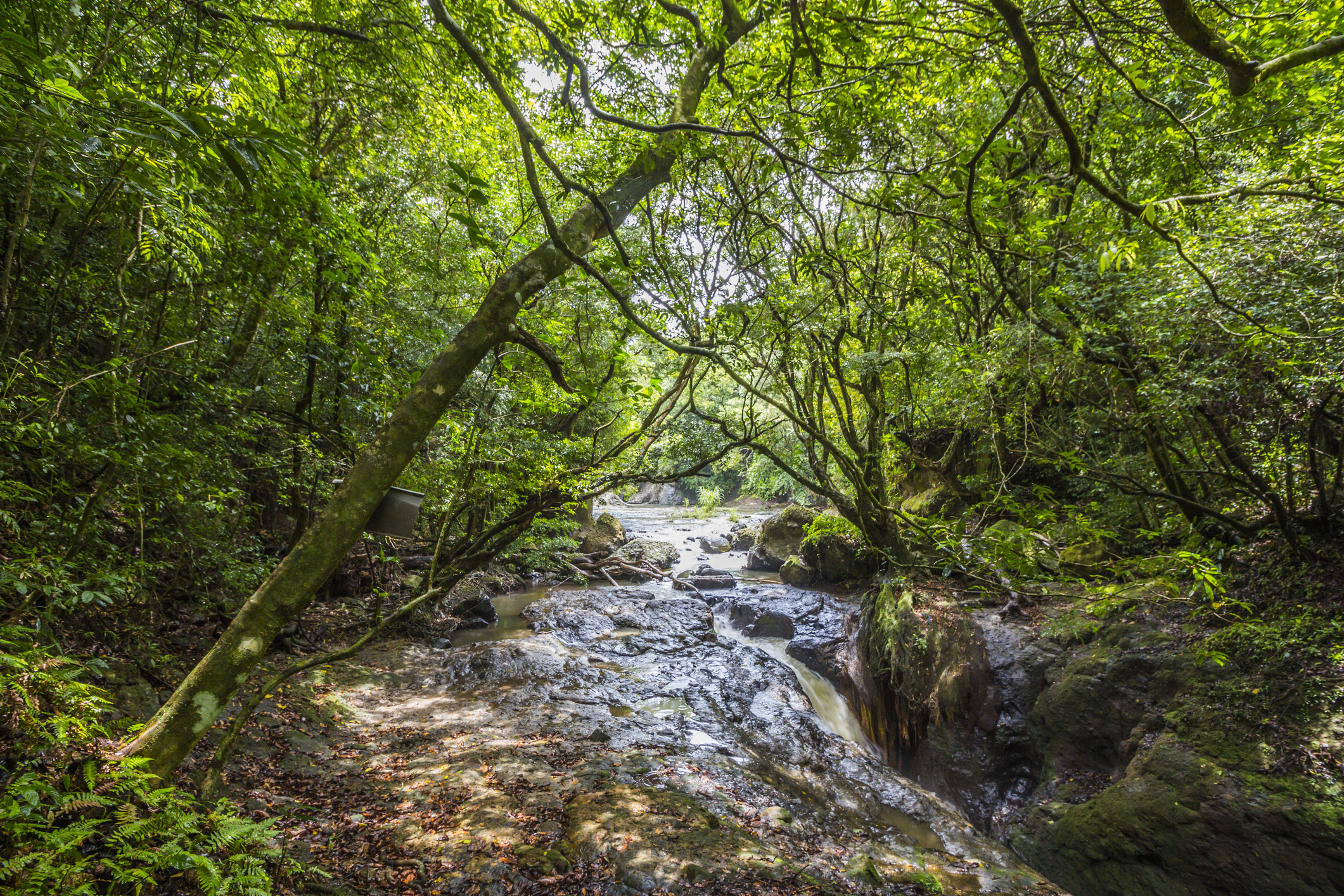
Covering nearly 600,000 hectares in the narrow neck of land joining Central America with South America, Darién National Park is a byword for danger and adventure. That’s because of the so-called Darién Gap, a 100km break in the Pan-American Highway that runs otherwise unbroken from Alaska to the southern tip of Argentina.
Crossing the dense tropical rainforests and marshland of this part of the world is notoriously difficult, but in 2023, it’s estimated more than 500,000 people – many fleeing violence and economic instability in countries of such as Venezuela, Ecuador and Haiti – tried to do it, with 141 deaths reported, though this is likely to underestimate the true numbers.
Thanks to its remoteness, the area is rich in wildlife, with tapirs, giant anteaters, jaguars, bush-dogs and white-lipped peccaries all recorded there.
Sunderbans National Park, India
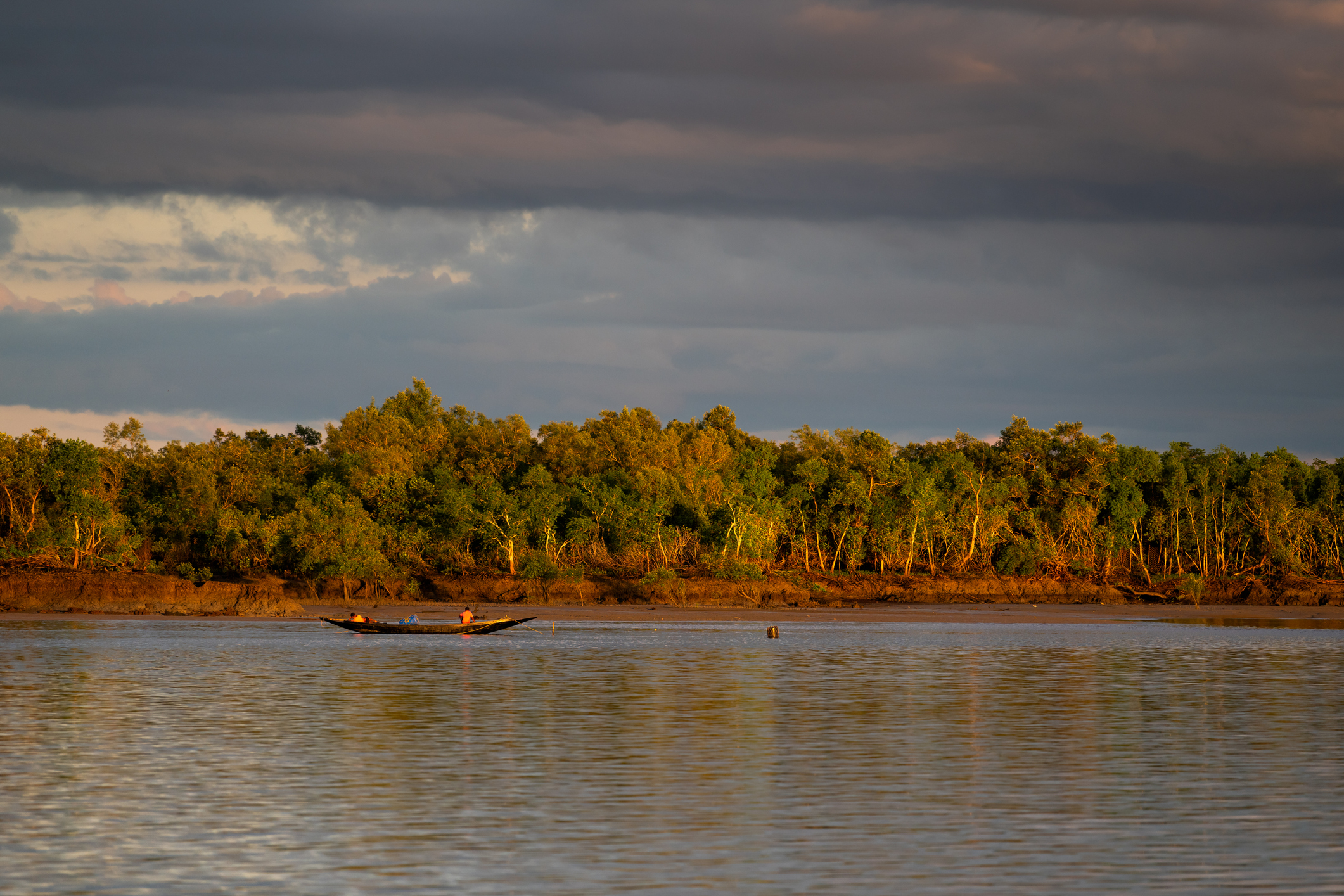
Sunderbans National Park is only a small part of the river delta known as the Sunderbans in East Bengal, and therefore cannot be held responsible for all the deaths in the region – nevertheless, according to some estimates, more than 3,000 people have been killed by man-eating tigers over the past five decades, putting the death rate at 60 a year, though the Forest Department puts a more conservative figure of no more than two or three a year.
That the Sunderbans tigers are notorious man-eaters is beyond dispute, with their predisposition to human flesh put down to the relative paucity of prey in the area and the brackish water. Or is it simply a case of mistaken identity? Probably, we will never know.
- What's the biggest national park in the world? And no, it isn't the one you think it is...
- "if you decide to gatecrash, best to make sure you’re wearing stout shoes and have anti-venom with you" The world's 10 deadliest places for wildlife
- "1,000 people die every year from snake bites." 10 deadliest countries for wildlife – including the one where Gustave the 'man-eating' croc lurks