
Drawing around 5 million tourists every year, the Grand Canyon in Arizona, USA, is one of the most recognisable places on Earth and a bucket-list destination for many of those who make the journey here. These include American president Theodore Roosevelt, who reflected on his visit in 1903 by saying:
“The Grand Canyon fills me with awe. It is beyond comparison, beyond description; absolutely unparalleled throughout the wide world… Let this great wonder of nature remain as it now is. Do nothing to mar its grandeur, sublimity and loveliness."
Carved out by the wild waters of the Colorado River over millions of years, this superlative gorge is 277 miles long, up to 18 miles wide and over one mile deep. Covering a total area of 1,902 square miles, the national park is also one of the most studied landscapes in the world, with colourful layers of rock strata that document almost 2 billion years of geological history.
- "It was formed over 7,000 years ago, when a volcano erupted and created an enormous crater." 10 most spectacular, beautiful scenic drives in USA
- Why half-a-billion-year-old animals unearthed in Grand Canyon have got evolution experts so excited
While few people live in the national park’s arid landscape, it’s home to a colourful array of wildlife big and small, including around 91 mammal species, 447 bird species, 48 reptile species and 10 amphibian species.
Here are 10 of the wild, wonderful and occasionally deadly desert-dwellers every visitor should know about before wandering out into the wilderness…
10 deadliest animals in the Grand Canyon
1. Rock squirrels
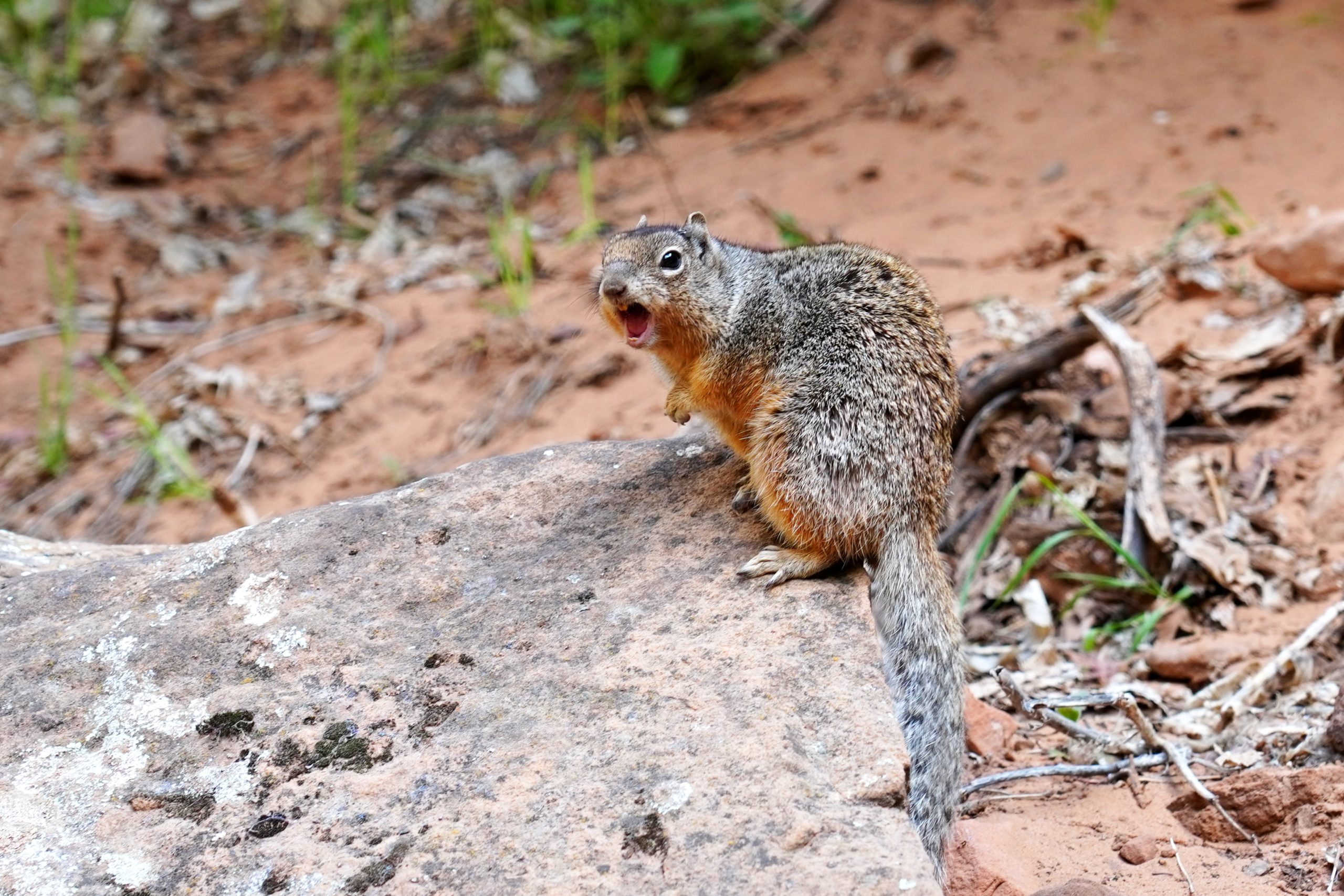
While the rock squirrel might seem like an unlikely candidate for this list, don’t let their fluffy tails and cute cartoon character looks fool you, because behind those beady eyes is a streak of pure mischief. These tiny terrors are responsible for more animal‑related injuries in the Grand Canyon than almost anything else.
Why? Because after years of being fed by tourists, they are utterly unafraid of them and will launch themselves at outstretched hands and backpacks, expecting to find tasty snacks. Their tiny teeth are built for cracking seeds and can give a nasty bite that might just leave you needing a rabies shot for your troubles. Shake that bag of trail mix in their direction at your peril!
- Squirrel pox: A guide to this fatal squirrel disease - including symptoms and causes - and its deadly effect on red squirrel populations
- How do squirrels find their nuts?
2. Grand Canyon rattlesnake
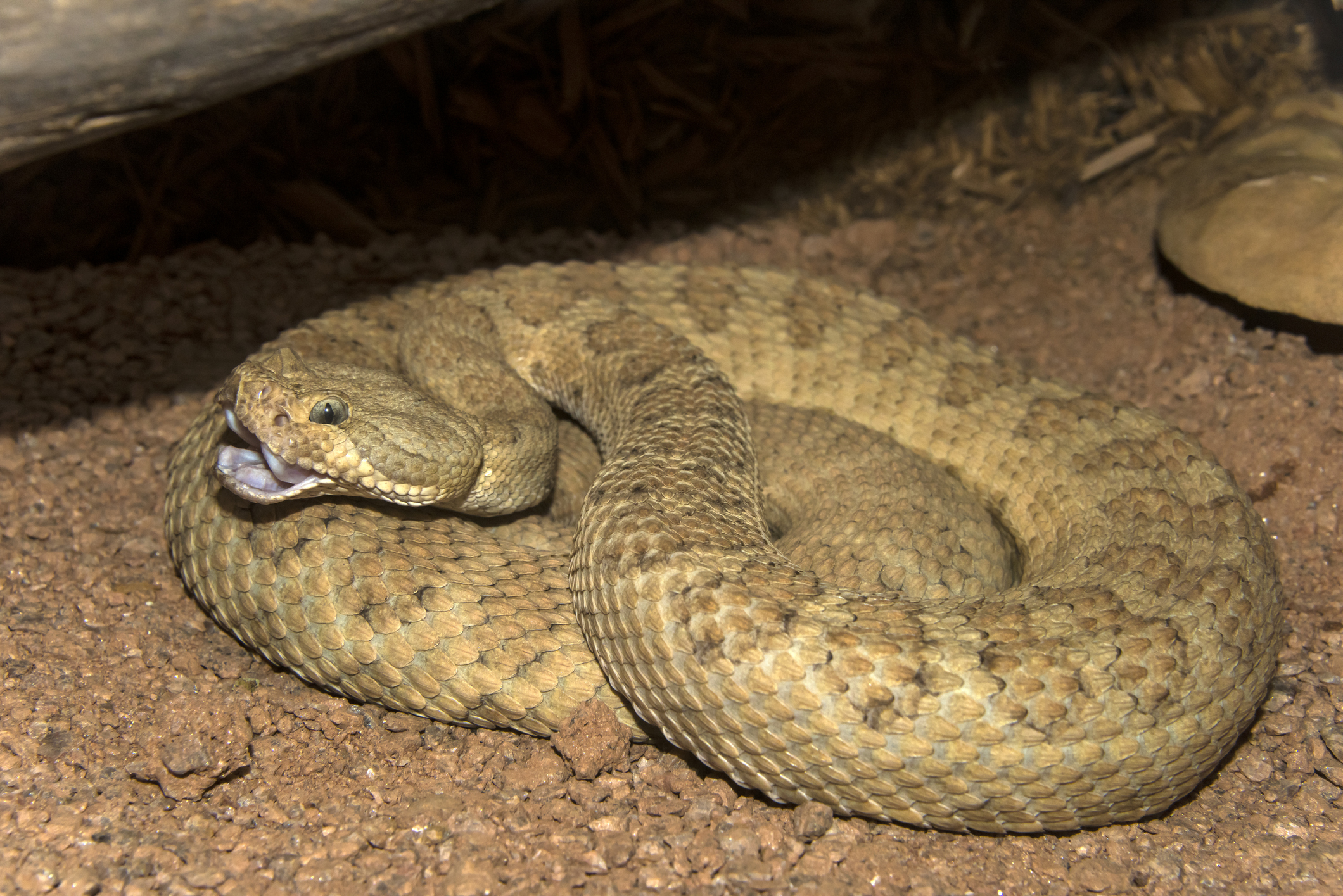
The slithering ‘rattler’ will forever be associated with America’s ‘Wild West’ due to its countless appearances in films set in this arid, unforgiving landscape – and the Grand Canyon National Park is home to six species of them.
- It is one of the most deadliest and feared snakes in the Americas, able to kill a person with one bite. Fortunately, you can hear it coming...
- "That’s the length of a double decker bus!" 33ft monster tops biggest snakes in the world list
Of these, the most dangerous and notorious is the Grand Canyon rattlesnake, found only in the states of Arizona and Utah. This subspecies of the Western rattlesnake is known for its potent hemotoxic venom and ability to blend into the canyon's rocky landscape. This is a medium to large rattlesnake, with adults measuring up to 137cm (54 inches) in length. They vary in colour, often matching the rock layers where they live, with blotches of pink, red or brown that become crossbands near the tail.
While other species of snake exist in the canyon, the Grand Canyon rattlesnake is specifically adapted to the environment, making them one of the hardest to spot.
3. Arizona bark scorpion
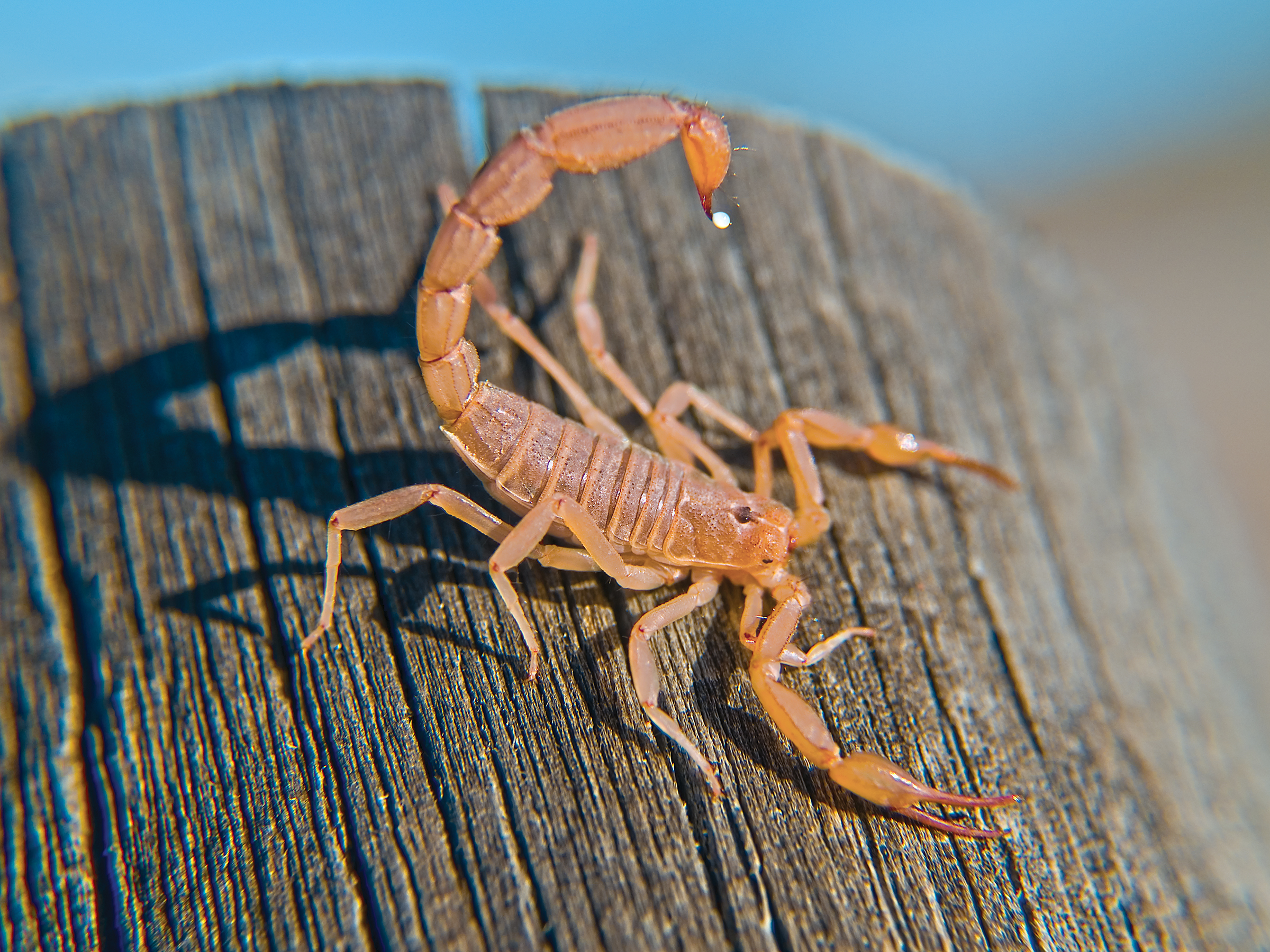
This diminutive stinger is proof that dangerous beasts can come in all shapes and sizes. Tiny, pale and almost translucent, the Arizona bark scorpion has a famously intense sting, often described as an electric shock that lingers for hours. While rarely life-threatening to healthy adults, it can be dangerous for children, pets and anyone with allergies.
- What’s the most venomous scorpion in the world? And just how deadly is it?
- Meet the world's deadliest mouse that can take on highly venomous scorpions - and have them for dinner
These scorpions love hiding in shoes, crevices and shady spots, which means accidental encounters are common. They earn their place on our list because they’re small enough to be overlooked but potent enough to turn a canyon holiday into a hospital trip.
4. Elk
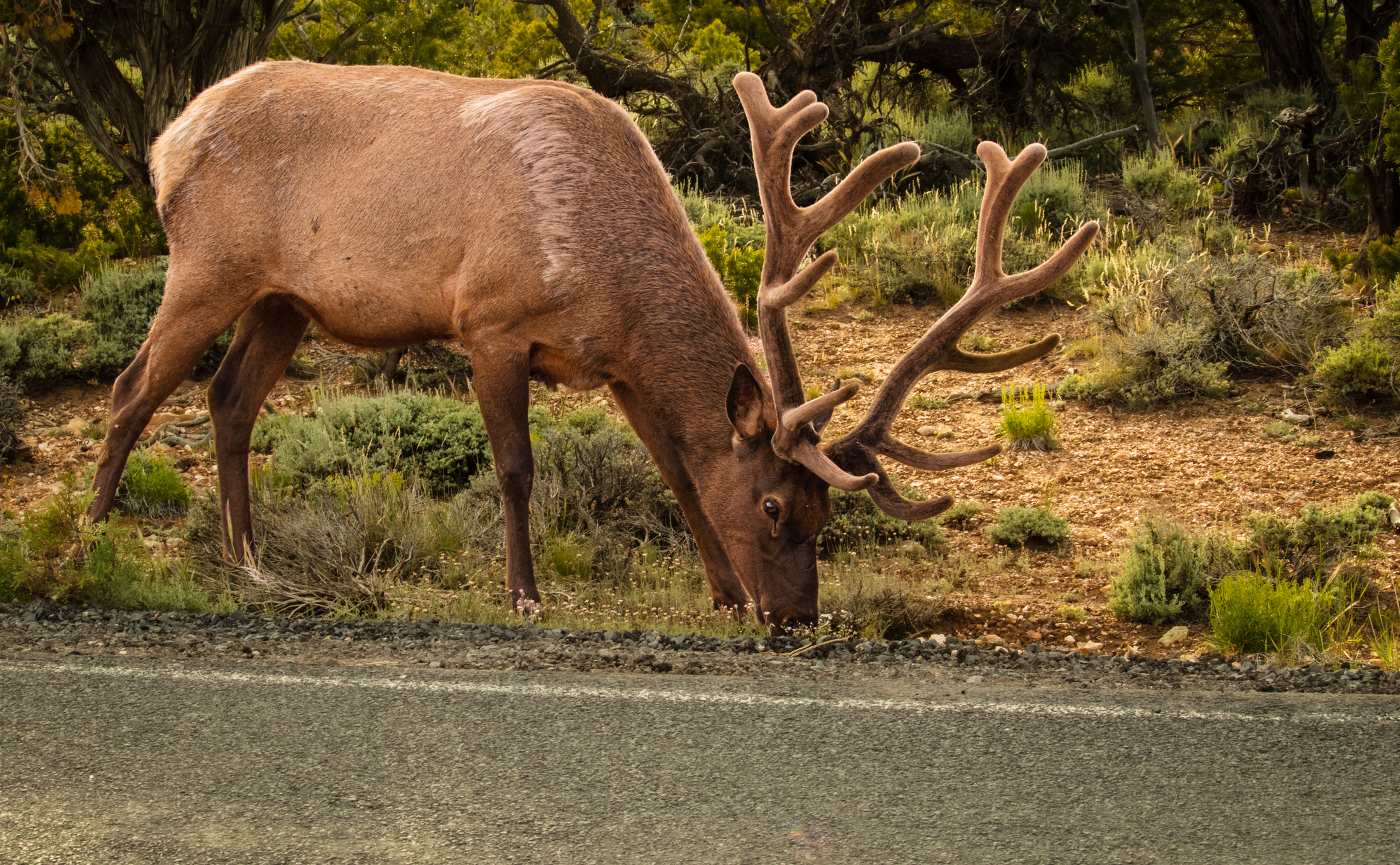
While they might be majestic, towering and generally fairly placid, elk can be scarily aggressive when provoked. The bulls can weigh over 300 kilograms and move with surprising speed, especially during mating season (August and September) when their tempers are short. Cows protecting their newborns during the calving season (May and June) can also charge without hesitation.
- In Alaska’s biggest city, a massive animal is rampaging through shopping centres. Here’s what’s going on
- Watch amazing, jaw dropping footage of fearless elk chasing grey wolf in Yellowstone National Park
Visitors often underestimate them because they look like oversized deer, but elk are responsible for more injuries than predators such as mountain lions or bears. They’re included here because their combination of size, strength and unpredictability makes them one of the canyon’s most deceptively hazardous residents. Best viewed from a safe distance of at least 100 feet (30 metres).
5. Bison
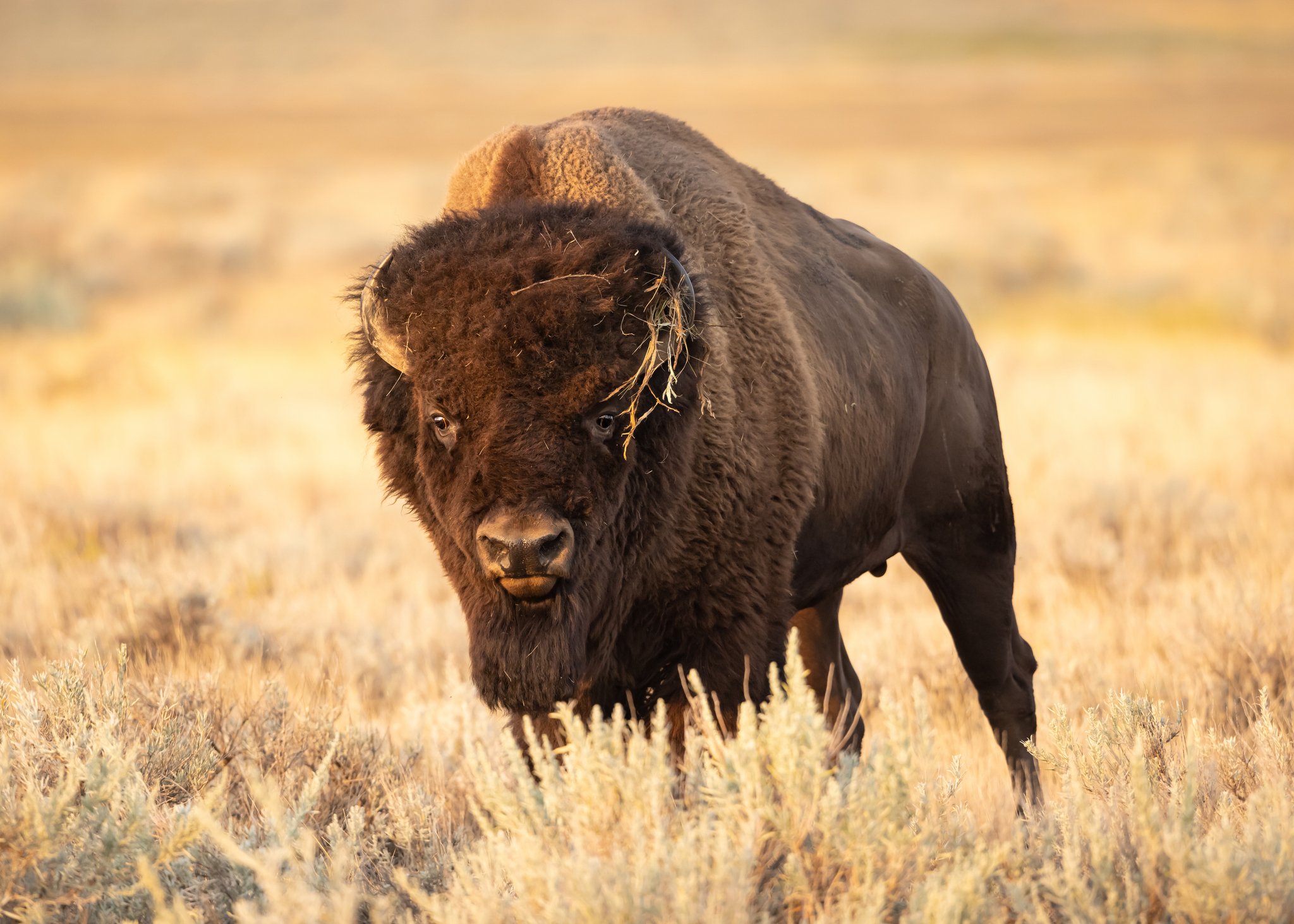
If elk are dangerous, the bison that can be found grazing in the North Rim of Grand Canyon National Park take things up another level. The Kaibab Plateau bison herd is one of the few unfenced wild herds in the US, leaving it free to wander and graze across a large territory.
- Bison snot holds the American prairie together. Here's how, according to an ecosystem expert
- Buffalo v bison: Just what is the difference between these massive 1000kg beasts?
These massive animals can weigh nearly a ton and sprint faster than most people can run. They’re generally peaceful grazers, but if they feel crowded or startled, they can switch from calm to charging in seconds. The National Park Service recommend maintaining a safe distance of 100 feet (30 metres) and viewing them from inside your vehicle when they are close to the road.
6. Mountain lion
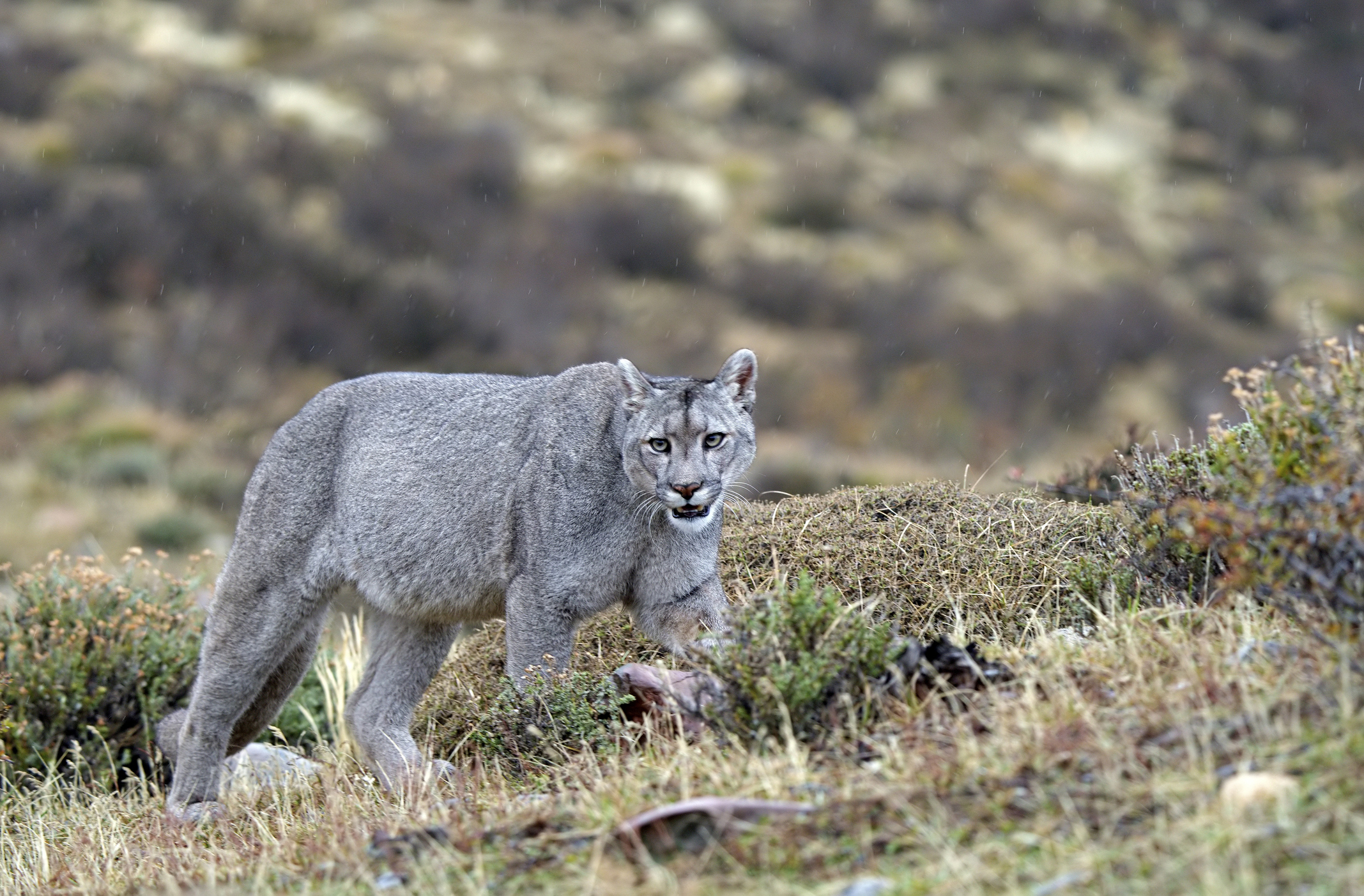
The mountain lion (also known as a puma or cougar) is the Grand Canyon’s elusive apex predator; solitary, mostly nocturnal and rarely seen. These sleek and powerful hunters are capable of silently stalking prey such as mule deer and elk across rugged terrain before taking them down with a fatal bite to the back of the neck.
At the shoulders, an adult mountain lion stands about 2–3 feet (60-90 centimetres) tall and 6–7.5 feet (1.83–2.3 metres) long from the tip of the nose to the end of the tail. They have very large territories of around 150 square miles, which can extend into the forests surrounding the national park.
- 10 deadliest cats in the world: Which felines are the best killers and which attack humans?
- Scientists tracked these mountain lions in Los Angeles for seven years – now they've discovered something crucial
The good news is that mountain lion attacks on humans are extremely rare, with only about 29 confirmed fatal attacks in North America since 1868, making them less common than incidents involving bees, snakes or dogs.
7. Black Widow spider
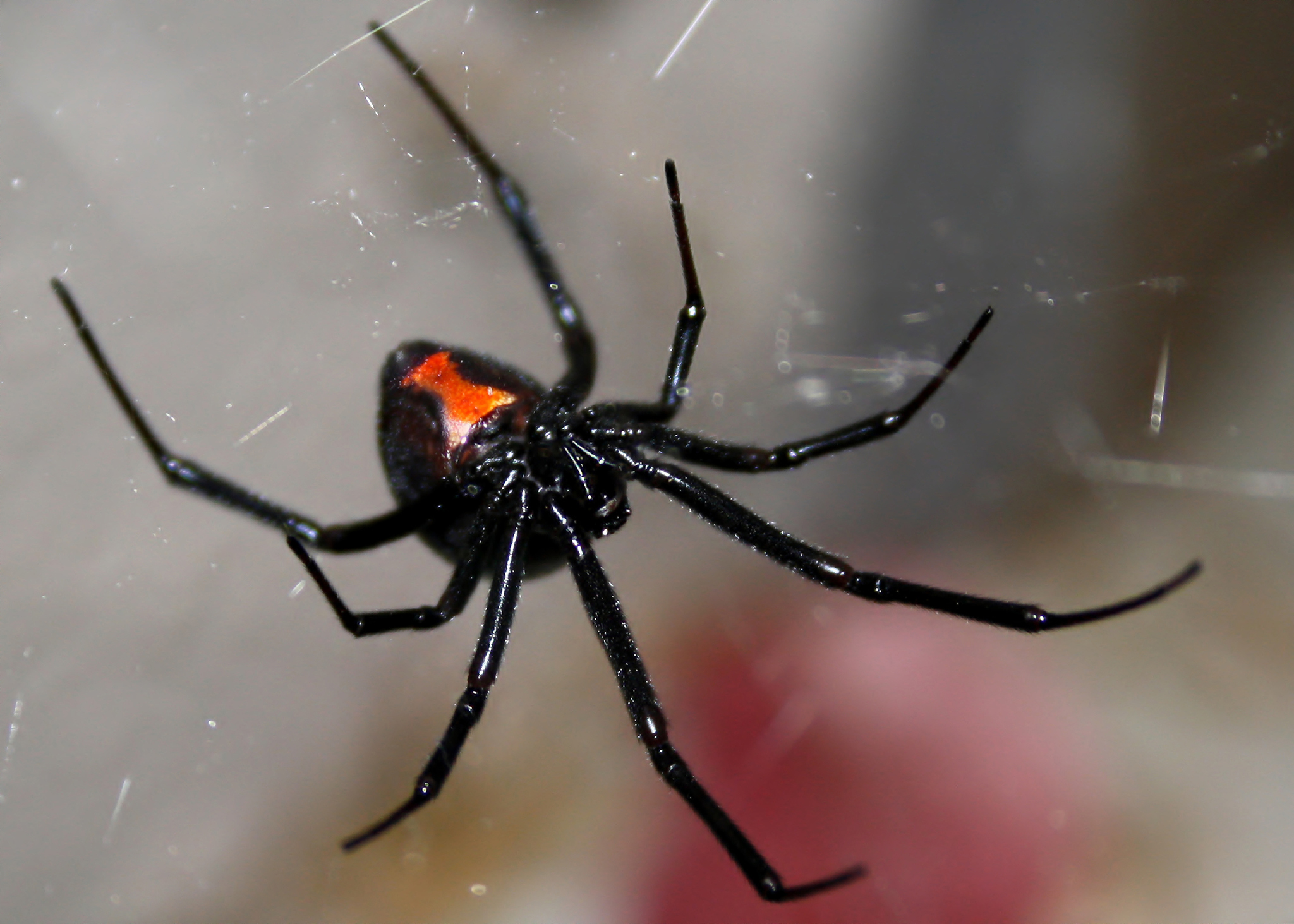
Although the Grand Canyon is home to many species of spiders, including the terrifying-looking Grand Canyon black tarantula, which can grow up to 4 inches (10cm) from leg tip to leg tip, the most dangerous web weaver is much harder to spot. Found at higher elevations of the Grand Canyon, the iconic female black widow spider is jet-black and shiny, with a distinctive red hourglass marking on its abdomen.
- Scariest spiders on the planet: 9 creepy arachnids that may send shivers down your spine
- How tiny spiders are able to kill and eat snakes up to a metre long and an enormous 355 times their weight
They are generally nocturnal, hiding in dry, rocky and secluded areas during the day. Their venom is a highly potent neurotoxin, said to be 15 times more toxic than a rattlesnake’s, with bites causing intense muscle pain and cramping in humans, although fatalities are rare.
While they produce the same venom as the females, the smaller male black widow spiders are not considered dangerous to humans, as they lack the jaw strength to puncture human skin.
8. Gila monster
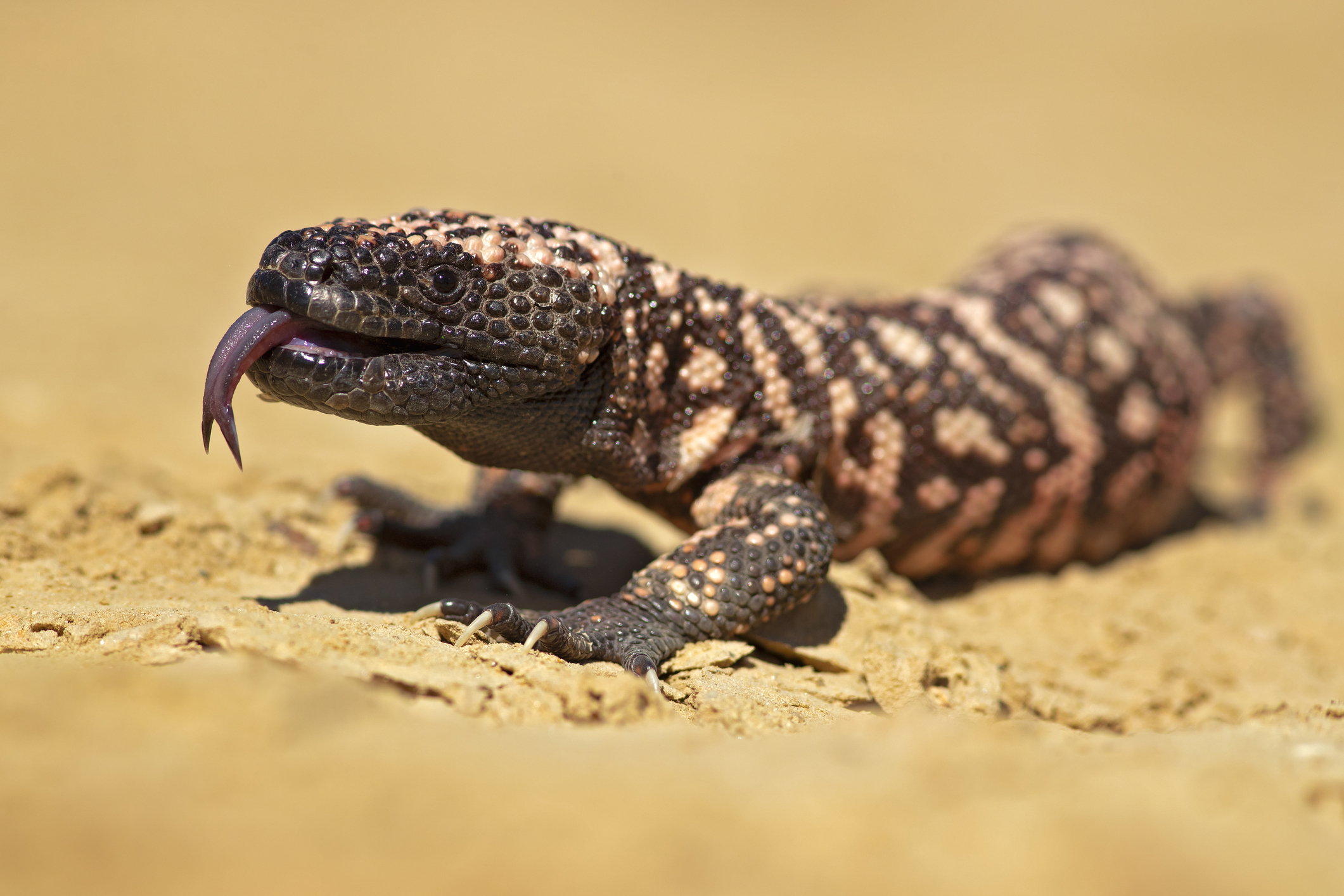
The Gila monster looks like a creature dreamt up by a twisted storyteller – a carnivorous, slow-moving lizard with a forked tongue, poisonous saliva and an armour of round bead-like scales, covered in bold orange and black blotches. Found in the desert areas at the far western edge of the national park, they are large and thick-bodied, growing up to 22 inches (56 cm) in length and weighing over 2.3 kilograms.
- Lethal lizards that can kill: Meet the world’s deadliest lizards
- "Death can result very quickly" - Discover the world's 10 most venomous animals
One of only two venomous lizards in the world, it delivers its venom through a prolonged, chewing bite that causes immediate, intense burning or throbbing pain. Fortunately, Gila monsters are shy and prefer to be left alone, but they earn their place on this list because disturbing or attempting to handle one could turn a peaceful hike into a painful lesson in desert etiquette.
9. Coyotes
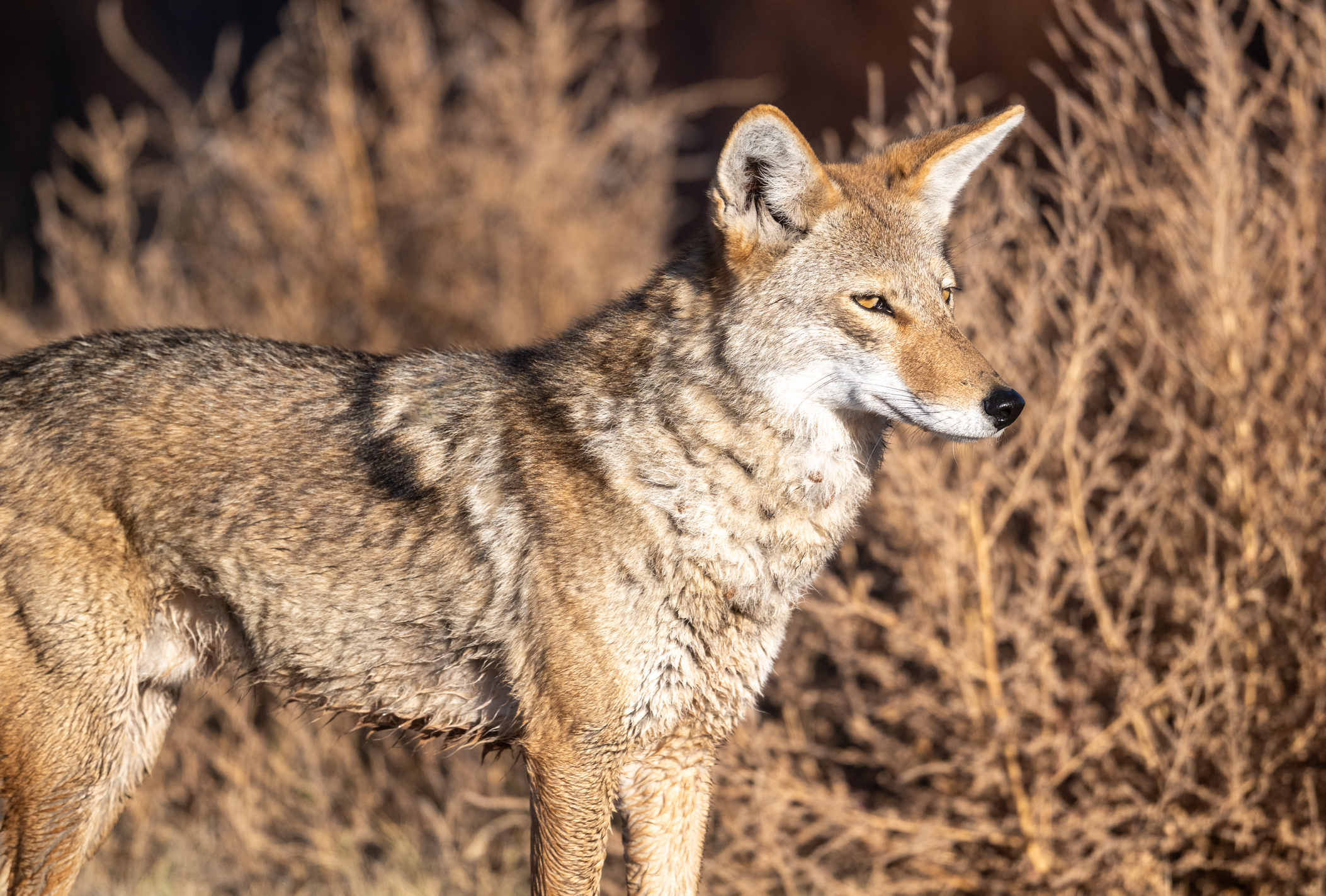
Coyotes are the canyon’s opportunistic scavengers; lean, bright‑eyed, and always on the lookout for an easy meal. Commonly seen travelling alone or in packs, they can be found living in all areas of the national park and are active hunters, feeding on small rodents, carrion and sometimes elk or deer.
They can be heard yipping and howling at night, and are often mistaken for wolves, although the larger Mexican grey wolf was eradicated from the region in the early 1900s.
- "Their eerie howling from a wintery mountainside will still bring a shiver to the spine" – 10 biggest wild dogs on the planet
- The 10 deadliest dogs on Earth: Discover the world's most ferocious and savage wild canine hunters
Typically wary of humans, coyotes become bolder wherever food is left unsecured or when protecting pups. They make this list not for their ferocity but for their adaptability, as a coyote that learns to associate people with food can quickly become a problem.
10. Tarantula hawk
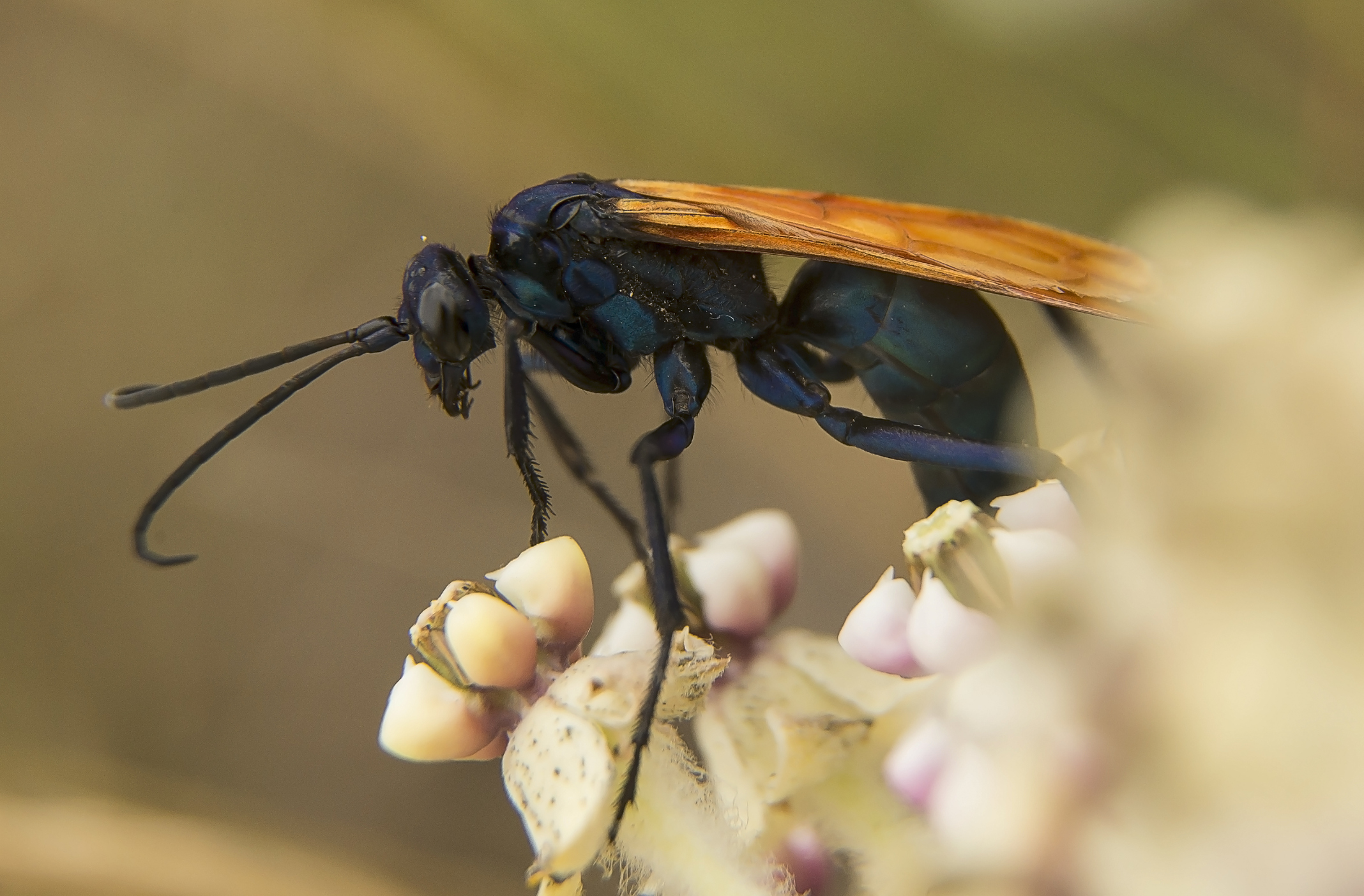
With its metallic blue-black body and orange wings, the tarantula hawk looks like it belongs in a sci‑fi film. This parasitoid wasp also has a sting that is ranked among the most excruciating on Earth, described by the Schmidt sting pain index as “blinding, fierce, shockingly electric”, and beaten only by the South American bullet ant.
- 9 ruthless insect assassins – including one that chops the heads of its victims before removing their limbs
- Meet the deadliest and biggest wasp in the world - complete with its scary 6mm stinger - and learn why it's called the murder hornet
Fortunately, these two-inch insects are generally pretty docile, drifting through the canyon to gather nectar from flowers and only stinging when truly provoked (or you accidentally sit on one). Their real terror is reserved for tarantulas, which the female tarantula hawk wasps paralyse and then drag into a brood nest to use as living nurseries. A single egg is laid on the prey, hatching into a larva, which then feeds on the still-living host until it has enough strength to emerge from the spider’s abdomen and dig its way out of the burrow.


