
The world’s third largest ocean (after the Pacific and Atlantic), the Indian Ocean is perhaps best known for its sapphire waters, tropical beaches and wonderful marine diversity.
But among its fabulous ocean animals, some are more dangerous than others. From octopus to jellyfish and, of course, sharks, here are some of the deadliest animals in the Indian Ocean.
10 deadliest animals in the Indian Ocean
Box jellyfish
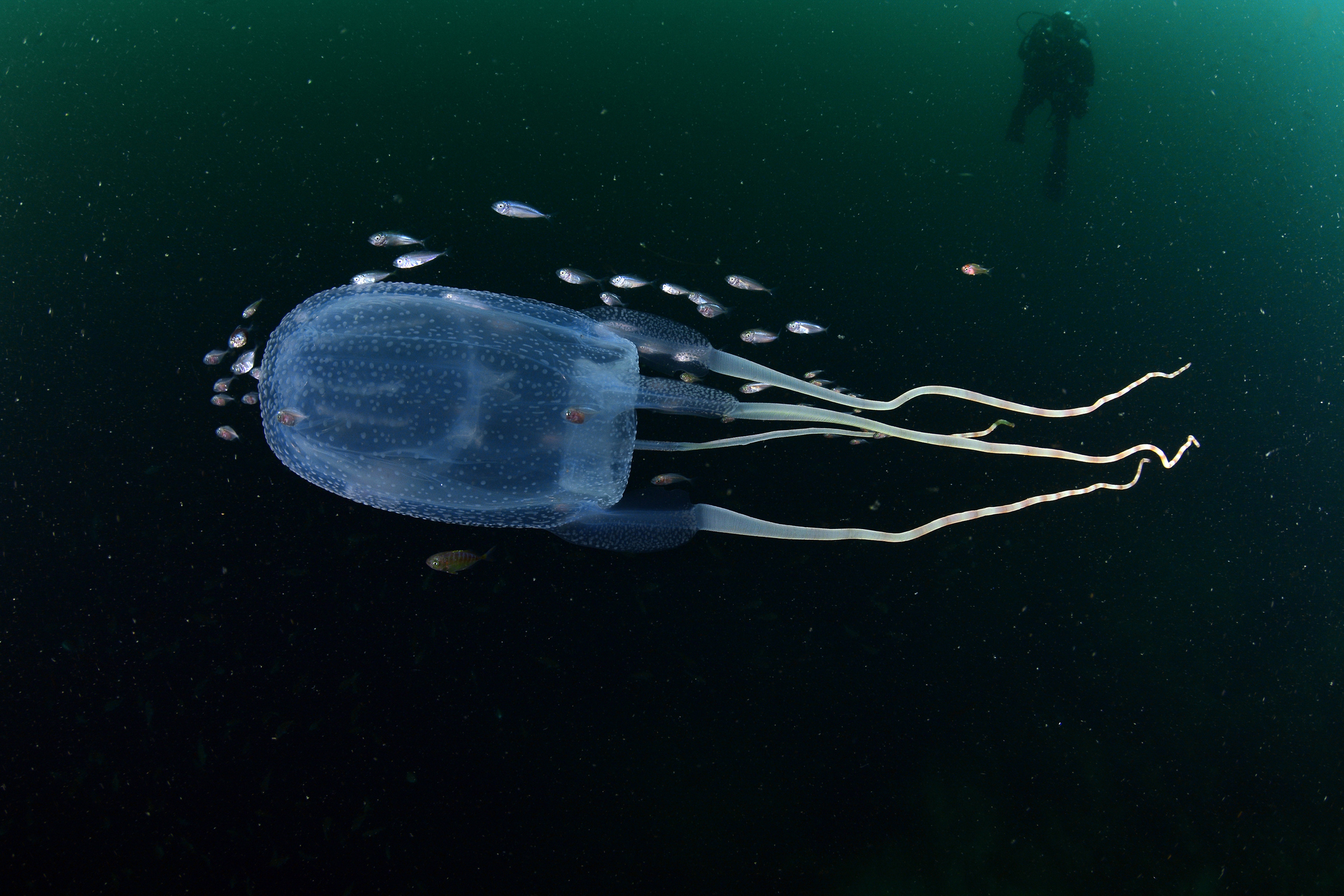
One of the Indian Ocean creatures that can cause serious harm is the Australian box jellyfish (Chironex fleckeri), which people sometimes also call the sea wasp.
There are around 50 species of box jellyfish and at least eight can kill a human. The Australian box jelly is the worst of them all. Able to kill a human in five minutes, it’s thought to be the most venomous creature on the planet.
These potentially deadly animals are found throughout Indo-Pacific waters around southeast Asia. Unlike most other jellies, which can’t swim against the current, these marine stingers use jet propulsion to get around and hunt prey.
Because they're transparent, it can be hard to see them coming, so be prepared – just in case – by wearing a stinger suit to protect yourself.
- What’s the most venomous animal in the ocean?
- "Death can come within five minutes": Discover the 10 deadliest, most venomous, jellyfish on the planet
Blue-ringed octopus
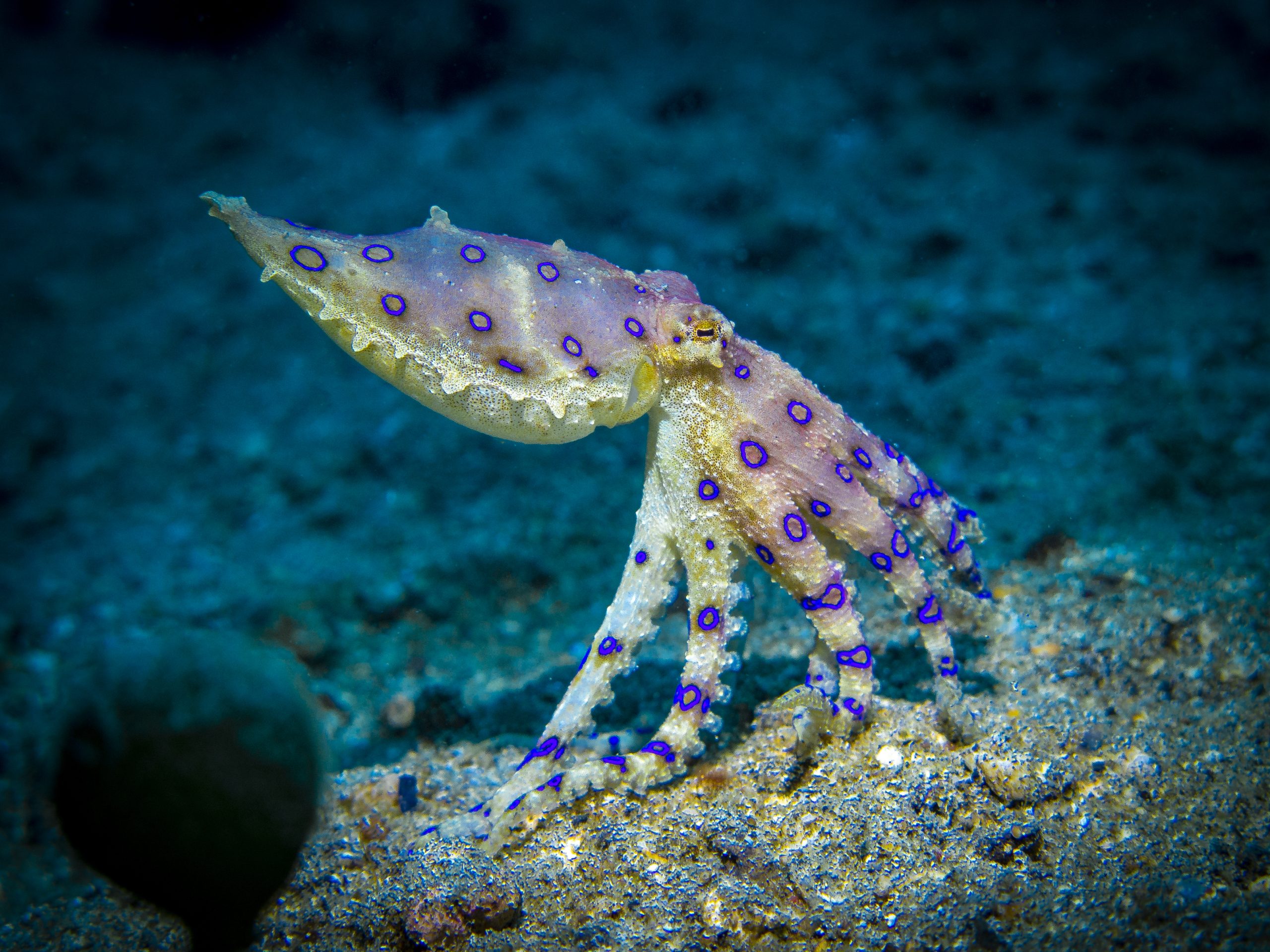
If you see a small, rather adorable octopus with vivid blue markings in the shallow waters of the Indian Ocean, you may have come across a blue-ringed octopus.
- These are the deadliest octopuses in the world – and one has enough venom to kill dozens of humans within minutes
- This tiny, deadly animal has venom so lethal it could kill a human within minutes – and there's no antidote
They might look cute but these cephalopods are deadly if you get on the wrong side of them. When they bite, they can inject a neurotoxin called tetrodotoxin (TTX), which is produced by their salivary glands. There is no known antidote for this deadly venom.
- Octopuses are now punching fish in the face. This video shows exactly why
- The very cute Dumbo octopus can swallow prey whole, reproduce at any time and is named after a Disney character – meet the elusive deep-sea animal
Although TTX is thought to be around 1,200 times more deadly than cyanide, fatalities are rare. Blue-ringed octopus only bite humans out of self-defence and give a warning first by flashing their iconic indigo bands across their skin.
Pufferfish
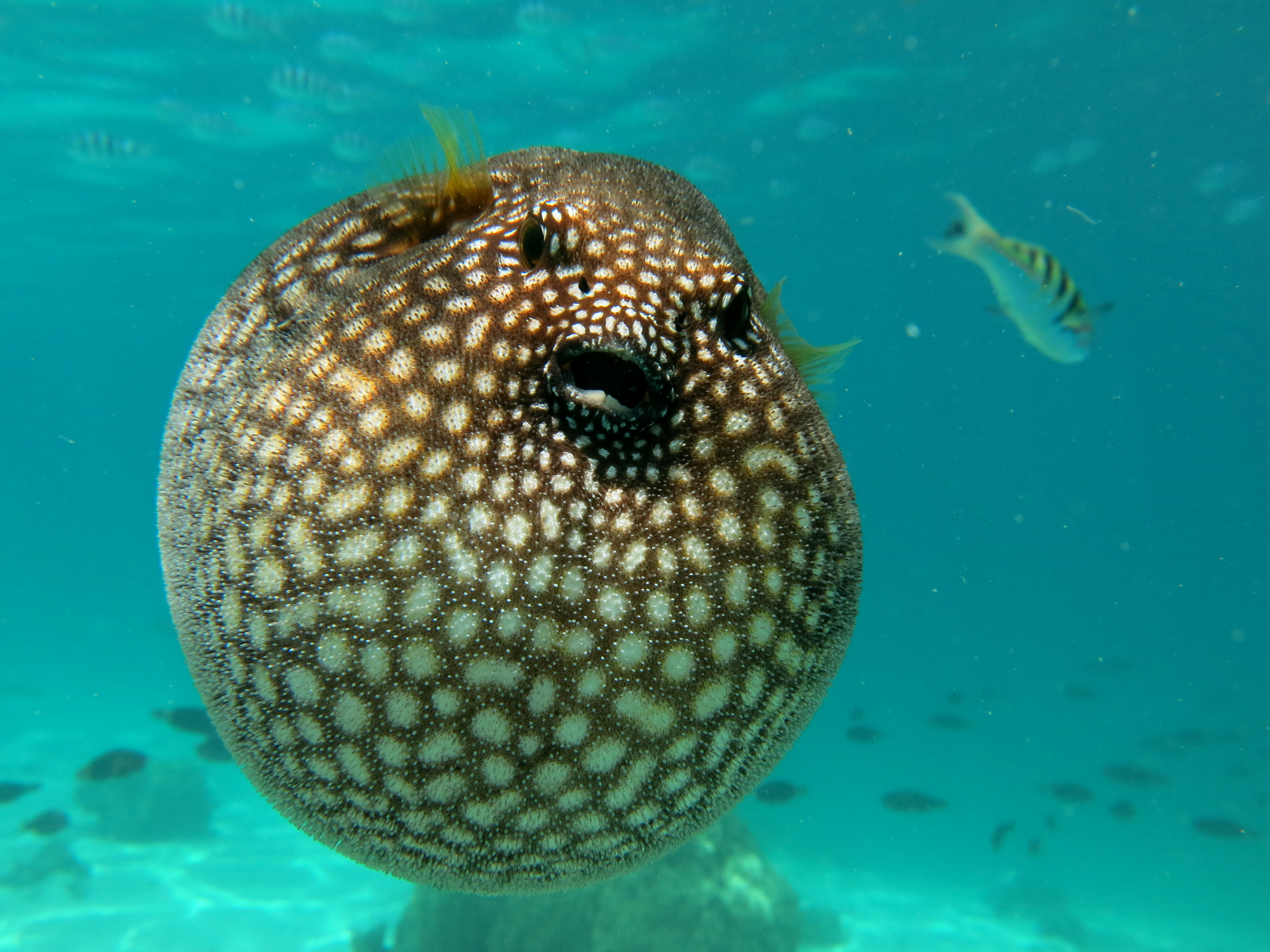
Blue-ringed octopuses aren’t the only species armed with TTX. Pufferfish also have this neurotoxin in their bodies, mainly in their ovaries and liver. But they don’t deliver it through a bite – you’ll only be in trouble if you bite them! They are the most poisonous (not venomous) fish in the world.
- Why are pufferfish so deadly poisonous - able to kill a human - and how on earth do they avoid poisoning themselves?
- "It can grab its tail in its mouth and expand like a rubber ring." 7 freaky inflatable animals that can blow themselves up like a balloon...
Fugu (pufferfish) is a delicacy in Japan but chefs must have a special licence because its meat can be deadly if not prepared properly.
Stonefish
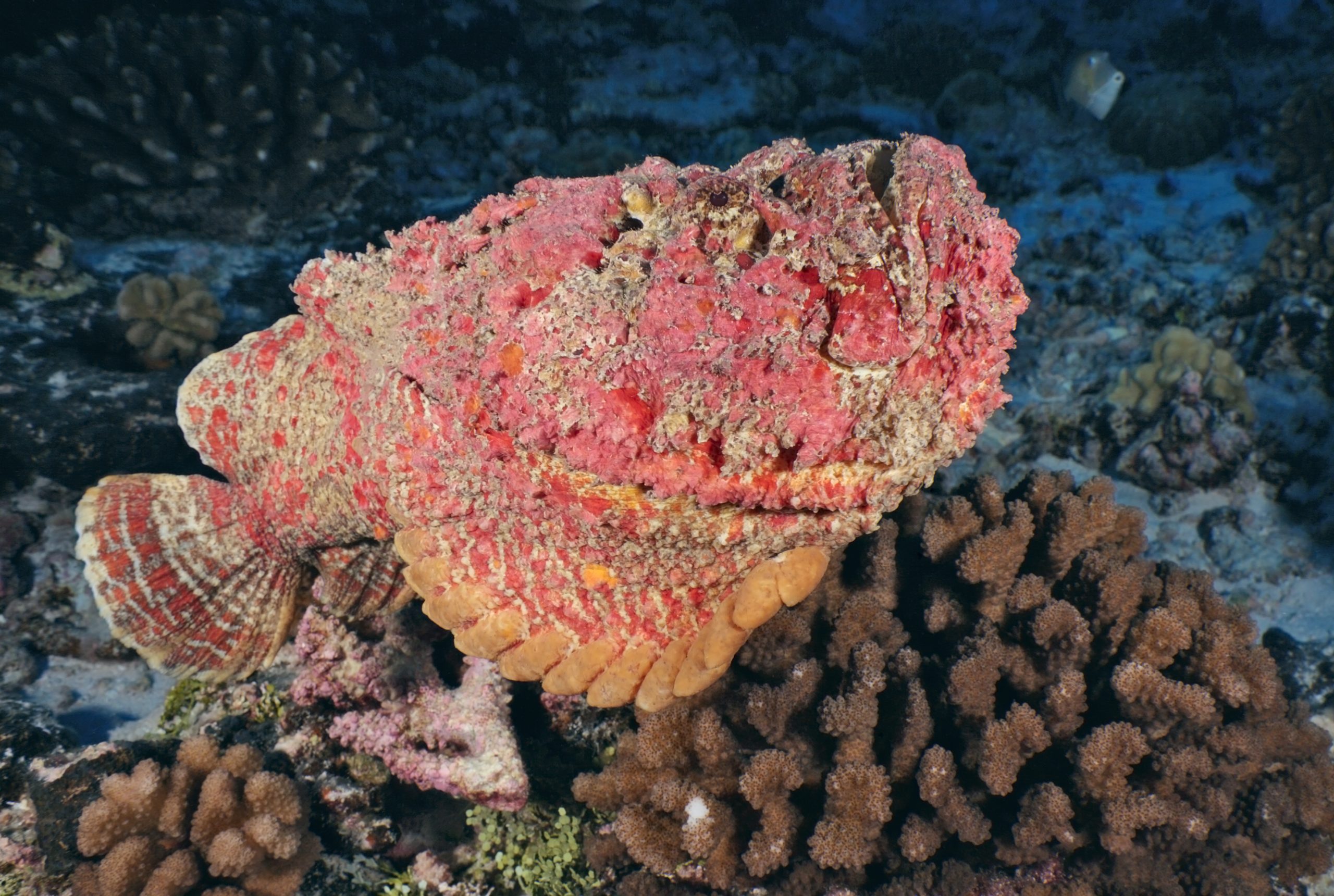
Although some venomous creatures announce their danger through bright warning colours, stonefish can take you by surprise. As their name suggests, they hide out on the reef looking just like a stone.
This excellent camouflage makes them very hard to spot on the reef, which can be problematic if you touch or step on one by accident. That’s because stonefish are the most venomous fish in the world. Their sharp dorsal spines can deliver a toxin called verrucotoxin (VTX) which can cause pain, convulsions, cardiovascular damage, paralysis and even death.
- Forget Harry Potter, these creatures have real-life invisibility cloaks... 10 weird, translucent animals you can see right though
- "Capable of striking fear into the heart of divers everywhere, it's as dangerous as it is beautiful..." 10 deadliest fish on the planet – avoid at all costs
Stonefish – which are commonly found in the shallows of the Indo Pacific – don’t attack humans but it’s a good idea to give them plenty of space to prevent a nasty accident.
Great white shark
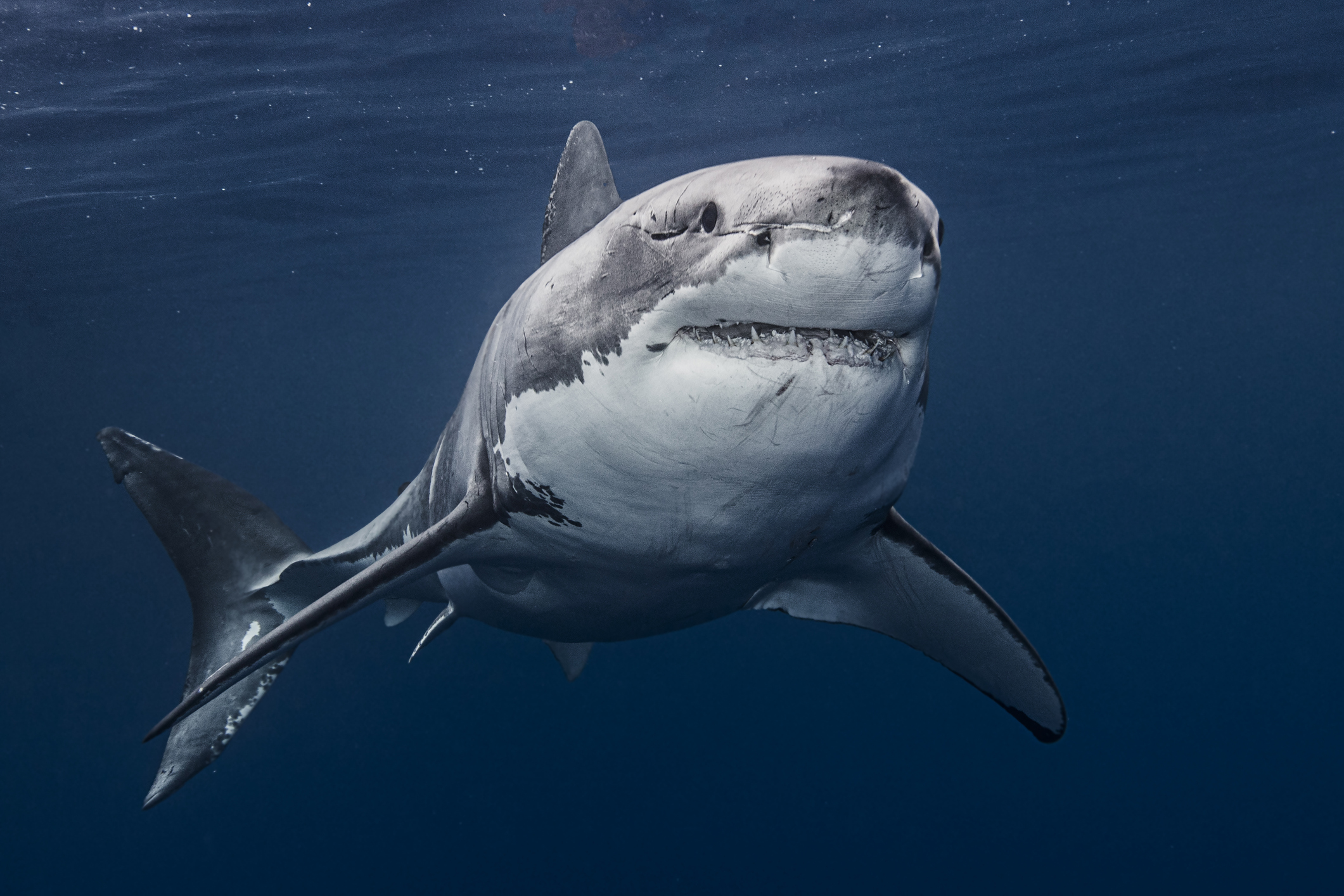
One resident of the Indian Ocean with a particularly formidable reputation is the great white shark. The island of Réunion is particularly known for its great whites, after a spate of attacks between 2011 and 2019.
- They can have 30,000 teeth and some really do die if they stop swimming: 35 incredible, hard-to-believe, fascinating shark facts
- These are the rarest sharks in the world – and before long they could be extinct, warn Shark Trust
These infamous predators are known for their ability to leap out of the water in an enormous breach and snap up unsuspecting seals. But, while people fear these sharks, the chance of a human ending up in their impressive jaws is very rare. While humans kill around 100 million sharks annually, there were only 65 unprovoked bites on humans globally in 2025.
- How deadly are sharks to humans?
- 8 brutal, jaw-dropping great white shark moments captured in photos and film that expose their raw, explosive power and deadly ferocity
Tiger shark
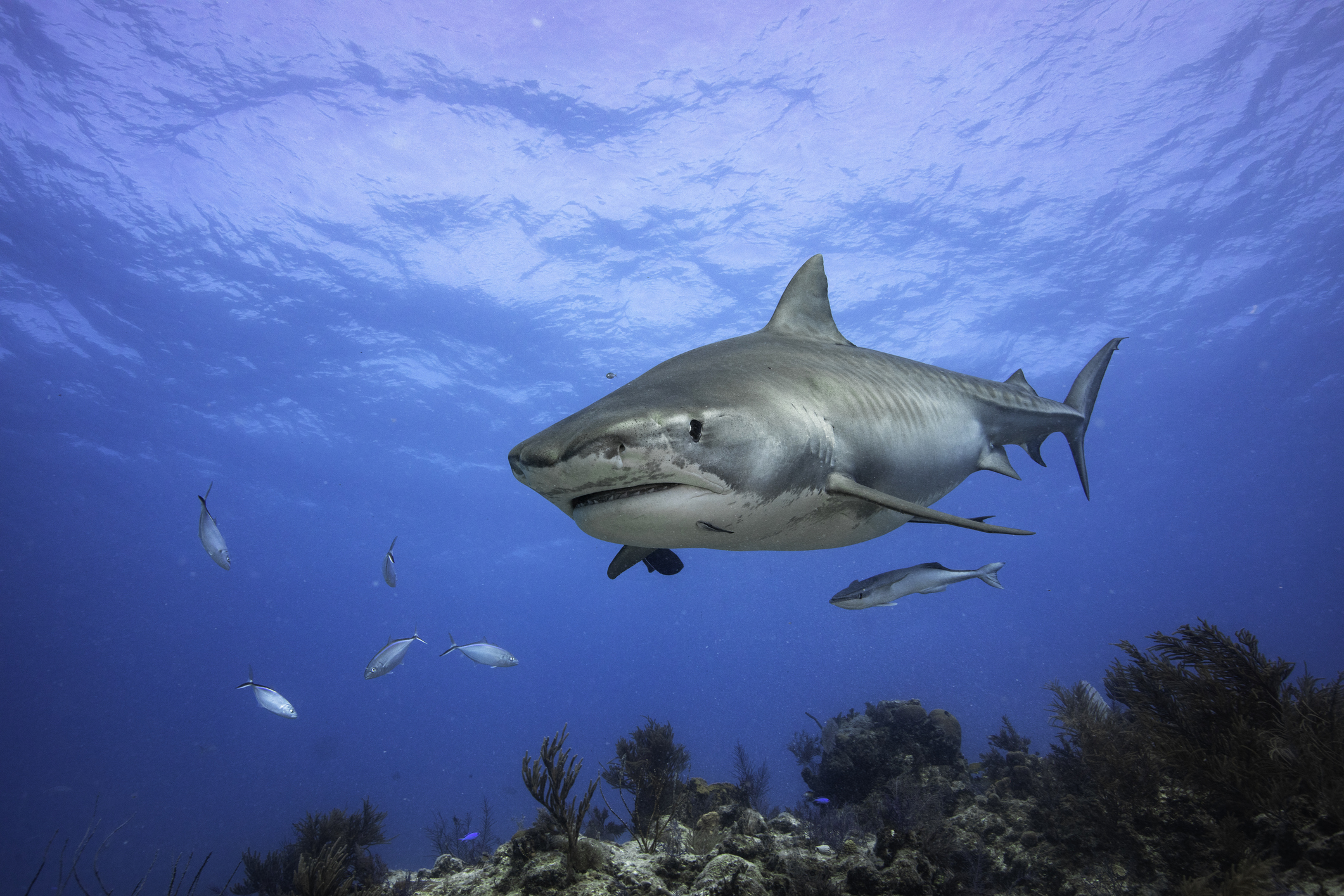
Another toothy predator that cruises thought the Indian Ocean is the tiger shark. In fact, Fuvahmulah in the Maldives is believed to be the largest tiger shark aggregation in the world.
Named for their iconic stripes – which are particularly dramatic in juveniles and fade as the sharks grow to adulthood – these large sharks are also opportunistic hunters like their namesake.
- Tiger shark vomits up spiny anteater, shocking Australian scientists
- What is the largest shark of all time? Meet the ocean giant with a bite force ten times stronger than a great white
Fish, birds, mammals, and even turtles: nothing’s off the menu for these “trash cans of the sea”. They’ve even been known to munch on whole chicken coop!
Despite their voracious appetite – and willingness to take a bite out of almost anything put in front of them – humans aren’t the most appealing prey. Bites are known (with tiger, bull and white sharks being the species most likely to bite humans) but they’re not at all common.
Saltwater crocodile
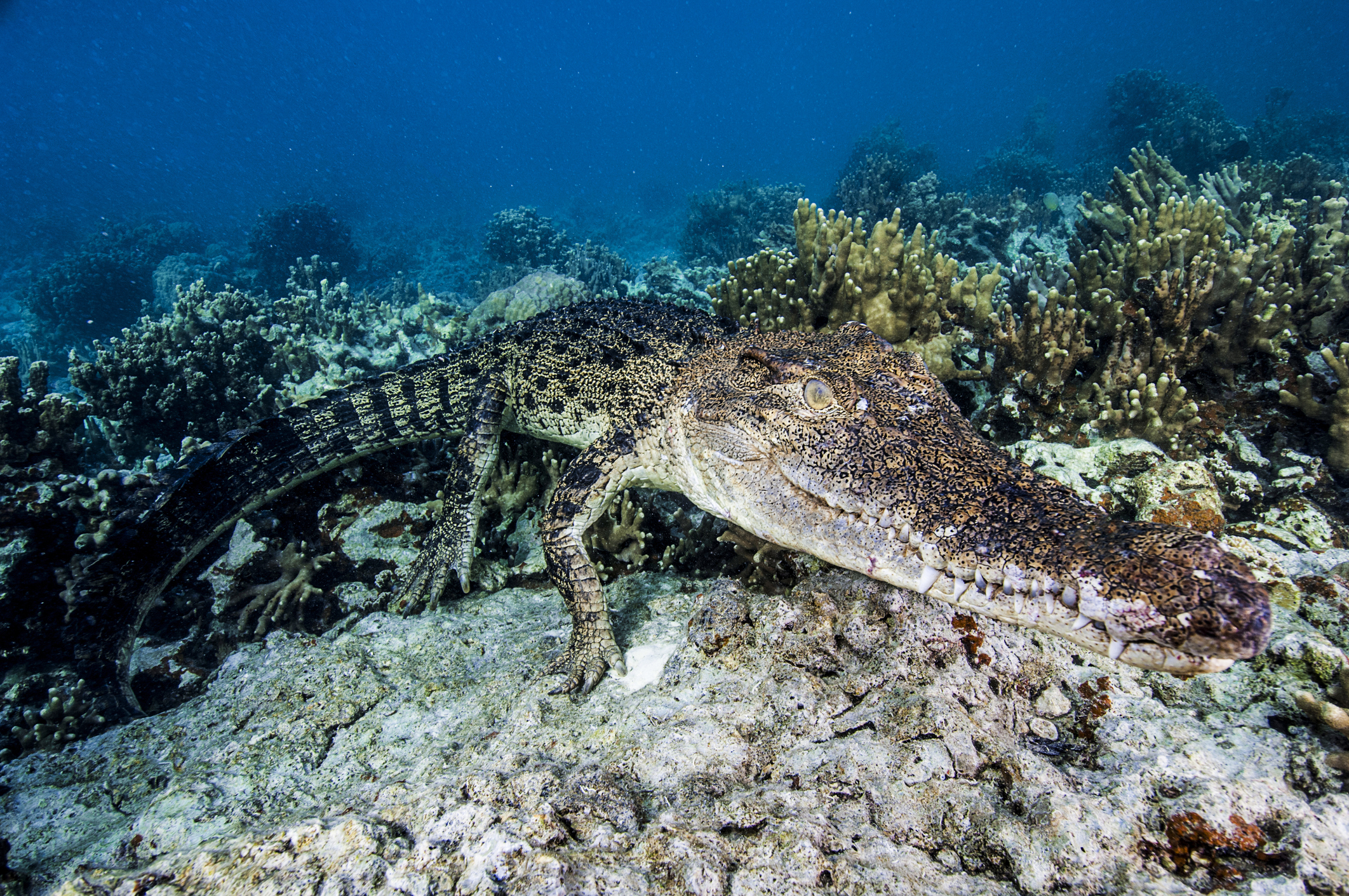
The largest reptile alive today – the saltwater crocodile – is known to inhabit the eastern Indian Ocean. These predators can survive in fresh, brackish and marine waters and have been recorded in waters around southwestern India, Sri Lanka and Indonesia.
They can swim (or, more accurately, surf) long distances – riding on ocean currents to take them across the open ocean.
- Staggering crocodile photos reveal just how ferocious these apex predators can be
- Can a human outrun a crocodile? Just how fast are these deadly, ferocious reptiles?
And they can be very dangerous. Saltwater crocs do attack people: for food, to defend themselves or their young, to steal food from fishing nets or due to mistaken identity. Some crocs have even learned to wait in swimming or bathing spots and pounce on someone at the water’s edge.
The chances of being attacked by a saltie are incredibly low but it’s always a good idea to take precautions. Stay crocwise in areas known to be frequented by saltwater crocs: stay a good distance from the water’s edge (and keep your pets and kids away too), use a torch at nighttime and don’t dangle your arms or legs into the water during a boat trip.
Cone snails
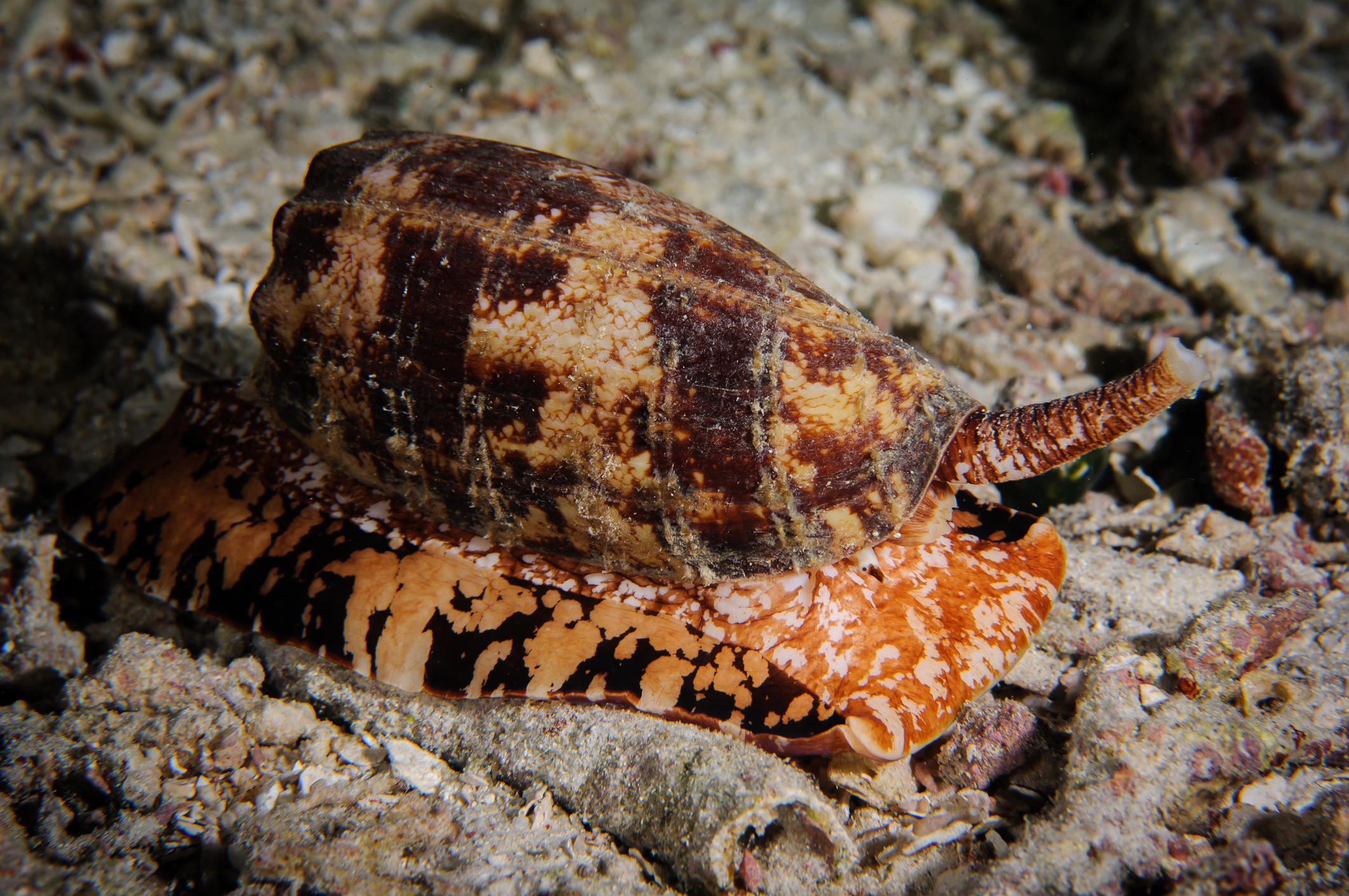
Often, people’s reaction to seeing a beautiful shell is to pick it up and take a closer look. But this can be a bad idea when the mollusc is still living inside, especially when that being is a highly venomous cone snail, which lives in the Indian Ocean.
- "Ingestion can lead to liver failure, kidney failure, encephalopathy, and death" – 10 deadliest poisons found in nature
- 10 rarest shells on the planet, from a gigantic deep-sea snail the size of a shoe box to a bizarre comb-shaped shell with delicate prongs
There are hundreds of species of cone snail and all capable of delivering a dangerous neurotoxin but possibly the worst of the bunch is the geography cone snail, named for the intricate map-like detail on its beautiful shell. A sting from one of these deadly creatures (which don’t target humans but will defend themselves when they feel threatened) can kill a human in a matter of hours.
Flower urchin
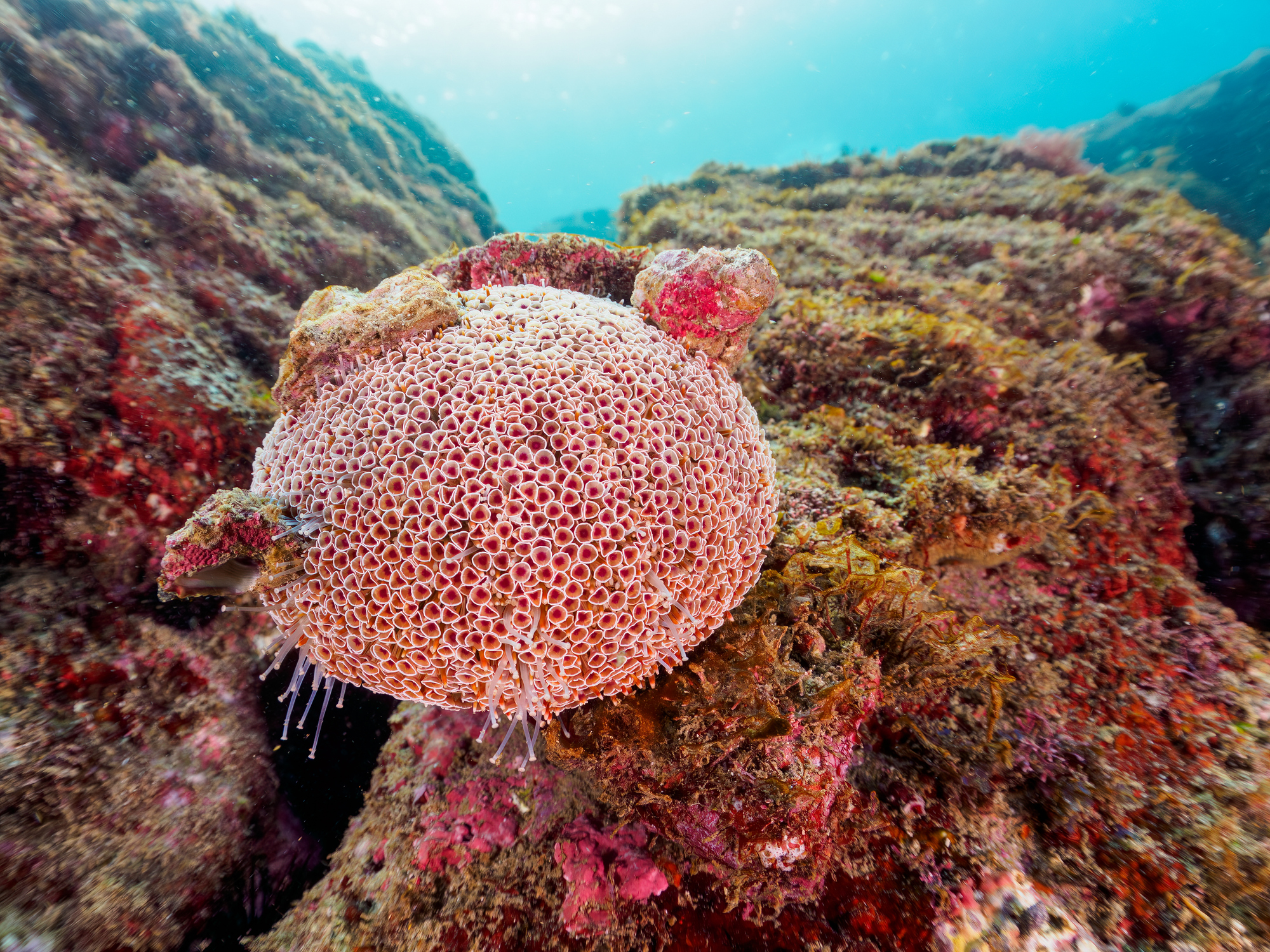
Getting stung by a sea urchin is never a good idea but that’s even more true of flower urchins – the most dangerous sea urchin in the world. These animals might look quite pretty thanks to the petal-like appendages that cover their bodies. But these tiny organs – called ‘pedicellariae’ – deliver a painful venom that can cause respiratory problems and paralysis. Some swimmers are said to have drowned after being stung, although this hasn’t been confirmed by scientists.
- In the dead of the night, this diver saw a bizarre thing scuttling out of the darkness
- Divers set up a camera in a lobster den. What happened next shocked them all...
- "I experienced relaxation of muscles in the limbs, was hardly able to speak or control my facial expression and felt almost like I were going to die”
Be sure to avoid these urchins if you ever find them in the waters of the tropical Indo-Pacific.
Beaked sea snakes
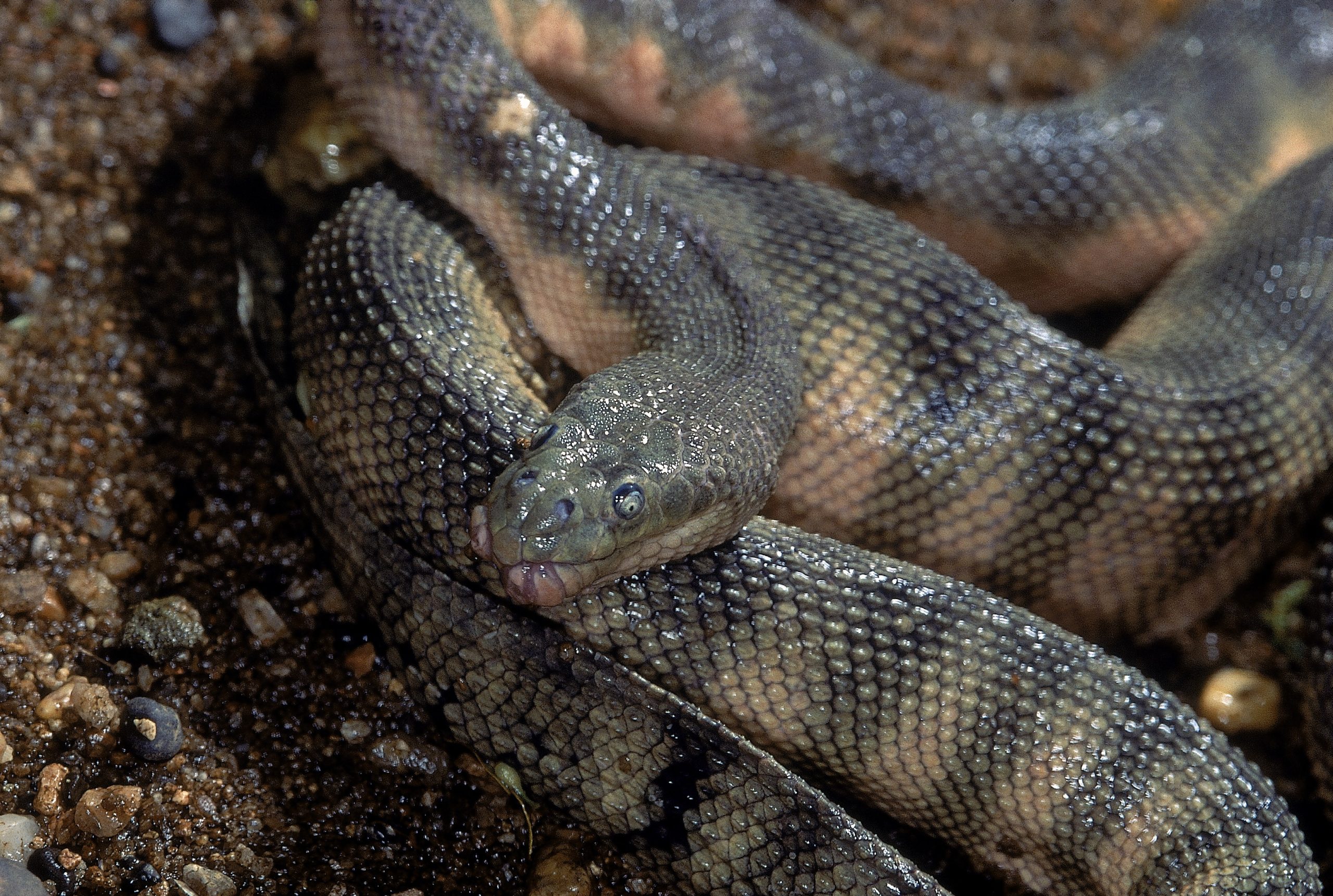
Seeing a sea snake undulating towards you in the ocean is probably never a welcome sight, especially if it’s a beaked sea snake. Living in the Indo-Pacific, these sea snakes are thought to be responsible for human fatalities of all sea snakes and kraits. Other species are more venomous but these marine reptiles are said to be very aggressive when disturbed, and are known to bite fishers trying to release them from their nets.


