
Sometimes, herbivores grow so large that they become invulnerable to predators. And, on rare occasions, species that could be a tasty snack for predators have developed a deterrent so powerful that nothing would dare eat it.
- 10 deadliest animals to humans: Discover nature’s top – most lethal – killers
- "1,000 people die every year from snake bites." 10 deadliest countries for wildlife – including the one where Gustave the 'man-eating' croc lurks
This list will take you through a selection of predator-less animals, ranging from a highly feared fish to an armoured lizard, and from a gigantic herbivore to an animal who is avoided by predators even when it is a vulnerable baby.
But it is worth noting that all these animals are vulnerable to humans. We pose a threat to even the most fearsome of predators.
7 animals that have no predators
Reticulated pythons
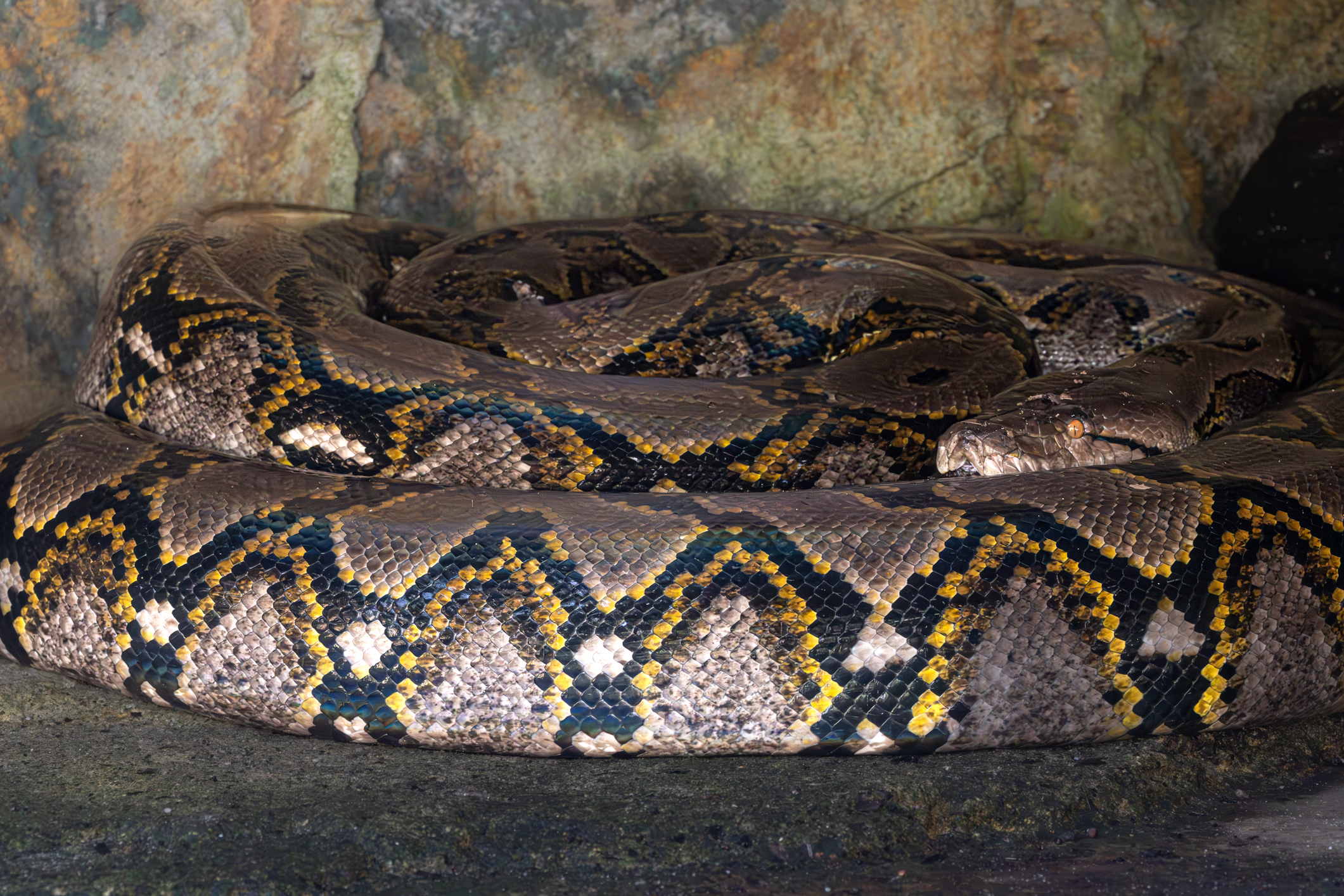
Reticulated pythons regularly grow to over 20-foot-long, but it takes a while to get to such a massive size – around five years. This means there is a long stretch of time when they are smaller and therefore vulnerable to predation, particularly from saltwater crocodiles and king cobras.
- "One bite contains enough venom to kill at least 100 adult humans" 13 deadliest, most venomous, snakes on the planet
- 8 animals that can kill the enormous, deadly reticulated python. "If it struggles, the croc will spin it around – the death roll – and drag it down"
While fully-grown adults are not regularly eaten by other species, even a fully grown reticulated python will very occasionally be eaten by another snake – once, a Burmese python was seen constricting and eating a much larger reticulated python. Such interactions are , however, very rare, and in general once a reticulated python reaches a gargantuan size, it is not at risk of being eaten.
White rhinos
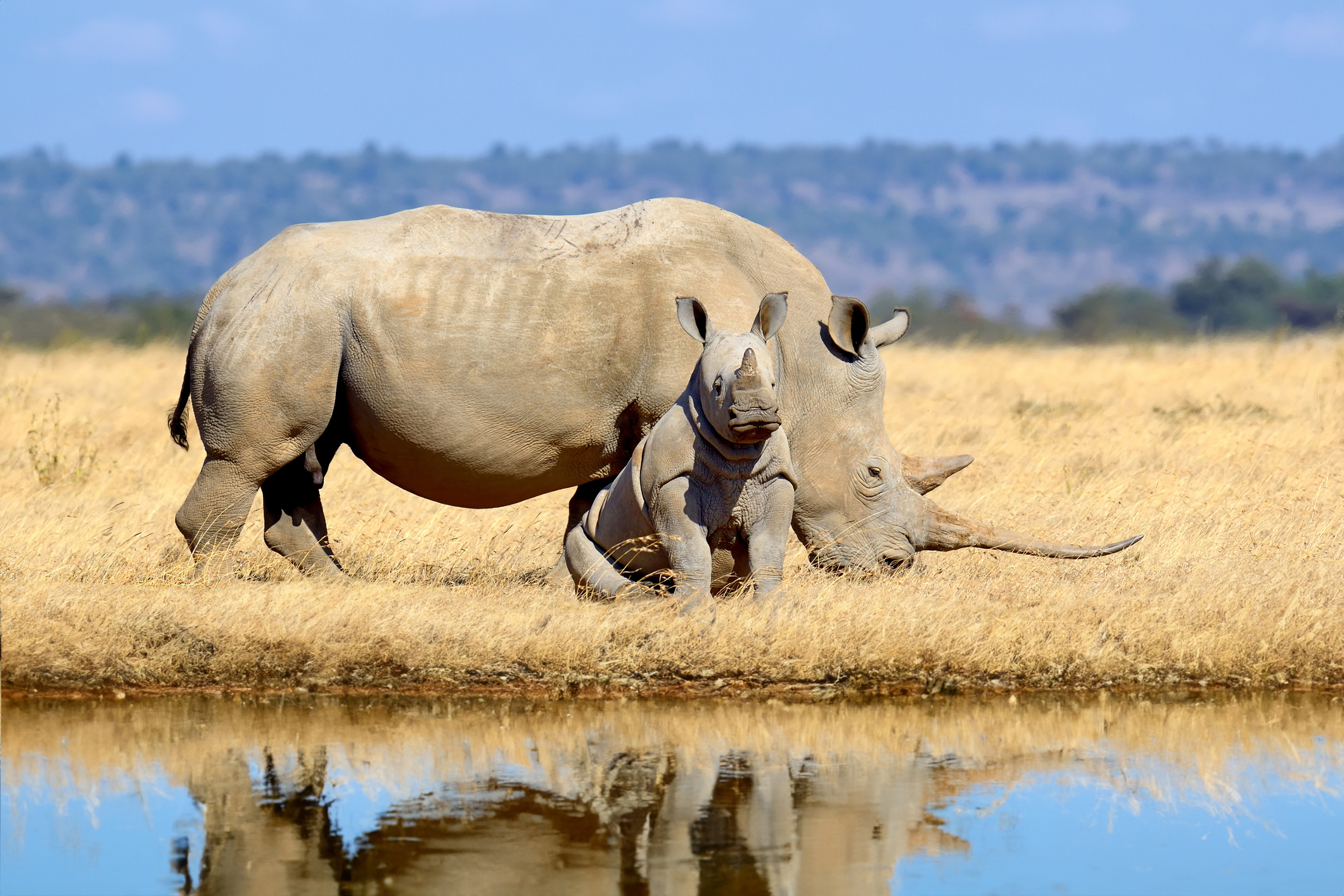
One of the best-armoured herbivores in the world, adult male white rhinos – who can weigh up to three and a half tonnes – have hides up to two inches thick, and huge horns that are strong enough to break a lion’s hip.
While females and juveniles are also well-armoured, only healthy adult male white rhinos can be considered predator free. Indeed, there is no record of a healthy male being taken down by a predator.
- "To a hungry, ravenous bear, a human is just a Goretex-clad, vertical seal..." World's 7 most dangerous, deadliest mammals for humans
- 7 animals that can kill a rhino: They may be fearsome, heavily armoured, and weigh more than 2 tonnes but they aren’t invincible
Young rhinos, on the other hand, are often targeted by lions and hyenas. Lions will coordinate lengthy attacks to separate calves from mothers, and will easily bring down a juvenile once it is separated from its herd.
Grizzly bears
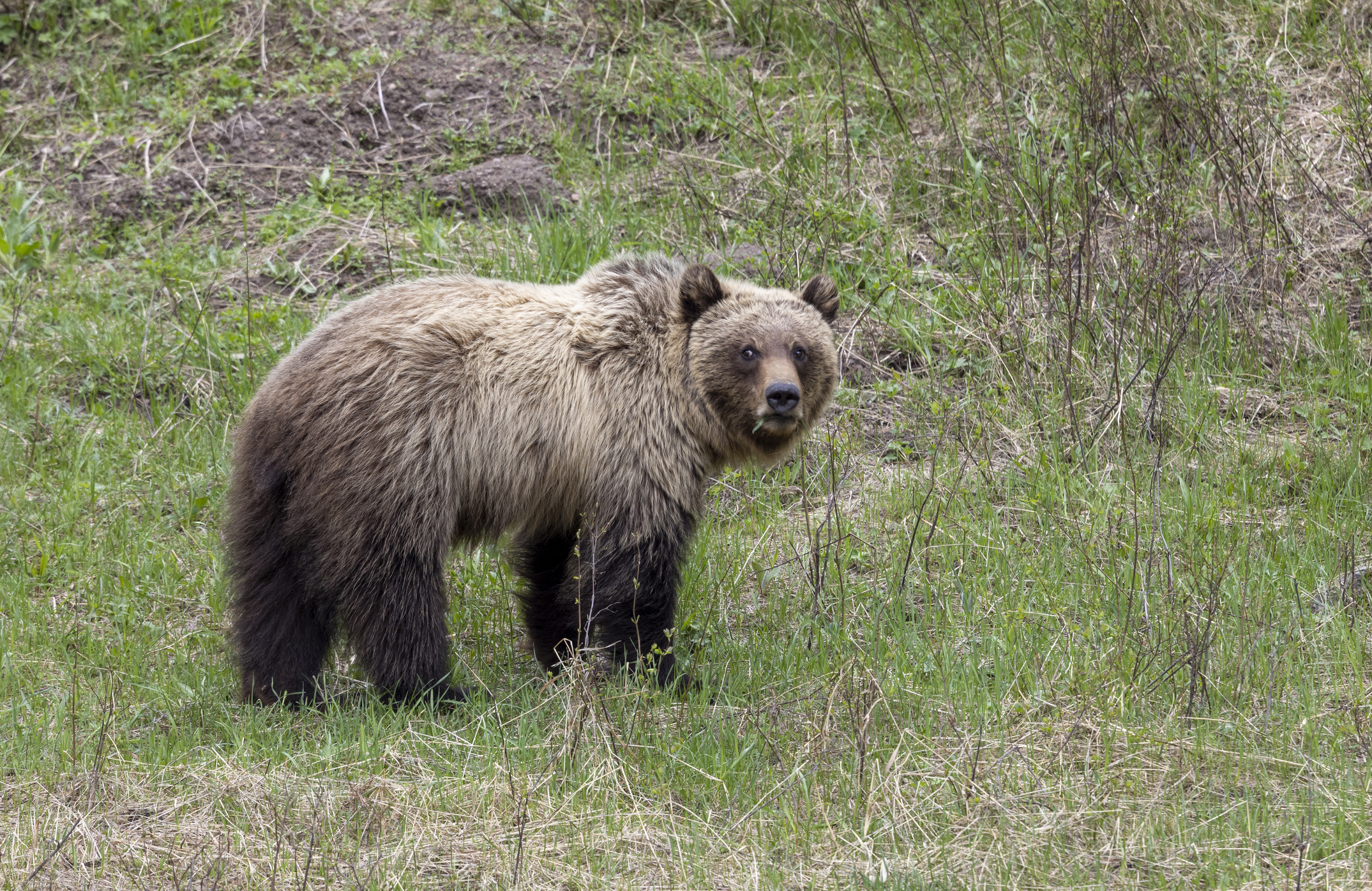
An apex predator and top of the food chain, adult grizzly bears have no natural predators. With thick fur, formidable teeth, powerful jaws and claws, and weighing up to 800 pounds, it’s no surprise that nothing can take down an adult grizzly.
With arctic sea ice melting, grizzly bears are now encountering roaming polar bears more and more often. Polar bears are bigger than grizzlies, so you might think that grizzlies would become prey for their arctic cousins. But actually, the opposite might be true: there has been an unverified report of a grizzly eating a polar bear.
Even amongst their fellow apex predators, adult grizzlies are still top of the food chain.
Young grizzly bears are at risk of being eaten, though. Their main predators are wolf packs and adult male grizzlies (yes – they are occasional cannibals!). But mother grizzlies are formidable opponents, making bear cubs a tricky meal even for the most strategic of predators.
Komodo dragons
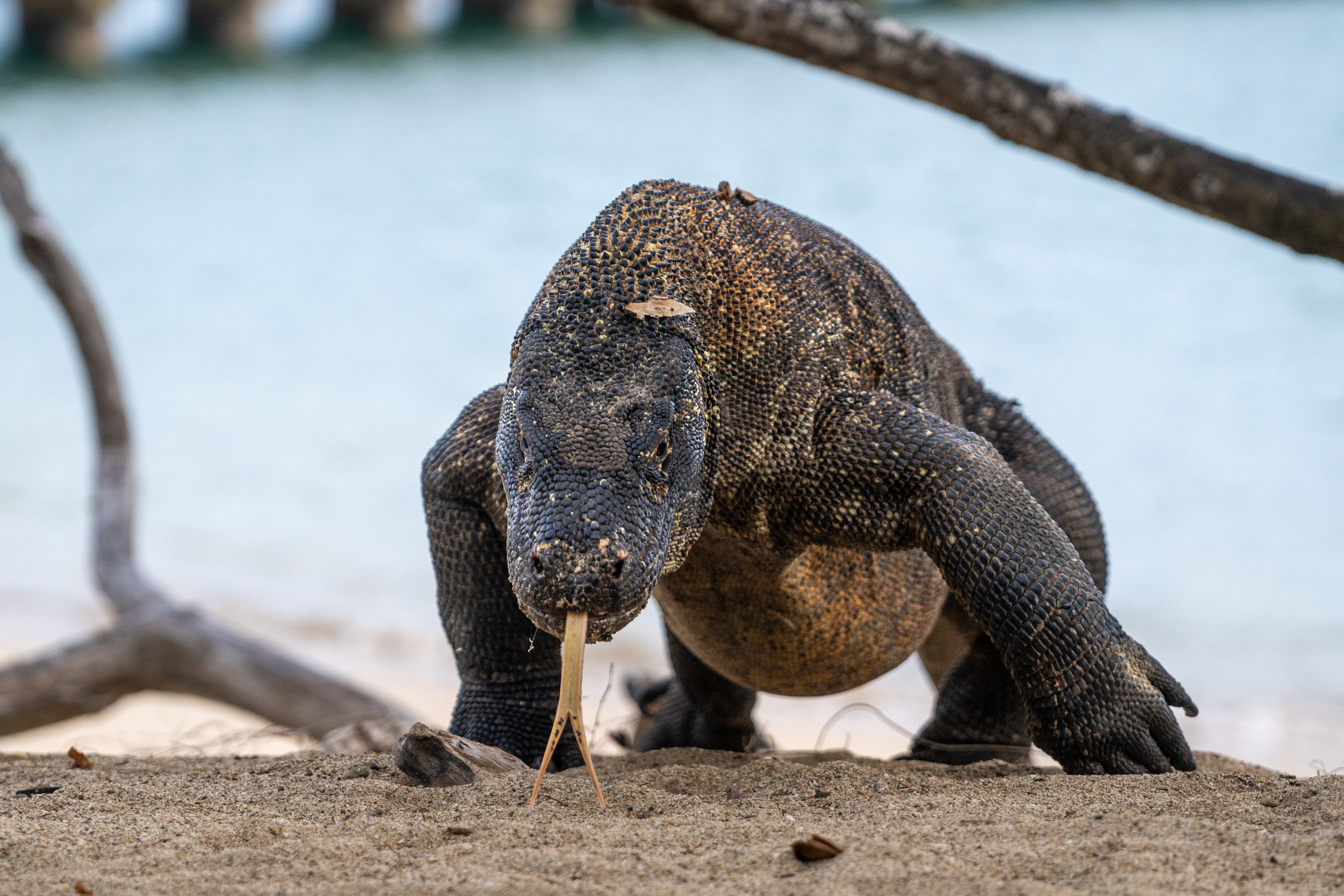
Native to a few small islands in southeastern Indonesia, Komodo dragons are apex predators on their isles. As adults, nothing can harm them. They weigh up to 300 pounds, have skin with ‘built-in’ chainmail composed of bony plates, and a venomous bite. Adults can take down prey as large as a water buffalo.
- 10 brutal photos of the largest lizard on Earth that secretes enough venom to kill a human and has iron-tipped teeth
- "An attack can be fatal, due to their venom and bacteria..." The 3 deadliest, most lethal lizards the planet
Young Komodo dragons are, however, vulnerable to a range of different predators such as adult Komodo dragons and civets. But those civets better watch out: an adult Komodo dragon will happily eat them for dinner.
Saltwater crocodiles
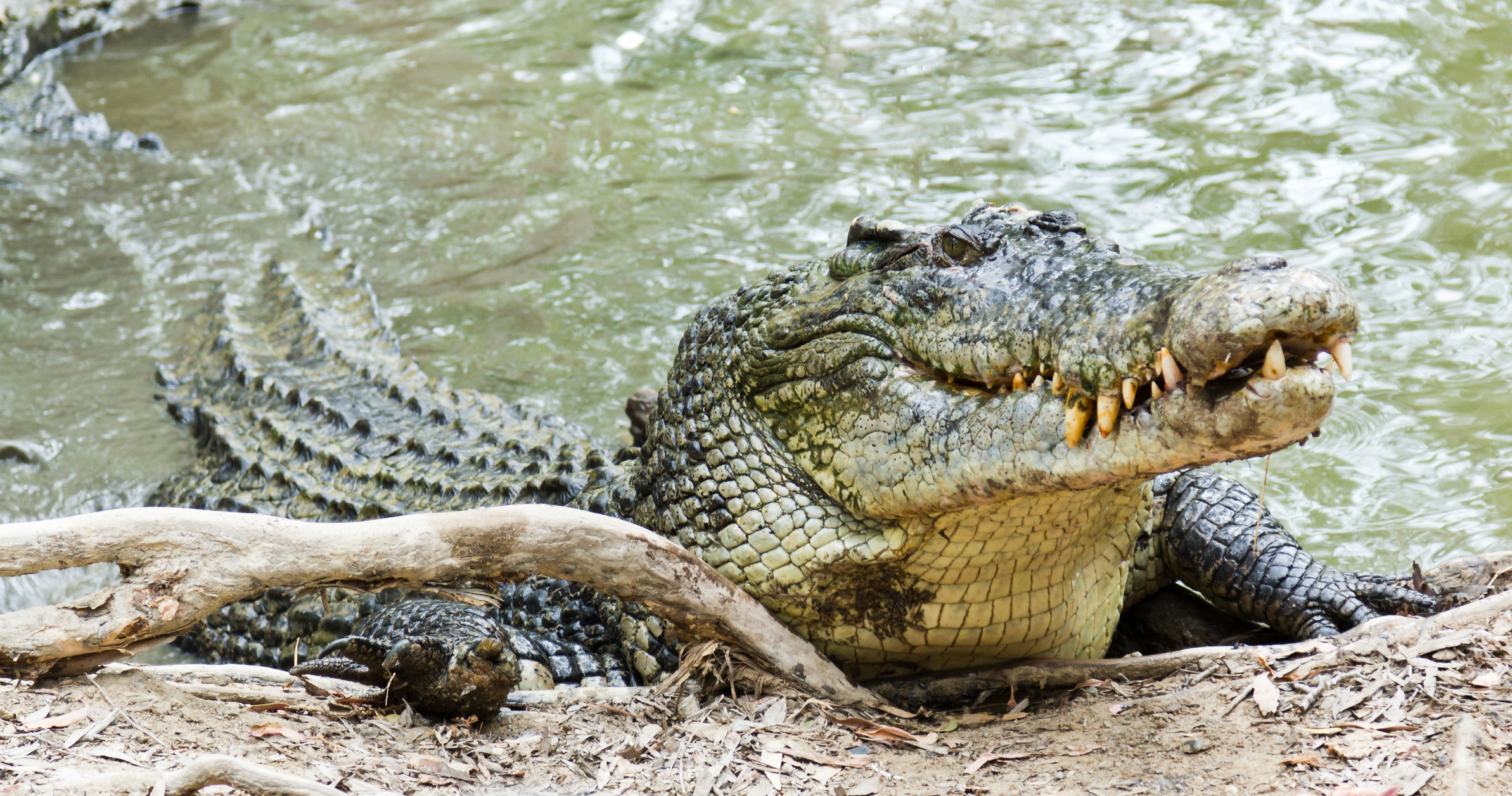
Baby crocs are prey for all sorts, including large fish such as barramundi, as well as monitor lizards, herons, birds of prey and larger crocodiles. But once the crocs reach their full size – up to 20-foot-long and 2300 pounds, with three-inch-long teeth and incredibly tough skin – they are truly apex predators.
The only animal (apart from humans) able to kill a fully grown saltwater crocodile is another adult croc. And when this happens, it is not a case of one crocodile preying on another, but rather a dispute over territory. As you can imagine, these battles are violent and gory.
Electric eels
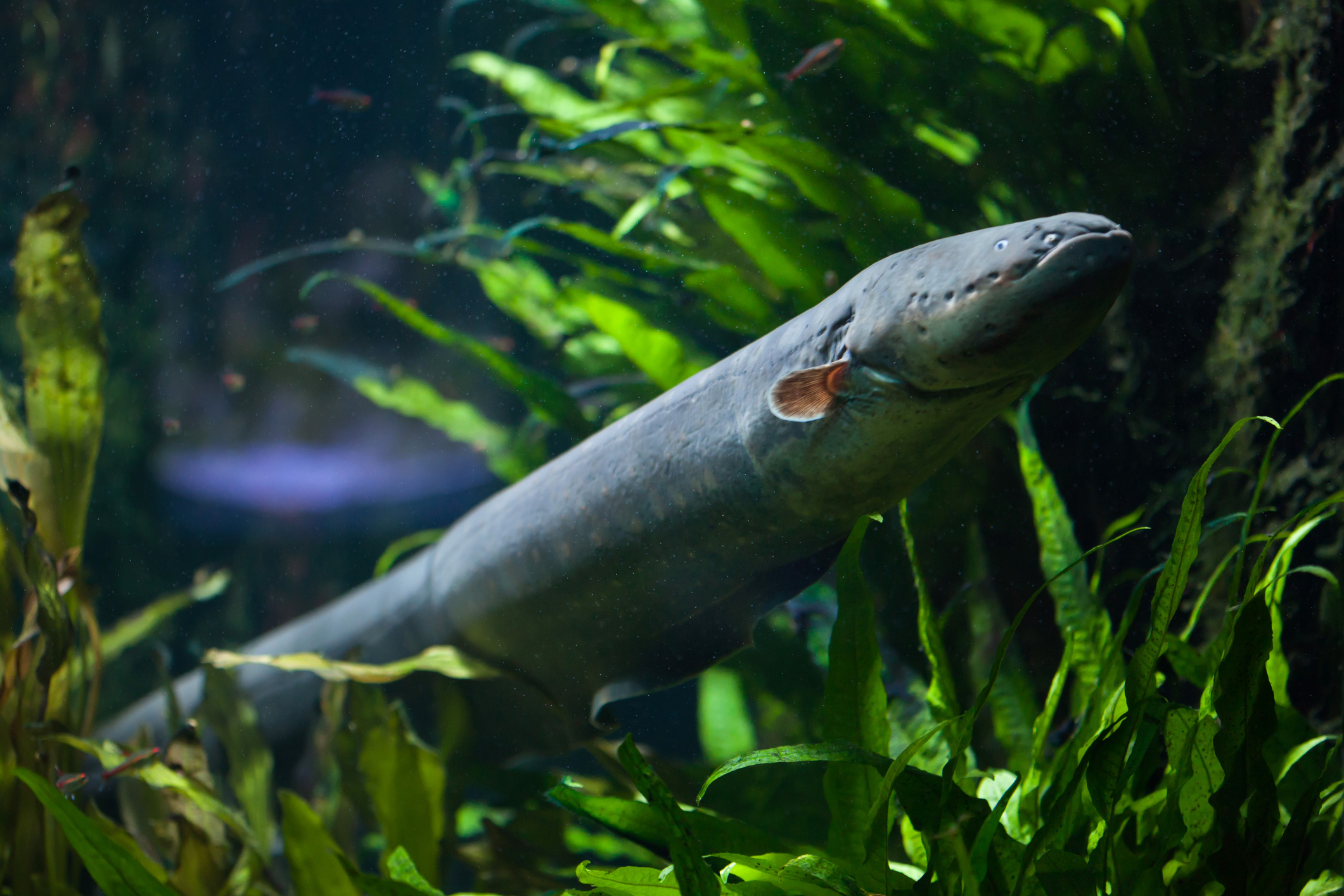
Electric eels can produce a whopping 860 volts of electricity. Multiple shocks from an eel can cause heart failure in humans, and cause a jaguar to pass out and drown. So, it’s no surprise that adult electric eels are avoided by everything – humans included!
- "Its enormous jaws can expand dramatically, creating a balloon-like head..." 10 weirdest, eeriest eels on the planet, including one that generates a deadly 600 volts
- Electric eel found in Brazil more than 150 years ago. A strange creature was just discovered on its body
But electric eels do not produce electricity from the moment they hatch. They only begin generating electricity at a few days old, and even then it is very weak and used mainly for navigation and communication. Their powerful and deadly 860-volt-shock does not develop for many more months, which means that they are vulnerable to predation when they are young. They make a tasty snack for a range of predators including fishes, wading birds and caimans.
Killer whales
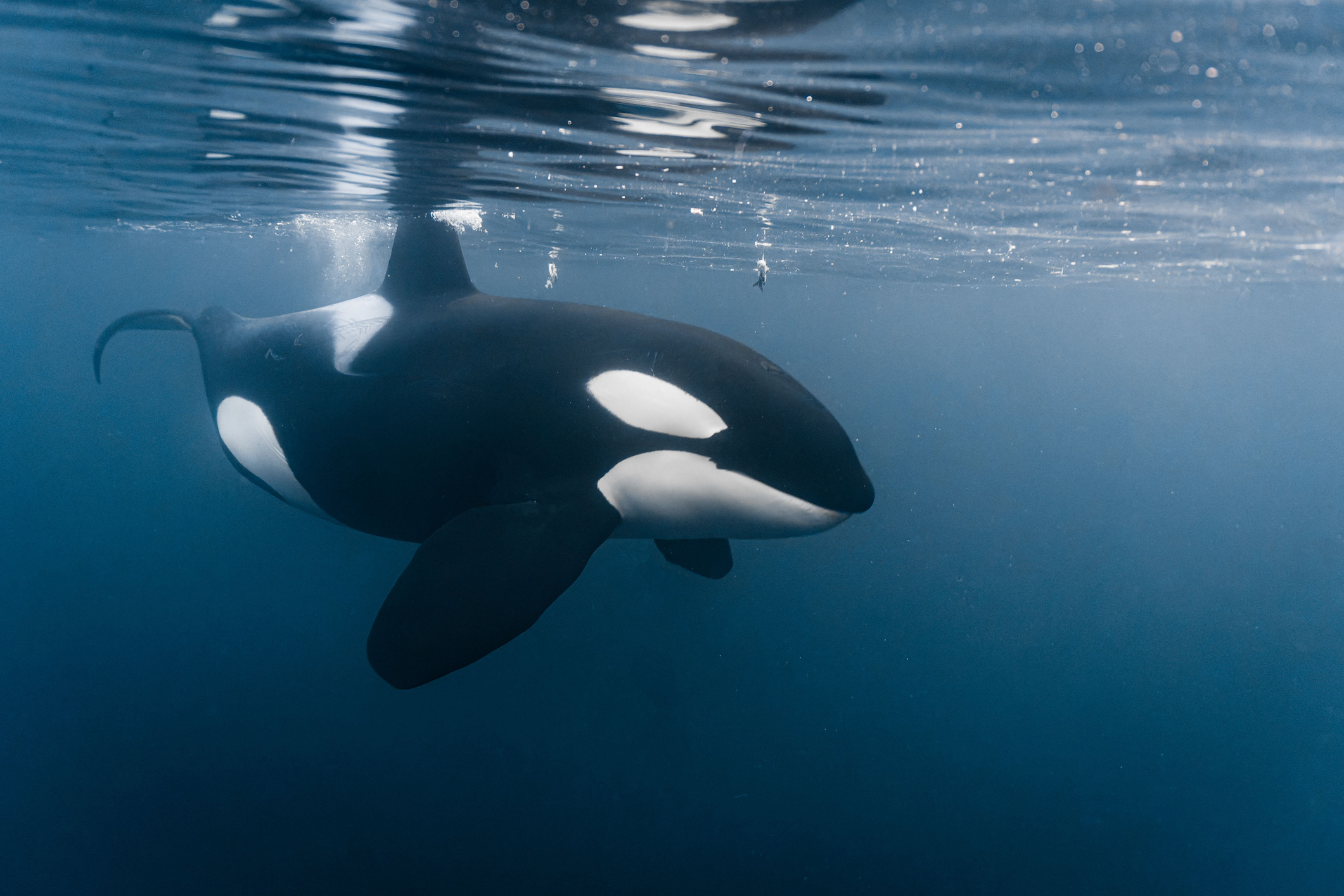
Apex predators of the seas, killer whales live in every ocean on the planet and are top of the food chain in every single one. Even a great white shark would not take down a killer whale; in fact, killer whales have been known to work together to prey on great whites!
Despite the fact that a great white shark could easily kill a baby killer whale, even the calves are avoided by predators. This is because of the fierce protection the mother and the rest of the pod provide to calves. If a great white were to approach a calf, members of the pod would take it in turns to ram the shark at high speed, eventually exhausting or killing it. They may also flip the shark upside down, which renders the shark paralysed and unable to defend itself.
- What is the largest shark of all time? Meet the ocean giant with a bite force ten times stronger than a great white
- 11 jaw-dropping killer whale moments captured in photos and film that reveal the brutal hunting techniques of the ocean’s top predator
Given that killer whales are free from predation at all life stages, even though they share their habitat with powerful predators such as the great white shark, they deserve top spot on this list!
Top image credit: Sharon Stuart/Getty Images


