Across the animal kingdom, feet come in all shapes and sizes. They can be cute and cuddly, intimidating and scary or just a bit odd and quirky. Some feet, though, are downright bizarre.
Here are nature's weirdest feet.
15 weirdest feet
Gecko Lizard
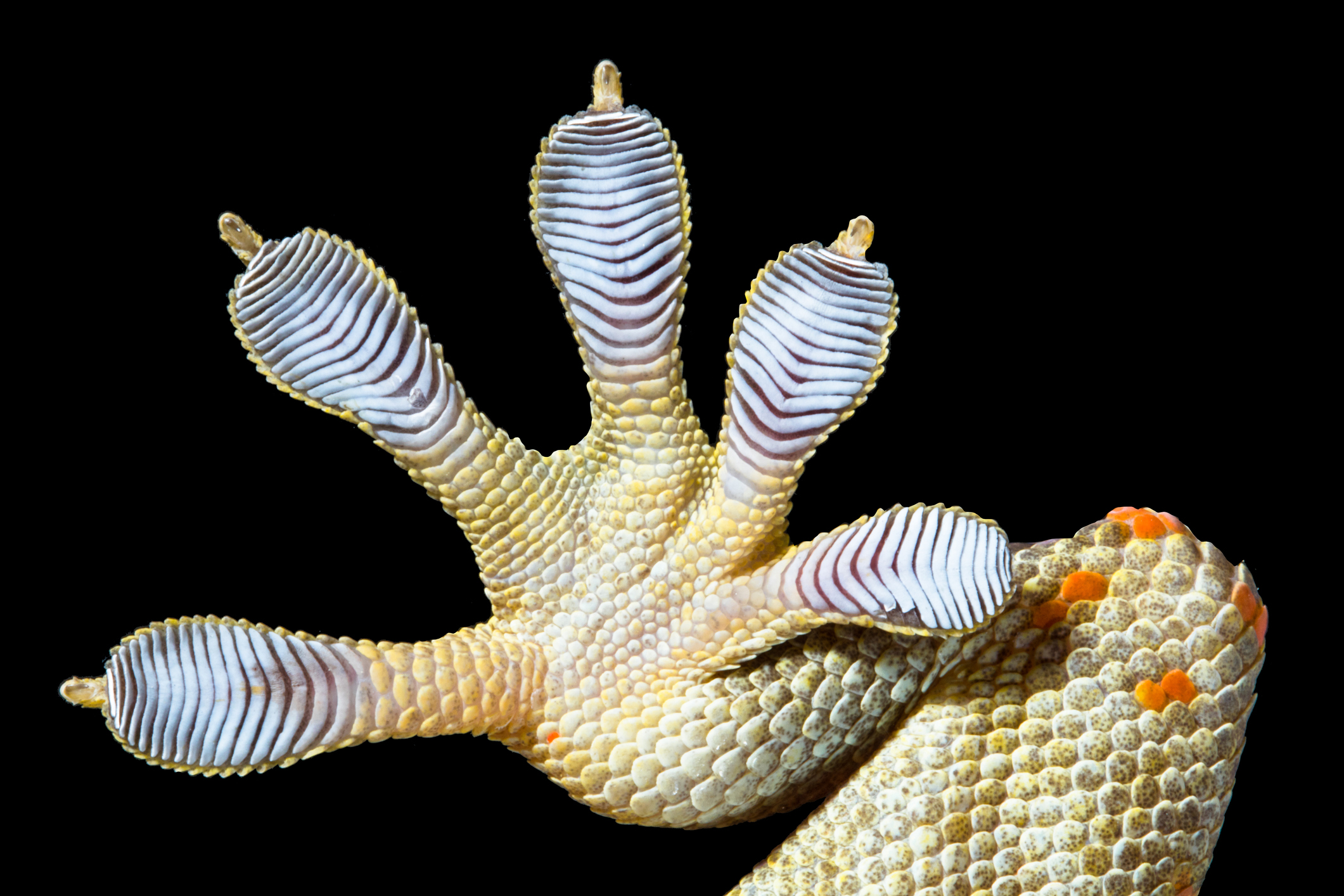
If it’s your habit to run up walls and hang from ceilings, then you need good grip - but you also need to be able to move quickly and easily. An adhesive or suction foot pad would not work well for a gecko, but hundreds of tiny hairs on their soles do.
Electrons in the hairs are attracted electromagnetically to molecules on the surface of the structure it’s walking on, and the hold is powerful and sufficient to keep the animal from falling off. When it wants to move, it just changes the angle of its feet, which breaks the electrical charge - and off it goes.
- Stunning new gecko discovered in Madagascar’s sacred forests
- 9 weirdest reptiles in the world, from lizards that run on water to a devil with two heads
Aye-aye
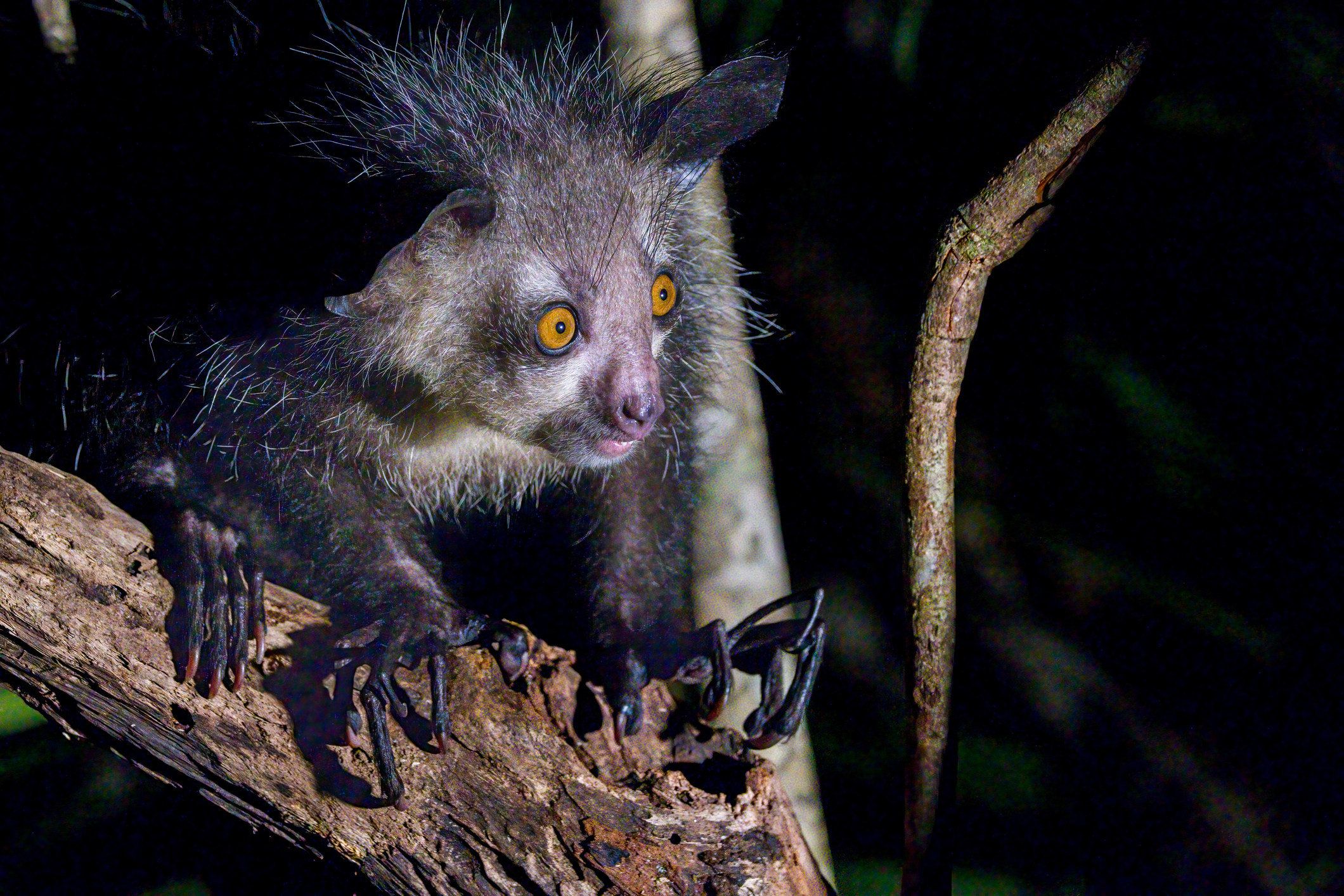
This member of the lemur family is the world’s largest nocturnal primate. It spends its life in trees in the forests of Madagascar, where it feeds on insect larvae laid inside the tree trunks.
This specialist diet is the reason it has curious feet. It taps the bark of the tree with its front toes and listens for echoes that tell it there’s a hollow behind where a grub is lying. Using its sharp, pointy teeth, it digs into the wood and then employs its exceptionally long, bony middle digit to poke into the hole and hook out its meal.
- It has a creepy stare, prowls the night, taps on trees to find food – and is feared as an omen of death. Is this the weirdest primate on the planet?
- Aye-aye uses its long middle finger to pick its nose
Because it’s only active at night, and because of those teeth and spindly extended claws, it could be said to resemble the creature in the classic horror movie, Nosferatu.
Wallace’s Flying Frog
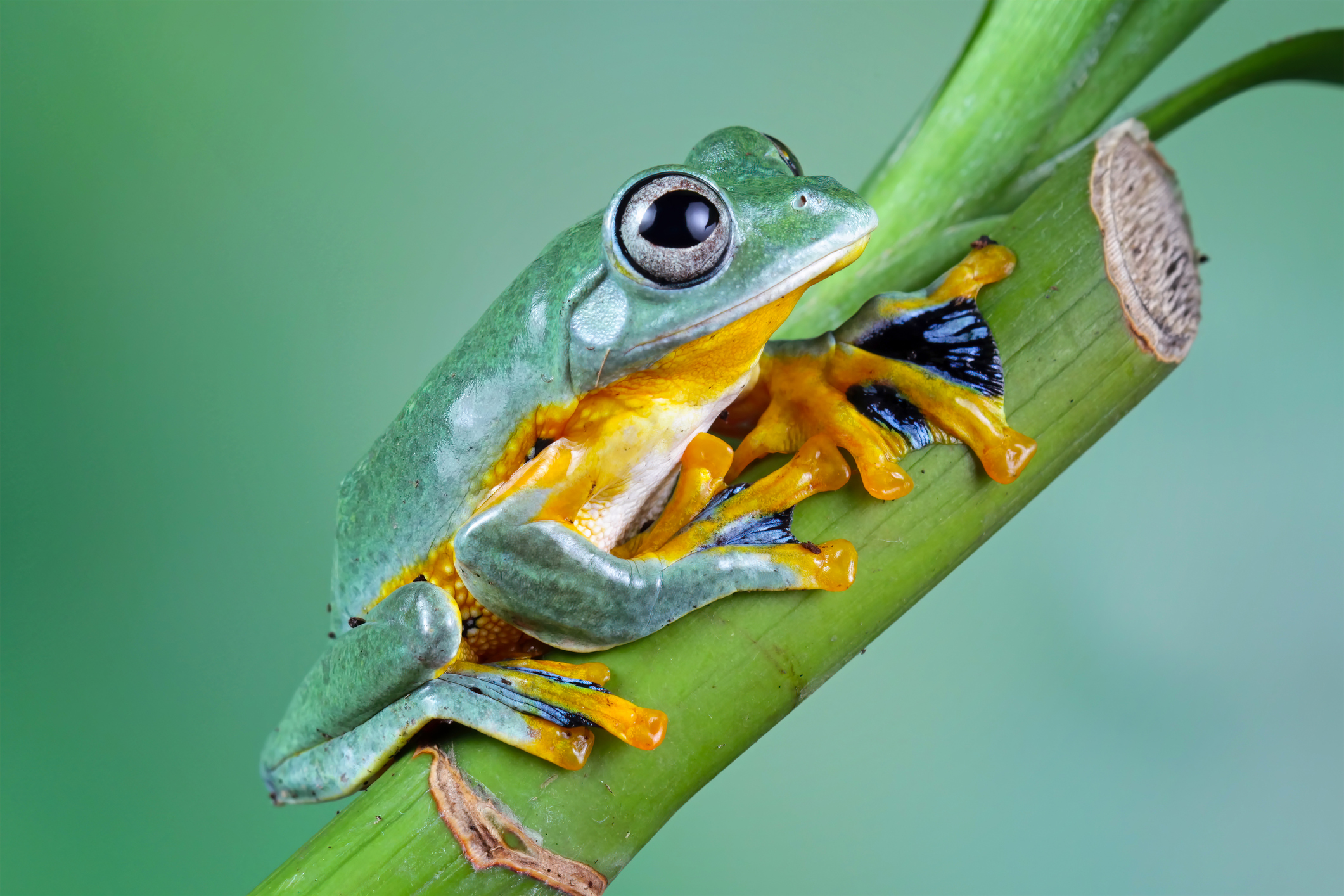
Many frogs have webbed feet but none have the loose, flappy webs that give Wallace’s Flying Frog the ability to soar. They have evolved with the ability to ‘fly’ due to their habitat in southeast Asia where they live predominantly in trees.
- Weird flying animals: discover the different species that can take to the sky
- "With the flex of a muscle, it can produce an arsenal of sharp, curved claws that snap out of its toes like switchblades" 11 weirdest, bizarrest frogs on the planet
To navigate around the canopy, they leap from bush to bush and tree to tree, splaying out their toes. Between those digits are extensive membranes that create four mini parachutes to catch the air and keep the frog aloft. These also slow their descent as they change the angle of their legs, and their wide toe pads give them a soft landing on the next branch.
Philippine Tarsier
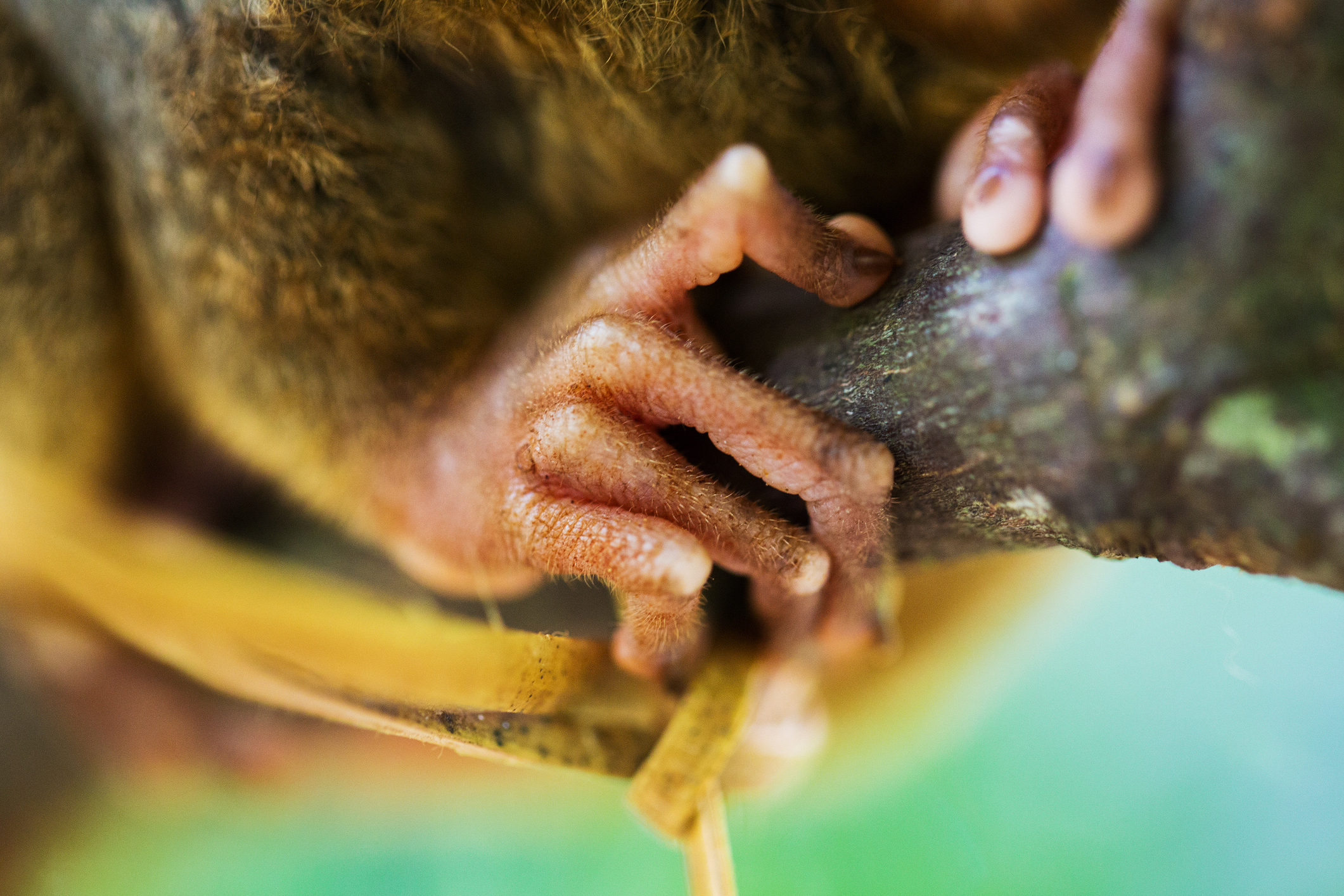
It is the feet of this little primate that give it its name. It comes from ‘tarsus’, the name of a mammal’s bones between their heel and their toes. In this animal, they are elongated, as are the fingers and toes. In fact, the third finger is as long as the entire upper arm. The digits end in nails, apart from two of the toes that boast claws that the tarsier uses for grooming.
- "It looks like Gollum from The Lord of the Rings. "8 weirdest, most peculiar (and most wonderful) primates on the planet
- "It looks like a porcupine, but has a bird-like beak, a pouch like a kangaroo and lays eggs like a reptile." 10 weirdest, bizarrest mammals on the planet
In their Philippine Island home, tarsiers are in danger from both aerial and terrestrial predators, such as owls and snakes. So, to evade both, they inhabit the lower parts of the forest, not far above the jungle floor, and use their long hands and feet to cling on to branches. A good wrap-round grip is necessary because these animals have enormous eyes for nocturnal vision, which makes their heads disproportionately heavy and affects their balance.
Basilisk
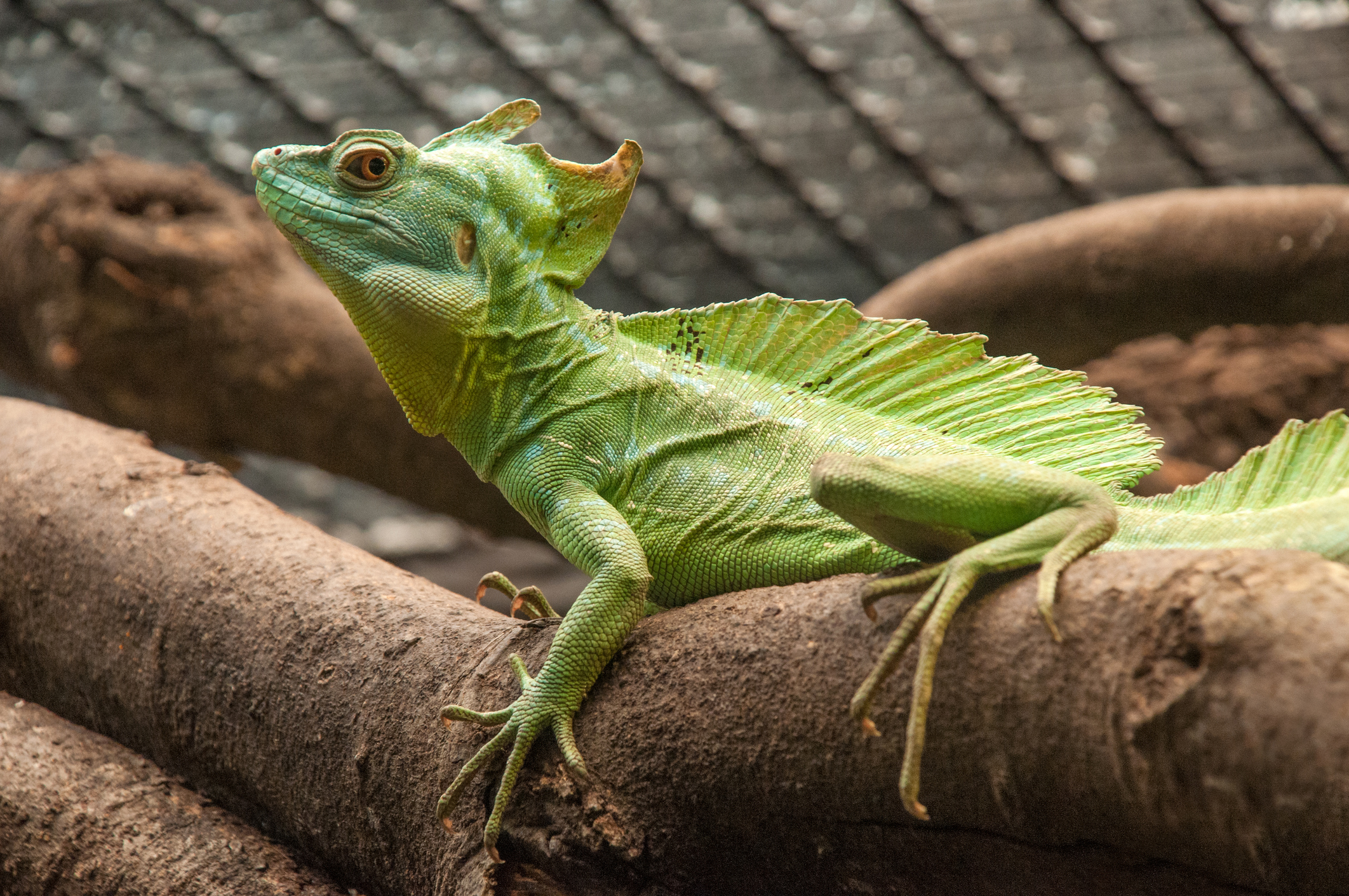
Five extremely skinny toes of varying lengths, the longest longer than the animal’s entire foot, have earned the basilisk the nickname of Jesus Lizard because they enable it to walk on water. Well, actually, run on water would be a better description.
- 5 incredible animals that are able to walk on water: Meet the remarkable creatures that can do the impossible
- ‘Inflatable’ feet, walking on water and making a living raft: 10 unusual (and downright bizarre) ways animal move around
Their churning legs, ending in those oddly shaped feet, act like whisks, creating pockets of air that get trapped in the toes as they scuttle over the surface of a lake. The air bubbles keep the lizards buoyed up rather than sinking to a watery grave.
Frog Fish
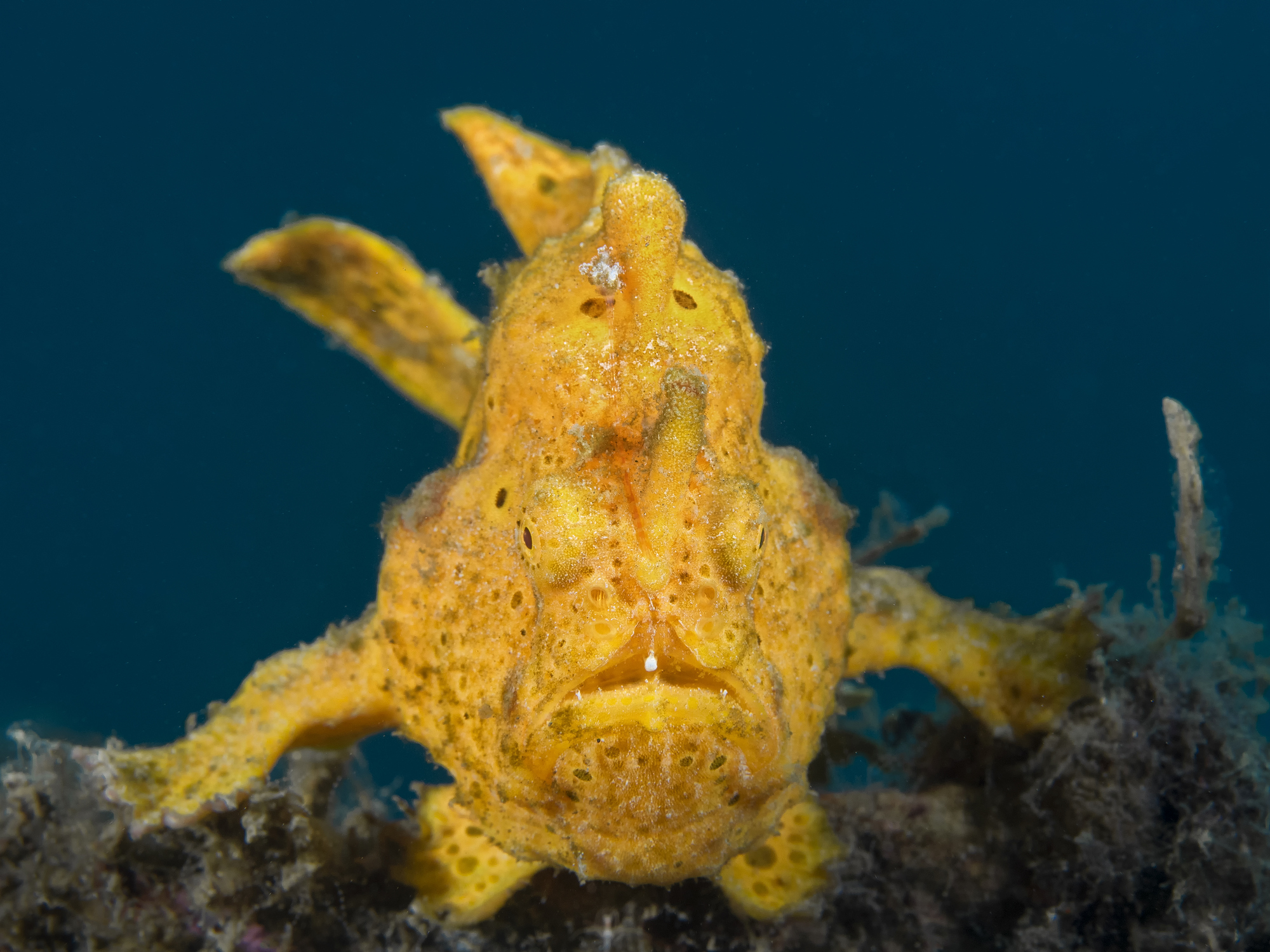
Not strictly speaking feet, but the frog fish’s modified pectoral and pelvic fins take on the appearance of feet and hands when they are perched on a sponge. The fins even end in tiny projections that look like nails. To complete the illusion even further, frog fish will use these special fins with their elbow-like joints to ‘walk’ along the ocean floor. They use a motion called ‘crutching’ – swinging their bodies to and fro in a way that mimics a person using a crutch – to support themselves.
- Meet the strange Surinam toad, an alien-like South American frog whose live young burst out through holes in its back
- “They are fish... but they can walk!" Amazed scientists discover exactly how mudskippers move on land
Tapir
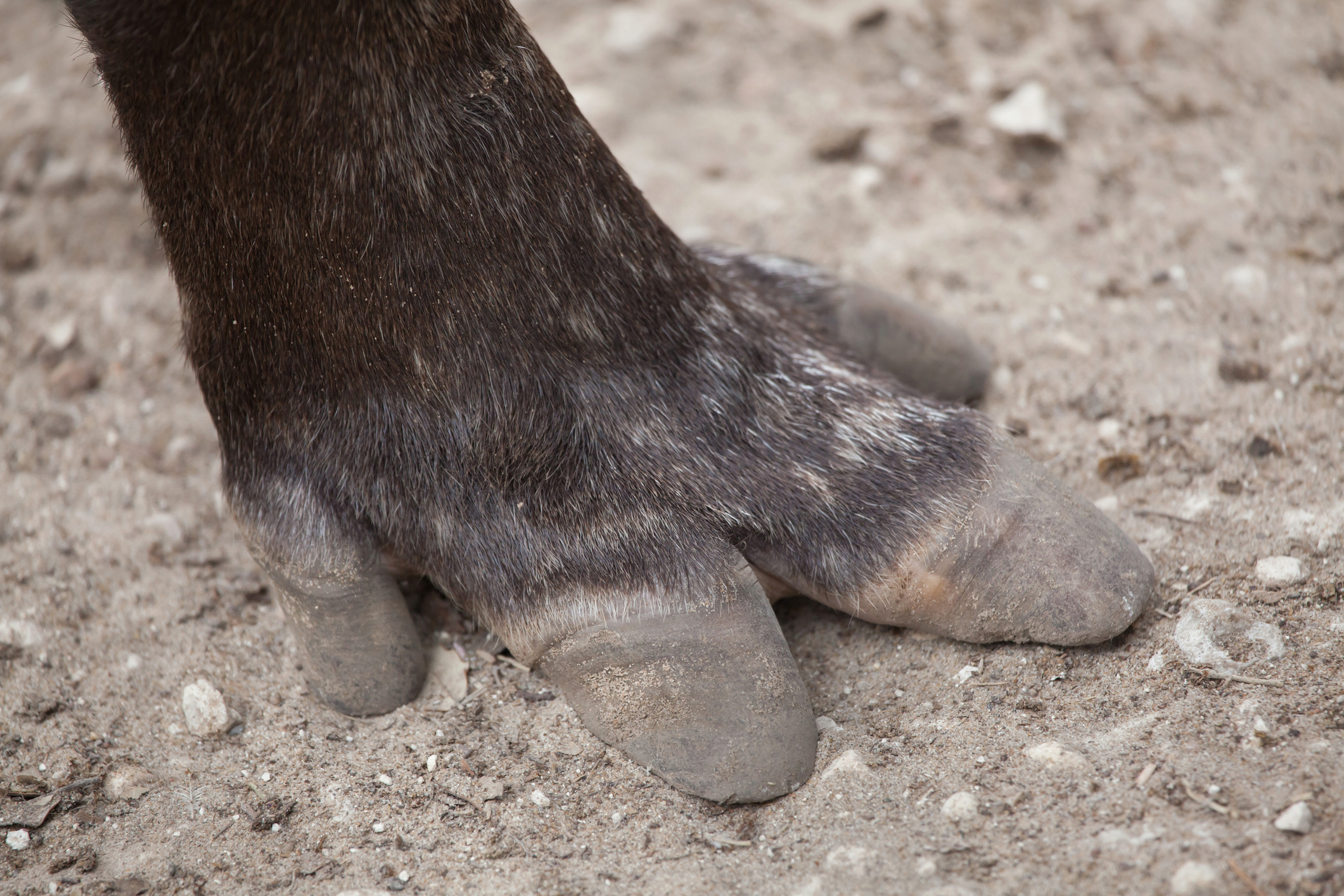
These South American relatives of the rhinoceros have multiple hooves radiating from a soft, leathery central foot pad. Their four splayed toes on each front foot and three on the back foot all end in a tiny hoof made from overgrown nail material that covers the leading edge.
- As long as a double bed and shaped like a barrel, these cute and – quite weird – mammals are fast swimmers that use their bizarre snouts like snorkels
- 20 Pokémon characters inspired by real wild animals
The structure of these appendages is designed to spread the animal’s weight and enable them to keep their footing on the slippery mud of riverbanks and rainforest floor. They also provide the tapir with stealth and protection from predators as they cushion the noise of its passage through the jungle.
Arctic Fox
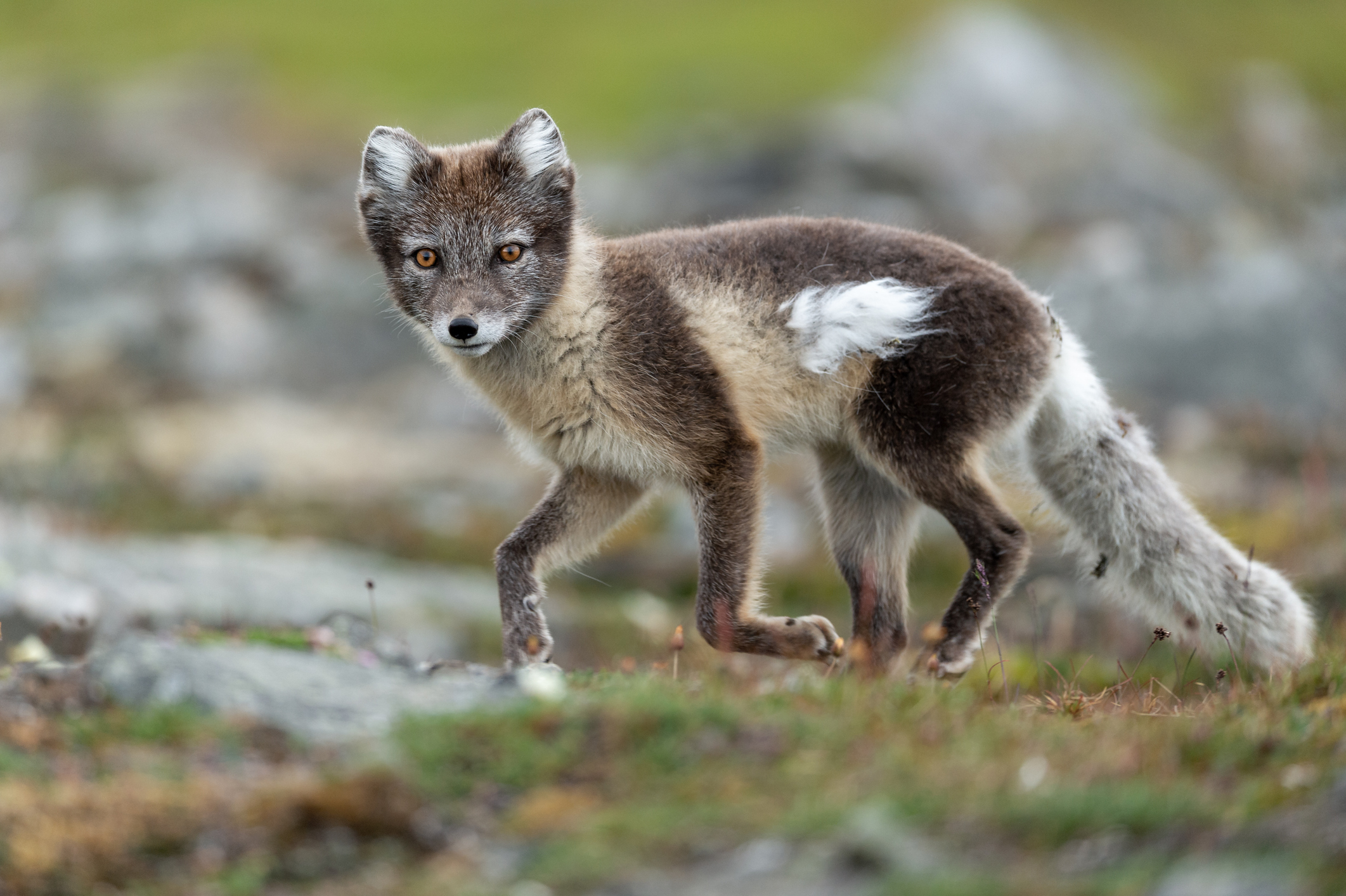
If you’re living in the mountains in wintertime, it’s handy to have built-in snow shoes. Arctic foxes have feet that are completely covered in thick fur which spreads their weight in deep snow and prevents them sinking in. The fur is also a super insulator, keeping the feet above freezing even in the coldest of conditions.
The foxes use their legs as heat exchangers to maintain their core body temperature, but even when that core temperature drops, the feet heat remains constant. They also have tough claws to burrow through snowbanks to find food. They have superb hearing and smell and can detect their favourite lemming prey even under 12cm (5in) of snow. They can even dig out a frozen lemming from nearly a meter down.
- Fox vs wolf: How these two members of the dog family differ and why foxes are not just small wolves
- Meet the beautiful Arctic wolf, guardian of the frozen wilderness
Sloth
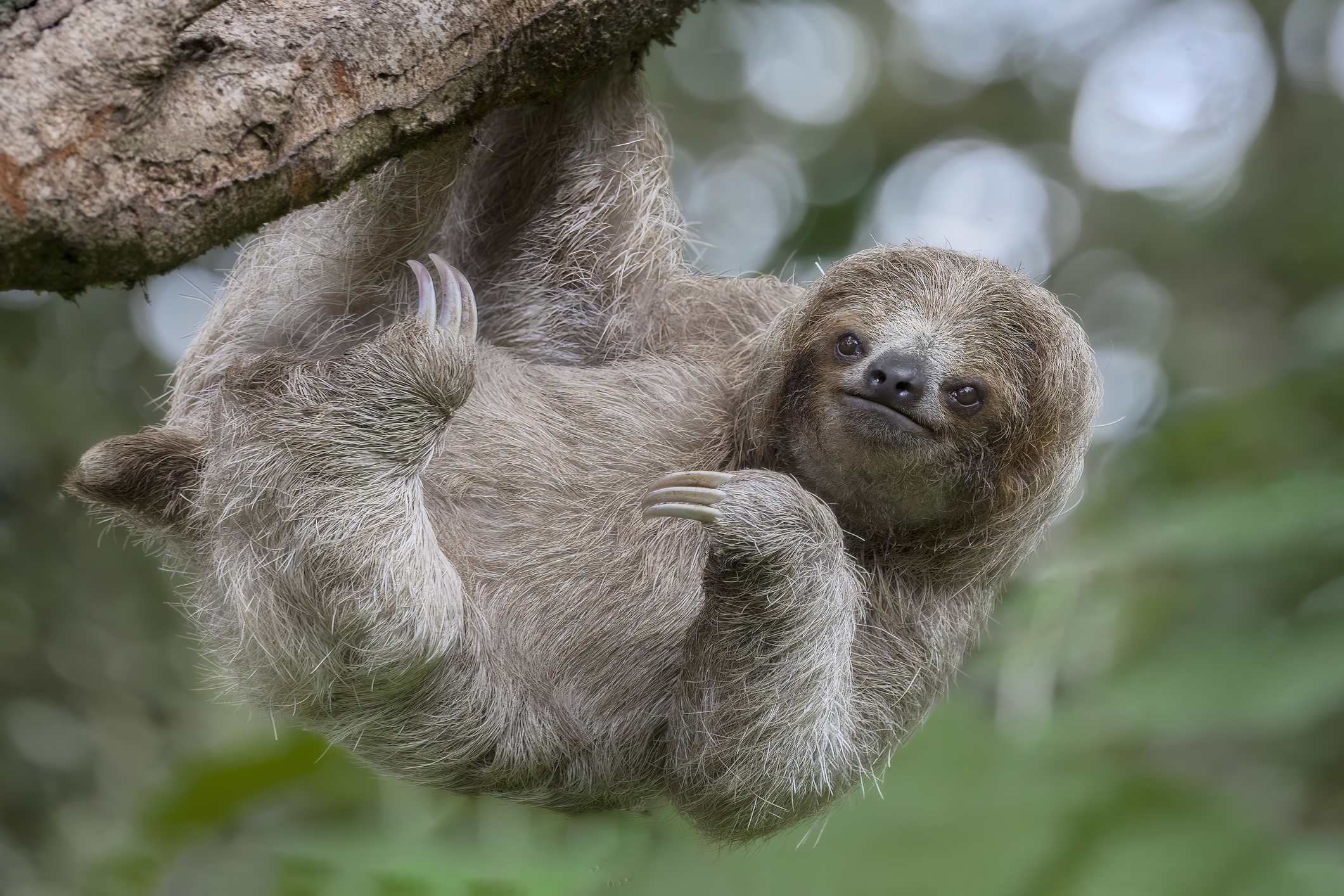
Famously, sloths have hands and feet equipped with fingers and toes like grappling hooks. On their front legs, depending on the species and reflected in their names, either two or three long curved nails are closely bunched at the end of short fingers and a fleshy palm. On both species, the back legs end in three clawed toes and a soft sole.
The oversized nails consist of a core of bone covered in keratin, the same substance as makes up human nails, so they are not unlike the ends of our own fingers and toes, except that ours are straight while theirs are extensively arched.
- “A baby sloth reached out a claw and I was hooked.” My week in the remote Amazon jungle
- Why sloths don't burp, fart or throw up — despite hanging upside down all day
A sloth’s extremities are best suited to grasping branches that are up to 5cm (2in) in diameter and its muscles are designed to pull rather than push, so climbing in the tops of trees, although slow and painstaking, is much easier than walking on the ground.
Slug
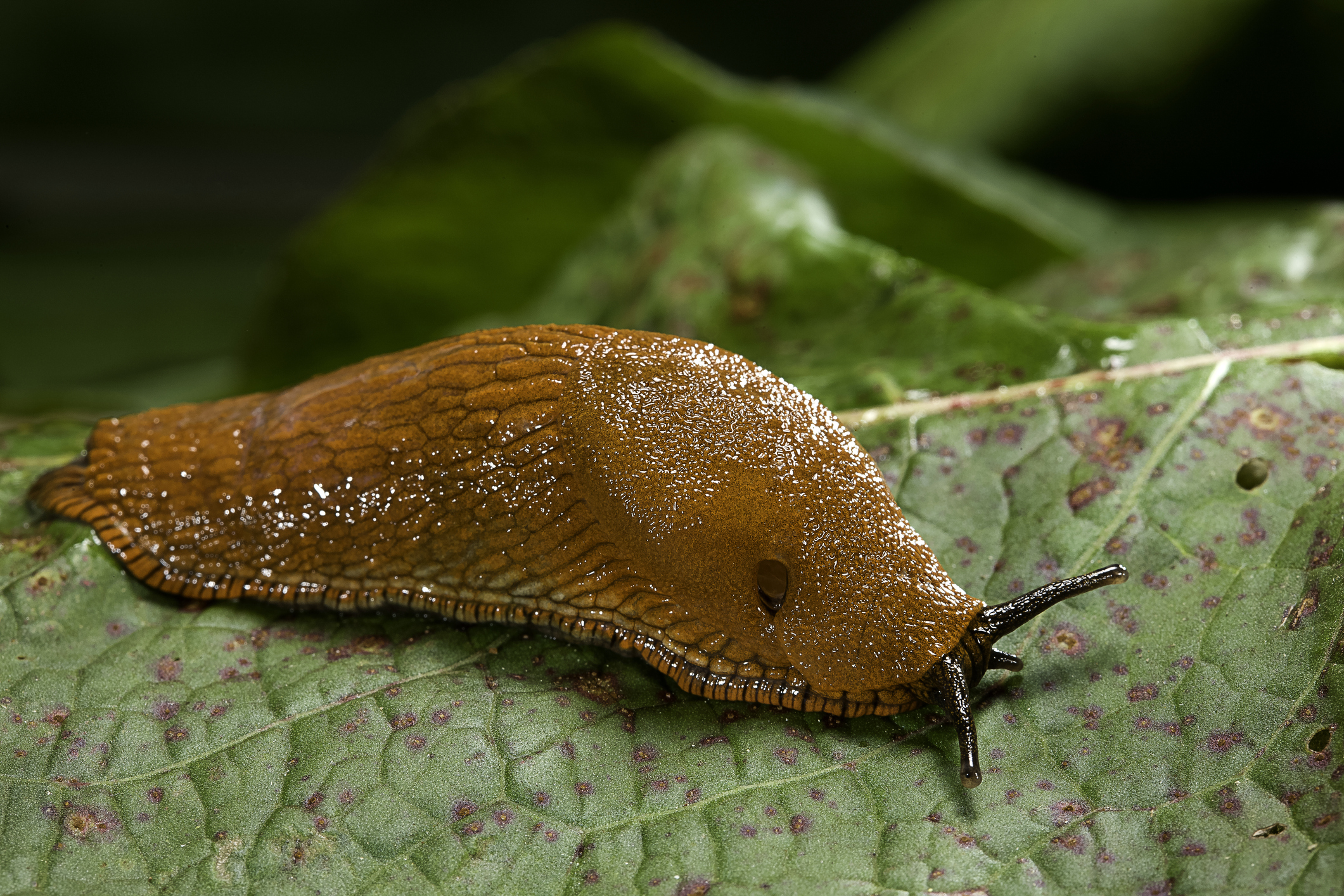
Possibly the weirdest ‘feet’ of all are possessed by slugs and their cousins, the snails. The fact that they come from the family known as gastropods – stomach foot – gives a clue to why their single appendage is so unusual.
The animal’s stomach lies just above its foot and at the front end there’s what is called a radula, a sort of tongue equipped with minute rasping teeth. Slugs get around to scrape up their food by contracting the muscles of their undersides in rhythmical waves. The foot secrets mucus as a cushion so that as the animal travels across rough ground its tissues are not damaged.
- "What a beauty!" First-ever sighting of rainbow sea slug in Devon dazzles underwater photographer
- How do slugs mate? A guide to slimy slug sex
Two types of mucus are produced: a thin, watery type that comes from the centre of the foot and spreads to the edges and a thick type that spreads from front to back. Together they enable the slug to slide up vertical surfaces without slipping out of control.
Chameleon
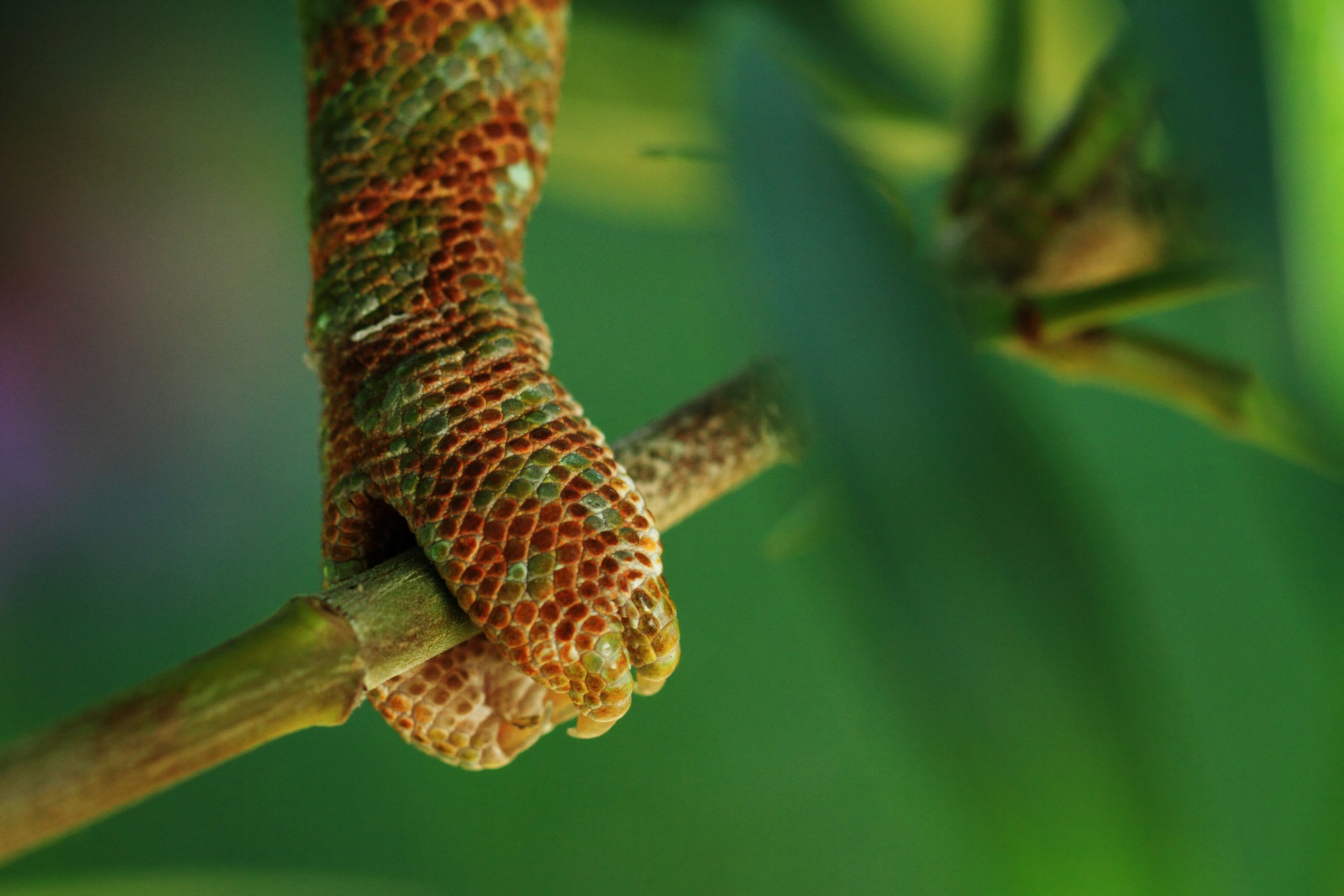
Less like feet and more like fleshy pliers, a chameleon’s feet are adapted for grasping narrow branches. Although it looks as if they only have two toes on each lower limb, the various species of chameleons, most of which live in Madagascar, actually have the usual complement of five toes per foot, grouped in what are called fascicles – a cluster growing together.
- " By altering their colouring and patterns they actually pretend to be different marine animals." 9 amazing, gobsmacking animals that can change colour...
- "It's 2.5 times its body length, all sticky and coiled like a spring ready to catapult out, accelerating faster than a sports car reaching nearly 100km/h"
At the front end, these fascicles are arranged so the outside grouping contains two toes and the inside three. On the back feet, the arrangement is reversed so the outside fascicle contains three toes and the inside two. Coupled with its prehensile tail, this enables the curious animal to make its way efficiently, albeit slowly, through the tree canopy in its native African forests, using clever colour-changing to keep it camouflaged.
Sea Urchin
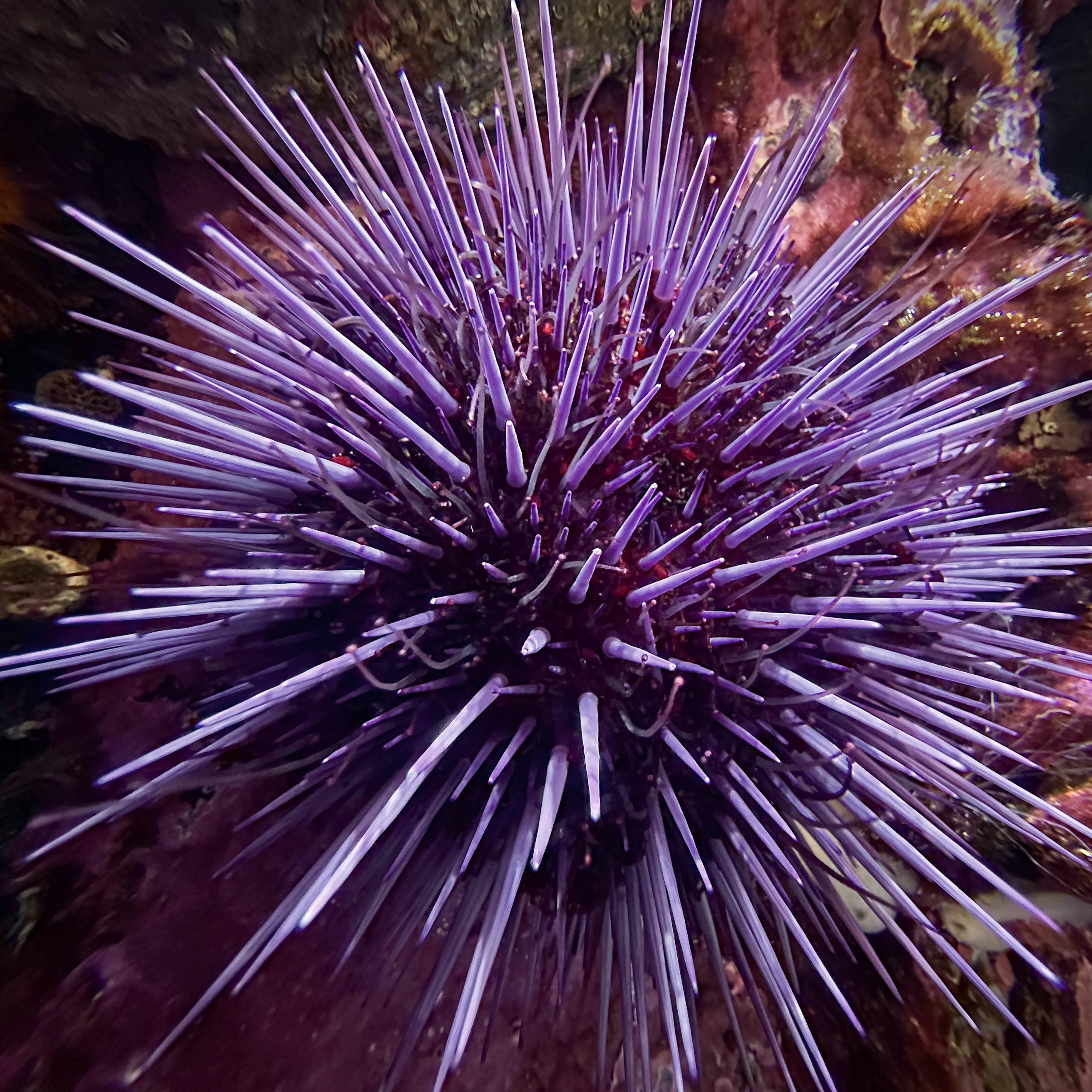
Here is an animal that breathes through its feet. These spiny echinoderms have flexible tentacles that protrude from between their spines and form tube feet that grip onto rocks using tiny suction cups at the ends. The tube feet are linked by a series of canals which the urchins use to pump water in and out of the feet. When the water is forced into the tubes, they extend and push against the ground. When the water is withdrawn, the grip is released and the animal moves forward.
- In the dead of the night, this diver saw a bizarre thing scuttling out of the darkness
- Divers set up a camera in a lobster den. What happened next shocked them all...
They can also manipulate their spines to help push them along. In addition, the tubes’ hydraulic system assists in respiration by acting as a gas exchanger. Lacking eyes, the urchins use photosensitive cells, also found in their feet, to detect light so they know when they are hidden from view of predators in their preferred dark rocky crevices.
Platypus
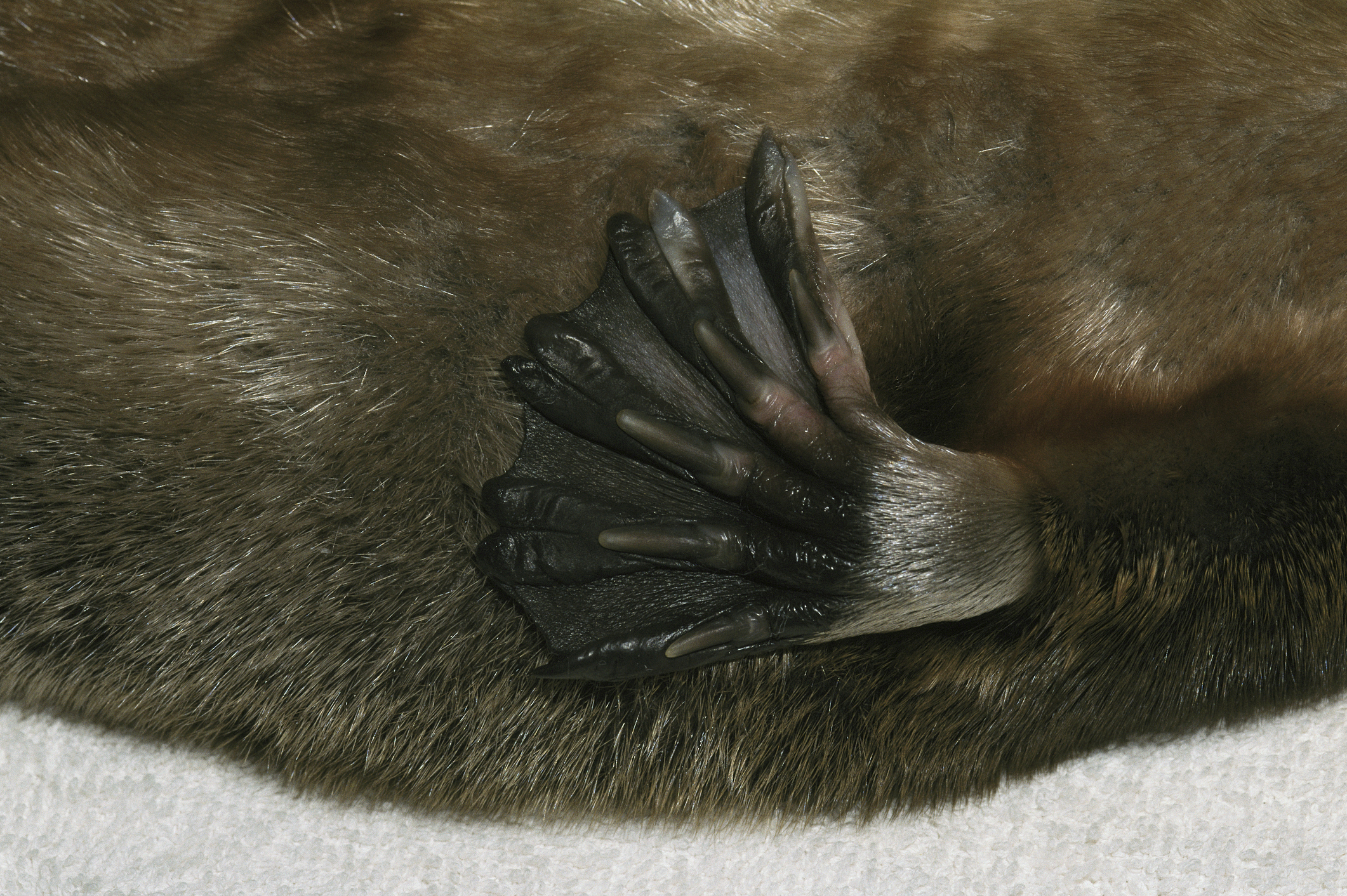
Platypus have webbed feet for efficient swimming, in common with other webbed mammals such as beavers, otters, capybaras and muskrats. What makes this semi-aquatic Australian’s feet peculiar is the way the webs extend beyond the toes so that they resemble table tennis paddles or the flared skirt of a flamenco dancer, unlike the other species where the toenails hang over the ends of the feet.
- Bizarre prehistoric animal that was 'half-platypus, half-echidna' discovered in Australia
- "Totally unexpected.” Scientists just discovered yet another extraordinary thing about the platypus
In male platypus, the back feet become super weird because they have an added spur-like toe projecting from the inner side of each ankle that can deliver venom from a gland in their thighs during the breeding season. They use this to defend themselves against rivals because although the venom isn’t lethal, it causes intense and long-lasting pain.
Tree frog
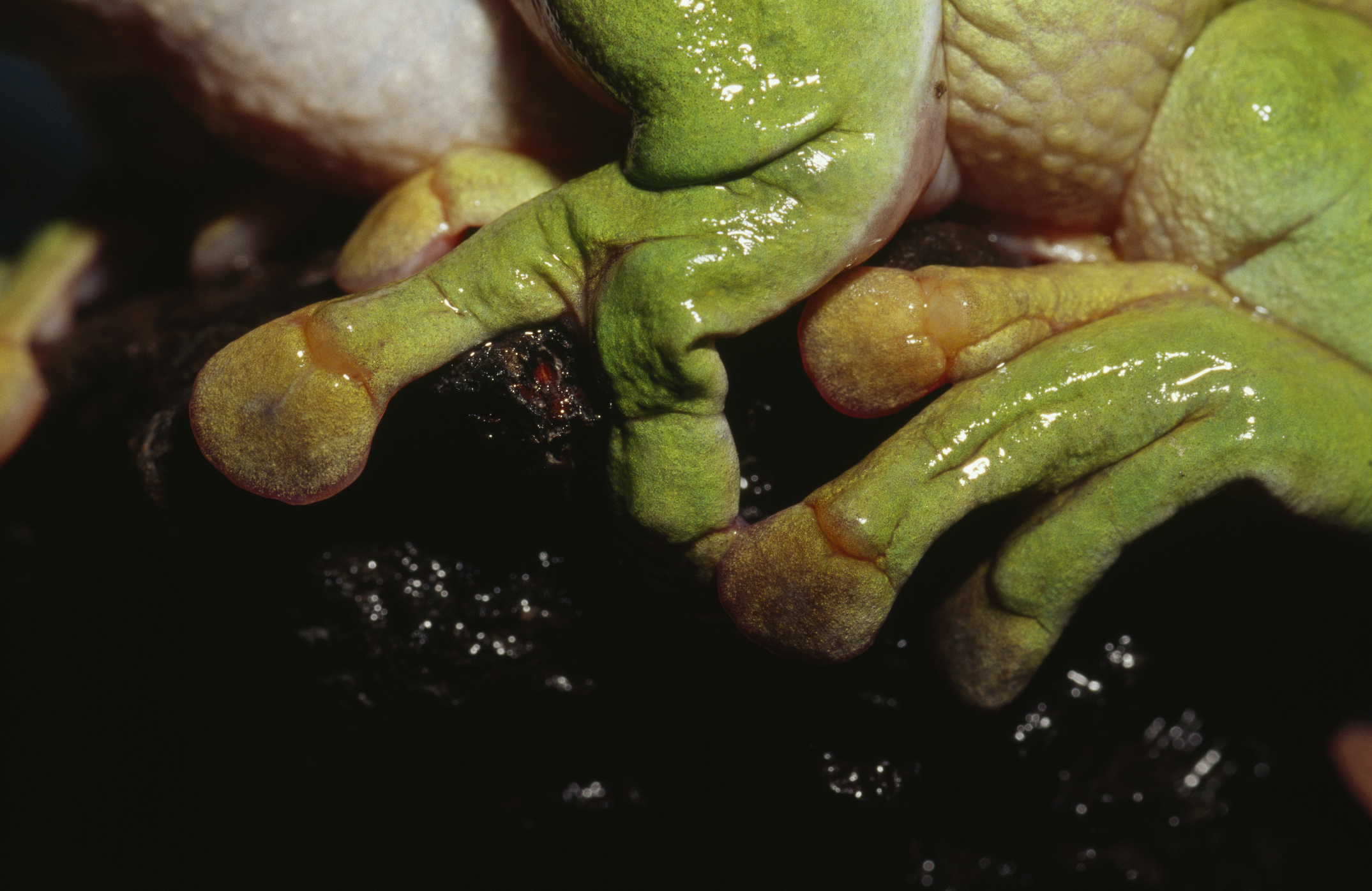
In order to climb trees and hang on the underside of leaves and branches, tree frogs have pads at the end of their toes covered in tubular cells that are arranged to stand on end. These bristly tubes are flexible and compress round the shape of the surface the frog is walking on so that contact is maintained at all times.
- Colombian tree frog found in florist’s shop in Sheffield
- This rare Indian tree frog has upside-down sex in dank holes – scientists have just figured out why
The ends of the tubes are coated with mucus that is constantly being produced, and grooves in its feet channel the excess secretions away along with any dirt accumulated as the animal walks, so the foot’s stickiness is never compromised. The combination allows the amphibian to cling to almost anything. So efficient is this system, tree frogs don’t even need to grip with all four feet – one toe will do to prevent a catastrophic fall.
- This bizarre animal creates its own sunscreen by secreting a waxy substance 40 times more powerful than morphine
- There's a peculiar animal in the deep, dark jungles of Japan that has taught itself not to poop. Here's why
Hyrax
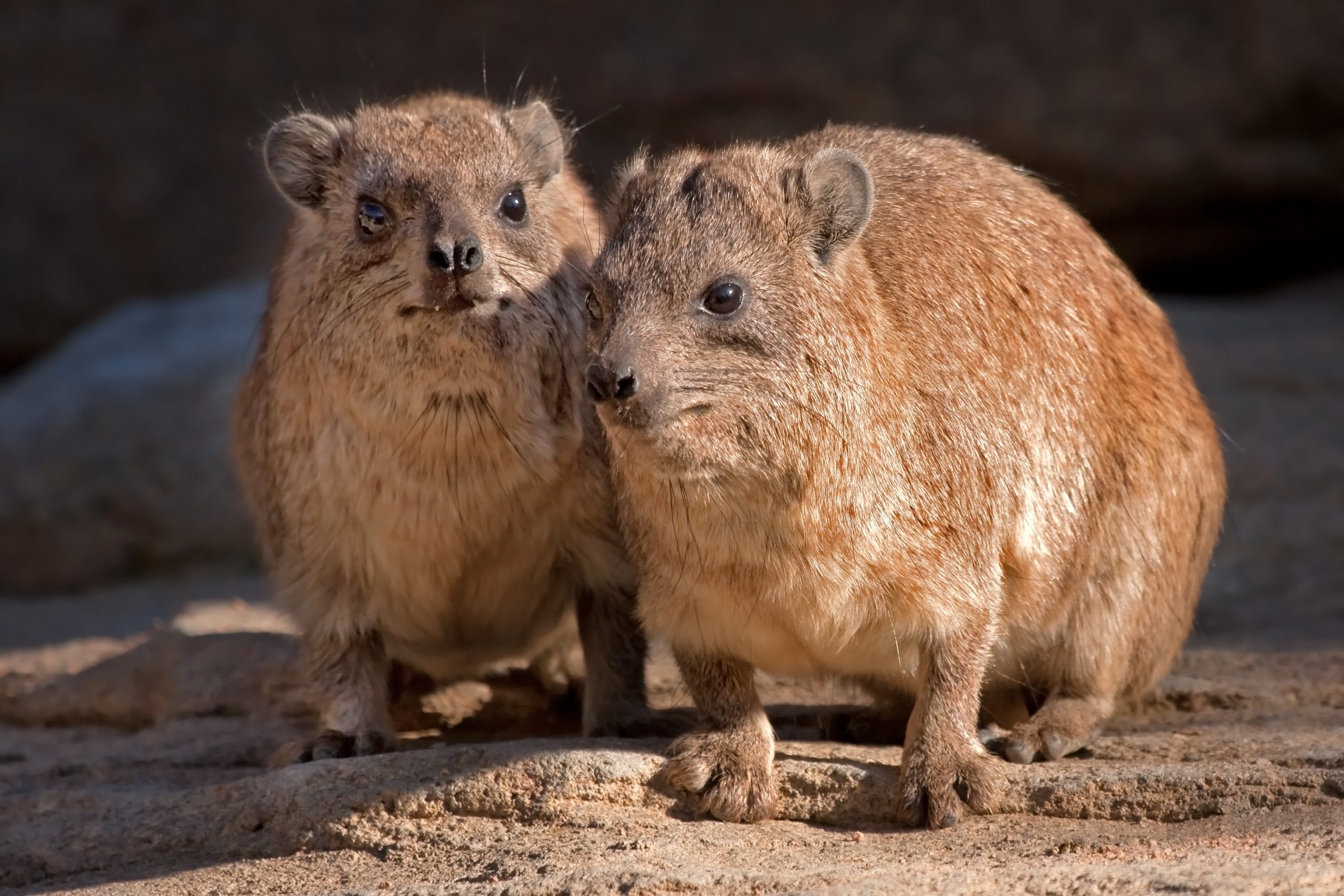
The nickname of ‘rock rabbit’ gives a clue to the reason these large guinea pig-like mammals from East Africa need specialist feet. In fact, hyrax are more closely related to elephants, having similar teeth, toes and skulls. Their feet are bare rubbery pads with four toes on the front and three on the back. All of these, apart from the inside one on the back foot, end in features that resemble miniature hooves.
- Mountain chicken, guinea pig, honey bear, bearcat – 10 animals with completely the wrong names, misleading monikers and curious cases of mistaken identity
- How male rock hyraxes woo their potential mates
The inner back toe is the only one to possess a long thin nail that is used for grooming and scratching itches. Hyrax walk on tiptoe and their pads are moist and lift up in the centre so they act like suction cups to adhere the animal to smooth rock faces.