
The world’s longest mountain range stretches nearly 9000km along South America’s west coast, through seven countries from Venezuela in the north to southern Argentina. Rising to 6967m above sea level, the Andes’ slopes are swathed in tropical forests, grasslands, semi-deserts and glaciers.
- A leopard that can kill animals 3 times its weight and an eagle the size of a door – meet 10 most dangerous, deadliest animals in the Himalayas
- "It contains enough venom to kill 10 adult humans" 11 deadliest animals in South America, including a gigantic snake that can swallow a person whole
And where there’s a range of habitats, there is a wealth of biodiversity. Here’s our pick of the deadliest South American animals with a head for heights…
10 deadliest animals in the Andes
Andean bear
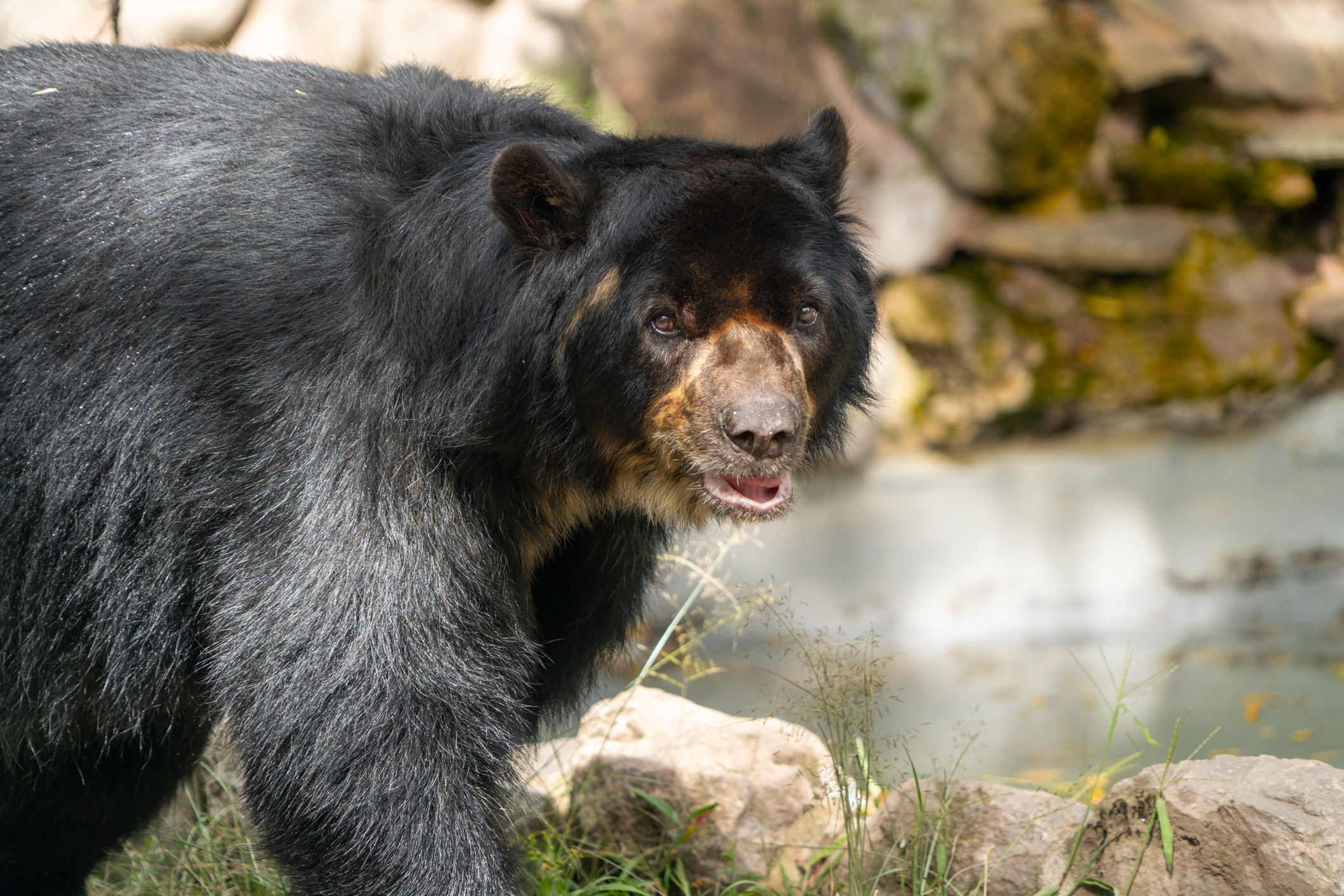
South America’s only native bear - unless you count Paddington - occurs only in the Andes, typically at altitudes above 2000m.
Also known as the spectacled bear due to its distinctive facial markings, it is mostly herbivorous, but will also take rodents, armadillos, deer and tapirs opportunistically. Armed with blade-like canine teeth and sturdy claws, and with the biggest males just shy of 200kg, they are capable of bringing down cattle, which brings them into violent conflict with farmers.
The bears generally come out much worse in these interactions. Figures show about 180 are killed each year, although it’s likely that many more deaths go under the radar. In contrast, we could find records of only two bear attacks on people - both Peruvian farmers, in 1998 and 2000 - and it’s not clear whether either survived.
- How to avoid a bear attack – information that could save your life
- "They are designed for ripping apart blubbery seals, so they will make short work of our puny bodies:" The 10 deadliest bears on the planet
Kissing bugs
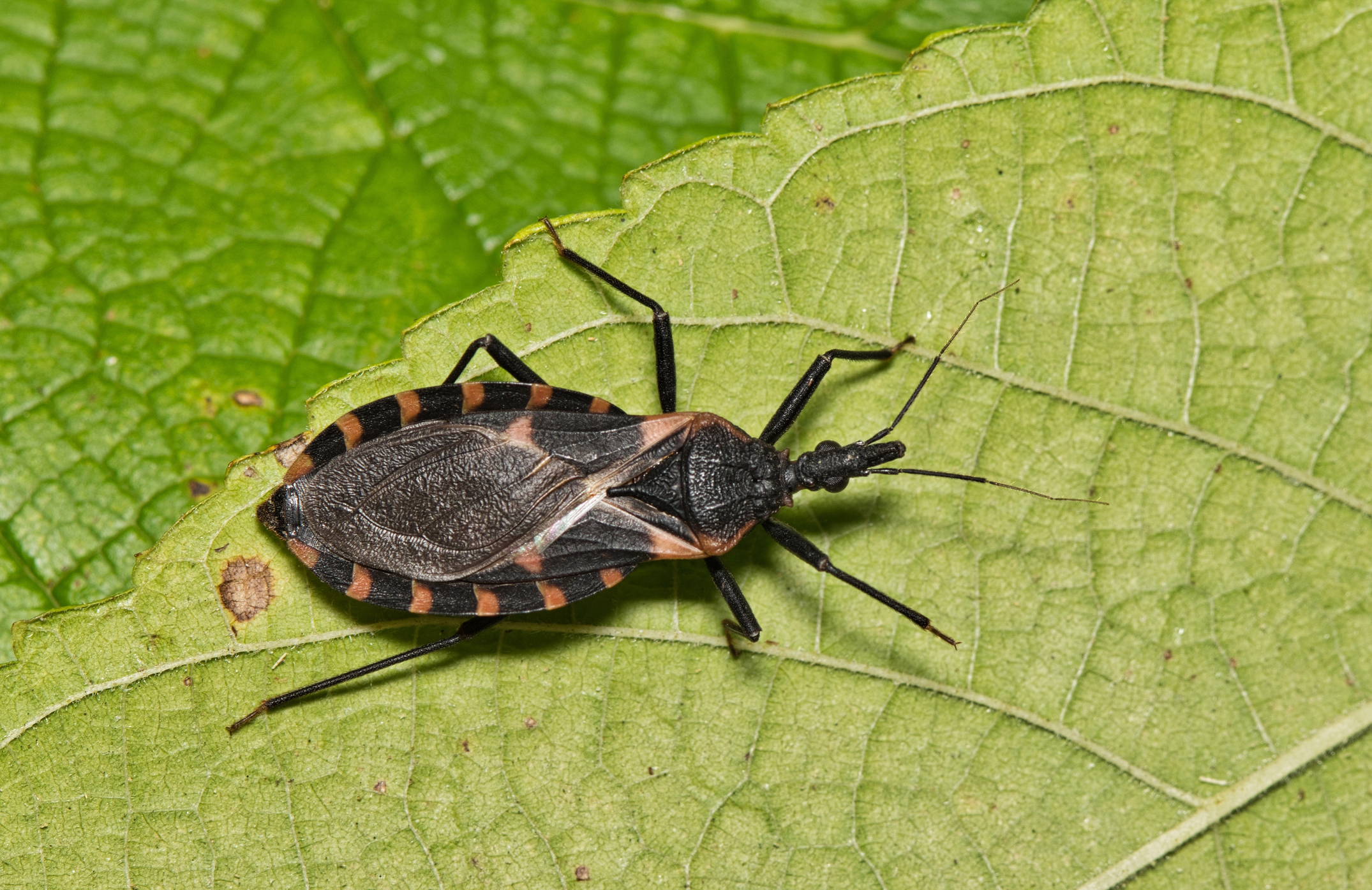
In 1835, Charles Darwin wrote about his experience of being bitten by these insects while trying to sleep outdoors in Argentina. “It is most disgusting to feel soft wingless insects, about an inch long, crawling over one's body. Before sucking they are quite thin, but afterwards they become round and bloated with blood.”
What he could not have known at the time is that kissing bugs - named after their habit of biting the face, especially around the mouth and eyes - are the vectors of the micro-organisms that cause Chagas disease, which infects 8 million people worldwide and causes more than 10,000 deaths every year, most of them in South America.
- Meet the world's largest, deadliest bug that can suck the life out of fish many times its size - effectively turning its prey into one giant protein smoothie
- 9 ruthless insect assassins – including one that chops the heads of its victims before removing their limbs
Infection often occurs in childhood and doesn’t usually cause serious illness. But in roughly one in three, the parasite weakens the heart over decades, leading to heart failure, often in middle age.
It has long been wondered whether Darwin’s own long-term health problems were the result of his contracting Chagas disease during his South American travels.
Jaguar
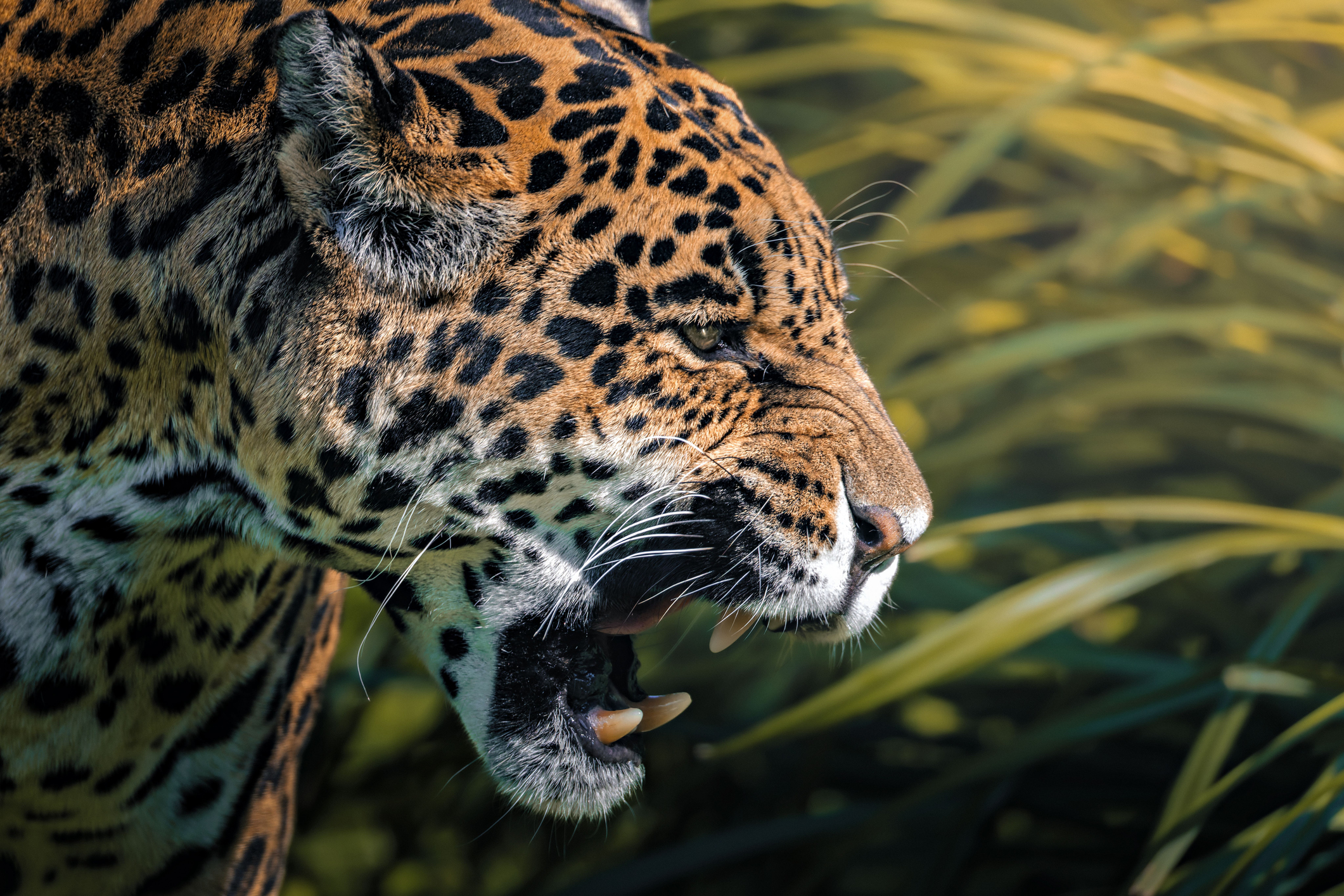
The third largest of all cats after the lion and the tiger, the jaguar boasts a stronger bite relative to its body size than any of them, allowing it to penetrate the armour of caimans and turtles and kill prey with a crushing bite to the back of the skull.
It ranges across much of South and Central America and into the southern US, and has been recorded at elevations of up to 2700m in the Andes.
A recent study found that 153 people were reportedly attacked by jaguars between 1940 and 2023, of which 17 died. Most of the victims were unaccompanied adult men engaged in hunting activities in rural areas.
Golden poison frog
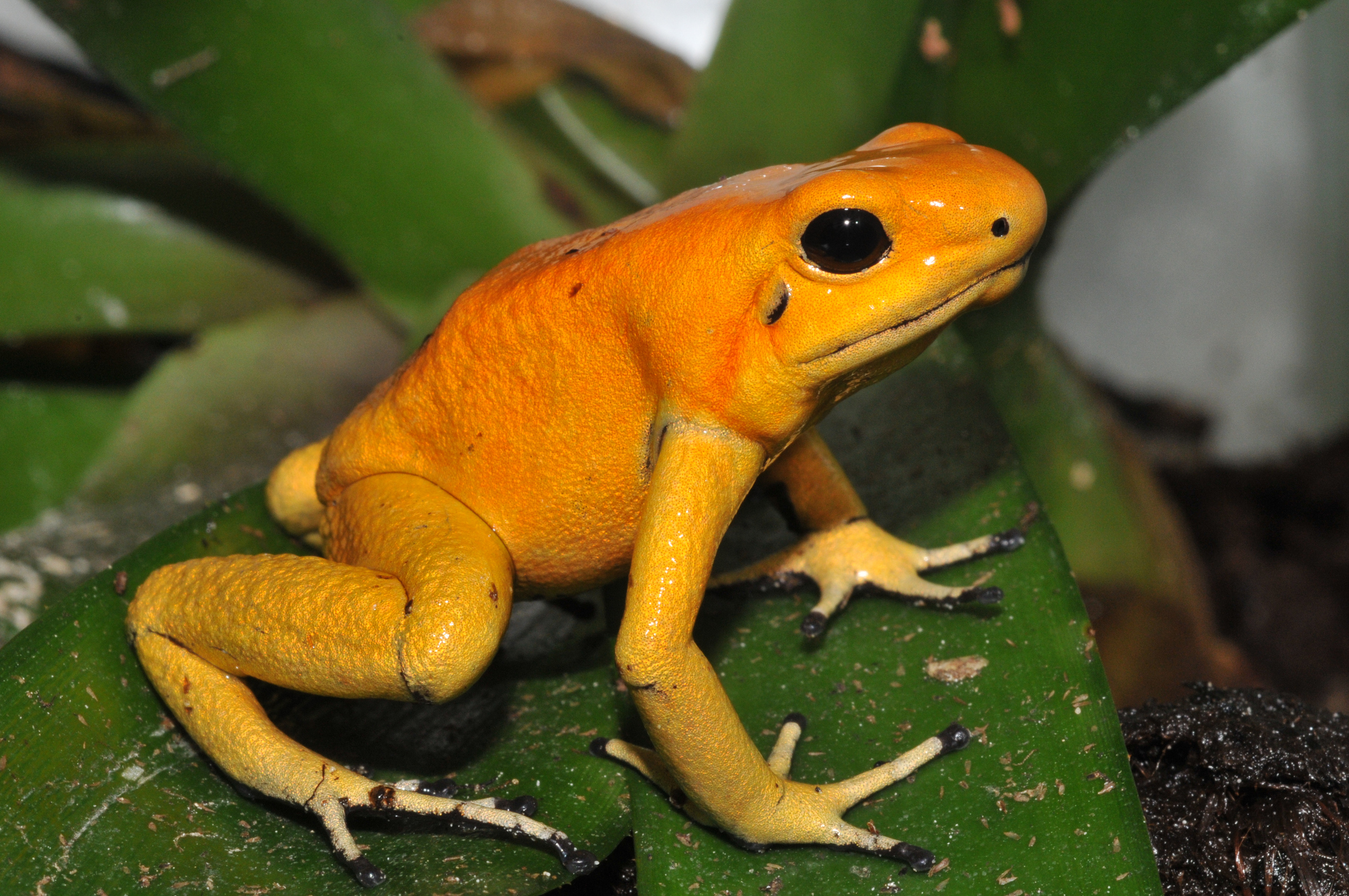
Widely hailed as the most toxic frog on the planet - or even, by some, the most toxic of all animals - the golden poison frog contains enough batrachotoxin in its skin to kill at least ten adult humans.
It is one of the many species of brightly-coloured poison dart frogs whose skin secretions are used by indigenous Amerindians to tip the darts they shoot from blowpipes.
Batrachotoxin interferes with electrical signals within muscles, causing paralysis and heart failure. The frogs’ bright colours warn potential predators to keep their distance.
- "It's up to 1,200 times more poisonous than cyanide." 10 most poisonous animals in the world, from frogs to sharks – and even butterflies. Yes that's right...
- “Its poison causes yawning – buying them enough time to leap out of the snake’s gaping mouth.”
The golden poison frog, which comes in golden yellow, orange and mint-green forms, is restricted to a small area of the western foothills of the Colombian Andes.
Mosquitoes
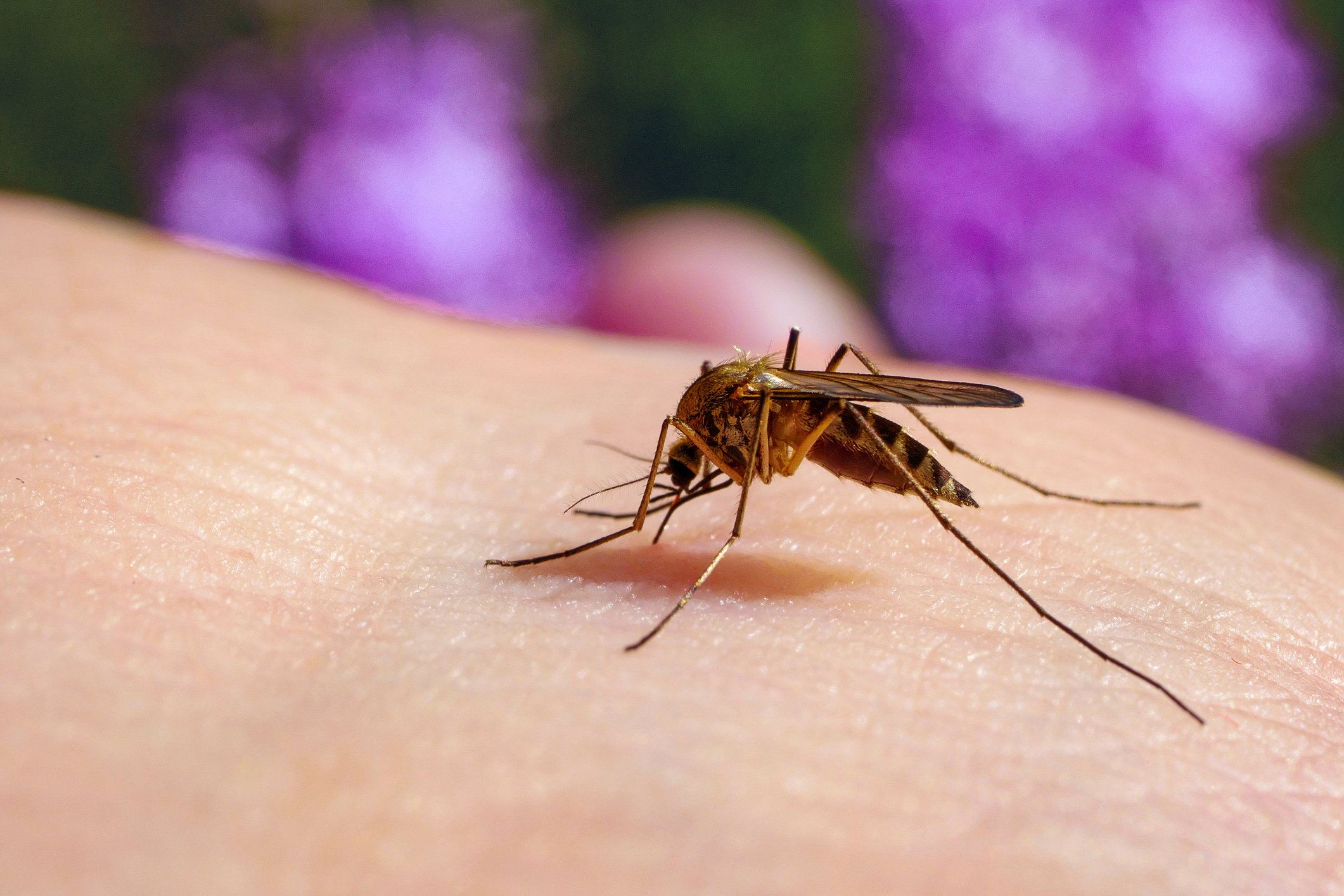
As vectors of some of the world’s most devastating diseases, mosquitoes play a part in the deaths of more people than any other animal.
Across the Americas, various species of Anopheles mosquito transmit malaria, infecting over half a million people every year, while Aedes aegypti spreads dengue, yellow fever, Zika and chikungunya.
Most mosquitoes thrive in warm, wet, low-lying areas, and make little impact in the Andes. But one species, Anopheles pseudopunctipennis, has a head for heights. In 1998, it caused an outbreak of malaria in a village at 2300m in the Bolivian Andes that infected 58 per cent of the population.
- 10 deadliest insects on the planet: Discover the world's most dangerous insects to humans, including one that's a major ingredient in 'love potions'
- Looks that kill: It has 12 eyes and a fearsome array of biting, slicing mouthparts that are able to tear prey to shreds
Puma
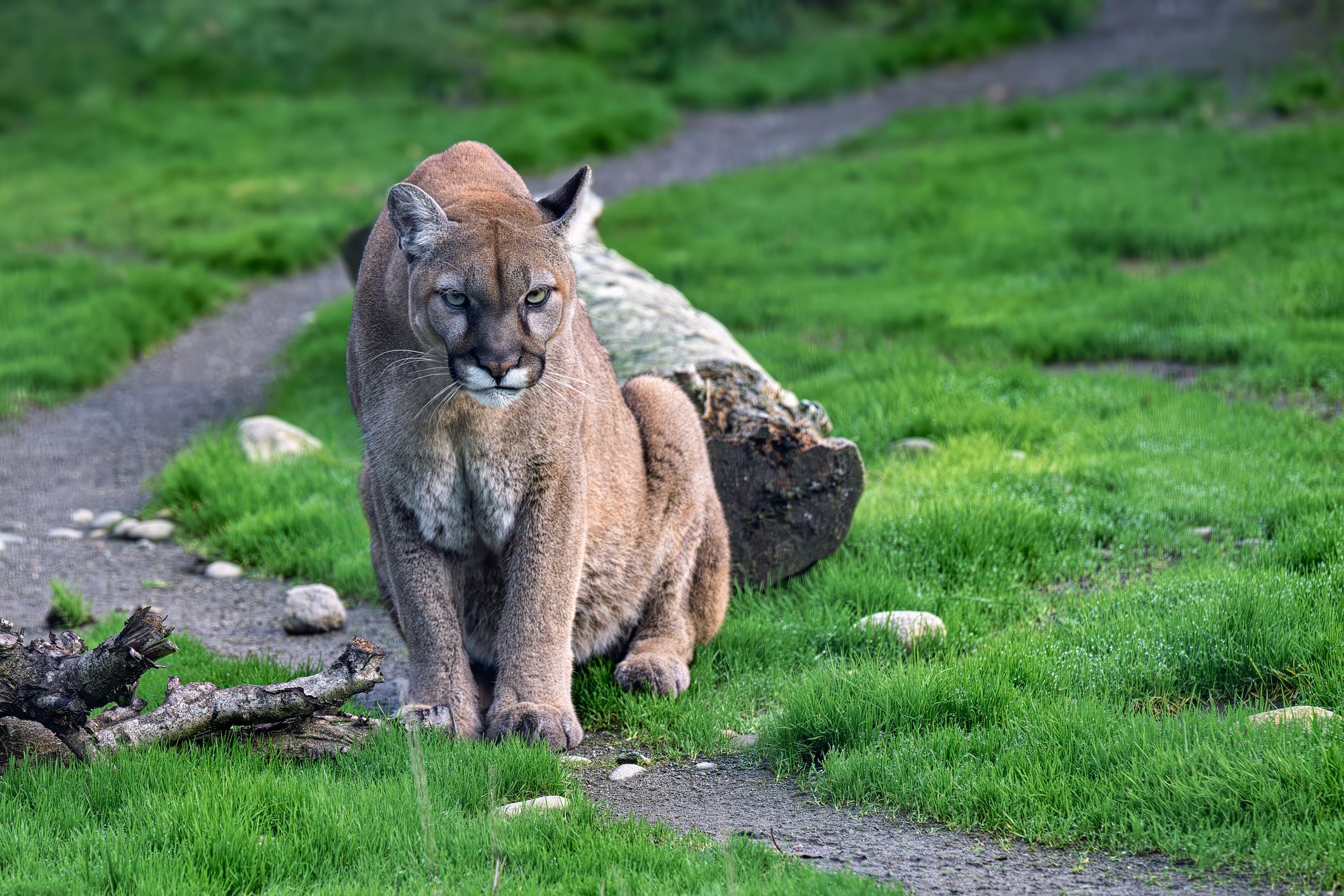
Ranging from Canada to the southern tip of South America, the puma is the most widespread of all terrestrial mammals in the Western hemisphere. Also known as the cougar or mountain lion (although it’s more closely related to the cheetah), it ventures to altitudes of 5,800m in the Andes.
The largest males can reach 100kg in weight and they are powerful enough to take down elks and guanacos, despatching victims with a bite to the neck. For the most part, they avoid humans and, in the whole of North America, there have been fewer than 100 fatal attacks since 1890.
- Watch brutal, heart-stopping BBC footage of two fierce puma mothers fighting in a savage battle for territory in the Andes
- "It erupts from its hiding place in a lightning attack and sprints to catch up with and overpower its prey with ruthless efficiency"
In South America, attacks are even rarer, although it’s not clear whether this reflects differences in reporting, encounter rates, or the behaviour of the puma populations.
In 1877, an Argentine scientist named Francisco Moreno survived being mauled by a female puma. He had been wearing a guanaco-hide poncho at the time and later speculated that the puma may have mistaken him for its principal prey in the region.
Africanised honeybee

Introduced to Brazil in the 1950s to increase honey production, the Africanised honeybee is the result of cross-breeding between European and African subspecies. It has since spread across much of South America and into the USA. In one recent study, 90 per cent of honeybees collected from the Andes of Ecuador were of the Africanised variety.
Its stings are no worse than other honey bee subspecies. But it is more aggressive, being faster to react to disturbance and chasing intruders over greater distances. The result is that victims often receive many more stings.
Its spread across South America has been accompanied by a striking increase in human deaths caused by bee stings. Between 2009 and 2019 the were 425 such fatalities in Brazil, compared to 268 in 2023 alone.
Vari’s electric eel
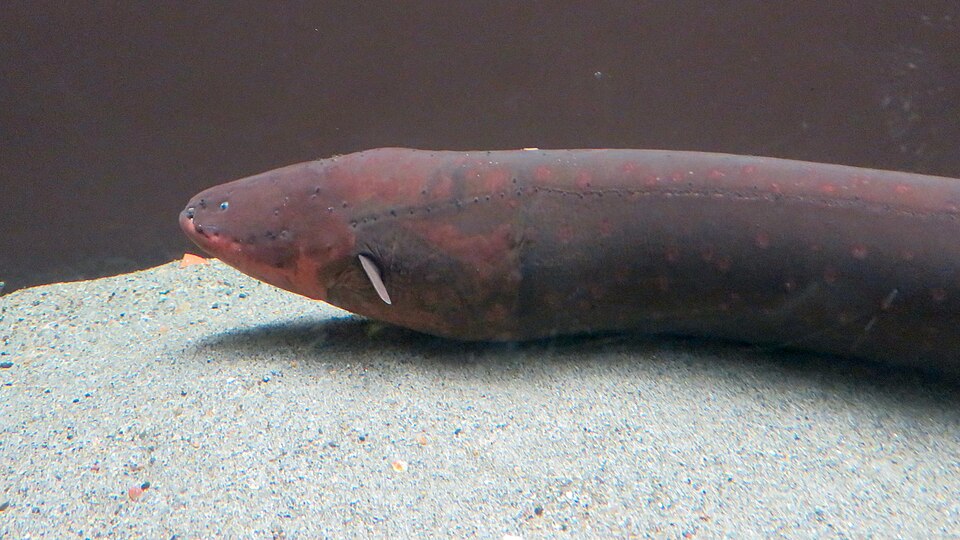
In 2022, after heavy rains, an 18-year-old man was wading through the floodwaters that had inundated his street in Laranjal do Jari, northern Brazil, when he was zapped by what is thought to have been a Vari’s electric eel and paralysed temporarily from the waist down.
Recognised as a distinct species in 2019, this is the only species of electric eel whose range extends into the foothills and valleys of the Andes. It is capable of delivering sudden discharges of electricity of up to 572 volts to stun prey and defend itself.
Its close relative, Volta’s electric eel, can produce 860 volts and is responsible for the only documented human fatality following electrocution, in 1997. The 23-year-old male victim was bathing with friends in a river in Brazil’s Northern Tocantins State when he was seen convulsing at the surface before sinking out of sight. His body was recovered half an hour later.
Wandering spiders
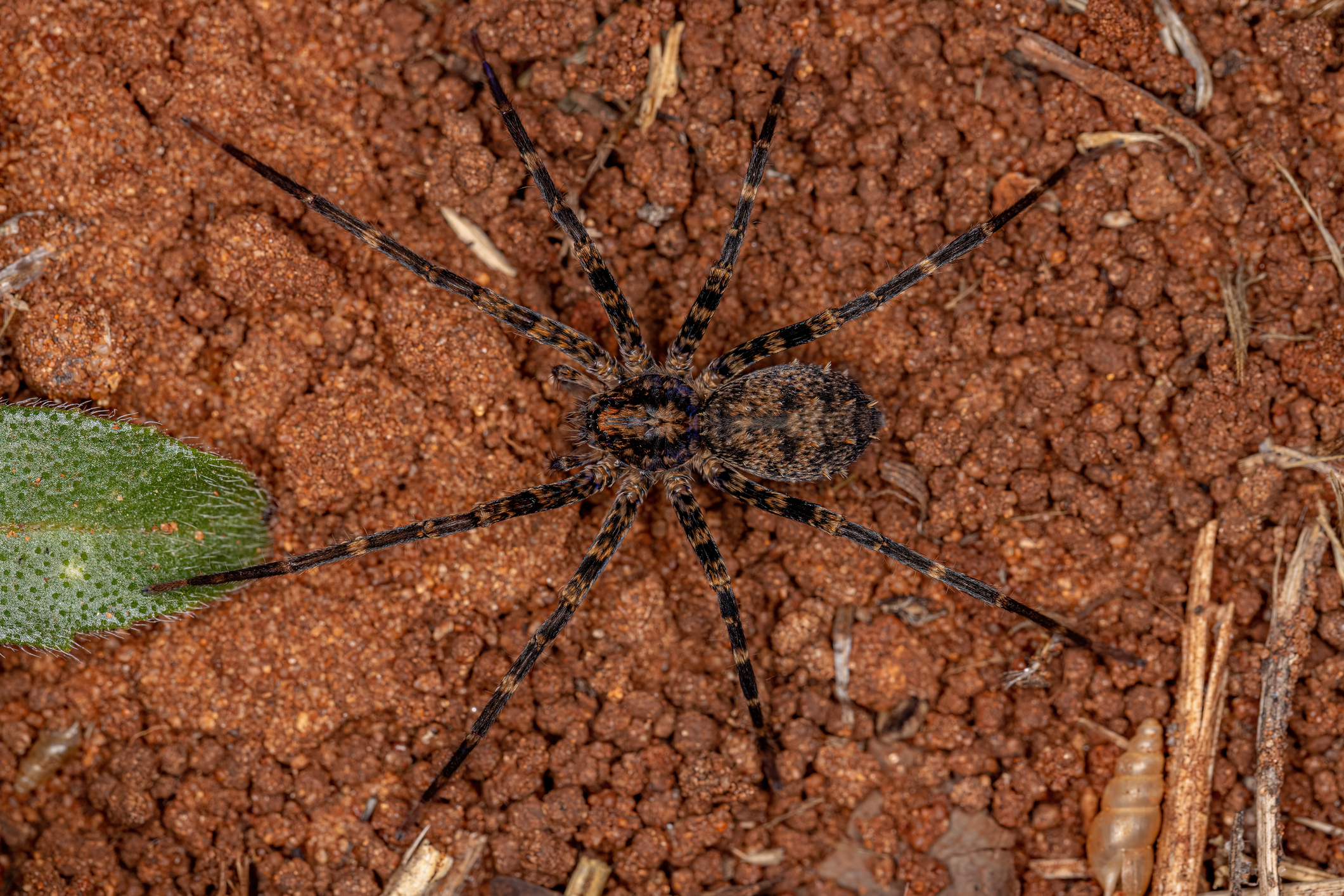
This is a name applied to a group of closely related, large, intimidating, fast-moving spiders that prowl South American forests in search of prey. They are also known as banana spiders because they occasionally turn up in other parts of the world in boxes of exported fruit. Several species occur in the foothills of the Andes.
Despite their fearsome reputation, the danger they pose to humans is widely overstated. About 90 per cent of bites result in only mild symptoms such as localised pain around the wound. Of 422 bites documented between 1984 and 1996, only one, involving a three-year-old child who developed pulmonary oedema, proved fatal.
Mountain tapir
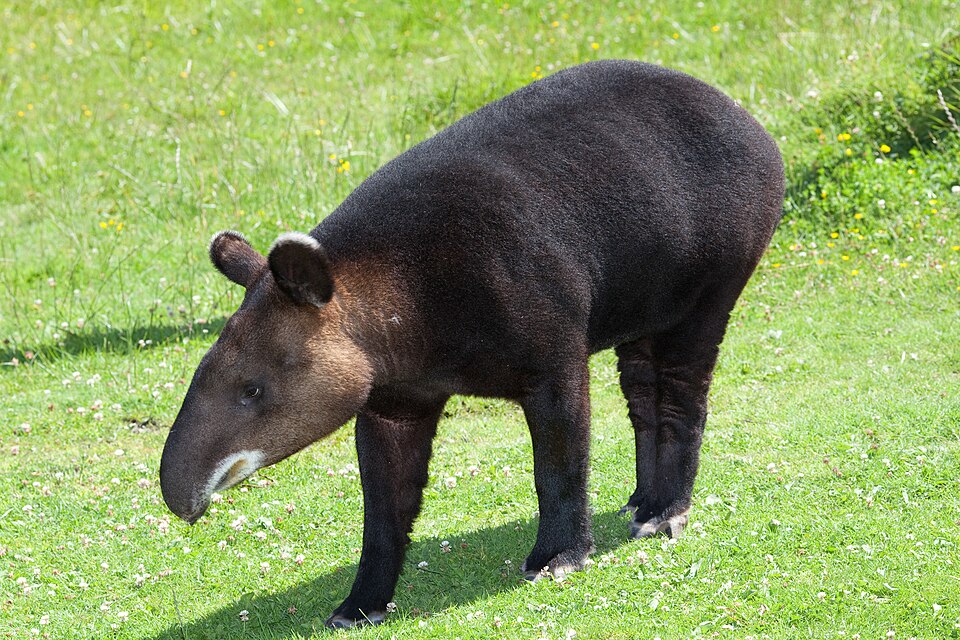
It’s hard to imagine these strict herbivores, with their adorable flexible noses, pose a threat to human life. But Carlos Manuel Rodríguez Echandi knows otherwise.
In 2006, as Costa Rica’s environment minister, he was accompanying a ranger patrol in the country’s Corcovado National Park when he was badly bitten during an attack by a female Baird’s tapir he’d been following to check out an injury to her calf. He only escaped by leaping into a rocky gorge, knocking himself out and sustaining more injuries. Separated from his group, he found his way out of the jungle after two days.
The outcome was even worse for a Brazilian farmer who bled to death in 2005 after multiple bites from a lowland tapir he’d stabbed with a knife after he found it eating his crops.
The only species found in the Andes is the mountain tapir, which lives at altitudes above 1400m and right up to the snow line. It’s a highly secretive animal and we’ve found no documented cases of attacks on people, but it can reach 250kg in weight, which is significantly bigger than the animal that killed the farmer.
You’re highly unlikely to be bitten by a tapir anywhere. But should the opportunity ever present itself, don’t take it.
Top image credit: Cristian Martin/Getty Images


