
It’s true that many animals that lived during prehistory were larger than those alive today. In fact, we’re living during a time when animals, on average, are smaller than they were in other periods.
- Deadly prehistoric snakes the length of a bus, 7 tonne crocodiles and supersized penguins almost 2 metres high - 11 animals that used to be bigger
- 10 terrifying prehistoric mega-beasts that ruled before the dinosaurs – from a car-sized millipede to an armoured fish whose bite could crush steel
However, this isn’t the case for all animals - where a lot of groups have shrunk in size over time, some have gotten bigger and bigger, transforming into giants that are orders of magnitude larger than their ancestors.
Here are 10 modern giants with small and humble beginnings.
10 modern giants who used to be smaller
Whales
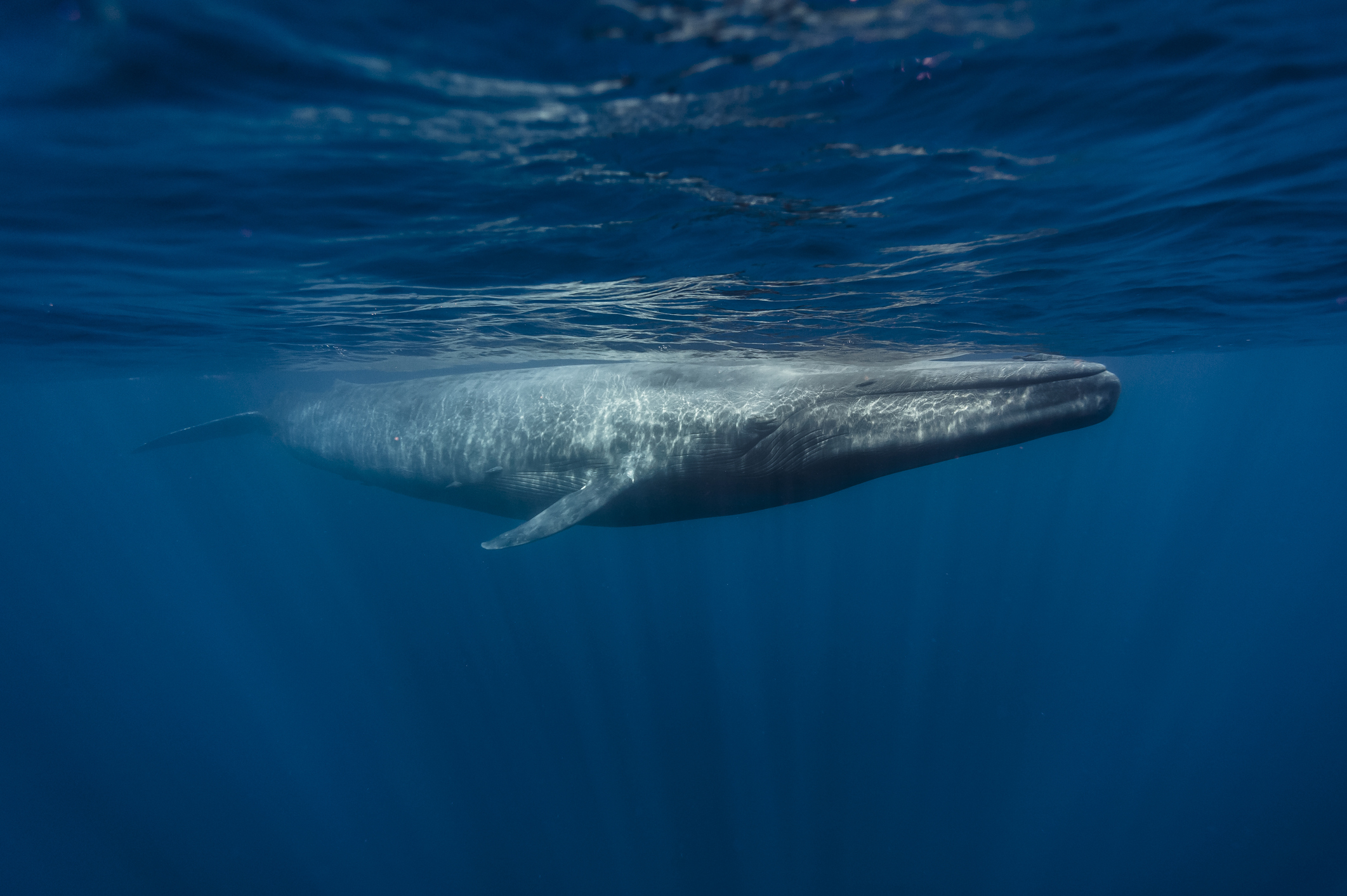
The blue whale (Balaenoptera musculus) is not only the largest animal alive today, but the largest animal that has ever lived. At 33m in length and weighing up to 200 tons, it’s roughly the same size as a large train carriage!
They might be the biggest animals ever, but blue whales (and other whales and dolphins) evolved from a tiny, fox-sized creature that lived on land and looked nothing like its modern relatives - Indohyus.
This semi-aquatic mammal lived in India and Pakistan during the Middle Eocene (~45 million years ago) and gave rise to a lineage that, slowly but surely, became increasingly more adapted to life underwater.
- "Balloons don’t get much bigger than a gas-filled whale": Just why do whales explode?
- Whale vs dolphin: what's the difference between these mysterious denizens of the ocean?
Pakicetus, the first recognised cetacean, followed Indohyus, evolving a suite of aquatic adaptations, such as a thickened temporal bone that boosted its hearing while submerged.
After Pakicetus came the likes of Ambulocetus and Basilosaurus. These animals record the stepwise acquisition of adaptations for a fully aquatic lifestyle, such as flippers, pad-shaped tail fins, and, eventually, giant body sizes.
Horses
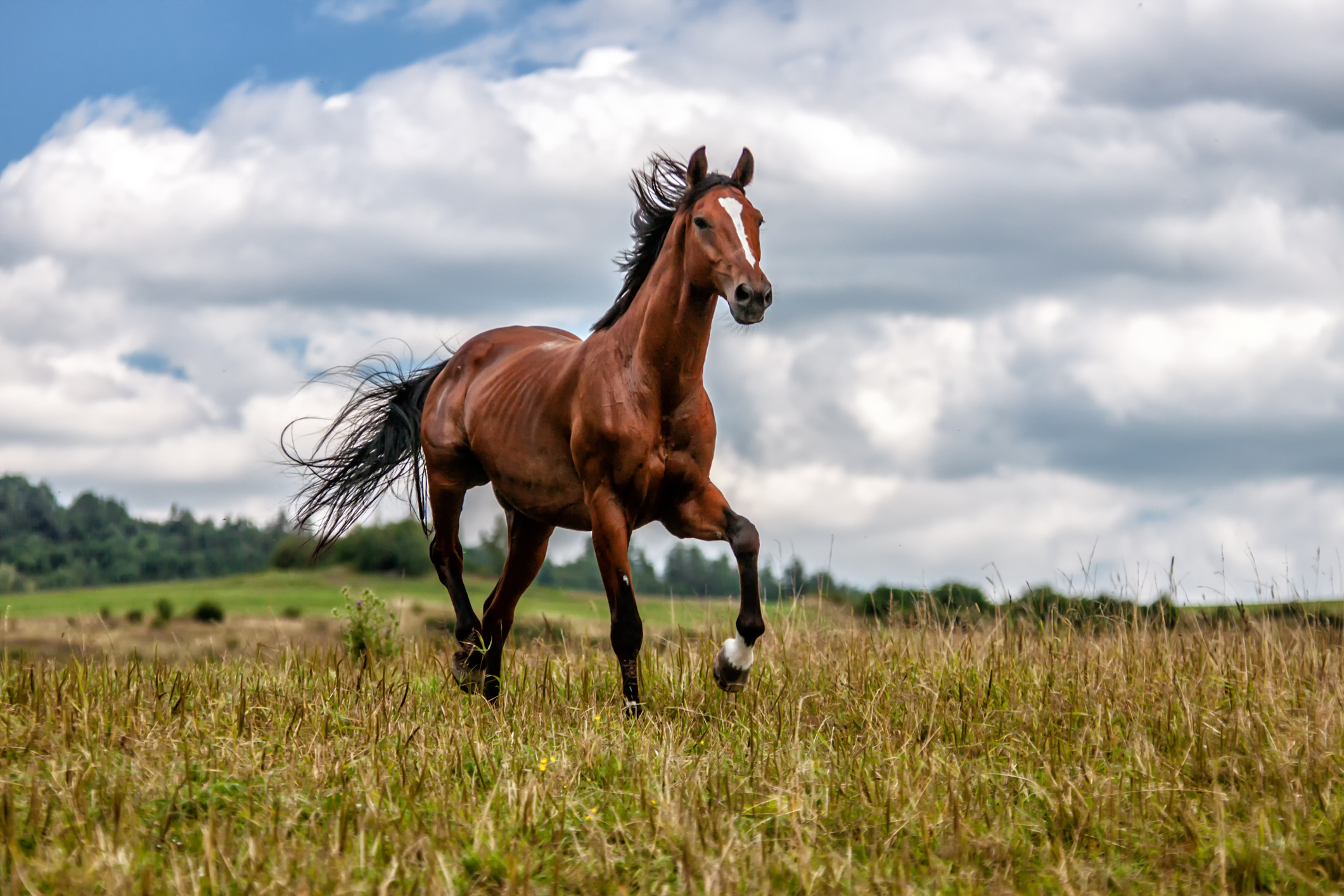
Standing just 30cm tall and measuring 60cm from the end of its snout to the tip of its tail, the ancestor of today’s horses was about the same size as a lamb, or a Miniature Schnauzer.
This tiny horse is known as Eohippus, or ‘dawn horse’, and it’s the first in a long lineage of hoofed mammals that, over the course of 50 million years, sequentially evolved into the horses we recognise today (Equus).
- It looks like a horse, but this is no ordinary horse… Przewalski’s horse is the world's only true wild horse with ancestors that roamed Europe over 20,000 years ago
- Year of the Horse 2026: What does this majestic and powerful creature symbolise in the lunar calendar?
The evolution of the horse is often put forward as an example of ‘straight-line evolution’, where species emerge in a classic linear sequence and get larger over time. This seems like a sound theory at first - today’s horses are the largest of their kind and can trace their roots back to a tiny ancestor.
However, this idea of evolution isn’t quite right. Instead of following a direct path to a pre-defined goal (e.g. modern horses), evolution follows many different paths, adapting to life in the moment and creating family trees that look more like bushes than ladders.
Dogs

There are several contenders for the largest breed of dog. Great Danes are widely recognised as the tallest, standing more than 1m tall on all fours, while English Mastiffs are considered the heaviest, weighing more than an average man.
The heaviest (and longest) dog on record is a 155kg, 251cm-long English Mastiff known as Aicama Zorba. The largest known dog from prehistory, on the other hand, is Epicyon haydeni. This giant canid was about the same size as Aicama Zorba - though larger individuals may have existed!
If you trace a dog’s family tree back far enough you’ll come across an animal known as Hesperocyon, or ‘western dog’. Smaller than most of today’s domestic cats, Hesperocyon was more comparable in size to a modern mink - and it looked like one too, with a long, low-slung body, pointed snout, and short legs.
Hesperocyon lived more than 40 million years ago and is widely considered the first ‘true’ dog and the ancestor of all living (and extinct) dogs. Unlike its descendants, this tiny dog was partially arboreal, meaning it spent a lot of its time in the trees.
Cats
As a group, cats emerged approximately 30 million years ago. Proailurus is the first known member of this diverse family and therefore the ancestor of everything from extinct sabre toothed cats to living lions, tigers, leopards, and domestic cats.
Proailurus was roughly the size of a large domestic cat, but it looked a lot like a cougar. Its extended back, short(ish) limbs, and long, flexible tail suggests it lived a partially arboreal lifestyle, like many of its descendants do. However, unlike living cats, researchers think it may have been omnivorous and occasionally fed on plants.
- "Its vicious-looking, self-sharpening teeth were designed to slice effortlessly through tough meat." 10 deadliest, most ruthless prehistoric cats ever
- Rare fossil found of tiny prehistoric cat, so small it could fit in the palm of your hand
After Proailurus came Pseudaelurus, which itself gave rise to several lineages - only one of which survived until the modern day. This living lineage comprises two groups: the small cats (Felinae) and the big cats (Pantherinae).
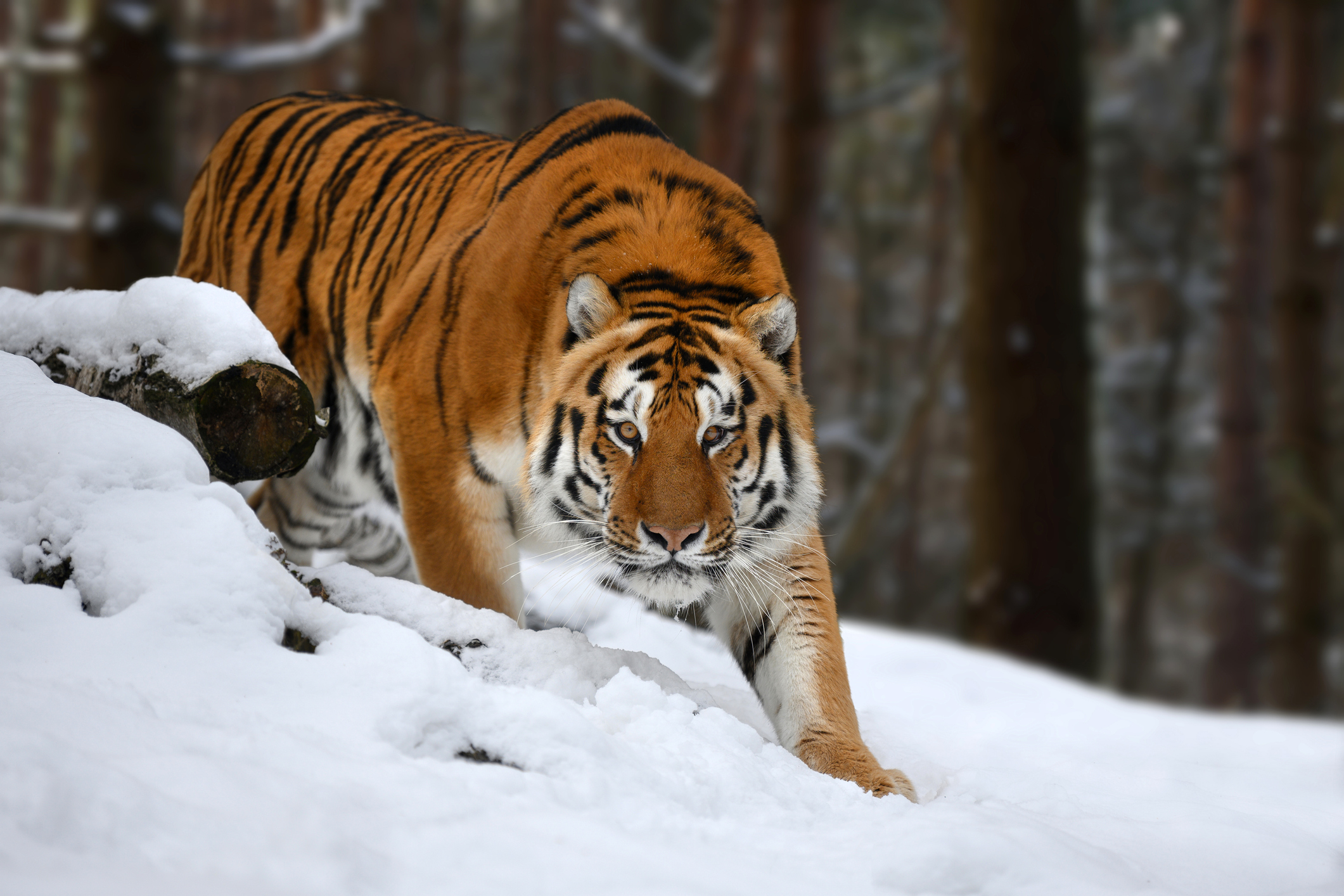
The Siberian tiger (Panthera tigris) is the largest big cat alive today and perhaps the largest that has ever lived, measuring 3m in length and weighing more than 300kg. An extinct subspecies known as the Ngandong tiger (Panthera tigris soloensis) might have been even larger, though!
Elephants
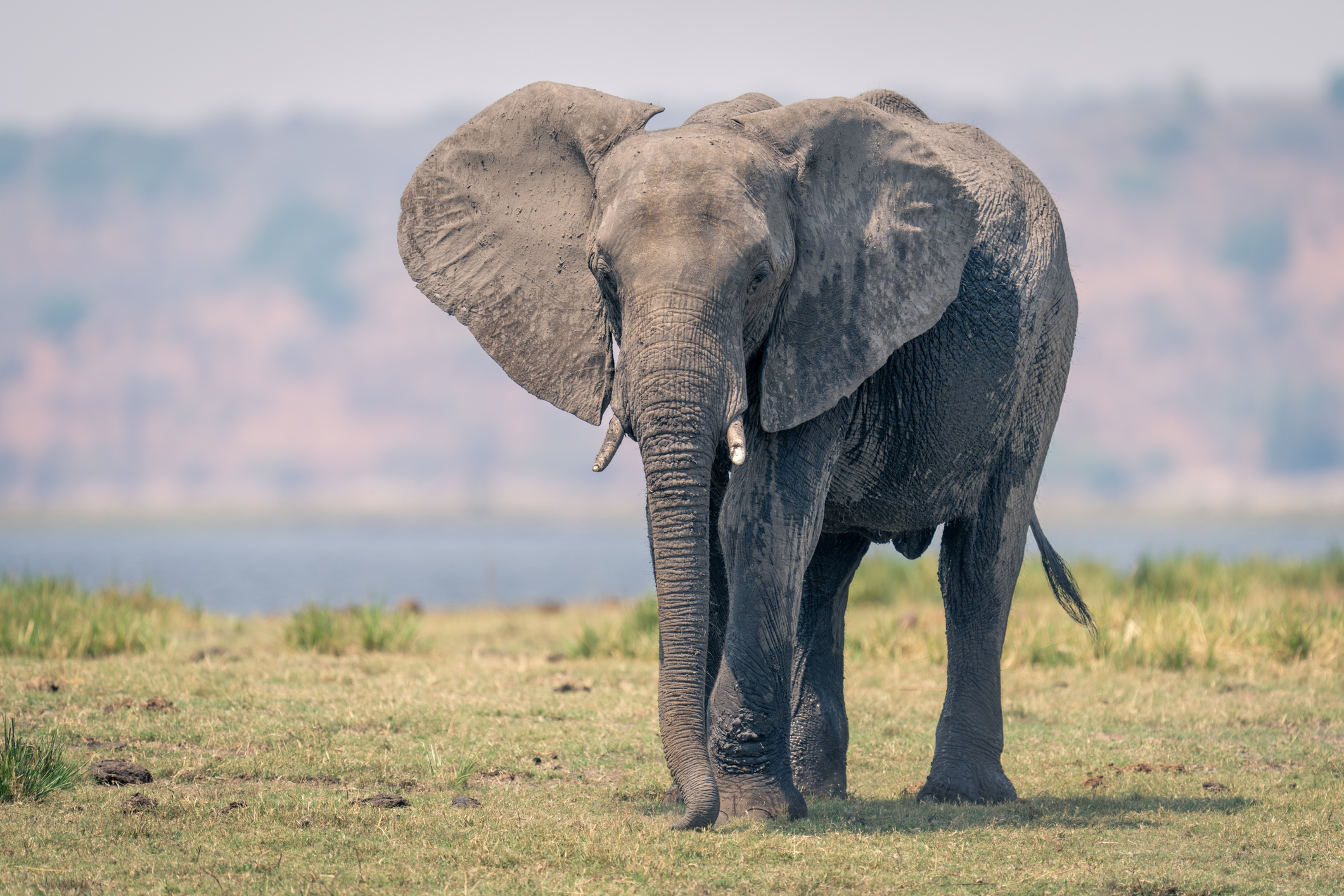
Elephants are the largest terrestrial animals alive today, not to mention some of the largest from prehistoric periods too - some recently extinct species of Palaeoloxodon may have stood nearly 5m tall, dwarfing woolly mammoths and modern elephants.
However, elephants haven’t always been enormous. 60 million years ago, there lived an unassuming animal known as Eritherium. It looked a lot like a pig, standing 20cm tall and weighing no more than 5kg.
- 10 animals that can kill an elephant: Which animals are able to take on this majestic giant?
- Are elephant graveyards a real thing? Is there any truth in the legend elephants go to a special place to die?
Eritherium is considered the earliest proboscidean - the scientific name for elephants and their extinct relatives. A number of different, large-bodied lineages evolved from Eritherium, including the large, chin-tusked deinotheres, the strange, long-jawed gomphotheres, and the elephantids - the group that includes Palaeoloxodon, mammoths, and living elephants.
Not all elephants since Eritherium have been massive, though. There are several adorably cute dwarf species that evolved after their large ancestors became trapped on islands and subsequently shrank in size due to a lack of resources. This is an evolutionary process known as ‘island dwarfism’.
Crabs
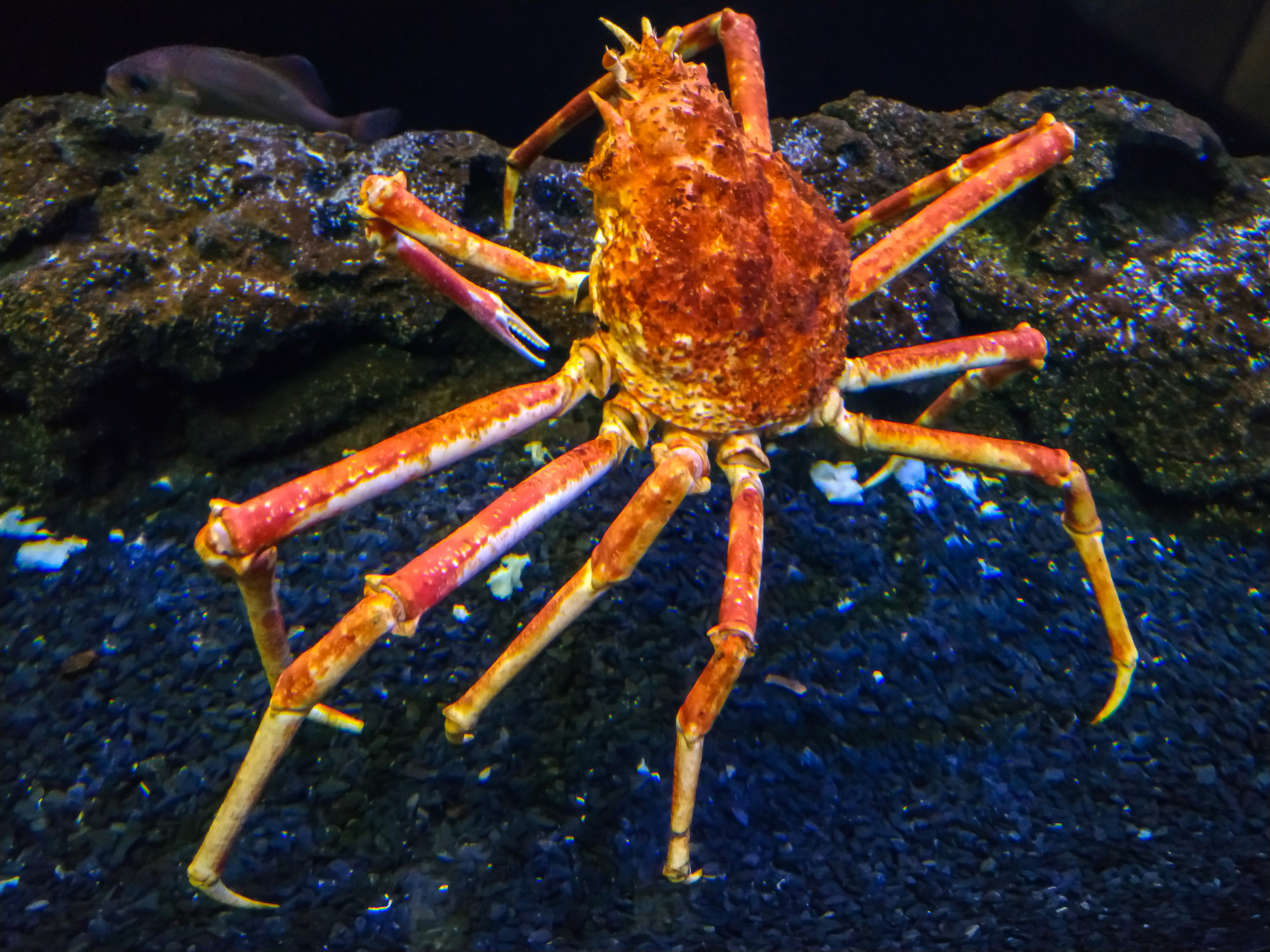
In the waters around Japan, at depths of up to 600m, lives a species of giant crab whose Japanese name (タカアシガニ, taka-ashai-gani) describes exactly what it is - a ‘tall-legged crab’. This nightmare-inducing crustacean has the largest leg-span of any arthropod; at around 3.75m, the Japanese spider crab (Macrocheira kaempferi) is as wide as a car is long!
This long-limbed giant belongs to a family known as Brachyura, which comprises the ‘true crabs’.
- Toxic killers and 4m giants – meet the 9 weirdest crabs on the planet
- “A smaller crab will be swallowed whole – a bigger one will be torn apart”
There are lots of animals that look like crabs (and are even called crabs), such as porcelain crabs, king crabs, and hairy stone crabs, but only brachyurans are genuine crabs - the others independently evolved similar bodyplans and are therefore examples of convergent evolution.
The earliest known brachyuran is an Early Jurassic-aged species called Eocarcinus, which measured roughly 4cm across. However, exactly where this miniature crab falls on the crab family tree is debated; according to a 2020 study it falls on the stem lineage just outside Brachyura, making it the closest non-crab ‘true crab’ - which is quite the mouthful!
Rhinos
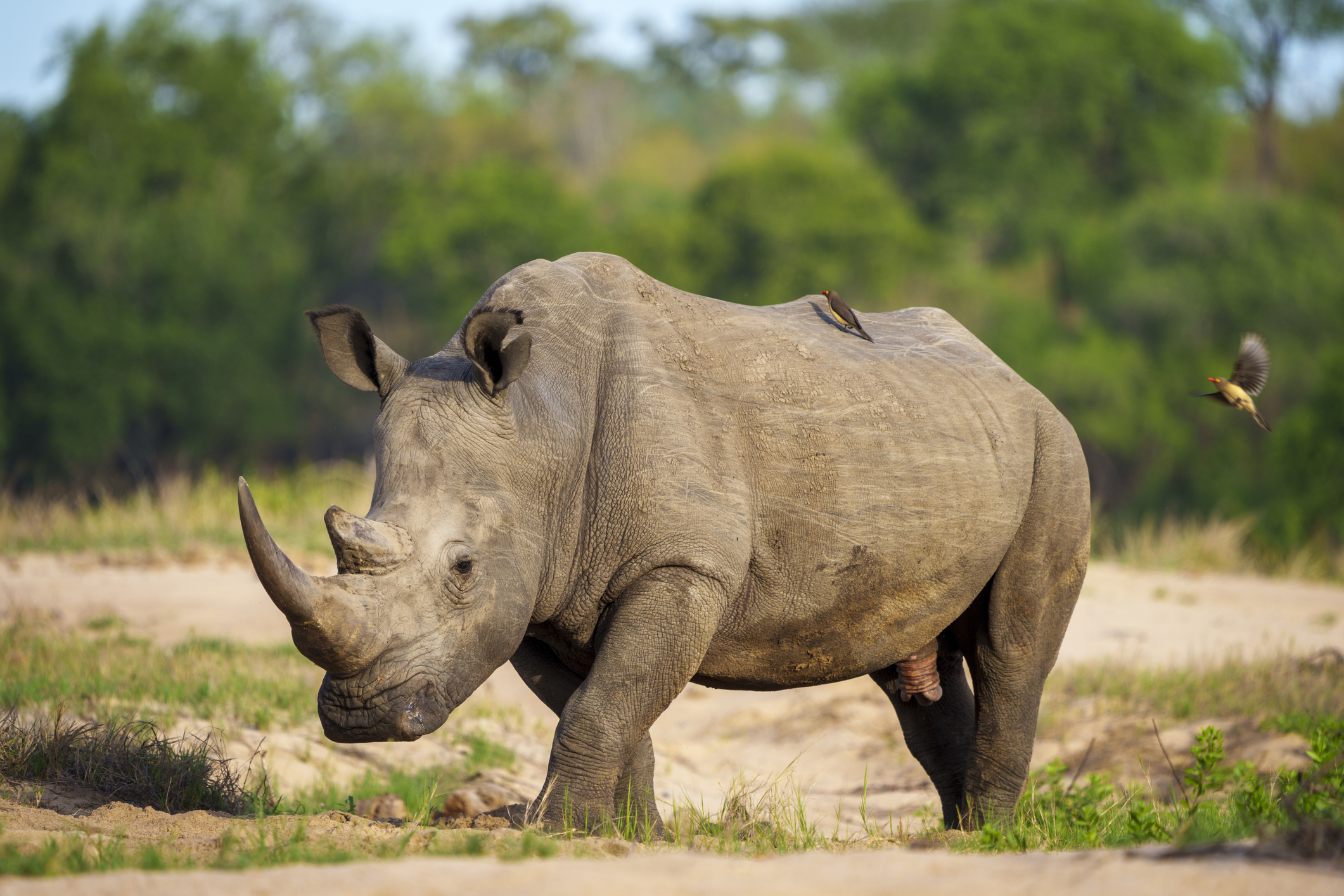
As a group, rhinos are known for three things: their horns, their bulk, and skin in dire need of some moisturising cream.
The largest ever rhinocerotid - the scientific name for the family that includes living rhinos and their extinct relatives - is Paraceratherium, which at 5m tall, 7.5m long, and 20 tons, is widely considered the largest terrestrial mammal that’s ever lived. Its living relative, the white rhino (Ceratotherium simum) isn’t quite as large, but standing taller than an average human and weighing more than a forklift truck, it’s still massive.
- 9 extraordinary rhino photos reveal just how powerful and intimidating these animals can be
- 7 animals that can kill a rhino: They may be fearsome, heavily armoured, and weigh more than 2 tonnes but they aren’t invincible
Both Paraceratherium and the white rhino (plus their extinct relatives and four other living rhino species) are distant descendants of a pioneering mammal known as Pappaceras, whose name translates to ‘grandfather without horn’. This hornless rhino relative is the first known rhinocerotid and at roughly the size of a dog, it looked similar to the ancestors of modern horses.
This horsey resemblance isn’t so surprising, at least from an evolutionary perspective. Pappaceras lived 50 million years ago and just after the perissodactyls, or ‘odd toed ungulates’, split into three distinct groups: tapirs, rhinos, and… horses.
Squids
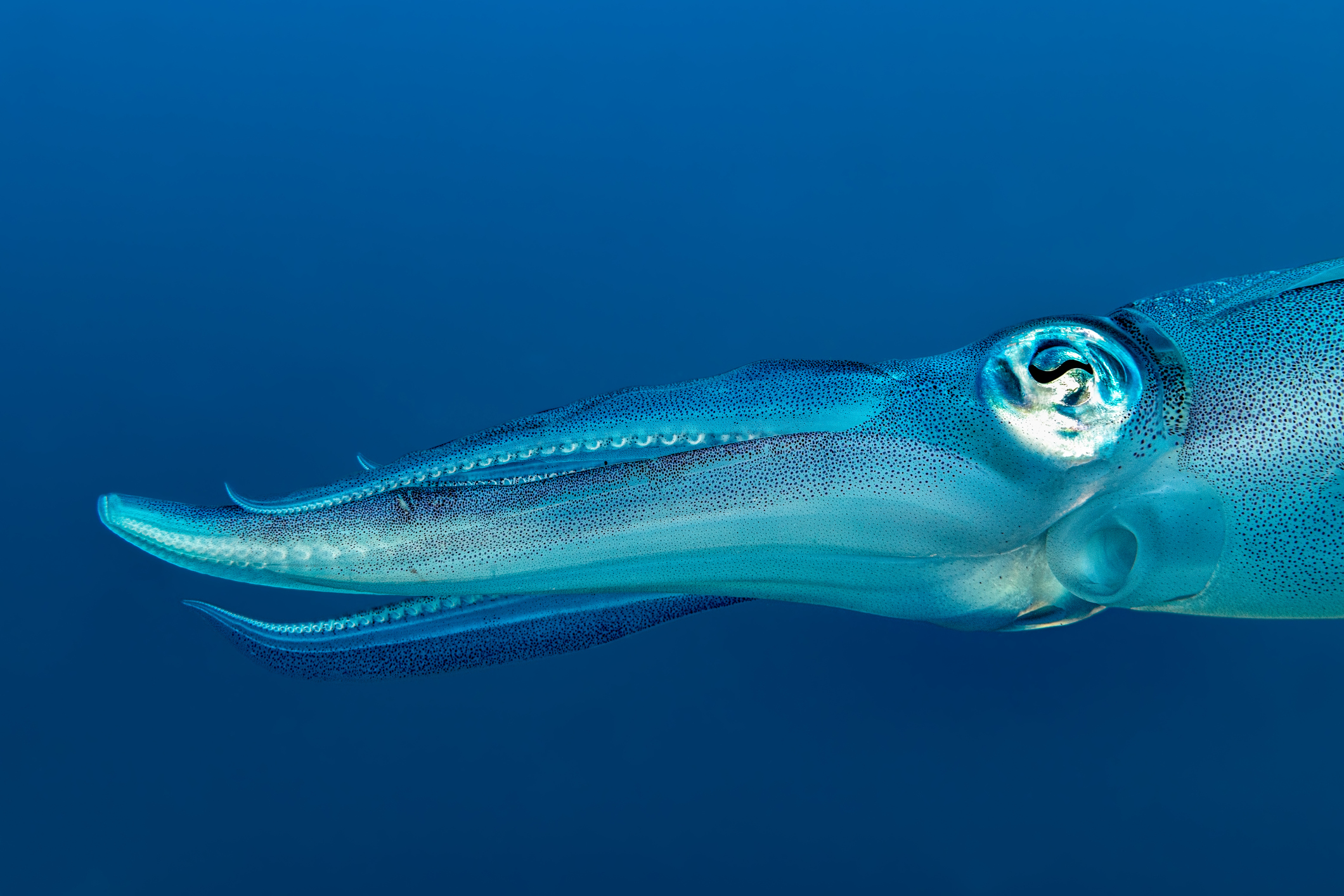
The largest animals are typically vertebrates, which is what makes the colossal squid (Mesonychoteuthis hamiltoni), the largest living invertebrate, such a strange and unnerving creature.
Including its feeding tentacles, a colossal squid can reach lengths of up to 10m, though some estimate that individuals as long as 14m may exist somewhere in the deep ocean. This boneless behemoth is heavy too, tipping the scales at nearly half a ton (~495kg).
Despite looking alike and having similar, size-based epithets, the colossal squid and the giant squid (Architeuthis dux) aren’t closely related. In fact, they’re as distantly related from one another as we are from whales!
- These are the deadliest octopuses in the world – and one has enough venom to kill dozens of humans within minutes
- Scientists extract DNA from 'vampire squid from hell’ – and uncover 300-million-year-old secret
That said, both the colossal squid and the giant squid are members of the same order, Oegopsida, which is one of the two major orders of squid (the other being Myopsida).
As a group, squids originated roughly 100 million years ago, starting small before growing increasingly larger by the Late Cretaceous. There are still tiny species of squids alive today, such as the 2cm-long pygmy squid, which goes to show just how diverse this group of invertebrates really is.
Giraffes
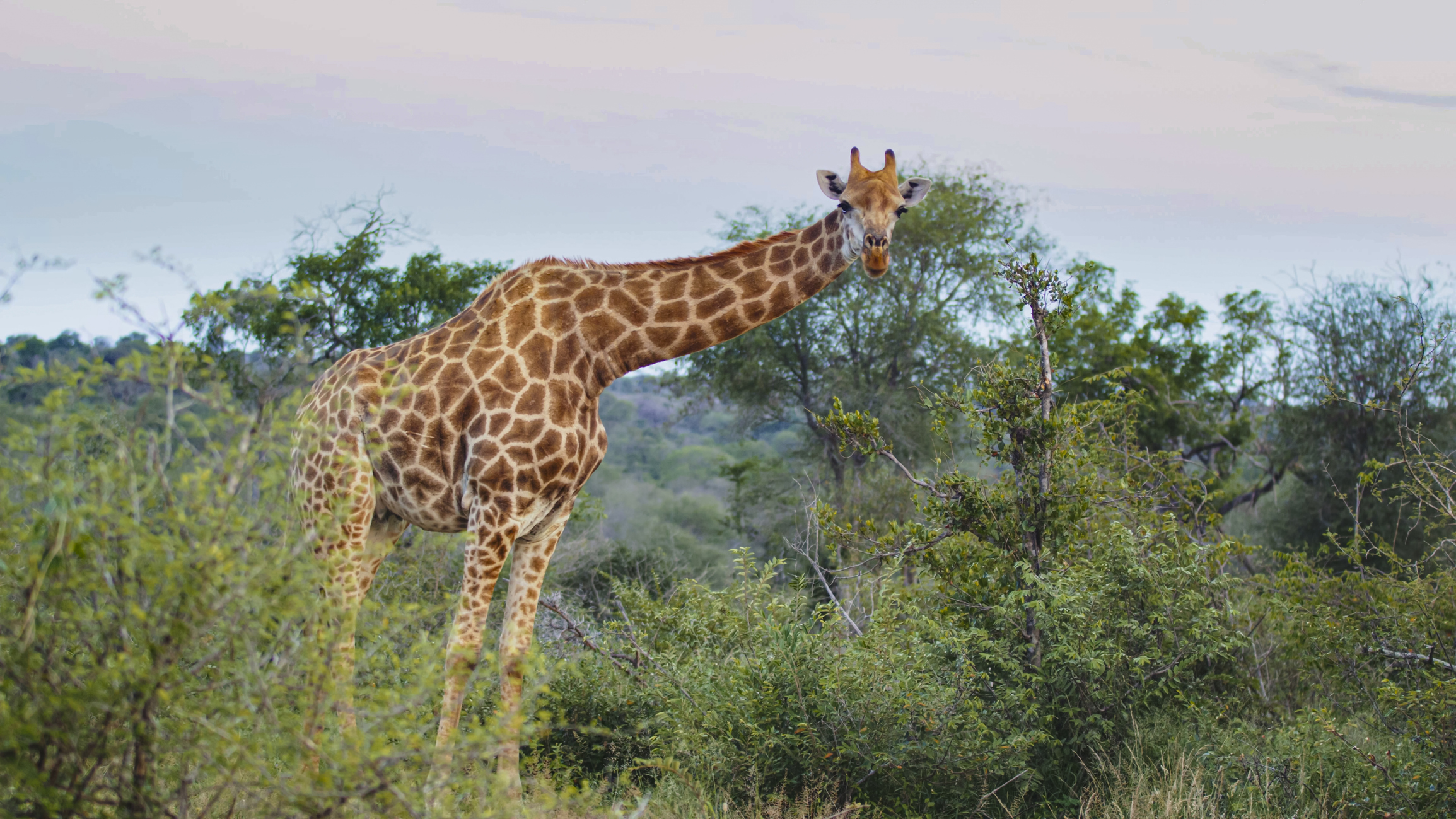
The ancestor of modern giraffes looked just like a pronghorn, which is unsurprising considering giraffes and pronghorns evolved from a common ancestor some time in the Early Miocene, roughly 25 million years ago.
This antelope-sized ancestor is known as Canthumeryx. It had a lightly built body, long, skinny legs, and an elongated neck.
As giraffids like Canthumeryx evolved, their necks - and bodies - got increasingly larger. It’s still debated why giraffes evolved such long necks; they may be an adaptation to reach high foliage, weapons for fighting with, results of sexual selection, or a combination of all three!
- It looks half-zebra, half-giraffe and has a tongue nearly 50cm long. All you need to know about one of the world's weirdest animals
- They sleep for just 30 minutes a night and only drink a couple of times a week... 15 crazy facts about the world's tallest animal
The tallest giraffe ever recorded was a Kenyan-born male called George, who stood 5.8m tall. At least 3m of George’s height was made up by his neck, which despite being the longest neck measured on any living animal, still only had the same number of vertebrae as the neck of a Canthumeryx.
In fact, giraffes (and Canthumeryx, plus their extinct and extant relatives) have the same number of neck vertebrae as we do, just seven! Unlike ours, a giraffe’s neck vertebrae are supersized, with each measuring nearly a foot, or 30cm.
Humans

It might not seem like it, but we’re amongst the largest animals alive today and - by far - the largest species of the Homo lineage.
The first Homo species, Homo habilis, appeared roughly 2.3 million years ago and stood just 4ft (122cm) on average, which is about the size of a seven to eight-year-old child today.
The next major species in our lineage, Homo erectus, grew larger and looked very similar to us, anatomically speaking. But averaging 4ft 8in – 5ft 6in (141-167cm) as adults, they’d still be considered ‘on the short side’ if they were alive today.
- Could there ever be a new species of human?
- 10 animals that could swallow a human whole, from snakes to sharks
According to the Guinness Book of World Records, the tallest human in recorded history is an American man called Robert Wadlow. Wadlow was a staggering 8ft 11.1in (272cm) tall. He was so tall he could have effortlessly ‘dunked’ a basketball without having to lift his feet off the ground!
In other words, Wadlow measured 2.2 Homo habilines - a non-standard unit of measurement, but a great way to visualise just how much larger humans have got over the last two million years. Another way to put Wadlow’s height into perspective is to picture three Homo floresiensis (the smallest known species of Homo) standing on each other's shoulders!
- This prehistoric apex predator is older than trees, the Atlantic Ocean and even the North Star. A biologist explains why
- These prehistoric terror birds – with 'walking bolt cutters' for beaks – would have petrified early humans
Top image: Sean Steininger/Getty Images


